
卡游

Search documents
卡游港股IPO:违规经营卡牌盲盒曾遭央视曝光 未成年人保护不应“纸上谈兵”
Xin Lang Zheng Quan· 2025-05-27 07:40
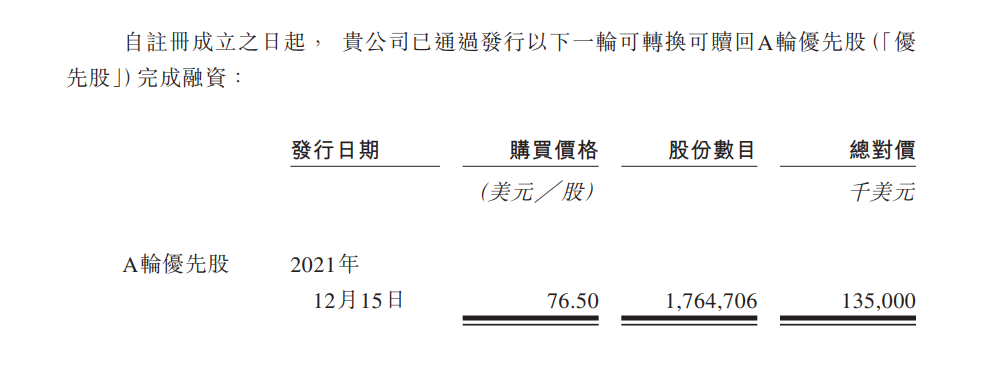
Core Viewpoint - The company KAYOU is attempting to relaunch its IPO process on the Hong Kong Stock Exchange after facing regulatory challenges and significant financial losses, while also grappling with compliance issues related to the sale of products to minors [1][3][13]. Financial Performance - KAYOU's revenue in 2024 saw a substantial increase of 277.78% year-on-year, surpassing 10 billion yuan, but the company reported a net loss of 1.242 billion yuan, a shift from a profit of 450 million yuan in the previous year [1][8]. - The fair value loss of KAYOU's Series A preferred shares increased dramatically to 3.867 billion yuan, up from a loss of 201 million yuan the previous year, marking a 1823.88% increase [9][10]. Market Position - KAYOU is recognized as a leading company in the pan-entertainment product sector, holding the top market shares of 13.3% in the pan-entertainment products industry and 21.5% in the pan-entertainment toys industry as of 2024 [3]. - In the collectible card segment, KAYOU commands a dominant market share of 71.1%, earning the nickname "King of Elementary School Cards" [3]. Regulatory Challenges - KAYOU's IPO application was initially submitted in January 2024 but was stalled due to requests from the China Securities Regulatory Commission for additional information regarding its equity structure and data security [1][3]. - The company has faced scrutiny for its marketing practices targeting minors, which have been criticized as exploitative, leading to compliance issues that could hinder its IPO prospects [13][16]. Corporate Governance - KAYOU's founder and CEO, Li Qibin, received a total compensation of 1.8 billion yuan in 2024, raising concerns about potential conflicts of interest and excessive remuneration in a highly concentrated ownership structure [11][12]. - The company has been criticized for its stock incentive plan, which was perceived as disproportionately benefiting the founder and related parties at the expense of minority shareholders [10][12]. Social Responsibility - KAYOU's business model has been labeled as "quasi-gambling," particularly in its marketing strategies aimed at children, which could lead to social issues such as compulsive spending and addiction [14][17]. - The company has been under pressure to implement effective measures to protect minors, especially following regulatory guidelines that prohibit the sale of blind box products to children under eight years old [16][17].

情绪消费成品牌增长核心动力!叠纸心意等4家“谷子店”跻身中外大牌
Huan Qiu Wang Zi Xun· 2025-05-27 04:20
Core Insights - Emotional consumption is experiencing significant growth, with new brands like "谷子经济" leading the way in capturing the youth market [1][4] - The "China Online Consumption Brand Index" (CBI) and "Global Brand China Online 500" (CBI500) highlight the performance of brands based on real consumer data, focusing on high-quality development [1][2] Brand Performance - Four brands, namely 叠纸心意, 米哈游, 光与夜之恋, and 卡游, have emerged as strong representatives of emotional consumption among young consumers, characterized by low average transaction prices and rapid product updates [2][4] - 卡游 has a customer price index of 1.34, below 85% of brands on the list, yet its transaction amount growth index is 0.56, surpassing well-known international brands like LEGO [2] Youth Engagement - The four brands show exceptional performance in the 18-24 age group, with transaction growth rates exceeding those of established toy brands like 万代 and 迪士尼 [2] - 光与夜之恋's transaction amount growth index can reach over four times that of other brands, indicating strong market traction among younger consumers [2] Market Trends - During last year's Double 11 shopping festival, 米哈游 and 叠纸心意 both surpassed 100 million RMB in sales, marking their entry into the "billion club" [3] - The total transaction volume for derivative products on the Taobao platform exceeded 10 billion RMB, with over 30% of transactions coming from consumers aged 18-24 [3] Industry Implications - The success of these domestic IP brands serves as a strong reference for similar brands, demonstrating the potential of original IP content to disrupt the dominance of foreign IPs [4] - The rise of emotional consumption is becoming a core driver of growth for many brands, indicating a shift from manufacturing to creative development in the Chinese toy market [4]
卡游携专家熊丙奇、上海教育出版社,推出反欺凌教育创新产品
Nan Fang Du Shi Bao· 2025-05-26 14:41
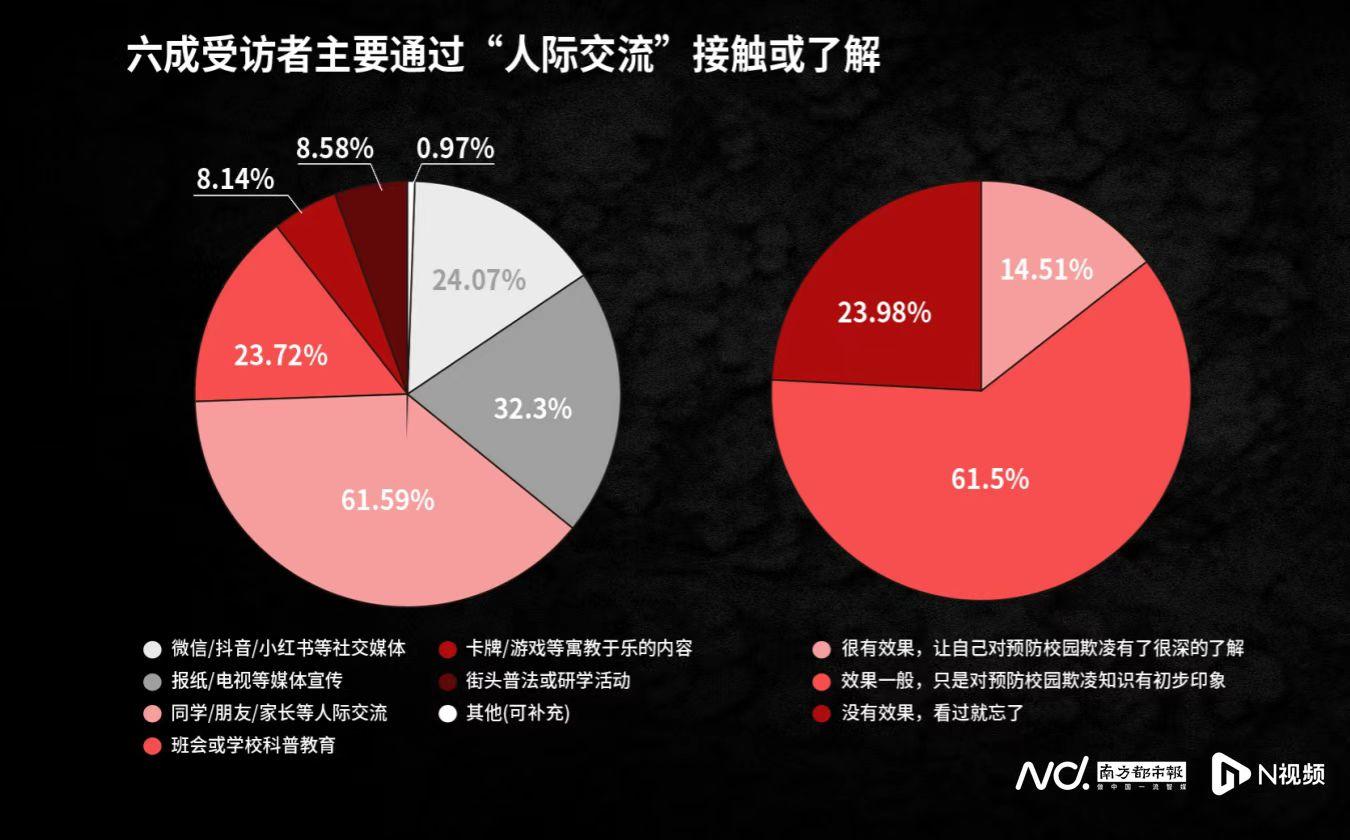
Core Viewpoint - The event "Legal Protection for Growth and Building a Sunshine Campus" highlights the increasing societal focus on preventing campus bullying, with the introduction of educational resources aimed at addressing this issue [1][4]. Group 1: Event Overview - The event took place on May 26 during the National Law Popularization Month and was organized by various educational and governmental bodies in Shanghai [1]. - The event featured the launch of the anti-bullying educational book "Say 'No' to Campus Bullying" and interactive cards developed by the company KAYOU in collaboration with education expert Xiong Pingqi and Shanghai Education Publishing House [1][4]. Group 2: Survey Findings - A survey conducted by KAYOU and Southern Metropolis Daily revealed that 43.01% of respondents had witnessed bullying, while 12.83% had experienced it personally [1]. - The survey indicated that 73.63% of respondents learned about campus bullying through interpersonal communication, highlighting the importance of informal networks in information dissemination [2]. Group 3: Causes of Bullying - The primary reason identified for the occurrence of bullying was the "weak legal awareness among students," cited by 59.91% of respondents, followed by "psychological issues among students" at 48.85% [4]. - Other contributing factors included "lack of educational guidance and management in schools" (24.42%) and "deficiencies in family education" (24.34%) [4]. Group 4: Educational Product Features - The educational product combines a book and interactive cards, aiming to provide a comprehensive approach to understanding and addressing bullying through legal definitions, psychological causes, and coping strategies [4]. - The interactive cards utilize a unique design and optical principles to engage youth in learning about bullying recognition and self-protection skills in an enjoyable manner [4]. Group 5: Company Initiatives - KAYOU has previously engaged in various social responsibility initiatives, including transforming artwork from individuals with autism into card products and developing cultural cards for the Paris Olympics [5]. - The company aims to continue exploring the integration of cultural products with social value, reinforcing its commitment to social responsibility [5].
江浙沪传奇男人,掏走小学生100亿
创业邦· 2025-05-26 10:35
Core Viewpoint - The article discusses the remarkable growth and business strategy of KAYOU, a card-selling company that has achieved significant revenue and market presence, positioning itself as a leader in the collectible card industry, particularly among young consumers [3][5][25]. Group 1: Company Overview - KAYOU submitted its prospectus for a second time to the Hong Kong Stock Exchange after an initial unsuccessful attempt in January 2024, indicating its ambition to go public [3]. - The company reported over 10 billion in revenue last year, with a year-on-year growth rate of 277.78%, and an adjusted profit of 4.466 billion, achieving a gross margin of 67.3%, surpassing competitors like Pop Mart [5][25]. Group 2: Founder Background - The founder, Li Qibin, transitioned from a stable government job to entrepreneurship after facing significant family debt, demonstrating a bold shift in career and mindset [9][10]. - Li Qibin's initial venture into the card business began with a keen observation of market trends, leading to the establishment of KAYOU after previous business setbacks [10][19]. Group 3: Business Strategy - KAYOU's success is attributed to leveraging popular existing IPs rather than creating new ones, reviving interest in older franchises like Ultraman and My Little Pony, which has broadened its consumer base [19][21]. - The company adopted a strategy of offering significant discounts to distributors, enhancing its market presence and sales volume across various retail channels [24]. Group 4: Future Aspirations - Despite current success, KAYOU faces challenges with expiring IP licenses and increasing regulatory scrutiny, prompting the need for diversification and cultural branding [25][28]. - The company is exploring collaborations with cultural institutions and expanding into new product lines, such as toys and stationery, to establish a more comprehensive market presence [29][34].
二次元“吃谷”,救活线下消费
3 6 Ke· 2025-05-26 01:14
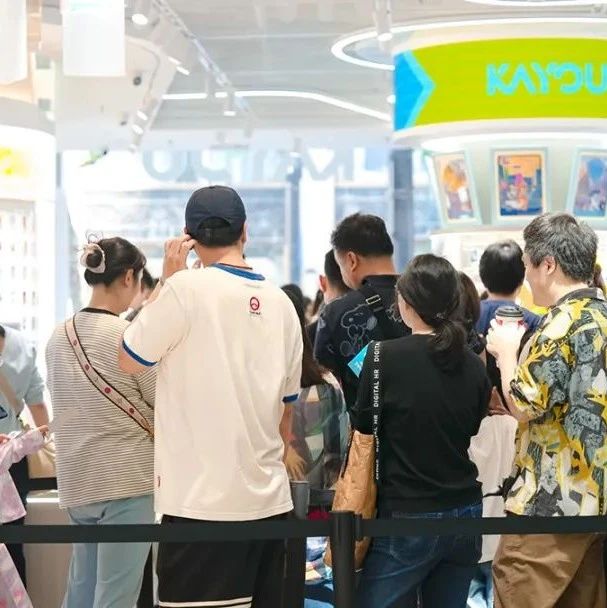
Core Insights - The article highlights the growing significance of the ACG (Anime, Comic, and Game) culture in the retail sector, particularly during the recent May Day holiday, with a notable increase in offline events and consumer engagement [1][2][8]. Group 1: Event Highlights - During the May Day holiday, a total of 158 ACG-related offline events were held across six major cities in China, with Shanghai hosting over 60 events [1][7]. - Popular events included themed pop-up stores and exhibitions, such as the "Detective Conan 30th Anniversary Exhibition," which generated sales of 3.05 million yuan over five days [8]. - The Dazhong City shopping centers reported a total sales figure of 160 million yuan during the holiday, with over 2 million visitors [8]. Group 2: Consumer Behavior - Young consumers are increasingly drawn to ACG culture, viewing purchases as tickets to another world rather than mere products [3][25]. - Long queues and high demand for limited edition items were observed, with some fans waiting over five hours to purchase exclusive merchandise [5][8]. - The phenomenon of "eating谷" (consuming ACG products) has become a social activity, with many fans sharing experiences and forming communities around their interests [24][25]. Group 3: Market Growth - The ACG market in China is projected to grow significantly, with estimates suggesting a market size of 168.9 billion yuan by 2024, reflecting a 40.63% increase from 2023 [20]. - Major brands like 卡游 (Kawoo) have reported substantial revenue growth, with 2022 revenues exceeding 10 billion yuan and a net profit of 4.466 billion yuan [20][22]. - The number of ACG-related stores in major shopping centers has surged, with Dazhong City reporting over 311 ACG stores and total sales surpassing 1.11 billion yuan [18]. Group 4: Industry Trends - The ACG retail sector is evolving towards scale and industrialization, with several leading brands emerging, supported by strong IP resources and product channels [22]. - The offline ACG market is expected to enter a rapid growth phase starting in 2025, with more diverse business models developing [23]. - The unique experience of purchasing and unboxing ACG products in-store is a key driver of consumer engagement, differentiating it from online shopping [23][24].

二次元“吃谷”,救活线下消费
雪豹财经社· 2025-05-23 23:04
Core Viewpoint - The article highlights the booming demand for "Guzis" (figurines and merchandise related to anime and gaming) among young people in China, particularly during events like the May Day holiday, indicating a significant cultural and commercial shift towards the "二次元" (two-dimensional) subculture [4][11]. Group 1: Market Trends - During the May Day holiday, over 158 offline events related to the 二次元 culture were held across six major cities in China, with Shanghai hosting more than 60 events [4][6]. - The 二次元 commercial sector has become a crucial part of offline retail, with dedicated spaces in major cities like Shanghai, Beijing, and Chengdu [6][12]. - The market for 二次元 products is projected to grow significantly, with estimates suggesting it will reach 1.689 trillion yuan in 2024, a 40.63% increase from 2023 [17][19]. Group 2: Consumer Behavior - Young consumers are not merely purchasing products but are seeking experiences and a sense of belonging within the 二次元 community [20]. - Events like the "Detective Conan 30th Anniversary Exhibition" generated impressive sales, with a total of 3.05 million yuan over five days, showcasing the financial potential of these cultural events [8][11]. - The popularity of "blind box" purchases, where consumers buy without knowing the specific item, enhances the excitement and community engagement among fans [19][20]. Group 3: Business Opportunities - Companies like 卡游 (Kawoo) have seen substantial revenue growth, with reported earnings of 22.98 billion yuan in 2021, 41.31 billion yuan in 2022, and 19.52 billion yuan in the first nine months of 2023, indicating a thriving market for 二次元 merchandise [17][19]. - The emergence of various 二次元 brands and stores, such as 潮玩星球 (Chao Wan Xing Qiu) and 三月兽 (San Yue Shou), reflects the industry's shift towards scale and industrialization [19]. - Shopping centers are increasingly transforming into 二次元 hubs, with locations like 天府红 in Chengdu becoming popular destinations for young consumers [14][15].

IP玩具企业52TOYS递表港交所 潮玩品牌已成资本市场稀缺标的?
Zheng Quan Ri Bao· 2025-05-23 12:42
Core Insights - 52TOYS is set to go public in Hong Kong, becoming the fifth trendy toy company to do so, following names like Miniso and Pop Mart [1] - The company operates with a dual model of self-owned IP and top-tier licensed IP, holding 35 self-owned IPs and 80 licensed IPs as of 2024 [2] - 52TOYS has shown significant growth in overseas markets, with revenue increasing from 35 million to 147 million yuan from 2022 to 2024, reflecting a compound annual growth rate (CAGR) of over 100% [3] Group 1: Company Position and Financials - 52TOYS is the second-largest multi-category IP toy company in China, with projected revenues of 630 million yuan in 2024, growing at a CAGR of 16.7% from 2022 to 2024 [1] - The company reported losses of 1.71 million yuan in 2022, 71.93 million yuan in 2023, and 122 million yuan in 2024, although it achieved adjusted profits of 19.01 million yuan and 32 million yuan in 2023 and 2024 respectively [1] Group 2: Revenue Composition and IP Strategy - The revenue composition shows that licensed IP contributes 64.5% of total income, with self-owned IP accounting for 24.5% in 2024 [2] - Notable licensed IPs include popular franchises like Crayon Shin-chan and Disney characters, with Crayon Shin-chan toys alone generating over 380 million yuan in GMV in 2024 [2] Group 3: Market Dynamics and Challenges - 52TOYS has the lowest gross margin among its peers, at 39.9% in 2024, compared to Pop Mart's 66.8% and other competitors [4] - The reliance on distributors and online discounts has negatively impacted profit margins, with distributor sales accounting for 67% of revenue and online direct sales contributing only 31% [4] Group 4: User Loyalty and Product Development - Building user loyalty is essential for improving profit margins, as seen in competitors like Pop Mart, which avoids discounting and relies on strong direct sales [5] - 52TOYS focuses on developing its own IPs across various categories, including trendy, sci-fi, and cultural IPs, with a particular emphasis on the "Beast Box" series that expands into comics and novels [5][6] Group 5: Industry Outlook - The trendy toy industry is experiencing explosive growth, with the Chinese market expected to exceed 110.1 billion yuan by 2026 [6] - Recent investments and public listings in the sector indicate strong investor interest and potential for future growth, positioning trendy toy companies as valuable assets in the capital market [6]
2025年第19周:跨境出海周度市场观察
艾瑞咨询· 2025-05-22 09:47
Core Insights - The article highlights the emerging opportunities for Chinese brands in the automotive aftermarket to expand internationally, particularly in Southeast Asia, the Middle East, and Europe, driven by increasing demand and technological innovation [2] - It discusses the trend of Chinese companies adopting a "group out" strategy to mitigate risks associated with globalization, emphasizing collaboration and resource sharing among enterprises [5] - The article also explores the innovative approaches of Chinese cultural IPs in global markets, showcasing successful cases like "Nezha" and the importance of creating a collaborative ecosystem around IP [6] - It outlines the strategic responses of Chinese enterprises to global challenges, focusing on compliance, risk management, and the need for a shift in mindset towards becoming rule-makers in international trade [7] Industry Environment - The Chinese automotive aftermarket is entering a golden period for brand internationalization, with exports projected to rise from 2.01 million units in 2021 to 5.86 million units by 2024, particularly in the new energy vehicle sector [2] - A new "Smart Terminal Overseas Service Innovation Alliance" has been established to enhance digital service capabilities for smart terminal exports, with expectations of reaching $250 billion in export value by 2024 [3] - The "group out" strategy is gaining traction among Chinese companies, focusing on service-oriented overseas expansion and collaborative resource sharing to build competitive advantages [5] Cultural and IP Expansion - The success of Chinese IPs like "Nezha" demonstrates the potential for cultural exports, with the film grossing over 15 billion yuan during the 2025 Spring Festival, highlighting the importance of IP-driven ecosystem development [6] - The article emphasizes the shift from product-focused strategies to creating immersive experiences and cross-industry collaborations to enhance brand recognition and cultural resonance [6] Globalization Strategies - Chinese companies are advised to adopt three key strategies in response to global challenges: "stop the bleeding" by ceasing high-risk activities, "blood production" by exploring new revenue sources, and "blood exchange" by fostering international perspectives [7] - The article stresses the importance of legal compliance and supply chain restructuring to enhance global competitiveness [7] Regional Focus - Chinese construction firms are making significant strides in the Middle East, with investments totaling several billion dollars, positioning the region as a key market for Chinese infrastructure projects [8][9] Company Dynamics - Yili's international business is projected to show results in the next five years, with a revenue target of 115.78 billion yuan in 2024 and a focus on steady growth in Southeast Asia [12] - Tencent Cloud is accelerating its international expansion in Japan, with plans to build a third data center and launch a food reservation mini-program to cater to Chinese tourists [14] - Moutai's overseas revenue is expected to reach $970 million by 2024, with a 37.53% increase in Q1 2025, as the company focuses on cultural output and quality enhancement [15] - The rapid growth of Pop Mart's overseas revenue by 480% in Q1 2025 illustrates the effectiveness of its "IP + trendy toys + experience economy" model in global markets [21]

新消费派 | 日均客流暴涨5倍!二次元“爆改”老商场
Xin Hua Cai Jing· 2025-05-21 11:45
Core Insights - The article highlights the rapid growth of the "Guzi Economy," driven by the popularity of ACGN (Animation, Comics, Games, Novels) related products and the emergence of dedicated commercial spaces catering to this demographic [2][9][10] Group 1: Market Overview - The "Guzi Economy" market size in China is projected to reach 168.9 billion yuan in 2024, reflecting a 40.63% increase from 2023, with expectations to exceed 300 billion yuan by 2029 [2] - Shanghai is identified as the city with the highest concentration of ACGN enthusiasts, with various commercial spaces like the First Department Store and ZX Chuangqu Center becoming hotspots for fans [3][4] Group 2: Commercial Developments - The ZX Chuangqu Center has transformed from an old shopping mall into a leading ACGN commercial hub, featuring over 60 stores, with nearly 80% being first stores in Shanghai or even globally [4][6] - The center achieved sales of 300 million yuan in its opening year, with a significant increase in foot traffic and membership numbers in subsequent years [6] Group 3: Consumer Behavior - The phenomenon of "eating Guzi" refers to the purchasing of ACGN-related merchandise, with consumers forming communities to share and discuss their interests [2][10] - The rise of domestic IPs has led to a shift in consumer preferences, with "Guzi" products based on Chinese IPs gaining popularity due to lower price points compared to Japanese counterparts [10][11] Group 4: Industry Trends - The article notes a compound annual growth rate of 16% in China's pan-entertainment toy industry from 2019 to 2024, indicating a robust market for ACGN-related products [9] - The number of registered "Guzi" related enterprises in China exceeded 1.3 million by the end of 2024, marking a year-on-year increase of over 100% [8] Group 5: Future Outlook - The ongoing transformation of traditional shopping centers into ACGN-themed spaces is expected to continue, with new projects and renovations planned across various cities [8][9] - Analysts predict that the "Guzi Economy" will maintain its growth trajectory, particularly as companies develop long-term IP creation and operation mechanisms [11]
消费新趋势下的投资机遇
2025-05-20 15:24
Summary of Key Points from Conference Call Records Industry Overview - The consumer sector in China is exhibiting a "weak beta alpha" characteristic in 2025, making it easier for institutional investors to identify individual stock opportunities, particularly in the beauty and personal care segment which has seen significant gains due to favorable policies and market recovery [1][4] - The consumer industry is experiencing notable sub-sector differentiation, with emerging consumption trends in areas such as pet products, skincare, and IP-related products performing well, while traditional sectors like certain liquor and seasoning products are declining [1][5] Core Insights and Arguments - The food and beverage industry is showing clear signs of differentiation, with health products like ergothioneine gaining popularity, and the dairy sector potentially reversing its cycle as milk prices are expected to rise [1][6][7] - The small food sector is also experiencing structural differentiation, with companies like Youyou Foods and Yanjin Puzhi leveraging new channels, while innovative categories like konjac products are gaining attention [1][8] - The beauty and home care segment is performing strongly, with companies such as Juzhi Biotechnology, Shangmei Runben, and others expected to see growth rates of around 30% [1][10] Emerging Trends - The agricultural market is focusing on four main areas: the pet market with high growth rates, the reversal of the meat and dairy cycle, post-breeding cycles, and animal health companies [1][12] - The潮玩 (trendy toy) industry is benefiting from interest-driven consumption trends, with leading IPs expanding their market presence. Companies like Pop Mart are recommended due to their comprehensive industry chain layout and successful overseas market penetration [1][13][14] Additional Important Insights - The chain discount sector is improving efficiency by eliminating intermediaries, leading to lower prices and smoother distribution, with companies like COPA and Wan Cheng showing potential [1][9] - The home care product competitive landscape is changing significantly, with new entrants like Duowei sanitary napkins achieving high sales on launch [1][11] - The tea beverage sector is seeing a resurgence, with frequent IPOs and strong performance from leading companies like Mixue Ice City, which is expanding its market presence [1][15] Investment Opportunities - The home appliance industry is witnessing opportunities driven by technological innovation, particularly in AI applications and robotics, with companies like Midea and Gree leading the charge [1][16][17][18] - Other new consumption sectors worth noting include capital economy-related stocks and the electronic cigarette market, as well as various "AI+" related segments [1][19] Conclusion - The overall sentiment in the consumer sector is positive, with various sub-sectors showing potential for growth and investment opportunities, driven by changing consumer preferences and favorable economic policies [2][3]