
长城汽车

Search documents
传比亚迪、吉利等多家国产车企竞购日产奔驰墨西哥汽车工厂,官方暂无回应
Xin Lang Ke Ji· 2026-02-12 12:07
Group 1 - BYD and Geely are reportedly bidding for the Nissan-Benz automotive plant in Mexico, with Chery and Great Wall Motors also expressing interest in the acquisition [1] - The plant is scheduled to close in May 2026, and BYD has been identified as a leading potential buyer since late last year [1] - The acquisition could leverage the benefits of the USMCA agreement, allowing localized production to avoid high tariffs in the US [1]




长城汽车:全力支持《汽车行业价格行为合规指南》 反对无底线价格战
Jin Rong Jie· 2026-02-12 11:45
Core Viewpoint - Great Wall Motors expresses full support for the "Guidelines for Compliance in Automotive Industry Pricing Behavior," emphasizing a commitment to long-termism, legal compliance, and integrity in operations [1] Group 1: Company Position - The company firmly opposes unethical practices such as bottomless price wars, price fraud, and false promotions that severely harm consumer rights and industry development [1] - Great Wall Motors will continue to adhere to legal compliance and integrity in all aspects of vehicle and parts production, pricing, and sales [1]
内存紧缺,被压了三年价的供应商替车企扛住第一波冲击
晚点Auto· 2026-02-12 11:37
Core Viewpoint - The demand for memory chips, driven by AI training and inference, has surged over the past two years, leading to price increases and supply shortages that are impacting the automotive supply chain. The shortage is expected to persist for one to two years, with limited space for domestic alternatives [3][4]. Group 1: Supply Chain Dynamics - The automotive industry is facing a significant supply gap of approximately 30% for memory chips, with suppliers unable to meet the demand from multiple clients simultaneously [5]. - Major memory manufacturers like SK Hynix, Samsung, and Micron have shifted their production focus from traditional DRAM to higher-margin HBM chips due to strong AI demand, resulting in a price increase of over 300% for DDR5 and over 150% for DDR4 since September 2025 [9][10]. - The automotive sector accounts for less than 10% of the global DRAM market, and memory chips only represent about 1% of the total BOM cost for vehicles, leading manufacturers to prioritize higher-paying clients [9][10]. Group 2: Competitive Landscape - Companies that secured memory chip capacity in advance are gaining a competitive edge, as they can protect their clients and navigate the crisis more effectively [5][11]. - Some leading automotive companies have begun switching suppliers to secure stable pricing and supply commitments, but this process is complicated by the need for certification and testing [11]. - The reliance on suppliers for inventory and negotiations means that automotive companies are at a disadvantage during supply crises, as suppliers prioritize clients willing to share cost burdens [11]. Group 3: Future Implications - The ongoing memory supply crisis is likely to lead automotive companies to make more strategic decisions regarding memory configurations in their products, potentially reducing specifications for lower-tier models and freezing certain software functionalities [12]. - Domestic manufacturers like Changxin Storage and Yangtze Memory Technologies are expanding their DRAM production, but the delivery timelines have extended significantly, indicating limited immediate relief for the automotive sector [12].



禁止亏本卖车,车圈反内卷新规出炉,价格战乱象大整治
3 6 Ke· 2026-02-12 11:25
Core Viewpoint - The release of the "Guidelines for Compliance with Pricing Behavior in the Automotive Industry" by the State Administration for Market Regulation aims to standardize pricing behavior in the automotive sector, ensuring fair competition and protecting consumer rights while promoting high-quality industry development [3][24]. Group 1: Pricing Guidelines for Automotive Manufacturers - Automotive manufacturers must base pricing on production costs and market demand, prohibiting loss-leading sales aimed at eliminating competitors or monopolizing the market [5][6]. - Manufacturers are not allowed to significantly raise prices without justifiable reasons, even when there is a severe supply-demand imbalance in the automotive supply chain [6]. - The guidelines require manufacturers to clearly inform consumers about the terms and costs associated with "pay-to-unlock" features, including any free trial periods [6][13]. Group 2: Pricing Guidelines for Automotive Dealers - Automotive dealers are required to display clear pricing, including vehicle name, price, unit of measurement, model, manufacturer, and key specifications [13][18]. - Dealers must publicly disclose promotional rules, activity duration, and applicable scope, ensuring transparency in discounts and promotional offers [13][18]. - Similar to manufacturers, dealers are prohibited from loss-leading sales except during inventory clearance [14][18]. Group 3: Supplier Payment Terms and Industry Practices - A survey by the China Automotive Industry Association indicates that most of the 17 key automotive companies have reduced payment terms to within 60 days, with an average of 54 days, which is a reduction of about 10 days compared to the previous year [20][21]. - 15 companies have adopted cash or bank acceptance bills for payments, with some companies allowing early payment requests for cash-strapped small and medium enterprises [20][21]. - The guidelines are part of a broader effort to ensure compliance with the revised "Regulations on Payment of Funds to Small and Medium Enterprises" by the State Council, promoting timely payments to suppliers [21][24].
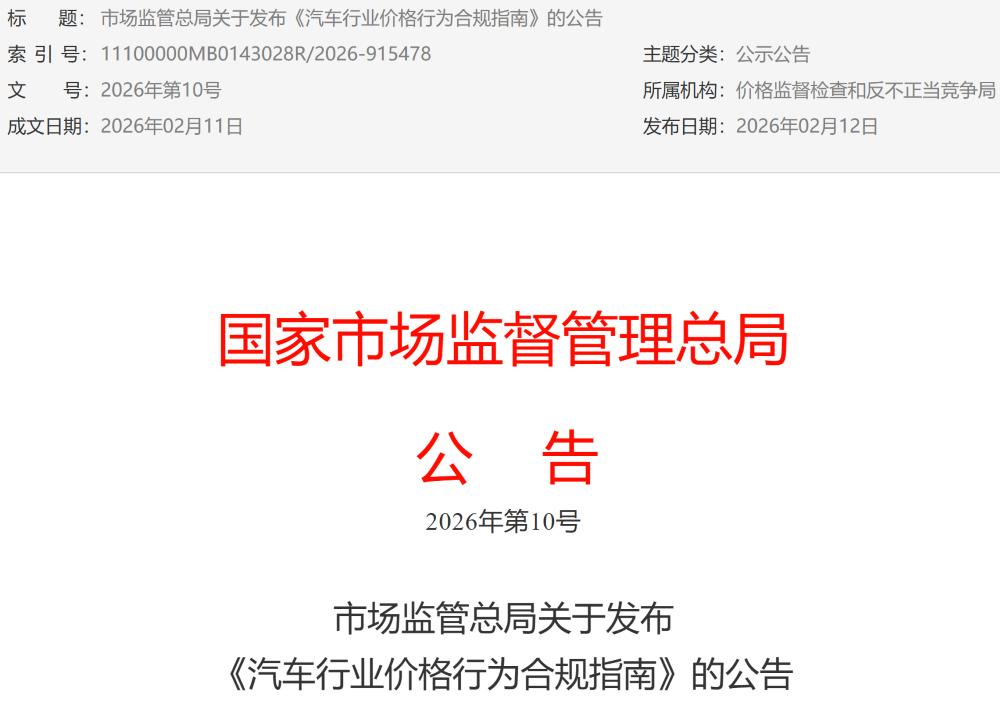
Exclusive-Seeking Mexico foothold, China's BYD and Geely bid to buy car plant
Yahoo Finance· 2026-02-12 11:07
Core Viewpoint - Chinese automakers, particularly BYD and Geely, are competing to acquire a Nissan–Mercedes-Benz plant in Mexico, indicating a significant shift in the Mexican automotive industry as they seek to establish a manufacturing presence amid U.S. tariffs impacting local factories [1][3]. Group 1: Chinese Automakers' Interest - BYD and Geely are among the finalists for the acquisition of the plant, alongside Vietnamese electric vehicle maker VinFast, emerging from a pool of nine interested companies [1][2]. - Other notable Chinese manufacturers expressing interest include Chery and Great Wall Motor, highlighting a broader trend of Chinese investment in the Mexican automotive sector [2]. Group 2: Market Dynamics - The interest from Chinese automakers marks a potential transformation in Mexico's car industry, which has historically been dominated by U.S., European, and Japanese manufacturers focused on vehicles for the U.S. market [3]. - Chinese automakers have increased their market share in Mexico from zero in 2020 to approximately 10% last year, with annual car sales in Mexico around 1.5 million [6]. Group 3: Economic Implications - The Mexican government is in a challenging position, as U.S. tariffs are negatively affecting the local auto sector, while Chinese investments could create essential jobs [4]. - However, there are concerns that increased Chinese production in Mexico could provoke tensions with the U.S. and complicate ongoing North American trade negotiations [4]. Group 4: Growth of Chinese Auto Industry - The ambitions of BYD and Geely reflect the rapid global expansion of China's auto industry, with BYD's vehicle sales increasing ten-fold since 2020 and Geely's sales doubling, both selling over 4 million vehicles last year [5]. - The collective market share of Chinese automakers in Mexico has significantly risen, indicating their growing influence in the region [6].
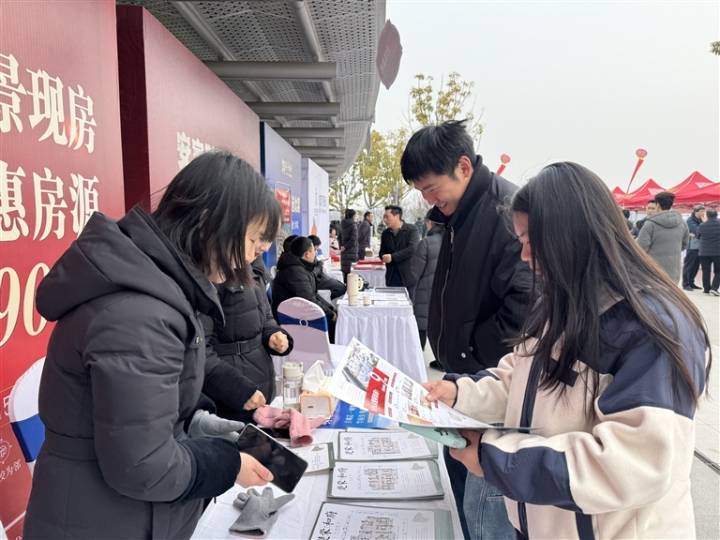
荆门返乡置业房展人气旺
Sou Hu Cai Jing· 2026-02-12 09:43
Core Viewpoint - The "Spring Action" initiative, including the "New Spring Housing: Returning Home for Property" event, aims to attract returning residents to invest in real estate in their hometowns, showcasing a one-stop service for housing, home decoration, and appliances [1][2]. Group 1: Event Overview - The "Dream High-speed Rail: Bringing You Home" special train for returning residents was launched on February 7, attracting over a thousand returning individuals to explore housing options [1]. - The event featured 50 quality real estate projects alongside home decoration, furniture, and appliance companies, promoting a comprehensive service package [1]. Group 2: Government and Industry Involvement - Chen Yiming, President of the China Real Estate Association, visited the event, focusing on housing products aimed at returning residents and young talents [2]. - The integration of "joint exhibitions and sales" with the "New Spring Housing: Returning Home for Property" initiative was highlighted as a successful model for other cities to replicate [2]. Group 3: Participation and Impact - The "Returning Home: Helping You Settle Down" property season has been ongoing, with multiple housing fairs held at key locations, attracting tens of thousands of participants [2]. - The initiative collaborates with various local organizations to facilitate job opportunities and housing information for returning residents [2].
中汽协:17家车企中多数账期已低于60天,少数趁机“勒索”供应商
Jing Ji Guan Cha Wang· 2026-02-12 09:20
Core Insights - The China Automotive Industry Association (CAAM) released a report indicating that most of the 17 key automotive enterprises have reduced their payment terms to within 60 days, with an average payment term of approximately 54 days, which is a reduction of about 10 days compared to the previous year [2] - The revised "Regulations on Payment for Small and Medium-sized Enterprises" will take effect in June 2025, mandating large enterprises to pay small and medium-sized enterprises within 60 days of delivery [2] - The report highlights that the average accounts payable turnover days for domestic listed automotive companies in 2024 is 182 days, significantly higher than that of German (40.5 days) and American (60.5 days) automotive companies, causing financial strain on upstream enterprises [2] Group 1 - The CAAM's survey shows that all key automotive enterprises are prioritizing the implementation of payment term commitments, with many forming special task forces and establishing long-term mechanisms for commitment fulfillment [3] - The survey indicates that 15 out of 17 key automotive enterprises use cash or bank acceptance bills for payments, with 5 companies having a cash payment ratio exceeding 50% and 2 companies exceeding 70% [3] - 14 out of the 17 key enterprises are implementing additional preferential policies for small and medium-sized enterprises, ensuring that the payment process from delivery to payment does not exceed 60 days [3] Group 2 - There are still issues in the payment processes of some automotive enterprises, such as discrepancies in the starting point for payment terms, which can lead to extended payment periods despite nominally adhering to the 60-day term [4] - The CAAM emphasizes the need for continuous efforts to address these issues, as the management of the payment process is not sufficiently standardized [4]
乘联分会:1月全国乘用车市场零售154.4万辆 新能源车渗透率为38.6%
智通财经网· 2026-02-12 06:41
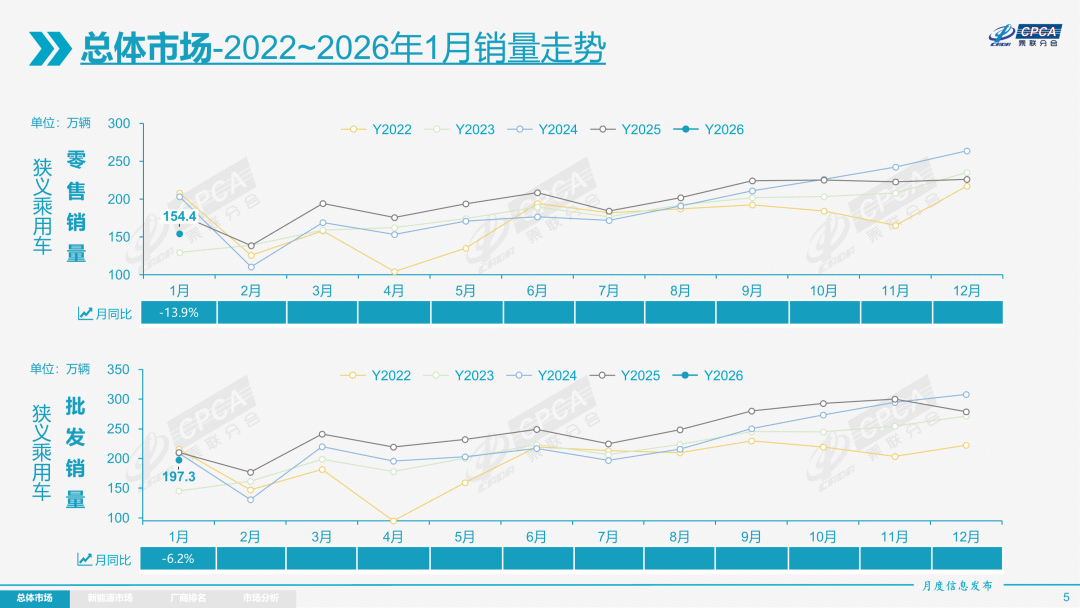
Core Insights - The overall retail sales of passenger cars in January decreased by 13.9% year-on-year, with a total of 1.544 million units sold. The retail sales of new energy vehicles (NEVs) reached 596,000 units, representing a penetration rate of 38.6%, down 3 percentage points from the previous year [1][11]. Retail Market Overview - In January, the retail sales of self-owned fuel passenger cars were 250,000 units, up 17% year-on-year, while self-owned NEVs sold 226,000 units, marking a significant increase of 115%. NEVs accounted for 47.5% of self-owned exports, indicating growing international influence [2]. - The retail sales of self-owned brands totaled 890,000 units, down 18% year-on-year, with a domestic market share of 57.5%, a decrease of 3.5 percentage points [2]. - Mainstream joint venture brands sold 470,000 units, down 4% year-on-year, with German brands increasing their market share to 19.8%, up 1.4 percentage points [2]. Production and Wholesale Analysis - In January, the production of passenger cars was 2.003 million units, down 4.4% year-on-year. The wholesale volume was 1.973 million units, a decrease of 6.2% year-on-year [4]. - The wholesale of self-owned brands was 1.326 million units, down 8%, while luxury car wholesale increased by 4% to 228,000 units [4]. - The overall wholesale landscape is changing, with some mid-tier companies showing strong performance, such as SAIC-GM-Wuling and NIO [4]. New Energy Vehicle Insights - The production of NEVs reached 938,000 units, a slight decrease of 0.6% year-on-year, while wholesale sales were 864,000 units, down 3.3% [5][6]. - NEV retail sales were 596,000 units, down 20% year-on-year, with conventional fuel vehicles selling 948,000 units, down 10% [7]. - NEV exports reached 286,000 units, a remarkable increase of 103.6%, accounting for 49.6% of total passenger car exports [11][12]. Market Trends and Future Outlook - The new energy vehicle market is expected to face challenges in February due to the impact of the Spring Festival, which may lead to lower sales volumes [16]. - The transition from merely selling cars to exporting entire industrial chains is anticipated, indicating a shift towards quality growth in the automotive export sector [17].



长城汽车凭什么成为2025年中国车企经营质量标杆?
Sou Hu Cai Jing· 2026-02-12 06:21
Core Viewpoint - The Chinese automotive market is currently characterized by intense price wars, but Great Wall Motors stands out as a model of high-quality management, focusing on solid technology and genuine sales rather than gimmicky marketing or low prices [1][13]. Group 1: Sales and Revenue Performance - In 2025, Great Wall Motors sold 1.3237 million vehicles, which, while not the highest in the industry, reflects real market demand [3]. - The company's revenue reached 222.79 billion yuan, a year-on-year increase of 10.19%, with revenue per vehicle rising to 168,300 yuan, an increase of 4,500 yuan from the previous year [3]. Group 2: Technological Strength - Great Wall Motors emphasizes a comprehensive power solution, offering fuel, hybrid, electric, and hydrogen options, showcasing its commitment to diverse consumer needs [5]. - The Hi4 hybrid technology, recognized with a top award from the China Automotive Engineering Society, exemplifies the company's technical prowess, enabling both performance and fuel efficiency [5]. Group 3: Market Positioning and Brand Strategy - Great Wall Motors focuses on technology rather than price competition, achieving significant sales in the high-end MPV and luxury SUV markets, with models like the Wei brand achieving national sales leadership [7]. - The company maintains a strong market presence in niche segments, such as the pickup market, where it has been the sales leader for 28 consecutive years [7]. Group 4: Global Expansion Strategy - Great Wall Motors adopts an "ecological export" strategy, establishing a factory in Brazil and achieving over 2 million cumulative sales overseas, focusing on high-end products rather than cheap vehicles [9]. - The company’s approach to global markets emphasizes technological exports, positioning itself to capture high-end market segments internationally [9]. Group 5: Long-term Vision and Principles - The core of Great Wall Motors' success lies in its commitment to long-termism, avoiding short-term profit pursuits and excessive marketing, instead investing in research and development [11]. - The company’s strategy includes self-research across the entire supply chain, creating a technological moat that is difficult for competitors to replicate [11][13].
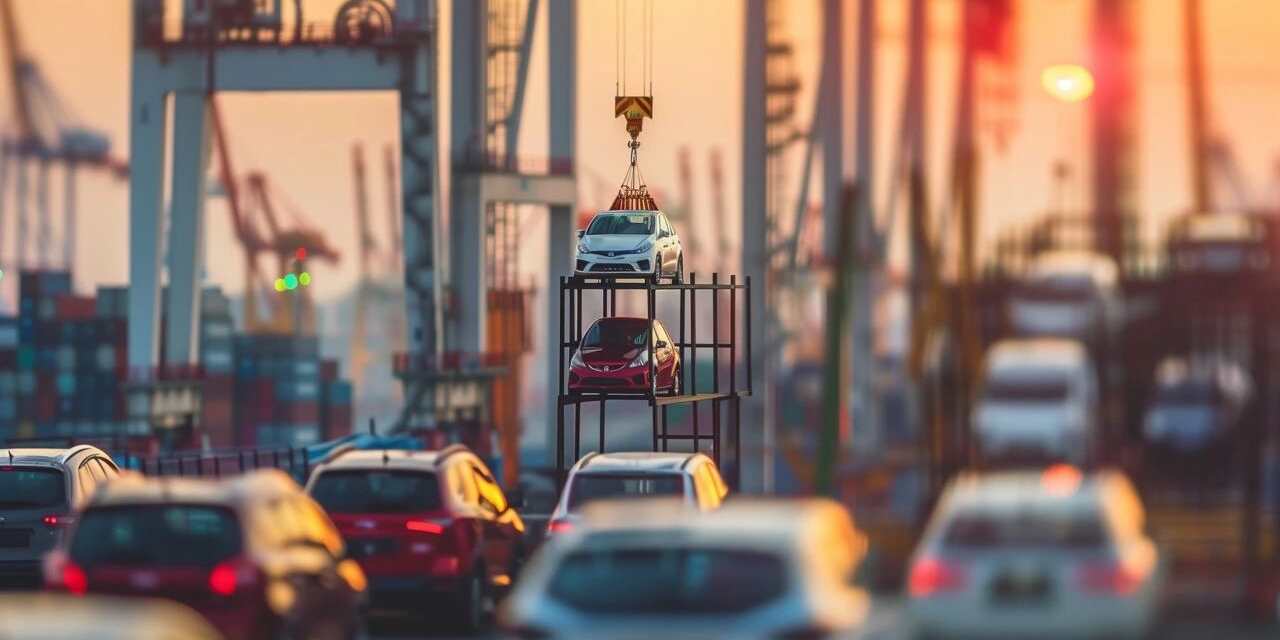
乘联分会:1月新能源乘用车出口28.6万辆,同比增长103.6%
Xin Lang Cai Jing· 2026-02-12 06:19
2月12日,乘联分会数据显示,1月新能源乘用车出口28.6万辆,同比增长103.6%。占乘用车出口 49.6%,较去年同期增长12.5个百分点;其中纯电动占新能源出口的65%(去年同期67%),作为核心焦 点的A00+A0级纯电动车占纯电动出口的50%(去年同期41%)。伴随着中国新能源车的规模优势显现 和市场扩张需求,中国制造的新能源品牌产品越来越多地走出国门,在海外的认可度持续提升。其中插 混占新能源出口的33%(去年同期32%),虽然近期受到外部国家的一些干扰,但自主插混出口发展中 国家增长迅猛,前景光明。 1月厂商新能源出口方面优秀的企业是:比亚迪汽车(96,859辆)、特斯拉中国(50,644辆)、吉利汽车 (32,117辆)、奇瑞汽车(27,033辆)、零跑汽车(14,523辆)、上汽乘用车(13,071辆)、上汽通用五 菱(11,097辆)、东风汽车(6,745辆)、长城汽车(6,102辆)、长安汽车(4,952辆)、光束汽车 (3,713辆)、长安马自达(3,391辆)、沃尔沃亚太(3,316辆)、小鹏汽车(3,204辆)、极星汽车 (2,758辆)、赛力斯汽车(湖北)(2,108辆)、智马达 ...