罗氏

Search documents
Questex's Patients as Partners® in Clinical Research Unveils Conference Program, Thought Leaders from Lurie Children's Hospital, Roche Canada and Tufts University School of Medicine to Keynote
Globenewswire· 2025-12-10 15:05
Core Insights - The Patients as Partners® in Clinical Research conference will take place from March 24-26, 2026, at the Renaissance Boston Seaport Hotel, marking its 13th annual edition [1] - The event aims to elevate patient engagement in clinical research by bringing together patients, pharma, and solution providers to address challenges in medicine development [2] Conference Details - The 2026 conference will feature keynotes from notable figures including Inaaya Shariq, Lisa Petermann, and Kenneth Getz, focusing on pediatric trials, patient insights, and optimizing protocol data [3] - The leadership for the 2026 conference includes representatives from major pharmaceutical companies and patient advocacy groups, emphasizing collaboration among stakeholders [3][4] Conference Topics - The agenda will cover over 20 pharma R&D case studies, extensive networking opportunities, and insights from patients and regulatory bodies to enhance clinical trials [5] - Key topics include inclusive representation in trials, patient engagement impact measures, AI and digital technology, and FDA regulatory updates [7] Organizational Background - Patients as Partners is co-produced with various stakeholders including patients, industry, academia, and government to promote patient involvement and diversity in clinical development [8] - Questex, the organizing body, focuses on creating impactful business connections through live events and digital communities [9]


Roche breast cancer pill cuts risk of disease recurrence by 30% in trial
Reuters· 2025-12-10 13:16
Core Insights - Roche's experimental oral drug giredestrant has demonstrated a 30% reduction in the risk of breast cancer recurrence compared to standard endocrine therapy, marking a significant advancement in treatment options [1] Company Summary - Roche is advancing its portfolio in oncology with giredestrant, which is positioned as a potential alternative to existing therapies [1] Industry Summary - The development of giredestrant represents a notable shift in breast cancer treatment paradigms, potentially impacting market dynamics and patient outcomes in the oncology sector [1]



Oxford BioTherapeutics Enters into a Strategic Collaboration with GSK to Discover Novel Targets for Antibody-Based Therapeutics for the Treatment of Cancer
Globenewswire· 2025-12-10 07:00
Core Insights - Oxford BioTherapeutics (OBT) has announced a multi-year collaboration with GSK to develop novel antibody-based therapeutics for cancer treatment [1][8] - The collaboration leverages OBT's OGAP®-Verify discovery platform for identifying oncology targets, which will be validated through joint research efforts [2][8] - OBT will receive an undisclosed upfront payment from GSK, along with potential milestone payments and royalties on net sales of resulting products [3][8] Company Overview - OBT is a clinical stage oncology company focused on developing first-in-class antibody-based therapies, including bispecific antibodies and antibody-drug conjugates (ADCs) [5][9] - The company aims to address significant unmet needs in cancer therapy through its innovative drug development approach [5][6] Technology and Development - The OGAP®-Verify platform enhances the sensitivity and specificity of oncology target identification, accelerating the validation of human targets for drug development [6][8] - OBT's lead clinical program, OBT076, targets advanced or refractory solid tumors, with a focus on cancers where CD205 is overexpressed [7][8] Strategic Partnerships - The collaboration with GSK marks OBT's second major partnership with a leading pharmaceutical company in 2025, highlighting the recognition of its discovery platform's potential [4][8] - OBT has previously established partnerships with other major companies, including Roche and Boehringer Ingelheim, validating its capabilities in oncology [8][9]


医药行业跟踪报告:医保商保“双目录”落地,关注支付端增量
Shanghai Aijian Securities· 2025-12-10 02:34
Investment Rating - The report rates the pharmaceutical and biotechnology industry as "Outperforming the Market" [1][8]. Core Insights - The report highlights a significant increase in the success rate of negotiations for high-value innovative drugs, with the 2025 National Medical Insurance Directory adding 114 new drugs, including 50 innovative drugs, and achieving a negotiation success rate of 88%, up from 76% in 2024 [3]. - The introduction of a commercial insurance drug directory marks a new phase in healthcare, aiming to create a multi-layered insurance system that complements basic medical insurance, with 19 innovative drugs included in the first version [3]. - The report emphasizes the potential for Chinese innovative drugs to expand internationally, with a focus on ADCs, bispecific antibodies, small nucleic acids, and weight-loss drugs as key investment opportunities [3]. Summary by Sections Industry Performance - The SW Pharmaceutical and Biotechnology Index decreased by 0.74% in the week of December 1-7, underperforming the Shanghai and Shenzhen 300 Index, which increased by 1.28% [2]. - Within the pharmaceutical sector, the drug distribution (+6.48%) and offline pharmacy (+1.85%) segments performed relatively well, while raw materials (-2.54%), vaccines (-1.62%), and CXO (-1.29%) segments showed weaker performance [2]. National Medical Insurance Directory - The 2025 version of the National Medical Insurance Directory will officially implement on January 1, 2026, with a total of 3,253 drugs included, enhancing coverage for critical areas such as oncology, chronic diseases, mental health, rare diseases, and pediatric medications [3]. - Notably, 105 of the newly added drugs are exclusive products, including 98 Western medicines and 7 traditional Chinese medicines [3]. Commercial Insurance Drug Directory - The first version of the commercial insurance innovative drug directory includes 19 drugs, focusing on high clinical value and significant patient benefits, which are beyond the scope of basic medical insurance [5]. - This directory includes treatments for rare diseases, cancer therapies, and Alzheimer's disease, establishing a foundation for the development of a multi-tiered medical insurance system [3][5]. Investment Recommendations - The report suggests a positive outlook for the international expansion of Chinese innovative drugs and recommends monitoring ADCs, bispecific antibodies, small nucleic acids, and weight-loss drugs for investment opportunities [3]. - Key companies to watch include Yiming Biotechnology-B, WuXi AppTec, Maiwei Biotechnology-U, Kelun-Biotech, and Kangfang Biotech [3].
出海“破局”,“呼吸机大王”李西廷,增持2亿迈瑞医疗
3 6 Ke· 2025-12-10 02:00
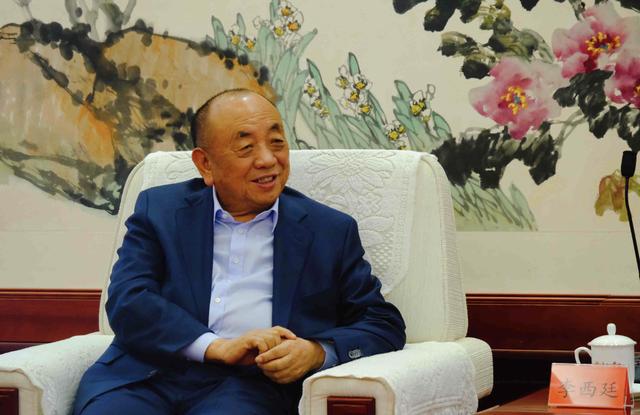
Core Viewpoint - The medical device industry has not yet reached a turning point, and the "BD moment" is still awaited. Despite the declining stock prices, the chairman of Mindray Medical, Li Xiting, has initiated a share buyback to bolster confidence in the company [1][3]. Group 1: Company Actions - Mindray Medical's chairman, Li Xiting, purchased 152,300 shares for nearly 30 million yuan, with plans to invest an additional 200 million yuan in the next six months [1]. - This marks the first share buyback by Li Xiting since Mindray Medical's listing in A-shares in 2018 [1]. Group 2: Financial Performance - As of the latest closing, Mindray Medical's stock price has fallen below 200 yuan, with a total market value of 240.9 billion yuan, reflecting a decline of over 20% this year and a market value loss exceeding 300 billion yuan from its peak [3]. - For 2024, Mindray Medical is projected to achieve revenues of 36.73 billion yuan and a net profit of 11.67 billion yuan, with growth rates of 5.14% and 0.74%, respectively, indicating a significant slowdown compared to previous years [3][7]. - In the first three quarters of this year, Mindray Medical experienced negative growth, with revenue and net profit declines of 12.38% and 28.83%, respectively [3]. Group 3: Industry Context - The medical device industry has historically been supported by government policies, but the introduction of centralized procurement in 2021 has ended a long-standing period of industry benefits, leading to increased price competition [7][8]. - Mindray Medical's core business includes the production of life information and support devices, in vitro diagnostics, and medical imaging equipment [6]. Group 4: Market Challenges - The gross margins for Mindray Medical's three main business segments have declined, with in vitro diagnostics dropping from 64.98% to 59.5%, life information and support from 66.12% to 60.56%, and medical imaging from 69.59% to 65.07% [9]. - The overall gross margin for Mindray Medical decreased from 64.87% to 61.95%, and the net profit margin fell from 36.3% to 30.25% [9]. Group 5: Strategic Moves - To counter domestic market pressures, Mindray Medical is focusing on international expansion, having established production bases in 14 countries, with 11 already operational [11]. - The company has initiated plans for a listing on the Hong Kong Stock Exchange to raise funds for its international strategy and global business expansion [12].

从“试验田”到“丰收地”
Hai Nan Ri Bao· 2025-12-10 01:22
Group 1 - The "Lecang speed" allows for expedited approval processes for innovative medical devices and drugs, significantly reducing the typical 48-month approval timeline to just 17 months for certain products [1] - The introduction of the "全飞秒 VISUMAX 800" device at the China International Import Expo has garnered significant attention, highlighting the advancements in laser corneal refractive surgery technology [1] - Three products, including the Carl Zeiss femtosecond laser and Sanofi's anti-CD38 monoclonal antibody, have received approval in China this year, showcasing the effectiveness of the real-world research pilot program [1] Group 2 - The first global innovation medical device expo in Hainan featured high-profile live surgeries utilizing advanced robotic technology, demonstrating the integration of cutting-edge medical devices into clinical practice [2] - The use of robotic arms in surgeries allows for precise electrode delivery at a speed of 0.1 mm/second, enhancing the safety and effectiveness of procedures like cochlear implantation [2] - The establishment of a regional real-world data platform and an ethics review committee in the Hainan Boao Lecheng area supports the rapid clinical application of international auditory technologies [2] Group 3 - The real-world research initiative in Lecheng is transforming the area into a hub for medical innovation, benefiting patients through improved access to advanced healthcare solutions [3]
浦东引领区建设五周年:以先锋之勇开新路 以创新之势谋未来
Shang Hai Zheng Quan Bao· 2025-12-09 18:53
Economic Growth - In 2024, the GDP of Pudong New Area is projected to be 1.34 times that of 2020, with industrial output value at 1.27 times and total import-export volume at 1.25 times [1] - By 2025, Pudong is expected to maintain steady growth, with a GDP increase of 6% year-on-year in the first three quarters and a per capita GDP reaching $43,000, surpassing Italy [1] Investment and Foreign Capital - Pudong has completed 121 tasks outlined in the central government's opinions on supporting high-level reform and opening up, housing 25% of Shanghai's foreign enterprises and 50% of multinational company headquarters [2] - During the 14th Five-Year Plan, over 9,400 new foreign-funded enterprises were established in Pudong, with actual foreign investment reaching $45.3 billion, exceeding the previous five-year period [4] Innovation and Technology - Pudong has seen significant advancements in key industries, with the scale of integrated circuits, biomedicine, and artificial intelligence reaching 832.3 billion yuan, averaging an annual growth of 11.7% over three years [8] - The region has achieved breakthroughs in core technologies, including advanced processes and AI chips, with notable innovations such as the first domestically developed PD-1 drug and a four-arm laparoscopic surgical robot [8][10] Talent and Human Resources - Pudong is implementing a talent strategy to attract and retain high-level domestic and international talent, with initiatives like low-rent housing and entrepreneurial spaces for young innovators [11][12] - The "low-rent youth apartments" initiative has already attracted over 11,000 applicants, with an average age of 25 and 84% holding graduate degrees [12] Urban Development and Quality of Life - Pudong is focusing on improving living conditions by accelerating the renovation of urban villages and old neighborhoods, aiming to create more affordable rental housing [13] - The development of a comprehensive waterway system is underway to enhance urban connectivity and livability, promoting a vibrant community for residents and visitors [12][13]
European Commission approves Roche’s Gazyva/Gazyvaro for adults with active lupus nephritis
Globenewswire· 2025-12-09 06:00
Core Viewpoint - Roche's Gazyva®/Gazyvaro® (obinutuzumab) has received European Commission approval for treating adult patients with active Class III or IV lupus nephritis, potentially establishing a new standard of care in Europe [1][2][7]. Approval and Clinical Significance - The approval is based on positive results from phase II NOBILITY and phase III REGENCY studies, showing that 46.4% of patients on Gazyva/Gazyvaro achieved a complete renal response compared to 33.1% on standard therapy alone [2][7]. - Gazyva/Gazyvaro may help delay or prevent progression to end-stage kidney disease (ESKD), which affects a significant portion of lupus nephritis patients [2][3][7]. Patient Impact - Lupus nephritis predominantly affects women of color and childbearing age, with an estimated 135,000 individuals in the European Union currently living with the condition [3][10]. - Current treatments lead to up to one-third of patients progressing to ESKD within 10 years, highlighting the need for effective new therapies [3][9]. Previous Approvals and Future Research - Gazyva/Gazyvaro was previously approved by the US FDA for the same indication in October 2025, indicating a growing recognition of its therapeutic potential [4]. - Ongoing investigations include studies in children and adolescents with lupus nephritis and adults with membranous nephropathy, aiming to expand its application in immune-mediated diseases [5][6]. Mechanism of Action - Gazyva/Gazyvaro is a humanized monoclonal antibody designed for direct B cell death, enhancing antibody-dependent cellular cytotoxicity (ADCC) [6]. Study Details - The REGENCY study involved 271 participants and was designed to reflect the real-world population of lupus nephritis patients, reinforcing the robustness of the findings [8].

免疫疗法的下一波创新浪潮:全球技术趋势与行业展望
科尔尼管理咨询· 2025-12-09 03:59
Core Insights - The article discusses the trends in the development of autoimmune disease treatments, highlighting the significant growth in the global autoimmune drug market, which reached $156 billion in 2023 with a compound annual growth rate of 15% [1][2]. Group 1: Market Overview - The success of TNFα inhibitors and the emergence of IL inhibitors have marked a new era in treatment innovation [1]. - Leading products like Humira and Stelara are facing competition from biosimilars, while others like Dupixent and Skyrizi have set high efficacy standards in their respective indications [1][3]. - The market is expected to continue growing over the next three to five years, driven by the launch of JAK inhibitors and IL inhibitors across multiple disease areas [1][3]. Group 2: Competitive Landscape - Nine companies have six or more marketed products and pipeline drugs, indicating intense competition for leadership in the immunology field [3][4]. - The market is currently dominated by multi-indication blockbuster drugs, with significant ongoing clinical trials aimed at expanding indications for existing products [9][10]. Group 3: Innovation and Development Trends - Companies are increasingly focusing on new molecular entities (NMEs) and innovative treatment strategies, with 70% of pipelines dedicated to novel drug development [9][13]. - The emergence of Chinese pharmaceutical and biotech companies is notable, with firms like 3SBio and Jiangsu Hengrui actively researching innovative targets and NMEs [13][16]. - The industry is shifting towards more precise therapies, progressive innovations, and complex combination dynamics, with a focus on improving patient adherence and treatment convenience [18][23]. Group 4: Future Directions - The article emphasizes the importance of biomarker-driven patient stratification and the expansion of multi-indication models as foundational strategies in autoimmune drug development [21][22]. - The trend of "test and learn" is gaining traction, leading to increased trial activities in rare indications [21][23]. - The industry is also moving towards combination therapies and innovative drug delivery methods, such as oral formulations, to enhance patient convenience and treatment outcomes [24].


年耗数十万!阿尔茨海默病新药入商保,能否破解“记忆困境”?
2 1 Shi Ji Jing Ji Bao Dao· 2025-12-09 02:45
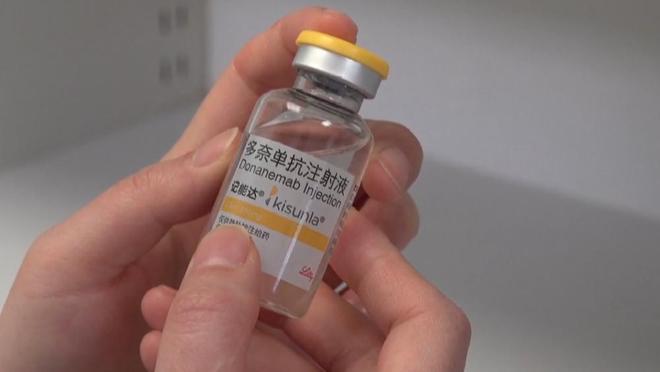
Core Insights - The inclusion of innovative Alzheimer's disease (AD) treatments, Lecanemab and Donanemab, in China's first commercial health insurance innovative drug directory marks a significant breakthrough in the payment landscape for AD treatment [1][2] - The new "Medicare + Commercial Insurance" layered payment model aims to improve accessibility and affordability of high-cost innovative drugs for patients [2][4] - The commercial insurance directory reflects a shift in China's multi-tiered healthcare system, encouraging the payment for valuable innovations and enhancing the accessibility of innovative therapies for major diseases [1][4] Group 1: Policy and Market Changes - The National Healthcare Security Administration's introduction of the commercial health insurance innovative drug directory is a response to the high costs of breakthrough drugs and the limitations of the basic Medicare system [4][5] - The directory includes 19 drugs, with a focus on high-innovation and high-clinical-value treatments, including two significant AD drugs, indicating a broader strategy to address the economic burden of AD [5][6] - The commercial insurance directory is expected to stimulate demand for AD treatments, promoting early diagnosis and standardized treatment practices [2][6] Group 2: Economic Impact and Future Projections - The economic burden of AD in China is substantial, with annual costs reaching 1.1 trillion RMB in 2015, projected to rise to 3.2 trillion RMB by 2030 and 11.9 trillion RMB by 2050 [7] - The average cost of moderate to severe AD treatment is significantly higher than that of mild cases, necessitating a collaborative approach among Medicare, medical services, and pharmaceuticals to enhance drug accessibility [7][11] - The global AD drug market was valued at 23 billion RMB in 2020, with expectations to grow to 25.7 billion RMB by 2026, reflecting a compound annual growth rate of 1.5% [7] Group 3: Research and Development Landscape - The development of new AD drugs is a lengthy and costly process, averaging 10.5 years and requiring approximately 2.6 billion USD, with many candidates failing at various stages [8][10] - Current AD treatments in China include cholinesterase inhibitors and NMDA receptor antagonists, with the recent approval of new drugs like GV-971 [8][10] - The competitive landscape is shifting from a focus solely on drug efficacy to a broader ecosystem competition, influenced by the new commercial insurance directory [9][10] Group 4: Challenges and Recommendations - Despite the progress in including AD drugs in insurance coverage, barriers remain, such as the limited reach of commercial insurance and the need for a multi-layered payment model [11] - Establishing a dedicated AD patient database could facilitate faster efficacy validation and expand indications, reducing R&D risks for pharmaceutical companies [11] - As the incidence of AD increases with age, there is a pressing need for refined risk control mechanisms to ensure the sustainability of innovative drug payment systems [11]