优必选科技

Search documents
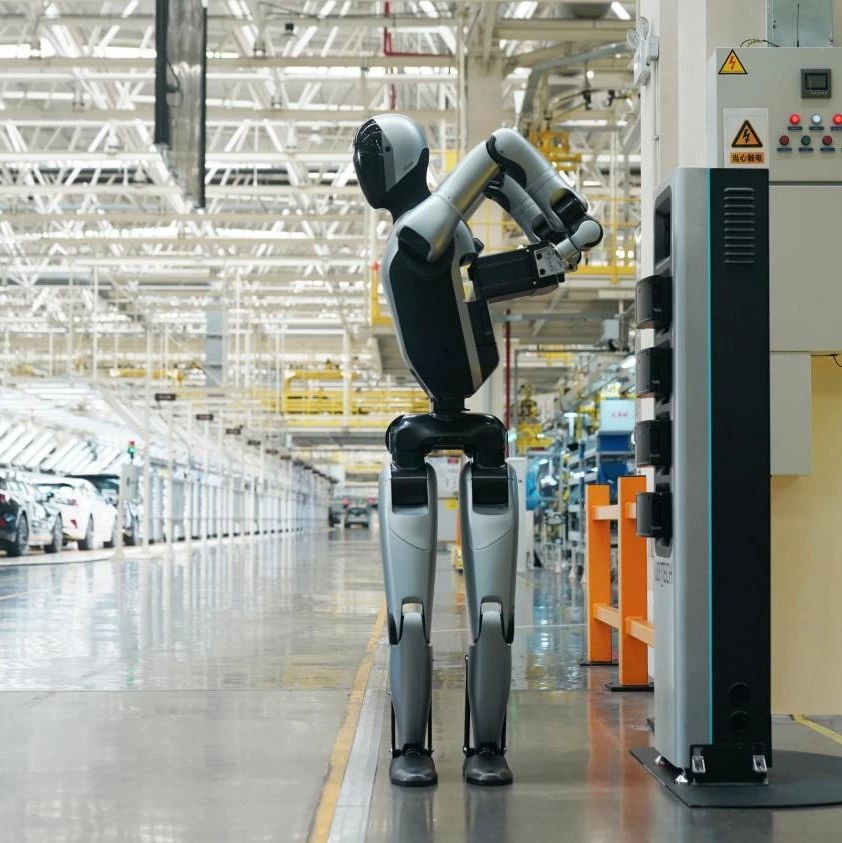
优必选Walker S2全球首个实现自主换电,7*24小时打工的机器人要来了
机器人大讲堂· 2025-07-17 09:00
无需人工干预或关机, 3分钟 极速自主换电,在全新一代工业人形机器人 Walker S2上, 作为 "人形机器 人第一股"的 优必选全球首创人形机器人热插拔自主换电系统 , 这项技术使得 Walker S2具备7*24小时不 间断工作能力, 为 智 能制造构建 "永不停机的新质生产力" 打造了坚实的基础。 人形机器人热插拔自主换电系统 拥有 3大 核心技术亮点 , 包括: 1. 原创双电池动力平衡技术: 通过实时电量监测与动态电能均衡技术,实现双电池同充同放,电池更换无缝 切换,支持电池带电热插拔且防止冲击电流和拉弧,进而保障人形机器人安全稳定持续运行。 2. 标准化电池仓快换技术: 设计标准化的电池模块和零间隙分仓结构,不仅让电池作为能源组件可以快速自 由更换,更成为机器人身体结构中的一部分。采用自定位夹持方式解锁电池仓,灵活切换双电池续航或单电池 工作模式。 3. 双臂协同精准换电技术: 人形机器人通过双臂协同,利用本体定位精度和柔顺控制算法,实现电池与仓体 的精确对准。 作为 一项突破性技术,其核心在于允许机器人在无需关机或人工干预的情况下,自主完成电池的更换,一方 面避免 了 因充电停机导致的任务中断 ...

粤链粤强:广东开启第三届链博会主宾省首秀
2 1 Shi Ji Jing Ji Bao Dao· 2025-07-16 12:46
Core Insights - The Guangdong International Supply Chain Cooperation Conference aims to enhance global industrial and supply chain collaboration, showcasing Guangdong's commitment to becoming a global industrial hub [1][2]. Group 1: Event Overview - The conference attracted nearly 300 participants, including government and business representatives from China and abroad [1]. - 64 Guangdong enterprises, including notable companies like Xpeng Motors and DJI, showcased innovative products at the event [1]. - The event featured policy discussions and business environment promotions to highlight Guangdong's industrial capabilities [1][2]. Group 2: Government and Business Perspectives - Guangdong is positioned as a crucial node in the global supply chain, with a robust industrial ecosystem and a commitment to innovation [2]. - The Thai Investment Promotion Committee expressed interest in further collaboration with Guangdong, highlighting existing investments from Guangdong companies in key sectors like electronics and biotechnology [2]. Group 3: Industry Highlights - Guangdong's policies, such as "Yue Chain Yue Strong," focus on fostering modern and future industries, including AI and biotechnology [3]. - The Huangpu District in Guangzhou is promoted as a prime investment opportunity, particularly in the biopharmaceutical sector, supported by strong research institutions [3]. Group 4: Company Achievements - Xpeng Motors reported significant growth, with over 190,000 vehicles delivered in the first half of the year, surpassing the total for the previous year [4][5]. - The company has invested over 23.9 billion yuan in R&D, holding 5,675 core patents, and is focusing on AI and autonomous driving technologies [5]. Group 5: Supply Chain Innovations - The conference highlighted the shift towards service trade in response to changing international trade dynamics, with companies like Zhenzhong Supply Chain emphasizing AI applications in supply chain management [6]. - Several cooperation agreements were signed to enhance trade and investment between Guangdong and Thailand, showcasing a commitment to deepening international collaboration [6]. Group 6: Future Directions - The Guangdong Trade Promotion Council aims to integrate industrial, innovation, financial, and talent chains to enhance market access for local enterprises [7]. - The conference is positioned as a key platform for global supply chain cooperation, with over 650 participating companies from 75 countries, including a significant presence from Fortune 500 companies [7].

全球人形机器人行业交流纪要(2)
Robot猎场备忘录· 2025-07-15 15:56
Core Insights - The global humanoid robot market is experiencing significant growth, with nearly 20 billion in financing and a market potential exceeding one trillion by 2025 [3][4] - The domestic market in China is particularly vibrant, with substantial investments and a strong start in the second half of 2025, despite challenges faced by major players like Tesla [4][6] - Notable financing events include the acquisition of a publicly listed company by Zhiyuan Robotics, marking a strategic move in the industry [7][9] Financing Overview - In the first half of 2025, the global humanoid robot sector saw nearly 20 billion in disclosed financing, with significant contributions from various companies [4][5] - Key financing events included Neura Robotics raising 120 million euros and Fourier Intelligence securing nearly 800 million yuan [4] - July 2025 saw continued momentum with several companies, including Xinghai Map and Itashizhihang, raising substantial funds, further solidifying their positions in the market [6] Strategic Moves - Zhiyuan Robotics successfully acquired 66.99% of the shares of Shangwei New Materials for approximately 2.1 billion, enhancing its market presence [7] - The acquisition led to a significant increase in Shangwei's market value, demonstrating the positive market reaction to strategic consolidations in the sector [7][9] - The competitive landscape is intensifying, with major players like Zhiyuan and Yushutec vying for dominance in the humanoid robot market [16][17] Market Trends - The humanoid robot industry is characterized by a long-term growth outlook, with increasing interest from major tech companies and a focus on achieving effective applications in real-world scenarios [17][18] - Despite the promising market, challenges remain in achieving mass production and true commercialization of humanoid robots [16][17] - The industry is witnessing a trend of strategic partnerships and collaborations aimed at enhancing technological capabilities and market reach [11][12]

人形机器人首个商业化大单正式落地,近200只概念股集体狂欢
3 6 Ke· 2025-07-14 11:45
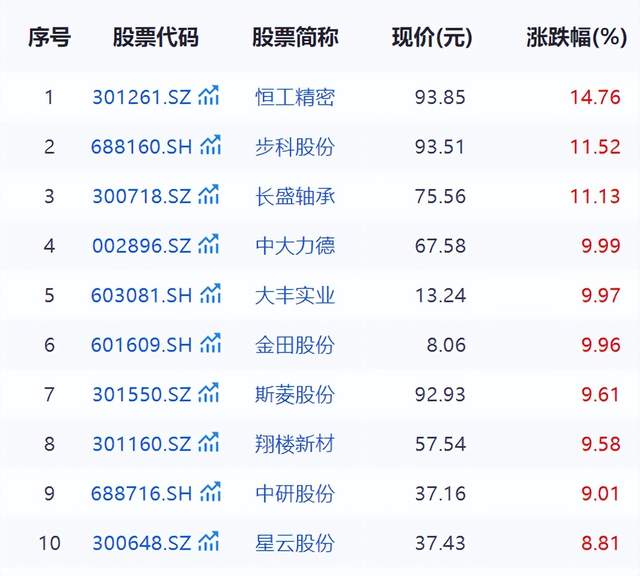
Market Performance - On July 14, A-shares showed mixed performance with the Shanghai Composite Index rising by 0.27% to close at 3519.65 points, while the Shenzhen Component Index fell by 0.11% to 10684.52 points, and the ChiNext Index decreased by 0.45% to 2197.07 points [1] Industry Highlights - The humanoid robot sector is experiencing a significant surge, with several stocks reaching their daily limit up, including Zhongdali De (002896.SZ) and Dafeng Industrial (603081.SH) [1] - The humanoid robot industry is entering a "dawn" of commercialization, highlighted by a major procurement project worth 124 million yuan for humanoid biped robots by China Mobile [3][4] - The humanoid robot market in China is projected to exceed 10,000 units by 2025, with a market size expected to reach 8.239 billion yuan, capturing a significant share of the global market [4] Company Developments - UBTECH Robotics has launched the Tian Gong Xing Zhe humanoid robot, receiving over 100 orders and expecting to deliver more than 300 units by 2025 [3][4] - New investments in the humanoid robot sector have surged, with over 23 billion yuan raised in the first five months of the year, surpassing the total for 2024 [5] - The humanoid robot concept sector includes 254 listed companies, with a notable number of stocks experiencing significant price increases, including eight companies that have doubled in value this year [6] Regional and Sector Distribution - The humanoid robot industry is primarily distributed across several sectors, with 29.1% in machinery, 16.1% in automotive, and 15.7% in electronics [6] - Geographically, Guangdong leads with 23.2% of the companies, followed by Zhejiang at 21.7% and Jiangsu at 18.9% [6] Investment Trends - Investment in humanoid robots is being bolstered by venture capital and government support, with many funds being established to direct resources into key areas of the industry [4]





64家粤企携手共赴第三届链博会,广东以“链”为媒对话世界
2 1 Shi Ji Jing Ji Bao Dao· 2025-07-14 05:34
Group 1 - The third China International Supply Chain Promotion Expo will be held from July 16 to 20 in Beijing, with Guangdong Province as the guest province, featuring a dedicated exhibition area and a series of events [1] - A total of 64 Guangdong enterprises, including notable companies like BGI Genomics, ZTE, TCL, and Guangzhou Pharmaceutical Group, will showcase innovative products at the expo, highlighting the province's supply chain capabilities [1] - Key Guangdong "chain master" enterprises such as Xpeng Motors, DJI, UBTECH, and EHang will present new products and innovations, demonstrating the new heights and momentum of Guangdong's supply chain development [1] Group 2 - On the opening day of the expo, Guangdong will organize the International Supply Chain Cooperation Conference themed "Yue Chain Yue Strong, Chain Leading the World," aimed at establishing a high-level international cooperation platform [2] - The conference will feature the release of new products in robotics, biomedicine, and digital trade, showcasing Guangdong's leadership in smart manufacturing, health, and digital technology [2] - Guangdong will also hold a series of promotional meetings on July 17, including those for Guangzhou and Shenzhen, to attract more enterprises and strengthen its role as a core node in the global supply chain [2]
【大涨解读】机器人:行业迎来商业化里程碑事件,两大巨头携手中标上亿订单,工业出口也飙升
Xuan Gu Bao· 2025-07-14 02:56
Market Overview - On July 14, humanoid robots and PEEK materials sectors showed strength against the market trend, with several companies including Zhongwei New Materials and Changrong Co. hitting the daily limit up [1] Events - On July 11, Zhiyuan Robotics and Yushu Technology won a humanoid biped robot contract from China Mobile with a total budget of 1.2405 billion [2] - On July 14, the National News Office reported that China's industrial robot export market share rose to second globally, with a 61.5% increase in exports in the first half of this year [2] - On July 13, UBTECH announced that its Tian Gong Xing Zhe humanoid robot received orders for 100 units, with expectations to deliver over 300 units by 2025 to meet market demand [2] Institutional Commentary - The recent procurement is a significant milestone in the commercialization of the domestic humanoid robot industry, which is currently at a critical turning point from 0 to 1, with a need to focus on industry fluctuations driven by events in the short term and quality companies in the long term [3] - The humanoid robot sector has moved past the product definition stage and is evolving towards functional realization and commercialization, with a focus on hardware and software upgrades and their integration [3] - Lightweight solutions are addressing key challenges in the humanoid robot industry, such as endurance and flexibility, with major manufacturers like Tesla and UBTECH making advancements [3]
上交所,重大发布;重要发布会,就在今天;阿里通义千问,新消息→
新华网财经· 2025-07-14 00:28
Core Viewpoint - The article discusses various macroeconomic developments, regulatory updates, and company performance forecasts, highlighting opportunities and trends in different sectors, particularly in technology, finance, and logistics. Macroeconomic News - The State Council Information Office held press conferences on July 13 to discuss the import and export situation for the first half of 2025 and financial statistics for the same period [2][5]. - China's largest natural uranium production project, "Guo Uranium No. 1," successfully produced its first barrel of uranium, marking a significant breakthrough in energy resource security [5]. - The Ministry of Industry and Information Technology released work points for the integration of informatization and industrialization, emphasizing the implementation of "AI + manufacturing" actions [5]. - The cold chain logistics market in China is experiencing growth, with a projected total demand of approximately 192 million tons in the first half of 2025, a year-on-year increase of 4.35% [5]. Market Highlights - The Shanghai Stock Exchange published new self-regulatory guidelines for the Sci-Tech Innovation Board, aimed at enhancing the board's inclusivity and adaptability to better serve technological innovation [1][9]. - The Ministry of Finance adjusted the long-term investment assessment criteria for state-owned commercial insurance companies, changing the weight of net asset return rates and capital preservation rates [10]. - The National Financial Regulatory Administration introduced new management measures for financial institutions, effective February 1, 2026, to help consumers identify risks and choose suitable products [11]. Company Dynamics - JD.com is expanding its recruitment for short video-related positions, offering competitive salaries ranging from 45,000 to 70,000 yuan per month [16]. - Meituan reported a record high in instant retail order volume, with nearly 40 million orders, indicating strong performance in social media marketing channels [17]. - Cloud Tianli Fei announced plans to issue H-shares and list on the Hong Kong Stock Exchange to enhance its competitiveness and brand image [18]. - China Shenhua expects a net profit of 23.6 billion to 25.6 billion yuan for the first half of 2025, a decrease of 8.6% to 15.7% year-on-year due to lower coal sales and prices [21].

机器人也能拥有生物思维?“BioMARS系统”让机器人生物学家成真!
机器人大讲堂· 2025-07-13 07:22
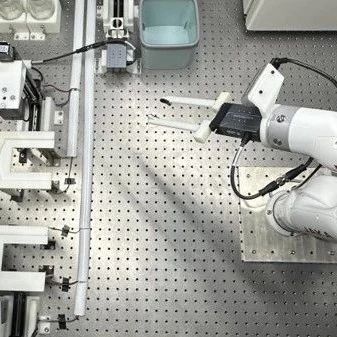
Core Viewpoint - The article discusses the development of the BioMARS system, which integrates natural language processing, computer vision, and modular robotics to automate biological experiments, overcoming limitations of traditional automation tools [1][21]. Group 1: BioMARS System Overview - BioMARS addresses common laboratory pain points such as literature review fatigue, execution errors from traditional robots, and difficulties in optimizing experimental parameters [2][3]. - The system consists of three core components: Biologist Agent, Technician Agent, and Inspector Agent, each with distinct roles in the experimental process [3]. Group 2: Biologist Agent - The Biologist Agent acts as the planner, automatically retrieving and understanding relevant literature to generate experimental plans based on laboratory resource constraints [6][3]. Group 3: Technician Agent - The Technician Agent serves as the executor, converting natural language experimental plans into executable instructions for robots, ensuring logical coherence and practical execution [7][3]. Group 4: Inspector Agent - The Inspector Agent functions as the supervisor, utilizing computer vision for multi-stage perception and error detection, enhancing reliability and safety by identifying operational deviations [10][3]. Group 5: Experimental Results - In comparative experiments with HeLa, Y79, and DC2.4 cell lines, BioMARS demonstrated significant advantages, achieving similar cell survival rates and morphology integrity as manual operations while improving reproducibility [11][12]. - Automation reduced the manual operation time for cell line passage from 60 minutes to 5-8 minutes, validating the system's feasibility and efficiency [12]. Group 6: Optimization Capabilities - Beyond executing preset experimental plans, BioMARS possesses advanced biological optimization capabilities, adjusting growth factor concentrations and culture times based on previous failures to enhance differentiation efficiency [17][18]. - The system employs decision-making strategies that incorporate biological knowledge, reducing reliance on manual tuning and providing scalable solutions for complex biological systems [18]. Group 7: Conclusion and Future Outlook - BioMARS represents a new generation of automated experimentation, integrating reasoning capabilities and marking a shift towards AI-native approaches in life sciences, potentially transforming high-throughput cell culture and drug screening processes [21].
人类的下一场手术,可能由自主机器人来操刀
机器人大讲堂· 2025-07-12 03:28
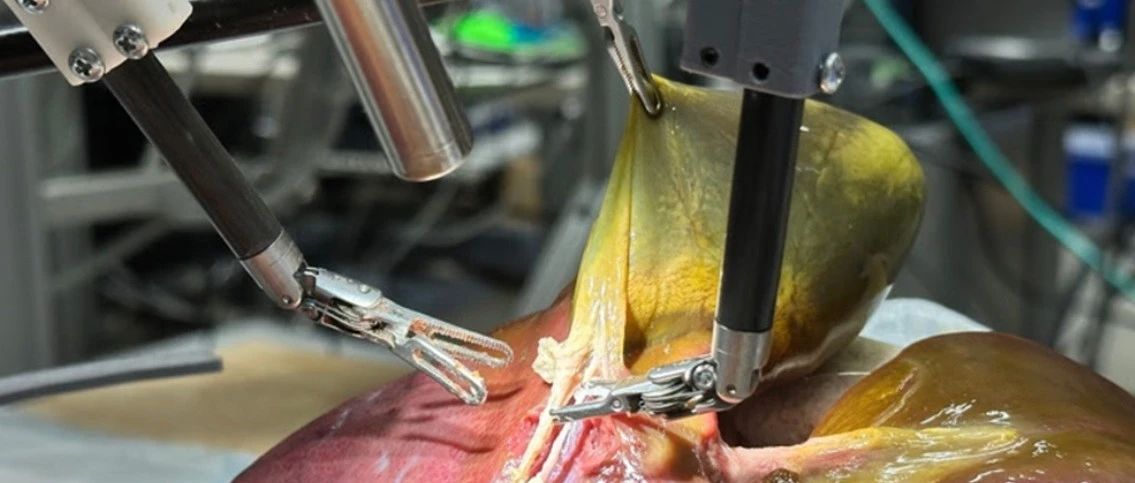
Core Viewpoint - Autonomous surgical robots are gaining global attention due to technological advancements and clinical needs, with the potential to revolutionize surgical procedures by enabling robots to make independent decisions during operations [1][2]. Definition and Understanding - Autonomous surgical robots are defined as robotic systems capable of performing surgical tasks independently, integrating advanced AI technologies for perception, decision-making, and task execution [2][3]. Technical Aspects - The goal of autonomous surgical robots is to enhance surgical precision, safety, and efficiency while reducing reliance on direct human intervention, ultimately allowing the robots to learn from experience and adapt to new situations [3][5]. Development and Progress - The SRT-H robot developed by Johns Hopkins University has demonstrated a 100% accuracy rate in recent surgeries, although it takes longer than human surgeons, indicating significant progress in autonomous surgical capabilities [5][9]. Classification System - The classification of autonomous surgical robots follows a tiered system from 0 to 5, where level 3 autonomy is currently the target for research, allowing robots to assist surgeons while still under human supervision [6][7]. Global Landscape - The development of autonomous surgical robots is uneven globally, with institutions like the University of North Carolina at Wilmington leading the way with their STAR system, which has shown superior precision and stability in animal trials [9][10]. Challenges and Limitations - Despite advancements, challenges remain in core technologies, particularly in perception, decision-making, and execution accuracy, along with the need for ethical standards and clinical validation [15][16]. Future Outlook - The future of autonomous surgical robots looks promising with advancements in AI, micro-manufacturing, and the potential for integration with technologies like 5G and cloud computing, which could enhance surgical quality and efficiency [16].
关于广东AI与机器人产业,这场高规格会议释放了哪些信号?
Nan Fang Du Shi Bao· 2025-07-12 02:20
Core Viewpoint - Guangdong's artificial intelligence and robotics industry is experiencing significant growth and has established itself as a national leader, but it faces several challenges that need to be addressed for sustainable development [2][3][6]. Industry Scale and Technological Strength - Guangdong's industrial robot production has ranked first in the country for five consecutive years, with a production volume of 246,800 units, accounting for 44% of the national total [3]. - The core AI industry in Guangdong is projected to exceed 220 billion yuan in 2024, representing a year-on-year growth of approximately 25% [3]. - The region hosts over 1,500 core AI enterprises and 147 "little giant" companies in the AI sector, the highest in the nation [4]. Key Challenges and Bottlenecks - There is a notable weakness in foundational key technologies, with insufficient open-source ecosystem development and a lack of high-quality data [6][7]. - The gap between technology and application needs is evident, particularly for small and medium-sized enterprises facing high costs and low AI implementation rates [6][7]. - The high cost of humanoid robots and the lack of universal standards for components hinder large-scale deployment [7]. Recommendations for Development - The report suggests enhancing government functions to accelerate industry growth, focusing on key technology breakthroughs and supporting enterprise innovation [9][10]. - It is recommended to establish a legal framework to support the development of AI and robotics, including specific legislation and monitoring of existing policies [10][11]. - Suggestions include creating demonstration application scenarios and lowering entry barriers for SMEs to facilitate technology implementation [9][11].