Lam Research

Search documents
Lam Research Set to Report Q3 Earnings: How to Play the Stock?
ZACKS· 2025-04-21 13:10
Lam Research Corporation (LRCX) is scheduled to release its third-quarter fiscal 2025 results on April 23. The Zacks Consensus Estimate for earnings is pegged at $1 per share, calling for growth of 28.2% from the figure reported in the year-ago quarter. The earnings figure has been revised a penny upward over the past 60 days. (Find the latest EPS estimates and surprises on Zacks Earnings Calendar.) Image Source: Zacks Investment Research For the third quarter of fiscal 2025, the company expects revenues of ...



台积电美国制芯片成本,仅比台湾高10%?
半导体行业观察· 2025-03-26 01:09
Core Viewpoint - TSMC's wafer production costs in Arizona are only about 10% higher than those in Taiwan, contrary to the belief that U.S. production is prohibitively expensive [1][2]. Cost Factors - Equipment costs account for over two-thirds of semiconductor production costs, and prices for tools from leading manufacturers are similar in both Taiwan and the U.S., mitigating location-based cost differences [2]. - Labor costs in the U.S. are approximately three times higher than in Taiwan; however, due to advanced automation, labor constitutes less than 2% of total costs in wafer manufacturing [2]. TSMC's Production and Logistics - TSMC's wafers produced in Arizona are sent back to Taiwan for cutting, testing, and packaging, complicating logistics but not significantly increasing costs. TSMC plans to build packaging capacity in the U.S. [2]. - TSMC reportedly charges a 30% premium for chips produced in the U.S. [2]. Revenue Distribution by Node - In 2024, nearly 50% of TSMC's revenue will come from nodes that are five years old or older, such as 7nm and above, contrasting with Intel's strategy of shutting down older nodes [3][4]. - Advanced nodes (3nm and 5nm combined) contribute 52% of revenue but only 27% of profit, indicating that profitability is still developing for these newer technologies [6][9]. Profitability Insights - The 3nm and 5nm nodes were reported to be operating at a loss in 2023, but profitability is expected to improve as production ramps up [9]. - TSMC's financial health is bolstered by older nodes that have fully depreciated, while newer nodes still carry depreciation costs [11]. Methodology - The analysis of TSMC's profitability by node involves estimating costs based on revenue shares and accounting for depreciation, R&D, and operational expenses [12].

Chiplet和异构集成到底是什么?
半导体行业观察· 2025-03-22 03:17
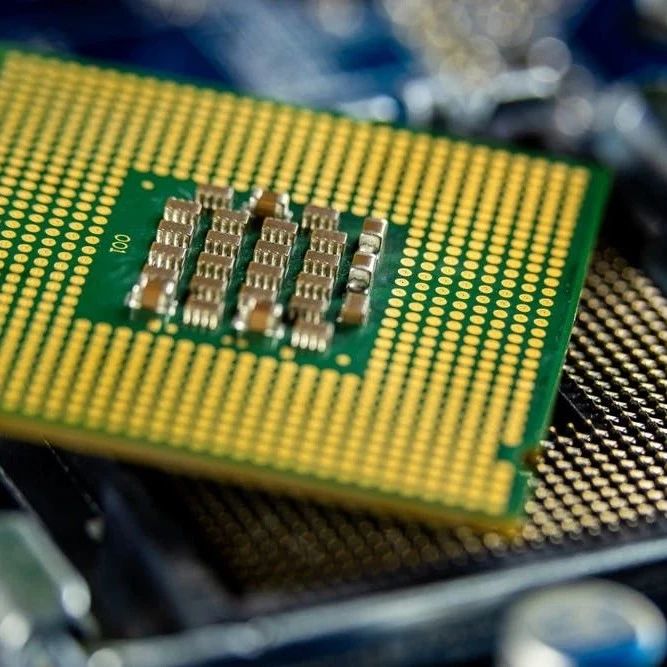
Core Viewpoint - The article discusses the emerging concepts of "chiplet" and "heterogeneous integration," highlighting the lack of standardized definitions and the implications for the semiconductor industry [2][3][4]. Summary by Sections Chiplet Definition and Characteristics - Chiplets are discrete components that can be integrated into a single package, differing from traditional multi-chip modules (MCM) [3][4]. - A key feature of chiplets is the direct connection between chips through standardized interfaces, which enhances performance and efficiency compared to MCMs [4][5]. - The economic rationale for chiplets stems from the high costs associated with advanced nodes and the inability to produce larger chips [4][5]. Standardization and Interoperability - The standardization of interfaces, such as UCIe and Bunch of Wires (BoW), is crucial for ensuring interoperability among chiplets from different sources [5][6]. - There is a debate on whether a chiplet must have a standardized interface to qualify as such, with some experts arguing that the presence of a die-to-die interface is essential [12][19]. Heterogeneous Integration - Heterogeneous integration involves combining different types of chips within a single package, which can include various nodes and materials [13][14]. - The definitions of heterogeneous integration vary, with some emphasizing the need for different functionalities among the chips involved [13][17]. - The complexity of integrating analog and photonic chips adds further challenges to the standardization of definitions in this area [10][18]. Industry Implications - The lack of consensus on definitions may hinder interoperability and complicate the development of advanced packaging processes [19]. - As the industry evolves, the need for clear definitions will become increasingly important for decision-making and market differentiation [19][20].
晶圆越做越薄背后
半导体行业观察· 2025-03-21 01:08
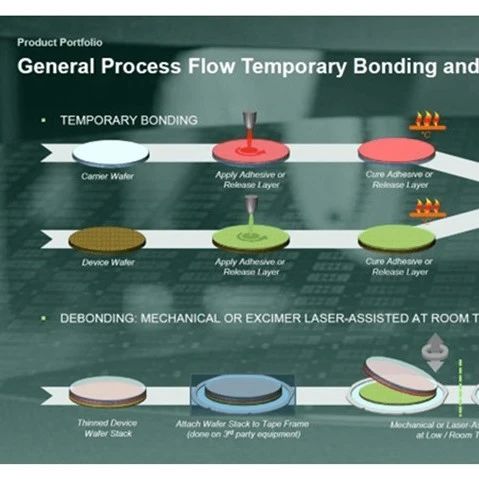
Core Viewpoint - The demand for ultra-thin wafers is increasing due to the transition from planar SoC to 3D-IC and advanced packaging, which enhances performance and reduces power consumption [1][18]. Group 1: Thin Wafer Processing - The total thickness of HBM modules, which include 12 DRAM chips and basic logic chips, is still less than that of high-quality silicon wafers [1]. - Thin wafers play a crucial role in fan-out wafer-level packaging and advanced 2.5D and 3D packaging for AI applications, which are growing faster than mainstream ICs [1]. - The processing of ultra-thin wafers requires careful decisions regarding temporary bonding adhesives, carrier wafers, and debonding processes [1][3]. Group 2: Challenges in Wafer Thinning - Engineers face challenges in preventing defects or micro-cracks, especially at the wafer edges, which can significantly impact yield [10]. - The thinning process involves a balance of grinding, chemical mechanical polishing (CMP), and etching to meet strict total thickness variation (TTV) specifications [8]. - The most common TSV architecture in silicon features a diameter of 11 micrometers and a depth of 110 micrometers, with a barrier metal and oxide insulation layer occupying 1 micrometer of that diameter [9]. Group 3: Temporary Bonding and Debonding - The industry is refining thinning steps, adhesives, and debonding chemicals, with temporary bonding typically performed under vacuum thermal compression or UV exposure [3][7]. - Glass and silicon carrier wafers are both used, with glass being popular due to its thermal expansion coefficient (CTE) compatibility with silicon [5]. - Mechanical debonding methods are preferred for thinner wafers, as they allow for lower stress levels and better thermal budgets [15]. Group 4: Adhesive Properties and Requirements - Ideal adhesives should bond at low temperatures and withstand high-temperature processing without degrading performance [7]. - The adhesive's uniformity in thickness is critical, as any inconsistency can lead to uneven back grinding and processing challenges [7][8]. - The choice of adhesive is influenced by temperature stability, with some materials capable of withstanding temperatures up to 350°C [7]. Group 5: Yield and Reliability - Chip manufacturers are seeking customized solutions for specific device types, emphasizing the need for tool reliability and process repeatability [2]. - The industry is focused on achieving high yield and reliability in producing ultra-thin devices with thicknesses below 50 micrometers [18]. - The management of back and edge defects is essential for maintaining yield, with selective plasma etching and CVD being employed to mitigate edge defects [10][11].
EUV光刻胶,没有明显赢家
半导体芯闻· 2025-03-20 10:26
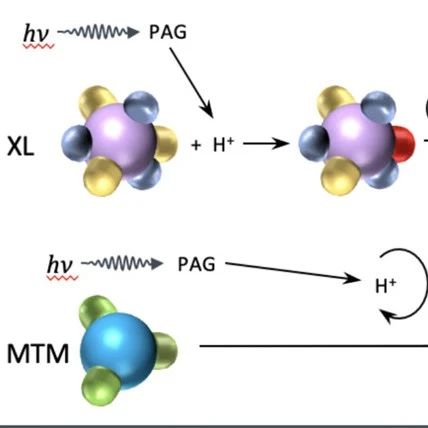
Core Viewpoint - The article discusses the challenges and innovations in EUV lithography, particularly focusing on the balance of resolution, line width roughness, and sensitivity in photoresist materials, highlighting the need for advancements in photoresist technology to meet the demands of high NA EUV exposure [1][5][14]. Group 1: EUV Lithography Challenges - Balancing resolution, sensitivity, and line width roughness in high NA EUV lithography is increasingly difficult, as the final step between the mask and the patterned wafer is unpredictable [1][5]. - The RLS triangle (Resolution, Line width roughness, Sensitivity) defines the key parameters for evaluating lithography processes, where improving one often sacrifices the others [3][4]. - The sensitivity of photoresists limits the throughput of EUV exposure systems, significantly impacting overall process costs, with potential savings of up to $1 million per year per scanner by reducing exposure dose [3][4]. Group 2: Innovations in Photoresist Materials - Research is ongoing to enhance chemical amplification resists (CAR) by exploring alternative PAG molecules to improve EUV absorption rates, although initial findings indicate that higher electron affinity may not enhance sensitivity [4][8]. - Metal oxide photoresists are gaining interest due to their robustness and excellent etch selectivity, although they present challenges in solubility for positive photoresist applications [8][9]. - Dry photoresist processes, such as those developed by Lam Research, allow real-time adjustments of process chemistry, potentially optimizing the lithography process [11][12]. Group 3: Alternative Approaches - New concepts like multi-trigger photoresists aim to combine the advantages of chemical amplification and metal oxide resists, allowing for selective cross-linking based on exposure conditions [13][14]. - The development of next-generation photoresists that utilize acid to "unzip" polymer chains offers a promising alternative, enabling better optimization of solubility in developers [14].

半导体行业点评:半导体设备并购整合进入加速期
Minsheng Securities· 2025-03-11 06:06
Investment Rating - The report maintains a "Buy" rating for the companies involved, specifically recommending Northern Huachuang and Xinyuanwei, as well as other platform-oriented leading equipment manufacturers such as Tuojing Technology and Zhongwei Company [4]. Core Insights - The semiconductor equipment sector is entering an accelerated phase of mergers and acquisitions, driven by regulatory support and the need for domestic manufacturers to enhance their competitive edge through consolidation [2][3]. - Northern Huachuang's acquisition of a stake in Xinyuanwei is expected to strengthen its product line, as Xinyuanwei is a leading domestic player in the photolithography coating and developing segment, with a comprehensive product range that includes advanced packaging and cleaning equipment [1][2]. - Xinyuanwei is projected to achieve a revenue of 1.77 billion yuan and a net profit of 211 million yuan in 2024, while Northern Huachuang's revenue is expected to range between 27.6 billion yuan and 31.78 billion yuan in the same year [1][2]. Summary by Sections Mergers and Acquisitions - The report highlights that the semiconductor equipment sector is likely to see an increase in mergers and acquisitions, particularly after the regulatory changes that encourage technology companies to pursue controlling acquisitions [2]. - Historical examples from overseas, such as KLA and Lam Research, illustrate that mergers and acquisitions are a common strategy for growth in the equipment sector [2]. Company Performance Forecast - Northern Huachuang is expected to have an EPS of 10.44 yuan in 2024, with a PE ratio of 44, while Xinyuanwei is projected to have an EPS of 1.05 yuan and a PE ratio of 84 for the same year [4]. - Other companies mentioned, such as Tuojing Technology and Zhongwei Company, also have favorable EPS and PE projections, indicating a positive outlook for the sector [4].


Why Semiconductor Equipment Stocks ASML Holdings, KLA, and Lam Research Plunged Today
The Motley Fool· 2025-03-10 20:25
Core Viewpoint - Semiconductor equipment stocks, including ASML Holdings, KLA, and Lam Research, experienced significant declines due to fears of a tariff-induced recession and increasing trade tensions with China [1][4][6] Group 1: Market Reactions - ASML Holdings, KLA, and Lam Research saw their shares drop by 6.71%, 4.63%, and 6.58% respectively, reflecting a broader sell-off in semiconductor stocks [1] - The market is reacting negatively to comments from President Trump regarding potential recessions linked to tariffs, which has impacted economically sensitive stocks, particularly in the tech sector [4][6] Group 2: Trade Tensions and China - Tariffs on China complicate the semiconductor market as China is a major buyer of chips and is investing heavily in domestic semiconductor production [2][7] - China's development of alternatives to extreme ultraviolet (EUV) technology poses a threat to ASML, which currently holds a monopoly in this area [3][11] Group 3: Technological Developments - China has reportedly increased its use of domestic chipmaking tools to 13.6% last year, indicating progress in its semiconductor capabilities [10] - The introduction of laser-induced discharge plasma (LDP) technology in China could signal advancements in producing leading-edge semiconductors, although it remains uncertain if it can match EUV technology [11][14] Group 4: Historical Context and Future Outlook - Historical trends show that semiconductor stocks have previously rebounded after similar sell-offs during trade wars, suggesting potential long-term buying opportunities [13][16] - Despite current market conditions, megatrends such as cloud computing, remote work, and AI are expected to support growth in chip and semiconductor equipment stocks moving forward [15][16]


台积电巨额投资美国,更多细节曝光
半导体行业观察· 2025-03-07 01:23
Core Viewpoint - TSMC plans to invest an additional $100 billion to expand its manufacturing capabilities in the U.S., which will include three new fabs, two advanced packaging facilities, and a large R&D center, bringing its total investment in the U.S. to $165 billion, making it one of the largest foreign investors in the country [1][16]. Group 1: New Facilities and Expansion Plans - TSMC has not disclosed specific details regarding the timing, location, or technology for the new investments, but there is sufficient space at the existing Fab 21 site in Arizona for new facilities [2][3]. - The Fab 21 site spans approximately 1,100 acres, which is more than twice the size of Monaco, and TSMC initially planned to build six fab modules there [2][3]. - The expansion includes three phases at Fab 21, two advanced packaging facilities, and an R&D center, with the aim of making it a major production hub [3][16]. Group 2: Employment and Workforce Impact - TSMC estimates that the new announcement will create 40,000 jobs over the next four years, significantly up from the previous estimate of 20,000 jobs by the end of 2020 [4]. - The company anticipates that some projects may run concurrently, increasing labor demand, although it has not specified whether this will double the production capacity for N3 and/or N2/A16 technologies [4][6]. Group 3: Global Investment Strategy - Despite the significant investment in the U.S., TSMC is also focusing on expanding its operations in Taiwan, Japan, and Germany, with plans to invest $38 billion to $42 billion globally by 2025 [6][7]. - TSMC is currently constructing a fab in Germany and is set to begin building a second fab in Japan, indicating a balanced global investment strategy [6][7]. Group 4: Technology Transfer and Production Costs - TSMC's ability to transfer advanced manufacturing technologies to the U.S. may face delays, as the company prefers to develop new technologies in Taiwan, where its R&D facilities are located [9][11]. - Chips produced in the U.S. using TSMC's N4 and N5 nodes are expected to be 20% to 30% more expensive than those produced in Taiwan, which may limit U.S. companies' interest in manufacturing there unless absolutely necessary [12][16]. Group 5: Customer Demand and Market Dynamics - TSMC's U.S. customers, including major firms like Apple, AMD, Broadcom, Nvidia, and Qualcomm, have requested increased production capacity in the U.S., despite the higher costs associated with U.S. manufacturing [14][16]. - The demand for U.S. production capacity has reportedly increased in light of potential tariffs on chips produced in Taiwan, adding a layer of political uncertainty to TSMC's decision-making [14][16].
芯片法案,处处受挫?
半导体行业观察· 2025-03-02 02:43
如果您希望可以时常见面,欢迎标星收藏哦~ 来源:内容 来自oregonlive ,谢谢。 两年前,当美国商务部长吉娜·雷蒙多参观希尔斯伯勒的一个科学教育实验室时,俄勒冈州的芯片制 造商似乎顺风顺水。 州议员即将批准超过 5 亿美元的半导体行业激励措施,包括减免研究税、提供劳动力培训资金以及 向俄勒冈州芯片制造商提供直接补贴。 立法机构赋予州长临时权力指定农田供芯片制造商使用,打破了长期以来土地保护的禁忌。 雷蒙多在 2023 年告诉州领导人:"你们对职业培训、技术投资、基础设施投资的看法都是世界一流 的。你们做的一切都是正确的。" 从那以后似乎一切都不顺利。 波特兰地区的芯片制造商正在裁员。英特尔在销售额下降、技术失误和高层领导真空的背景下举步 维艰。该公司公开考虑分拆公司,自 12 月初以来一直没有正式的首席执行官。 在拜登政府执政的最后几天,美国商务部除了俄勒冈州外,还选择了另外三个州作为主要半导体研 究中心的所在地。特朗普政府于 1 月上任后,开始取消拜登政府试图建立的该行业的大部分支持。 俄勒冈州的芯片产业正在重组。 新成立的半导体行业委员会由 Ampere 首席执行官蕾妮·詹姆斯 (Renée Ja ...


Lam Research (LRCX) Ascends But Remains Behind Market: Some Facts to Note
ZACKS· 2025-02-28 23:51
Company Performance - Lam Research (LRCX) ended the latest trading session at $76.77, reflecting a +0.79% adjustment from the previous day's close, which lagged behind the S&P 500's gain of 1.59% [1] - Over the past month, shares of Lam Research have decreased by 5.65%, underperforming the Computer and Technology sector's loss of 3.43% and the S&P 500's loss of 2.42% [1] Earnings Projections - The upcoming earnings release for Lam Research is projected to show earnings per share (EPS) of $1, representing a 28.21% increase from the same quarter last year [2] - Revenue is expected to reach $4.65 billion, indicating a 22.62% increase compared to the same quarter of the previous year [2] Full-Year Estimates - The full-year Zacks Consensus Estimates for Lam Research forecast earnings of $3.73 per share and revenue of $17.72 billion, which would signify year-over-year changes of +24.75% and +18.91%, respectively [3] - Recent changes to analyst estimates for Lam Research reflect shifting business dynamics, with positive alterations indicating analyst optimism regarding the company's profitability [3] Valuation Metrics - Lam Research currently has a Forward P/E ratio of 20.43, which is lower than the industry average of 25.22, suggesting that Lam Research is trading at a discount compared to its peers [6] - The company has a PEG ratio of 1.25, compared to the average PEG ratio of 1.63 for the Electronics - Semiconductors industry, indicating a favorable valuation relative to expected earnings growth [7] Industry Ranking - The Electronics - Semiconductors industry, which includes Lam Research, has a Zacks Industry Rank of 134, placing it in the bottom 47% of over 250 industries [7] - The strength of individual industry groups is measured by the Zacks Industry Rank, with the top 50% rated industries outperforming the bottom half by a factor of 2 to 1 [8]