
一汽集团

Search documents
锐财经|汽车生产,谁在领跑?
Ren Min Ri Bao Hai Wai Ban· 2026-01-14 00:26
Core Viewpoint - The automotive production landscape in China is evolving, with significant growth in various cities, particularly in electric vehicles, driven by technological innovation and supportive policies [1][2][9]. Group 1: Automotive Production Statistics - In the first 11 months of 2025, Chongqing produced nearly 2.5 million vehicles, marking a 12.1% year-on-year increase [3]. - Beijing and Shanghai both surpassed 1 million vehicles, with Beijing producing 1.335 million vehicles (up 27.6%) and Shanghai producing 1.601 million vehicles, including 1.042 million electric vehicles [3]. - Other cities like Zhengzhou, Qingdao, and Changsha are approaching the 1 million vehicle mark, with Zhengzhou's production reaching 956,300 vehicles (up 16.52%) [3]. Group 2: Electric Vehicle Production - Hefei led the nation in electric vehicle production with 1.246 million units in the first 11 months of 2025, benefiting from a strategic industrial layout [4]. - Major brands such as Jianghuai, NIO, and BYD have established production bases in Hefei, contributing to its strong growth in the electric vehicle sector [4]. Group 3: Industry Support and Innovation - The automotive industry in cities like Liuzhou and Qingdao is supported by a complete industrial chain, with Liuzhou being home to five major vehicle manufacturers [5]. - Innovations in autonomous driving and vehicle networking are being spearheaded in Chongqing, with the first L3 autonomous driving license plate expected by the end of 2025 [5][6]. Group 4: Policy Support - Since the 14th Five-Year Plan, Chongqing has aimed to become a hub for smart connected electric vehicles, while Anhui supports Hefei in becoming a globally influential electric vehicle city [6]. Group 5: Changes in Production Ranking - The ranking of cities by automotive production has shifted due to changes in statistical methods, with production now counted based on the manufacturing location rather than the corporate headquarters [8]. - In 2024, Hefei's production reached 1.9109 million vehicles, surpassing cities like Shanghai and Changchun, while Shenzhen's electric vehicle production reached 2.9353 million units [8]. Group 6: Industry Outlook - The Chinese automotive industry is entering a new phase of high-quality development, supported by a penetration rate of over 50% for electric passenger vehicles and advancements in autonomous driving technology [9].

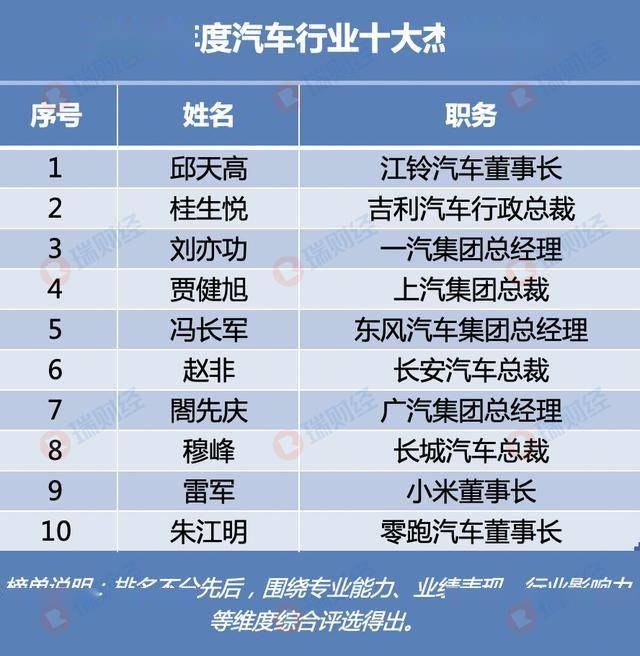
小米董事长雷军入选“2025年度汽车行业十大杰出人物”
Sou Hu Cai Jing· 2026-01-13 09:57
瑞财经1月13日,由瑞财经推出的"2025年度汽车行业十大杰出人物"榜单揭晓,小米董事长雷军入选。 "2025年度汽车行业十大杰出人物"榜单围绕专业能力、业绩表现、行业影响力等维度综合评选得出。 雷军,55岁,小米集团执行董事、创始人、董事长及首席执行官、以及智能电动汽车业务的首席执行 官,亦为薪酬委员会成员。雷军全面负责公司策略、公司文化及关键产品,并监管高级管理团队。雷军 现任集团多家附属公司、合并联属实体及经营实体的董事。雷军在2000年创办了在线零售平台卓越网并 在2004年将其出售给亚马逊。同时,雷军曾作为天使投资人,投资了JoYY Inc. 及UCWeb等多家创新型 企业。雷军更是知名的科技创业者。雷军于1992年加入金山软件有限公司并担任金山软件多个高级职 位,包括自2011年7月起担任董事长,自2008年8月起担任非执行董事,自1998年至2007年12月担任首席 执行官。自2011年12月起,雷军担任北京金山办公软件股份有限公司董事。自2012年1月起,雷军担任 金山云控股有限公司的非执行董事并在2015年4月起担任该公司的董事长。雷军于1991年7月自武汉大学 计算机科学系毕业,获得理学学 ...


全国多个城市汽车产量超百万辆,谁在领跑?
Ren Min Ri Bao Hai Wai Ban· 2026-01-13 03:57
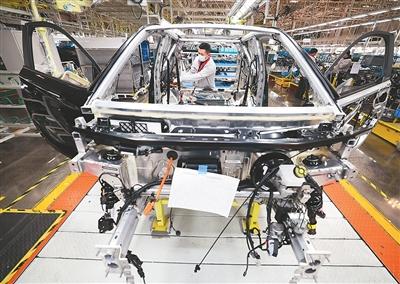
在全国各大城市中,汽车产量如何?2025年前11个月,重庆汽车产量近250万辆。北京和上海的汽车产 量超过了百万辆,郑州、青岛等城市的产量也接近百万辆。新能源汽车方面,2025年前11个月,合肥新 能源汽车产量超120万辆,居全国城市第一。 还有政策扶持。"十四五"以来,重庆市将建设"智能网联新能源汽车之都"作为推动制造业高质量发展的 核心战略,着力打造世界级智能网联新能源汽车产业集群。安徽省明确,支持合肥打造具有全球影响力 的新能源汽车之都和智能网联新能源汽车创新高地;支持芜湖建设自主品牌集聚区。 统计方式调整引发格局变化 北京、上海、柳州等城市也在百万级别。2025年前11个月,上海整车产量为160.11万辆,其中新能源汽 车产量104.2万辆。北京2025年前11个月全市生产汽车133.5万辆,比上年同期增长27.6%。值得关注的 是,柳州2025年前9个月的整车产量已经完成133.1万辆,同比增长37.8%,全年"成绩单"可期。 郑州、青岛、长沙、武汉等城市正稳步接近"百万辆"门槛。2025年前10个月,郑州全市整车产量95.63 万辆,同比增长16.52%,年产量突破百万大关几无悬念。青岛2025年 ...
汽车生产 谁在领跑?
Ren Min Ri Bao Hai Wai Ban· 2026-01-13 01:46
Core Insights - The automotive production landscape in China is experiencing significant growth, with several cities surpassing one million vehicles produced in 2025 [3][7] - Hefei leads the nation in new energy vehicle (NEV) production, with over 1.24 million units manufactured in the first 11 months of 2025 [4] - The shift in statistical methods for measuring production has altered the rankings of cities, impacting how production data is reported [7] Group 1: Automotive Production Statistics - Chongqing's automotive production reached 2.4981 million units in the first 11 months of 2025, marking a 12.1% year-on-year increase [3] - Beijing produced 1.335 million vehicles, a 27.6% increase compared to the previous year, while Shanghai's production was 1.6011 million units, with 1.042 million being NEVs [3] - Cities like Zhengzhou and Qingdao are approaching the one million vehicle production mark, with Zhengzhou at 956,300 units and Qingdao at 911,700 units [3] Group 2: New Energy Vehicle Leadership - Hefei's NEV production is the highest in the country, with 1.246 million units produced in the first 11 months of 2025, supported by a strong industrial layout [4] - The rapid growth of NEVs in Hefei is attributed to the presence of major manufacturers such as Jianghuai, NIO, and BYD [4] - In Hunan province, NEV production increased by 41.8% year-on-year, indicating a robust growth trend in the sector [6] Group 3: Industry Support and Innovation - The automotive industry in cities like Liuzhou and Qingdao benefits from a complete industrial chain, including raw materials and core components [5] - Chongqing is advancing in autonomous driving and vehicle networking technologies, with plans to establish itself as a hub for smart connected NEVs [6] - Policy support is crucial, with cities like Chongqing and Anhui focusing on developing their NEV industries as part of their strategic plans [6] Group 4: Statistical Changes and Future Outlook - The change in statistical methodology from "enterprise location" to "production location" has significantly impacted the reported production figures for various cities [7] - Guangzhou aims to accelerate its automotive industry transformation, focusing on smart and connected vehicles to regain competitive advantage [7] - Overall, China's automotive industry shows resilience and vitality, with production and sales figures reaching new highs in 2025 [8]

汽车生产,谁在领跑?
Ren Min Ri Bao Hai Wai Ban· 2026-01-13 00:47
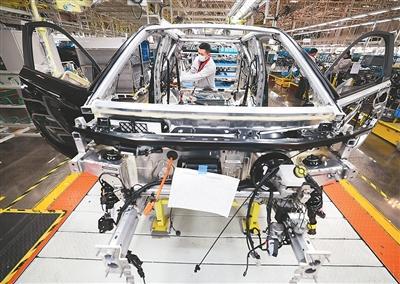
在全国各大城市中,汽车产量如何?2025年前11个月,重庆汽车产量近250万辆。北京和上海的汽车产量 超过了百万辆,郑州、青岛等城市的产量也接近百万辆。新能源汽车方面,2025年前11个月,合肥新能 源汽车产量超120万辆,居全国城市第一。 产量比拼背后,是技术创新、产业链韧性等多维度竞争。 多个城市产量超百万辆 重庆汽车产量持续增长。2025年前11个月,重庆汽车产量为249.81万辆,同比增长12.1%。近年来,重 庆汽车产业转型成效显著。2024年重庆汽车产量达254万辆,创近7年新高;其中新能源汽车产量95万 辆,是2021年的6倍多。 还有政策扶持。"十四五"以来,重庆市将建设"智能网联新能源汽车之都"作为推动制造业高质量发展的 核心战略,着力打造世界级智能网联新能源汽车产业集群。安徽省明确,支持合肥打造具有全球影响力 的新能源汽车之都和智能网联新能源汽车创新高地;支持芜湖建设自主品牌集聚区。 统计方式调整引发格局变化 近两年,中国汽车产量头部城市格局发生了变化。 2023年,广州汽车产量达318万辆,整车产量连续5年全国第一,紧随其后的是重庆、上海、深圳和长 春。 2024年,合肥凭借新能源汽车产 ...
汽车生产,谁在领跑?
Xin Hua Wang· 2026-01-12 23:38
在全国各大城市中,汽车产量如何?2025年前11个月,重庆汽车产量近250万辆。北京和上海的汽 车产量超过了百万辆,郑州、青岛等城市的产量也接近百万辆。新能源汽车方面,2025年前11个月,合 肥新能源汽车产量超120万辆,居全国城市第一。 多个城市产量超百万辆 重庆汽车产量持续增长。2025年前11个月,重庆汽车产量为249.81万辆,同比增长12.1%。近年 来,重庆汽车产业转型成效显著。2024年重庆汽车产量达254万辆,创近7年新高;其中新能源汽车产量 95万辆,是2021年的6倍多。 北京、上海、柳州等城市也在百万级别。2025年前11个月,上海整车产量为160.11万辆,其中新能 源汽车产量104.2万辆。北京2025年前11个月全市生产汽车133.5万辆,比上年同期增长27.6%。值得关 注的是,柳州2025年前9个月的整车产量已经完成133.1万辆,同比增长37.8%,全年"成绩单"可期。 郑州、青岛、长沙、武汉等城市正稳步接近"百万辆"门槛。2025年前10个月,郑州全市整车产量 95.63万辆,同比增长16.52%,年产量突破百万大关几无悬念。青岛2025年前11个月汽车产量为91.17万 ...
汽车生产,谁在领跑?(锐财经)
Ren Min Ri Bao· 2026-01-12 20:23
Core Insights - The automotive production landscape in China is evolving, with cities like Chongqing, Beijing, and Shanghai showing significant output figures, particularly in the electric vehicle (EV) sector [2][3][4] - Technological innovation and resilient supply chains are key competitive factors driving the growth of automotive production in various cities [3][5] Production Highlights - Chongqing produced approximately 2.5 million vehicles in the first 11 months of 2025, marking a 12.1% year-on-year increase, with a notable rise in EV production reaching 950,000 units, over six times that of 2021 [3] - Shanghai's vehicle production reached 1.6 million units, with 1.04 million being EVs, while Beijing's output was 1.34 million units, reflecting a 27.6% increase year-on-year [3] - Other cities like Zhengzhou and Qingdao are approaching the million-unit mark, with Zhengzhou's production at 956,300 units, a 16.52% increase [3] Electric Vehicle Leadership - Hefei leads the nation in EV production with 1.25 million units produced in the first 11 months of 2025, supported by a strong industrial base including major brands like NIO and BYD [4] - Hefei's rapid growth in the EV sector is attributed to strategic industry planning and the establishment of production bases for various automotive brands [4] Industry Support and Innovation - The automotive industry in cities like Liuzhou and Qingdao benefits from comprehensive supply chains, with Liuzhou being home to five major vehicle manufacturers [5] - Innovations in autonomous driving and vehicle networking are being spearheaded in Chongqing, with the first L3-level autonomous driving license plate expected by the end of 2025 [5] Policy and Strategic Initiatives - Local governments are implementing supportive policies, such as Chongqing's strategy to develop a world-class smart connected EV industry cluster [6] - Anhui province is also backing Hefei's ambition to become a globally influential EV hub [6] Statistical Changes Impacting Rankings - Changes in statistical methods for vehicle production reporting are reshaping the rankings of leading automotive cities, with a shift from "enterprise location" to "production location" affecting how output is measured [7] - In 2023, Guangzhou maintained the highest production at 3.18 million units, but projections for 2025 indicate shifts in rankings due to these new reporting standards [7] Overall Industry Performance - The Chinese automotive industry demonstrates strong resilience and vitality, with total production and sales reaching 31.23 million and 31.13 million units respectively in the first 11 months of 2025, both showing over 11% year-on-year growth [8] - Factors such as over 50% penetration of new energy passenger vehicles and advancements in L3 autonomous driving are propelling the industry into a new phase of high-quality development [8]
响应“人工智能+制造”行动 万兴科技以“AI+创意”助力制造业数智化发展
Zheng Quan Ri Bao Wang· 2026-01-12 12:49
Group 1 - The Ministry of Industry and Information Technology, along with seven other departments, has issued the "Implementation Opinions on the Special Action of 'Artificial Intelligence + Manufacturing'," providing a clear roadmap for the development and application of the AI industry in China [1] - Domestic technology companies, including Wanxing Technology Group Co., Ltd., are actively engaging in AI technology innovation and application, driven by favorable policies and market trends [1] - Wanxing Technology has been deepening its AI layout in recent years, empowering global creators and facilitating the digital transformation of manufacturing and other sectors from the perspective of "creative productivity" [1] Group 2 - Wanxing Technology has developed a four-in-one AI creative software and office efficiency solution targeting the productivity pain points in knowledge-intensive industries like semiconductors [1] - The company's products, such as Wanxing Brain Map, Wanxing Diagram, Wanxing Project Management, and Wanxing PDF, provide various tools for knowledge management, project management, and PDF solutions, significantly reducing costs and improving efficiency [1] - Wanxing Technology's multimedia model 2.0 and Wanxing Meow Shadow 2026 offer cutting-edge AI solutions for content creation and distribution, with the average cost of generating a 5-second 1080P video segment being one of the lowest in the industry [2] - The company has become a key software supplier for several state-owned enterprises, serving clients in various sectors including electronic manufacturing, new energy, automotive manufacturing, finance, and education [2]
汽车行业周报:全年销量符合预期,智驾引领再提速-20260112
Guoyuan Securities· 2026-01-12 09:47
Investment Rating - The report maintains a "Recommended" investment rating for the automotive and automotive parts industry [6] Core Insights - The overall sales of passenger vehicles met expectations with a year-on-year growth of 9%, while new energy passenger vehicles saw a growth of 25% [1][2] - In December 2025, the retail sales of passenger vehicles were 2.296 million units, a year-on-year decrease of 13%, but a month-on-month increase of 3%. Cumulatively, retail sales for the year reached 23.779 million units, a year-on-year increase of 4% [1][20] - The report highlights the rapid advancements in intelligent driving technologies, with multiple automakers updating their systems and competing in the autonomous driving sector [3][4] Summary by Sections Sales Performance - In December 2025, wholesale sales of passenger vehicles were 2.759 million units, a year-on-year decrease of 10%, with cumulative wholesale sales for the year reaching 29.524 million units, a year-on-year increase of 9% [1][20] - For new energy vehicles, December retail sales were 1.387 million units, a year-on-year increase of 7%, with cumulative retail sales for the year at 12.859 million units, a year-on-year increase of 18% [1][20] Industry Developments - Several automakers, including Zeekr and Geely, are enhancing their intelligent driving systems, indicating a shift towards integrated decision-making models in vehicle technology [3][4][32] - The report emphasizes the importance of continued policy support for the automotive industry and the potential investment opportunities arising from advancements in autonomous driving technology [4] Market Trends - The automotive sector saw a 2.53% increase in the week of January 3-9, 2026, with most related sub-sectors also experiencing growth [12] - The report notes that the intelligent driving technology is becoming a key competitive area among automakers, with significant investments and innovations being made [3][4][39]
锂电回收行业迎来转机 能源金属涨价推升“城市矿山”价值
Zheng Quan Shi Bao· 2026-01-12 03:03
Core Viewpoint - The lithium battery recycling industry is transitioning from a rough development phase to a more refined, standardized, and globalized stage, driven by rising prices of lithium and cobalt, supportive policies, and increasing demand for energy metals [1][2][6]. Industry Overview - Lithium battery recycling is likened to the development of "urban mines," converting waste batteries into valuable, recyclable resources [1]. - The industry is witnessing a transformation, with a market size exceeding 100 billion yuan, reshaping the resource supply landscape in the new energy sector [1][7]. Profitability and Market Dynamics - The profitability of lithium battery recycling businesses has improved significantly, with a reported 59% year-on-year increase in battery dismantling volume, reaching 36,000 tons in the first three quarters of 2025 [2]. - The rise in prices of lithium, cobalt, and nickel has enhanced cash flow for recycling companies, shifting the profit model from reliance on subsidies to the intrinsic value of recycled materials [2][3]. Policy and Regulatory Environment - The Chinese government has relaxed import policies for recycled materials, allowing certain types of black powder to be imported, which addresses previous challenges in the industry [3]. - This regulatory change is expected to secure domestic strategic resource supply and integrate China's battery recycling industry into global resource allocation [2][3]. Capacity Expansion and Capital Operations - Leading companies are adopting a dual strategy of capacity expansion and capital operations to capture market opportunities, with significant investments in new facilities and technology partnerships [4][5]. - Companies like Grinmei and Tianqi are actively pursuing acquisitions and financing to enhance their operational capabilities and market presence [4][5]. Technological Advancements and Lifecycle Integration - The industry is evolving from merely end-of-life disposal to playing a crucial role in the entire battery lifecycle, with companies developing comprehensive value chains from recycling to remanufacturing [6]. - Grinmei has achieved a lithium recovery rate exceeding 96.5% through innovative technologies, establishing partnerships with over 1,000 automotive and battery manufacturers [6]. Future Outlook - The lithium battery recycling market is projected to grow at an annual rate exceeding 50% over the next 3 to 5 years, with the domestic market expected to surpass 100 billion yuan by 2030 [7]. - The industry is moving towards a more regulated and competitive environment, with non-compliant players gradually exiting the market, signaling a positive trend for sustainable practices [7].

