罗兰贝格

Search documents
报告指在欧中企总体发展势头向好 但对欧盟营商环境评价连续六年下降
Zhong Guo Xin Wen Wang· 2025-11-12 17:21
中新社布鲁塞尔11月12日电 (记者德永健)设在布鲁塞尔的欧盟中国商会12日发布2025年度在欧中企发展 报告,表示在欧中企总体反馈发展势头向好,但多数企业忧心欧盟商业泛政治化趋势,对欧盟营商环境 评价连续六年下降。 报告特别提及,由于欧盟不断强化"经济安全"议程,令政治议题泛化至商业领域,对在欧中企信心和发 展规划造成打击。90%的受访企业表示欧盟"去风险"和"经济安全"政策对企业运营产生负面影响,主要 体现为投资审查趋严、市场准入壁垒增高、政策不确定性上升等问题。 当日欧盟中国商会与战略管理咨询公司罗兰贝格联合发布报告。据介绍,报告历时4个月完成,共对200 余家在欧中企和机构进行问卷调查和深度访谈,涵盖汽车、能源、金融、制造业、高科技等领域。 对于改善发展欧盟营商环境,报告总计提出336项建议,呼吁欧盟勿将"经济安全"泛化为贸易壁垒,应 在执行产业政策时保持理性原则,为在欧中企提供稳定政策预期。企业界期待中欧以合作而非对抗的方 式,共同支持多边主义与自由贸易,携手应对气候变化、数字治理等全球性挑战。(完) 报告表示,尽管面临宏观经济压力与复杂营商环境,但在欧中企总体反馈发展势头向好,逾80%的受访 企业 ...
欧盟中国商会:81%在欧中企认为营商环境不确定性增高,但中企仍展现出强大韧性
第一财经· 2025-11-12 11:24
Core Viewpoint - The report highlights that over 80% of Chinese enterprises in Europe are experiencing increased uncertainty due to tightening EU regulations, yet they demonstrate strong resilience and adaptability in the face of these challenges [3][4]. Group 1: Business Environment and Sentiment - 81% of surveyed companies perceive the current EU business environment as increasingly uncertain [3]. - Despite macroeconomic pressures, over 80% of respondents report stable or improved operating conditions, with 53% experiencing revenue growth [4]. - Looking ahead to 2025, 62% of companies expect continued revenue growth, while only 14% anticipate a decline [4]. Group 2: Investment Trends and Motivations - Key drivers for continued investment in Europe include brand recognition, potential in emerging sectors, market capacity, and supply chain diversification [5]. - 50% of surveyed companies plan to increase their investments in Europe by 2025, a significant shift from previous cautious attitudes [4]. Group 3: Challenges and Regulatory Environment - The overall score for the EU business environment has declined for six consecutive years, dropping from 73 in 2019 to 61 in 2025 [8]. - 90% of respondents believe that the EU's "de-risking" and "economic security" policies negatively impact their operations, leading to stricter investment reviews and increased market entry barriers [9]. - 43% of Chinese enterprises in Europe have adjusted or delayed investment plans due to tightening review mechanisms [9]. Group 4: Trade Relations and Cooperation - The report emphasizes the need for a balanced approach between economic security and market openness to maintain stable global supply chains [9]. - The EU has initiated multiple investigations into Chinese companies since the implementation of the Foreign Subsidies Regulation, affecting various sectors including clean energy and electric vehicles [10][11]. - The 50th anniversary of China-EU diplomatic relations in 2025 is seen as an opportunity to deepen cooperation across trade, technology, and climate action [12].


比亚迪等百家上市公司发布ESG委员会细则 | ESG热搜榜
2 1 Shi Ji Jing Ji Bao Dao· 2025-11-03 14:00
Group 1 - Li Auto announced a recall of 11,411 units of the MEGA 2024 model due to insufficient corrosion resistance of the coolant, which could lead to safety hazards such as battery thermal runaway [1] - The recall affects vehicles produced between February 18, 2024, and December 27, 2024, and will begin on November 7, 2025 [1] - Li Auto's chairman emphasized the proactive nature of the recall, stating that the company cannot wait for the investigation results given the potential risks [1] Group 2 - A total of 99 A-share listed companies, including BYD and Yili, have released ESG committee work guidelines from October 24 to 31 [2] - Some companies have rebranded their strategic committees to ESG committees, integrating ESG considerations into core decision-making processes [2] - Companies like Jinling Mining have revised their guidelines to clarify the responsibilities of the chairman in convening ESG committee meetings [2] Group 3 - Five banks, including China Bank and Agricultural Bank of China, received fines for various management failures, totaling millions in penalties [3] - The fines were primarily due to imprudent management in areas such as corporate governance, loan management, and asset quality [3] Group 4 - China's Ministry of Ecology and Environment called for a financing roadmap of $1.3 trillion ahead of COP30, highlighting dissatisfaction with the current funding targets set for developed countries [5] - The report emphasizes the need for substantial progress on financing commitments to support global adaptation goals [5] Group 5 - Zhejiang Securities reported a significant divergence in ESG investment trends between the US and Europe, with large-scale withdrawals from passive ESG funds in Europe [6] - BlackRock has transformed approximately $48 billion of institutional client index products into "ESG dedicated accounts" to meet specific ESG requirements [6] Group 6 - An interview with Zhong Hongwu highlighted that China's ESG evaluation system is transitioning from a follower to a leader, focusing on value creation rather than just risk avoidance [7] - The emphasis is on aligning ESG efforts with national strategic goals, providing a new inclusive development option for global ESG governance [7] Group 7 - Roland Berger's senior partner emphasized the need for businesses to integrate ESG and green transformation into product development systems [7] - The current phase of green low-carbon transformation requires overcoming challenges in standards and collaboration, with CCUS technology being crucial for achieving net-zero goals [7]

全球咨询公司罗兰贝格报告:99%中国电车车主下一辆还考虑买电车
Ge Long Hui· 2025-10-30 02:27
Core Insights - 99% of Chinese pure electric vehicle users surveyed indicated they would consider purchasing another electric vehicle in the future [1] - The data comes from Roland Berger's report titled "2025 Smart Electric Vehicle Charging Ecosystem Index," based on a survey conducted in Q2 2025 with 12,000 respondents globally [1] - Roland Berger attributes this strong interest to extensive policy support for electrification in China, a mature electric vehicle ecosystem dominated by local giants, and a cultural enthusiasm for technology-driven transportation [1] Group 1 - 99% of respondents in China are likely to continue purchasing pure electric vehicles [1] - The survey included 12,000 participants from around the world [1] - The report reflects China's supportive policies and a robust local electric vehicle ecosystem [1]
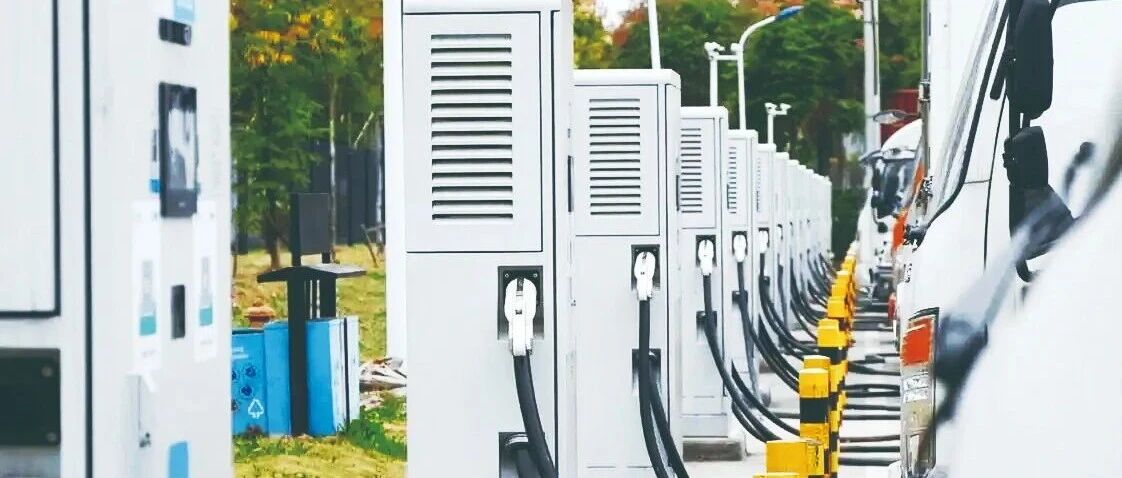
中国持续领跑电动汽车和补能设施发展
中国能源报· 2025-10-14 11:53
Core Insights - The article highlights the continuous growth of electric vehicle (EV) ownership in China, along with impressive development in charging infrastructure, maintaining its leading position in electrified transportation globally [3][5]. Group 1: Global Electric Vehicle Market Trends - According to Roland Berger's report, despite challenging market conditions, global EV usage and charging infrastructure showed steady growth, with overall sales penetration rate increasing from 20% in 2023 to 25% in 2024 [3]. - China's EV sales penetration rate is projected to rise from 36% in 2023 to 49% in 2024, solidifying its leadership in road transportation electrification [5]. - The Asia-Pacific region is dominated by China, contributing over 90% of EV sales, while other mature markets show minimal growth in penetration rates [5]. Group 2: Regional Performance - In North America, the U.S. EV sales penetration rate increased slightly from 10% in 2023 to 11% in 2024, while Canada rose from 9% to 15% [5]. - European performance is mixed, with Germany's penetration rate declining from 26% in 2023 to 22% in 2024 due to shrinking EV sales [6]. - The Middle East and North Africa are still in the early stages of electrification, with countries like Saudi Arabia and Qatar lagging behind [6]. Group 3: Charging Infrastructure Development - The global number of public charging stations grew by 33%, but the ratio of EVs to public charging stations slightly decreased due to faster growth in EV sales compared to infrastructure expansion [7]. - China maintains a high public charging station availability ratio, with 79% of respondents indicating increasing convenience in public charging [8]. - The total number of public charging stations is expected to exceed 5 million by the end of 2024, with over two-thirds of new stations located in China [8]. Group 4: Challenges in Charging Infrastructure - Key pain points for users include long charging times and insufficient infrastructure, with 47% of respondents dissatisfied with charging speed and 45% citing inadequate facilities [11]. - The report emphasizes the importance of home charging facilities, which slightly decreased from 87% in 2023 to 85% in 2024, primarily due to unsuitable living environments for installation [10]. - Public charging remains crucial, especially in areas with limited home charging options, highlighting the need for a user-friendly charging network globally [11].
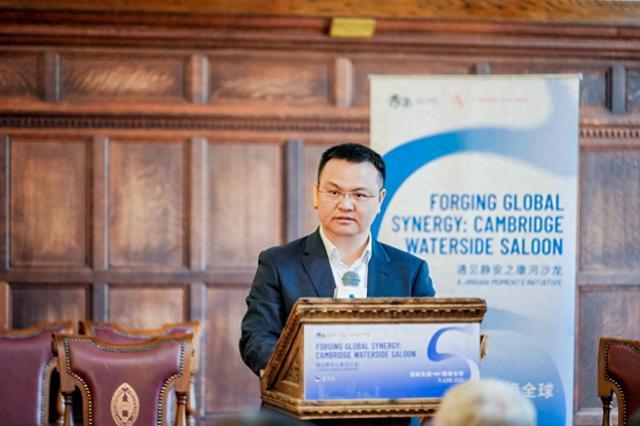
康河沙龙,解码国际静安链接全球的水岸创新方程式
Xin Lang Cai Jing· 2025-06-12 06:04
Group 1 - The event "Innovation Ecosystem: Linking Globally" was successfully held at Westminster College in Cambridge, focusing on fostering an open and collaborative innovation community between China and the UK [1][3] - Yang Yi, Deputy Mayor of Jing'an District, emphasized Jing'an's role as a preferred destination for foreign investment and a launching point for Chinese enterprises going global, highlighting the integration of global innovation resources with local industry ecosystems [1][8] - The event featured representatives from Cambridge's academic and industry innovation sectors, as well as Chinese outbound enterprises and professional service institutions from Jing'an, aiming to promote cross-border collaboration in innovation [3][5] Group 2 - Baiju Thittala, a former Deputy Mayor of Cambridge, noted that innovation has been a hallmark of Cambridge for centuries, and emphasized the need for cross-border collaboration in the current reshaped global industrial landscape [3][5] - The event included a visit to AstraZeneca's Discovery Centre in Cambridge, which is the largest R&D center for the company in the UK, showcasing the trend of "technology returning to the city" [5][7] - The establishment of the "Jing'an Global Innovation Ecosystem Partners" was announced, aimed at enhancing cross-border interactions and accelerating the flow of innovation elements between the UK and China [9][11] Group 3 - The Suhe Bay area was promoted as a world-class waterfront zone, highlighting its conducive environment for innovation and its role as a first stop for Chinese tech companies going abroad and foreign investment [11][13] - David Cardwell, a professor at Cambridge University, stated that the creation of an innovation ecosystem involves the flow of knowledge and co-creation of value, underscoring the importance of various services in this process [13][15] - The event also highlighted the role of financial services in cross-border innovation collaboration, with representatives discussing the importance of legal and financial support for enterprises entering or expanding in the Chinese market [16][18]
罗兰贝格合伙人蒋云莺:建议法规加入“货架公平比例”指标
Jing Ji Guan Cha Bao· 2025-05-10 09:02
Core Viewpoint - The discussion highlights the need for regulatory changes in China's retail sector to ensure fair competition between private labels and third-party brands, particularly through the introduction of a "shelf fairness ratio" indicator [1][2]. Group 1: Market Dynamics - Supermarkets prioritize their private labels on shelves due to higher profit margins, which limits the survival space for third-party brands [1][7]. - When the revenue share of private labels in fresh categories reaches 35%, supermarkets enforce differentiation requirements on third-party brands, further squeezing their market presence [1][7]. - The physical space dominance of private labels in retail environments creates a more insidious form of market unfairness compared to online platforms [1][2]. Group 2: Regulatory Environment - Current regulations, such as the Anti-Unfair Competition Law, do not specifically address shelf space allocation, leading to a lack of enforcement against unfair practices [2]. - Recommendations include setting a cap on the shelf space allocated to private labels and establishing a rapid arbitration mechanism for supplier complaints [2][7]. Group 3: Development of Private Labels - Domestic private labels are growing, driven by consumer demand for quality and health, as well as digital technology [3][4]. - The market share of private labels in China is currently between 10% and 20%, significantly lower than the over 30% share in developed markets [4][5]. - Factors contributing to the lower share include an underdeveloped supply chain and consumer skepticism regarding the quality of private labels [5][6]. Group 4: Consumer Trust and Marketing Strategies - Enhancing consumer trust in private labels can be achieved through transparent marketing, authoritative certifications, and risk-reducing return policies [6]. - Successful international strategies, such as Costco's unconditional return policy and ALDI's streamlined product offerings, can serve as models for Chinese retailers [6][8]. Group 5: Competitive Landscape - The promotion of private labels can lead to a disadvantage for third-party brands, as evidenced by sales declines for smaller brands when private label shelf space increases [7][9]. - Retailers often impose longer payment terms on third-party suppliers compared to their private labels, creating cash flow pressures for smaller brands [9]. Group 6: Future Outlook - The development of private labels in China may evolve into a dual-track system, with higher shares in first-tier cities and traditional brands dominating in lower-tier cities [10]. - If supply chain maturity improves, leading retailers could see private label revenue share exceed 40% in the long term [10].
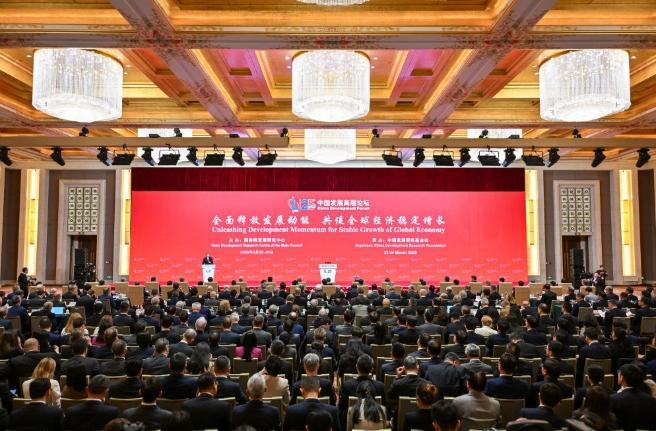
聚焦中发高∣促进高质量发展,中国为全球经济发展提供“稳定锚”
Peng Pai Xin Wen· 2025-03-25 13:02
Group 1 - The forum's theme focuses on "fully releasing development momentum and jointly promoting stable global economic growth" [2] - Chinese Premier Li Qiang emphasized the need for countries to open markets and share resources to combat risks and achieve common prosperity [2][7] - The forum attracted over 750 foreign representatives, including 86 formal representatives from multinational companies, marking a record attendance [5][6] Group 2 - The Chinese government aims to boost consumption and investment efficiency as a primary task for 2025, addressing the low proportion of consumption in the national economy compared to developed countries [3][4] - Measures to stimulate consumption include subsidies for green technology, home appliances, and electric vehicles, which are expected to enhance consumer confidence [4] - The shift towards a consumption-driven economic growth model is seen as crucial for achieving China's growth targets [4][6] Group 3 - China is recognized as a stabilizing force in global economic development, promoting high-quality development amidst external uncertainties [7][8] - The country is committed to maintaining a multilateral trade system and expanding its open market environment, which is attractive to foreign investment [8][9] - The stable economic policies and risk buffers prepared by China are expected to draw foreign investment back to Asia and China [9]
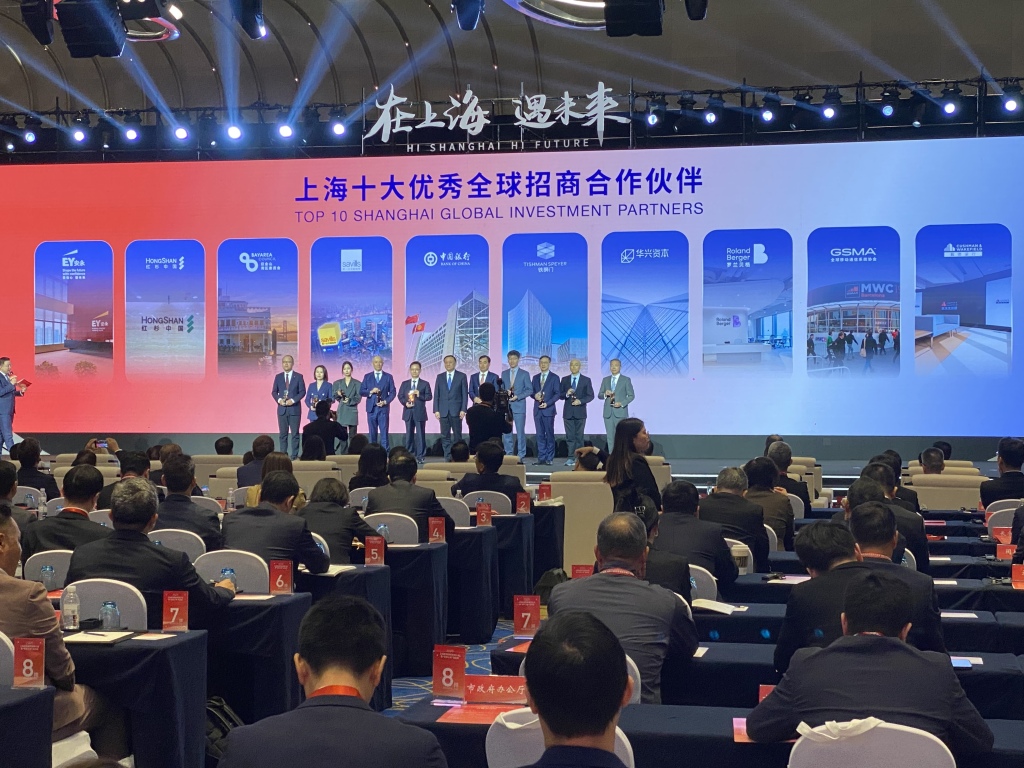
上海十大全球招商伙伴出炉,揭秘上海“引力场”密码
Guo Ji Jin Rong Bao· 2025-03-25 09:53
Core Viewpoint - The article highlights the announcement of the "Top Ten Global Investment Partners" in Shanghai, emphasizing the city's efforts to enhance its investment environment and attract foreign investment through strategic partnerships and innovative approaches [1][3]. Group 1: Global Investment Partner Program - The "Global Investment Partner Program" was initiated in 2021 to strengthen global resource allocation and broaden investment channels, with 40 international institutions recognized as quality representatives for "Invest Shanghai" [3]. - The 2025 Shanghai Global Investment Promotion Conference revealed ten organizations awarded as "Top Ten Global Investment Partners," including Ernst & Young, Sequoia China, and others [3]. Group 2: Confidence in Shanghai's Investment Environment - Ernst & Young's partner highlighted the firm's deep involvement in Shanghai's urban development, showcasing a commitment to enhancing the investment environment [4]. - Shanghai has implemented optimization plans for its business environment for eight consecutive years, aligning with international trade rules and creating a replicable reform model [4][5]. - The World Bank's report indicates that 55% of China's business environment best practices originate from Shanghai, underscoring its leadership in this area [4]. Group 3: Foreign Investment Trends - Foreign enterprises are increasingly confident in Shanghai's investment environment, with many opting to establish regional headquarters and R&D centers in the city [5]. - Shanghai's competitive edge in attracting global investment stems from a combination of factors, including a favorable business environment, forward-looking policies, and a robust industrial ecosystem [5]. - The city is proactively engaging in sectors like artificial intelligence, digital economy, and green development, enhancing its appeal to foreign investors [5]. Group 4: Collaboration and Efficiency - FirstService's CEO noted the impressive cross-departmental collaboration in Shanghai, which has expedited the project approval process for foreign investments [7][8]. - Shanghai's innovative policies, such as the "20 measures to stabilize foreign investment," have facilitated investment convenience and financial openness [8]. - The city aims to integrate global resources and enhance its resilience and innovation through strategic directions like global connectivity and green transformation [8].