Prada

Search documents
全球奢侈品_中国需求动态-Global Luxury Goods_ Chinese demand dynamics
2026-02-02 02:22
Summary of Global Luxury Goods Conference Call Industry Overview - The luxury goods industry is experiencing a shift in dynamics, particularly influenced by changes in Chinese consumer behavior and macroeconomic conditions. China remains a crucial market for luxury brands despite moderating demand growth and increased competition [1][2]. Key Insights Chinese Demand Dynamics - A recovery in Chinese demand is essential for the luxury sector to return to mid-single-digit (MSD) growth. Chinese nationals are projected to account for 23% of global luxury demand by 2025 [2][17]. - The luxury sector's growth is heavily reliant on the revival of Chinese consumer spending, as support from other regions (American, European, Middle Eastern) is insufficient to drive growth back to 6%+ organic levels [2][17]. Macroeconomic Challenges - The collapse of real estate values in China has led to broader economic woes, resulting in consumers feeling poorer and increasing their savings, which negatively impacts growth and employment [3][20]. - Younger consumers are particularly affected, with changing attitudes towards spending as they face diminished career prospects and are seeking more affordable lifestyles [4][25]. Consumer Behavior Changes - Older, wealthier consumers are less impacted by economic downturns and are beginning to increase their spending on luxury goods, aided by a stock market revival [5][26]. - The discretionary consumer demand is showing signs of improvement, particularly in the second half of 2025, with reports of increased traffic and revenues in retail spaces [7][33]. Competitive Landscape - The luxury market is becoming more competitive as consumers are more discerning, focusing their budgets on "must-have" brands. Brands like Hermes, Chanel, and Louis Vuitton are performing well, while others like Kering are struggling [9][41]. - Value for money is becoming a significant factor, with consumers willing to trade up to more desirable brands or down to more affordable options. Local Chinese brands are gaining traction in the lower price segments [10][46]. Investment Implications - The luxury sector is on a gradual recovery trajectory, but volatility remains due to underlying demand fluctuations and geopolitical tensions. Investors are advised to focus on high-quality brands like Hermès, Richemont, and LVMH, which are expected to perform well if positive trends continue [13][14]. - Brands with strong desirability and innovation will sustain consumer interest, while those lagging behind may face significant challenges [9][41]. Future Outlook - The luxury market is expected to see a U-shaped recovery, with improvements in both mass market and premium segments, although high-end luxury may lag behind [7][33]. - The long-term outlook suggests that crises do not last forever, and the Chinese luxury market will likely rebound as it has in the past [6][31]. Additional Important Points - The luxury sector's performance is closely tied to the economic health of China, with significant implications for global luxury brands if they fail to adapt to the changing landscape [11][50]. - The rise of domestic brands in China presents both a challenge and an opportunity for established luxury brands, as these local players are gaining market share and consumer loyalty [11][50]. This summary encapsulates the key points discussed in the conference call regarding the luxury goods industry, particularly focusing on the dynamics of the Chinese market and the implications for global luxury brands.
LVMH’s Splash of Cold Water Hits Luxury Shares
Yahoo Finance· 2026-01-28 19:46
Core Insights - LVMH's fourth-quarter report led to a significant decline in its share price, falling 7.9% to 542.80 euros, resulting in a market capitalization of 269 billion euros [1] - The company reported a 5% decrease in sales for the fourth quarter and a 13% decline in net profits for the full year, totaling 10.9 billion euros [2] - The luxury sector, including other brands like Salvatore Ferragamo and Burberry, also experienced declines in share prices following LVMH's report [4] Company Performance - Bernard Arnault, CEO of LVMH, stated that the group achieved solid results despite a challenging economic environment [2] - Analysts noted that LVMH's results were broadly in line with expectations, but the future remains uncertain due to cautious commentary and mixed macroeconomic data [5] - Luca Solca from Bernstein highlighted that while LVMH's core brands like Louis Vuitton and Dior performed well creatively, overall global demand was weak, particularly among aspirational consumers [6] Market Reaction - Following LVMH's report, shares of other luxury brands also fell, indicating a broader concern in the high-end fashion market [4] - Analysts expressed that the recovery in demand may be delayed, although marketing investments and new creative directions could support relative performance [5] - The lack of reassuring guidance from LVMH contrasts with previous years, reflecting a more cautious outlook for the luxury sector [6]
陆家嘴寻“马” 体验摩登之旅 “2026浦东新春嘉年华”启动 融合国际风尚、城市烟火与节日温情
Jie Fang Ri Bao· 2026-01-26 01:43
Group 1 - The "2026 Pudong New Year Carnival" will take place in five core business districts of Pudong, featuring unique themed experiences that blend international trends, urban festivities, and holiday warmth from now until March [1] - Starting January 30, Pudong New District will distribute "Pudong New Year Consumption Coupons" every Friday at noon through Alipay, valid for shopping and dining until March 5 [1] - Various activities are planned in different districts, including art installations, ice skating, and themed events at shopping malls, enhancing the festive atmosphere [1] Group 2 - The "New Year Carnival" coincides with the "Shanghai Global Food Festival - European Flavor Season," with over 100 restaurants participating, offering a range of international cuisines [2] - Domestic tourists can unlock multiple benefits at various shopping malls by presenting their train or flight tickets upon arrival in Shanghai [2] - From January 26 to January 3, 2027, Pudong will host a year-long promotion where consumers spending over 1,000 yuan in physical stores can enter a weekly lottery to win a 5-gram gold bar [2]

整个社会都在喊没钱了,为什么这些公司反而年赚百亿?
创业家· 2026-01-24 10:18
Core Insights - The article discusses how certain industries are thriving despite a general perception of economic downturn, highlighting eight key sectors that present significant business opportunities [3][4]. Group 1: Key Industries - **Second-Hand Economy**: The second-hand luxury market in Japan, represented by companies like Daikokuya, has seen a surge in revenue. In China, platforms like Hongbulin and Panghu are experiencing similar growth [6][7][8]. - **Pet Economy**: With a decline in birth rates, spending on pets has increased, with brands like Inaba in Japan and Guobao (Zhongchong) in China seeing strong stock performance [12][13][14]. - **Adult Care**: The adult diaper market in Japan has surpassed $10 billion, indicating that aging populations can drive significant economic opportunities [17][18][19]. - **Health Food and Beverages**: Changes in population structure and rising health awareness have led to the growth of sugar-free products and functional beverages in both Japan and China [21][22]. - **Beauty Economy**: The demand for beauty products, such as collagen supplements and home beauty devices, remains strong, with brands like Weimei and U like achieving significant sales [23][24][25][26]. - **Outdoor Recreation**: Companies in the outdoor equipment sector, like Snow Peak in Japan, are capitalizing on the trend of outdoor activities, with Chinese brands also seeing rapid sales growth [29][31][32]. - **Convenience Economy**: The rise of frozen foods and smart home appliances reflects a shift towards convenience, with brands like Anjijia and Stone achieving steady growth [39][40]. - **Lazy Economy**: The trend of reduced cooking time among younger generations has led to increased demand for time-saving products, emphasizing the value of time over money in a low-desire economy [42][43]. Group 2: Market Trends - The article emphasizes that even in a low-desire society, there are substantial opportunities for those willing to invest in counter-cyclical sectors [44]. - The narrative suggests that the current economic climate should not deter investment but rather encourage a focus on emerging trends and consumer needs [44].


一场两极分化的消费复苏正在发生
雪球· 2026-01-24 03:50
Core Viewpoint - The article discusses the recovery of luxury goods consumption in China, highlighting a rebound in demand and the differentiation between high-end and mass-market segments [5][11][31]. Group 1: Luxury Goods Market Recovery - In Q3 2025, LVMH reported total revenue of €18.2 billion, marking the first sales rebound of the year, with a 7% growth in the Greater China region [5][14]. - The consumer confidence index in China has been steadily rising since reaching a low in September 2024, indicating a gradual recovery in consumer spending [5][9]. - The luxury goods sector is experiencing a notable recovery, with many brands reporting their first positive growth since the pandemic, suggesting a restoration of industry confidence [12][18]. Group 2: Market Segmentation - The recovery in consumption is characterized by polarization, where high-end markets are recovering faster than lower-tier markets, which remain cautious and price-sensitive [11][21]. - High-end brands are benefiting from increased consumer confidence, while mass-market brands are pressured to lower prices and offer promotions, impacting their profit margins [21][29]. - The demand for high-end gold jewelry has surged, with companies like Chow Tai Fook reporting significant growth, contrasting with a 33% decline in overall gold jewelry consumption [23][31]. Group 3: Performance of Key Brands - Prada achieved a 10% growth in Q3 2025, driven by a 41% increase in its Miu Miu brand, appealing to a younger consumer demographic [18]. - The performance of luxury brands such as LVMH, Prada, and Hermès in Q3 2025 indicates a positive trend, with many brands returning to growth [13][19]. - The retail performance of high-end shopping malls, such as the Shanghai Taikoo Hui, showed a 41.9% increase in sales, further supporting the recovery narrative [20]. Group 4: Future Outlook - The article suggests that the recovery of high-end consumption may eventually extend to broader consumer segments, leading to a more sustained recovery in the luxury goods market [35]. - Investment opportunities in 2026 may arise from focusing on high-end segments while remaining cautious about the pressures facing mass-market brands [31].

经济越来越差,这八大行业越赚爆!
创业家· 2026-01-23 10:27
Core Insights - The article discusses how certain industries are thriving despite a general perception of economic downturn, highlighting eight key sectors that present significant business opportunities in a low-desire society [3][4]. Group 1: Key Industries - **Second-Hand Economy**: The second-hand luxury market in Japan, represented by companies like Daikokuya, has seen a surge in revenue. In China, platforms like Hongbulin and Panghu are experiencing similar growth, indicating a shift in consumer spending towards second-hand goods [6][7][8][9]. - **Pet Economy**: With declining birth rates, young people are investing more in pets, leading to a boom in pet food and healthcare products. Companies like Inaba in Japan and Guobao in China are capitalizing on this trend [11][12][14][15]. - **Adult Care Products**: The adult diaper market in Japan has surpassed $10 billion, indicating a growing demand for adult care products in China, with companies like Kexin showing potential for growth [16][17][18]. - **Health Food and Beverages**: The rise in health consciousness has led to increased sales of sugar-free beverages and functional drinks in both Japan and China, with brands like Suntory and Dongpeng gaining traction [21][22]. - **Beauty Economy**: The demand for beauty products, including collagen supplements and at-home beauty devices, remains strong, with companies like Jinbo Biological achieving significant market valuations [23][25]. - **Outdoor Recreation**: The outdoor equipment market is thriving, with brands like Snow Peak in Japan and various Chinese brands experiencing rapid sales growth, as consumers seek leisure activities despite economic constraints [25][26][27]. - **Emotional Economy**: Brands that provide emotional comfort, such as Labubu and Rio, are gaining popularity, reflecting a consumer willingness to spend on small pleasures even in tough times [28][29][30]. - **Convenience Economy**: The demand for convenience products, such as frozen foods and smart home appliances, is increasing as younger generations prioritize time-saving solutions [33][35][36]. Group 2: Market Trends - The article emphasizes that the current low-desire economic environment does not equate to a lack of opportunities. Instead, it suggests that businesses that can identify and invest in counter-cyclical sectors will emerge as winners [39].

Alo想做lululemon,但更想做miumiu
36氪· 2026-01-22 13:46
Core Viewpoint - Alo, a sports brand, aims to transition into a luxury lifestyle brand, drawing inspiration from the luxury sector, particularly through the appointment of Benedetta Petruzzo, former CEO of Miu Miu, as its international CEO [5][11][12]. Group 1: Leadership Changes and Strategic Direction - The appointment of Benedetta Petruzzo, who has extensive experience in the luxury goods sector, indicates Alo's ambition to expand internationally and enhance its brand positioning [5][11]. - Alo plans to open a flagship store in Paris by 2026, with a size exceeding 2000 square meters, previously occupied by Zara, signaling its commitment to a high-end retail experience [8]. - Alo is reportedly seeking a general manager for the Chinese market with a luxury goods background, further emphasizing its strategy to integrate luxury elements into its brand [9][11]. Group 2: Product Development and Market Positioning - Alo has launched its first luxury handbag collection, with prices ranging from $1,200 to $3,600, indicating a shift towards high-end product offerings [20]. - The brand's collaboration with BLACKPINK member Jisoo to release a limited edition sneaker reflects its strategy to blend high fashion with athletic wear, moving away from traditional sports branding [21][25]. - Alo's product offerings are increasingly mirroring those of Miu Miu, particularly in terms of pricing and product categories, suggesting a deliberate strategy to position itself within the luxury market [24][30]. Group 3: Market Trends and Competitive Landscape - The global market for women's yoga apparel is stabilizing, and Alo's current strategy of luxury branding may be necessary to address growth challenges, as traditional athletic wear may not support significant revenue growth [26][28]. - Alo's revenue in 2022 was reported at $1 billion, while Lululemon's revenue exceeded $10 billion in 2024, highlighting the competitive landscape and the need for Alo to differentiate itself [27]. - The trend of luxury brands entering the sports sector is growing, with several high-end outdoor brands benefiting from this shift, indicating a broader industry movement towards luxury positioning in athletic wear [34][41].

1stDibs 2025 Trend Report: Heritage Revival, Cowboy Core, and Y2K Resurgence Drive Luxury E-Commerce Trends
Businesswire· 2026-01-20 16:00
Core Insights - 1stDibs has released its 2025 Luxury E-Commerce Report, highlighting key trends in luxury categories such as Furniture & Lighting, Art, Watches & Jewelry, Handbags, and Fashion [1][2] Cross-Category Trends - There is a notable resurgence in Y2K and 2000s-era fashion, with "Sex and the City clothing" leading fashion-related searches, particularly after the debut of "And Just Like That" [4][8] - Significant growth in searches for 2000s fashion staples, including a 145% increase for "Prada heels 2009" in Q3 and a 112% increase for "Dior Saddle Bag" in Q1 [5][8] - Interest in classical glamour from early to mid-20th century aesthetics is rising, with Art Deco and Art Nouveau pieces gaining traction, particularly with a 99% increase in searches for "Art deco chandelier" in Q1 [7][8] Fashion Trends - Searches for Patek Philippe watches grew by 28% following new model announcements, while "old mine cut" rings saw a 27% spike after Taylor Swift's engagement ring reveal [8] - Western and Americana styles are gaining popularity, with searches for "navajo rugs" climbing 39% in Q1 and 32% in Q3, and turquoise jewelry seeing a 45% increase in Q3 [11][12] Bridal Trends - Timeless bridal fashion remains in demand, with "wedding gown dresses" being the most-searched clothing term of the year, and a 1950's Tiffany & Co. Emerald Cut Diamond Ring selling for $526,000 [13][14] Category-Specific Trends - Furniture and lighting trends are dominated by early to mid-20th century aesthetics, with a strong preference for Art Nouveau and Art Deco styles [15] - Legacy jewelry houses like Tiffany, Cartier, and Van Cleef & Arpels continue to lead in sales, with Tiffany seeing a 4% increase in orders [17] - Hermès remains a dominant player in the handbag market, with the most expensive sale being a Hermes Kelly 25 listed at $88,990 [8][17]


健康即新奢侈:奢侈品牌奔赴下一片蓝海
2 1 Shi Ji Jing Ji Bao Dao· 2026-01-16 22:25
Core Insights - The luxury market is shifting focus from material possessions to health investments, with health becoming a new symbol of luxury lifestyle [1][2] - The global health products and services market is projected to reach $2 trillion in 2024 and grow to $2.5 trillion by 2028, indicating significant potential for luxury brands [1][2] Group 1: Market Trends - The luxury goods industry has experienced fluctuations, while the health market has shown consistent growth, making it a stable sector for investment [2] - High-net-worth individuals are increasingly prioritizing health, with 84% of American consumers and 94% of Chinese consumers placing health as a top concern [2] Group 2: Strategic Moves by Luxury Brands - Kering's sale of its beauty business to L'Oréal for €4 billion and the establishment of a joint venture to explore the health and longevity sector reflects a strategic shift towards health [3] - Luxury brands are leveraging their strengths to penetrate the health market through cross-industry collaborations, physical experiences, and product innovations [2][3] Group 3: Innovative Health Experiences - Christian Dior has opened approximately 10 spa centers globally, marking a transition from service-based offerings to independent health-focused experiences [3] - Brands like Golden Goose and Alo Yoga are creating multi-functional spaces that combine health services with brand culture, enhancing consumer engagement [4] Group 4: Product Development - Luxury brands are launching health-themed product lines, such as Celine's Pilates series and Prada's Linea Rossa, which blend fitness equipment with luxury aesthetics [4] Group 5: Challenges and Risks - Entering the health sector poses risks due to high demands for professionalism and safety, requiring brands to ensure scientific backing and quality control [5] - Balancing the accessibility of health services with the exclusivity of luxury branding presents a challenge for companies [5] - The potential for consumer fatigue regarding health trends could impact brand marketing effectiveness [5] Group 6: Future Outlook - The integration of health and luxury is expected to grow as life expectancy increases and lifestyles evolve, potentially redefining luxury consumption in the next century [6]
为所欲为?美国展会禁止河南钻石后,欧洲也来插手:全面收紧
Sou Hu Cai Jing· 2026-01-15 10:39
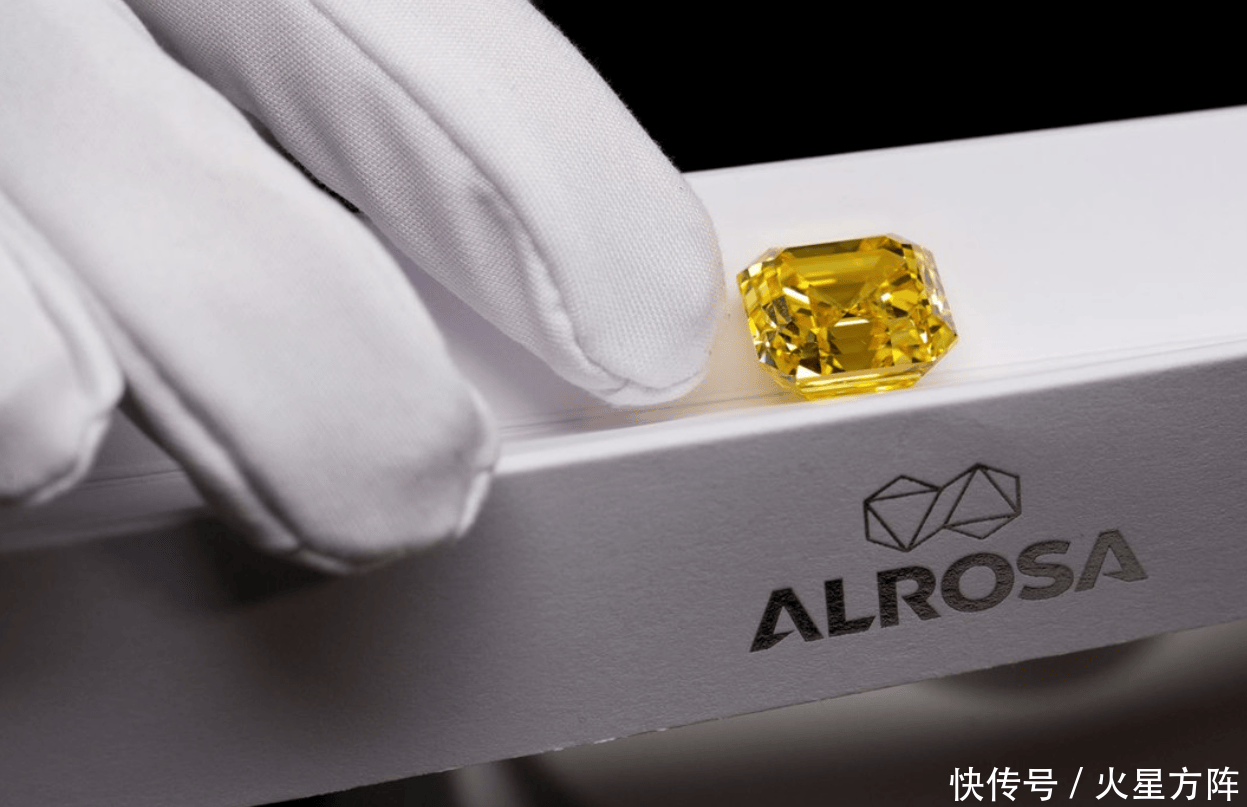
Group 1 - The diamond industry is facing increased tension due to new European regulations requiring background checks for diamonds entering the market, aimed at blocking Russian diamond circulation [1] - All diamonds of 0.50 carats and above must submit a standardized "Diamond Origin Due Diligence Statement" to prove they are not linked to Russia, even if processed in third countries [1] - The rise of the cultivated diamond industry in Henan, China, is becoming a significant threat to traditional diamond markets in Europe and the U.S. [1][3] Group 2 - Henan's laboratory successfully produced a 156-carat diamond, prompting the American Gem Trade Association (AGTA) to restrict the display of non-natural gemstones at exhibitions starting in 2025 [3] - De Beers is reducing the supply of rough diamonds and enhancing labeling to distinguish between traditional mined diamonds and mass-produced diamonds, aiming to maintain its premium pricing structure [3] - Henan's Zhecheng has become known as the "Diamond Capital," with 223 upstream and downstream enterprises producing over 22 million carats annually, accounting for more than half of global diamond supply [3][5] Group 3 - High-end diamond brands like Zheguang are emerging rapidly, producing diamonds that meet international standards in clarity, color, and cut [5] - The International Gemological Institute (IGI) has increased its certification of domestic diamonds, issuing over 20,000 certificates in 2025, indicating that these diamonds have comparable quality to traditional mined diamonds [5] - The price of high-quality domestic diamonds has significantly decreased, with one-carat diamonds dropping from approximately 8,000 yuan in 2020 to around 3,500 yuan now, making them competitive against traditional diamonds [7] Group 4 - U.S. consumer acceptance of Henan diamonds has exceeded 80%, with market share growing from less than 15% in 2020 to over 50% by 2024 [9] - International brands like Prada and Signet Jewelers are increasingly adopting diamonds sourced from Henan, with Signet's brands projected to have 58% of their sales from these diamonds by Q3 2025 [9] - The rise of domestic diamonds is not limited to jewelry sales but includes a complete high-end customization system that meets the unique demands of high-net-worth individuals [11] Group 5 - De Beers has been experiencing declining operational data, with its parent company considering splitting its diamond business to alleviate financial pressure [13] - The company is facing a significant inventory challenge of $15 billion, leading to production cuts and relaxed procurement conditions [13] - The dynamics of the diamond market are shifting, with domestic diamonds gradually rewriting existing rules and reshaping the global diamond market landscape [13]