优衣库

Search documents
百隆东方(601339)首次覆盖报告:高分红色纺纱龙头 优势突出价值重估
Xin Lang Cai Jing· 2025-08-13 12:29
Core Viewpoint - The company is a global leader in colored yarn production, maintaining high dividends over the years, with significant advantages in capacity, customer base, and procurement under the current tariff environment, supporting long-term stable growth [1]. Investment Highlights - The company is projected to achieve net profits of 627 million, 681 million, and 755 million RMB for the years 2025-2027, representing year-on-year growth of 52.7%, 8.8%, and 10.8% respectively. The initial coverage gives a "Buy" rating with a target price of 7.06 RMB based on PE and DCF valuation methods [2]. - The company has a stable and concentrated shareholding structure, with the controlling shareholder holding over 70% and no share reductions since its listing. The dividend payout ratio has significantly increased since 2020, expected to remain high at 88% and 95% for 2023 and 2024 respectively [2]. - Revenue growth has been steady, but profit volatility is notable due to raw material costs, which account for nearly 70% of the cost structure, making gross margins sensitive to cotton price fluctuations [2]. Industry Overview - The colored yarn industry is experiencing steady growth, with a CAGR of 8% from 2010 to 2021, increasing its market share from 4.5% in 2009 to 15% in 2020. The industry has significant barriers related to capital, environmental compliance, and technology, with China being the largest producer globally [2]. - The company, along with Huafu, is a leading player in the domestic market, while smaller competitors exist in Indonesia and India [2]. Competitive Advantages - Capacity Advantage: The company has a significant capacity in Vietnam, accounting for nearly 80%, providing a tariff advantage as the U.S. implements reciprocal tariffs in 2025 [3]. - Customer Advantage: Major clients include top garment manufacturers like Shenzhou International and global brands such as Uniqlo and Nike. The largest customer accounted for about 30% of revenue in 2024, with a high accounts receivable turnover rate of 12.16, indicating good collection efficiency [3]. - Procurement Advantage: The potential resurgence of trade tensions may lead to increased demand for U.S. cotton, raising raw material costs. However, the company's large procurement scale and quality customer base allow it to pass on cost increases downstream [3].

日资品牌下沉,“放弃”北上广?
虎嗅APP· 2025-08-12 13:50
Core Viewpoint - Japanese consumer brands are rapidly expanding into lower-tier cities in China, with varying strategies and outcomes, highlighting the challenges and transformations faced by these brands in adapting to a new market environment [5][9][21]. Group 1: Market Dynamics - Japanese brands like MUJI, Uniqlo, and Shiseido are shifting their focus from first-tier cities to lower-tier markets, driven by the need to capture a broader consumer base [8][9]. - Uniqlo and Lawson are proactive in their strategies, positioning themselves as "national brands" and utilizing a platform-based approach to penetrate the market [9][10]. - In contrast, MUJI's shift appears more reactive, as it faces intense competition from local brands offering better price-performance ratios [10][11]. Group 2: MUJI's Challenges - MUJI's brand identity, rooted in a "non-brand" philosophy, is being challenged as it adopts lower pricing strategies, risking its established premium image [14][15]. - The introduction of lower-priced products creates a paradox, as it undermines the brand's value perception among both existing and potential customers [17][18]. - MUJI's product design, tailored for urban middle-class consumers, may not resonate with the diverse needs of lower-tier market consumers, who prioritize durability and functionality [18][19]. Group 3: Supply Chain and Operational Issues - MUJI's slow supply chain model, which emphasizes quality and design, faces significant challenges in a fast-paced lower-tier market where cost control and rapid turnover are critical [20]. - The brand's reliance on high-end retail locations conflicts with the distribution realities of lower-tier cities, where shopping environments differ significantly [19][20]. - The organizational culture of Japanese companies, characterized by centralized decision-making, may hinder their ability to respond swiftly to market changes in lower-tier cities [23][24]. Group 4: Broader Implications for Japanese Brands - The struggles of MUJI reflect a broader trend among Japanese brands attempting to penetrate lower-tier markets, revealing common challenges such as cultural inertia and brand positioning dilemmas [21][22]. - The need for effective localization strategies is paramount, as brands must adapt to local consumer behaviors and preferences to succeed in the competitive landscape [26][27]. - The transition to lower-tier markets represents a critical evolution for Japanese brands, necessitating a balance between maintaining brand identity and adapting to local market demands [26][27].


日资品牌下沉,“放弃”北上广?
3 6 Ke· 2025-08-12 03:24
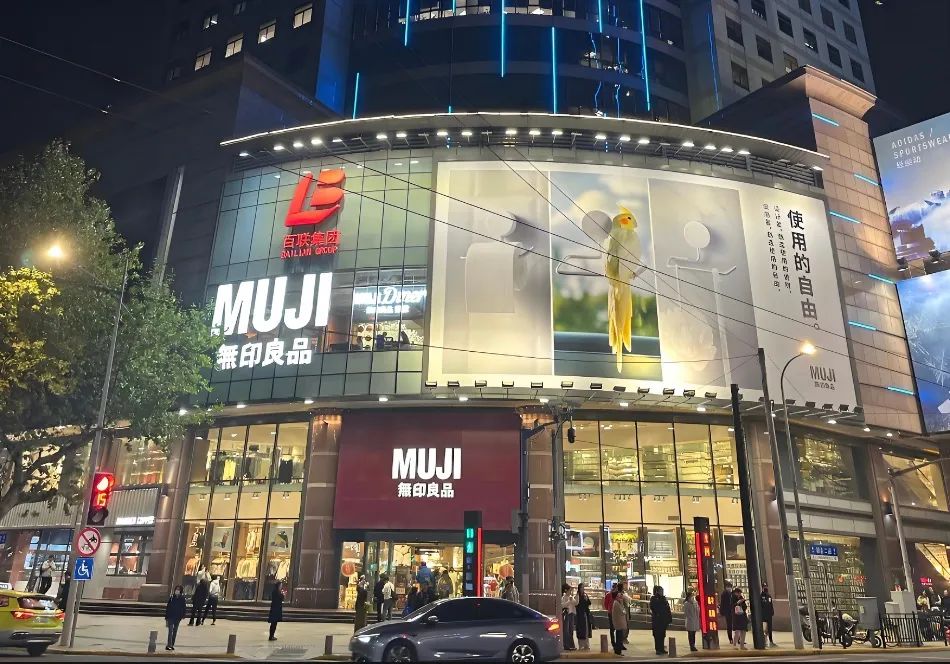
Core Insights - Japanese consumer brands are rapidly expanding into lower-tier cities, with brands like MUJI, Uniqlo, and Shiseido leading this trend [3][5] - The approach of these brands varies, with Uniqlo and Lawson actively strategizing for market penetration, while MUJI is seen as a reactive player forced to adapt due to competitive pressures [5][10] Brand Strategy and Market Positioning - Uniqlo positions itself as a "national brand," expanding its clothing infrastructure from first-tier cities to the entire country [5] - MUJI's shift towards lower pricing is viewed as a painful identity transformation rather than a strategic choice, moving away from its original high-value brand perception [8][10] - The brand's initial success in China was based on a misinterpretation of its "anti-brand" philosophy, which has now been challenged by a market shift towards cost-effectiveness [8][11] Challenges Faced by MUJI - MUJI's core asset, its "anti-brand" philosophy, is undermined by its new focus on low pricing, leading to a potential dilution of brand value [11][13] - The brand struggles to adapt its product offerings, originally designed for urban middle-class consumers, to the needs of lower-tier markets, which prioritize durability and cost-effectiveness [15][17] - MUJI's traditional retail strategy of high-end locations conflicts with the realities of lower-tier city shopping environments, creating a dilemma in channel strategy [15][17] Broader Implications for Japanese Brands - The challenges faced by MUJI reflect broader issues for Japanese brands attempting to penetrate lower-tier markets, including organizational inertia and slow decision-making processes [19][21] - Balancing mass-market appeal with maintaining a premium brand image is a common challenge for brands like Uniqlo, which risks losing its high-end perception as it becomes more mainstream [21] - The need for localization and understanding of local consumer habits is critical for success in lower-tier markets, moving beyond simply replicating Japanese business models [21][22]
比拼多多还便宜!这个线下门店太懂年轻人了
Sou Hu Cai Jing· 2025-08-11 10:53
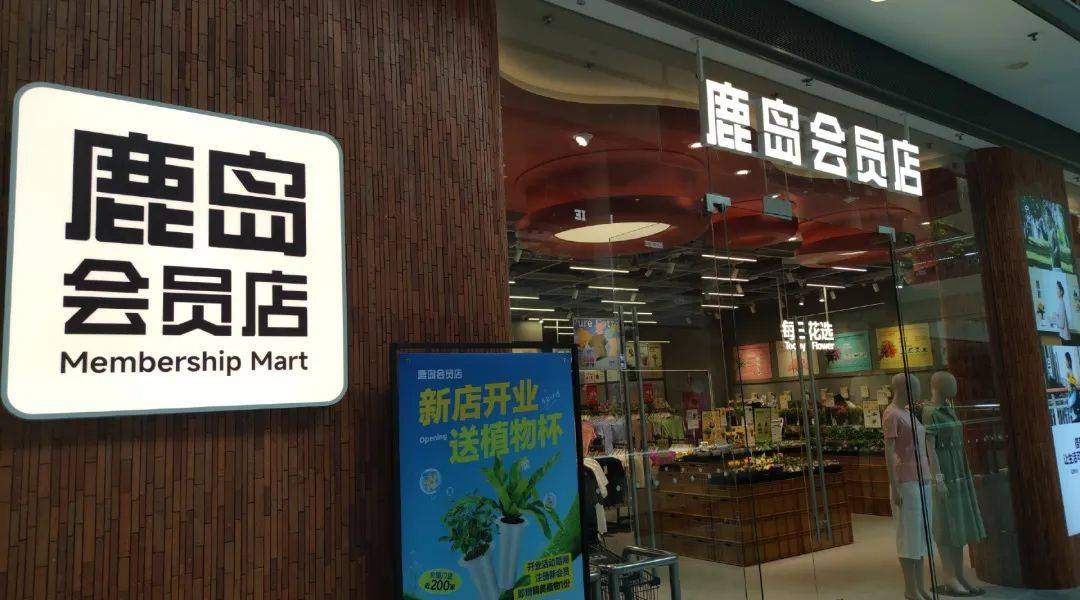
Core Insights - The article highlights the success of "鹿岛会员店" (Lushang Membership Store) as a low-cost alternative to established brands like Muji, Ikea, and Uniqlo, attracting 5 million members with a membership fee of 20 yuan and generating an annual revenue of 4 billion yuan [1][3][30] Membership Strategy - 鹿岛会员店 has gained a significant membership base by offering a low entry fee of 20 yuan, making it accessible compared to competitors like Sam's Club and Costco [14][30] - The store allows members to share their membership with friends and family, enhancing its appeal [16] Pricing and Product Strategy - 鹿岛's pricing strategy is aggressive, with products priced significantly lower than competitors; for example, a basic T-shirt is priced at 19.9 yuan compared to Uniqlo's 79 yuan [10][12] - The store focuses on essential items that are convenient and affordable, appealing to budget-conscious consumers [8][30] Store Layout and Experience - 鹿岛's store design mimics successful elements from its competitors while emphasizing low prices, creating a unique shopping experience [10][18] - The store features a flower market at the entrance, attracting foot traffic and enhancing the shopping experience [18][20] Supply Chain and Cost Management - 鹿岛 has developed a robust supply chain by collaborating with over 100 small manufacturers, allowing for cost-sharing and inventory management [34][36] - The company employs a direct purchasing strategy, paying suppliers immediately to secure better prices and quality [40] Market Position and Future Challenges - 鹿岛 has positioned itself as a leader in the low-cost retail segment, capitalizing on consumer trends favoring affordability [30][32] - However, the sustainability of its business model is questioned due to reliance on low prices and potential competition from imitators [42][44]
GU中国首店清仓,优衣库“亲妹妹”败退中国? 官方回应!|BUG
Xin Lang Cai Jing· 2025-08-11 00:10
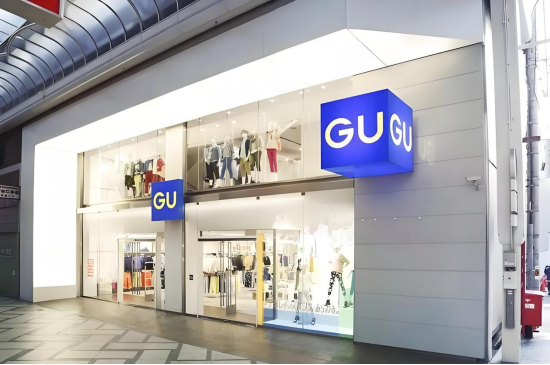
Core Viewpoint - GU, the sister brand of Uniqlo, is closing its first store in China located on Shanghai's Huaihai Road, raising concerns about its future in the Chinese market [1][2][6]. Store Closures - The GU flagship store on Huaihai Road will officially close on August 24, 2025, following the announcement of a clearance sale [2][4]. - The Guangzhou Victoria Plaza store, which opened in November 2019, is also set to close on August 16, 2025, marking GU's only store in South China [2][6]. - Following these closures, GU will only have two remaining stores in Shenzhen, leading to speculation about a potential exit from the mainland Chinese market [1][6]. Company Response - GU has confirmed the closures but stated that it is not exiting the Chinese market, instead optimizing its operational layout [1][7]. - The company has opened a new store in Shenzhen and continues to operate its online store on Tmall [7]. Financial Performance - GU's revenue for the first three quarters of the fiscal year increased by 4.0% to 256.2 billion yen, but operating profit fell by 10.7% to 26.3 billion yen [8][10]. - The decline in profit is attributed to insufficient inventory and marketing for certain products, alongside rising costs due to a weak yen and increased operational expenses [8][10]. Market Context - Since its entry into the Chinese market in 2013, GU aimed to expand to 50 stores within 3 to 5 years, but has faced significant challenges, leading to a reduction in its store count from 14 in 2019 to just two remaining [6][11]. - The overall performance of GU contrasts with its parent company, Fast Retailing, which reported a 10.6% increase in total revenue for the same period [10].

企业家增长必读系列之中国消费者收入真相与国民级消费市场
Sou Hu Cai Jing· 2025-08-08 22:25
Core Insights - The essence of national-level businesses in China is to serve the largest survival-oriented consumer group through cost control and sociological insights, rather than catering to the refined needs of a minority [2][5][20] - Approximately 90% of the Chinese population earns less than 5,000 yuan per month, with 62% earning below 2,000 yuan, highlighting the importance of understanding the true income levels of ordinary consumers [1][2][5] Income Distribution - The income distribution in China reveals that 560 million people earn below 1,000 yuan, 310 million earn between 1,000-2,000 yuan, and 380 million earn between 2,000-5,000 yuan [2][3] - Only 711 million people, or about 5%, earn over 10,000 yuan per month, indicating a significant majority of the population is focused on essential consumption [2][5] Consumer Behavior - Consumers with monthly incomes below 2,000 yuan allocate 83% of their income to essential goods, demonstrating a zero-tolerance for price sensitivity [5][9] - The decision-making process for purchases under 5% of daily income is quick, with a repurchase rate exceeding 83%, indicating a strong preference for value [9][19] Business Strategy - Successful businesses in China must find a balance between price sensitivity and quality, as consumers are willing to pay for perceived value but are cautious about unnecessary premiums [9][11] - Companies like Mi Xue Bing Cheng and Pinduoduo exemplify the strategy of targeting large consumer bases with affordable pricing, thus capturing significant market share [7][19] Market Dynamics - The current market is characterized by a split between high-end personalized consumption and bottom-tier essential needs, with the latter being more prevalent among the majority [11][21] - The rise of extreme cost-performance businesses is driven by a combination of economic cycles, supply chain innovations, and rational consumer behavior [21][20] Conclusion - The phenomenon of extreme cost-performance in the Chinese market reflects a broader trend towards efficiency and value, where businesses that understand and cater to the real desires of the majority will thrive [20][21]
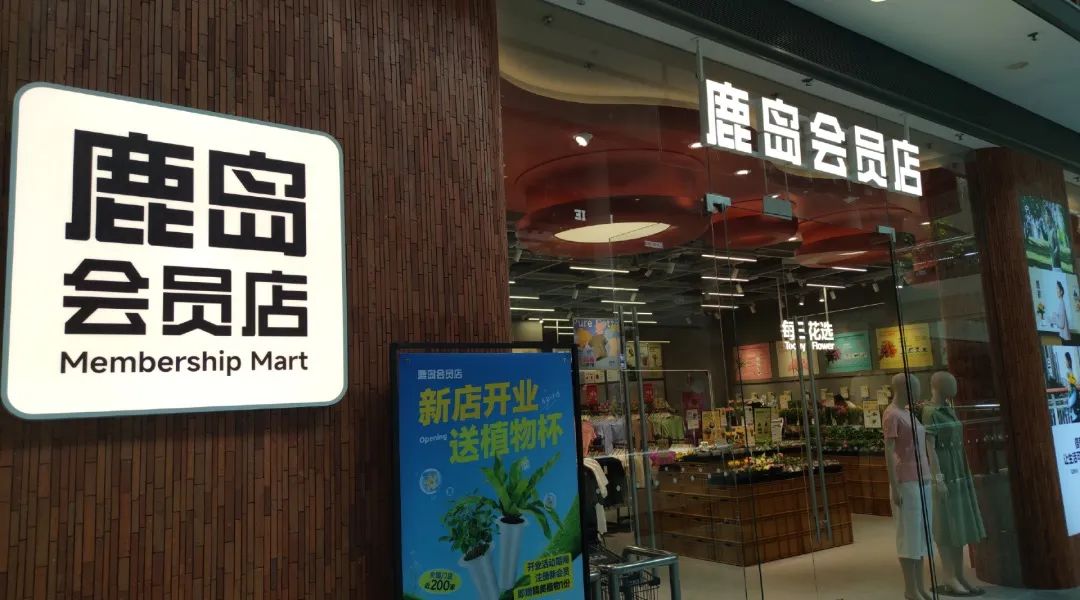
比拼多多还便宜的“中式宜家”,太懂中国人了
3 6 Ke· 2025-08-08 10:29
Core Insights - The article discusses the rise of the "Kushida" membership store, which has successfully capitalized on the decline of established brands like MUJI, IKEA, and Uniqlo, by offering a unique value proposition through low prices and convenience [1][3][5] Group 1: Business Model and Strategy - Kushida has attracted 5 million members with a low membership fee of 20 yuan, generating an annual revenue of 4 billion yuan [3] - The store operates over 200 locations, expanding from lower-tier cities to major urban centers like Beijing and Shanghai, while competitors are closing down [5] - Kushida's product offerings are a mix of styles learned from established brands, featuring affordable clothing, home goods, and lifestyle products [5][9] Group 2: Pricing and Consumer Appeal - Kushida's pricing strategy is aggressive, with items like basic T-shirts priced at 19.9 yuan, significantly lower than Uniqlo's prices [12] - The store's appeal lies in its ability to provide essential items at low prices, making it a convenient stop for shoppers [9][11] - Kushida employs a unique marketing strategy by situating stores next to competitors like Uniqlo, leveraging foot traffic while maintaining a focus on price [12][17] Group 3: Supply Chain and Operational Efficiency - The company has built a robust supply chain by collaborating with over 100 small manufacturers, allowing for cost-effective production and inventory management [41] - Kushida's approach to sourcing, particularly in the tea and flower segments, emphasizes direct relationships with suppliers to ensure low prices and high quality [43][47] - The store's operational model includes a focus on basic items that minimize design costs and maximize sales volume, ensuring consistent inventory turnover [39][41] Group 4: Market Position and Future Challenges - Kushida is positioned as a "king of alternatives" in the retail space, successfully tapping into the demand for affordable products in a competitive market [36] - Despite its current success, there are concerns about the sustainability of its low-price model and the potential for competitors to replicate its strategies [50] - The membership model, while effective, may lack long-term appeal compared to competitors like Costco, raising questions about future customer loyalty and revenue stability [50]
一年制造的拉链总长绕地球八十圈,YKK 如何成为「拉链大王」?| 声动早咖啡
声动活泼· 2025-08-08 06:00
Core Viewpoint - YKK, a Japanese zipper manufacturing company, has established itself as a global leader in the zipper market through vertical integration, innovation, and strategic global expansion [3][4][9]. Group 1: Company Overview - YKK, founded in 1934, is the largest zipper and fastener manufacturer globally, with over 40% market share [3][4]. - The company produces zippers that can wrap around the Earth 80 times annually, indicating its massive production scale [3]. - YKK's clientele includes renowned brands like Levi's, Adidas, and Patagonia, highlighting its strong presence in the mid to high-end market [3][4]. Group 2: Operational Strategy - YKK controls every aspect of the zipper manufacturing process, from metal smelting to packaging, ensuring quality and efficiency [4][5]. - The company transitioned from manual to machine production in the 1950s, significantly increasing production efficiency [4]. - YKK has developed a vertical supply chain, allowing it to maintain quality and price stability by self-manufacturing raw materials [5]. Group 3: Innovation and Product Development - YKK has created hundreds of patented zippers with special functions, adapting to various applications [5][6]. - The company has expanded its technology beyond zippers, venturing into aluminum door and window manufacturing [5]. Group 4: Brand Recognition - YKK's logo on zippers enhances brand visibility and consumer trust, as many brands openly promote the use of YKK zippers in their products [6][8]. - The brand's influence extends beyond fashion, with its zippers used in critical applications like space suits and automotive manufacturing [8][9]. Group 5: Global Expansion - YKK began international expansion in the 1950s, establishing factories in the U.S. and later in China and Southeast Asia to stay close to its customers [9]. - The company has adapted to market changes by producing zippers for various industries, including automotive, ensuring stable order volumes [9]. Group 6: Challenges - YKK faces increasing competition from Chinese zipper manufacturers, which produce 40% of the global zippers and are encroaching on YKK's market share [10]. - The company's traditional production model may struggle to meet the demands of fast fashion brands that require small-batch, quick-turnaround orders [10].
年底开业!长沙将新增一购物中心
Chang Sha Wan Bao· 2025-08-06 11:25
Core Insights - Aeon Mall (Xiangjiang New District) is set to open by the end of this year, featuring nearly 260 brands including Uniqlo and Muji, with ongoing interior renovations [1][2] - The mall is strategically located near Changsha High-Speed Railway West Station, covering a large consumer base with a total construction area of approximately 230,000 square meters [2] - The project includes a four-story shopping center, a six-story parking garage, and around 3,300 parking spaces, offering a diverse range of retail, dining, and entertainment options [2] Company Developments - The mall has already secured notable tenants such as the first Aeon supermarket in the west of the river, China Film International Cinema, and a flagship store featuring a high slide for children [2] - The project aims to provide a one-stop shopping experience for families and children, enhancing the overall customer experience with a focus on health, sports, and leisure activities [2][4] Design and Sustainability - The design incorporates elements of ecology, sunlight, and urban culture, creating a sustainable shopping environment [4] - The mall features three main themes: female-friendly, family-friendly, and pet-friendly spaces, along with a rooftop park to meet social and emotional needs of customers [4]


环保面料供应商福恩股份:携手H&M、优衣库,家族企业冲刺A股IPO
Sou Hu Cai Jing· 2025-08-04 20:00
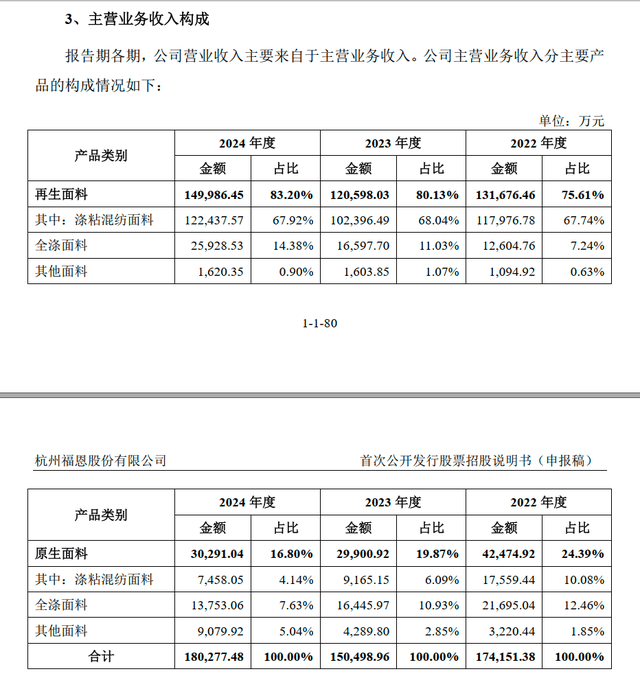
Core Viewpoint - Fuen Co., Ltd. has submitted an application for listing on the Shenzhen Stock Exchange, aiming to enter the A-share market, focusing on the production of environmentally friendly recycled fabrics [1] Group 1: Company Overview - Fuen Co., Ltd. originated from a small weaving factory in Jinjiang, Fujian, and has transformed into a comprehensive enterprise involved in fabric design, spinning, weaving, dyeing, finishing, and sales over several decades [1] - The company has successfully penetrated the supply chains of international brands such as H&M, Uniqlo, and ZARA by leveraging its recycled fabrics made from waste clothing and plastic bottles, which are low-carbon and skin-friendly [1] Group 2: Financial Performance - Fuen Co., Ltd. has shown strong financial performance, with revenue projected to grow from 1.764 billion yuan in 2022 to 1.813 billion yuan in 2024, while maintaining net profits above 200 million yuan [3][4] - The company's revenue from recycled fabrics reached approximately 1.5 billion yuan in 2024, accounting for 83.20% of total revenue, with a notable growth rate of 83.20% compared to the previous year [2] Group 3: Challenges - The company faces increasing accounts receivable, with significant debts from major clients such as Huacheng Group and Chenfeng Group, which could impact cash flow and financial stability [4][5] - Rising inventory levels pose a risk of impairment due to market trends and fluctuations in raw material prices, potentially affecting profitability [5] Group 4: Ownership Structure - The ownership structure of Fuen Co., Ltd. is characterized by family control, with over 80% of shares held by Wang Enwei, Wang Neili, and their son-in-law Wang Xuelin [5] - Wang Enwei, the founder, leads the company despite having only a middle school education, while Wang Neili and Wang Xuelin bring international experience and advanced education to their roles [5] Group 5: Market Impact - The listing of Fuen Co., Ltd. may provide consumers with more choices and better quality products, as the company transforms discarded materials into comfortable recycled fabrics [7] - The story of Fuen Co., Ltd. highlights the intersection of fashion and environmental progress, prompting consumers to consider the suppliers behind their clothing [7]