海信视像

Search documents
海信视像营收滞涨关联收购用于扩产 退税补助占比4成、销售费用率远超同行|光学成像并购潮
Xin Lang Cai Jing· 2026-01-09 11:09
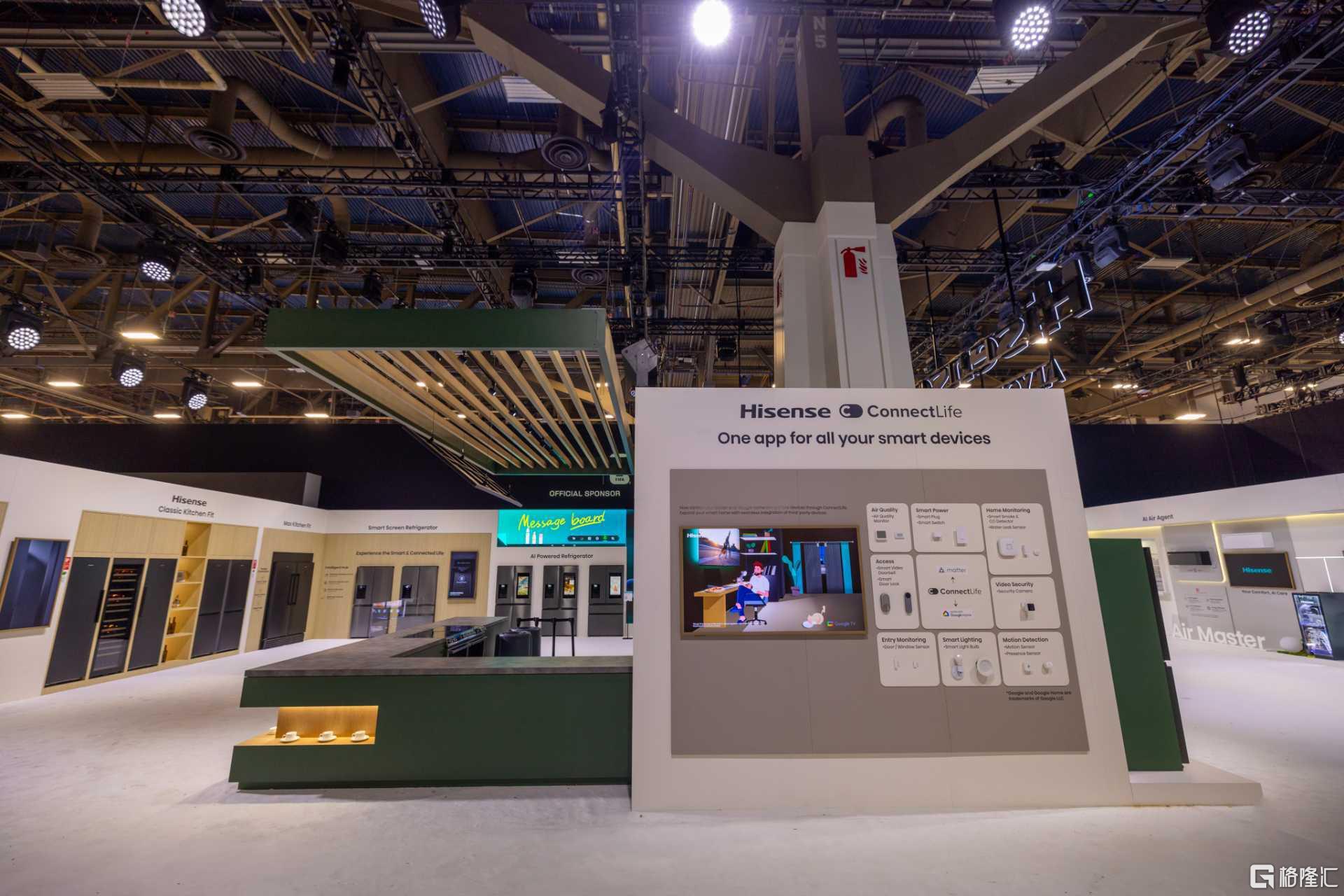
Core Viewpoint - The optical imaging industry is experiencing a wave of capital operations characterized by mergers, acquisitions, and financing, driven by the promising market prospects in emerging technologies such as automotive lenses, AR/VR optics, and machine vision [2][14]. Company Summary - Hisense Visual Technology has engaged in multiple asset acquisitions and sales, primarily involving related parties within the Hisense group, without extending into new fields through external mergers [2][3]. - In 2025, Hisense Visual's revenue growth is nearly stagnant, with a year-on-year increase of only 5.36%, yet the company has made consecutive acquisitions of related party assets to expand production capacity [6][18]. - The company sold a 26% stake in its kitchen and bath business just three years after acquiring it, citing a focus on core business development [7][19]. Financial Performance - Hisense Visual's sales expense ratio has consistently exceeded 6%, significantly higher than the approximately 4% R&D expense ratio and far above comparable companies like Sichuan Changhong and TCL Technology [9][21]. - In 2023 and 2024, the company reported net profits of 2.096 billion and 2.246 billion, respectively, with approximately 42.9% and 35.2% of net profits derived from tax refunds, government subsidies, and various investment income, indicating a diminished actual profitability from core operations [11][23]. Strategic Focus - The company is accelerating the application of new business areas such as commercial displays, cloud services, and chips, while actively laying out plans in artificial intelligence and AR/VR to create new growth engines for the future [8][20].


黑色家电板块1月9日涨1.82%,同洲电子领涨,主力资金净流入8144.05万元
Zheng Xing Xing Ye Ri Bao· 2026-01-09 08:54
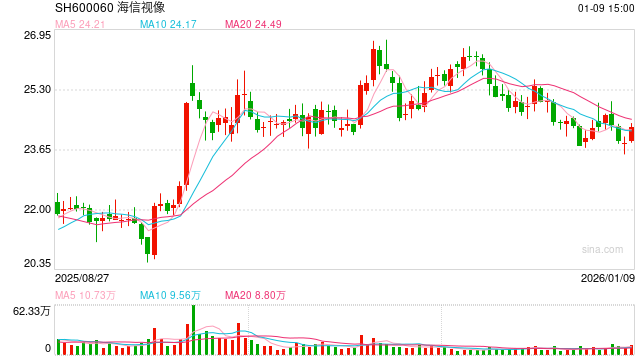
Market Overview - The black home appliance sector increased by 1.82% on January 9, with Tongzhou Electronics leading the gains [1] - The Shanghai Composite Index closed at 4120.43, up 0.92%, while the Shenzhen Component Index closed at 14120.15, up 1.15% [1] Stock Performance - Key stocks in the black home appliance sector showed varied performance, with Tongzhou Electronics closing at 13.56, up 5.53% on a trading volume of 527,100 shares and a transaction value of 713 million [1] - Other notable performers included *ST Gauss, which rose by 5.01% to 10.27, and Jiulian Technology, which increased by 3.42% to 10.59 [1] Capital Flow - The black home appliance sector saw a net inflow of 81.44 million in main funds, while retail funds experienced a net outflow of 104 million [1] - Retail investors contributed a net inflow of 22.16 million, indicating a mixed sentiment among different investor types [1] Detailed Capital Flow Analysis - Non-Chi Holdings had a main fund net inflow of 10.9 million, but retail funds saw a significant outflow of 78.86 million [2] - Tongzhou Electronics experienced a main fund net inflow of 19.50 million, while retail funds had a net outflow of 1.20 million [2] - Hisense Visual had a main fund net inflow of 14.99 million, with retail funds showing a net inflow of 0.43 million [2]


CES变成中国科技秀:机器人跳舞、熊猫获奖
3 6 Ke· 2026-01-09 08:24
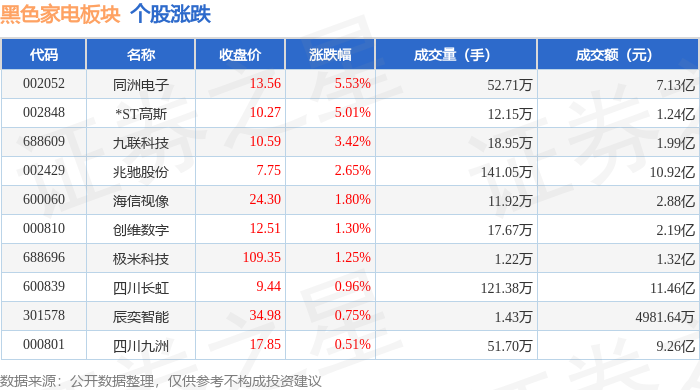
Group 1: Core Themes of CES 2026 - The main theme of CES 2026 is "human-centered" AI applications, marking a shift from traditional consumer electronics to AI-centric technological transformations [1] - Chinese companies are increasingly taking center stage at CES, with 942 exhibitors, accounting for approximately 22% of the total, maintaining their position as the second-largest exhibiting nation [1] - In specific sectors, Chinese firms dominate, with 55% of humanoid robot exhibitors and nearly 70% of AI glasses brands coming from China [1] Group 2: Robotics and AI Innovations - Chinese manufacturers are expected to continue leading in cost reduction and efficiency improvements in humanoid robots, showcasing their capabilities in unstructured environments [2] - Notable products include the Unitree H1 humanoid robot with advanced sensing capabilities and the latest generation of the "绝影" series robotic dogs, which excel in indoor navigation [4][11] - The "Care-bot" humanoid robot by Fourier demonstrates embodied intelligence in real-life interaction scenarios [7] Group 3: Consumer Electronics and Smart Devices - Over 80% of global smart glasses supply chain manufacturers are from China, with 16 Chinese companies showcasing their products at CES [15] - Innovations in smart home devices include the AI-driven "安安" companion robot designed for elderly and cognitively impaired individuals [16] - Companies like Alibaba and XREAL are launching advanced AI glasses, with features such as ultra-lightweight designs and integration with various AI services [19][20] Group 4: Automotive and AI Integration - The automotive industry is transitioning from "software-defined" to "AI-defined" vehicles, with companies like Geely and Great Wall showcasing new technologies [28] - Geely's G-ASD smart driving solution and Great Wall's focus on new energy technologies highlight the industry's shift towards AI integration [30][32] - New products like the AI-driven logistics solutions from New Stone and advanced lidar technology from Hesai demonstrate the growing importance of AI in transportation [34][35] Group 5: Home Appliances and AI - Hisense introduced new RGB-Mini LED display technology and AI-controlled smart refrigerators, showcasing the integration of AI in home appliances [41] - TCL's innovations in display technology, including the world's first printed OLED car screen, reflect advancements in consumer electronics [43][44] - Companies are increasingly focusing on AI capabilities in home security and smart home management systems [51][49] Group 6: Overall Impact of AI - CES 2026 emphasizes the profound impact of AI on the consumer electronics industry, with expectations for AI user numbers to grow significantly [59] - The event serves as a platform for global tech companies to set the foundation for future technological development and transformation [59] - The integration of AI into various sectors, including robotics, automotive, and consumer electronics, indicates a trend towards deeper AI adoption in everyday life [59]




从显示到全屋:海信以RGB为核,AI驱动智慧生活场景全覆盖
Xin Jing Bao· 2026-01-09 04:18
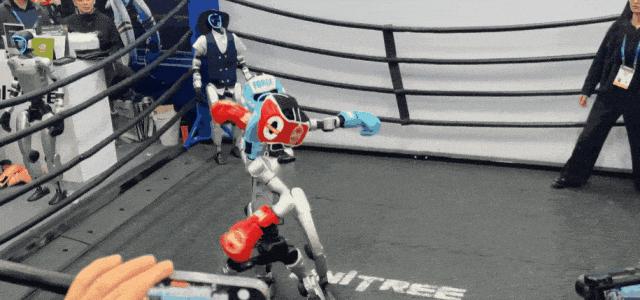
Core Insights - The CES 2026 marks a pivotal shift in AI technology from conceptual showcases to practical applications in everyday scenarios, with Hisense leading the way in display technology and AI advancements [1] - Hisense's long-term investments in AI algorithms, hardware development, and scene adaptation have positioned the company to capitalize on the current breakthroughs in embodied intelligence [1][8] - Hisense's products create a dual adaptation system between technology and scenarios, indicating a strong alignment with national strategic directions and industry trends [1] Group 1: Display Technology Innovations - Hisense unveiled the world's first 116-inch next-generation RGB-Mini LED TV at CES 2026, establishing a new standard for immersive visual experiences [2] - The company has transitioned from being a technology follower to a rule-maker in the display industry, achieving over 90% market share in the high-end 85-inch TV segment during the 2025 Double 11 shopping festival [2][3] - Hisense's RGB technology, which includes self-developed RGB light-emitting chips and AI picture quality chips, has led to significant advantages in color accuracy, brightness, and energy efficiency [2][3] Group 2: AI and Smart Ecosystem Development - Hisense is not only focusing on hardware but is also deeply exploring software ecosystems and scene experiences, evolving televisions into indispensable companions that understand user intentions [4][5] - The company is leveraging its role as the official sponsor of the 2026 FIFA World Cup to launch customized products that integrate cutting-edge technology into fans' daily lives, enhancing the overall experience [5][6] - Hisense aims to create a comprehensive smart home ecosystem powered by AI, integrating various appliances and technologies to enhance user experience across different household scenarios [6] Group 3: Embodied Intelligence and Future Growth - Hisense is actively developing embodied intelligence, showcasing robots that serve as companions in homes and efficient employees in commercial settings, marking a significant step towards practical applications of AI [7][8] - The company’s experience in display technology and home appliances provides a solid foundation for the development of embodied intelligence, emphasizing both technological advancement and practical applicability [8] - Hisense's exploration in this field positions it as a key player in the smart home and smart city sectors, opening up new avenues for future growth [8][9]
芯片巨头集体站台联想 中国机器人军团出海
Xin Lang Ke Ji· 2026-01-09 03:36
Group 1: CES Overview and Trends - Las Vegas hosts over 22,000 commercial events annually, contributing more than $10 billion in revenue, with CES being the most significant event [1] - CES has evolved through various technology trends over the past 15 years, including the rise of drones, smart home devices, and AI [2] - The focus of CES 2026 shifted to embodied AI and humanoid robots, indicating a transition from novelty to serious commercial discussions [2] Group 2: Rise of Chinese Companies - Chinese exhibitors have significantly increased in presence and quality at CES, moving from peripheral displays to central exhibition halls [3][4] - In 2019, Chinese exhibitors peaked at approximately 30% of total participants, and over 1,300 Chinese companies participated in the latest CES, reaffirming their dominance as the largest foreign presence [3] - Chinese companies have transitioned from low-cost manufacturing to showcasing core technologies, with over 40% of CES 2026 Innovation Awards going to Chinese firms [4][5] Group 3: Lenovo and Hisense's Strategic Moves - Lenovo hosted its Tech World conference at the Sphere, marking a significant event for the company and showcasing its industry position [6] - The presence of major tech leaders at Lenovo's event highlighted its status as a leading consumer electronics company [6] - Lenovo became the official technology partner for the FIFA World Cup 2026 and 2027, emphasizing its commitment to global sports marketing [7][9] Group 4: Robotics and AI Developments - Humanoid robots emerged as a key focus at CES 2026, showcasing advancements in AI and commercial viability with costs reaching around $20,000 [10] - The competition in the robotics sector is intensifying among China, the U.S., and South Korea, with each region adopting different strategies for ecosystem integration [11] - Chinese robotics companies are increasingly entering the global market with a focus on commercial applications, moving beyond mere technology demonstrations [12][13] Group 5: Market Dynamics and Future Outlook - The robotics industry is shifting from feasibility to long-term deployment, with Chinese firms leveraging their manufacturing capabilities for sustained operations [13][14] - Companies like UBTECH and Yush Robot are achieving significant milestones in production and government contracts, indicating a stable demand in the early market [14] - The evolution of Chinese companies from supporting roles to industry leaders reflects a broader trend of defining industry standards and enhancing brand recognition [14]

芯片巨头集体站台联想,苏妈亲自彩排!FIFA主席为中企赴会,中国机器人军团出海
Xin Lang Ke Ji· 2026-01-09 03:19
Core Insights - Las Vegas serves as a significant hub for global exhibitions, hosting over 22,000 commercial events annually, contributing to more than $10 billion in revenue [1] - The Consumer Electronics Show (CES) has evolved over the years, showcasing major technological trends and innovations, with a notable shift towards embodied AI and humanoid robots in recent years [2][3] Industry Trends - The 2010s saw a clear focus on PCs and smartphones at CES, with major players like Intel and Samsung dominating the scene [2] - The rise of consumer drones and smart home technology marked significant trends from 2013 to 2018, although many faced market corrections due to regulatory and practical challenges [2] - The current CES highlights a transition from novelty to serious commercial applications in embodied AI and humanoid robotics, indicating a maturation of market expectations [3][18] Chinese Companies' Growth - Chinese exhibitors have significantly increased their presence at CES, with over 1,300 companies participating this year, making China the largest foreign contingent [5][7] - The quality of Chinese products has improved, with over 40% of the CES 2026 Innovation Awards going to Chinese companies, reflecting a shift from assembly to core technology output [7] - Major Chinese firms like Lenovo and Hisense are now competing at the forefront of technology, showcasing advanced products and securing partnerships in global events like the FIFA World Cup [13][16] Robotics Industry Developments - Humanoid robots are becoming commercially viable, with costs dropping to around $20,000, indicating readiness for market deployment [18] - Chinese robotics companies are increasingly showcasing their products at CES, with 21 out of 38 exhibitors being from China, demonstrating a shift towards commercial readiness and market integration [21][22] - The focus of the robotics industry is shifting from mere functionality to long-term operational stability, with Chinese firms emphasizing their comprehensive self-research capabilities [24]
闪电快讯 | 杜比在CES 2026展示家庭和车内空间娱乐升级体验
Xin Lang Cai Jing· 2026-01-09 03:16
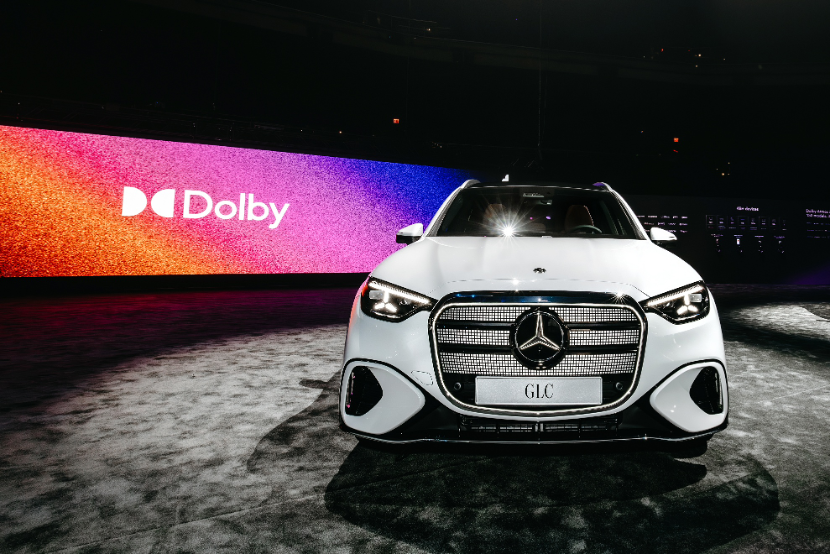
Group 1 - Dolby Laboratories showcased technological innovations at CES 2026, enhancing entertainment experiences from home to in-car environments [1] - Peacock, in partnership with NBCUniversal, will be the first streaming platform to adopt Dolby's full suite of audio and visual technologies, marking a significant upgrade in streaming entertainment [1] - The integration of Dolby Vision and Dolby Atmos into Peacock will enhance live sports broadcasts, including popular events like Sunday Night Football, NBA, and MLB [1] Group 2 - Dolby partnered with LG to launch the LG Sound Suite, a modular home audio system featuring Dolby Atmos FlexConnect, offering up to 27 different speaker configurations for a cinema-like experience [2] - Several TV manufacturers, including Hisense, TCL, and TP Vision, announced the incorporation of Dolby Vision 2.0 technology into their latest TV models, enhancing picture quality beyond HDR [2][3] - Hisense plans to apply Dolby Vision 2.0 to more MiniLED TV products through OTA updates, while TCL and TP Vision will also support this technology in their upcoming models [3] Group 3 - Over 35 automotive manufacturers have adopted Dolby Atmos in more than 150 vehicle models, including NIO ET9 and Mahindra XUV 7XO [5] - Mercedes-Benz announced its support for Dolby Atmos spatial audio through Apple CarPlay in its new electric models, enhancing the in-car audio experience [6] - Dolby and Qualcomm are collaborating to integrate Dolby's latest innovations into Qualcomm's 5th generation Snapdragon automotive platform, which will help reduce audio data transmission costs by up to 60% [6]

CES 2026直击:海信RGB技术全球领跑,AI+世界杯重构智慧生活
Huan Qiu Wang· 2026-01-09 01:40
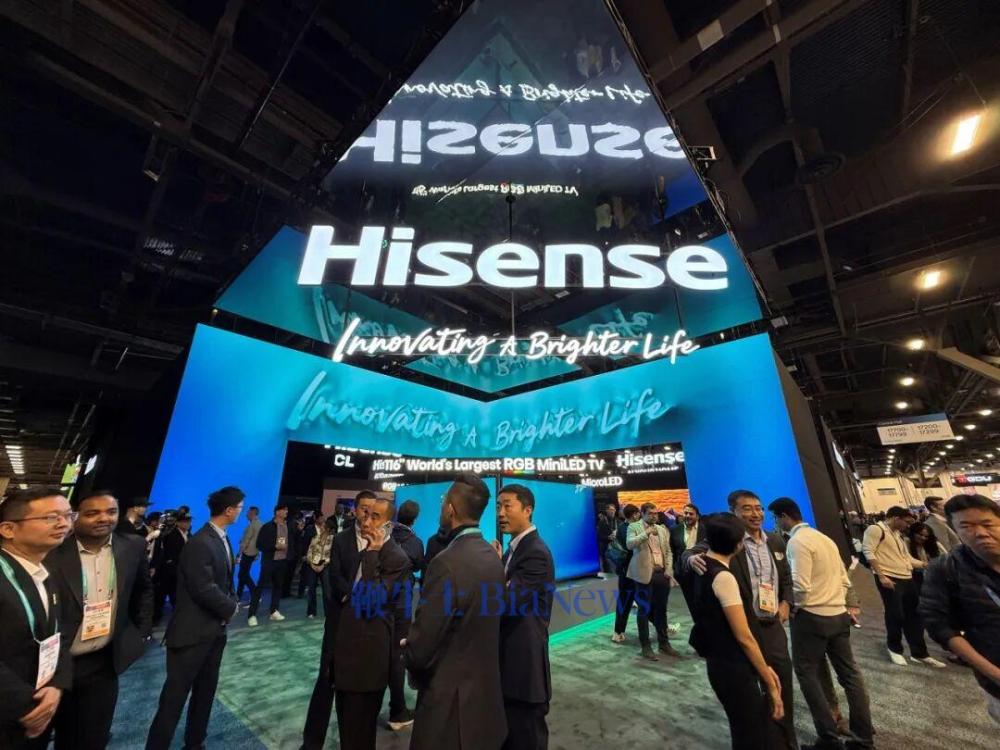
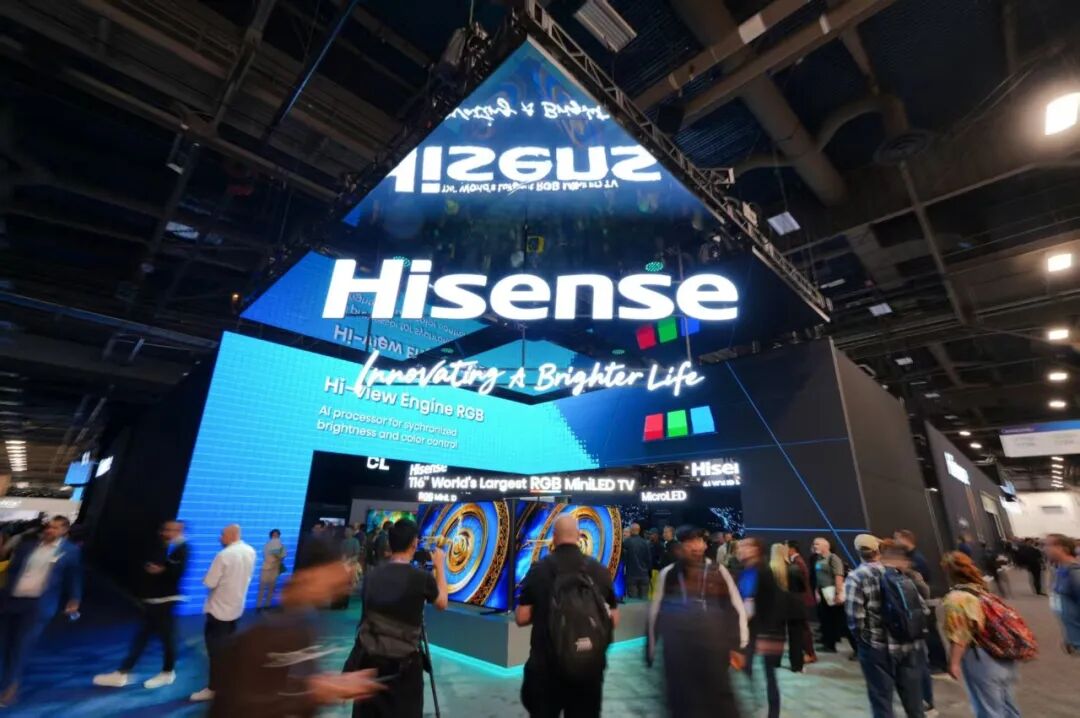
Core Viewpoint - Hisense showcases its technological leadership in the display sector at CES 2026, emphasizing its dominance in the RGB-Mini LED television market and its role in the globalization of Chinese technology [1][3][13] Group 1: Market Position and Product Innovation - Hisense holds over 90% market share in the RGB-Mini LED television segment, with 9 out of every 10 RGB-Mini LED TVs sold globally being from Hisense [3][5] - The new 116-inch RGB-Mini LED television UX highlights Hisense's technological advancements and competitive edge in the market [3][4] - Hisense has applied for 179 patents related to RGB-Mini LED technology, reinforcing its innovation capabilities [3] Group 2: Technological Advancements - The latest RGB-Mini LED televisions feature a self-developed RGB light-emitting chip and an AI image quality chip, achieving high precision and color accuracy [4] - Hisense's RGB technology encompasses a full technical matrix, including RGB-Mini LED, RGB-Micro LED, and RGB three-color laser displays [5] - The company predicts a 25-fold increase in global RGB-Mini LED television shipments in 2026, reaching 500,000 units [4] Group 3: Strategic Partnerships and Marketing - Hisense has been an official sponsor of the FIFA World Cup for the third time, enhancing its brand visibility and market presence [5][6] - The company's sports marketing strategy has led to a 70% increase in overall revenue and a 156% rise in brand value since 2018 [6] - Customized products for the World Cup, including RGB-Mini LED TVs and AI-enabled appliances, enhance the viewing experience for fans [6][9] Group 4: AI and Smart Home Integration - Hisense has developed an integrated AI capability system that connects various home devices, enhancing user experience and interaction [10][11] - The company’s AI solutions include smart air conditioning and washing machines that adapt to user needs, showcasing the evolution of home technology [11] - The projected growth of the AI market from 321.9 billion yuan in 2025 to 1.22 trillion yuan by 2029 indicates a significant opportunity for Hisense in this sector [13] Group 5: Globalization and Future Outlook - Hisense's advancements in RGB technology and AI solutions position it as a leader in the high-end consumer electronics market [13] - The company's evolution from a participant in global events to a provider of high-end viewing experiences reflects its commitment to innovation and market leadership [13] - The ongoing development of RGB technology and AI ecosystems is expected to drive further growth for Chinese brands on the global stage [13]
观展手记:中国军团从配角到主角,从制造到定义|直击CES
Xin Lang Cai Jing· 2026-01-09 00:15
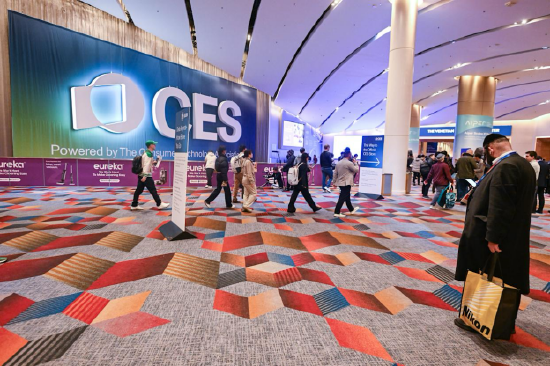
Group 1: CES Overview - Las Vegas hosts over 22,000 commercial events annually, contributing more than $10 billion in revenue and attracting over 6 million visitors, accounting for one-seventh of the city's annual visitors [2][26] - The International Consumer Electronics Show (CES) is the most significant event, showcasing technological trends and industry shifts for nearly 60 years [2][26] Group 2: Technological Trends - The evolution of CES has followed a technology maturity curve, with significant trends including the rise of ultrabooks, consumer drones, smart home devices, and AI voice assistants [3][27] - The focus has shifted to embodied AI and humanoid robots, indicating a transition from novelty to serious commercial discussions [3][28] Group 3: Rise of Chinese Companies - Chinese exhibitors have dramatically increased their presence at CES, moving from peripheral areas to central exhibition halls, with over 1,300 companies participating this year [5][29] - In 2019, Chinese exhibitors peaked at approximately 30% of total participants, and despite pandemic interruptions, they have regained their status as the largest overseas group at CES [5][29] Group 4: Quality of Exhibits - Chinese companies won over 40% of the CES 2026 Innovation Awards, showcasing advancements in optical systems, AI algorithms, and materials science, reflecting a shift from assembly to core technology output [7][31] - The trajectory of Chinese exhibitors illustrates a transition from "manufacturing" to "defining" industry standards, emphasizing integrated hardware and software capabilities [7][31] Group 5: Lenovo's Tech World - Lenovo hosted its Tech World event at the Sphere, marking a significant moment in showcasing its industry position and technological strength [9][34] - The event featured prominent leaders from major tech companies, highlighting Lenovo's role in the global consumer electronics landscape [9][34] Group 6: Sponsorship and Marketing - FIFA President Gianni Infantino attended CES to support Lenovo and Hisense as official sponsors for the upcoming World Cups, emphasizing the integration of AI and technology in enhancing fan experiences [13][39] - Both companies are leveraging their sponsorships to elevate brand recognition and align with global sports marketing strategies [16][42] Group 7: Robotics Industry - Humanoid robots emerged as a key focus at CES 2026, showcasing advancements in AI and commercial viability, with costs reaching a threshold of $20,000 [17][45] - The competition in the robotics sector is intensifying among China, the U.S., and South Korea, with Chinese companies demonstrating a robust presence and commercial readiness [18][47] Group 8: Commercialization of Robotics - Chinese robotics firms are transitioning from showcasing prototypes to presenting commercially viable products, with 21 out of 38 exhibitors at CES being Chinese [20][47] - The industry is shifting focus from mere functionality to long-term operational capabilities, with significant government contracts indicating market validation [21][48]
亮相CES 2026,海信冰箱以AI落地与核心技术引领储鲜革命
Ge Long Hui· 2026-01-08 22:21
Group 1 - The core theme of CES 2026 is "AI Empowering Consumer Electronics," with Hisense refrigerators showcasing AI applications and smart home integration as a highlight [3] - Hisense's refrigerator features a dual-screen setup, including a 21-inch display for content and home interaction, and a smaller screen for core functions, enhancing user experience [3] - The refrigerator integrates Hisense's proprietary Star Sea model, providing a comprehensive cooking solution with visual guidance for users, making cooking accessible even for beginners [3] Group 2 - Hisense focuses on user-centered innovation, emphasizing vacuum preservation, AI control, and automatic ice-making technologies to create a competitive edge [5] - The vacuum preservation technology developed by Hisense offers dual protection against oxidation and enzyme activity, maintaining food freshness for up to seven days [5] - The AI system analyzes over 800 food storage characteristics to customize preservation solutions, while the ice-making feature can produce ice in 60 minutes with high antibacterial rates [5] Group 3 - Hisense has achieved significant recognition in both domestic and international markets, leading in sales within the vacuum preservation refrigerator segment in China [6] - The company has received multiple industry awards and has played a key role in establishing standards for refrigerator quality, enhancing its technical authority [6] - Hisense refrigerators have achieved top sales positions in 11 countries, including Canada, France, and Mexico, demonstrating strong global market performance [6]