
英飞凌

Search documents
英飞凌跃升全球MCU龙头
半导体行业观察· 2025-03-11 00:53
Core Insights - Infineon has become the leading supplier in the global microcontroller market, achieving a market share of 21.3% in 2024, up from 17.8% in 2023, marking a year-on-year increase of 3.5 percentage points [1] - The company has consistently outperformed the market, with an average annual growth rate of 13.0% in its microcontroller business since 2015, compared to the overall market growth of 4.0% [1] - Infineon has also secured the top position in the automotive microcontroller market for the first time, with a significant sales increase of nearly 44% in 2023 [5] Market Position - According to Omdia, the global microcontroller sales market size is projected to be $22.4 billion in 2024, down from $28 billion in 2023 [1] - Infineon's market share in the automotive semiconductor market increased to approximately 14% in 2023, up from nearly 13% in 2022, solidifying its leadership position [4] - The automotive semiconductor market reached a record size of $69.2 billion in 2023, growing by 16.5% [4] Product Innovation - Infineon's microcontroller product portfolio includes various series such as AURIX, TRAVEO, PSOC, and XMC, catering to diverse applications from automotive systems to industrial machinery [2] - The company plans to launch a new series of automotive microcontrollers based on RISC-V architecture, aimed at meeting the complex computing needs of software-defined vehicles [2] - Infineon has showcased innovations in its PSOC series, enhancing capabilities in power and motor control, as well as edge AI applications [2] Strategic Growth - Infineon's automotive microcontroller sales have been a key driver of its performance, with a global market share of approximately 29% in this segment [5] - The AURIX and TRAVEO microcontroller series are pivotal in supporting the automotive industry's transition towards automation, connectivity, and electrification [6] - The company has seen growth in all regions, maintaining a leading position in markets such as South Korea and China, and achieving significant growth in Japan [4]


民生电子|模拟大厂专家交流
2025-03-10 06:49
Summary of Conference Call on Semiconductor Industry and TI Industry Overview - The analog IC market is showing a gradual recovery in demand starting from Q2 2024 after being at a low point before 2023 [2][3] - The consumer electronics sector is expected to recover first in March-April 2024, while the automotive market is anticipated to rebound significantly in Q3 2024, driven by the increase in electric vehicle (EV) adoption in China [2][3] - The industrial market is stabilizing after hitting a low in 2023, with expectations of growth by late 2024 to early 2025 [2][3] Key Points on TI (Texas Instruments) - TI's gross margin is expected to remain stable between 57% and 60% in 2024, with no significant price reduction strategy implemented [2][5] - To maintain market share, TI may adopt aggressive pricing strategies, but any price cuts are expected to be limited to 1-2% due to current profit margins being close to management's set bottom line [2][6] - TI has increased its total production capacity by 25%-30% since 2023, primarily in the analog chip sector, with no significant new capacity expected until 2026-2027 [2][7][8] - Overall inventory levels at TI have risen, with structural characteristics; some consumer electronics and automotive products have seen inventory reductions, while industrial sector inventory remains high at over four months [2][9][10] Market Dynamics - Demand from downstream customers is expected to improve in Q2 2025 compared to Q1, particularly in consumer electronics and new energy vehicles, leading to a slight increase in overall revenue [2][11] - The Chinese government's subsidy policies have positively impacted demand for consumer electronics, leading to an increase in chip orders, although the actual demand transmission to upstream manufacturers is smoothed out due to inventory chains [2][12][13] - The U.S. plans to impose tariffs on traditional semiconductor exports from China may have limited short-term effects but could hinder future market access to Europe and the U.S. [2][14] Competitive Landscape - The U.S. automotive industry is currently in a downturn, facing challenges from economic factors and competition from Chinese electric vehicles, leading to a pessimistic outlook among many U.S. manufacturers [2][15] - Domestic semiconductor manufacturers are rapidly advancing in the automotive sector, with significant progress in battery protection and autonomous driving camera chips [2][20] - Price differences exist between domestic manufacturers and TI, with domestic products typically 20%-30% cheaper due to intense local competition [2][23] Conclusion - The semiconductor industry, particularly the analog IC market, is on a recovery path with varying dynamics across sectors - TI is strategically managing its pricing and production capacity to navigate competitive pressures while maintaining profitability - The evolving landscape of domestic competition and international trade policies will continue to shape the industry's future.

国芯科技20250308
2025-03-09 13:19
Summary of Guoxin Technology Conference Call Company and Industry Overview - The conference call focuses on Guoxin Technology, a company specializing in semiconductor technology, particularly the RISC-V architecture, which is gaining traction in the semiconductor industry due to its open standard and innovation potential [3][4][5]. Core Points and Arguments 1. **Adoption of RISC-V Architecture**: Guoxin Technology has chosen the RISC-V architecture for its openness and innovation, allowing for a wide range of applications from embedded design to high-performance computing without licensing fees [3][4]. 2. **Market Potential**: The global market for RISC-V is projected to exceed $90 billion by 2030, with a compound annual growth rate (CAGR) of 47.4%, indicating significant growth opportunities in sectors like consumer electronics, autonomous driving, and industrial control [3][6][7]. 3. **Product Development**: Guoxin Technology is developing the V5 CPU core based on RISC-V, focusing on sectors such as information security and automotive electronics. The company aims to create low-power CPU cores and expand DSP instructions to meet the needs of IoT and automotive applications [3][5]. 4. **Automotive Electronics Innovations**: The company has developed high-end automotive chips using the RISC-V instruction set, targeting software-defined vehicles. The first product is designed for intelligent driving assistance systems, achieving a computing power of 6,000 DMIPS [9][10]. 5. **High-Performance Computing**: Guoxin Technology has introduced the CRV5 and CRC77 multi-core processors, with the latter competing against ARM Cortex-A55, operating at a frequency of 1.5GHz, providing robust computational support for complex applications [10][11]. 6. **Information Security Solutions**: The CRP7 CPU has been utilized to develop a cloud security chip with a signing speed of 1 million signatures per second and an encryption speed of 80Gbps, meeting domestic security standards [12][13]. 7. **Future Product Strategy**: The company plans to leverage its FCPU series IP to create reusable chip products across various sectors, enhancing performance through the integration of RISC-V CPUs and NPUs [16][17]. 8. **AI Integration**: Guoxin Technology is expanding AI instruction sets in its CPUs to improve neural network processing capabilities, aligning with the growing demand for AI applications [11][17]. Additional Important Insights 1. **Open Ecosystem Benefits**: The open nature of RISC-V allows for reduced design costs and faster development times, with user-customized designs expected to drop below 10% as the ecosystem matures [4][7]. 2. **Government Support**: The national support for RISC-V technologies is aimed at fostering domestic semiconductor industry growth and enhancing innovation capabilities [8]. 3. **Strategic Focus Areas**: Over the next 3 to 5 years, Guoxin Technology will concentrate on IoT applications, smart governance systems, and the automotive sector, with a particular emphasis on RISC-V architecture [23]. 4. **Collaboration with Major Players**: The company is involved in partnerships with various automotive chip manufacturers to accelerate the development of RISC-V based automotive chips [23][24]. 5. **Quantum Security Initiatives**: Guoxin Technology is also exploring quantum security measures to address potential threats posed by advancements in quantum computing [20]. This summary encapsulates the key points discussed during the conference call, highlighting Guoxin Technology's strategic direction, product innovations, and the broader implications of the RISC-V architecture in the semiconductor industry.

台积电巨额投资美国,更多细节曝光
半导体行业观察· 2025-03-07 01:23
Core Viewpoint - TSMC plans to invest an additional $100 billion to expand its manufacturing capabilities in the U.S., which will include three new fabs, two advanced packaging facilities, and a large R&D center, bringing its total investment in the U.S. to $165 billion, making it one of the largest foreign investors in the country [1][16]. Group 1: New Facilities and Expansion Plans - TSMC has not disclosed specific details regarding the timing, location, or technology for the new investments, but there is sufficient space at the existing Fab 21 site in Arizona for new facilities [2][3]. - The Fab 21 site spans approximately 1,100 acres, which is more than twice the size of Monaco, and TSMC initially planned to build six fab modules there [2][3]. - The expansion includes three phases at Fab 21, two advanced packaging facilities, and an R&D center, with the aim of making it a major production hub [3][16]. Group 2: Employment and Workforce Impact - TSMC estimates that the new announcement will create 40,000 jobs over the next four years, significantly up from the previous estimate of 20,000 jobs by the end of 2020 [4]. - The company anticipates that some projects may run concurrently, increasing labor demand, although it has not specified whether this will double the production capacity for N3 and/or N2/A16 technologies [4][6]. Group 3: Global Investment Strategy - Despite the significant investment in the U.S., TSMC is also focusing on expanding its operations in Taiwan, Japan, and Germany, with plans to invest $38 billion to $42 billion globally by 2025 [6][7]. - TSMC is currently constructing a fab in Germany and is set to begin building a second fab in Japan, indicating a balanced global investment strategy [6][7]. Group 4: Technology Transfer and Production Costs - TSMC's ability to transfer advanced manufacturing technologies to the U.S. may face delays, as the company prefers to develop new technologies in Taiwan, where its R&D facilities are located [9][11]. - Chips produced in the U.S. using TSMC's N4 and N5 nodes are expected to be 20% to 30% more expensive than those produced in Taiwan, which may limit U.S. companies' interest in manufacturing there unless absolutely necessary [12][16]. Group 5: Customer Demand and Market Dynamics - TSMC's U.S. customers, including major firms like Apple, AMD, Broadcom, Nvidia, and Qualcomm, have requested increased production capacity in the U.S., despite the higher costs associated with U.S. manufacturing [14][16]. - The demand for U.S. production capacity has reportedly increased in light of potential tariffs on chips produced in Taiwan, adding a layer of political uncertainty to TSMC's decision-making [14][16].

封测大厂,不认命!
半导体行业观察· 2025-03-06 01:28
Core Viewpoint - The semiconductor packaging and testing industry is undergoing significant changes as traditional OSAT (Outsourced Semiconductor Assembly and Test) companies face intense competition from foundries like TSMC, Samsung, and Intel, which are entering the advanced packaging sector. Traditional OSAT firms are actively expanding their capabilities and investing in advanced packaging technologies to maintain their market positions [1][16][38]. Group 1: Traditional OSAT Companies' Expansion - ASE Group (日月光) is expanding its advanced packaging capacity by investing $200 million in a FOPLP production line in Kaohsiung, Taiwan, aiming for mass production by the end of the year [2][3]. - ASE has also inaugurated its fourth and fifth factories in Penang, Malaysia, with a total investment of $300 million to meet the growing demand for automotive semiconductors and AI applications [3][4]. - ASE is acquiring two packaging factories from Infineon in the Philippines and South Korea for approximately NT$2.1 billion to enhance its capabilities in automotive and industrial automation applications [5][6]. Group 2: Amkor Technology's Developments - Amkor plans to triple the annual production capacity of its factory in Vietnam from 1.2 billion to 3.6 billion units, reflecting strong growth in the region [7][8]. - The company is investing $2 billion to build an advanced semiconductor packaging and testing facility in Arizona, USA, primarily serving TSMC and Apple [8][9]. Group 3: Longsys Technology's Innovations - Longsys Technology is focusing on high-density packaging technologies, including 2.5D/3D packaging, and has launched a high-end manufacturing project in Jiangsu with a total investment of 10 billion yuan [9][24]. - The company has developed a high-density heterogeneous integration technology platform, XDFOI, which has entered stable mass production and is being applied in high-performance computing and AI fields [24][25]. Group 4: Tongfu Microelectronics' Advancements - Tongfu Microelectronics has established a 2.5D/3D packaging platform and is expanding its capabilities in high-performance computing, with new processes developed for chiplet packaging [28][29]. - The company is also focusing on glass substrate packaging technology to meet the demands of various high-performance chip applications [29][30]. Group 5: Huada Semiconductor's Strategic Moves - Huada Semiconductor is investing in advanced packaging technologies, including SiP and 3D packaging, and has launched a new 2.5D packaging technology platform to cater to AI demands [31][32]. - The company is also developing a 3D Matrix packaging platform that integrates TSV and eSiFo technologies for high-density heterogeneous integration [35][36]. Group 6: Powertech Technology's Expansion - Powertech Technology is expanding its testing capabilities in Japan with a new investment of 5 billion yen to enhance its semiconductor testing and mass production capabilities [13][14]. - The company is evaluating a proposal to establish a high-end chip packaging factory in Japan, aiming to leverage the country's advanced testing technology and stable automotive chip market [14][36].


新兴存储,最新预测
半导体行业观察· 2025-03-06 01:28
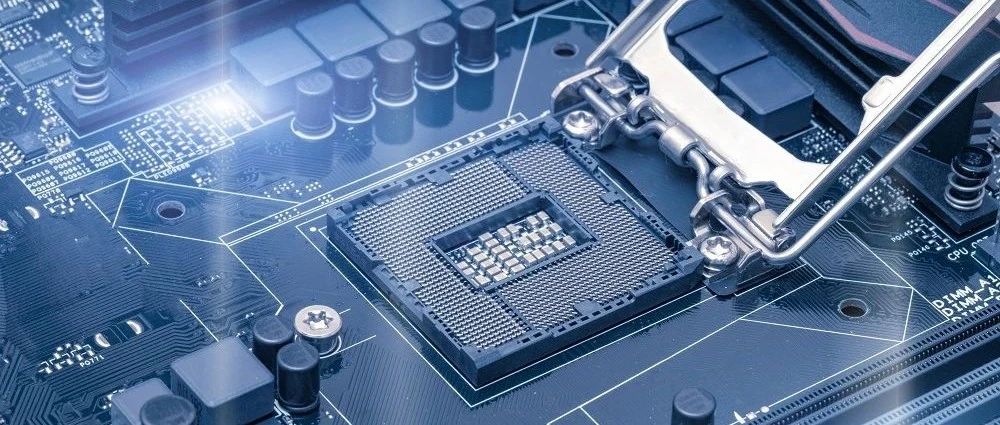
Core Viewpoint - The article discusses the evolution and future of alternative and persistent memory technologies, highlighting the competition among various types of memory to become mainstream in the semiconductor industry [2][3][6]. Group 1: Historical Context - For the past 40 years, semiconductor memory has evolved from SRAM, DRAM, EPROM, and EEPROM to include newer technologies like FRAM, MRAM, ReRAM, and PCM [2][3]. - NAND flash memory has been a cornerstone of non-volatile storage, but it faces limitations at the 15nm node, leading to the development of 3D NAND variants [7][8]. Group 2: Current Developments - Recent advancements in memory technologies include the emergence of microcontrollers utilizing MRAM and FRAM, with companies like NXP and Texas Instruments leading the way [6][10]. - The collaboration between NXP and TSMC aims to develop MRAM-based microcontrollers for the automotive market in 2023 [6]. Group 3: Challenges and Limitations - The transition to alternative memory technologies faces economic challenges, as the costs associated with these new technologies are currently higher than traditional NAND and DRAM [8][10]. - The integration of new memory types into existing systems is complicated by the need for additional on-chip SRAM, which increases costs and complexity [5][10]. Group 4: Future Predictions - Experts predict that it may take around ten years for alternative memory technologies to replace flash and SRAM in embedded applications due to slow development in microcontroller technology [10]. - The transition to alternative memory in external NAND flash chips and SDRAM is expected to be delayed, but once it begins, it may accelerate quickly [10].
晨报|美国PMI走势与关税变局
中信证券研究· 2025-03-05 00:16
Group 1: US Economic Outlook - The US PMI readings have shown a high level of economic activity since the beginning of the year, but the expansion trend may face obstacles in the first half of the year, potentially fluctuating around the lower end of the growth line [1] - The manufacturing PMI has not shown a trend recovery following the Federal Reserve's interest rate cuts, indicating a lack of significant demand rebound [1][2] - Export leading indicators such as South Korea's exports and the Philadelphia Semiconductor Index have shown signs of decline, suggesting potential challenges for the US economy [1][2] Group 2: Trade Policies and Tariffs - The recent tariff threats from Trump against Mexico, Canada, and China may have a manageable impact on China's exports and GDP, with estimated reductions of 3.3 percentage points and 0.36 percentage points respectively [3] - The market's tolerance for external disturbances is expected to increase as risk appetite improves, and Trump's focus remains on domestic policies rather than US-China tensions [3] - The new tariffs on Chinese imports are projected to reduce China's export growth by approximately 3 percentage points for the year 2025, particularly affecting textiles, toys, and footwear [6] Group 3: Industry-Specific Insights - The white liquor industry is currently in a bottoming phase, with expectations of a recovery driven by policy signals and improving demand, suggesting a potential upward cycle for leading brands [7] - The home furnishing sector is seeing improvements in demand, particularly in regions with flexible policies, but the recovery of the renovation market is still pending further policy support [9] - The wind power industry is expected to experience significant growth due to technological advancements and increased domestic demand, particularly in the blade manufacturing segment [18] Group 4: Market Trends and Investment Strategies - The current macroeconomic environment is conducive to a more sustained theme-driven market, with a focus on fundamental expectations rather than speculative trends [13] - The upcoming traditional peak season for the chemical industry is anticipated to provide investment opportunities, particularly in sectors with favorable supply-demand dynamics [19] - The textile and apparel sector is expected to see a recovery in 2025, driven by improved consumer sentiment and policy clarity, with several investment themes identified [24]


英飞凌出售晶圆厂!
国芯网· 2025-02-28 04:32
国芯网[原:中国半导体论坛] 振兴国产半导体产业! 不拘中国、 放眼世界 ! 关注 世界半导体论坛 ↓↓↓ 2月28日消息,英飞凌与美国芯片代工企业 SkyWater宣布,双方已达成一项晶圆厂交易。SkyWater 将购 买英飞凌位于美国得克萨斯州奥斯汀的 8 英寸晶圆厂 Fab 25,两家企业还就此后的长期供应签署了协 议。 根据协议条款,SkyWater将接手运营Fab 25晶圆厂,专注于生产对工业、汽车和国防应用至关重要的 130纳米至65纳米基础芯片。此次收购不仅将大幅扩大SkyWater作为代工厂的规模,还将带来额外的功 能,包括65纳米基础设施、扩大的铜处理规模和高压双极-CMOS-DMOS(BCD)技术等。 长期供应协议确保了英飞凌在美国保持强大、高效且可扩展的制造足迹。这一合作将使SkyWater能够利 用Fab 25的成熟专业知识和生产能力,提升美国基础芯片的可用产能,支持关键行业的双重采购战略。 SkyWater首席执行官Thomas Sonderman表示:"这一里程碑式的交易将显著增强我们在美国的晶圆代工 产能,预计还将增强基础芯片的供应链弹性,加强国家和经济安全。通过利用奥斯汀团队的 ...

【国信电子胡剑团队|半导体专题】多相电源是增量蓝海市场,看好国产替代机遇
剑道电子· 2025-02-06 07:13
点击 关注我们 报告发布日期:2025年2 月05日 报告名称:《半导 体专题 : 多相电源是增量蓝海市场,看好国产替代机遇 》 分析师:胡剑 S0980521080001/胡慧 S0980521080002/ 叶子 S0980522100003 / 詹 浏洋 S0980524060001 / 张大为 S0980524100002/李书颖S0980522100003 联系人:连欣然 完整报告请扫描下方二维码 国信研究 半导体专题: 多相电源是增量蓝海市场,看 好国产替代机遇 2025-02-05 | 胡剑 胡慧 叶子 张大为 詹浏洋 多相控制器+DrMOS的多相电源是XPU主流供电技术 。多相控制器与XPU通过协议通信,不同XPU厂商具有不 同的协议,比如英特尔的SVID、AMD的SVI2/3、英伟达 的OVR、基于ARM芯片的AVS等。DrMOS是英特尔200 4年推出的一种高效节能技术,将驱动IC和MOSFET上下 管集成到同一封装中,不仅显著减小面积,还极大降低由多 个元件带来的寄生参数,显著提升电源转换效率。DrMOS 主要有两种方案:1) 驱动IC和MOSFET在不同晶圆上生 产,最后合封在一起,称 ...
又一科创板IPO终止!
梧桐树下V· 2024-12-03 08:29
文/西风 12月2日晚上,上交所公布对杭州飞仕得科技股份有限公司科创板IPO终止审核的决定,直接原因是公司及保荐机构国信证券撤回申报。公司IPO于2023年6月5日获 得受理,2023年12月22日公布首轮问询的回复,2024年6月29日公布首轮问询回复的更新版(2023年报财务数据更新版)。公司本次IPO拟募资4.55亿元。 公司前身有限公司成立于2011年9月,2022年9月整体变更为股份公司,目前注册资本4500万元,公司控股股东、实际控制人施贻蒙先生,直接和间接合计控制公 司64.4521%的股份。施贻蒙1982年出生,曾任通用电气(中国)研发中心工程师。 一、知名竞争对手说:其驱动器主要竞争对手中,公司是唯一国内厂商 公司主营业务为功率系统核心部件及功率半导体检测设备的研发、生产和销售,并提供相关技术服务,其中,功率系统核心部件产品包括功率器件驱动器、功率 模组,功率半导体检测设备产品包括功率半导体实验室检测设备等。其中功率系统核心部件贡献收入占比超过95%。 | | | | | | | 牛1V : /J /G, 70 | | | --- | --- | --- | --- | --- | --- ...