LG

Search documents
2025全球消费电子十大头部品牌权威榜单:AI与绿色技术重塑格局
Sou Hu Cai Jing· 2025-09-15 11:33
Group 1: Industry Transformation - The global consumer electronics industry is undergoing a profound transformation driven by artificial intelligence (AI) and green technology, with a new landscape dominated by brands from China, the US, and South Korea [1][11] - The IFA 2025 and CES 2025 exhibitions highlighted that AI technology and sustainable development are the core competitive focuses for global consumer electronics brands [1] Group 2: Rise of Chinese Brands - The most significant change in the global consumer electronics landscape by 2025 is the collective rise of Chinese brands, with Huawei and Midea ranking in the top ten of the Brand Finance's global electronics brand value list [3] - Huawei's brand value reached $31.921 billion, growing by 2.7% year-on-year, and it has a 25% market share in the high-end European market [3] Group 3: Display Technology Competition - High-end display technology is becoming the most competitive arena, with various technological routes driving the industry into a critical phase of experience upgrades [4] - Hisense has achieved large-scale production of RGB-Mini LED TVs, setting a benchmark in the high-end display market with its U7S Pro series [4] Group 4: AI Integration - AI has fully integrated into consumer electronics, evolving from an additional feature to the core driving force of products [5] - Xiaomi's strategy covers over 1 billion connected devices globally, with a 52.6% year-on-year increase in Bluetooth earphone shipments in the first half of 2025 [5] Group 5: Green Technology Innovation - Green low-carbon technology has become a new battlefield for consumer electronics brands, with unprecedented emphasis on sustainable development at IFA 2025 [6] - Midea's AI ECO smart energy-saving solution achieves a 30% energy-saving effect, while TCL's ECORA™ technology promotes low-carbonization throughout the product lifecycle [6] Group 6: Global Brand Value Rankings - According to Brand Finance's 2025 global electronics brand value rankings, Apple, Samsung, and Huawei lead the market, with Apple valued at $574.51 billion, growing by 11.2% [7] - Midea's brand value is $8.723 billion, maintaining its position in the global top ten despite a slight decline [7] Group 7: Emerging Product Categories - 2025 is marked as the year of AI smart glasses, with projected sales reaching 55 million units by 2029 [8] - The CES 2025 showcased various AI companion robots, indicating a growing trend in this emerging category [9] Group 8: Technological Innovation Trends - The global consumer electronics industry is forming a tri-polar structure dominated by the US (Apple/NVIDIA), South Korea (Samsung), and China (Huawei/Xiaomi/Lenovo), with seven out of the top ten brands from these regions [10] - Chinese brands are breaking monopolies in fields like chips and robotics, with DJI holding over 70% of the global drone market [10]






惠而浦(WHR.US)质疑三星、LG等低报进口价规避关税
Zhi Tong Cai Jing· 2025-09-15 10:29
Core Viewpoint - Whirlpool claims that its overseas competitors may be evading U.S. tariffs by undervaluing the declared value of imported goods [1] Group 1: Import Valuation Issues - Whirlpool reports that federal data generated from import documents indicates a significant decline in the declared value of certain home appliance products since June, leading to reduced tariffs [1] - The average declared value of garbage disposals imported from China dropped from $21 in January-May to $9 in June, and further below $8 in July [1] - The declared value of gas ranges imported from Thailand decreased by more than half to $175, while the declared value of washing machines from South Korea plummeted from $838 to $73 [1] Group 2: Retail Prices and Competitors - Despite the decline in declared values, Whirlpool notes that the retail prices of these appliances have not decreased, despite applicable tariff rates ranging from 13% to 60% [1] - Whirlpool is cross-referencing the relevant data with its knowledge of competitors' production facilities to identify companies that may be undervaluing imported goods, including Samsung, LG, and General Electric [1] - Samsung declined to comment on the allegations, LG stated its commitment to comply with all U.S. laws, and General Electric claimed the allegations are inaccurate [1] Group 3: Regulatory Actions - Whirlpool has expressed concerns regarding this matter to Customs and Border Protection and relevant departments of the Trump administration but has not yet filed a formal complaint [1]

X @Zhu Su
Zhu Su· 2025-09-15 08:18
This is all pretty bad if accurateRaphael Rashid (@koryodynasty):1/ A repatriated Korean worker from the Hyundai-LG battery factory secretly wrote a detention diary about their 7-day experience in ICE custody in Georgia. The worker says ICE officers mocked them with words like as "North Korea" and "Rocket Man" despite holding a business visa. ...
295亿落子广州!TCL华星全球首条高世代印刷OLED产线
Zhong Guo Qi Che Bao Wang· 2025-09-15 01:44
Core Viewpoint - TCL Technology's subsidiary TCL Huaxing has signed a project cooperation agreement with the Guangzhou Municipal Government and the Guangzhou Economic and Technological Development Zone to jointly invest in the construction of an 8.6-generation printed OLED display panel production line, with a total investment of approximately RMB 29.5 billion [1] Group 1: Project Overview - The t8 project will be located in Guangzhou and will have a monthly processing capacity of approximately 22,500 pieces of 2290mm×2620mm glass substrates for printed OLED displays [2] - The total investment is about RMB 29.5 billion, with registered capital of RMB 14.75 billion (TCL Huaxing contributing RMB 8.85 billion and state-owned enterprises contributing RMB 5.9 billion) [2] - The project is expected to start construction in November 2025, with a construction period of 24 months, aiming for production around 2027 [2] Group 2: Technology and Market Trends - Printed OLED technology offers multiple advantages that align with the current upgrade direction of automotive display technology, impacting performance and cost [3] - The technology provides excellent color performance and high resolution, meeting the demand for high-definition displays in vehicles [3] - The cost and energy efficiency of printed OLEDs can lower the mass production costs of automotive OLED screens, potentially accelerating their adoption in mid-range vehicles [3] - The global automotive display market is projected to grow significantly, with a compound annual growth rate of 27% for automotive displays, far exceeding the growth rates of laptops and desktop monitors [4] Group 3: Industry Impact - The t8 project is expected to break the dominance of foreign companies in the high-generation AMOLED field, promoting the localization of the automotive display supply chain [5] - TCL Huaxing will become a key domestic supplier of automotive OLED screens, helping car manufacturers reduce reliance on foreign supply chains and improve delivery times [6] - As the penetration of electric vehicles and smart cockpits increases, automotive displays are evolving from functional components to core experience elements, creating a strong demand for high-quality, low-cost display solutions [6]
GST reforms set to reignite consumption growth, spur corporate profitability
The Economic Times· 2025-09-15 01:00
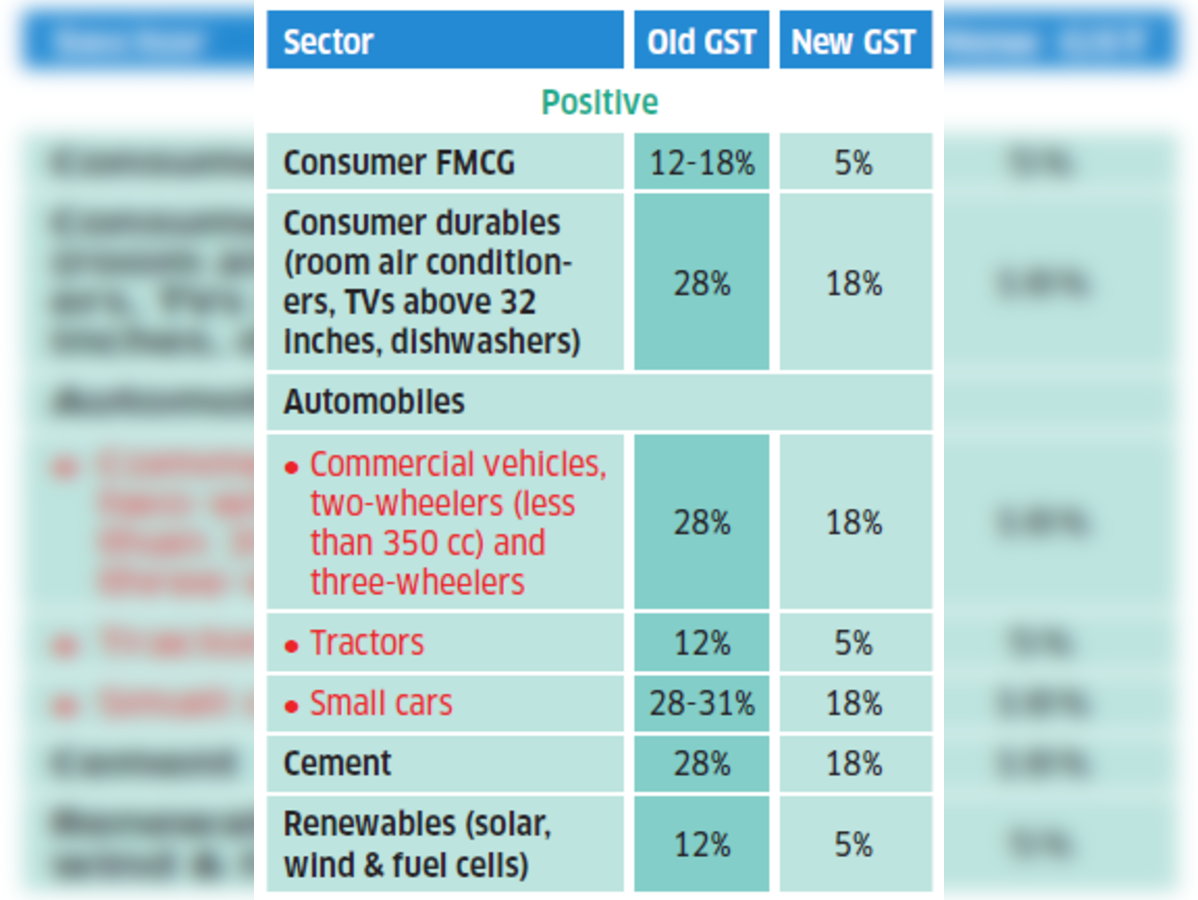
Consumption Sector - The recent GST reforms are expected to boost affordability and consumption across rural and urban markets, with around 90% of items moved from higher to lower tax slabs [1][38] - Experts anticipate a premiumisation effect among low- and middle-income households, as savings on essential goods will redirect purchasing power towards high-value consumption [2][38] - The consumption sector is projected to recover over the next 12-15 months, with private consumption growth expected to rise by 40-50 basis points in the second half of the current financial year [4][41] Corporate Profitability - Lower prices from GST reforms will create volume acceleration for producers, supporting profit margins and leading to an anticipated overall profitability increase of 1-1.5% relative to 2024-25 earnings [5][41] - The reforms are expected to stimulate demand for first-time buyers and replacement purchases, particularly during the festive season, with an industry expectation of a 10-15% improvement in demand for room air conditioners [22][41] Sector-Specific Impacts - Key beneficiaries in the consumer FMCG sector include Britannia Industries, Colgate Palmolive (India), Nestle India, and Emami due to reduced GST on essentials from 12-18% to 5% [11][15][41] - In the consumer durables sector, companies like LG, Daikin, Blue Star, and Dixon Technologies will benefit from reduced GST on room air conditioners and dishwashers from 28% to 18% [18][41] - The automobile sector, including Maruti Suzuki, TVS Motor, Hero MotoCorp, and Bajaj Auto, will see positive impacts from reduced GST rates on commercial vehicles and small cars [23][41] Infrastructure and Housing - The cement industry is expected to benefit from a reduction in GST from 28% to 9%, potentially lowering cement prices by Rs.25-30 per bag, which will support infrastructure and housing sectors [24][41] - Cost-efficient firms like Prism Johnson and Heidelberg Cement are positioned to enhance net realizations and margins over the medium to long term due to these reforms [25][41] Renewable Energy - The renewable energy sector will benefit from a reduction in GST on equipment from 12% to 5%, with key beneficiaries including Tata Power, JSW Energy, and Vikram Solar [26][41] - This reduction is expected to lower capital costs for solar and wind power projects, improving the internal rate of return and supporting government initiatives around renewable energy transition [31][41] Banking and Financial Services - Banks such as HDFC Bank, ICICI Bank, and IDFC First Bank are expected to benefit from increased demand for credit due to a pick-up in consumption and economic activities [32][41] - Non-Banking Financial Companies (NBFCs) focused on retail loans will also benefit from rising demand for consumer durables and vehicles [32][41] Insurance and Textiles - The insurance sector will face mixed impacts, with a reduction in GST on life and health insurance to nil, improving affordability but potentially diluting margins due to loss of input tax credit [33][41] - The textile industry will see a reduction in GST on fabrics and home textiles from 12% to 5%, benefiting companies like Sanathan Textiles and Grasim Industries [30][36][41] Oil and Gas - The oil exploration sector will be adversely impacted by an increase in GST from 12% to 18%, affecting companies like ONGC and Oil India [37][41] - The increase in costs for exploration and production is expected to dent cash flows significantly, with estimates of Rs.2,500-3,000 crore in losses for ONGC [40][41]

Global Economic Shifts: UBS Considers US Move, South Korea Expresses Outrage, and China Redefines the “New Oil”
Stock Market News· 2025-09-14 21:08
Group 1: UBS's Potential Relocation - UBS Group AG is considering relocating its headquarters to the United States due to new capital requirement proposals from the Swiss government, which could require an additional $26 billion in core capital following its acquisition of Credit Suisse [3][9] - Senior UBS executives have engaged with U.S. officials to discuss a strategic shift that may involve acquiring a U.S. bank or pursuing a merger, while emphasizing the need to protect shareholder interests [4][9] Group 2: U.S. Immigration Policy Impact - U.S. President Donald Trump has welcomed foreign experts and investments, provided they comply with U.S. immigration laws, following a controversial ICE raid at a Hyundai-LG electric vehicle battery plant in Georgia that resulted in the detention of over 300 South Korean nationals [5][6][9] - The incident has raised concerns in South Korea, potentially affecting future direct investments in the U.S., especially given South Korea's recent commitment to invest $350 billion in the U.S. [6] Group 3: China's Economic Strategy - China is positioning itself as a leader in the new global economic order, with data being referred to as the "new oil" for the 21st century, and is expected to lead the Fourth Industrial Revolution by 2030 [7] - Concurrently, China is stockpiling crude oil, having increased its reserves by 106 million barrels between February and August, which is significant in light of forecasts indicating a global oil supply surplus [8][9]


承诺投资美国5000亿后,韩国人却被戴上了手铐脚镣
Hu Xiu· 2025-09-13 10:04
Core Points - South Korea has committed to investing $500 billion in the United States, indicating a significant financial partnership between the two countries [1] - The LG factory in Georgia was surrounded by armed FBI and state police, with 500 law enforcement officers involved, highlighting a serious security incident [1] - The situation escalated to the point where Korean workers were treated in a dehumanizing manner, raising concerns about labor relations and safety [1] Investment Commitment - The investment of $500 billion from South Korea reflects a strong commitment to economic collaboration with the U.S. [1] - This investment could potentially lead to job creation and technological advancements in the U.S. [1] Security Incident - The armed response by law enforcement at the LG factory suggests significant underlying issues that may affect operations and investor confidence [1] - The presence of armored vehicles and helicopters indicates the severity of the situation, which could have implications for future investments in the region [1] Labor Relations - The treatment of Korean workers during the incident raises questions about labor practices and the working environment in U.S. facilities [1] - This incident may impact the perception of South Korean companies operating in the U.S. and their relationship with local communities [1]
放眼全球,谁在跨界做具身智能?
Huan Qiu Shi Bao· 2025-09-13 03:30
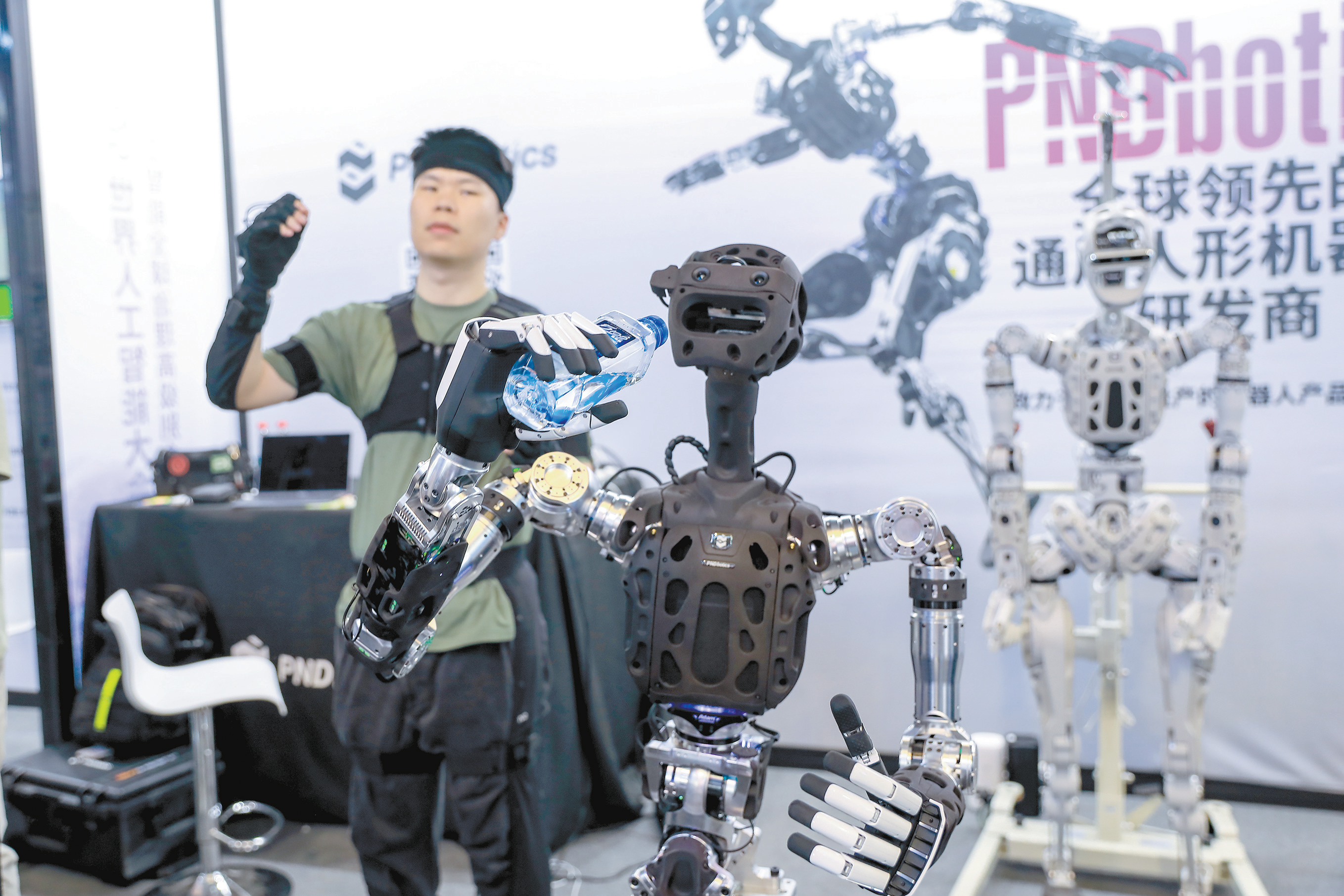
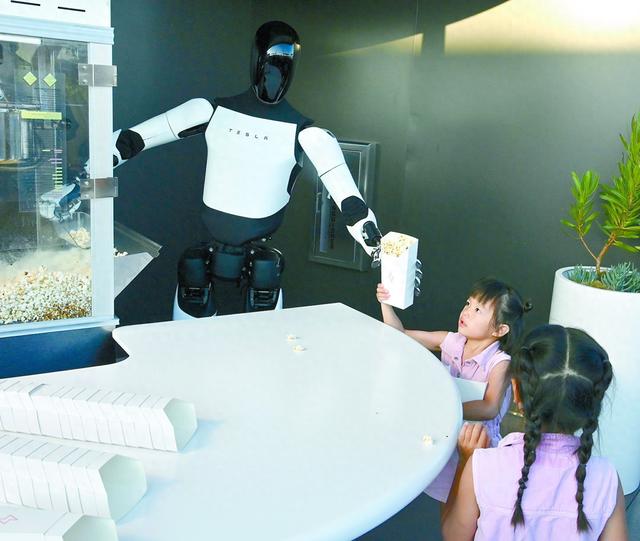
Core Insights - The article discusses the rise of embodied intelligence, highlighting its integration across various industries such as automotive, manufacturing, and the internet, driven by both established giants and emerging startups [8][11][12] - The competition in embodied intelligence is characterized by a lack of established templates, requiring continuous experimentation and deep engagement with practical scenarios to navigate the future landscape [8][11] Industry Trends - Embodied intelligence is seen as a key area for growth, with significant investments from companies like BYD and partnerships like the one between Bosch and Beijing Galaxy General Robotics focusing on smart manufacturing and robotics [9][10] - The automotive sector is identified as a major application area for embodied intelligence, with companies like Xpeng showcasing humanoid robots in manufacturing settings [9][10] Technological Developments - The development of humanoid robots is a focal point, with companies like Hexagon and Tesla leading innovations in hardware and AI integration, which are crucial for overcoming supply chain and manufacturing challenges [10][15] - The emergence of platforms like Nvidia's Isaac GR00T N1 model aims to accelerate the development of humanoid robots, indicating a trend towards open-source and customizable solutions [15] Market Dynamics - The market for embodied intelligence is expected to grow significantly, with estimates suggesting it could become a trillion-dollar industry, similar to previous technological revolutions [11][18] - Companies are entering the embodied intelligence space for various reasons, including seeking new growth avenues, strategic positioning against technological disruption, and addressing internal efficiency needs [11][12] Challenges and Barriers - The implementation of embodied intelligence faces several challenges, including the need for robust digital infrastructure and high-quality data for effective training of AI systems [12][13] - The complexity of integrating various technologies and ensuring effective collaboration among hardware and software components is a significant hurdle for companies [13][14] Future Outlook - The future ecosystem of embodied intelligence may consist of a few dominant platform giants alongside numerous application-focused companies, creating a complex and dynamic market landscape [19][20] - The potential for embodied intelligence to transform various sectors, from manufacturing to healthcare, is immense, with predictions of a collaborative future between humans and robots [18][21]
South Korean workers arrive back home after being detained in U.S. immigration raid
NBC News· 2025-09-13 00:22
Industry Impact & Investment Concerns - The incident involving the detention of South Korean workers in the US raises concerns for South Korean companies investing billions of dollars in US manufacturing [5] - Visa issues, particularly the use of short-term B1s, B2s, and visa waiver programs, could cause companies to hesitate investing in the US [6] - LG has confirmed a 2 to 3 month delay in the opening of its battery factory due to the incident, highlighting potential disruptions to business plans [8] Labor & Legal Issues - 475 people were rounded up at a Hyundai and LG battery factory construction site, accused of working illegally in the US [3] - The US government stated that using foreign laborers hurts American workers, emphasizing the enforcement of federal laws [3] - The type of visas the workers held, or whether they had visas at all, remains unclear [3] Diplomatic & Reputational Risks - The detention of Korean workers sparked outrage in South Korea and threatened relations with the US [4][5] - The South Korean government chartered a plane to bring the detained workers back home [4] - Perceptions of America in South Korea may change due to the incident, potentially affecting future relations [8] Project Execution & Expertise - Korean companies need to send skilled workers to the US to execute their business plans, especially in sectors like semiconductors and electric batteries where domain expertise in the US is limited [7] - The incident may make it challenging to convince technicians to return to work on the delayed battery factory project [9] - The Hyundai and LG battery factory project is valued at $4.3 billion [2]

【环时深度】放眼全球,谁在跨界做具身智能?
Huan Qiu Wang· 2025-09-12 22:49
Core Insights - The article discusses the rise of embodied intelligence, which is creating a convergence across various industries such as automotive, manufacturing, and the internet. Companies are engaging in cross-industry strategies to capture new growth opportunities and position themselves in the AI-physical world integration race [1][2]. Industry Trends - Embodied intelligence is defined as a system-level intelligence that relies on the interaction between "bodies" and their environments, forming a closed loop of perception, decision-making, and action. The most notable application of embodied intelligence by 2025 is humanoid robots, which are already being utilized in smart manufacturing [2][5]. - The automotive industry is identified as a key application area for embodied intelligence technology. Companies like Xiaopeng Motors are showcasing humanoid robots in manufacturing settings, highlighting the shared technological foundations between autonomous driving and robotics [5][6]. - Internet giants are also entering the embodied intelligence space, with companies like JD.com announcing significant investments in smart robotics. This trend reflects both short-term market potential and long-term strategic positioning in the AI landscape [6][21]. Cross-Industry Collaborations - Major manufacturing firms are forming partnerships with robotics companies to enhance their capabilities. For instance, Bosch Group has established a joint venture focused on complex assembly and intelligent quality inspection [5][6]. - In the agricultural sector, companies like XAG are overcoming barriers to implement embodied intelligence, emphasizing the need for foundational digital agricultural infrastructure [9][11]. Technological Challenges - The development of embodied intelligence faces several challenges, including the need for high-quality and diverse data for training AI systems. Companies are exploring innovative solutions like spatial generation technology to create realistic training environments for robots [13][14]. - The integration of various technologies, such as multi-modal perception and hardware collaboration, is essential for advancing embodied intelligence. This requires a collective effort from multiple companies rather than relying on a single entity [14][22]. Future Ecosystem - The future ecosystem of embodied intelligence may consist of a few dominant platform giants alongside numerous application-focused companies. These giants will control critical components like computing power and sensors, while application companies will create diverse value across industries [21][22]. - The article suggests that the commercial potential of embodied intelligence extends beyond manufacturing and services, potentially transforming various sectors and creating significant business opportunities [21][24].