德赛西威

Search documents
首批L3级自动驾驶车型获批后,北汽蓝谷涨停、智驾概念股集体走强
Xin Lang Cai Jing· 2025-12-16 08:28
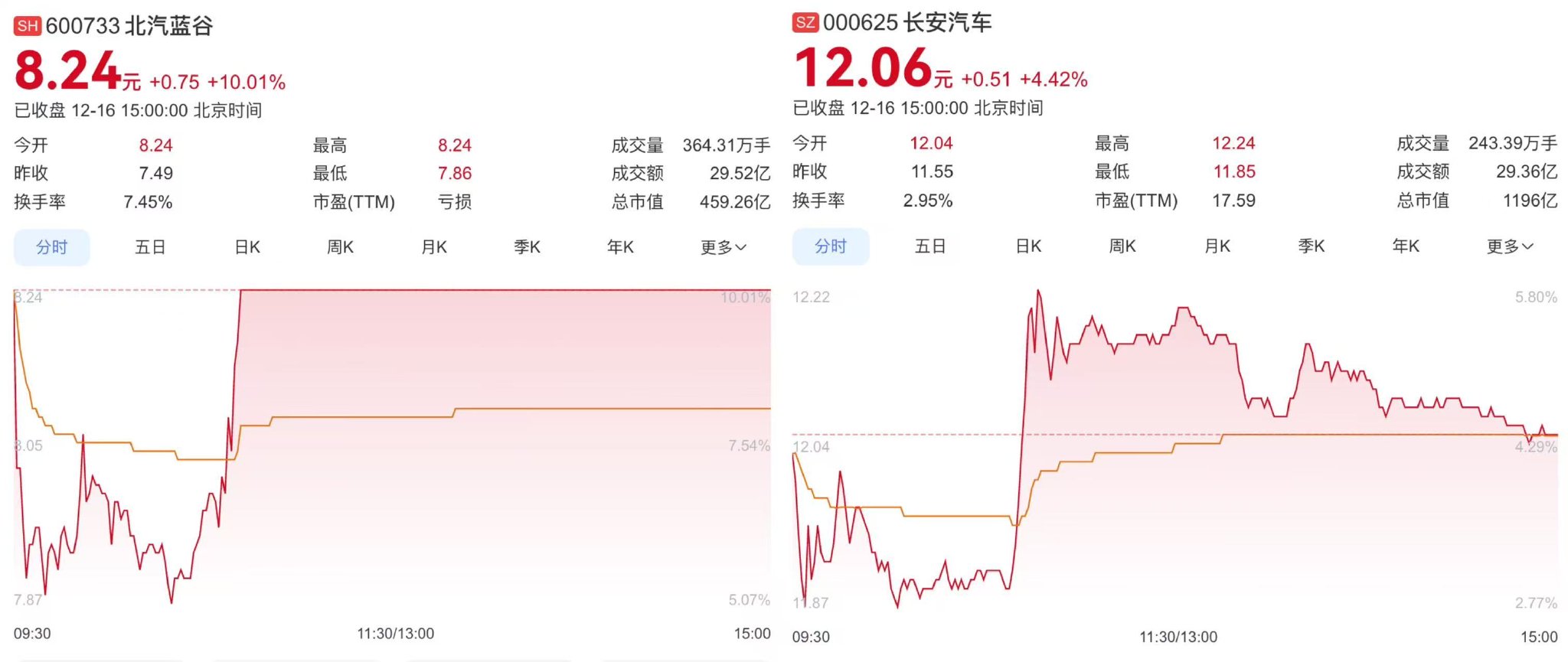
Core Viewpoint - The approval of the first batch of L3-level autonomous driving vehicles by the Ministry of Industry and Information Technology marks a significant step towards the commercialization of autonomous driving in China, leading to increased activity in the smart driving sector. Group 1: Market Reactions - BAIC Blue Valley (600733.SH) reached its daily limit with a stock price of 8.24 CNY per share and a total market capitalization of 45.926 billion CNY [1] - Changan Automobile (000625.SZ) saw its stock price rise by 4.42% to 12.06 CNY per share, with a total market capitalization of 119.6 billion CNY [1] - Other companies such as Hanxin Technology (920092.BJ), Wanjie Technology (300552.SZ), and Zhejiang Shibao (002703.SZ) also experienced stock price increases, with several reaching their daily limit [3] Group 2: Approval Details - The Ministry of Industry and Information Technology officially granted conditional approval for two L3-level autonomous driving models, which will be tested in designated areas of Beijing and Chongqing [3] - The approved model from Changan Automobile is the "Changan SC7000AAARBEV," capable of autonomous driving in congested traffic and on highways at a maximum speed of 50 km/h, limited to specific routes in Chongqing [3] - The second approved model is the "BAIC Arcfox BJ7001A61NBEV," which can operate at a maximum speed of 80 km/h on highways and urban fast lanes, also restricted to certain routes in Beijing [4] Group 3: Industry Implications - The approval signifies a transition from "technical validation" to "mass production application" in China's autonomous vehicle industry, reflecting advancements in technology and regulatory support for safe implementation [5] - Other companies, such as XPeng Motors, have begun L3-level autonomous driving road tests in Guangzhou, while Hongmeng Zhixing has initiated internal testing in Shenzhen, focusing on real-world data to validate safety and product maturity [5]



智驾股集体走强 ,北汽蓝谷今日涨停
Di Yi Cai Jing· 2025-12-16 08:16
昨日,首批两款L3级自动驾驶车型获工信部准入许可,将在指定区域开展上路试点。这两款车型分别 为北汽蓝谷旗下极狐阿尔法S(L3)和长安汽车旗下深蓝SL03。 【#智驾股集体走强# ,#北汽蓝谷今日涨停#】12月16日,智能驾驶相关公司资本市场表现活跃,北汽 蓝谷(600733.SH)、多伦科技(维权)(603528.SH)、路畅科技(002813.SZ)等涨停,长安汽车 (000625.SZ)盘中一度涨超5%,赛力斯(601127.SH)、均胜电子(600669.SH)、中科创达 (300496.SZ)、德赛西威(002920.SZ)等均有上涨。 特斯拉(TSLA.US)也在自动驾驶领域迎来进展。12月15日,特斯拉涨幅一度超4%,股价创年内新 高,逼近历史高位488.54美元。12月14日,一名X用户拍摄到一辆特斯拉Model Y在奥斯汀街头行驶的 画面,车内似乎空无一人,甚至没有配备安全监督。随后,特斯拉CEO埃隆·马斯克对此回应称,公司 目前正在测试不配备人类安全员的无人驾驶出租车。 业内普遍认为,L3级是自动驾驶行业从辅助走向自动的分水岭。今年以来,L3智能驾驶相关政策加速 落地。今年9月份,工信部等八 ...

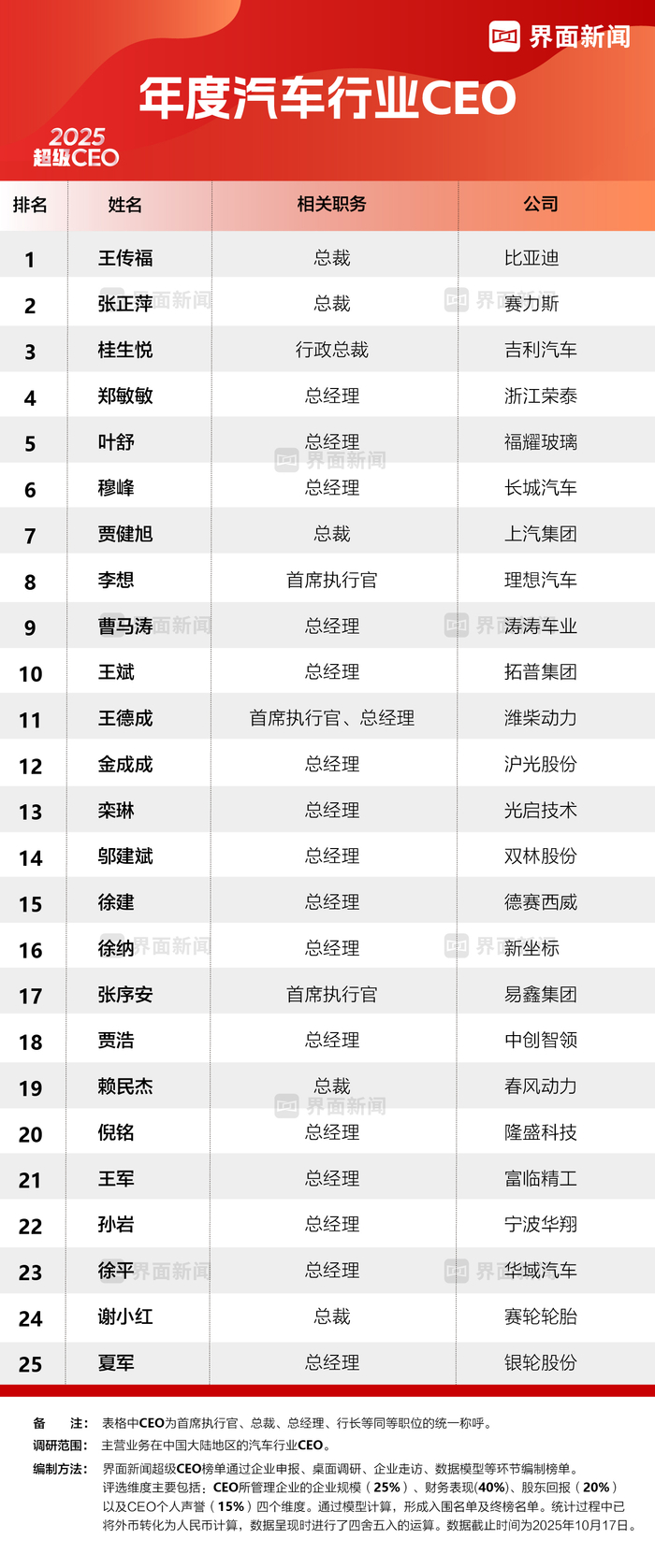
界面新闻发布2025年度汽车行业CEO榜单:比亚迪王传福、赛力斯张正萍、吉利汽车桂生悦位列前三
Xin Lang Cai Jing· 2025-12-16 08:10
Core Insights - The "Super CEO" list by Zhito Finance highlights outstanding leaders in the automotive industry, focusing on their financial growth and reputation, with BYD's Wang Chuanfu ranked first [1][12]. Industry Overview - The automotive industry in China, encompassing vehicles, parts, and services, is projected to produce and sell 31.28 million and 31.44 million units in 2024, reflecting year-on-year growth of 3.7% and 4.5% respectively, maintaining its position as the world's largest market for 16 consecutive years [2]. - In 2024, China's automotive exports are expected to reach 5.859 million units, marking a 19.3% increase, showcasing the industry's resilience amid global trade uncertainties [2]. New Energy Vehicles (NEVs) - NEVs are leading the transformation of the automotive industry, with production and sales expected to exceed 10 million units in 2024, achieving year-on-year growth of 34.4% and 35.5% respectively [3]. - NEV exports are projected to reach 1.284 million units, a 6.7% increase, as China strengthens its competitive edge in key overseas markets [3]. Automotive Parts Industry - The automotive parts sector is experiencing significant growth, with the demand for core components like batteries, motors, and electronic controls surging as NEV penetration exceeds 40% [4]. - In 2024, the installed capacity of power batteries is expected to grow by 47.6% to 531 GWh, with lithium iron phosphate batteries accounting for 69.2% of the total [4]. - The export value of automotive parts is anticipated to reach $105.61 billion, reflecting a 6.8% increase [4]. Intelligent Driving - The intelligent driving sector is witnessing rapid advancements, with consumer demand for safety and efficiency driving the adoption of L2 and higher autonomous driving features in mid-to-high-end vehicles [5]. - Technological breakthroughs in AI algorithms, automotive-grade chips, and high-precision mapping are laying a solid foundation for the industrialization of intelligent driving [5]. CEO Performance - The 25 CEOs on the list have demonstrated impressive performance, with median revenue growth of 23.3%, net profit growth of 31.42%, and return on equity of 15.35% [8]. - The average market capitalization of these companies is approximately 113.6 billion yuan, with 24 CEOs disclosing their 2024 salaries, the highest being 639.134 million yuan [8]. - The representation of post-80s CEOs has increased significantly, indicating a trend towards younger leadership in the automotive sector [8]. Notable CEOs - Wang Chuanfu of BYD leads the list, achieving sales of 4.2721 million units in 2024, with a revenue of 777.102 billion yuan, a 29.02% increase year-on-year [12]. - Zhang Zhengping of Seres has seen a remarkable revenue increase of over 305.04% to 145.176 billion yuan, with NEV sales rising by 182.84% [13]. - Li Xiang of Ideal Auto reported a revenue of 144.460 billion yuan, a 16.64% increase, and is focusing on expanding into the Middle East and Central Asia [14]. - Wang Bin of Top Group achieved a revenue of 26.6 billion yuan, growing by 35.02%, by implementing a Tier 0.5 platform strategy [15].




智驾股集体走强,北汽蓝谷涨停
第一财经· 2025-12-16 07:38
2025.12. 16 特斯拉(TSLA.US)也在自动驾驶领域迎来进展。12月15日,特斯拉涨幅一度超4%,股价创年内 新高,逼近历史高位488.54美元。12月14日,一名X用户拍摄到一辆特斯拉Model Y在奥斯汀街头 行驶的画面,车内似乎空无一人,甚至没有配备安全监督。随后,特斯拉CEO埃隆·马斯克对此回应 称,公司目前正在测试不配备人类安全员的无人驾驶出租车。 当前车企推出的智能驾驶功能普遍为L2级辅助驾驶。工信部数据显示,2025年前三季度,我国具备 组合驾驶辅助功能(即L2)的乘用车新车销量同比增长21.2%,渗透率已达到64%。 业内普遍认为,L3级是自动驾驶行业从辅助走向自动的分水岭。今年以来,L3智能驾驶相关政策加 速落地。今年9月份,工信部等八部门印发《汽车行业稳增长工作方案(2025-2026年)》,明确提 出推进智能网联汽车准入和上路通行试点,并首次写入"有条件批准L3级车型生产准入"。此次工信部 准入许可两款L3级自动驾驶车型,标志着我国自动驾驶技术发展逐步走向量产应用阶段。 此外,自动驾驶在法规层面也在今年迎来进展。7月23日,科技部公布的《驾驶自动化技术研发伦理 指引》称,2级 ...

智驾股集体走强,北汽蓝谷涨停
Di Yi Cai Jing· 2025-12-16 07:01
特斯拉(TSLA.US)也在自动驾驶领域迎来进展。12月15日,特斯拉涨幅一度超4%,股价创年内新 高,逼近历史高位488.54美元。12月14日,一名X用户拍摄到一辆特斯拉Model Y在奥斯汀街头行驶的 画面,车内似乎空无一人,甚至没有配备安全监督。随后,特斯拉CEO埃隆·马斯克对此回应称,公司 目前正在测试不配备人类安全员的无人驾驶出租车。 当前车企推出的智能驾驶功能普遍为L2级辅助驾驶。工信部数据显示,2025年前三季度,我国具备组 合驾驶辅助功能(即L2)的乘用车新车销量同比增长21.2%,渗透率已达到64%。 12月16日,智能驾驶相关公司资本市场表现活跃,北汽蓝谷(600733.SH)、多伦科技(603528.SH)、 路畅科技(002813.SZ)等涨停,长安汽车(000625.SZ)盘中一度涨超5%,赛力斯(601127.SH)、均 胜电子(600669.SH)、中科创达(300496.SZ)、德赛西威(002920.SZ)等均有上涨。 昨日,首批两款L3级自动驾驶车型获工信部准入许可,将在指定区域开展上路试点。这两款车型分别 为北汽蓝谷旗下极狐阿尔法S(L3)和长安汽车旗下深蓝SL03。 ...
“国产GPU第二股”沐曦股份将登陆科创板,人工智能AIETF(515070)持仓股德赛西威涨近4%
Mei Ri Jing Ji Xin Wen· 2025-12-16 05:47
Group 1 - The A-share market indices continued to decline in the afternoon, with the Shanghai Composite Index down 1.3%, the Shenzhen Component Index down 1.91%, and the ChiNext Index down 2.34% [1] - The largest AI ETF in the Shanghai market (515070) fell by 2.55% during the session, while its constituent stocks such as Desay SV, Kewo Si, and Junsheng Electronics led the gains, whereas stocks like Heheta, Zhongke Xingtou, and Cambricon Technologies led the losses [1] - Muxi Co., Ltd. announced that its stock will be listed on the Shanghai Stock Exchange's Sci-Tech Innovation Board on December 17, 2025, and will be included in the Sci-Tech Growth Tier due to its current unprofitability [1] Group 2 - The AI chip market is currently characterized by "GPU leading and ASIC rising," with general-purpose GPUs maintaining dominance in AI training and inference due to their strong parallel computing capabilities [2] - ASICs are experiencing rapid development due to their higher computational efficiency and energy efficiency in specific scenarios, with significant growth in shipment volumes [2] - The focus of the industry is shifting from individual chip performance to system-level solutions like "super nodes" for larger-scale computing power integration and efficient utilization [2]
智能网联汽车ETF(159872)涨近1%,首批L3级自动驾驶车型获准上路
Xin Lang Cai Jing· 2025-12-16 03:39
Group 1 - The core viewpoint of the news is that China's L3-level conditional autonomous driving vehicles have received official approval for commercial testing, marking a significant step towards commercialization in the industry [1] - The China Internet of Vehicles Theme Index (930725) has seen a rise of 0.91%, with notable increases in constituent stocks such as Wanjie Technology (300552) up by 20.02% and Haon Automotive (301488) up by 13.14% [1] - The Intelligent Connected Vehicle ETF (159872) has also increased by 0.92%, with the latest price reported at 0.99 yuan [1] Group 2 - According to Xinda Securities, the regulatory environment for intelligent connected vehicles in China is improving, with a notable increase in the penetration rate of advanced driving assistance systems (ADAS) [2] - In the first nine months of 2025, sales of L2++ and above models reached 3.643 million units, accounting for 38.65% of total sales, with domestic brands showing the fastest growth in L2 and above penetration rates [2] - The market for Robotaxi is projected to reach 270 billion yuan by 2030, while the value of the unmanned logistics vehicle industry is expected to increase to 594.8 billion yuan by the same year [2] - The top ten weighted stocks in the China Internet of Vehicles Theme Index account for 51.03% of the index, including companies like CATL (300750) and SAIC Motor (600104) [2]
2026年汽车总投资策略
2025-12-16 03:26
Summary of Automotive Industry Conference Call Industry Overview - The automotive industry is transitioning from electrification to intelligence in 2026, marking a critical shift influenced by technological innovation, changing consumer demographics, and preferences [1][2] - The passenger vehicle market is expected to maintain sales at approximately 23 million units in 2025, with a projected decline of 3.5% to 22 million units in 2026 [1][5] Key Insights and Arguments - The investment strategy for 2026 is characterized as "breaking the old and establishing the new," shifting focus from electrification to smart vehicles [2] - New brands such as Xiaopeng, Leapmotor, Huawei, and Xiaomi are expected to emerge in the automotive market, competing with Tesla and BYD [1][7] - The penetration rate of advanced intelligent driving in electric vehicles is anticipated to double to 40% by 2026 [9][10] Market Predictions - The export performance in 2025 exceeded expectations, particularly benefiting from the Russian market, with a forecast of double-digit growth in 2026, especially in the new energy sector, which is expected to grow by around 40% [8] - The overall automotive export volume is projected to decline by 3% to approximately 20 million units in 2026, with new energy vehicle sales expected to increase by 11% [8] Investment Recommendations - In the components sector, companies with high earnings certainty and involvement in robotics or liquid cooling, such as Top Group, Yilun Co., and Junsheng Electronics, are recommended for potential strong performance in the next three years [1][6] - For passenger vehicles, Yutong Bus is highlighted for its strong global competitiveness and potential for high stock price innovation, with a market value expected to exceed 100 billion [3][14] - In the heavy truck sector, companies like Weichai Power are suggested for their export potential, while the bus and motorcycle sectors are expected to see continued growth in exports of 20% and 17%, respectively [11][12] Long-term Trends - The integration of intelligence and robotics is seen as a significant development area, with a focus on companies that demonstrate solid performance and commercial potential [25] - The L4 level autonomous driving technology is expected to gain traction in 2026, with a focus on establishing a pricing system suitable for this technology [22][23] - Companies such as BYD, Xiaopeng, and Horizon are identified as key players in the smart automotive sector, with significant growth potential [24] Additional Considerations - The passenger vehicle market is expected to face challenges due to the withdrawal of local subsidies, but companies will still prioritize sales to maintain competitiveness [5] - The heavy truck sector is undergoing a technological transformation, with a focus on electric and natural gas trucks as core growth points [11][18] - The motorcycle market is projected to remain a viable option, driven by stable demand for larger displacement motorcycles and strong export performance [16][17] This summary encapsulates the key points from the automotive industry conference call, highlighting the transition towards smart vehicles, market predictions, investment strategies, and long-term trends.


【大涨解读】无人驾驶板块:L3准入+特斯拉无人测试落地,2026年将进入B端无人车商业模式跑通阶段,商业化拐点催生板块行情
Xuan Gu Bao· 2025-12-16 02:22
Core Insights - The autonomous driving sector experienced significant gains, with companies like Zhejiang Shibao and Beiqi Blue Valley hitting the upper limit of their stock prices, indicating strong market interest and investor confidence in this industry [1] Event Summary - On December 15, the Ministry of Industry and Information Technology announced the first batch of L3 conditional autonomous driving vehicle permits in China, allowing Changan and Arcfox models to conduct road trials in designated areas of Chongqing and Beijing, marking a shift from testing to commercial application [3] - On the same day, Tesla launched its no-driver Robotaxi testing in Austin, USA, with the Model Y achieving fully autonomous operation, and plans to expand the fleet to 500 vehicles by year-end, currently operating 31 [3] - Multiple cities are accelerating the implementation of smart driving policies, with Beijing, Shenzhen, and Shanghai granting L4 road rights, and the Ministry of Industry and Information Technology expected to release a draft for national standards on L3-L4 by Q4 [3] Institutional Analysis - The approval of L3 vehicles signifies a transition in China's smart driving from "testing and validation" to "compliant mass production and controlled road use," which will accelerate the commercialization process of the industry. The three-pronged management model of "product access + user subject + operational area" provides a clear path for other automakers to follow, with 2026 anticipated as a critical year for L3 mass production [4] - The simultaneous advancement of high-level intelligent driving in China and the US creates a dual catalytic effect. The clear legal responsibilities established by China's L3 approval reduce social risks and regulatory uncertainties, while Tesla's fully autonomous testing validates the feasibility of L4 technology, shifting the industry focus from engineering challenges to commercial viability [4] - By 2026, leading automakers are expected to achieve over 30% growth in revenues related to intelligent driving, benefiting algorithm suppliers and core hardware companies as vehicle production ramps up. Long-term, smart vehicles are projected to reshape the automotive mobility market, establishing a new valuation system based on "intelligent entity revenue capacity = ownership × capability level" [5] - The rollout of L3 technology will create incremental opportunities in the automotive testing and hardware sectors, with increased demand for testing of smart driving vehicle permits. The penetration rates of core components like steer-by-wire and domain controllers are expected to grow rapidly, with the steer-by-wire market projected to increase by over 150% year-on-year by 2026 [5]
首批L3级自动驾驶车型获准入许可,智能汽车ETF基金、智能汽车ETF、智能驾驶ETF、智能车ETF上涨
Ge Long Hui A P P· 2025-12-16 02:04
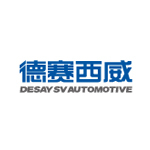
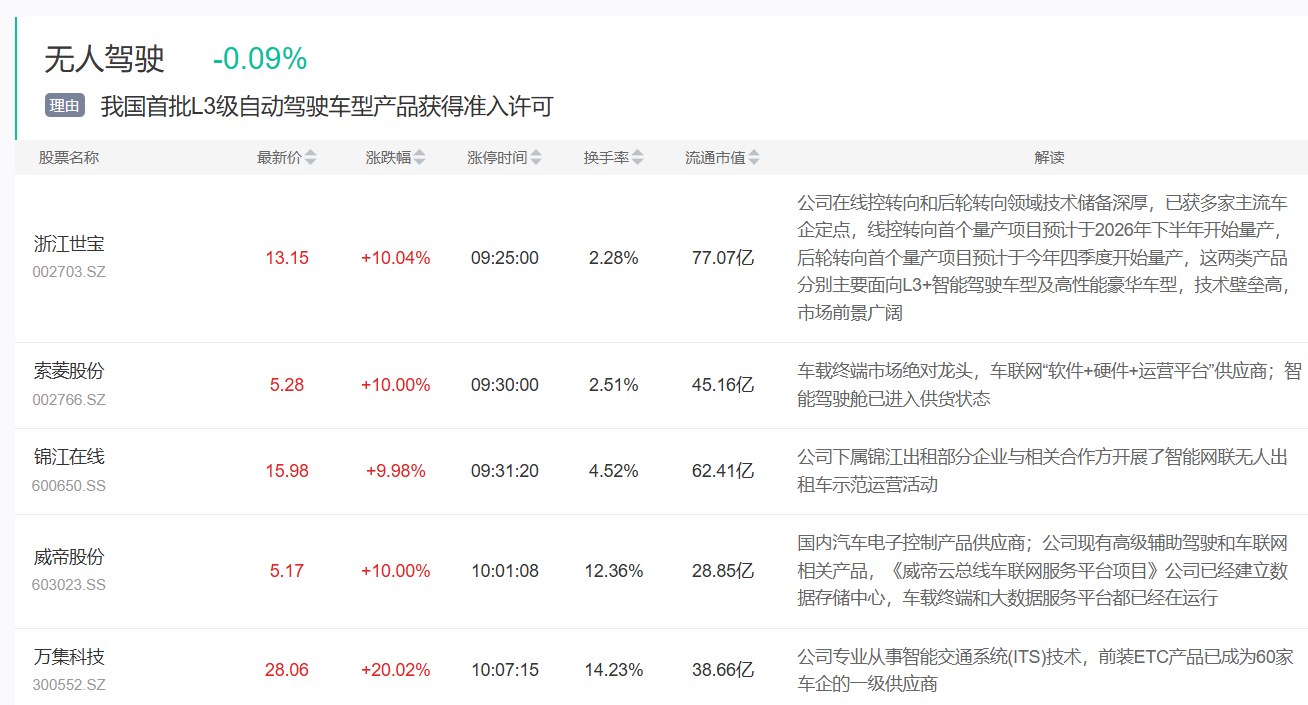
Group 1 - The A-share market opened lower, while the smart driving concept stocks saw significant gains, with Wanji Technology hitting the 20% limit up and Zhejiang Shibao and Suoling Co. also reaching the limit up [1] - The smart car ETFs have shown strong performance, with year-to-date increases exceeding 15%, indicating a growing interest in the smart automotive sector [1][2] Group 2 - The Ministry of Industry and Information Technology has approved two L3-level autonomous driving vehicle models, which will be tested on specific roads in Chongqing and Beijing [3] - The approved models include a Changan electric sedan capable of autonomous driving at speeds up to 50 km/h in congested traffic and an Aiways electric sedan capable of 80 km/h on designated highways [3] - This approval marks the official entry of China into the L3 autonomous driving era, presenting new business opportunities for automotive testing and hardware sectors [4] Group 3 - The automotive industry is expected to experience high-quality development driven by policies supporting high-end, intelligent, and globalized growth, with projected sales exceeding 34 million vehicles in 2025 [4] - Domestic brands have captured 65% of the retail market share, a 5.5 percentage point increase from the previous year, with new energy vehicles accounting for a 50.7% penetration rate [4] - By 2026, the automotive market is anticipated to shift towards high-quality development, with projected passenger vehicle sales reaching approximately 31.1 million units [4]