
优衣库

Search documents
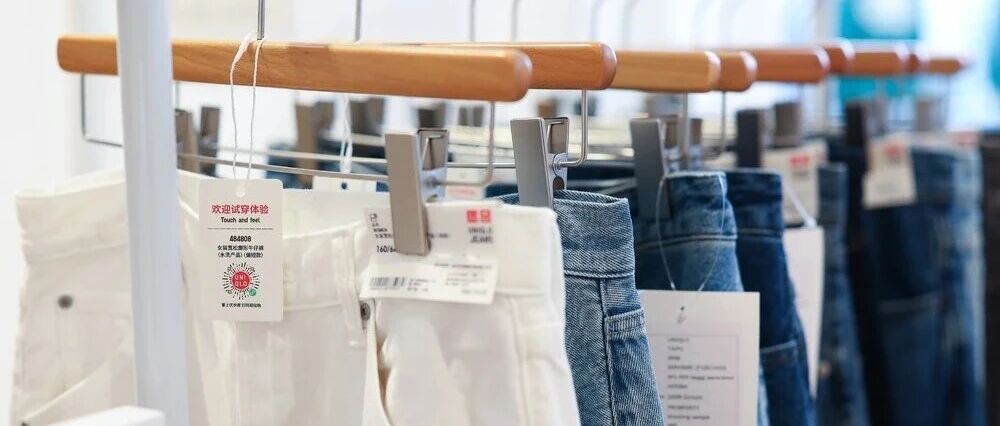
让裤子不挑人,优衣库做对了什么?
虎嗅APP· 2026-01-17 09:01
Core Insights - The article highlights a growing discomfort among individuals regarding their clothing, particularly pants, due to lifestyle changes and the challenges of finding well-fitting options [2][3] - The demand for pants that accommodate various body types and activities has increased, leading to a shift in consumer expectations towards comfort and fit [6][8] Group 1: Consumer Trends and Challenges - The discomfort experienced by individuals has become a widespread sentiment, particularly focused on pants, which must fit well in various physical activities [3][5] - The complexity of designing pants is emphasized, as they must fit well both when stationary and during movement, making them a challenging garment to perfect [5][6] - The rise of e-commerce and social media has created a paradox where consumers face overwhelming choices yet struggle to find the right fit, leading to high return rates for pants [5][8] Group 2: Brand Response and Innovation - Uniqlo has positioned itself to address the common issues consumers face when purchasing pants, focusing on creating well-fitting options rather than chasing fleeting trends [10][25] - The success of Uniqlo's "bend pants" series illustrates the brand's commitment to understanding and solving real consumer pain points, leading to a product that appeals to a broad audience [18][19] - Uniqlo's approach involves extensive research and development, utilizing consumer feedback and data to continuously improve their pants offerings [22][24] Group 3: Product Development and Design - The article discusses Uniqlo's systematic approach to pants design, which includes a focus on fit, fabric, and finish, ensuring that their products meet diverse consumer needs [22][30] - The introduction of a full-size range allows Uniqlo to cater to a wider audience, addressing the complexities of body shapes and sizes [37][38] - Uniqlo's commitment to a "LifeWear" philosophy emphasizes a human-centered design approach, ensuring that clothing is tailored to fit the diverse lifestyles of consumers [42][43]

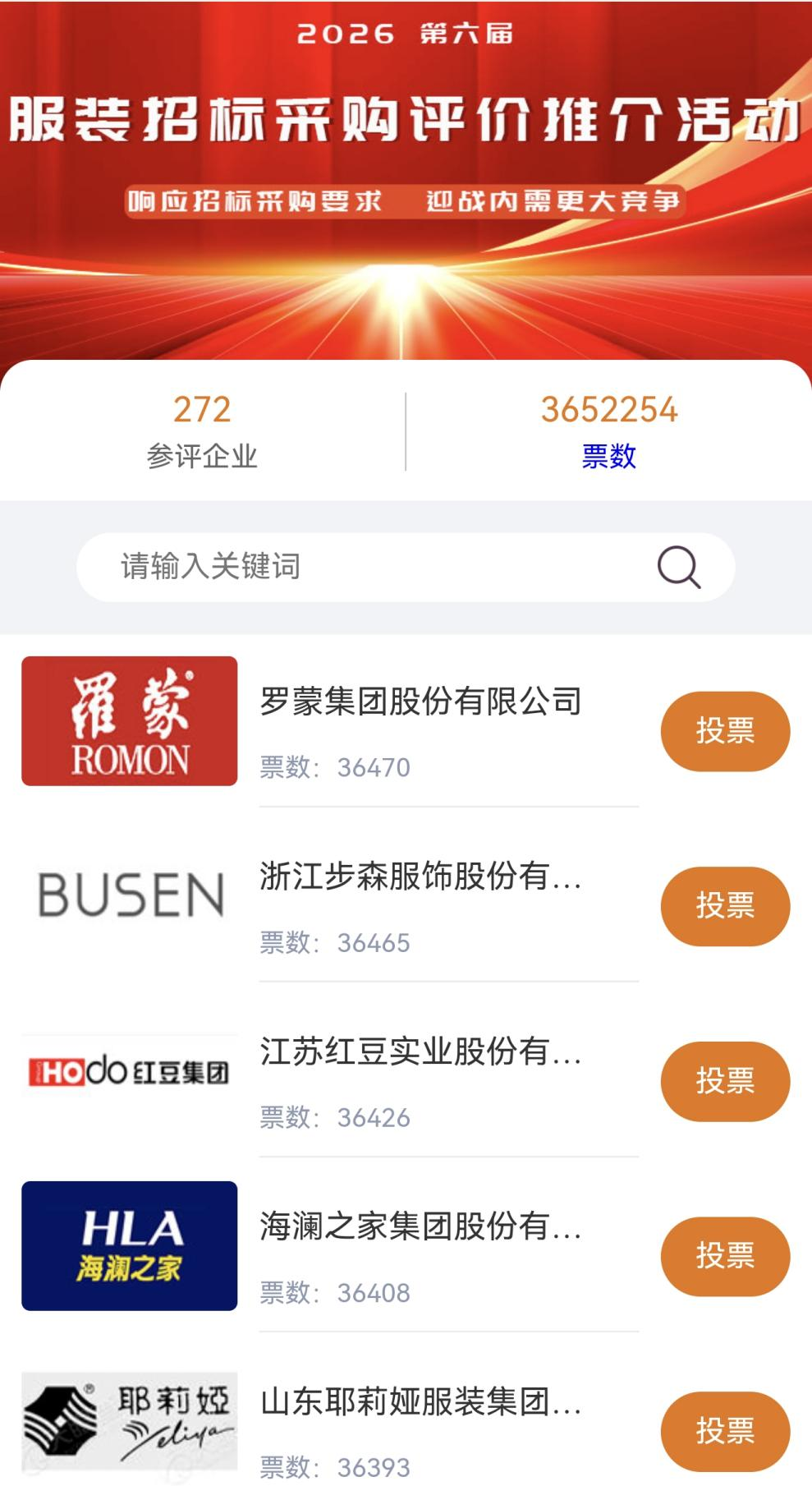
2026(第6届)服装招标采购评价推介活动第二期情况通报
Sou Hu Wang· 2026-01-16 10:28
Industry Overview - The current competition in the Chinese apparel brand market is characterized by a "multi-layered, fast iteration" complex landscape, with traditional boundaries being continuously broken [1] - The competition landscape is diversified, consisting of several core camps: international fast fashion giants (e.g., Uniqlo, ZARA), domestic casual brands (e.g., HLA, Peacebird), sports functional brands (e.g., Anta, Li Ning), high-end design and luxury brands, and numerous online-native brands (e.g., SHEIN, Bosie) [1] - The focus of competition has shifted from channel scale to a deep contest of "brand value + flexible supply chain + digital retail," emphasizing brand culture narrative, consumer emotional connection, data-driven supply chain speed, and conversion efficiency in omnichannel marketing [1] - The industry faces "pressure from both ends," with the high-end market pursuing spiritual value and the mass market focusing on extreme cost performance, while new opportunities are emerging in sustainable fashion, technological materials, and gender-neutral dressing [1] Company Highlights - **Romon Group Co., Ltd.**: Founded in 1984, it is a leading enterprise in the Chinese apparel industry, known for men's suits and has diversified into leisurewear and women's clothing, while also engaging in real estate and international trade [6] - **Jiangsu Busen Garments Co., Ltd.**: A well-known company in the men's clothing sector, focusing on high-quality business attire and maintaining a strong market presence through continuous channel optimization and product innovation [7] - **Jiangsu Hongdou Industrial Co., Ltd.**: Established in 1995, it emphasizes innovation and digital transformation, with a strong brand culture and a commitment to high-quality products across various clothing lines [8] - **HLA Group Co., Ltd.**: A leading fashion enterprise in the A-share market, known for its unique "platform + brand" business model and strong supply chain management, aiming for digital transformation and brand upgrades [9] - **Shandong Yeliya Garment Group Co., Ltd.**: Specializes in professional and high-end custom clothing, known for its complete industry chain and high-quality service in various sectors [10] - **Shandong Ru Yi Technology Group**: A globally recognized innovative textile enterprise with a focus on high-end, technological, and brand-oriented strategies, boasting a complete textile and apparel industry chain [11] - **Jihua 3502 Garment Co., Ltd.**: A leading company in the production of professional uniforms and military supplies, known for its high-quality standards and significant role in national defense [12] - **Beijing Dahuatian Tan Garment Co., Ltd.**: Focuses on industry uniforms and high-end custom clothing, maintaining a strong reputation for quality and service [13] - **EVE Group Co., Ltd.**: A prominent fashion brand group that emphasizes high-end men's clothing and innovative marketing strategies, integrating traditional craftsmanship with modern fashion [14] - **Fuzhou Chunhui Garment Co., Ltd.**: A modern apparel enterprise specializing in knitwear and casual clothing, known for its efficient supply chain and quality control processes [15]


电商龙头加码“广货行天下” 以“跨境电商+产业带”赋能广东制造全球突围
Zheng Quan Shi Bao Wang· 2026-01-16 07:50
Group 1 - Guangdong is the leading province in cross-border e-commerce in China, actively promoting "Guangdong manufacturing" to global markets through initiatives like SHEIN's "Guangdong Goods Going Global" spring action plan [1][2] - SHEIN's strategy focuses on empowering industries and promoting brand globalization, leveraging its flexible supply chain and digital innovation to enhance the competitiveness of Guangdong's characteristic industrial belts [1][2] - The cross-border e-commerce model combined with industrial belts has shown significant results, with Guangdong's cross-border e-commerce import and export scale expanding 66 times over nine years, accounting for over one-third of the national total [2] Group 2 - SHEIN has implemented a "500 Cities Industrial Belt Going Global Plan," covering nearly 400 cities across China, with all 21 cities in Guangdong included, establishing the province as a model for industrial belt globalization [2] - The company's global influence is rising, with projections indicating that by 2024, SHEIN will surpass major brands like ZARA and H&M to become the third-largest fashion retailer globally, following Nike and Adidas [2] - SHEIN's investment of over 10 billion yuan in logistics has accelerated the development of a smart supply chain network in the Guangdong-Hong Kong-Macao Greater Bay Area, enhancing regional logistics capabilities [2] Group 3 - SHEIN addresses traditional apparel industry challenges by utilizing digital tools, flexible supply chain models, and technological innovations to drive digitalization, intelligence, and sustainability in the industry [3] - The company provides free access to evolving digital tools for factories, enabling precise and transparent information flow across the entire production chain, thus addressing high inventory risks [3] - SHEIN is advancing innovations in sewing tools, digital printing techniques, and sustainable materials, contributing to the industry's green transformation and enhancing its overall value [3] Group 4 - A factory owner in Guangzhou benefited from SHEIN's digital systems, which improved production efficiency by 40% and allowed for real-time monitoring of market demands, leading to significant growth in order stability [4] - The factory expanded from a few hundred square meters to 9,000 square meters, exemplifying the successful digital transformation of Guangdong's manufacturing sector [4] - SHEIN aims to deepen collaboration with Guangdong's industrial belts, using technological and model innovations to further enhance the global brand presence and value of Guangdong goods [4]
银发消费崛起成主流,足力健如何定义老龄市场新赛道
Sou Hu Cai Jing· 2026-01-16 01:43
Core Insights - The market for older consumers in China is rapidly expanding, with projections indicating that by the end of 2024, the population aged 60 and above will reach 310 million, accounting for 22% of the total population [1] - Brands that ignore the silver-haired demographic risk missing out on significant market opportunities, as evidenced by the success of companies like Uniqlo and local brands like 足力健 (Zulijian) [3][8] Group 1: Market Trends - Japan's consumer market has already experienced a shift towards older demographics, with brands like Uniqlo targeting consumers aged 45 and above, focusing on comfort and value rather than trendy designs [3] - The silver-haired population in China, particularly the "active elderly" aged 50-65, is becoming a key consumer group, with stable incomes and a willingness to spend on quality products [3][6] Group 2: Brand Case Study - 足力健 - 足力健 has successfully transformed the "elderly shoe" category from a niche market to a mainstream choice, addressing specific needs such as foot comfort and safety for older adults [4][6] - The brand has achieved significant growth, becoming the top seller of elderly shoes in China for five consecutive years, with a brand value exceeding 13.5 billion yuan and nearly 3,000 physical stores nationwide [6] Group 3: Consumer Behavior - Younger consumers are increasingly gravitating towards practical and comfortable products, as seen with 足力健's shoes, which are gaining popularity among younger demographics for their comfort and utility [7] - This shift in consumer behavior reflects a broader trend where practicality and comfort are prioritized over brand-driven trends, indicating a rational return to core consumer needs [7][9] Group 4: Economic Implications - The silver economy in China is currently valued at approximately 7 trillion yuan, projected to grow to 30 trillion yuan by 2035, representing a significant portion of GDP [8] - The silver-haired demographic not only consumes for themselves but also influences family purchasing decisions, further amplifying their market impact [8]
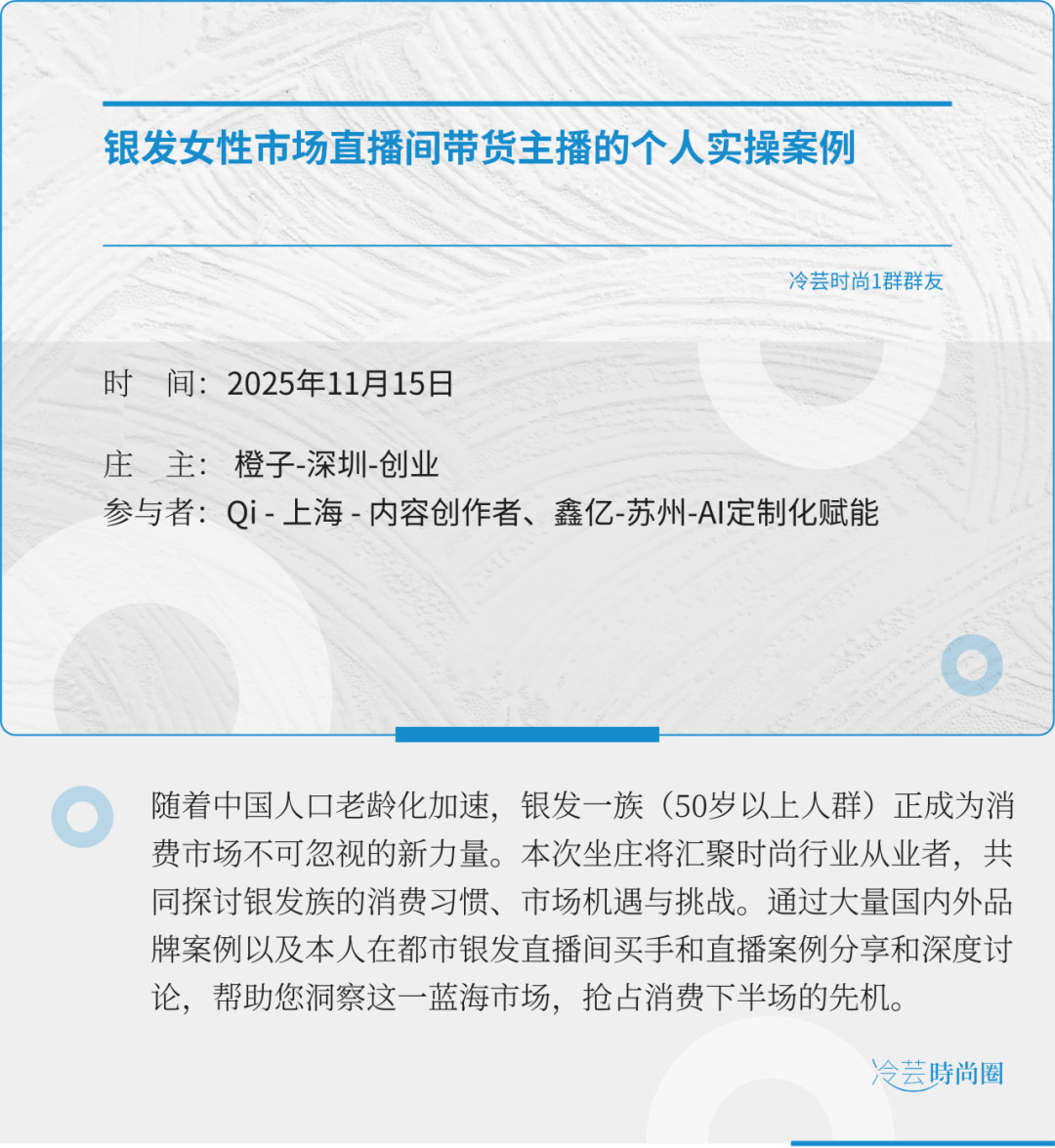
女装市场|银发女性市场直播间带货主播实操案例分享
Sou Hu Cai Jing· 2026-01-16 01:21
Core Insights - The aging population in China, particularly those aged 50 and above, is becoming a significant consumer force in the market, presenting both opportunities and challenges for businesses targeting this demographic [1][5]. Group 1: Characteristics of the Silver-Haired Consumer Market - The silver-haired demographic is diverse, with varying consumption capabilities influenced by factors such as retirement income, which can range from a few hundred to over 8,000 yuan per month [6]. - Consumption habits among the elderly can be segmented by region, city, and education level, similar to younger demographics, due to the large population base and significant differences in financial capacity [6][8]. Group 2: Consumption Behavior and Preferences - Some elderly women prefer offline shopping for the ability to try on clothes, while others are open to online purchases, especially through live streaming, where they can make quick decisions based on visual appeal [8][10]. - The live streaming audience for the host's channel includes a wide range of consumers from first-tier to lower-tier cities, who may not have access to the brands sold in their local stores [8][10]. - The consumption motivation for the audience is often driven by the appeal of the host's outfit combinations, leading to impulsive purchases during live streams [8][9]. Group 3: Market Size and Challenges - The silver-haired demographic faces high return rates in fashion e-commerce, often due to issues like color discrepancies and sizing problems, with women's clothing return rates averaging around 80% [10][11]. - Many elderly consumers are susceptible to scams in live streaming, often lured by low-priced products that may not meet quality expectations [10][11]. Group 4: Brand Preferences and Market Trends - Popular brands among the silver-haired demographic include those that offer stylish options without the "elderly" stigma, such as Uniqlo and Skechers, which appeal to their desire for quality and design [15][16]. - The decline in sales for brands like 足力健 (Aolijian) indicates a shift in preferences, as more elderly consumers seek fashionable and comfortable alternatives available through e-commerce platforms [13][15]. Group 5: Live Streaming and Influencer Impact - Successful KOLs (Key Opinion Leaders) in the silver-haired market have amassed significant followings, with some achieving sales figures in the millions during live streams [19][20]. - The effectiveness of live streaming as a sales channel is enhanced by the frequency and duration of broadcasts, with longer sessions often leading to higher engagement and sales [22][23].
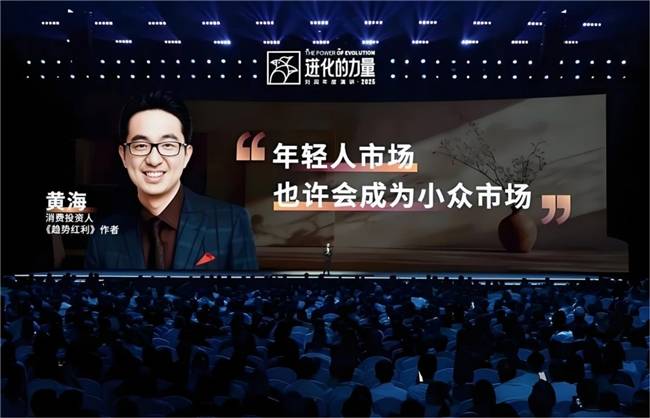
中国消费走出新赛道,跳出日本低欲望陷阱,升级逻辑藏惊喜
Sou Hu Cai Jing· 2026-01-15 09:53
Core Insights - The recent discussions around the book "In the Light of Day" highlight concerns about whether China's consumption will fall into a "low-desire" trap similar to Japan's "lost thirty years" [1] Group 1: Consumption Trends - The China Online Consumption Brand Index (CBI) reached 62.65 in Q3 2025, marking a 4.4% increase from the same period in 2023 and a 0.92% increase from 2024, indicating a consistent quarterly growth since 2023 [4] - The CBI focuses on the proportion of high-quality brand purchases, reflecting a shift in consumer preferences towards quality over mere availability [4] - Japanese consumers, often labeled as "low-desire," are also exhibiting similar trends, with a notable presence of new local brands in the fashion market, indicating a preference for design and craftsmanship [6] Group 2: Consumer Behavior - Consumers are becoming more discerning, comparing prices for necessities while being willing to spend on items that provide emotional value [8] - In China, brands like DJI and Pop Mart have entered the top 10 of the CBI 500 list without engaging in price wars, demonstrating a focus on quality and brand value [9] - The Z generation is prioritizing experiential purchases, with travel-related spending accounting for 36.9% of emotional consumption, surpassing traditional material goods [13] Group 3: Market Dynamics - The consumption upgrade in China is supported by strong supply chains and platforms, allowing for rapid product iteration and innovation [16] - Major e-commerce platforms like Taobao and JD.com are shifting their focus towards quality content and brand value, facilitating the entry of new brands and innovative products [18] - The CBI index's characteristics of "month-on-month decline, year-on-year increase" suggest a stable brand foundation, with consumers concentrating on high-value brands during promotional periods [20]

波司登86克充绒量羽绒服卖2299元引争议 高端化战略下的性价比陷阱?
Xi Niu Cai Jing· 2026-01-13 08:45
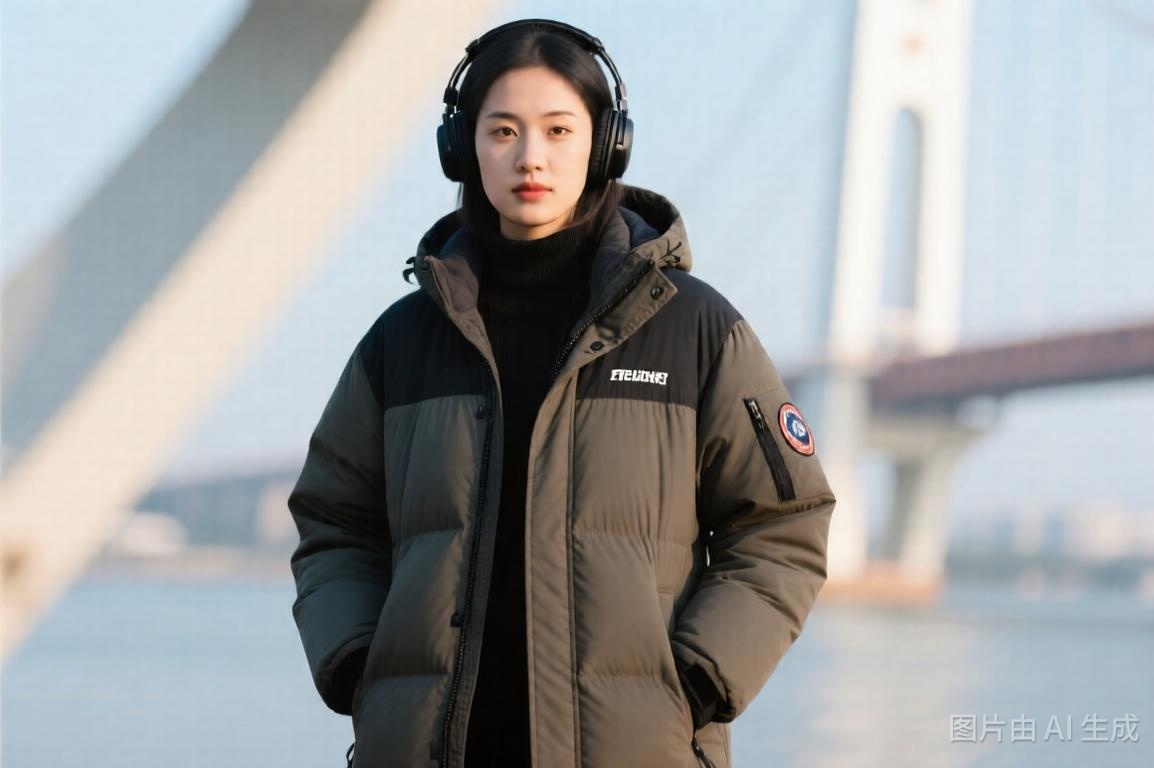
Core Insights - A consumer in Jiangsu criticized Bosideng for the high price of a business series down jacket, priced at 2099 yuan, which has a low filling weight of only 86 grams, questioning the brand's premium pricing strategy [2] - Bosideng's high-end transformation aims to shed its "cost-performance" label and align with international luxury brands like Moncler and Canada Goose, evidenced by collaborations and acquisitions [2][3] - Despite Bosideng's efforts, market data shows that nearly 80% of Chinese down jacket consumers prefer prices below 1200 yuan, indicating a mismatch between the brand's high-end positioning and consumer willingness to pay [3] Company Strategy - Bosideng has launched high-end products, such as the AREAL series in collaboration with Kim Jones, and has acquired the Canadian luxury down brand Moose Knuckles to enhance its market position [2] - The company reported record revenues of 25.9 billion yuan and a net profit of 3.5 billion yuan for the fiscal year 2024/25, marking eight consecutive years of historical highs [2] Market Competition - The competitive landscape is intensifying, with outdoor brands like The North Face and Columbia increasing market investments, while fast fashion brands like Uniqlo and ZARA leverage supply chain advantages to capture the mass market [3] - Only 32% of surveyed consumers believe Bosideng's "Dengfeng series" can compete with Moncler and Canada Goose, highlighting the challenges in establishing a premium brand perception [3][4] Brand Positioning - Unlike Moncler, which relies on a century of craftsmanship and brand storytelling, and Canada Goose, which emphasizes extreme performance and scarcity, Bosideng's high-end strategy requires a new supporting narrative to resonate with consumers [4]
服饰鞋履卷设计,家居内衣“拼体感”|世研消费指数品牌榜Vol.96
3 6 Ke· 2026-01-12 06:12
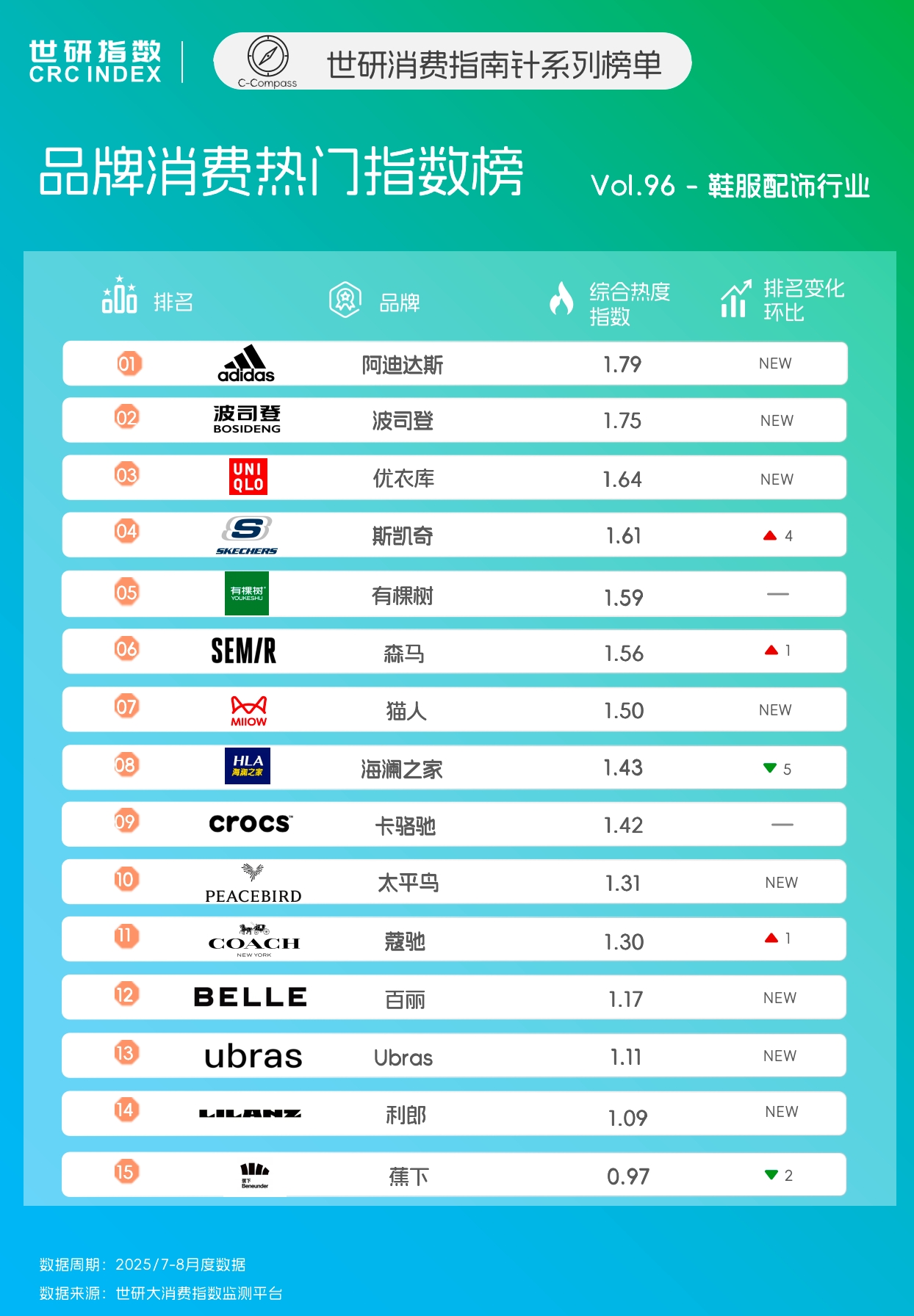
Group 1: Industry Trends - The footwear and apparel industry is undergoing a transformation from "external expression" to "internal experience," with a diverse consumption pattern that includes both basic styles and design-oriented products [1] - Brands are leveraging cultural integration to break into high-end markets, while the innerwear and homewear segments are driven by both technological experiences and emotional values [1] - As competition shifts from functionality to emotional and lifestyle aspects, brands must build an irreplaceable connection with consumers [1] Group 2: Brand Performance - Adidas, Bosideng, and Uniqlo lead the comprehensive popularity index with scores of 1.79, 1.75, and 1.64 respectively [4][5] - The demand for high-cost performance basic items and comfortable products with design elements is strong among consumers, particularly for brands like Uniqlo and Semir [5] - Taiping Bird has launched a high-end series that combines New York ready-to-wear language with Eastern aesthetics, targeting younger consumers born in the 1980s and 1990s [5] Group 3: Footwear Segment Insights - Young consumers are no longer satisfied with just durable shoes; they seek comfort and aesthetics, using footwear to express emotions and identity [5] - Belle, a mature national brand, connects product functionality with emotional values and has expanded into the "fashion leisure" segment, creating memorable shoe models that resonate with users [5] Group 4: Homewear and Innerwear Innovations - The focus in homewear and innerwear consumption is shifting from external design to internal experience, with "perceptible technology" becoming a key factor [6] - Brands like Catman and Ubras are innovating by emphasizing technological advancements and emotional connections, with Catman focusing on "tech innerwear" and Ubras promoting a "female value co-builder" concept [6] - Ubras has upgraded its signature breast health initiative and opened a "Comfort Aesthetics Collection Store," enhancing its offline presence and high-end experience [6]


快时尚集体转向户外
Bei Jing Shang Bao· 2026-01-11 13:13
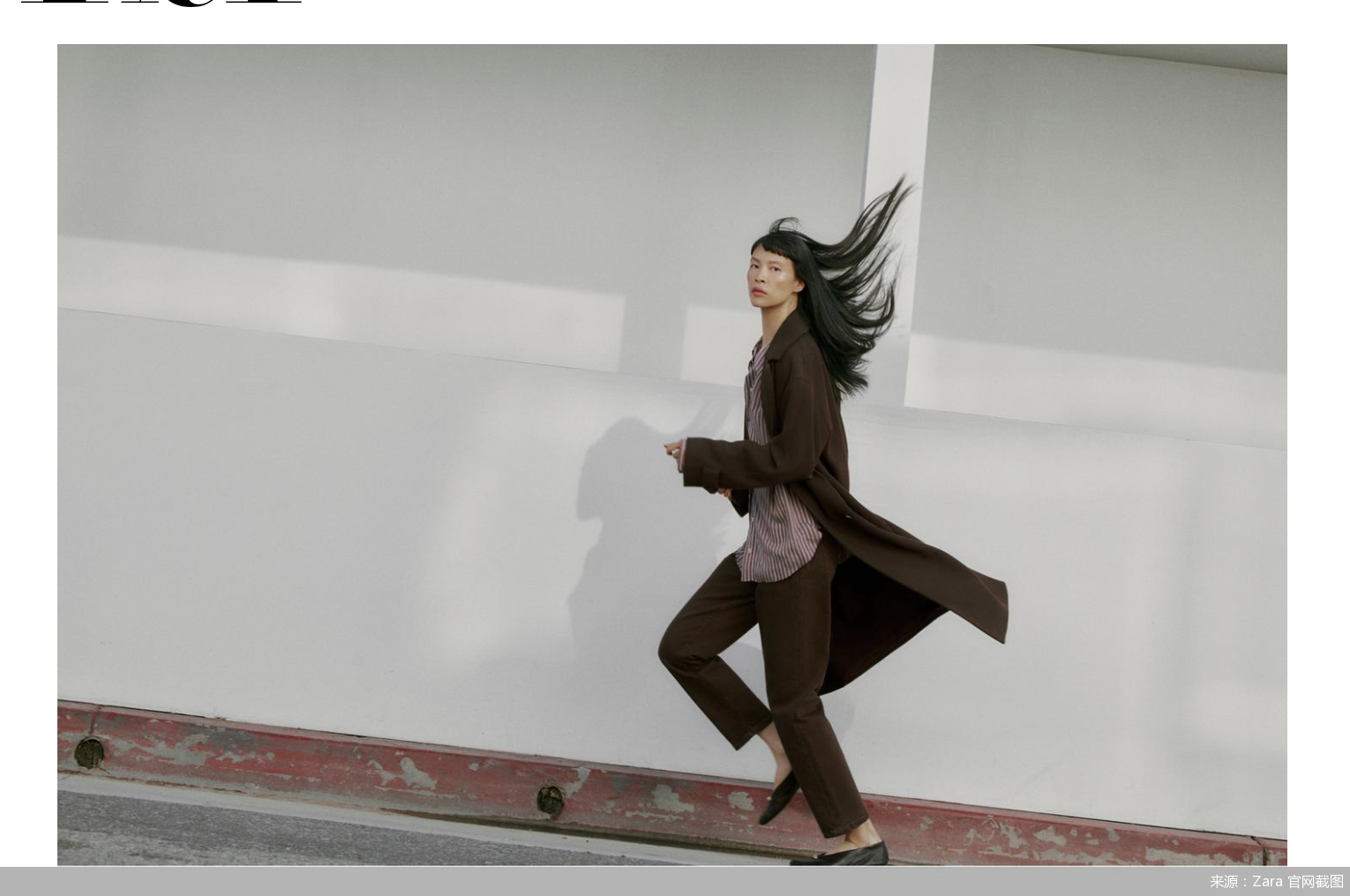
Core Insights - Zara is expanding into new growth areas by launching trail running shoes, moving from fast fashion to outdoor sports [1][3] - Other brands like Uniqlo and Gap are also venturing into the outdoor sports sector, indicating a trend where the boundaries between sports and leisure are blurring [1][6] Product Launch and Features - Zara's trail running shoes feature a non-slip sole and a 7mm drop design, emphasizing grip and stability, priced at 549 yuan, making them accessible to ordinary consumers [3][4] - The shoes incorporate breathable knitted uppers, durable Shield Protect Max material, SPUME Foam V3 midsole, and removable Ortholite insoles, weighing approximately 290 grams [3][4] Market Trends - The outdoor apparel market is projected to grow to over $30 billion by 2034, with a compound annual growth rate exceeding 7% [6] - Tmall's outdoor category saw significant growth, with a 268% increase during the 2025 Double 11 shopping festival, indicating strong consumer demand [6] Competitive Landscape - Fast fashion brands like H&M and Uniqlo are also launching outdoor lines, with H&M introducing softshell jackets and Uniqlo updating its "light outdoor" products each season [6][7] - The entry of fast fashion brands into the outdoor market reflects a broader trend of outdoor activities becoming mainstream, although it poses challenges in balancing fashion and functionality [4][7] Strategic Implications - Zara's move into the outdoor sports sector aligns with the trend of casualization in sportswear, targeting non-professional outdoor enthusiasts and filling a price gap left by specialized brands [3][4] - Experts suggest that while the outdoor market presents growth opportunities, fast fashion brands must navigate the challenges of product functionality versus style to succeed [4][7]
专访yehyehyeh创新社创始人叶晓薇:2026,可持续时尚告别“漂绿”,走向“深绿”
Xin Lang Cai Jing· 2026-01-10 08:10
Core Insights - The year 2025 marks a pivotal point for the global fashion industry, transitioning sustainable fashion from a marketing add-on to a necessity for survival in the mainstream market due to the enforcement of the EU's Sustainable Product Ecodesign Regulation (ESPR) and various anti-greenwashing laws [1][2] Group 1: Changes in ESG Practices - The fashion industry is shifting from vague carbon reduction promises to comprehensive data-driven carbon management across the entire supply chain, driven by the upcoming ESPR [2][3] - The adoption of circular economy practices, particularly textile-to-textile (T2T) innovations, is becoming a major focus, with significant collaborations emerging to integrate new materials into supply chains [2][3] - The industry's mindset is evolving from merely increasing the production of preferred materials to enhancing the underlying production systems, which is crucial for making a real environmental and social impact [3] Group 2: Regulatory Pressures and Transparency - Recent policies are pushing the fashion and textile industry’s ESG requirements from voluntary practices to mandatory compliance, with the EU's Consumer Empowerment Directive and Green Claims Directive establishing stricter standards for environmental claims [3][4] - Fast fashion platforms like Shein and Temu are now facing systemic external pressures that require transparency, compliance, and verifiability, necessitating significant investments in certification systems and digital disclosures [4][5] Group 3: Consumer Engagement and Market Trends - There is a notable shift in consumer focus from single material considerations to deeper supply chain decarbonization and circular models, as regulations demand full lifecycle information disclosure [5][6] - The phenomenon of "green hushing" is emerging, where brands are opting for silence on their sustainability efforts due to regulatory pressures, which could lead to a lack of transparency and consumer awareness [5][6] - Brands are increasingly collaborating with suppliers to provide green energy, indicating a shift towards collaborative decarbonization efforts across the entire supply chain [6][7] Group 4: Future Trends in Sustainable Fashion - The three key trends anticipated in the ESG space for the fashion industry over the next three years are circular economy, collaborative intelligence (AI), and nature-based solutions (NbS) [8][9][10] - Circular economy practices are seen as essential for addressing resource depletion and waste crises, while AI and digital tools are necessary for efficient management of complex supply chain data [9][10] - Nature-based solutions emphasize the importance of regenerative agriculture and biodiversity protection as foundational elements for restoring the relationship between the fashion industry and the planet [11]