
俄罗斯天然气工业股份公司

Search documents
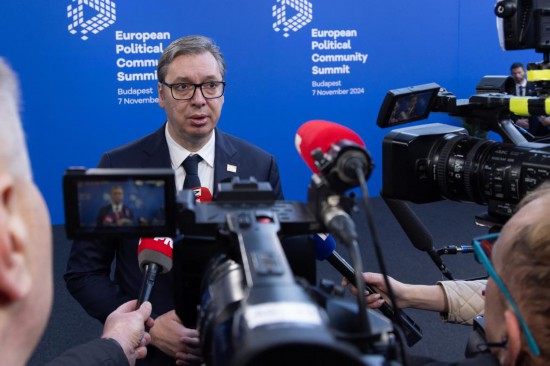
塞尔维亚唯一炼油厂面临停运 武契奇:美对俄制裁恐殃及塞民生
Xin Hua She· 2025-11-26 03:12
Group 1 - Serbian President Vucic stated that the NIS refinery, controlled by Russian enterprises, will cease operations within four days if the US does not lift sanctions, which could lead to significant economic troubles for Serbia [1][4] - NIS is currently facing difficulties due to a lack of crude oil supply, with Vucic emphasizing that the sanctions imposed on Russia are adversely affecting Serbia [1][3] - NIS produces approximately 80% of Serbia's fuel market, making it critical for the country's energy security, and experts warn that relying solely on imports will not save NIS from potential bankruptcy [3][4] Group 2 - Serbia has sufficient fuel reserves to meet short-term energy needs, with diesel reserves at 55,000 tons and gasoline reserves at 50,000 tons, expected to last until the end of December [3] - The Serbian government has approved the import of 38,000 tons of gasoline and 66,000 tons of diesel as part of national reserves [3] - The US Treasury Department imposed sanctions on the Russian oil industry affecting NIS, with the sanctions taking effect on October 9, and the US is seeking a complete withdrawal of Russian investment from NIS [4]

调研速递|金洲管道接受华福证券调研 氢能管道项目年输氢10万吨 合资机器人公司将亮相行业大会
Xin Lang Cai Jing· 2025-11-24 09:28
Core Insights - The company is actively engaging in investor relations activities, focusing on specific target research and strategic partnerships in the robotics and hydrogen sectors [1][2]. Group 1: Company Overview and Strategic Initiatives - The company specializes in a range of products including hot-dip galvanized steel pipes, high-frequency welded pipes, and stainless steel pipes, serving various industries such as water supply, gas transmission, and construction. It maintains a strong financial position with low debt and ample liquidity, outperforming industry averages [1]. - A joint venture, Jinzhou Tianchuang, is set to launch, focusing on industrial inspection in harsh environments, leveraging advanced navigation and control technologies [1][2]. - The company has successfully secured a contract for a long-distance hydrogen pipeline project, which is designed to transport 100,000 tons of hydrogen annually, marking a significant step in the development of green hydrogen infrastructure in China [3]. Group 2: Second Main Business Strategy - The company has outlined five criteria for selecting its second main business, emphasizing alignment with national strategic emerging industries, technological advantages, and the potential for workforce skill enhancement [4]. - The investment strategy involves a "dual-wheel drive" approach, prioritizing mergers and acquisitions of companies with existing orders and establishing industry funds to invest in high-quality upstream and downstream targets [4]. Group 3: Other Important Developments - The company is monitoring the progress of the China-Russia-Mongolia natural gas pipeline project for potential business opportunities and has established a branch in墨脱 to enhance its competitive edge in major infrastructure projects [4][5]. - The company is also expanding its presence in the nuclear energy sector by promoting its welding steel pipes for nuclear applications, aligning with industry demands [5].


俄哈提升双边关系强化能源合作
Jing Ji Ri Bao· 2025-11-21 22:45
Core Points - The visit of Kazakhstan President Tokayev to Russia and the signing of the declaration elevates the bilateral relationship to a comprehensive strategic partnership and alliance level, marking a new stage in Russia-Kazakhstan relations [1][2] - The declaration emphasizes mutual support in the face of global challenges and outlines specific paths for cooperation in political security, economic integration, knowledge-intensive industries, and cultural exchanges [1][2] Economic Cooperation - The bilateral trade volume is projected to reach $28.7 billion in 2024, with a diversified trade structure and over 96% of transactions conducted in local currencies [2] - Both countries are advancing cooperation in investment, energy, automotive, agriculture, and fertilizer production, while exploring new areas such as chemicals and rare earth mining [2] - The declaration includes plans to deepen cooperation in the energy sector, covering oil, gas, coal, and electricity, ensuring the smooth transportation of energy resources [2][3] Energy Sector Focus - Natural gas cooperation is prioritized, with plans to enhance gas supply projects in northern and eastern Kazakhstan, addressing the needs of major industrial enterprises [3] - The construction of Kazakhstan's first nuclear power plant, led by Russia's state atomic energy corporation, is underway, with an investment of $14 billion to $15 billion and a planned capacity of 2.4 GW [3] Strategic Implications - The signing of the declaration serves as a strong response to Western speculation about Kazakhstan's "strategic drift," reinforcing confidence in long-term investments in capital-intensive projects [4] - The declaration provides a political environment conducive to the development of bilateral relations, although trade barriers and sanction risks remain [4]
原油日报:俄罗斯新罗西斯克遇袭码头恢复装船-20251118
Hua Tai Qi Huo· 2025-11-18 03:16
Group 1: Market News and Key Data - The price of light crude oil futures for December delivery on the New York Mercantile Exchange fell 18 cents, closing at $59.91 per barrel, a decrease of 0.3%. The price of Brent crude oil futures for January delivery fell 19 cents, closing at $64.20 per barrel, a decrease of 0.3%. The main SC crude oil contract rose 0.24%, closing at 462 yuan per barrel [1] - Ukraine's General Staff claimed to have attacked the Novogubyshevsk Refinery of Rosneft in the Samara region of Russia, the latest in a series of attacks on Russia's fuel production industry in the country's deep - seated areas [1] - Serbian President Vucic said on October 16 that the government was willing to repurchase the controlling stake held by Gazprom at a premium to help NIS, the country's only refinery, get out of the US sanctions dilemma [1] - The Prime Minister of Iraq told the former CEO of Lukoil that Iraq remained committed to stabilizing the global oil market, and Lukoil's West Qurna oil field continued to produce about 480,000 barrels of oil per day [1] - The analysis of the US Treasury Department's Office of Foreign Assets Control (OFAC) pointed out that sanctions on Rosneft and Lukoil could have a long - term negative impact on Russia's oil sales volume, cutting Russia's oil revenue and driving Russian crude oil prices to multi - year lows [1] Group 2: Investment Logic - Media reported that the loading operations at the Sheskharis Oil Terminal in Novorossiysk, Russia, had resumed after last week's attack. However, satellite images showed that the loading of Urals crude oil was still interrupted, and two berths at the Sheskharis Port were not operating normally. The loading speed of the Sheskharis Oil Terminal, especially for Urals crude oil, was still below normal levels. The port used to export about 500,000 barrels per day of Russian crude oil [2] Group 3: Strategy - Short - term oil prices are expected to fluctuate, and a medium - term short position is recommended (shorting the monthly spread, Brent, or WTI) [3] Group 4: Risks - Downside risks include the US relaxing sanctions on Russian oil and macro black - swan events [3] - Upside risks include tighter supply of sanctioned oil (from Russia, Iran, and Venezuela) and large - scale supply disruptions due to conflicts in the Middle East [4]
塞尔维亚拟溢价回购俄气在NIS控股权以化解制裁危机
Ge Long Hui A P P· 2025-11-16 15:17
Core Viewpoint - The Serbian government is willing to pay a premium to repurchase the controlling stake held by Gazprom in the country's only oil refinery, NIS, to help it overcome the challenges posed by U.S. sanctions [1] Group 1: Government Actions - Serbian President Vucic announced the government's readiness to make a superior offer for the 56% stake held by Gazprom's subsidiary if negotiations with a third-party investor do not succeed [1] - The urgency of the situation is highlighted by the fact that NIS is facing a crisis of running out of crude oil within days due to sanctions that cut off the supply route through Croatia [1] Group 2: Economic Implications - Both President Vucic and Finance Minister Mali warned that the fuel crisis could have devastating effects on Serbia's economy and credit rating [1] - Vucic emphasized the need to secure funding regardless of the cost to resolve the fuel crisis within a week [1]
欧盟内部爆发巨大矛盾!匈牙利公开站台俄罗斯,俄能源迎来助力
Sou Hu Cai Jing· 2025-11-16 09:08
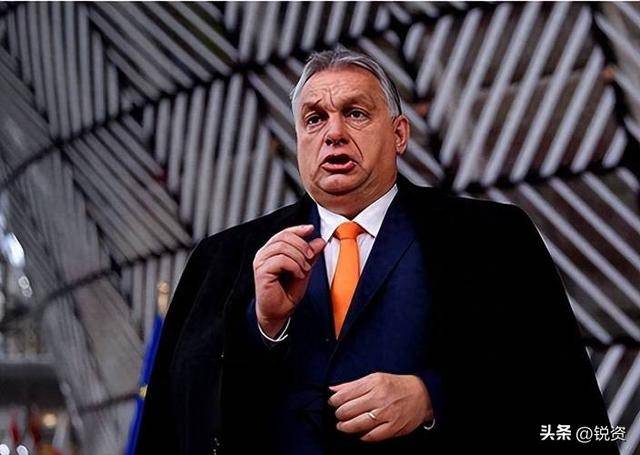
Core Viewpoint - Hungary's Prime Minister Orban announced plans to sue the EU over its recent decision to ban imports of Russian natural gas, highlighting the complex interplay of energy security, geopolitical dynamics, and internal EU unity [2][5]. Group 1: Energy Dependency - Hungary relies heavily on Russian energy, with 74% of its natural gas and 86% of its oil imported from Russia, making it vulnerable to any disruptions in supply [2]. - The country’s economic stability is closely tied to this energy dependency, as interruptions could lead to factory shutdowns and significant impacts on household heating during harsh winters [2]. Group 2: EU's Energy Policy and Reactions - Slovakia joined Hungary in opposing the EU's energy ban, driven by similar energy security concerns, as both countries have established infrastructure for Russian energy imports [3]. - The EU's requirement to completely replace Russian energy by 2027 is seen as unrealistic, necessitating substantial investment and time to develop alternative sources [3][5]. Group 3: Legal and Political Implications - Hungary's lawsuit against the EU is framed as a response to what it perceives as a violation of EU rules regarding unanimous decision-making for sanctions, as the energy ban was passed by majority vote [5]. - The internal divisions within the EU are evident, with Western countries able to absorb higher energy costs while Eastern European nations face greater economic strain from sanctions [5][11]. Group 4: Geopolitical Dynamics - The U.S. aims to sever Europe's energy ties with Russia to isolate the country and promote its own energy exports, but Hungary is cautious about switching suppliers due to the stability and lower prices of Russian energy [9]. - Russia benefits from Hungary's opposition to the EU's energy ban, as it may encourage other countries dependent on Russian energy to resist similar sanctions [9]. Group 5: Future Outlook - The outcome of Hungary's lawsuit could significantly impact the EU's energy policy and its unity, with potential implications for the enforcement of sanctions against Russia [10][11]. - The ongoing geopolitical struggle over energy resources reflects broader issues of political influence and economic stability, emphasizing the need for a balanced approach to energy transition within the EU [11].
史上最严制裁生效!国际能源署警告:对俄制裁存重大下行风险
Sou Hu Cai Jing· 2025-11-15 23:21
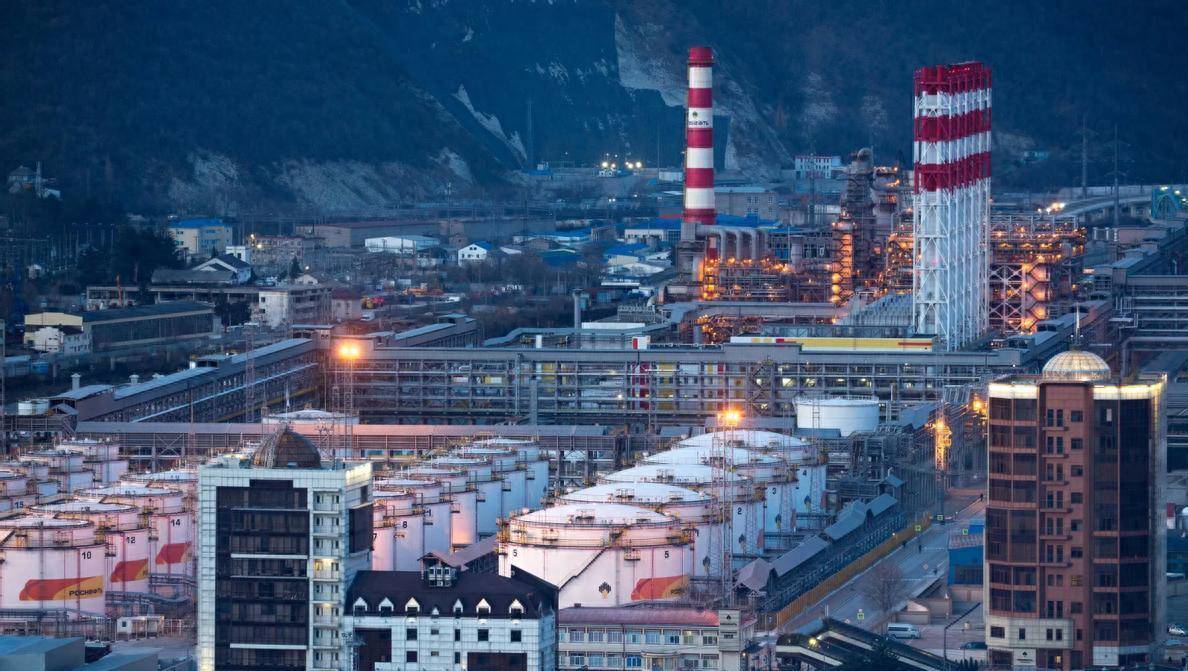
Core Viewpoint - The article discusses the significant impact of U.S. sanctions on Russian oil companies, highlighting the ongoing challenges and adaptations within the global energy trade, particularly in light of Russia's efforts to pivot towards non-Western markets and the implications for global oil supply and pricing mechanisms [1][3][5]. Group 1: Sanctions and Their Impact - The U.S. has implemented the most severe sanctions on Russian oil companies Rosneft and Lukoil, aiming to cut off funding for the Kremlin amid the ongoing conflict [3][5]. - These sanctions prohibit U.S. entities from trading with these companies and require foreign firms to cease business with sanctioned Russian entities by November 21 [5]. - Russian oil revenues have reportedly decreased by 20% compared to the previous year, with new sanctions potentially leading to further reductions of 20% to 30% [5]. Group 2: Russia's Adaptation and Market Shifts - Russia has demonstrated resilience by quickly establishing new shipping companies to transport oil, with three newly formed companies exporting approximately 1 million barrels of oil daily [7]. - The country has successfully redirected its oil exports to non-Western markets, particularly increasing shipments to China, which accounted for 19.8% of its total crude imports in the first ten months of 2024 [7]. - India's largest refinery has confirmed a shift away from purchasing Russian oil, influenced by U.S. pressure, marking a significant change in the market dynamics for Russian oil [9]. Group 3: Economic Implications for Russia - Oil and gas-related taxes contribute about one-quarter of Russia's total government revenue, with projections indicating that energy sector tax revenues will hit their lowest level since the pandemic by 2025 [11]. - Russia's budget deficit is expected to reach a record 5.7 trillion rubles, approximately 2.6% of GDP, reflecting the economic pressures stemming from sanctions [11]. - Despite sanctions, U.S. crude oil exports have surged to a historical high, averaging 4.1 million barrels per day, indicating a shift in global supply dynamics [11]. Group 4: Future Outlook and Strategic Shifts - Russia may increasingly engage in barter trade or local currency transactions as part of its "de-dollarization" strategy, potentially redefining global energy pricing mechanisms [13]. - The U.S. has acknowledged the limitations of its sanctions, with Secretary of State Rubio stating that the options for further sanctions are dwindling, while the EU continues to impose additional measures [13]. - The Kremlin has expressed confidence in its ability to withstand sanctions, indicating a growing immunity based on strengthened ties with non-Western markets [15].
欧洲再无“造反”可能?武契奇断言,最多一年,“北溪”就将易主
Sou Hu Cai Jing· 2025-11-13 10:44
Group 1 - The Nord Stream pipeline system was designed to transport natural gas directly from Russia to Germany, with a total capacity of 55 billion cubic meters per year, bypassing geopolitical disruptions [1] - After the pipeline was damaged in September 2022, the European energy market became volatile, leading countries like Germany to turn to U.S. liquefied natural gas (LNG), resulting in import costs soaring by over 200% [1] - The U.S. expanded its market share, increasing LNG exports from 70 billion cubic meters in 2022 to 140 billion cubic meters by 2025, capturing nearly half of the European market [1] Group 2 - Serbian President Aleksandar Vučić predicts that Germany urgently needs cheap Russian gas to support industrial competitiveness, and if the undamaged branch of Nord Stream 2, with a capacity of 27.5 billion cubic meters, is restored, it could significantly alleviate Europe's energy pressure [3] - Vučić asserts that the pipeline will not be controlled by Russia but will likely be auctioned off to American investors, with Stephen Lynch already applying for permission to bid on the pipeline during Swiss bankruptcy proceedings [3] - Lynch values the pipeline at $11 billion but plans to acquire it at a low price, viewing it as leverage in U.S.-Ukraine conflict negotiations while controlling EU energy supply dynamics [3] Group 3 - The technical analysis indicates that the Nord Stream pipeline, made of high-strength steel and precision-laid underwater, has a 30% higher pressure resistance compared to traditional land pipelines, but repairs post-damage will cost around $2 billion [5] - The predicted change in ownership will introduce an American management model, updating to a digital monitoring system that tracks gas flow in real-time, improving operational efficiency by 15% [5] - This update reflects a shift towards privatized operations, separating ownership from supply, aligning with EU gas directives to avoid Russian control [5] Group 4 - Russian officials have denied any intention to sell the pipeline, but economic pressures may lead to tacit approval of the transaction in exchange for sanctions relief [7] - Reports indicate secret negotiations between Russia and the U.S. to restore Nord Stream 2, with Lynch promoting the idea that American ownership could ensure Western oversight and maintain affordable Russian gas flow to Europe [7] - This dual objective reveals U.S. intentions to appear supportive of Europe while securing energy dominance [7] Group 5 - There are significant internal divisions within the EU regarding the restart of Nord Stream, with the German industrial sector eager for cheap gas, while political concerns about increased dependency persist [9] - A report from the Atlantic Council in July 2025 suggests that American ownership would more easily pass EU supply security tests compared to Russian gas during energy crises [9] - If ownership changes, Europe would need to purchase gas through American traders, increasing intermediary costs by 15% [9] Group 6 - The choice of high-priced American gas has led to a 5% decline in industrial output in Europe, with some companies relocating to Asia, aligning with U.S. strategies to promote LNG [11] - Russia is pivoting towards Eastern exports, with China benefiting from increased supply through the East Route pipeline, which is expected to rise from 15 billion cubic meters in 2022 to 38 billion cubic meters by 2025 [11] - The West Route project negotiations are accelerating, with an expected production of 30 billion cubic meters by 2026, emphasizing cost reductions through land-based high-pressure transmission [11] Group 7 - Negotiations regarding the pipeline's future continue, with Lynch advocating for the acquisition while German legal reforms prevent Russian takeover but not American involvement [13] - The execution of EU gas directives promoting ownership separation is pushing towards a change in ownership, with indications that Russia is preparing for repair work [13] - Vučić's timeline prediction points to late 2025 for potential ownership change, which could end the era of cheap Russian gas and place pricing mechanisms under U.S. control [13]

中国国际储气库学术大会暨首届地下空间综合利用国际研讨会在深圳举行
Huan Qiu Wang· 2025-11-13 10:02
Core Insights - The conference focused on the theme of "Implementing the National Energy Security New Strategy, Accelerating Gas Storage Capacity Construction, and Building a Comprehensive Underground Space Utilization System" [1][4] - It gathered over 600 participants from 25 countries, including academicians, scholars, and experts, to discuss cutting-edge technologies in gas storage and innovative directions for underground space utilization [1][4] Group 1: Energy Security and Infrastructure - Energy security is a strategic issue that affects national economic and social development, with gas storage facilities being essential for stable gas supply and seasonal peak regulation [3][4] - The construction of gas storage capacity is being actively promoted by the government, with a target of 38 gas storage facilities by the end of 2024, providing a peak regulation capacity of 26.5 billion cubic meters, which is about 6.2% of annual consumption [5][4] Group 2: Green Transition and Technological Innovation - The implementation of "dual carbon" goals has created historical opportunities for the development of underground gas storage, emphasizing the need for energy supply security and green transformation in the oil and petrochemical industry [4][5] - The conference aimed to summarize domestic and international trends in gas storage development and explore the role of underground space utilization in energy green transition, enhancing international technical exchange and cooperation [4][8] Group 3: Conference Highlights and Achievements - The conference featured multiple sessions, including keynote speeches and forums, with participation from prominent international experts, showcasing a wide range of topics related to global trends and technological advancements [7][9] - It set records for the highest number of participating countries and attendees since its inception in 2018, establishing itself as a significant platform for international cooperation in the oil and gas sector [9]


原油成品油早报-20251112
Yong An Qi Huo· 2025-11-12 04:21
Industry Investment Rating - No information provided Core Viewpoints - This week, oil prices remained volatile. OPEC+ decided to suspend production increases in Q1 next year. The US EIA commercial crude oil inventory increased by 5.202 million barrels due to increased imports and reduced refining activities, with the increase higher than market expectations. Western sanctions on Russia and Iran have led to a record high in on - board oil storage, and Russian oil in the Indian market has traded at the largest discount in nearly a year. This week, refining profits in European and American refineries rebounded, and Western sanctions and the extended maintenance of Dangote Refinery supported the gasoline and diesel cracking sentiment. The domestic fundamentals are neutral. The global fundamental surplus and sanctions factors support the Dubai market, and Brent crude oil maintains a volatile pattern, expected to fluctuate in the range of $55 - 65 in Q4 [7] Summary by Relevant Catalogs 1. Market Data - From November 5th to 11th, 2025, WTI increased by $0.91, BRENT by $1.10, and DUBAI by $0.59. Other indicators also showed corresponding changes [3] - From November 5th to 11th, 2025, SC decreased by 3.00, OMAN increased by 0.99. Domestic gasoline increased by 20.00, and domestic diesel increased by 5.00. Other related indicators also had corresponding changes [3] - From November 5th to 11th, 2025, Japanese naphtha - BRT decreased by 13.59, Singapore 380 - BRT decreased by 9.96. Other related indicators also showed corresponding changes [3] 2. Daily News - Germany requires SEFE to terminate the long - term natural gas import agreement with Russia. Canceling the contract may cost about 10 billion euros (11.6 billion US dollars), and the annual import volume is about 2.9 million tons with a contract term until 2040 [4] - The key indicator of the North Sea crude oil market has fallen to a low point in more than a year, reflecting concerns about future supply surplus. The international energy agency has predicted a record supply surplus of crude oil [4] - Russia is willing to discuss the preparation of a summit with the US if the US resumes the proposal. Russia is also willing to communicate regarding Trump's doubts about Russia's nuclear test, and Venezuela has not sought military support from Russia [5] - Russia's seaborne crude oil exports have reached a two - month low, and about 35% of the tankers' final destinations are unknown, with most likely heading to Asia [5] 3. Inventory - In the week ending October 31st, US crude oil exports increased by 0.6 barrels/day to 4.367 million barrels/day, domestic production increased by 0.7 barrels to 13.651 million barrels/day, commercial crude oil inventory (excluding strategic reserves) increased by 5.202 million barrels to 421 million barrels, and strategic petroleum reserve (SPR) inventory increased by 498,000 barrels to 409.6 million barrels [6] - From October 31st to November 6th, both gasoline and diesel inventories decreased. Gasoline was 10.5757 million tons, down 0.4%, and diesel was 12.8962 million tons, down 1.82% [7] 4. Weekly Viewpoints - This week, oil prices fluctuated. OPEC+ suspended production increases in Q1 next year. The US EIA commercial crude oil inventory increased. Western sanctions on Russia and Iran affected the market. European and American refinery profits rebounded, and the domestic fundamentals are neutral. Brent crude oil is expected to fluctuate between $55 - 65 in Q4 [7]