1919

Search documents
最长双十一,酒业对电商的态度变了吗?
Xin Lang Cai Jing· 2025-11-12 07:47
Core Insights - The article discusses the contrasting dynamics between traditional liquor channels and e-commerce platforms during the extended "Double 11" shopping festival, highlighting the urgent need for liquor companies to balance pricing systems and market scale [2][3] Group 1: Market Dynamics - E-commerce platforms are aggressively pushing prices down, with notable discounts such as the price of Moutai dropping to 1499 yuan per bottle due to "hundred billion subsidies" [2] - Liquor companies are responding with measures to stabilize prices, including Moutai's announcement of a buyback plan worth 1.5 to 3 billion yuan and a cash dividend of approximately 30 billion yuan to shareholders [2][3] - The frequency of liquor companies' public statements regarding channel management has increased, indicating a heightened concern over unauthorized sales and counterfeit products [4] Group 2: Channel Management - Liquor companies are focusing on maintaining price integrity through e-commerce, viewing it primarily as a branding tool rather than a volume driver [3][4] - A collective effort among major liquor brands to regulate channels has emerged, with at least eight companies, including Moutai and Wuliangye, announcing official authorized stores [3][4] - The counterfeit rate in e-commerce channels for Wuliangye reached 16.65% from January to May, prompting companies to take action to protect brand reputation [4] Group 3: E-commerce Strategies - E-commerce platforms are seen as significant sales drivers, with companies like 1919 reporting a 20-fold increase in flash sale orders on Tmall since October [4][5] - The direct collaboration between platforms and distributors is bypassing liquor companies' channel controls, contributing to low-price sourcing [5] - Companies are adapting to the rise of instant retail, which is shifting pricing power from producers to channels and consumers [6] Group 4: Consumer Engagement - Liquor companies are increasingly embracing instant retail to enhance consumer experience, with initiatives like special promotions and interactive campaigns [8][10] - The focus on younger consumers is evident, with brands adjusting marketing strategies to resonate with this demographic, as seen with the "Happy Niubi Barrel" campaign [8][9] - The integration of cultural and tourism experiences is becoming a new frontier for consumer engagement, with companies developing immersive brand experiences [10] Group 5: Future Outlook - The industry is shifting towards a collaborative ecosystem between liquor companies and e-commerce platforms, aiming for a "co-build, share, and coexist" relationship [7][10] - Companies are recognizing the need for a multi-channel strategy that balances immediate sales with long-term brand value [10]



淘宝闪购,水到渠成
凤凰网财经· 2025-11-05 13:27
Core Viewpoint - The rebranding of Ele.me to "Taobao Flash Purchase" signifies the integration of Alibaba's large consumption platform, enhancing the synergy between e-commerce, local services, and logistics, which is expected to drive growth in China's consumer market and economy [2][6]. Consumer Benefits - Consumers can now enjoy a wider range of choices on a single platform, allowing them to compare products and select between online delivery and local purchases, thus enhancing their shopping experience [2][3]. - The platform combines product sales with local services, offering integrated solutions such as "product delivery + on-site service," which increases consumer options [3]. Merchant Opportunities - Merchants are presented with a new incremental market, particularly in the high-frequency consumption sector, benefiting from significant traffic and operational support from the platform [4]. - For instance, the integration of the 1919 official flagship store with Flash Purchase led to a 20-fold increase in orders month-over-month, with new customer numbers rising by 90% year-on-year [4]. - Merchants can create new service ecosystems by linking their businesses with local service providers, enhancing sales opportunities through collaborative efforts [4]. Market Impact - The large consumption platform is positioned as a new driver for domestic demand in China, responding to the evolving needs for diversity, quality, and immediacy in consumer behavior [5]. - The platform is expected to stimulate industrial vitality, empowering small businesses and the real economy through increased traffic and operational efficiency [5]. - The model of "e-commerce + local life + logistics" is transforming commercial practices from a fragmented approach to a fully integrated one, contributing to economic growth and job stability [5]. Long-term Outlook - The transformation from "food delivery" to "delivery of everything" through the rebranding of Ele.me to Taobao Flash Purchase is anticipated to reshape the competitive landscape of instant retail and activate consumer potential [6]. - This evolution is seen as a crucial force in driving high-quality economic development in China, offering dual benefits of commercial innovation and consumer upgrade [6].



电商博弈2.0,酒企再打渠道保卫战
Xin Lang Cai Jing· 2025-10-31 06:18
Core Viewpoint - The collective action of liquor companies against unauthorized sales on e-commerce platforms reflects a significant shift in the industry, aiming to protect pricing structures and stabilize channel ecosystems amid increasing competition from online sales [1][2][3] Group 1: Authorization Defense - This year's wave of notifications from liquor companies is unprecedented in both frequency and assertiveness, with major brands like Moutai and Wuliangye issuing warnings about unauthorized sales just before the "Double Eleven" shopping festival [2][3] - Moutai emphasized the importance of purchasing through authorized channels, while other brands like Xiaotuxian and Guotai also highlighted the risks associated with unauthorized sales, including counterfeit products [2][3] - The proactive stance of these companies marks a departure from previous years, where they typically reacted to counterfeit issues post-festival, now focusing on channel regulation and price stability [3][4] Group 2: Channel Power Struggle - The ongoing battle for channel authority between liquor companies and e-commerce platforms has intensified, with the rise of instant retail changing the dynamics of this competition [5][6] - Historical context shows that similar struggles occurred during the last downturn in the liquor market around 2012, but the current situation features more complex interactions and clearer objectives from liquor companies to control e-commerce ecosystems [6][7] - The shift in consumer purchasing behavior towards instant needs has accelerated the transfer of pricing power from producers to channels and consumers, prompting liquor companies to reclaim control through authorized sales channels [7][8] Group 3: Proactive Market Engagement - Liquor companies are actively seeking to break down barriers imposed by e-commerce and leverage online platforms for channel transformation, as seen with Moutai's entry into instant retail [8][9] - Collaborations between liquor brands and e-commerce platforms are emerging, with initiatives like the full-chain authenticity system launched by Meituan and various liquor brands to ensure product integrity [8][9] - The evolving relationship between liquor companies and e-commerce is shifting from confrontation to collaboration, aiming for a mutually beneficial ecosystem that enhances both parties' market positions [9][10]
“双11”酒企在行动!五粮液再发消费者告知书
Sou Hu Cai Jing· 2025-10-20 13:30
Core Viewpoint - Wuliangye has issued a notice to consumers regarding unauthorized online stores selling its products, aiming to strengthen channel control and protect consumer rights during the upcoming "Double 11" shopping festival [1][2]. Group 1: Consumer Protection Measures - Wuliangye identified 46 unauthorized online stores and warned consumers about the risks of purchasing from these outlets, including issues with product authenticity, quality assurance, lack of official after-sales service, and difficulties in rights protection [2][3]. - The company encourages consumers to purchase from officially listed channels and to request invoices for traceability [2]. Group 2: Industry Context - The move reflects the increasing pressure on the liquor industry, with declining product prices and intensified competition between direct sales and traditional distribution models [1][9]. - Analysts suggest that the ongoing disputes between liquor companies and direct supply stores like 1919 highlight the challenges faced by brands in maintaining pricing and distribution integrity [5][9]. Group 3: Sales and Revenue Insights - Wuliangye's revenue from the direct sales model has been increasing, with reported income of 211.95 billion yuan in the first half of the year, a growth of 8.6%, while traditional distribution revenue grew only 1.2% to 279.25 billion yuan [10]. - The average wholesale price of Wuliangye's products has dropped to around 805 yuan per bottle, indicating a significant price decline in the market [10].

白酒“上车”即时零售,千亿风口下的狂欢与隐忧|行业风向标
Sou Hu Cai Jing· 2025-10-10 15:47
Core Viewpoint - The article highlights the contrasting performance of the liquor market, with offline sales remaining sluggish while online sales, particularly through instant retail platforms, are booming. This shift indicates a significant transformation in the retail landscape, driven by the rise of instant retail and the active participation of liquor companies in this new channel [2][3][5]. Group 1: Market Dynamics - Instant retail is evolving from a niche e-commerce model to a mainstream channel, with a projected penetration rate in the liquor sector expected to rise from 1% in 2023 to 6% by 2027, potentially reaching a market size of hundreds of billions [2][3]. - Major players in the instant retail space include comprehensive e-commerce platforms like Meituan and JD, which have significantly increased their market presence and sales volumes [3][4]. - Meituan's flash purchase service has seen explosive growth, with a reported 90-fold increase in liquor sales during the "618" shopping festival, and daily order peaks surpassing 1.5 billion [4]. Group 2: Company Strategies - Liquor companies are increasingly taking proactive roles in the instant retail space, with 34.9% of them prioritizing the expansion of this channel [5][7]. - Guizhou Moutai has initiated deep collaborations with platforms like Taobao Flash Purchase, offering rapid delivery services to enhance consumer access to their products [5][6]. - Other liquor brands, such as Guotai and various major Chinese liquor companies, are also forming strategic partnerships with instant retail platforms to establish a comprehensive authenticity assurance system [6][7]. Group 3: Consumer Behavior - The shift towards instant retail reflects changing consumer preferences, with a growing demand for immediate gratification in purchasing liquor, particularly for gifts and social occasions [7][8]. - Younger consumers, who are accustomed to instant delivery services, represent a key demographic for liquor brands looking to expand their market reach [9]. Group 4: Challenges and Concerns - The rise of instant retail poses risks to the traditional pricing structure of the liquor industry, with potential price wars threatening the profitability of distributors and manufacturers [10][11]. - Concerns about the role of traditional distributors evolving into mere delivery agents for platforms, along with the risk of counterfeit products, highlight the challenges facing the industry [11][12]. - The need for a balance between the efficiency of online sales and the experiential aspects of in-store purchases remains a critical issue for the industry [12][13].

Bistro大舞台,餐酒搭配怎么来?
Xin Lang Cai Jing· 2025-10-09 08:15
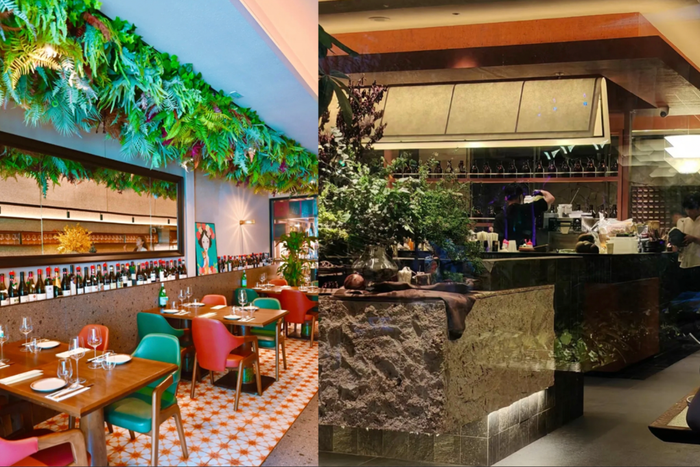
Core Insights - The rise of Bistro culture in first and second-tier cities reflects a shift in young people's dining preferences, focusing on emotional experiences rather than just food and drink [1][5][6] - Bistros in China have evolved from their original concept, emphasizing a cozy atmosphere and a blend of food and drink, with a significant increase in average spending per customer [4][8] Group 1: Bistro Popularity - The term "Bistro" originates from French, referring to casual dining establishments offering affordable home-style meals and drinks [3] - In China, Bistros typically adopt a "small but beautiful" approach, with an emphasis on ambiance, often featuring natural or retro decor [4] - The average spending in Bistros has increased significantly, with typical bills ranging from 200 to 400 yuan, contrasting with their original affordable positioning in France [4] Group 2: Targeting Young Consumers - Bistros cater to the emotional needs of young professionals, providing a relaxed environment for socializing after work [5][6] - The shift in consumer behavior has led Bistros to diversify their offerings, incorporating more food options to attract customers who may not want to drink alcohol exclusively [8][10] - The rapid growth of Bistros has resulted in increased competition, with a 45% rise in new openings in the first half of 2024, leading to concerns about market saturation [10] Group 3: Challenges and Sustainability - Bistros face challenges in balancing aesthetic appeal with food quality, as overemphasis on ambiance can lead to low customer retention [10][11] - The need for Bistros to return to their culinary roots is emphasized, as maintaining product quality and value is crucial for long-term success [11] - The future of food and drink pairing is expected to evolve into a more integrated lifestyle experience, moving beyond simple product combinations [15]
2025全国理性饮酒宣传周即将启动 中酒协联手多方共推理性饮酒理念
Bei Jing Shang Bao· 2025-09-19 05:58
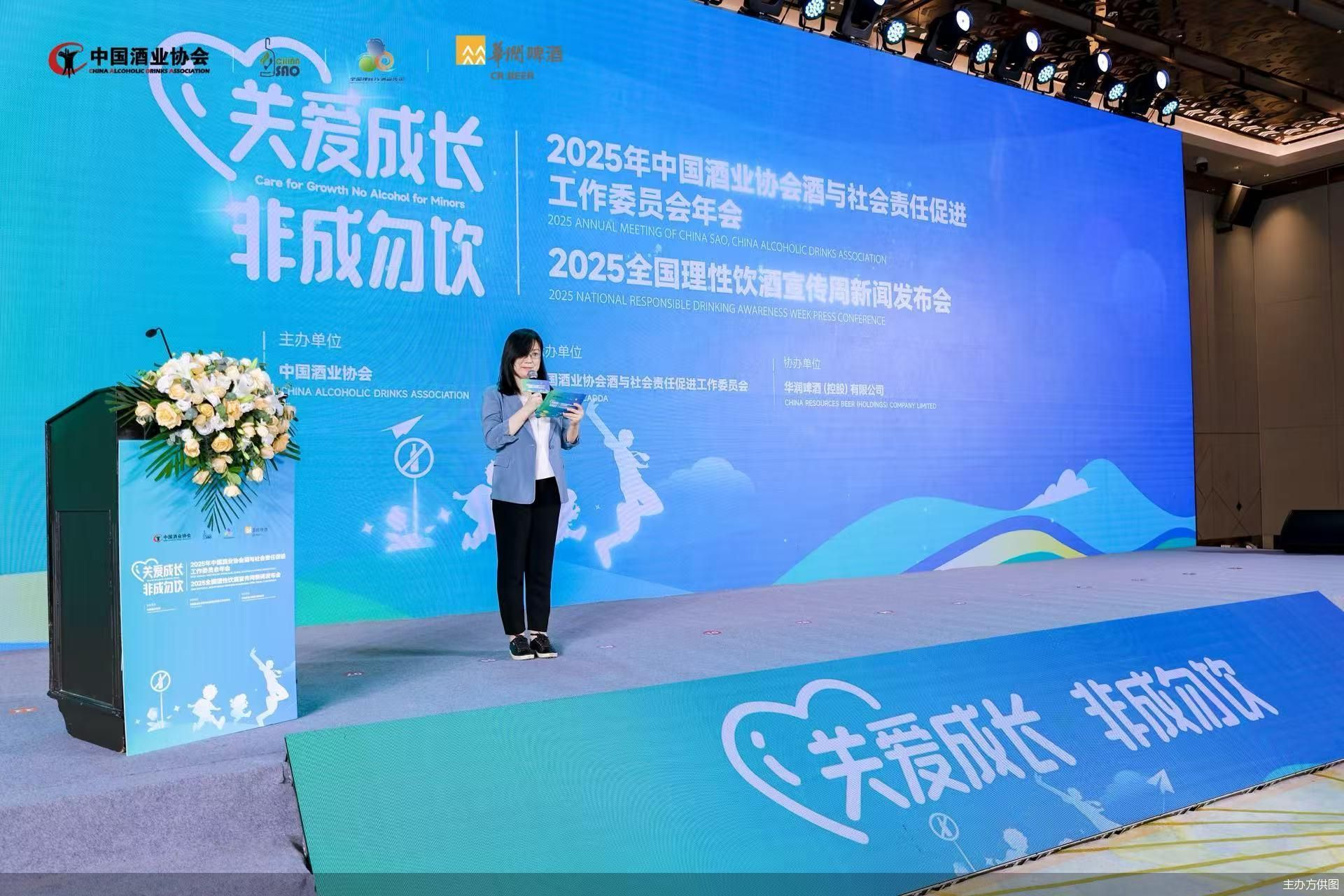
Core Points - The China Alcohol Industry Association held a conference to promote the "Care for Growth, No Drinking for Minors" campaign, with the main event scheduled for October 16 during the 23rd China International Alcoholic Beverage Expo in Wuhan [2] - The campaign has significantly expanded its reach over the past decade, increasing the audience from 33 million to 500 million and the number of covered cities from 354 to 563, while drunk driving incidents have decreased by 70% since 2011 [2] - The association plans to launch the "China Alcohol Industry ESG Index" and report in 2025, inviting international organizations to join in promoting responsible drinking [2] Promotion Strategies - The campaign will continue previous initiatives such as the 5X Plan, High-Speed Rail Plan, and Fengming Plan to disseminate responsible drinking messages through various media [3] - The 5X Plan involves collaboration with 1919 to display promotional content on 50,000 screens in large restaurants nationwide, while the Fengming Plan will feature public service ads on outdoor LED screens in major cities [3] - A new airport screen promotion plan will be introduced in 2025, showcasing responsible drinking messages at 79 major airports [3] Targeted Messaging - The campaign aims to integrate the "No Drinking for Minors" and "Responsible Drinking" concepts into daily life, focusing on age-specific prevention strategies [4] - Innovative methods such as science exhibitions, VR simulations, and online quizzes will be employed, alongside targeted messaging in high-frequency scenarios like homes, restaurants, and e-commerce platforms [4] - The association, along with 15 rotating chair units, issued a joint statement to encourage industry stakeholders to implement measures against underage drinking and enhance the social responsibility framework of the alcohol industry [4]
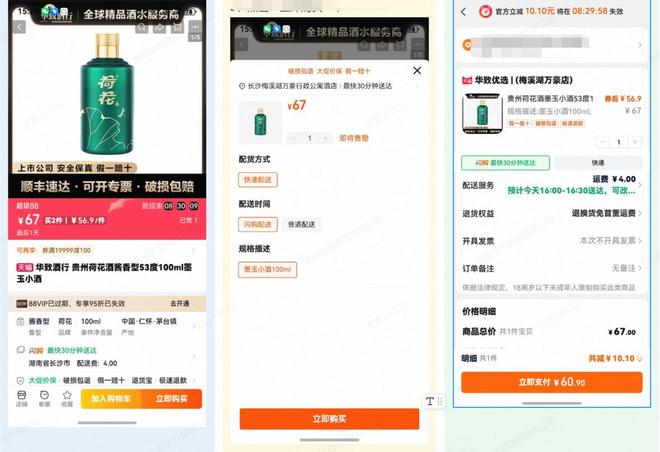
天猫官旗下单、闪购30分钟到家,酒企加码布局“远近一体”服务,淘宝闪购带来新增量
Xin Jing Bao· 2025-08-21 05:53
Core Insights - The "Global Wine Carnival" on August 19 led to a significant surge in sales for liquor brands on Taobao, with total sales exceeding 100 million yuan, and brands like Jian Nan Chun, Moutai, and Wuliangye each surpassing 10 million yuan in sales [1] - The collaboration between Taobao Flash Purchase and liquor brands has resulted in a three-digit percentage increase in order volume since July, with sales on August 19 showing a nearly fivefold increase compared to the daily average in August [1][2] - The integration of online and offline services through the "Near and Far Integration" model is expected to enhance customer experience and brand loyalty, with plans to expand this service to 100 stores nationwide by the end of the year [1][2] Sales Performance - Over 200 liquor live streaming sessions were held on August 19, with top streamers achieving sales exceeding 10 million yuan in a single day [1] - The event attracted over 700,000 new customers for participating brands, with categories like whiskey and vodka seeing year-on-year growth of 76% and over 90%, respectively [5] - Major brands such as Remy Martin and Diageo reported triple-digit sales growth during the event [5] Strategic Initiatives - The partnership between Taobao Flash Purchase and Huazhi Wine aims to provide consumers with a 30-minute delivery service for online orders, enhancing the shopping experience [1][2] - The liquor industry is focusing on leveraging data from consumer demand to inform decision-making while enhancing brand value through improved service [2][3] - The integration of online and offline channels is seen as a way to create a symbiotic relationship between brands and platforms, facilitating precise online traffic generation and immersive offline experiences [3]

落寞的百荣,兴起的电商丨酒业电商系列专题
Sou Hu Cai Jing· 2025-07-30 03:01
Core Insights - The article discusses the transformation of the liquor industry in China, particularly focusing on the impact of e-commerce and digital platforms on traditional sales channels [2][6][12] Group 1: Industry Overview - The liquor industry is undergoing significant changes as online channels reshape production and sales logic, moving from initial e-commerce attempts to refined private domain operations [2] - Zhengzhou Bai Rong World Trade Mall, as the largest liquor distribution center in China, is experiencing challenges, including a recent auction of its assets due to financial disputes [4][8] - The mall hosts over 2,000 merchants and supplies products across 30 provincial regions, but is facing increasing vacancies and declining foot traffic [6][7] Group 2: Challenges Faced by Traditional Liquor Businesses - Traditional liquor merchants are struggling due to the rise of e-commerce, with many businesses reporting a downturn since the pandemic [7][9] - Bai Rong Investment, the owner of the mall, has been listed as untrustworthy with significant financial liabilities, including 68 billion in execution targets [9] - Merchants are adapting to the e-commerce landscape, with some transitioning to online sales to remain competitive [10][11] Group 3: E-commerce and New Business Models - Entrepreneurs like Xiao Zhao have successfully transitioned from traditional industries to e-commerce, establishing profitable liquor brands through online sales [10] - The rise of live-streaming and social media platforms has created new sales channels, with significant sales figures reported, such as 2 billion in annual sales from live-streaming [10][13] - Companies like Jiu Xian Wang are exploring unique business models, focusing on quality and competitive pricing to stand out in a crowded market [12][13] Group 4: Future Directions and Innovations - The liquor industry is characterized by intense competition and a need for innovation, with traditional merchants seeking to leverage digital platforms for growth [11][16] - There is a growing emphasis on transparency and quality, with some merchants advocating for genuine products to build consumer trust [11][15] - The article highlights the potential for new brands that resonate with consumers, aiming to provide emotional value and quality experiences [15]

即时零售风口,酒业如何“拥抱”?
Sou Hu Cai Jing· 2025-07-27 07:31
Core Insights - The article highlights the explosive growth of instant retail in the Chinese liquor industry, driven by major e-commerce platforms like Meituan, JD, Taobao, and Douyin during the 618 shopping festival [2][3] - The instant retail market for liquor is projected to grow from approximately 200 billion yuan in 2023 to 1 trillion yuan by 2027, with a penetration rate increasing from 1% to 6% [2][3] Group 1: Market Dynamics - The instant retail market for liquor is currently valued at around 200 billion yuan, with a projected growth to 360 billion yuan in 2024 and 1 trillion yuan by 2027 [2] - The penetration rate of instant retail in the liquor market is expected to rise from 1% in 2023 to 6% by 2027 [2] - The shift in consumer demographics, particularly the rise of the 90s and 00s generations, is driving demand for instant retail due to their preference for immediate gratification and online purchasing [3][4] Group 2: Reasons for Growth - The fragmentation of consumption scenarios has led to a shift from planned bulk purchases to spontaneous, smaller gatherings, creating a significant incremental market for instant retail [3] - Traditional e-commerce faces growth challenges, prompting brands to adopt instant retail models that leverage local supply chains and efficient delivery systems [4] - The advancement of digital technology and logistics has enabled the establishment of a "half-hour" economy for liquor, enhancing consumer preferences for convenience and quality [4] Group 3: Business Strategies - Companies can adopt two main strategies to engage with instant retail: building their own front warehouses for rapid delivery or partnering with existing platforms like Meituan and Douyin to reach consumers quickly [6] - The self-built front warehouse model requires significant investment and is suited for larger enterprises, while the platform partnership model is more accessible for smaller businesses and individual retailers [6] - A hybrid approach combining both strategies allows companies to maximize market reach and operational efficiency [6] Group 4: Future Outlook - Industry experts suggest that as "everything to home" becomes the norm, brands and platforms that seize the opportunity in instant retail will define the future of retail [7] - The transformation brought by instant retail is expected to lead to unprecedented value reconstruction and growth opportunities in the liquor industry and beyond [7]