
LG

Search documents
(外代一线)2025年柏林国际消费电子展开幕
Sou Hu Cai Jing· 2025-09-06 14:18
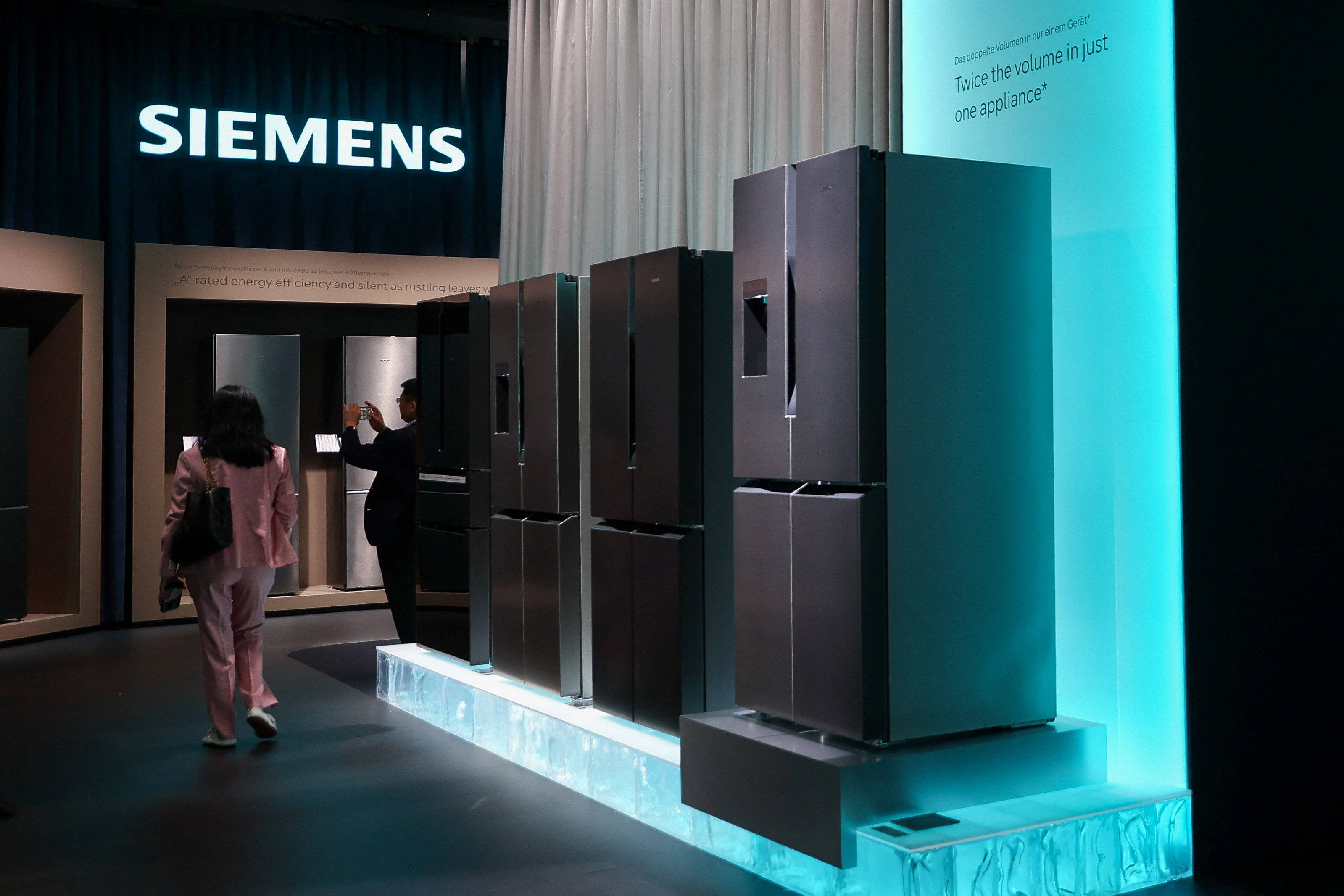
2025年柏林国际消费电子展5日拉开帷幕,人工智能、可持续发展等主题备受关注。柏林国际消费电子展是全球消费电子和家用电器领域的重要展会,被视 为行业发展的风向标。本届展会将持续到9月9日。 actioning 1978 r / N / 1 / 1/2000 合作 y M t t eXWBID There abl Te 11 24 24 74 7 1 d Bill of Ship of Welcomers NEXT SOLUTIK "a 13/5 这是9月5日在德国柏林国际消费电子展上拍摄的博世展区的赛车。 新华社/路透 SIEMENS 这是9月5日在德国柏林国际消费电子展上拍摄的西门子展区。 新华社/路透 这是9月5日在德国柏林国际消费电子展上拍摄的西门子展区。 新华社/路透 9月5日,一名男子在德国柏林国际消费电子展上参观LG展区。 新华社/法新 the state t 201 the state the states r a te the states age the start PASS ME the Pr t and the able for the the state tell of the 网 - ...

现代汽车美国电池厂,被抓四百“非法移民”
Hu Xiu· 2025-09-06 06:08
Group 1 - Multiple federal agencies, including ICE, FBI, and DEA, conducted a heavily armed raid on a construction site for a battery plant in Georgia, jointly invested by Hyundai and LG [1][3][5] - The operation aimed to arrest illegal immigrants, resulting in the detention of 475 workers, primarily Korean nationals [7][13] - The raid has been described as the largest crackdown on illegal immigration by the current Department of Homeland Security [13][20] Group 2 - Hyundai's investment in Georgia includes a vehicle manufacturing plant and a battery factory, with a total investment of $26 billion, marking it as the largest economic investment project in the state's history [15][17] - The construction of the battery plant is currently halted due to the raid, which has raised concerns among foreign investors about the treatment of their workforce [19][23] - The U.S. immigration policy has made it difficult for foreign companies to hire skilled labor, leading to the use of B1 visas for workers, which are not intended for employment [18][19] Group 3 - The raid reflects a shift in U.S. immigration enforcement under the Trump administration, which has increased the pressure on companies employing illegal immigrants [20][21] - The situation has implications for other foreign investments, as companies like Hyundai Heavy Industries are also looking to invest in the U.S. shipbuilding industry [24][30] - The U.S. shipbuilding industry has been struggling due to protectionist policies, and partnerships with companies like Hyundai Heavy Industries are seen as a potential solution to revitalize this sector [26][29]

家储赛道大厂打架,安克、正浩各显神通|硬氪直击IFA2025
3 6 Ke· 2025-09-06 02:01
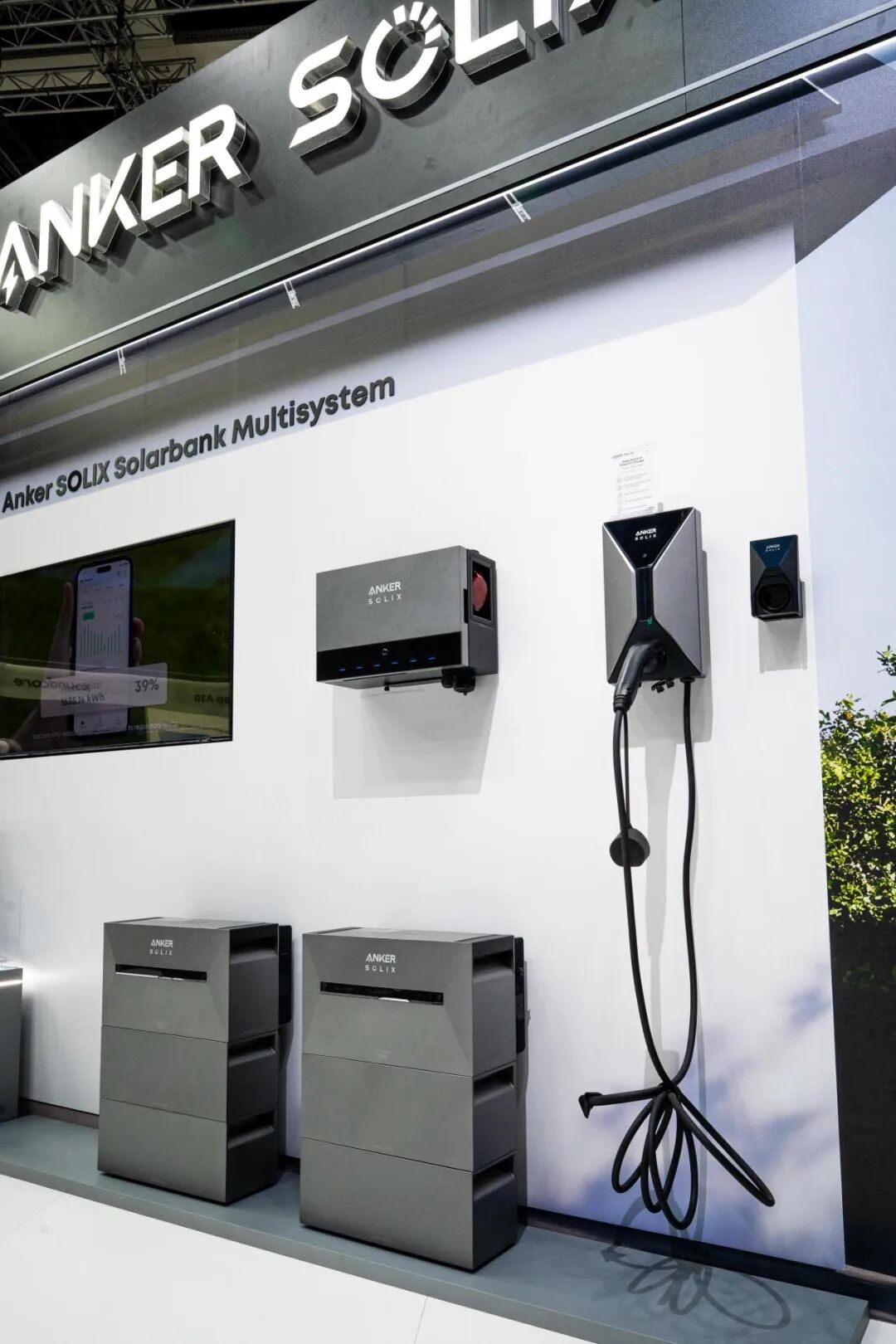
Core Viewpoint - The IFA 2025 showcases the strength of Chinese manufacturers in the consumer electronics sector, highlighting their readiness to deliver unique products globally, particularly in the fields of energy storage and smart home devices [1][2]. Industry Overview - IFA is characterized as a practical product exhibition, contrasting with other tech shows that focus on conceptual products, making it a significant marketplace for consumer electronics [2][3]. - The energy storage market has seen increased demand due to global events, with Anker and EcoFlow emerging as key players in the home energy storage segment [4][5]. Company Developments - Anker Innovation and EcoFlow both introduced home storage products at IFA, with Anker's new offerings focusing on simplifying installation and reducing costs [4][7]. - Anker's Solix product line aims to provide a semi-DIY installation model, significantly lowering installation costs by up to 85% and enhancing market accessibility [10][12]. - EcoFlow's recent products include the PowerStream solar system, which simplifies installation for users, and the OASIS software that optimizes energy usage based on electricity pricing [15][17]. Market Dynamics - The home energy storage market is competitive, with major players like Tesla, BYD, and LG holding approximately 41% market share, posing challenges for newer entrants like Anker and EcoFlow [5][6]. - The market is experiencing a price war as more competitors enter, while the demand for portable energy storage remains strong despite challenges in product differentiation [4][18]. - The decline in lithium carbonate prices is contributing to lower costs in energy storage systems, prompting companies to focus on home storage solutions for sustained growth [18].

IFA 2025首日观察:不再堆料和画饼,场景创新成第一关键词?
3 6 Ke· 2025-09-06 01:35
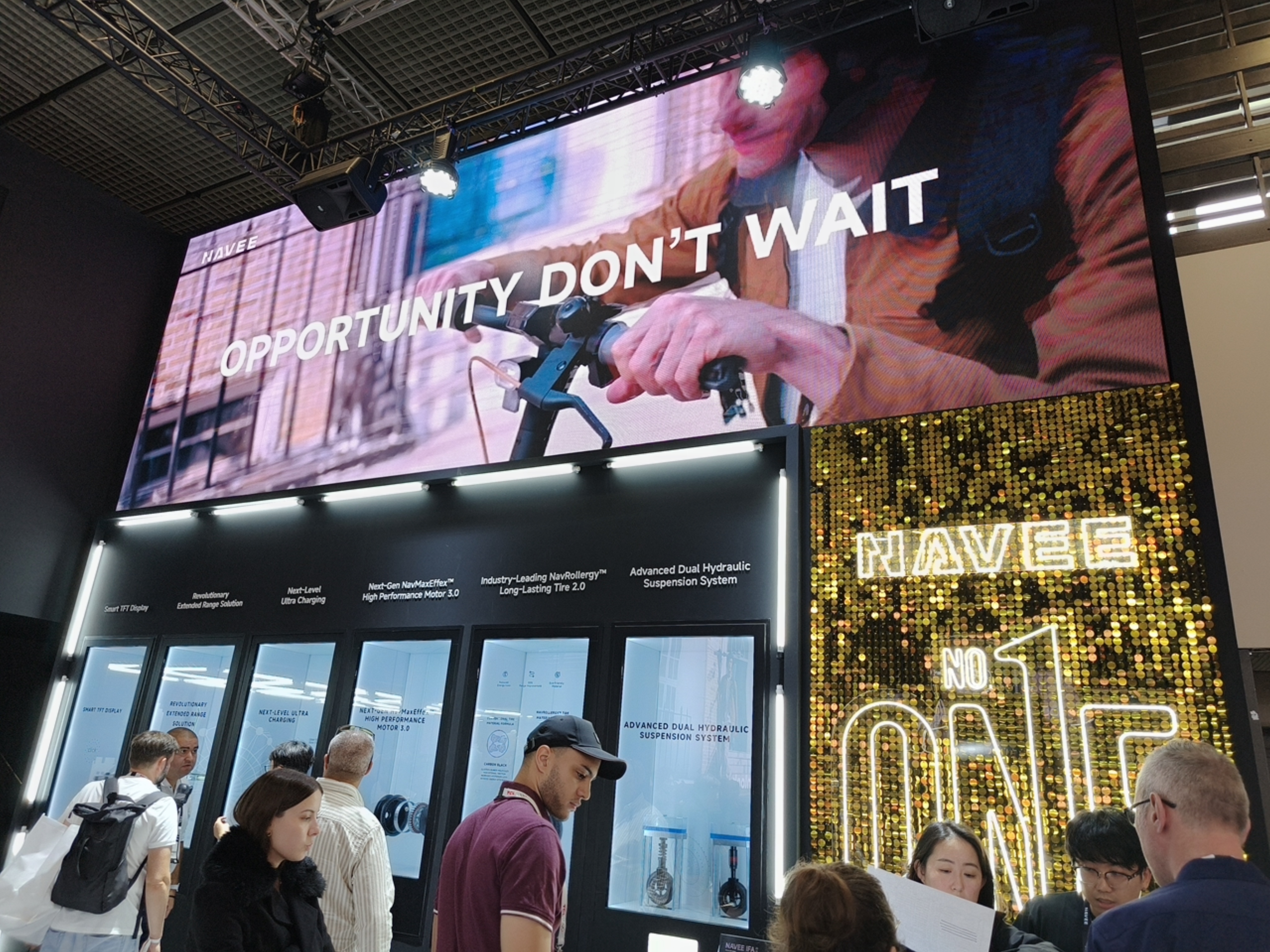
Group 1 - IFA 2025 emphasizes practical innovation and sustainability, moving away from merely "stacking features" to delivering real improvements in products [2][21] - NAVEE, a high-end smart mobility brand, showcased a range of products including high-performance electric scooters and smart golf bag robots, indicating a strong understanding of user needs [5][18] - The NAVEE XT5 series electric scooter features a dual motor all-wheel drive system with a power output of 2200W*2, significantly higher than the typical 500W of competitors, allowing it to tackle steep inclines [6][10] Group 2 - The event highlights a trend towards creating comprehensive ecosystems among manufacturers, with companies like ANKER expanding their product lines beyond charging accessories to include smart home devices [22][36] - Major Chinese brands such as Hisense and TCL are leading the television market with innovative technologies like RGB-Mini LED and QD-Mini LED, setting new standards in display technology [37][48] - AI technology is a focal point at IFA 2025, with products like AI translation earbuds and AI PCs being showcased, reflecting a shift towards integrating AI into everyday devices [68][76] Group 3 - The presence of Chinese brands at IFA 2025 demonstrates their growing influence in the European market, with a focus on localizing operations and understanding consumer needs [79][82] - The event serves as a platform for various players in the industry, from established giants to startups, to showcase their innovations and respond to market demands [79][83]



市场竞争加剧,海外面板厂/TV品牌厂获利承压
WitsView睿智显示· 2025-09-05 08:38
Core Viewpoint - The rise of Chinese panel manufacturers and TV brands is intensifying competition for overseas companies, impacting their market share and profitability [2]. Group 1: Profitability of Major Companies - Samsung's VD/DA business reported an operating profit margin of 1.4% in Q2 2025, down 0.7 percentage points quarter-on-quarter and 2.0 percentage points year-on-year. The company plans to improve profitability by capitalizing on peak season demand and developing high-end TVs [4]. - LG Electronics' MS business experienced an operating profit margin of -4.4% in Q2 2025, a decline of 4.5 percentage points quarter-on-quarter and 6.9 percentage points year-on-year, facing challenges from Chinese TV brands. LG aims to enhance its WebOS platform and expand its influence in the Southern Hemisphere [4]. - Hisense's TV business is performing well, with continuous growth in shipment volume and market share, maintaining an operating profit margin around 5% in recent quarters [4]. Group 2: Panel Manufacturers' Performance - Samsung Display's (SDC) operating profit margin was 7.8% in Q2 2025, although it has decreased both quarter-on-quarter (by 0.7 percentage points) and year-on-year (by 5.4 percentage points) [7]. - AUO reported an operating profit margin of 2.2% in Q2 2025, remaining positive for two consecutive quarters, while Innolux (INX) had an operating profit margin of -1.4%, remaining negative for four consecutive quarters [7]. - BOE, as a leading domestic panel manufacturer, continues to maintain a positive operating profit margin in its TV panel business [7]. Group 3: Market Trends and Challenges - Domestic flexible AMOLED smartphone panel manufacturers are actively expanding capacity and increasing shipments, achieving a combined market share of over 50% by 2024, which is impacting SDC's profitability [10]. - SDC's quarterly profitability is subject to significant seasonal fluctuations, with operating profit margins decreasing from 12.4% in H1 2023 to 10.4% in H1 2024, and further down to 8.1% in H1 2025 [10]. - AUO's profitability has outperformed INX in recent quarters, attributed to a lower proportion of traditional display business, which has a lower gross margin compared to commercial and automotive displays [10]. Group 4: Strategic Developments - Innolux is actively developing Micro-LED and FOPLP businesses, although these new ventures are unlikely to generate profits in the short term. The company announced the acquisition of Japan's Pioneer in June 2025 to strengthen its automotive display business, which may improve profitability post-acquisition [11].

再过几年,日本人或许只能购买中国电视机了
创业邦· 2025-09-05 03:18
Core Viewpoint - The article discusses the decline of Japanese television manufacturing and the rise of Chinese brands, highlighting the shift in global manufacturing dynamics and the competitive advantages of Chinese companies over their Japanese counterparts [5][8]. Group 1: Historical Context of Japanese Television Industry - The Japanese television industry experienced a golden era, dominating the global market with brands like Sony and Panasonic, which accounted for over 40% of global TV shipments in 1990 [10][12]. - Japan's manufacturing prowess was built on technological advancements and brand reputation, with significant market shares in the high-end segment during the 1980s and 1990s [14][15]. - The shift towards liquid crystal technology in the early 2000s marked a turning point, as Japanese companies failed to adapt, leading to significant losses and market share decline [16][17]. Group 2: Decline of Japanese Brands - By 2024, Japanese brands' global TV shipment share is projected to drop to 9%, down from 28% in 2010, with Panasonic's domestic market share falling from 16.8% in 2018 to 8.8% in 2024 [21][23]. - The inability to pivot from traditional technologies and the slow decision-making processes contributed to the decline of Japanese manufacturers [18][30]. - Japanese companies are now struggling to compete in high-end markets, with many having exited the consumer TV market altogether [17][34]. Group 3: Rise of Chinese Television Brands - Chinese brands have captured nearly 50% of the Japanese TV market by 2024, with Hisense leading at 25.4% market share, marking a significant shift in consumer preferences [23][25]. - Chinese companies like TCL and Xiaomi have also gained substantial market shares, leveraging technology and localization strategies to appeal to Japanese consumers [20][26]. - The global shipment share of Chinese TV brands reached 30.2% in 2024, surpassing that of South Korean competitors for the first time [21][22]. Group 4: Competitive Advantages of Chinese Brands - Chinese manufacturers have developed a complete television industry chain, enabling rapid response to market changes and cost reductions [28][30]. - Innovations such as Hisense's self-developed chips and TCL's advanced display technologies have allowed Chinese brands to outperform traditional Japanese offerings in quality [25][37]. - The ability to quickly adapt to consumer demands, such as energy efficiency standards, has given Chinese brands a competitive edge over their Japanese counterparts [30][38]. Group 5: Broader Implications for Manufacturing - The decline of Japanese manufacturing is indicative of broader trends, where efficiency, innovation speed, and market responsiveness are critical for success in global competition [38]. - The article suggests that without breaking free from path dependency and improving decision-making speed, Japanese companies may continue to lose competitiveness across various industries [39].


Wayfair(W) - 2025 FY - Earnings Call Transcript
2025-09-04 19:37
Financial Data and Key Metrics Changes - The company reported a revenue of $12 billion, operating in four countries: the U.S., Canada, UK, and Ireland [2] - The total addressable market (TAM) for home goods in these countries exceeds $500 billion, indicating significant growth potential [2][7] - The company aims to achieve a 10% adjusted EBITDA margin, having reached 6% in the last quarter [50] Business Line Data and Key Metrics Changes - The company operates multiple brands, including Wayfair as the mass platform, and specialty brands like AllModern, Birch Lane, and Joss & Main, which cater to different market segments [6][28] - The logistics network has been a significant investment, with a focus on heavy and bulky items, differentiating the company from general e-commerce players [12][11] Market Data and Key Metrics Changes - The home goods category is described as cyclical, with current market conditions being relatively flat after a decline [9][10] - The company believes it can gain market share even in a down market due to its unique business model and extensive logistics capabilities [10] Company Strategy and Development Direction - The company is focused on becoming the go-to destination for all home goods, leveraging technology, logistics, and a deep supplier network [5][7] - Plans for physical retail expansion include opening stores in Chicago, Atlanta, and New York, capitalizing on existing logistics and brand recognition [41][45] Management's Comments on Operating Environment and Future Outlook - Management acknowledges the challenges in the current consumer discretionary market but remains optimistic about gaining market share [9][10] - The company is excited about growth opportunities in Canada and the UK, while not planning to expand further into Europe [48] Other Important Information - The company has shifted its capital expenditures towards maintenance of existing facilities rather than expanding the logistics network [15] - Supplier advertising is growing, contributing approximately 1.5% of revenue, with expectations to reach 3-4% in the long term [21][22] Q&A Session Summary Question: How does the company view the current category and its market share? - The company sees the home goods category as cyclical but believes it can gain share in both up and down markets due to its unique model and execution [9][10] Question: What investments have been made in the logistics network? - The company has built an expansive logistics capability tailored to heavy and bulky items, which is a competitive differentiator [12][11] Question: How does the company balance pricing and promotions? - Promotions are primarily funded by suppliers, and the company focuses on optimizing gross profit dollars while managing pricing strategies [18][19] Question: What is the strategy for physical retail expansion? - The company has learned from its Chicago store and plans to open additional locations in Atlanta and New York, leveraging existing infrastructure [41][45] Question: What is the current international strategy? - After closing the German operation, the company is focusing on growth in Canada and the UK, with no plans for further European expansion [46][48]

大储行业趋势与展望
2025-09-04 14:36
Summary of Key Points from the Conference Call Industry Overview - The global energy storage market is projected to exceed 200 GWh by 2025, with China accounting for approximately 100 GWh, North America for about 50 GWh, Europe for around 15 GWh, and the Middle East and North Africa combined for about 25 GWh, with other regions contributing at least 15 GWh [1][5] Core Insights and Arguments - **China's Energy Storage Growth**: The independent energy storage capacity in China has surpassed 25 GWh, driven by increased investment and supportive provincial policies despite a reduction in central enterprise procurement [2][5] - **Revenue Sources**: Revenue from independent storage projects in China primarily comes from spot trading, price arbitrage, and frequency regulation services, with internal return rates (ICDR) showing significant volatility due to market fluctuations [1][6] - **Investment Strategies**: Large energy companies invest in storage to hedge against risks associated with renewable assets, utilizing storage systems to charge at low prices and discharge when prices rise [7][8] - **Price Trends**: Recent increases in storage system prices are attributed to rising lithium carbonate prices and tight supply of 315 battery cells, although long-term price increases may be limited due to competitive market conditions in China [9][10] - **Market Dynamics**: A rush to install storage systems is expected in both China and the U.S. in 2025, influenced by policy changes and anticipated declines in installation capacity in 2026 [11] Additional Important Insights - **Regional Demand**: Each province in China shows a significant storage gap, indicating a high demand for regulatory energy, with expectations for continued growth in storage system demand over the next three years [2][14] - **Profitability Factors**: The profitability of storage projects is highly sensitive to the timing of installations and the location of nodes, which can significantly affect electricity prices and revenue models [18] - **Technological Requirements**: There is an increasing demand for high-quality batteries in China, which is expected to drive prices up in the long term, while the market is also seeing a shift towards higher performance and warranty requirements for battery technologies [20][21] - **International Expansion**: Chinese companies are actively investing in energy storage projects in Central Asia, where stable revenue models based on fixed capacity and energy prices reduce operational risks [29][30] Conclusion - The energy storage industry is poised for significant growth, particularly in China and North America, driven by technological advancements, supportive policies, and increasing demand for renewable energy integration. The market dynamics suggest a competitive landscape with varying profitability influenced by regional policies and technological requirements.
银发市场是第一站,家电巨头押注机器人做“智能家居入口”
3 6 Ke· 2025-09-04 01:25
Core Insights - The rise of AI companion robots is becoming a significant technological direction to address the aging population and provide care for the elderly [1][2] - Major tech companies and startups are exploring the "companionship" market, which combines emotional connection with substantial market potential [1] Industry Trends - There are two distinct development paths in the AI companion robot sector: one led by major companies like Samsung and LG focusing on functionality and efficiency, and another by startups prioritizing emotional interaction [2][4] - The market for AI elderly companion robots is projected to grow from approximately 1.53 billion yuan in 2024 to nearly 20.45 billion yuan by 2031, with a compound annual growth rate (CAGR) of 45.1% [19] Company Developments - Samsung's Ballie is designed as a multifunctional home manager, integrating various sensors and cameras to provide a seamless smart home experience [7][8] - LG's AI companion robot aims to create a "zero-labor household" by analyzing user emotions and controlling smart devices accordingly [11] Functional Value and Challenges - Functional AI companion robots offer significant practical value for the elderly, addressing daily inconveniences and health management needs [12][13][15] - However, these products face challenges such as dependency on smart home ecosystems, learning curve issues for elderly users, and a lack of emotional connection [18] Future Directions - The future trend in the market will likely involve a combination of functionality and emotional engagement, enhancing the overall user experience [19][20] - Companies like ZTE and Fourier Intelligence are developing products that emphasize both emotional connection and practical assistance for the elderly [22][24]


韩国立法禁止学生上课使用手机,教育数字化遇“急刹车”?
3 6 Ke· 2025-09-04 01:25
Core Viewpoint - South Korea's National Assembly passed a law banning the use of smartphones and smart devices in classrooms starting March 2026, signaling a shift in the approach to digital technology in education [1][3]. Group 1: Legislative Context - The law was passed with significant support, receiving 115 votes from 163 attending members [1]. - This legislative move comes amid rising concerns about smartphone dependency, with 24% of the population classified as "severe smartphone dependents," and 42.7% among the youth aged 10 to 19 [2]. - The law reflects a growing consensus among parents and educators that smartphones disrupt classroom order and affect students' emotional well-being [2][3]. Group 2: Impact on Education Equity - The law aims to address educational equity by reducing disparities in technology access and usage among students from different socioeconomic backgrounds [3]. - It seeks to create a more uniform learning environment, ensuring that all students receive education under similar conditions, regardless of their external resources [3]. Group 3: Global Trends - South Korea's decision aligns with global trends, as several countries have implemented similar restrictions on smartphone use in schools, including France, Italy, and China [4]. - These international examples highlight a common concern regarding the negative impact of smartphones on students' learning outcomes and classroom focus [4]. Group 4: Implications for the EdTech Industry - The ban is expected to significantly impact the EdTech industry, prompting hardware manufacturers to rethink their product strategies, particularly in the school market [6]. - Companies may shift focus towards developing specialized educational devices that support classroom management, rather than general consumer electronics [6][7]. - Software providers will need to adapt by moving away from addictive designs aimed at maximizing user time towards solutions that genuinely enhance teaching efficiency and learning outcomes [7][10]. Group 5: Future Directions for Education Technology - The educational technology sector must transition from a focus on user engagement to enhancing educational effectiveness, necessitating a strategic shift towards B2B and government partnerships [10]. - The separation of classroom and home learning environments will reshape competition in the industry, emphasizing the need for tailored products that meet specific educational contexts [7][10]. Group 6: Lessons for Other Markets - South Korea's experience serves as a cautionary tale for other countries, including China, which is advancing its digital education initiatives [8][11]. - It underscores the importance of establishing clear boundaries and ethical frameworks for technology use in education from the outset, rather than reacting after issues arise [11].