Shein

Search documents
跨境电商物流系列研究(三)(更新)——剖析美国关税政策调整对跨境电商物流的影响
China Securities· 2025-05-14 01:15
Investment Rating - The report does not explicitly state an investment rating for the industry Core Insights - The cancellation of the low-value small package tax exemption by the U.S. is a strategic move to counter the competitive advantage of Chinese cross-border e-commerce, which has disrupted the U.S. market by offering lower prices through efficient supply chains [7][8][20] - The impact of the new tax policy is significant, with over 80% of low-value packages being affected, leading to an estimated 90% impact on cross-border e-commerce volume between China and the U.S. [10][45] - The future advantage of overseas warehouse models over air express delivery is highlighted, as increased taxes eliminate the cost benefits previously enjoyed by direct shipping methods [11][63] Summary by Sections 1. Core Logic Behind the Cancellation of the Low-Value Small Package Tax Exemption - The U.S. aims to create barriers in customs clearance and last-mile delivery to counter the influence of Chinese cross-border e-commerce [7][20] - The U.S. has faced challenges in implementing these barriers due to countermeasures from Canada and Mexico, as well as system failures [8][31] 2. Impact on Cross-Border E-Commerce Shipping Volume - The number of low-value small packages imported into the U.S. has surged, with over 1 billion declarations in 2023 compared to 153 million in 2015 [10][44] - The average additional tax cost per package is estimated at $18, with a significant decline in customs clearance efficiency for about 70% of packages [10][49] 3. Advantages of Overseas Warehouse Models Over Air Express Delivery - The cost of air freight for low-value packages has increased significantly due to new taxes, making overseas warehouses a more viable option [11][63] - It is projected that air freight demand for cross-border e-commerce will decline by over 20% by 2025, while demand for overseas warehouse orders will increase by 8% [11][56] 4. Investment Recommendations - Focus on companies with strong cash flow and the ability to adapt to changing supply chain strategies, particularly those with resources in North America [13]
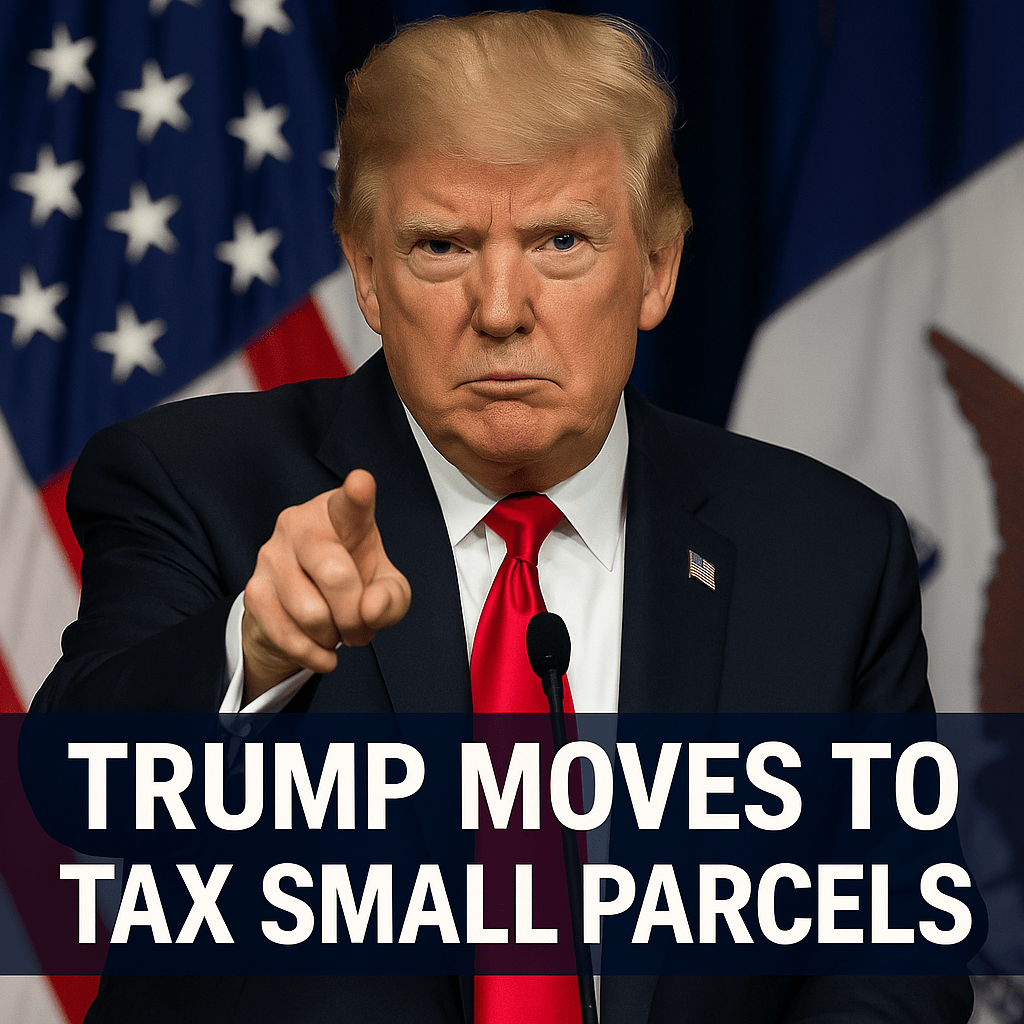
Temu and Shein to Rethink Supply Chains During Temporary Lowering of US Tariffs
PYMNTS.com· 2025-05-13 15:22
Group 1 - Temu and Shein have an opportunity to restock their U.S. warehouses due to a temporary reduction in tariffs, with tariffs on most Chinese imports lowered from 125% to 30% for 90 days and low-value packages from 120% to 54% [1][2] - Shein previously raised prices on goods for U.S. consumers when higher tariffs were implemented, while Temu ceased direct shipments from China to the U.S. [2] - Shein is expanding its supply chain by building manufacturing facilities outside of China to mitigate the impact of tariffs [2] Group 2 - President Trump announced the tariff changes as part of discussions with the People's Republic of China, aiming to address trade reciprocity and national security concerns [3][4] - The National Federation of Independent Business reported that uncertainty around tariffs has led to a decline in optimism among small businesses in the U.S. [4] - A group of five American small businesses is suing Trump over the tariffs, claiming he overstepped his authority in declaring a national emergency [5]


中美会谈后,美国对华小包裹关税也大幅降低
Sou Hu Cai Jing· 2025-05-13 11:01
Core Points - The US and China have agreed to reduce tariffs by 115% within 90 days, marking a thaw in trade relations [1][6] - The new tariff on small packages from China to the US will drop from 120% to 54% for packages valued under $800, effective from May 14 [1][3] - The "De Minimis" policy, which allows for tax exemptions on low-value imports, has been a significant factor in the increase of small package imports to the US, rising from approximately 140 million packages a decade ago to over 1 billion last year [3][4] Trade Impact - The reduction in tariffs is expected to alleviate price pressures on Chinese e-commerce giants like Shein and Temu, which have seen a surge in popularity among US consumers [3][4] - The value of Chinese small package exports to the US is projected to increase from $5.3 billion in 2018 to $66 billion in 2023 [3] - The previous high tariffs imposed by the Trump administration had forced some e-commerce platforms to restructure logistics and increase prices, with some products seeing price hikes of over 100% [4] Economic Consequences - The policy change may result in an annual loss of up to $47 billion for businesses and consumers, disproportionately affecting low-income groups who rely on affordable cross-border e-commerce goods [5] - The US Customs system may face significant pressure due to the increased volume of small packages, potentially leading to delays in customs clearance unless additional funding and personnel are allocated [5] Bilateral Relations - The recent Geneva talks have established a framework for ongoing negotiations, with both sides recognizing the importance of a sustainable and mutually beneficial economic relationship [6][7] - The agreement includes commitments from both sides to suspend or cancel a total of 91% of tariffs on each other's goods, with a mechanism for continued dialogue on trade issues [7]
中美取消91%的关税,中国哪些行业将迎来爆发?
Sou Hu Cai Jing· 2025-05-13 10:28
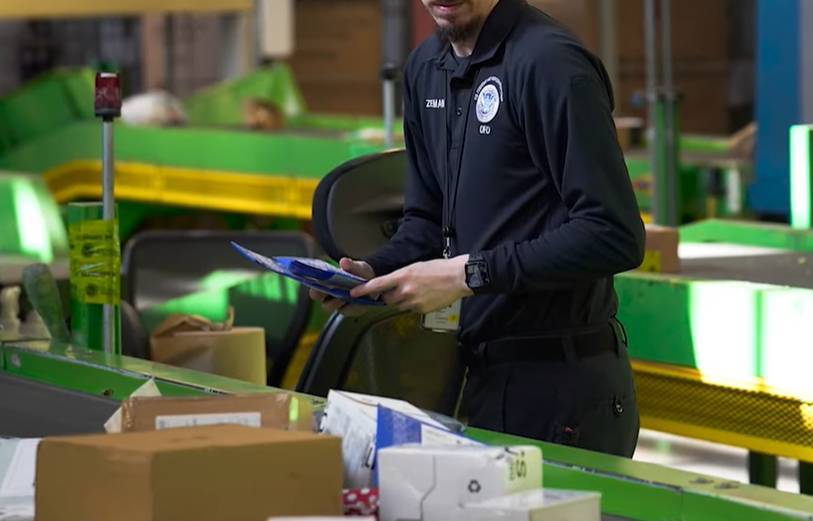
Group 1: Trade Agreement Impact - The US and China have officially announced the cancellation of 91% of tariffs on each other's goods, marking a significant step towards easing trade tensions and providing a boost to global economic recovery [2] - The tariff adjustments are expected to create unprecedented development opportunities for Chinese manufacturing, particularly in the context of global supply chain restructuring [2] Group 2: Electronics Industry - The electronics sector, a key pillar of China's exports to the US, will benefit significantly from the tariff reductions, with costs for exporting products like smartphones dropping from $150 to $12 per unit, leading to a 6.8 percentage point increase in gross margins [3] - Xiaomi Group plans to increase its North American production capacity utilization from 45% to 70%, anticipating a recovery in revenue to $5 billion by 2025 due to the tariff relief [5] Group 3: Machinery and Equipment - The machinery manufacturing sector is poised for market expansion, with John Deere's China division expecting to increase its market share in the US from 7% to 12% after tariffs on agricultural machinery drop from 34% to 3.06% [5] - Sany Heavy Industry has successfully secured infrastructure project orders in the US, with its excavators priced 25% lower than competitors due to tariff reductions, leading to a 237% year-on-year increase in exports from January to May 2025 [5] Group 4: Textile and Apparel - The textile and apparel industry is experiencing enhanced market competitiveness, with the cost of exporting cotton knit shirts to the US decreasing by $0.8 per unit, resulting in a 5.2 percentage point increase in gross margins [6] - Anta Sports plans to open 50 direct stores in the US, leveraging tariff advantages to reduce product prices by 15% and compete directly with major brands like Nike and Adidas [6] Group 5: Semiconductor Industry - The tariff adjustments are creating new opportunities for collaboration in the semiconductor sector, with CATL and Tesla entering negotiations for a lithium production line in Nevada, which will significantly lower raw material costs for batteries [7] - Domestic semiconductor equipment manufacturers are also benefiting, with North Huachuang reporting a 40% reduction in trial periods for its etching machines in US wafer fabs due to tariff relief [9] Group 6: Cross-Border E-commerce - Cross-border e-commerce is set to experience a resurgence, particularly for brands like Shein and TikTokShop, as the reduction in tariffs allows for lower product costs and enhanced market penetration in the US [10][12] - Shein's cost for a $20 garment has decreased from $2.5 to $0.2 due to tariff changes, providing greater pricing flexibility and the potential for increased market share [12] Group 7: Shipping and Logistics - COSCO Shipping is directly benefiting from the recovery in US-China trade, with a 27% increase in container shipping rates on the US West Coast and a projected 40% growth in cargo volume for the year [15] - The cold chain logistics sector is also seeing significant growth, with Zhonggu Logistics reporting a 340% increase in refrigerated transport revenue [15] Group 8: Renewable Energy - Solar companies like LONGi Green Energy are expanding in the US market, with project costs decreasing by 12% due to tariff reductions, and the US solar installation demand expected to grow by 56% in 2025 [16] - The energy storage sector is also benefiting, with Sunshine Power's systems priced 20% lower than Tesla's offerings, leading to significant order growth in California [16] Group 9: Overall Economic Impact - The stabilization of US-China trade relations is projected to contribute 0.8 percentage points to global economic growth, with Chinese manufacturing poised for historic advancements in technology innovation and brand development [16]

T86未被纳入中美谈判议题,跨境电商税负压力持续
Haitong Securities International· 2025-05-13 07:23
wo[Table_Title] Research Report 13 May 2025 中国互联网 China (Overseas) Internet T86 未被纳入中美谈判议题,跨境电商税负压力持续 [Table_summary] 事件: 截至 2025 年 5 月 12 日,中美在日内瓦举行的高层经贸谈判取得了实质性进展。但此次联合声明并没有提及 T86 政 策,意味着 T86 政策照常取消。自从 2025 年 5 月 2 日美国正式取消 T86 免税政策,标志着中国跨境电商在美"低价 直邮"时代的终结,尤其对跨境电商 Temu,TikTok, Shein 等产生影响。 点评: T86 取消带来成本飙升与履约难题 1)Temu: 模式受限,市场份额下滑。Temu 原本依赖于中国直邮和低价策略在美国市场迅速扩张。然而,T86 政策的取消迫 使 Temu 停止从中国直接向美国客户发货,转而依赖美国本地卖家和仓储系统。这一转变导致其在美国的下载量下 降了 73%,活跃用户减少了 43%。此外,Temu 还削减了在美国的广告支出,并计划在美国建立本地仓储和物流运 营,以适应新的贸易环境。 T86 policy ...

Temu and Shein are in a tricky spot — but it's mostly good news
Business Insider· 2025-05-12 22:38
Group 1: Trade War Context - Temu and Shein are currently navigating a 90-day reprieve in the trade war with China, with tariffs reduced to 30% from 145% as negotiations for a new trade deal begin [1] - High tariffs remain on small packages shipped directly from China, which are typically used by Temu and Shein [1] Group 2: Tariff Changes and Impacts - The de minimis exception allowing packages under $800 to ship without duty has been closed by Trump, with new tariffs as high as 120% or a flat fee of $100 per package, increasing to $200 in June [2] - Despite the 90-day deal, these tariffs remain in effect, impacting the shipping strategies of Temu and Shein [2] Group 3: Strategic Adjustments by Temu - Temu has implemented a workaround by building US warehouses, allowing for local shipping and avoiding extra import charges [3] - The company has adjusted its site to primarily display items that ship from US warehouses, aiming to recruit more US-based sellers [3] Group 4: Future Considerations - While the current strategy helps, Temu will eventually need to restock US warehouses, which will be subject to the higher tariffs [4] - Temu has options to focus on other markets or wait for a potential trade deal [4] Group 5: Current Situation for Sellers - The situation remains challenging for Temu and Shein due to high tariffs on direct shipments from China, but replenishing US warehouses with lower tariff charges provides some relief [5] - Sellers on Temu are experiencing positive sentiment, with one seller reporting mid-double-digit sales growth as American consumers stock up before potential price increases [8][9]

Europe Social Commerce Market Intelligence Report 2025-2030: Major Platforms like Meta and TikTok Leading the Future $302 Billion Market, New Entrants such as Shein and Temu Expanding their Presence
GlobeNewswire News Room· 2025-05-12 13:55
Market Overview - The European social commerce market is projected to grow by 20.7% annually, reaching USD 146.35 billion in 2025, following a robust growth period from 2021 to 2024 with a CAGR of 25.5% [2] - The market is expected to continue expanding with a forecasted CAGR of 15.6% from 2025 to 2030, potentially reaching approximately USD 302.74 billion by the end of 2030 [2] Regional Trends - Distinct trends are emerging across different European countries, with the UK leading in live shopping events, Germany showing significant revenue growth, and France leveraging influencer partnerships [3] - Brands must adopt country-specific strategies to effectively engage with local consumer behaviors and navigate regulatory challenges [3] Competitive Landscape - Major platforms like Meta and TikTok dominate the market, while new entrants such as Shein and Temu are expanding their presence [4] - Recent acquisitions, including Brave Bison's purchase of Social Chain and Charlesbank's acquisition of Front Row, indicate a trend toward consolidation in the market [4][15] Regulatory Environment - The European Union's regulatory frameworks, including the Digital Services Act and Digital Markets Act, impose stricter regulations on online platforms, affecting competition and compliance [4][15] - Companies must navigate complex regulatory environments shaped by data protection laws and antitrust concerns, which may slow the adoption of social commerce compared to other regions [9] Consumer Engagement - Spanish consumers are increasingly engaging with various social media platforms for shopping, particularly on Facebook, Instagram, and YouTube [9] - A multi-platform approach tailored to the unique features and audiences of each platform is essential for brands targeting the Spanish market [9] Key Players - Meta Platforms (Facebook, Instagram) and TikTok are leading the European social commerce market, with Meta leveraging its extensive user base to integrate shopping features [10] - Shein and Temu, both Chinese platforms, are making significant inroads into the European market, attracting consumers with competitive pricing [10]


出海周报丨中美达成重要共识;Temu已停止美区全托管模式;圣诞用品订购旺季提前到
2 1 Shi Ji Jing Ji Bao Dao· 2025-05-12 01:49
中美达成重要共识,会谈取得实质性进展 据新华社报道,5月10日至11日,中美双方在瑞士日内瓦举行经贸高层会谈。中方代表团在新闻发布会 上表示,双方就彼此关心的经贸问题开展了深入交流。会谈氛围是坦诚的、深入的、具有建设性的,取 得了实质性进展,达成了重要共识。双方一致同意建立中美经贸磋商机制,明确双方牵头人,就各自关 切的经贸问题开展进一步的磋商。中美双方将尽快敲定有关的细节,并且将于5月12日发布会谈达成的 联合声明。 21世纪经济报道记者 董静怡 上海报道 过去一周(5.5-5.11),出海领域发生哪些动态? 行业一览 海关总署:今年前4个月我国货物贸易进出口同比增长2.4% 海关总署9日对外公布,前4个月我国货物贸易进出口总值14.14万亿元,外贸延续了平稳增长态势。据 海关统计,今年前4个月,我国货物贸易进出口总值14.14万亿元,同比增长2.4%。其中,出口8.39万亿 元,增长7.5%;进口5.75万亿元,下降4.2%。4月当月,我国货物贸易进出口3.84万亿元,增长5.6%。 其中,出口2.27万亿元,增长9.3%;进口1.57万亿元,增长0.8%。 海关总署:前4个月我国对周边国家进出口同比增长 ...

Temu:中国直发美国商品全面停摆,跨境低价时代终结?
Sou Hu Cai Jing· 2025-05-08 17:23
Policy Impact - The U.S. has officially removed the tariff exemption for small packages from China, replacing it with import fees up to 145% starting May 2, 2023, with further increases planned [1][3] - This policy significantly affects Chinese e-commerce platform Temu, which previously thrived on low-cost shipping, leading to a drastic increase in consumer costs for Chinese goods by 130%-150% [3][4] Company Response - In response to the tariff pressure, Temu announced on May 3, 2023, that it would cease all direct shipments from China to the U.S., shifting to a model where all orders are fulfilled by local U.S. sellers [4][5] - The platform has marked all direct shipment items as "out of stock" and is focusing on a localized supply chain to eliminate import fees and additional shipping costs [5] Consumer and Seller Impact - The new tariffs are expected to disproportionately affect low-income American households, with 60% of Temu's users earning less than $50,000 annually, leading to a significant increase in living costs [6][7] - Over half of the small Chinese sellers relying on the previous tariff exemption are likely to exit the market due to increased costs, with some sellers facing profit margin squeezes of 26%-150% [7][8] Industry Dynamics - Other platforms like Shein and AliExpress are also adjusting their pricing strategies in response to the new tariffs, with Shein increasing prices by 51% and Amazon's low-cost platform Haul ceasing to display tariff costs [8] - The average cost of goods has risen from $12.5 to $14.9, a 19.2% increase, while logistics costs have surged from 15% to 22% of total costs, a 46.7% rise [8] Future Strategies - Temu is accelerating the recruitment of U.S. small sellers and has established inventory centers in the U.S. to replace the direct shipment model from China [9][10] - The company is also exploring new markets in Brazil, Mexico, and Nigeria to diversify its risk amid tightening U.S. policies [9][10] - Compliance measures are being enhanced globally, with Temu requiring sellers to meet local regulations and certifications to navigate international trade challenges [10] Conclusion - The changes in U.S. tariff policy highlight the harsh realities of global trade, pushing companies to shift from aggressive pricing strategies to more sustainable practices focused on localization, compliance, and market diversification [11][13]
最新!美国取消小额包裹免税,零售商开始退出美国市场
Sou Hu Cai Jing· 2025-05-07 15:52
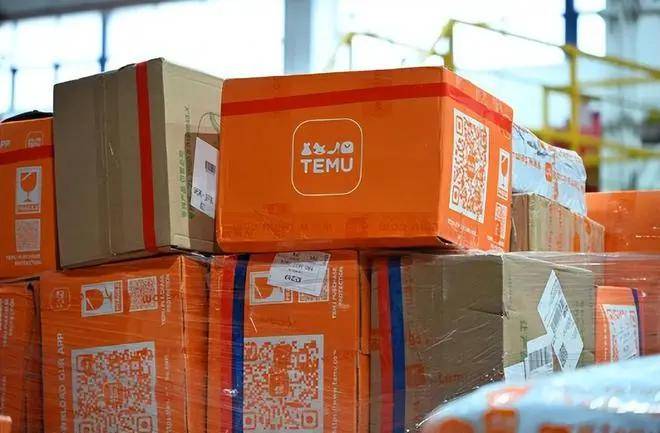
美国取消小额包裹免税,零售商开始退出美国市场 2025年5月2日,美国政府正式终止对来自中国和香港的"小额包裹免税"政策(de minimis exemption),将所有低于800美元的进口商品纳入新的征 税体系。此举迅速在跨境电商行业引发震荡,多家中小零售商选择暂停或退出美国市场。 美国最新政策要求,通过商业渠道发货的商品将按目前145%的比例征加关税,邮政系统发运的包裹则需缴纳30%货值税或25美元固定税(6月起 为50美元)。 小额包裹免税终止 长期以来,美国"de minimis"政策为全球跨境电商,尤其是中国出口商提供了极具成本优势的通道。任何单票价值不超过800美元的商品,不经正 式报关、不需缴纳税款,便可快速送达美国消费者手中。路透社表示,2024年,仅通过"de minimis"渠道出口的中国包裹总额就超过51亿美元。 而今,美国以荒诞的"打击芬太尼走私""封堵中国渠道"为由,彻底终止了这一政策,并分别对商业渠道和邮政包裹实施了如下规定: 包裹类型 适用路径 原适用免税政策 新收费标准 备注 商业快递 UPS、FedEx、DHL等 800美元以下免税 征收145%惩罚性关税+ 原有关税 按正 ...