
华润啤酒

Search documents
大行评级丨大和:下调华润啤酒目标价至36港元 重申“买入”评级
Ge Long Hui· 2025-11-18 05:39
Core Viewpoint - Daiwa's report indicates that China Resources Beer is adapting to new retail channels and developing new flavors to cater to the rapidly changing preferences of young Chinese consumers [1] Company Strategy - The management of China Resources Beer emphasizes the importance of real-time retail and the introduction of new flavors such as juice beer and tea-flavored beer to meet consumer demands [1] - Daiwa believes that China Resources Beer possesses strong execution capabilities and flexible strategies to respond to the fast-changing preferences of Chinese consumers, maintaining a preference over its main competitors [1] Financial Outlook - Due to a potential slowdown in the growth rate of average selling prices and profit margins, Daiwa has lowered its core earnings per share forecast for China Resources Beer by 4% for the years 2025 to 2027 [1] - The "Buy" rating is reiterated, with the target price adjusted from HKD 38 to HKD 36, based on a target price-to-earnings ratio of 18 times for the next year [1]

从“量大”到“质强” 中国啤酒行业如何实现破局?
Jing Ji Ri Bao· 2025-11-18 05:38
Core Insights - The Chinese beer industry has evolved significantly over the past century, transitioning from traditional brewing to industrial production, and has been the world's largest producer and consumer of beer since 2002 [1][2][3] - The industry is now facing a period of stock competition, with a need for innovation and quality improvement to maintain international competitiveness [1][4] Historical Development - The first Chinese brewery was established in Harbin in 1900, followed by others in major cities, leading to the emergence of local brands [2] - The beer industry saw rapid growth post-1949, with significant expansion in production and variety, particularly after the implementation of the "beer special project" in 1985 [2][3] - By 1993, China surpassed Germany in beer production, and by 2002, it became the world's largest beer producer with a total output of 24.03 million tons [2][3] Market Dynamics - The industry has entered a phase of stock competition since 2013, with a decline in traditional beer demand due to demographic shifts and changing consumer preferences towards healthier options [3][4] - The proportion of consumers aged 60 and above has increased, while the main consumer group (ages 20-40) has decreased, leading to a natural decline in beer production [3] Competitive Landscape - The market is highly concentrated, with major brands like China Resources, Tsingtao, and Yanjing holding over 70% of the market share [4] - Companies are shifting focus from expansion to high-quality development, adapting to new consumer trends and demands [4][5] Consumer Trends - There is a noticeable shift in consumer preferences towards high-end, refined, and diversified beer products, prompting companies to innovate in flavors and marketing strategies [5][6][9] - The rise of craft beer reflects a growing consumer desire for unique flavors and experiences, with many new entrants in the market [12][13] Pricing and Revenue - The average selling price of beer has become a key driver for revenue growth, with companies targeting the premium market segment [8] - Major brands have reported significant growth in mid-to-high-end product sales, indicating a successful transition towards premiumization [8] Sustainability and Innovation - The industry is increasingly focusing on sustainability, with initiatives aimed at reducing carbon emissions and improving water efficiency [21][22][23] - Companies are investing in advanced technologies and practices to enhance production efficiency and environmental responsibility [25][26] Supply Chain Challenges - The beer industry faces challenges related to raw material supply, particularly barley and hops, which are heavily imported [30][35][36] - Efforts are being made to improve domestic production and quality of these essential ingredients to ensure supply chain security [35][36] Future Outlook - The industry is expected to continue evolving with a focus on innovation, quality, and sustainability, aiming to enhance its global competitiveness [37][38] - There is a strong emphasis on cultural branding and international market penetration to elevate the global presence of Chinese beer brands [38]



大和:降华润啤酒目标价至36港元 重申“买入”评级
Zhi Tong Cai Jing· 2025-11-18 05:22
Core Viewpoint - Daiwa's report indicates that China Resources Beer (00291) is adapting to new retail channels and developing new flavors to cater to the rapidly changing preferences of young Chinese consumers [1] Group 1: Company Strategy - The management of China Resources Beer emphasized the importance of aligning with instant retail and introducing new flavors such as fruit-flavored and tea-flavored beers [1] - The company is expected to maintain a competitive edge over its main rivals due to its strong execution capabilities and flexible strategies [1] Group 2: Financial Outlook - Daiwa has lowered its earnings per share forecast for China Resources Beer by 4% for the years 2025 to 2027, citing potential slowdowns in average selling price and profit margin expansion [1] - The target price for the stock has been adjusted from HKD 38 to HKD 36, based on a projected price-to-earnings ratio of 18 times for the next year [1]
深圳市AI+药械研发公共服务平台正式启动
Nan Fang Du Shi Bao· 2025-11-18 04:25
Core Insights - The 27th China International High-tech Achievements Fair concluded with a focus on the development of innovative pharmaceuticals in Shenzhen, emphasizing the theme "AI Empowerment, Moving Forward" [1][3] Group 1: Event Overview - The forum was guided by the Shenzhen Development and Reform Commission and the Shenzhen Science and Technology Innovation Bureau, hosted by Shenzhen Polytechnic University, featuring top academicians and industry leaders [3] - Key activities included policy interpretation, platform launches, achievement announcements, project signings, and high-level dialogues [3] Group 2: Policy and Infrastructure Development - Shenzhen is actively promoting high-quality development in the biopharmaceutical industry, establishing a city-level medical device office, implementing supportive policies, and creating a new medical academy mechanism [3] - The city has set up over 10 billion yuan industry funds and is focusing on AI drug development among other new tracks [3] Group 3: AI and Pharmaceutical Research Initiatives - The Shenzhen AI + Pharmaceutical Research Public Service Platform was officially launched, integrating multiple AI-driven research platforms to enhance drug development [5] - The forum also introduced the "AI for Science Innovation Application Competition" to foster innovation teams in the biopharmaceutical sector [5] Group 4: Research Collaborations and Project Signings - Shenzhen Polytechnic University signed eight major projects with various enterprises and institutions to enhance research collaboration and talent cultivation [6] - These initiatives aim to strengthen the foundation for high-quality development in the biopharmaceutical industry [6] Group 5: Industry Achievements and Future Goals - The forum highlighted 10 innovative pharmaceutical achievements expected by 2025, covering areas such as AI drug development, cell therapy, and targeted cancer drugs [5] - From 2015 to 2024, China has developed a total of 3,575 innovative drugs, surpassing the United States, with Shenzhen positioned as a key base in the biopharmaceutical industry aiming for an annual output value of 200 billion yuan [8]

大和:降华润啤酒(00291)目标价至36港元 重申“买入”评级
智通财经网· 2025-11-18 03:46
Core Viewpoint - Daiwa's report indicates that China Resources Beer (00291) is adapting to new retail channels and developing new flavors to cater to the rapidly changing preferences of young Chinese consumers [1] Company Strategy - The management emphasized the importance of aligning with instant retail and introducing new flavors such as fruit-flavored and tea-flavored beers [1] - The company is expected to maintain a competitive edge over its main rivals due to its strong execution capabilities and flexible strategies [1] Financial Outlook - Daiwa has lowered the earnings per share forecast for China Resources Beer by 4% for the years 2025 to 2027 due to a potential slowdown in the expansion of average selling prices and profit margins [1] - The target price has been adjusted from HKD 38 to HKD 36, based on a projected price-to-earnings ratio of 18 times for the next year [1]
摩根士丹利热点前瞻-双十一之后,中国消费的趋势变化
摩根· 2025-11-18 01:15
Investment Rating - The report maintains a cautious outlook on the overall consumption market, indicating a bottom consolidation phase, with specific recommendations for companies like China Resources Beer, Baisheng China, and Haidilao [1][7]. Core Insights - High-income groups and residents in first and second-tier cities show strong consumption willingness, particularly in high-end luxury goods, which have been recovering since September [2][3]. - The overall retail sales growth for October was 2.9%, slightly lower than September, indicating a stabilization in consumer spending [2]. - E-commerce platforms have been suppressing product prices due to subsidies, but this pressure is expected to ease next year, potentially stabilizing prices for sensitive categories like daily necessities and dining out [6][21]. Summary by Sections Consumer Behavior - High-income consumers (monthly income above 30,000) and residents in major cities are optimistic about future spending, correlating with the recovery in luxury goods sales [3][4]. - Middle and low-income consumers exhibit more cautious spending behavior [4]. Product Categories - Categories such as sports goods, electronics, and daily necessities are expected to see slight increases in spending over the next quarter, particularly during the year-end and Spring Festival [5][6]. - Online retail sales in October grew by 4.9%, down from 7.3% in September, influenced by early Double Eleven promotions [9]. Company Recommendations - The report recommends China Resources Beer in the beer sector, Baisheng China in the dining sector, and highlights the potential of Deepzhou Company in the apparel OEM business [7][8]. - Atour Hotel's retail business is projected to exceed 800 million yuan during Double Eleven, with a year-on-year growth of over 60% [8]. Market Trends - The home appliance sector saw a 15% year-on-year decline in sales, while smartphone sales, particularly for the iPhone 17, increased by 23% [10]. - The duty-free industry experienced a 35% year-on-year growth in early November, driven by policy changes and increased consumer spending [20][21]. Industry Outlook - The gold and jewelry sector is facing pressure from VAT reforms, leading to price increases and necessitating close monitoring of demand elasticity [22][23]. - Companies like Chow Tai Fook and Lao Pu are highlighted for their growth potential, with expected increases in sales and market share [23].
【高质量发展产业调研】啤酒业破局
Jing Ji Ri Bao· 2025-11-18 01:03
啤酒,一种由麦芽、水、啤酒花和酵母通过特定酿造工艺制成的酒精饮品。中国啤酒产业发展至今 已逾百年,经历了从传统酿造到工业化生产的重大转变。自2002年以来,我国连续位居世界啤酒生产国 和消费国榜首。到2013年,我国啤酒产量为5062万吨,达到历史最大生产规模。 "推动中国制造向中国创造转变、中国速度向中国质量转变、中国产品向中国品牌转变",习近平总 书记提出的"三个转变",为推动我国产业结构转型升级、打造中国品牌指明了方向,同样对推动啤酒产 业高质量发展具有重要的指导意义,促使啤酒企业注重技术创新、质量提升和品牌建设。 在存量竞争态势愈发突出、消费需求日益分化多元的当下,啤酒行业如何创新求变,在"量大"的基 础上进一步实现"质强",打造国际影响力?记者进行了深入调研。 存量竞争 走进哈尔滨啤酒博物馆,一眼百年。乘"时光列车"重回百年老街,不知不觉被牵入历史深处。1900 年,一名俄国商人瞅准中东铁路开工的商机,在当时的国际性商埠哈尔滨开设了中国第一家啤酒厂乌卢 布列夫斯基啤酒厂,这是哈尔滨啤酒集团有限公司的前身。3年后,英德商人在青岛建立啤酒厂;外国 资本也陆续在北京、上海、广州等地建厂,催生五星、五羊等早 ...
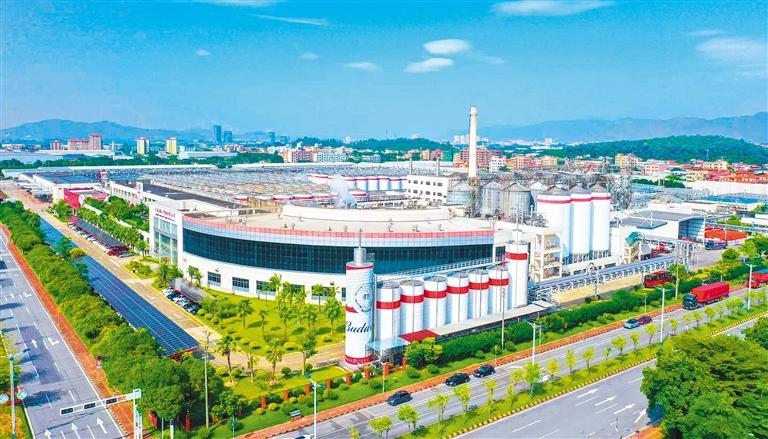
啤酒业破局
Jing Ji Ri Bao· 2025-11-17 22:10
Core Viewpoint - The Chinese beer industry is transitioning from a phase of rapid growth to one of quality improvement and brand building, driven by changing consumer preferences and market dynamics [3][5][6]. Industry Development - The Chinese beer industry has evolved significantly over the past century, becoming the world's largest producer and consumer of beer since 2002, with a peak production of 50.62 million tons in 2013 [2][4]. - The industry has seen a shift from traditional brewing to industrial production, with major policy support since the 1980s leading to a rapid increase in production capacity and the emergence of numerous regional brands [4][5]. Market Dynamics - The beer market is now characterized by intense competition and a focus on quality over quantity, as traditional beer consumption declines and health-conscious trends rise among consumers [5][6]. - By 2023, the proportion of the population aged 60 and above reached 21.1%, while the main consumer demographic (ages 20-40) decreased from 35% to 28%, indicating a shift in market dynamics [5]. Consumer Trends - There is a growing demand for high-end, diverse, and premium beer products, with companies focusing on innovation and brand differentiation to meet these evolving consumer preferences [10][11][12]. - The rise of craft beer reflects a broader trend towards product differentiation and unique consumer experiences, with major brands entering the craft beer space [14][15]. Strategic Initiatives - Major beer companies are implementing high-end strategies, with products priced above 10 yuan gaining traction, and some brands even entering the ultra-premium market [10]. - Companies are also focusing on product diversification to cater to different consumer segments, with a notable increase in the variety of beer offerings [11][12]. Technological Advancements - The industry is leveraging digital and smart manufacturing technologies to enhance production efficiency and reduce carbon emissions, with companies like Qingdao Beer leading the way in smart factory initiatives [30][31]. - The adoption of instant retail models is reshaping sales channels, allowing for rapid delivery and increased consumer engagement [16][17]. Sustainability Efforts - The beer industry is increasingly focused on achieving carbon neutrality and sustainable practices, with initiatives aimed at reducing water and energy consumption throughout the production process [21][22][23]. - Companies are collaborating with upstream and downstream partners to promote green practices across the entire value chain, including the use of low-carbon packaging and transportation methods [26]. Challenges and Opportunities - The industry faces challenges related to raw material dependency, particularly for barley and hops, which are largely imported, impacting supply chain security [34][35]. - There is a need for innovation in product development to create globally recognized Chinese beer brands, emphasizing the importance of cultural elements in marketing strategies [36][37][38].

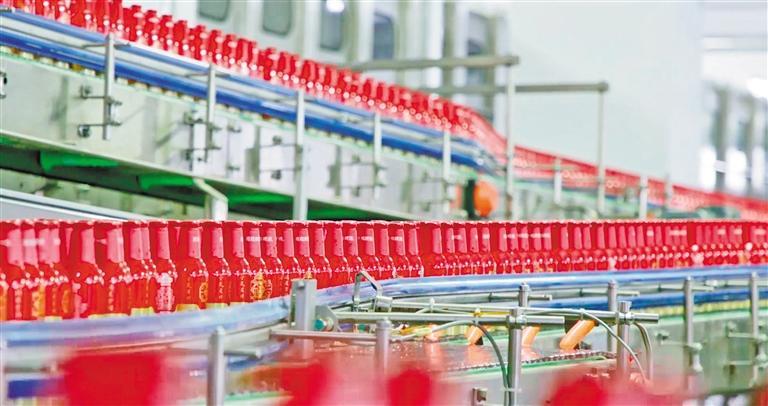
增利难增收?5家头部啤酒企业掌门人揭秘破局关键
Mei Ri Jing Ji Xin Wen· 2025-11-17 14:37
Core Insights - The beer industry is experiencing a slowdown in overall growth, with companies facing challenges in increasing profits while revenues remain stagnant [2][8] - The recent "Double 11" shopping festival saw significant online sales for major beer brands, but the competitive landscape is shifting towards high-end products and diverse consumption scenarios [2][6] Group 1: Market Trends - Major beer brands like Tsingtao, Budweiser, and Yanjing dominated online sales during "Double 11," with Tsingtao's exclusive 211ml small white beer seeing a nearly 4-fold increase in sales [2] - The beer market is transitioning from a speed competition to a focus on high-end products and diverse consumption scenarios, indicating a need for innovation and adaptation [2][8] Group 2: Product Innovation - Companies are focusing on product innovation to meet changing consumer demands, with new categories like non-alcoholic and low-calorie beers gaining traction [3][9] - Carlsberg China emphasizes the importance of high-end products and fine management, while Budweiser Asia Pacific highlights the need for technological advancements in brewing processes [4][5] Group 3: Consumption Scenarios - The traditional consumption scenarios for beer are weakening, prompting companies to explore new experiences such as outdoor activities and urban street culture [6][7] - Tsingtao Beer is creating experiential venues like museums and beer gardens to enhance consumer engagement, while Carlsberg is aligning its brands with specific dining experiences [6][7] Group 4: Industry Outlook - Despite the current challenges, the long-term growth potential of the Chinese beer market remains strong, with a focus on quality and innovation [8][9] - Industry leaders stress the importance of collaboration and shared efforts to drive innovation and quality improvements across the sector [9]



“双11”线上赚吆喝,啤酒业却仍“增利难增收”?5家头部酒企掌门人揭秘破局关键
Mei Ri Jing Ji Xin Wen· 2025-11-17 10:40
Core Insights - The recent "Double 11" shopping festival saw significant sales growth in the beer market, with brands like Tsingtao, Budweiser, and Yanjing leading in sales on platforms like JD.com and Tmall [1][2] - Despite the online sales boom, the overall growth rate of beer manufacturers is slowing down, indicating a challenging environment for profit growth amidst fierce competition [1][5] - Industry leaders are focusing on product innovation and exploring new consumption scenarios to adapt to changing consumer demands and market dynamics [2][3][4] Industry Trends - The beer market is experiencing new growth characteristics influenced by economic conditions, demographic changes, and evolving consumer habits, particularly among Gen Z, single-person households, and the elderly [2][5] - Companies are launching regional specialty products and expanding their product lines to include non-beer beverages, aiming to capture new growth opportunities [2][4] - The shift towards high-end products remains a key focus, with companies like Carlsberg China emphasizing refined management and long-term strategies to meet consumer expectations for quality [3][6] Market Challenges - The beer industry faces pressures from overcapacity, demand slowdown, and price declines, leading to a competitive landscape where traditional consumption scenarios are weakening [5][7] - Companies are urged to innovate and adapt to new consumption environments, such as outdoor and urban settings, to remain relevant [5][6] - Financial reports indicate that major A-share beer companies experienced a total revenue of approximately 61.5 billion yuan and a net profit of about 9.3 billion yuan in the first three quarters, with some companies facing revenue declines [6][7] Future Outlook - Despite current challenges, the Chinese beer market is still viewed as having significant long-term growth potential, being the largest beer market globally [6][7] - Industry leaders stress the importance of collaboration and long-term investment in product innovation, quality enhancement, and consumer education to navigate the evolving market landscape [7]