
瑞幸咖啡

Search documents
一杯咖啡只卖6元,到底能不能赚钱?
3 6 Ke· 2025-12-24 03:19
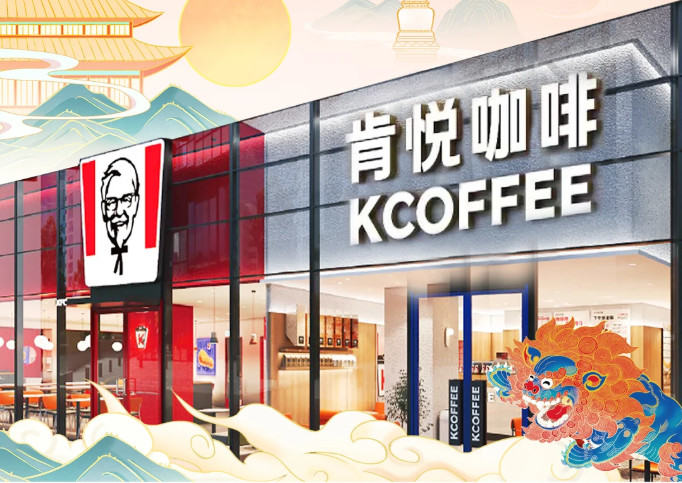
Core Insights - Yum China CEO Qu Cui Rong stated that the 6 yuan KFC coffee can still be profitable, which has drawn industry attention [1] - The low price strategy is supported by extreme cost control and a unique store opening strategy called "shoulder-to-shoulder" [1][2] Group 1: Business Strategy - The "shoulder-to-shoulder" strategy involves renting out idle space in existing KFC locations to reduce labor and rental costs while managing both chicken and coffee operations [1] - This strategy has been identified as a key factor in KFC coffee's profitability [1] Group 2: Store Expansion - KFC coffee has accelerated its store expansion, adding approximately 300 new stores in the first two quarters of 2023, with plans to exceed 1,500 stores by year-end [2] - The target for store growth was raised to 1,700 in Q2, and by Q3, the number of stores surpassed 1,800, with expectations to exceed 5,000 by 2029 [2] Group 3: Pricing Strategy - KFC coffee continues to implement a low-price strategy, offering coffee at 6 yuan with monthly cards and various promotional activities [2] - CEO Qu Cui Rong emphasized the importance of maintaining a balance between resilience, growth, and a competitive edge without resorting to excessive spending [2] Group 4: Industry Trends - Other coffee brands are also engaging in aggressive pricing strategies, with some offering coffee for as low as 3.9 yuan [4] - The increasing prevalence of low-priced coffee has led to a price war in the industry, raising concerns about quality degradation and market sustainability [7] Group 5: Market Dynamics - Some brands, like Luckin Coffee, have started to increase prices, indicating a shift towards establishing a higher price point to differentiate from competitors [8] - Analysts suggest that a cautious consumer trend is emerging, where customers prefer better quality products at acceptable price points, necessitating a focus on quality alongside price increases [8]



门店破万,跻身咖啡“四大天王”,前饿了么高管和瑞幸掰手腕
3 6 Ke· 2025-12-23 23:36
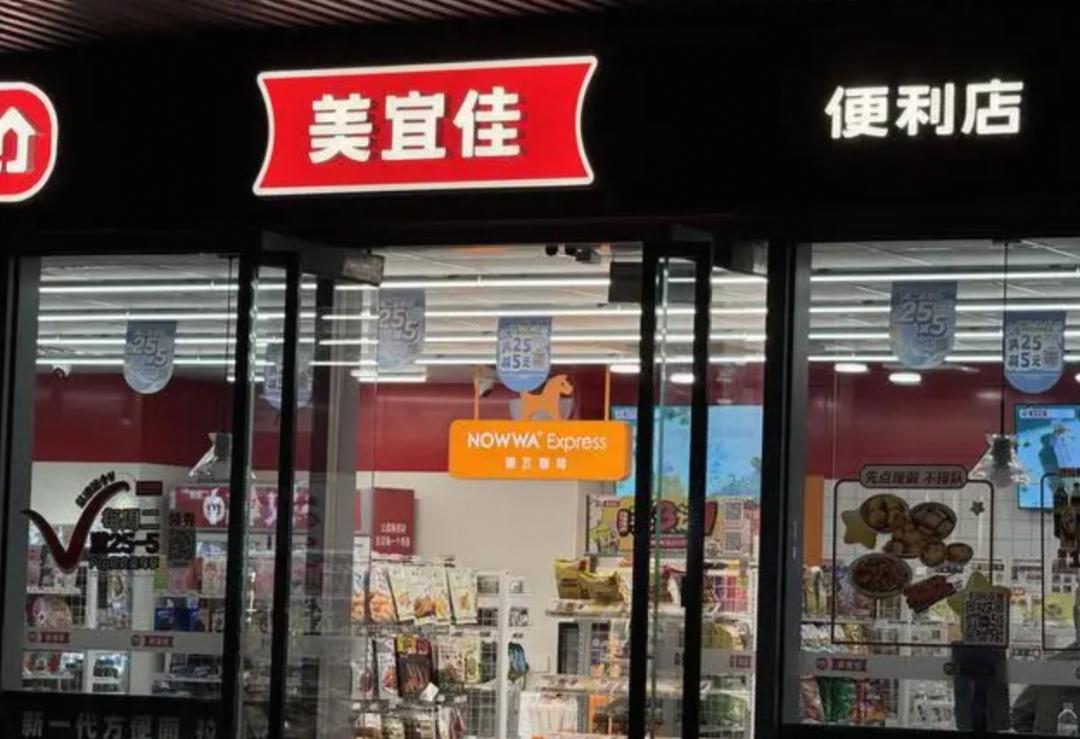
Core Insights - The article discusses the rapid expansion of coffee chains in China, particularly focusing on NOWWA Coffee, which has recently surpassed 10,000 stores globally, joining the ranks of major competitors like Luckin Coffee, Kudi, and Lucky Coffee [1][7] Group 1: Market Overview - The coffee market in China is witnessing a significant transformation, with four major players: Luckin Coffee (29,000 stores), Kudi (15,000 stores), Lucky Coffee (10,000 stores), and NOWWA Coffee (10,000 stores) [1] - NOWWA Coffee has achieved a remarkable growth rate, with a year-on-year increase of over 400% in store numbers, peaking at 1,800 new stores in a single month [8][12] Group 2: Business Model and Strategy - NOWWA Coffee employs a "store-in-store" model, partnering with existing businesses like restaurants and convenience stores to minimize costs and maximize reach, with 91.9% of its stores being this type [8][12] - The initial investment for opening a NOWWA Coffee outlet in a convenience store is approximately 16,000 yuan, significantly lower than traditional standalone coffee shop investments [12] Group 3: Competitive Landscape - The competitive dynamics among the four major coffee brands highlight different strategies: Luckin focuses on digital operations, Kudi on aggressive expansion, and Lucky Coffee on cost leadership, while NOWWA emphasizes flexibility and market penetration [15][17] - The article notes that while NOWWA has a strong presence, it still lacks a standout product that can dominate the market, which may hinder its brand recognition [15] Group 4: Future Outlook - NOWWA Coffee aims to expand to over 30,000 high-quality stores by 2030, with a focus on maintaining profitability and operational efficiency [13] - The coffee market's evolution raises questions about brand loyalty and consumer choice as coffee becomes ubiquitous, emphasizing the need for brands to differentiate themselves [17]
拼养生赛道,茶饮业掀起“黑色旋风”
Xin Lang Cai Jing· 2025-12-23 17:02
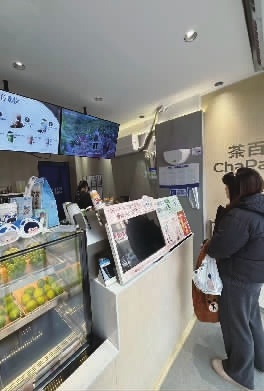
Core Insights - The rise of black sesame-flavored products in the beverage and dessert market in Changsha is linked to increasing health-conscious consumer behavior during winter, with multiple brands launching new offerings [3][4][5] Beverage Industry - Several tea and coffee brands, including Luckin Coffee and Tea Baidao, have introduced black sesame products, such as the "Five Black Latte" and "Black Sesame Soy Milk Kirin," which have gained popularity among consumers [3][4] - M Stand has also launched a series of black sesame-themed products, including a black sesame Basque milk and cheesecake, contributing to the trend [4] - Local coffee shops are joining the trend, with at least ten establishments in Changsha adding black sesame lattes to their menus, promoting health benefits like hair nourishment and wellness [5] Consumer Reception - While some consumers appreciate the health aspects of black sesame products, others criticize the taste, comparing it unfavorably to traditional black sesame paste [3][6] - Social media discussions reveal mixed reviews on the flavor and quality of black sesame beverages, with some consumers finding them lacking in richness and authenticity [6] Health Claims and Ingredients - Black sesame is recognized in traditional Chinese medicine for its health benefits, which has led to its popularity among food brands [6] - However, concerns have been raised about the actual health benefits of some products, as many contain high levels of sugar and additives, leading to skepticism about their nutritional value [6] - Industry experts note that while black sesame fits well within the "new Chinese" health trend, some products may prioritize marketing over genuine health benefits, diluting the core value of black sesame [6]
2025年中国餐饮连锁行业市场研究报告
硕远咨询· 2025-12-23 14:08
Investment Rating - The report does not explicitly provide an investment rating for the Chinese restaurant chain industry Core Insights - The Chinese restaurant chain industry is experiencing rapid growth, with the market expected to exceed 1 trillion RMB by 2024, driven by consumer demand for quality and convenience [20][21] - The industry is characterized by a diverse range of business formats, including fast food, casual dining, coffee shops, and tea houses, each catering to different consumer preferences [9][10] - Digital transformation and innovation in service delivery are key trends, with companies adopting technologies like smart ordering and online-to-offline (O2O) models to enhance customer experience [8][14] Summary by Sections 1. Industry Overview - Restaurant chains are defined as businesses operating multiple outlets under a unified brand, emphasizing standardized management and quality [4] - The industry has evolved from a focus on fast food in the 1980s to a more diversified market with various dining formats [12][14] - Major brands include McDonald's, KFC, Haidilao, and Starbucks, reflecting a mix of local and international influences [10][11] 2. Market Environment Analysis - The macroeconomic environment supports the restaurant chain industry, with rising disposable incomes and urbanization driving demand [26] - The supply chain, including food sourcing and logistics, plays a crucial role in operational efficiency [27][28] - Regulatory frameworks are increasingly focused on food safety and environmental sustainability, impacting operational practices [31] 3. Market Size and Development Trends - The market is projected to grow at a compound annual growth rate (CAGR) of around 10%, with fast food and tea segments leading the growth [20][21] - Online sales channels are rapidly expanding, particularly in delivery services, which are becoming essential for consumer engagement [39] - Future trends indicate a shift towards more personalized and health-conscious dining options, driven by changing consumer preferences [42] 4. Competitive Landscape Analysis - Leading companies like Haidilao and Starbucks dominate the market, leveraging strong brand recognition and supply chain efficiencies [43][44] - Smaller brands are competing through niche offerings and localized strategies, often focusing on innovation and customer engagement [46] - Foreign brands maintain a significant presence but face increasing competition from domestic players [47] 5. Consumer Behavior and Demand Analysis - The consumer base is diverse, with younger demographics showing a preference for quality and unique dining experiences [55] - Health consciousness is rising, leading to increased demand for nutritious and environmentally friendly food options [62][63] - Price sensitivity remains a critical factor, particularly among lower-income consumers, influencing purchasing decisions [65] 6. Technological Innovation and Digital Transformation - Digital technologies are being widely adopted for operational management, enhancing efficiency and customer interaction [67][68] - Emerging technologies like AI and IoT are transforming the industry, promoting automation and improved service delivery [69] - Challenges related to data security and system reliability are significant concerns as companies increase their reliance on technology [70] 7. Future Opportunities and Risks - Opportunities for growth are abundant, driven by rising consumer incomes, technological advancements, and supportive government policies [72] - Key risks include intensified competition, fluctuating raw material prices, and regulatory changes that could impact operational costs [74]
蜜雪冰城进军洛杉矶,库迪开到法国
3 6 Ke· 2025-12-23 10:12
Group 1: Store Expansion - In November, 20 chain coffee brands tracked by Yilan Commercial opened 2,979 new stores, a year-on-year increase of 75.64%, bringing the total number of stores to over 81,217, with a net increase of 2,566 stores month-on-month [1] - Leading brands are steadily expanding their store presence, with Kudi Coffee opening 84 stores and Luckin Coffee opening 132 stores, totaling over 600 new targeted locations this year across 183 cities [1] - Unique brands are also entering new markets, such as Xianji opening its first store in Yangzhou, focusing on premium matcha drinks, and Tea Li Yi Shi opening two new stores in Guangzhou, bringing its total to 496 operating stores nationwide [1] Group 2: Product Innovations - As the weather gets colder, the tea beverage market is entering its peak season, with apples, strawberries, and cherries becoming key ingredients for new product launches [3] - Various tea brands are introducing new products, such as Yihe Tang's new apple-flavored drinks and CoCo's strawberry milk options, while coffee brands like Nova Coffee are focusing on apple-based beverages [3] - Brands are also exploring new product lines, with Gu Ming introducing bottled fresh juices and Nayuki launching new baked goods, indicating a trend towards diversification in offerings [3] Group 3: Marketing Strategies - Seasonal marketing campaigns are becoming increasingly competitive, with brands like Grandpa Bu Pao Tea launching themed stores and Sweet Lala promoting apple drinks for the holiday season [4] - High-tech collaborations are on the rise, with Honey Snow Ice City partnering with Gaode for group buying services, enhancing supply chain efficiency [4] Group 4: Financial Developments - New brand "LUOSHI" has opened its first store in Shanghai, backed by A-Ma Handmade [7] - Luckin Coffee and its investor, Dazhong Capital, are evaluating multiple acquisition targets, including Nestlé's Blue Bottle Coffee and Costa Coffee, with market analysis suggesting a significant drop in Costa's value since its acquisition by Coca-Cola [7] - The Hurun Research Institute's report lists Honey Snow Group with a valuation of 150 billion yuan, highlighting the rapid growth of Chinese brands in the restaurant sector [7]

国民茶饮路在何方?为你心中的茶饮年度人物点赞!
Xin Lang Cai Jing· 2025-12-23 09:40
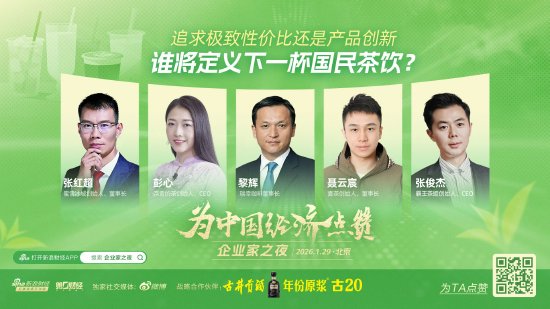
Core Insights - The event "Praise for China's Economy - Entrepreneur's Night" was officially launched on December 17, 2025, highlighting the challenges and innovations in the tea beverage industry amidst fierce competition and market saturation [1][6]. Group 1: Industry Overview - The tea beverage industry is facing multiple challenges, including intense price wars, severe homogenization, and increased competition in international markets [1][6]. - Brands are focusing on innovation, efficiency, and cultural rebranding to reshape the industry landscape [1][6]. Group 2: Company Highlights - **Mixue Ice City**: Under the leadership of founder Zhang Hongchao, Mixue Ice City surpassed 50,000 global stores in 2025, with significant growth in Southeast Asia and the opening of its first store in Los Angeles [3][8]. - **Naixue Tea**: CEO Peng Xin led Naixue Tea to exceed 80 million members in 2025, with a growing online order ratio and the introduction of a new concept store combining tea, light meals, and social spaces [3][8]. - **Luckin Coffee**: Chairman Li Hui has driven Luckin Coffee's recovery, achieving a net revenue of 15.287 billion RMB in Q3 2025, a 50.2% year-on-year increase, with a total of 29,214 stores [4][9]. - **Heytea**: Founder Nie Yuncheng has continued to innovate with new product launches and expanded overseas, with over 100 international stores, including more than 30 in the U.S. [4][9]. - **霸王茶姬 (Bawang Tea Princess)**: CEO Zhang Junjie led the brand to 7,338 global stores by Q3 2025, becoming the first Chinese tea brand to list on the U.S. stock market [5][10]. Group 3: Market Dynamics - The tea beverage market is characterized by fierce competition, with consumers demanding higher quality, health, and experience [5][10]. - Brands face a critical decision between maintaining cost-effectiveness and focusing on product innovation to attract diverse consumer preferences [6][10].
呷哺呷哺、西贝,给员工们分钱救市
2 1 Shi Ji Jing Ji Bao Dao· 2025-12-23 04:53
Core Insights - The core focus of the articles is on how restaurant owners are trying to enhance employee motivation and engagement through innovative partnership models, particularly the "Feng Huan Chao" partnership plan initiated by Xia Bo Xia Bo, which aims to transform employees from "workers" to "partners" [1][3]. Group 1: Employee Engagement Strategies - Xia Bo Xia Bo has launched its second "Feng Huan Chao" partnership plan, which emphasizes profit-sharing with employees to boost their motivation [1]. - The first phase of the partnership plan led to a 2% reduction in management fees for partner stores and a shift in profit distribution from quarterly to monthly, resulting in increased employee participation [1]. - Revenue for the first batch of partner stores increased by over 30% year-on-year, with profit margins exceeding 30% after employees transitioned to partner roles [1]. Group 2: Industry Challenges - The restaurant industry is facing significant growth pressures, with many national brands reporting revenue declines and operational difficulties [3]. - Xia Bo Xia Bo's revenue fell by 18.88% year-on-year to 1.942 billion yuan, with a net loss of 84 million yuan [3]. - Similar sentiments were echoed by Xi Bei's founder, who noted that the company is also experiencing a revenue decline and is under survival pressure due to previous controversies [3]. Group 3: Learning from Industry Leaders - Companies like Xi Bei are adopting similar strategies to enhance employee satisfaction and customer experience, aiming to increase labor costs from the industry average of 25% to 30% [2]. - Hai Di Lao serves as a model for other restaurants, emphasizing the importance of employee satisfaction in improving customer experiences [5]. Group 4: Market Evolution - The Chinese restaurant market is moving towards a phase of refined corporate governance, which is seen as beneficial for the long-term development of the industry [6].

呷哺呷哺、西贝,给员工们分钱救市丨消费参考
2 1 Shi Ji Jing Ji Bao Dao· 2025-12-23 04:49
Core Insights - The core focus of the articles is on the strategies employed by restaurant companies, particularly Xibei and Xiaobai Xiaobai, to enhance employee motivation and operational efficiency through partnership programs and profit-sharing initiatives. Group 1: Employee Engagement Strategies - Xiaobai Xiaobai has launched its "Feng Huan Chao" partner program, aiming to transform employees from "workers" to "partners" by offering profit-sharing opportunities [1][2] - The first batch of partner stores has seen revenue growth exceeding 30% year-on-year, with profit margins above 30% since the program's initiation [2] - Xibei is also implementing similar strategies, increasing labor costs to enhance employee income and improve customer experience through higher employee satisfaction [3] Group 2: Industry Challenges - The restaurant industry is facing significant growth pressures, with many national brands reporting revenue declines and operational difficulties [4] - Xiaobai Xiaobai's revenue fell by 18.88% year-on-year to 1.942 billion yuan, with a net loss of 84 million yuan [4] - Xibei's revenue is projected to remain in a declining range until May 2025, exacerbated by previous public relations issues [4] Group 3: Operational Improvements - The transition of employees to partners has led to increased work motivation, resulting in extended operating hours and better resource management to reduce waste [2] - The overall trend in the Chinese restaurant market is moving towards refined corporate governance, which is seen as beneficial for long-term industry development [6]

【福利】寒潮来袭 36元立减金券包 陪您一起过冬天
中国建设银行· 2025-12-23 02:03
Group 1 - The article discusses a promotional campaign by China Construction Bank (CCB) offering WeChat discount coupons starting from 0.99 yuan, valid from August 1, 2025, to December 31, 2025 [2] - Users can access the WeChat discount coupons through the CCB app by navigating to the "惠省钱" (Save Money) section and selecting participating merchants [12] - The article outlines the refund policy for the WeChat discount coupons, stating that full refunds will return the discount amount if the coupon is still valid, while partial refunds will return the discount proportionally [14][18] Group 2 - The article emphasizes the importance of updating the CCB app to the latest version to utilize the WeChat discount coupons effectively [7] - It lists various merchants where the WeChat discount coupons can be used, including Meituan, Tmall Supermarket, and Luckin Coffee [7][8] - The customer service hotline for inquiries regarding the discount coupons is provided, available daily from 9:00 AM to 11:00 PM [18]

The world’s largest chain has made its U.S. debut
Yahoo Finance· 2025-12-22 18:46
Company Overview - Mixue, the world's largest restaurant chain, has opened its first store in the United States on Hollywood Boulevard, Los Angeles, on December 19, contributing to its global presence of over 53,000 stores [1] - The company primarily operates in China but has approximately 4,700 stores across 13 countries, including Australia, Japan, South Korea, Thailand, Malaysia, and Singapore [2] Competitive Positioning - Mixue differentiates itself with a "value-focused" pricing model, offering items priced between $1.99 and $4.99, including signature ice cream at $1.19, iced lemonades at $1.99, lattes at $2.99, and bubble teas starting at $3.99 [3] - The company aims to undercut competition by owning its supply chain, which is managed through a digital system for quality control from ingredient sourcing to distribution [6] Expansion Strategy - Mixue is actively pursuing a global strategy, with plans for further expansion in the U.S. market, starting with openings in New York and a broader presence across the Americas [4] - The beverage category is experiencing significant growth, outpacing the broader restaurant industry, which presents both opportunities and challenges for Mixue and other competitors [5] Operational Focus - The company plans to enhance its supply chain by expanding sourcing capabilities, improving logistics efficiency, and investing in production capacity and research and development to support sustainable growth while maintaining product quality and affordability [6]