
南方电网

Search documents
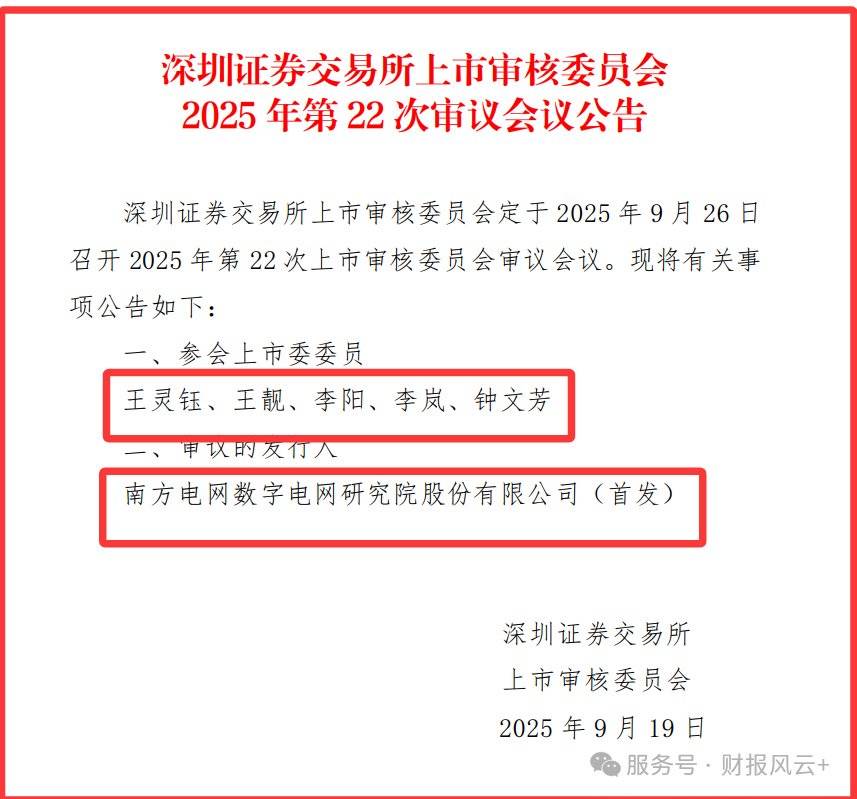
南网数研院闯关创业板,与其说是南网数研院单独上市
Sou Hu Cai Jing· 2025-09-22 14:22
Core Viewpoint - The company faces significant risks due to high customer concentration, reliance on related party transactions, and fluctuating financial performance, raising concerns about its market competitiveness and governance structure [4][6][7]. Customer Concentration - Sales to the top five customers accounted for 95.10%, 89.18%, 91.42%, and 91.83% of total revenue during the reporting period, with the largest customer, Southern Power Grid, contributing 92.16%, 84.93%, 85.88%, and 84.75% respectively [4]. Related Party Transactions - Sales to related parties consistently exceed 85% of total revenue, raising questions about the company's market-driven operations and suggesting a lack of genuine market competition [4]. Revenue Seasonality - The company has shown significant revenue seasonality, with over 78% of annual revenue generated in the second half of the year for three consecutive years (2022: 78.77%, 2023: 81.87%, 2024: 78.59%) [4]. R&D Investment Fluctuations - R&D expenses were 501 million in 2022, decreased to 347 million in 2023, and slightly increased to 399 million in 2024, indicating instability in the company's commitment to technological innovation [5]. High Accounts Receivable - As of the end of 2022, accounts receivable reached 2.083 billion, accounting for 27.07% of total assets, which decreased to 1.540 billion in 2024 but still represented 12.86% of total assets [6]. Rising Inventory Levels - Inventory value surged from 1.269 billion in 2022 to 2.827 billion by June 2025, an increase of over 120%, raising concerns about product turnover and potential depreciation risks [6]. Governance Structure Concerns - Southern Power Grid indirectly controls 85% of the company's shares, leading to questions about the governance structure and the voice of minority shareholders [6]. Management Instability - There have been seven changes in key management positions, including the general manager and vice presidents, since 2023, which may affect strategic continuity and team stability [6]. Unsecured Project Funding - The largest fundraising project, the "Shenzhen Advanced Digital Energy Technology R&D Base," has not secured land use rights as of the signing of the prospectus, raising concerns about the feasibility of the project [7]. Dependency on Outsourcing - The company relies on external production for smart devices and outsources non-core software development tasks, which may undermine its claims of technological independence [7]. Conclusion - The company presents itself as a leader in the digital grid sector but faces numerous challenges related to customer dependency, financial volatility, governance, and management stability, which could impact its market credibility and investor confidence [7].


国家公园法将施行;五年来高排放车辆淘汰近两千万辆丨碳中和周报
2 1 Shi Ji Jing Ji Bao Dao· 2025-09-22 12:24
Group 1: National Park Law Implementation - The first National Park Law in China will take effect on January 1, 2026, aiming to protect representative natural ecosystems and promote sustainable use of natural resources [2] - The law establishes a legal framework for a national park system, emphasizing strict protection and integrated management of natural resources [2] - It encourages public participation in conservation efforts and aims to foster awareness of ecological protection among the public [2] Group 2: High-Emission Vehicle Elimination - The Ministry of Ecology and Environment announced that nearly 20 million high-emission vehicles will be eliminated during the 14th Five-Year Plan period [3][4] - Significant reductions in PM2.5 concentrations are targeted, with expected decreases of 18%, 10%, and 20% in key regions by 2024 compared to 2020 levels [3] - The campaign includes comprehensive measures such as coal management and pollution source tracking, achieving notable progress in water and soil protection [4] Group 3: Carbon Market Development - As of September 18, 2025, China's carbon market has seen a cumulative transaction volume of 714 million tons and a total transaction value of approximately 49.96 billion yuan [5][6] - The establishment of a regulatory framework for carbon trading is underway, supporting China's climate change initiatives [5] - The carbon market is recognized as a key mechanism for achieving carbon peak and carbon neutrality goals [6] Group 4: Climate Change and Industry Restructuring - The year 2024 is projected to be the first year to exceed the 1.5°C temperature threshold set by the Paris Agreement, indicating a concerning trend in global warming [7][8] - Experts emphasize the need for intensified emission reduction efforts to meet climate targets and ensure sustainable development [7][8] Group 5: Renewable Energy Consumption in Inner Mongolia - Inner Mongolia has issued a notification to optimize the mechanism for renewable energy consumption, focusing on both mandatory and voluntary consumption [9] - The initiative aims to enhance green electricity consumption and promote the integration of renewable energy with industry [9] Group 6: Low-Carbon Initiatives and Events - The "Low-Carbon China Tour" and Climate Action Week series of events were launched to showcase China's efforts in energy transition and public engagement [10][11] - The events highlight the role of enterprises like Southern Power Grid in promoting green development and their participation in international climate discussions [10][11] Group 7: Clean Energy Expo in Shandong - The 2025 Shandong Clean Energy Industry Expo was held to facilitate innovation and collaboration in the clean energy sector [13][14] - The event aims to strengthen partnerships between enterprises and research institutions to support the region's energy transition [13][14] Group 8: Sustainable Strategy by Yinyu Water Zhongtian - Yinyu Water Zhongtian has set a net-zero target for 2040 and aims to achieve various sustainability goals by 2030 [15][16] - The strategy includes low-carbon construction, climate risk adaptation, and waste management initiatives to promote a circular economy [15][16]
“桦加沙”最大风力已达17级以上,东莞多个水库将安排泄洪
第一财经· 2025-09-22 09:37
Core Viewpoint - The article discusses the impact of Typhoon "Haikashan" on various cities in Guangdong, highlighting the implementation of emergency measures such as the "Five Stops" (suspension of classes, work, production, transportation, and business) to ensure public safety [3][4][5]. Group 1: Typhoon Impact and Emergency Measures - Typhoon "Haikashan" is classified as a super typhoon with maximum wind speeds of 62 meters per second (17 levels) and is expected to make landfall in Guangdong on September 24 [3][6]. - Cities like Zhuhai, Jiangmen, and Dongguan have announced the "Five Stops" measures to mitigate the typhoon's effects, with Zhuhai suspending classes on September 23 and 24 [3][4][5]. - The Central Meteorological Observatory has warned of extreme weather conditions, advising the public in coastal areas to prepare for strong winds and heavy rainfall [6]. Group 2: Transportation and Infrastructure - The Guangzhou Railway Group has adjusted train operations, with all high-speed and regular trains in Guangdong set to stop from September 23 to 24 due to the typhoon [7]. - The South Power Grid has issued a red alert for wind and flood prevention, mobilizing resources to protect the stability of the power grid [8]. - Water reservoirs in Dongguan are preparing for increased flood discharge to manage the anticipated heavy rainfall [5].

绿动中国五年路 能源答卷映初心——我国能源行业绘就降碳减污扩绿新图景
Zhong Guo Dian Li Bao· 2025-09-22 07:51
Group 1: Core Insights - China aims to peak carbon emissions before 2030 and achieve carbon neutrality by 2060, as announced by President Xi Jinping [1] - The country has built the world's largest and fastest-growing renewable energy system, with one-third of electricity consumption coming from green energy [1] Group 2: Energy Structure Transformation - China's energy structure is transitioning from coal-dominated to a diversified and cleaner model, with a multi-energy complementary system forming [3] - The share of coal-fired power generation capacity and output has decreased by 13.5 percentage points and 4.7 percentage points, respectively, over the past four years [3] Group 3: Renewable Energy Development - The share of renewable energy generation capacity has increased from 40% to around 60% in the past five years, with wind and solar power installations reaching unprecedented levels [4] - Significant advancements in power grid construction have been made, including the ±800 kV Hami-Chongqing HVDC project and the world's largest clean energy base transmission project [4] Group 4: Technological Innovation - Energy companies have focused on key areas to enhance core technology and equipment, achieving significant breakthroughs in self-developed technologies [6] - The installed capacity of new energy storage has grown nearly 30 times in five years, reaching approximately 95 million kilowatts [6] Group 5: Hydrogen Energy Development - The hydrogen energy industry is gradually maturing, with projects like the "electric-hydrogen coupling" bus system and green hydrogen production initiatives [7] - By 2024, China's hydrogen production and consumption scale is expected to exceed 36 million tons, leading the world [7] Group 6: Ecological and Energy Synergy - Energy companies are integrating energy development with ecological protection and rural revitalization, enhancing economic, environmental, and social benefits [9] - Projects like "photovoltaic + ecology" and clean heating initiatives have significantly improved local environments and community well-being [9] Group 7: Overall Progress - The energy sector has undergone a profound green transformation, demonstrating the principle that "lucid waters and lush mountains are invaluable assets" [10] - The commitment to continue advancing in the dual carbon era is evident, with a focus on innovation and practical actions [10]
科技感拉满,中国智造绘盛景
Guang Xi Ri Bao· 2025-09-22 02:10
Core Insights - The 22nd East Expo featured a dedicated 10,000 square meter AI pavilion, showcasing over 100 leading domestic companies, unicorns, and startups, highlighting cutting-edge AI technologies and products [1][2] - The AI pavilion became the largest single-theme hall in the history of the East Expo, attracting significant public interest and engagement [2] - The event provided a platform for the public to experience advanced technologies, enhancing awareness of China's technological capabilities and fostering connections among industry participants [3] Group 1 - The AI pavilion was a major attraction, with visitors eager to see robot performances and interactive experiences, indicating a strong public interest in AI applications [2] - Various AI technologies were integrated into everyday life scenarios, such as AI medical consultations and advanced firefighting equipment, demonstrating practical applications of AI [2] - The event saw an increase in family attendance, reflecting a growing interest in technology among younger generations and the public's desire to engage with innovative solutions [2][3] Group 2 - The East Expo served as a significant platform for showcasing China's manufacturing capabilities, with attendees expressing excitement about the practical implications of the technologies on display [3] - The event facilitated networking opportunities for exhibitors, fostering relationships that could lead to future collaborations [3] - The overall atmosphere of the expo was one of enthusiasm and curiosity, with many attendees expressing a desire for more advanced technologies to become part of their daily lives [3]

技术赋能,共筑网络安全防线 ——2025年国家网络安全宣传周网络安全博览会侧记
Ren Min Ri Bao· 2025-09-21 22:00
Group 1 - The event showcased advancements in network security technology, emphasizing a shift from passive defense to intelligent perception and proactive protection [3] - New technologies such as AI algorithms and cloud collaboration were highlighted, particularly in the context of drone detection and control systems [3] - The integration of biometric technologies for secure authentication was demonstrated, with a focus on enhancing user experience through seamless interactions [4] Group 2 - The event featured various interactive experiences aimed at raising public awareness about network security, making it more relatable to everyday life [4] - Companies presented innovative solutions to address real-life security needs, reinforcing the importance of network security for the public [3][4] - The exhibition included demonstrations of AI-based security products and solutions, showcasing the application of AI in safeguarding information security [3]
华为提出行业智能化「三步走」路径,为产业AI落地破题
3 6 Ke· 2025-09-20 13:50
Core Insights - The article discusses how Huawei is addressing the challenge of implementing AI in business to create real commercial value, emphasizing the need for a structured approach to AI integration in various industries [2][5][12]. Group 1: Huawei's Approach to AI Implementation - Huawei has developed a "three-step" path for enterprises to transform their operations through AI, which includes assessing high-value scenarios, calibrating models with vertical industry data, and scaling AI agents to reshape key business processes [8][9]. - The company has released nine industry-specific solutions covering sectors such as government, education, healthcare, finance, and manufacturing, establishing a replicable standard for industry transformation [4][5]. Group 2: Key Findings on Intelligent Transformation - Five critical findings were shared regarding intelligent transformation: the importance of scenario selection, the necessity of high-quality domain data for model capability, the rapid scaling of AI agents, the emergence of human-machine collaboration as a new organizational paradigm, and the need for systematic governance and risk management [5][6][12]. - The emphasis on scenario selection highlights that technology must serve the essence of business rather than merely adding superficial enhancements [6][12]. Group 3: AI as a Growth Engine - AI is positioned as a key engine for business growth, integral to the entire value chain from research and development to production and service [12][16]. - Huawei's AI capabilities have been validated through extensive applications in its own operations, providing valuable industry know-how and a comprehensive end-to-end solution from foundational computing to industry applications [13][15]. Group 4: Role of Partnerships - Huawei's extensive partner ecosystem, comprising over 6,300 Kunpeng partners and 2,700 Ascend partners, plays a crucial role in translating generic AI technologies into customized solutions that address specific industry needs [15][16]. - The collaboration with partners is essential for bridging the gap between technology and business value, ensuring that AI solutions are effectively tailored to meet the unique challenges of different sectors [15].

华为提出行业智能化「三步走」路径,为产业AI落地破题
36氪· 2025-09-20 13:34
Core Viewpoint - The article discusses how Huawei aims to help enterprises effectively implement AI as a core driver of business innovation through a structured approach, addressing the gap between technology supply and business value [3][8]. Group 1: Huawei's AI Implementation Strategy - Huawei has developed a "three-step" approach to guide enterprises in their AI transformation: assessing high-value scenarios, calibrating models with vertical industry data, and scaling AI agents to reshape key business processes [13][15]. - The company emphasizes the importance of selecting the right business scenarios for AI integration, as the value of AI lies in its deep integration with core production processes [9][10]. - Huawei's experience has led to the creation of nine industry-specific solutions across sectors such as government, education, healthcare, finance, and manufacturing, establishing a replicable industry standard [5][6]. Group 2: Key Findings on Intelligent Transformation - Five critical insights were shared regarding intelligent transformation: the significance of scenario selection, the quality of domain-specific data, the rapid scaling of AI agents, the emergence of human-machine collaboration, and the necessity of systematic governance and risk management [9][10]. - The article highlights that generic models are insufficient for industry-specific applications; enterprises must leverage high-quality data to train and fine-tune models for competitive differentiation [9][10]. Group 3: Huawei's Competitive Advantage - Huawei's extensive experience in digital transformation and its comprehensive end-to-end solutions in AI, from foundational computing to industry applications, position it as a preferred partner for enterprises [21][22]. - The company has established a robust ecosystem with over 6,300 partners, enabling it to translate generic AI technologies into customized solutions that address specific industry needs [24][25]. - Huawei's approach focuses on creating a sustainable ecosystem that fosters innovation and collaboration, ensuring that AI technologies benefit both industries and society as a whole [25][26].

“人工智能+”链接更多场景,一批重大项目在粤落地
Di Yi Cai Jing Zi Xun· 2025-09-19 08:28
Core Insights - Guangdong has launched the third batch of "Artificial Intelligence+" application scenarios, covering five key areas: marine economy, ecological environment, state-owned assets, culture, and energy, with a total of 26 scenarios demonstrating initial applications and effectiveness [1][2]. Group 1: Application Scenarios - In the marine economy, five typical scenarios include marine ranch efficiency enhancement and marine ecological protection, with examples like underwater robots improving aquaculture yield and quality [2]. - The ecological environment sector features six scenarios such as pollution tracing and ecological protection, with innovations like unmanned boats reducing patrol manpower and littering incidents [2]. - The cultural sector includes five scenarios like virtual scene construction and intelligent customer service, with companies like Yuanxiang Technology developing VR applications for cultural venues [2]. - In the state-owned assets sector, five scenarios focus on regulatory oversight and smart public services, while the energy sector includes scenarios for optimizing power generation and energy management [2]. Group 2: Major Projects and Initiatives - A series of significant projects were launched during the event, including a national AI application pilot base in healthcare, which aims to integrate AI with medical resources for disease prevention [4]. - Another project involves a national AI application pilot base in the energy sector, led by Southern Power Grid, focusing on AI applications across various energy supply chain stages [4]. - A fire monitoring and prevention project for electric vehicle parking facilities was signed, featuring an intelligent system for rapid fire source identification and emergency response [5]. Group 3: Industry Development and Support - The Guangdong government is accelerating core technology breakthroughs and promoting the "AI+" and "Robot+" initiatives to create a comprehensive industrial ecosystem [3]. - As of August, over 2,200 companies in Guangdong are involved in the AI industry, with significant advancements in model registration and computing power, positioning the region as a leader in AI development [7][8]. - The local government is establishing a city-level AI industry investment fund to support various stages of AI development, emphasizing early-stage investments in hard technology [7].
能源金融协同创新 渤海银行“电费票”为实体经济注入“电动力”
Zhong Jin Zai Xian· 2025-09-19 07:57
Core Viewpoint - Bohai Bank has launched the "Electricity Fee Ticket" product to innovate the financial services ecosystem for electricity payments, addressing issues such as high-frequency purchasing, fluctuating pricing, time-consuming reconciliation, and inefficient capital flow for electricity-consuming enterprises [1][2]. Group 1: Product Features - The "Electricity Fee Ticket" is based on the policy from the National Energy Administration and is tailored for the characteristics of the three major power grids: State Grid, Southern Grid, and Inner Mongolia Power [2]. - The product includes a five-step closed loop: electricity agreement, bill issuance, discount financing, electricity payment, and maturity payment, allowing for a seamless online process [2][3]. - The Southern Grid version of the product enables "second-level" fund arrival, enhancing efficiency for enterprises in sectors like renewable energy and manufacturing [2]. Group 2: Financial Benefits - The financing cost for enterprises using the Southern Grid Electricity Fee Ticket is only 1.2%, highlighting the product's advantages of ease of processing, low costs, flexible payment terms, and quick fund arrival [3]. - The product aims to reduce costs through models like "buyer pays interest discount" and "automatic discount," facilitating automatic clearing at maturity for a "frictionless payment" experience [2][3]. Group 3: Strategic Alignment - The "Electricity Fee Ticket" aligns with the dual carbon strategy and electricity market reforms, focusing on the electricity needs of green and manufacturing enterprises, such as those in battery and photovoltaic manufacturing [3]. - The initiative promotes precise allocation of electricity resources and creates an interconnected ecosystem among electricity-consuming enterprises, power grid companies, and financial institutions, driving the green transformation of the energy industry [3].