大疆创新

Search documents
曾与大疆对簿公堂 道通智能重启IPO
Nan Fang Du Shi Bao· 2026-01-07 23:12
Group 1 - The core point of the news is that Shenzhen Daotong Intelligent Aviation Technology Co., Ltd. has restarted its IPO process, with the aim of listing on the stock market after previously terminating its guidance with CITIC Securities in 2021 [1][4] - Daotong Intelligent is a leading provider of drone digital solutions, established in 2014, and has received recognition as a "little giant" enterprise in China [6][7] - The company aims to enhance its corporate governance and internal control systems through this IPO process, which is seen as a critical step for its future growth [4][5] Group 2 - In the industrial drone market, Daotong Intelligent has been positioned as a challenger to DJI, which dominates the consumer drone market with over 70% market share [2] - The competition between Daotong Intelligent and DJI has escalated into legal disputes, highlighting the intense rivalry in the high-concentration drone market [2][3] - Daotong Intelligent's founder, Li Hongjing, is also involved in the A+H listing strategy for Daotong Technology, which could significantly increase his wealth if both companies successfully complete their IPOs [4][5]
曾与大疆对簿公堂 独角兽道通智能重启IPO
Nan Fang Du Shi Bao· 2026-01-07 09:11
Core Viewpoint - Daotong Intelligent has initiated the IPO process again, aiming to enhance its governance structure and internal controls while competing against DJI in the drone market [1][5]. Group 1: Company Overview - Daotong Intelligent, established in 2014, is a leading provider of drone digital solutions with a global presence, including subsidiaries and R&D bases in the US, Germany, Italy, Singapore, and Vietnam [1]. - The company was recognized as a unicorn at the 7th World Drone Conference and is classified as a national-level "specialized and innovative" small giant enterprise [1]. Group 2: IPO Process - Daotong Intelligent has resumed its IPO process with Guotai Junan Securities as the counseling institution, following a previous attempt in 2021 that was terminated after five rounds of counseling [1][5]. - The company aims to complete the IPO within the year, which would mark the second IPO for founder Li Hongjing [5]. Group 3: Competitive Landscape - DJI holds over 70% of the global consumer drone market and leads in industrial applications, while Daotong Intelligent seeks to differentiate itself through customized solutions in professional surveying and inspection [2]. - The competition between Daotong Intelligent and DJI has involved legal disputes, including patent infringement lawsuits initiated by DJI in 2016, leading to a prolonged legal battle [2][3]. Group 4: Financial Performance - Daotong Technology, the parent company of Daotong Intelligent, plans a secondary listing on the Hong Kong Stock Exchange, with reported revenue of 2.345 billion RMB and a profit of 455 million RMB for the first half of 2025 [6]. - In the first nine months of 2025, Daotong Technology achieved revenue of 3.496 billion RMB, a year-on-year increase of 24.69%, and a net profit of 733 million RMB, up 35.49% [6].

曾与大疆对簿公堂,独角兽道通智能重启IPO
Nan Fang Du Shi Bao· 2026-01-07 09:01
Core Viewpoint - Daotong Intelligent has initiated the IPO counseling process with Guotai Junan Securities, aiming for a public listing after previously halting its IPO plans in 2021 [2][9]. Company Overview - Established in 2014, Daotong Intelligent is a leading provider of drone digital solutions, headquartered in Shenzhen, with international branches and R&D bases in the US, Germany, Italy, Singapore, and Vietnam [4]. - The company was recognized as a unicorn at the 7th World Drone Conference and is classified as a national-level "specialized and innovative" small giant enterprise [4]. Competitive Landscape - DJI dominates the consumer drone market with over 70% global market share, while Daotong Intelligent holds the second position in the industrial drone sector, focusing on customized solutions in professional surveying and inspection [6]. - A history of legal disputes between DJI and Daotong Intelligent highlights the competitive tension in the market, with both companies engaging in patent litigation and antitrust claims [6][7]. IPO Developments - Daotong Intelligent's renewed IPO efforts are seen as a strategic move to enhance corporate governance and internal controls, aiming to boost its core competitiveness [9][10]. - The founder, Li Hongjing, is positioned to benefit significantly from the potential success of both Daotong Intelligent's IPO and Daotong Technology's planned secondary listing in Hong Kong [9][10]. Financial Performance - Daotong Technology, which was spun off from Daotong Intelligent, reported a revenue of 2.345 billion RMB and a profit of 455 million RMB for the first half of 2025, with a year-on-year revenue growth of 24.69% [9].


美国经济专家:每当中国开始量产某产品,美国的同行就面临着衰败
Sou Hu Cai Jing· 2026-01-06 12:11
Core Insights - David Paul Goldman emphasizes that when China mass-produces a certain product, American companies often struggle to maintain their competitive edge [1][11] - The rise of Chinese industrial capabilities has put pressure on American counterparts, while Southeast Asian countries prioritize practical cooperation [1] Industry Examples - The historical case of satellite navigation systems illustrates the shift in market dominance; the U.S. GPS system, which was dominant in the 1990s, faced price reductions due to China's BeiDou project, which launched its first satellite in 2007 and is expected to surpass GPS in the number of satellites by 2025 [3][5] - In the solar energy sector, China entered the market in the 2000s and by 2010 controlled over 50% of global production, driving prices down from several dollars per watt to below 1 dollar, leading to significant losses and bankruptcies among Western companies [5][9] - The drone industry showcases similar trends, with DJI capturing 70% of the global market since 2012, and despite U.S. bans on its products, the performance of domestic alternatives has been inadequate [5][7] Market Dynamics - The Chinese manufacturing model has evolved from low-cost production to mastering the entire supply chain, as seen in the lithium battery sector where companies like CATL are establishing factories in Europe [9] - The construction equipment market has shifted from reliance on imports to self-sufficiency, with Chinese brands expected to hold two-thirds of the global market share by 2025 [9] - The decline of U.S. manufacturing jobs began in the 1980s, exacerbated by globalization and the rise of China as a manufacturing powerhouse [11] Policy Implications - Goldman suggests that the U.S. should collaborate with Japan and South Korea to compete for resources against China's expanding influence [11] - The U.S. CHIPS Act, which allocates $52.7 billion for semiconductor subsidies, highlights the need for a trillion-dollar investment to achieve self-sufficiency in the industry [11][13]
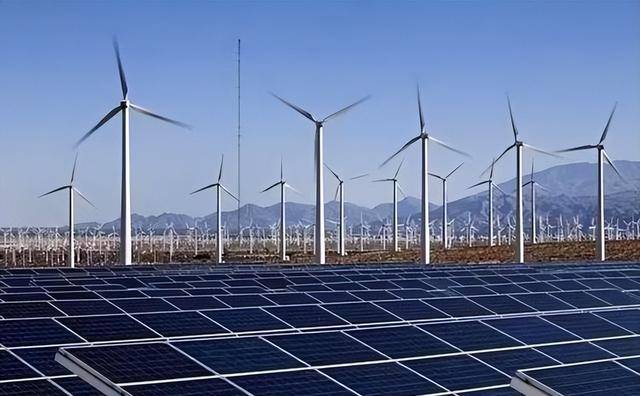
研判2025!中国云台模块行业概述、产业链及市场现状分析:技术迭代驱动产业链向高精度、网络化升级,行业呈现稳健扩张与智能化转型趋势[图]
Chan Ye Xin Xi Wang· 2026-01-06 01:24
Industry Overview - The cloud gimbal module industry in China is experiencing rapid growth and technological iteration, with the market size continuously expanding. The industry chain has evolved from traditional mechanical rotation to high precision, miniaturization, and networking, particularly with the integration of cutting-edge technologies like 5G communication and edge computing, significantly enhancing system response speed, stability, and intelligence levels. The market size of the cloud gimbal module industry is expected to reach approximately 1.258 billion yuan in 2024, representing a year-on-year growth of 6.97% [1][7]. Industry Chain - The upstream of the cloud gimbal module industry chain includes raw materials and components such as aluminum alloy, carbon steel, stainless steel, carbon fiber, glass fiber, plastics, resins, sensors, motors, chips, batteries, controllers, and bearings. The midstream involves the production and manufacturing of cloud gimbal modules, while the downstream applications are primarily in smart home, drones, and security monitoring sectors [4]. Market Size - The cloud gimbal module industry is in a golden period of high-speed growth and technological iteration, with a continuous expansion of market size. The integration of advanced technologies has greatly improved system performance. The market size is projected to be around 1.258 billion yuan in 2024, with a year-on-year increase of 6.97% [7][8]. Key Companies' Performance - The market concentration in the cloud gimbal module industry is increasingly leaning towards technology leaders. Hikvision and Dahua Technology dominate the security monitoring sector, with Hikvision achieving a revenue of 65.758 billion yuan in the first three quarters of 2025, a year-on-year increase of 1.18%, and a net profit of 9.319 billion yuan, up 14.94% [8]. Dahua Technology reported a revenue of 22.913 billion yuan, a growth of 2.06%, and a net profit of 3.535 billion yuan, increasing by 38.92% [11]. Industry Development Trends 1. AI Empowerment: The core value of cloud gimbal modules is shifting from providing mechanical stability to becoming intelligent perception terminals integrated with artificial intelligence. This includes upgrades in software algorithms and the integration of multiple hardware functions for comprehensive environmental perception [12]. 2. Deepening Application Scenarios: Market demand is transitioning from generic products to precise vertical solutions, driven by the rise of professional content creation and complex industrial applications. This shift emphasizes the need for integrated solutions that combine hardware, algorithms, and industry applications [12]. 3. Collaborative Innovation: The future of the industry will focus on "industry collaboration" and "ecosystem building," moving away from isolated efforts. Organizations like the "Unmanned Systems Intelligent Vision Alliance" are emerging to integrate various components of the industry, enhancing competitive advantages for companies that can establish deep cooperative relationships [13].



打造全球科创集群“样板间”
Ke Ji Ri Bao· 2026-01-05 10:12
Core Insights - The construction of international technology innovation centers in Beijing, Shanghai, and the Guangdong-Hong Kong-Macao Greater Bay Area has entered a new phase of expansion and upgrade, as highlighted by the Central Economic Work Conference [1] - The strategic vision and guidance from General Secretary Xi Jinping have been pivotal in the development of these centers, marking significant milestones since 2013 [2] - The construction of these centers reflects a shift from isolated breakthroughs to a new stage of regional collaborative development, enhancing their global influence and competitiveness [3] Group 1: Development and Achievements - The three international technology innovation centers have shown remarkable progress over the past 12 years, with Beijing's original innovation capacity continuously strengthening, maintaining annual R&D expenditure intensity above 6% during the 14th Five-Year Plan [4] - Shanghai's global influence has rapidly increased, with R&D expenditure accounting for approximately 4.4% of the city's GDP during the same period, and the scale of leading industries like integrated circuits and biomedicine surpassing 1.8 trillion yuan [5] - The Guangdong-Hong Kong-Macao Greater Bay Area has seen significant industrial and technological collaboration, with over 250 companies listed in Hong Kong and a total market value exceeding 11 trillion yuan [5] Group 2: Collaborative Framework - The success of these centers is attributed to high-level cooperation between central and local governments, facilitating cross-regional collaboration and resource sharing [6] - Initiatives such as the "One Network for All" service in the Yangtze River Delta have streamlined processes for projects and enterprises, enhancing the efficiency of innovation [6] - The Ministry of Science and Technology is actively promoting regional innovation linkages, focusing on collaborative research and technology resource sharing among key city clusters [6][8] Group 3: Future Directions - The Ministry of Science and Technology is developing plans for the construction of international technology innovation centers in Beijing and Shanghai, aiming to optimize regional innovation layouts and strengthen cross-regional collaboration [8] - The expansion of these centers is expected to include practical support measures related to strategic technology deployment and industrial cluster cultivation [8][10] - The emphasis on creating a favorable social environment and cultural soil for sustainable development of these centers is crucial for their integration with modern industrial systems [10][11]
抢占智能制造风口,高薪启航!光明区政群培训CNC精英班招生
Sou Hu Cai Jing· 2026-01-05 07:15
Core Insights - The article emphasizes the importance of knowledge graphs in the era of artificial intelligence, highlighting their role in driving intelligent search, decision analysis, and industrial optimization [1] - Shenzhen Guangming District's training center is positioned as a key player in cultivating high-skilled talent to support the "Made in China 2025" strategy, focusing on the integration of technology and business [2] Group 1: Strengths of the Training Center - The training center spans 8,000 square meters and features 28 advanced training classrooms, establishing partnerships with 21 key enterprises, including BYD and Huawei, to meet the demand for skilled labor [2] - The center trains over 2,000 students annually and is recognized as a pilot unit for the "Intelligent Body Creation Camp" in Shenzhen [2] Group 2: Course Features - The training center offers a comprehensive curriculum from beginner to advanced levels, including a 4-week introductory course and a 6-week advanced programming course, focusing on CNC technology [6][8] - The curriculum incorporates practical applications and real-world projects, ensuring that students gain hands-on experience in high-end manufacturing environments [8] Group 3: Employment Opportunities - The demand for CNC technology talent in the Pearl River Delta region has exceeded one million, with average monthly salaries for related positions ranging from 8,000 to 15,000 yuan [6] - The training center has established talent supply partnerships with over 5,000 manufacturing companies, guaranteeing 100% job placement services for graduates [10] Group 4: Continuous Development - Graduates can join the "CNC Technology Alliance" for lifelong learning and technical exchange, with opportunities for further education through partnerships with institutions like Shenzhen Polytechnic [11] - The center provides ongoing support, including technical seminars and access to industry updates, ensuring that alumni remain competitive in the job market [11]
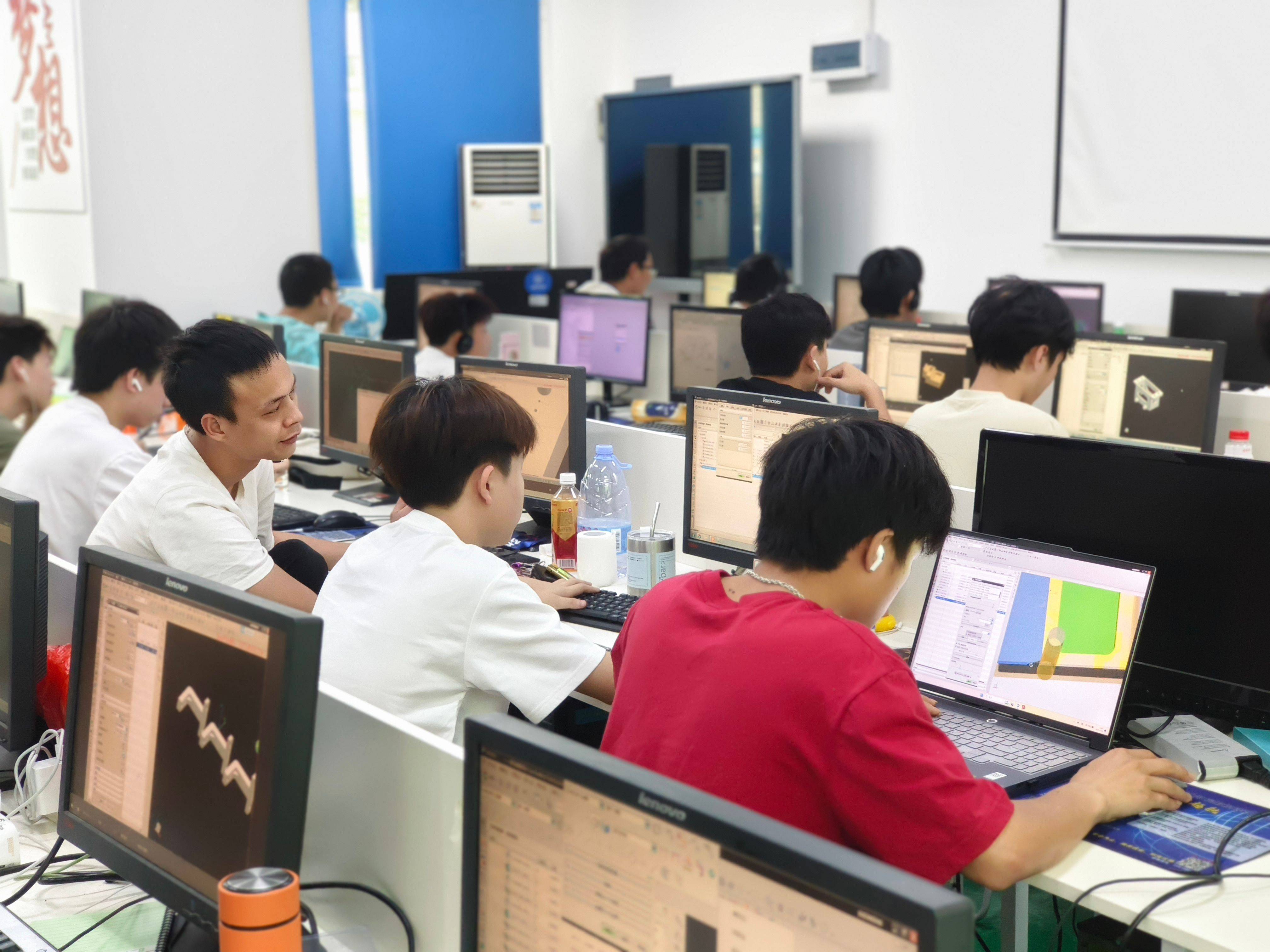
深圳3D打印企业,围剿了全球品牌 | 海斌访谈
Di Yi Cai Jing· 2026-01-04 11:27
从速度和性能来看,国内几家头部制造商已经整体超过海外企业 "美国没有具备竞争力的(消费级3D打印)企业,全球市场几乎已经被中国品牌给围剿了。"智能派科技有限公司的联合创始人陈波近日对第一财经记者 表示。 尽管中国只有全球一成左右市场,但制造了全球绝大多数3D打印机。 消费级3D打印行业与其他硬件行业类似,底层架构往往来自于海外,但做成消费级产品推向全球的则是中国企业。而且,这些中国企业集中在以深圳为 代表的珠三角。 陈波认为,国内头部企业能做到一年迭代两次新品,而海外企业要两年才能发一款新机器。从速度和性能来看,国内几家头部制造商已经整体超过海外企 业。 一成市场,九成产能 "3D打印的消费级市场,主力还是在海外,至少80%市场是由海外贡献。"陈波表示。 智能派是一家深圳的3D打印机企业。2024年,智能派营收约16亿元,其中九成来自中国之外。 美国是全球最大单一市场。陈波认为,美国应该也是所有3D打印机企业的最大市场,智能派三成以上收入来自美国。 欧洲大陆再加英国市场,消费级3D打印机的体量跟美国不相上下。这意味着美国和欧洲占据了总体七成以上市场,而中国市场规模在全球占比10%左 右。 这凸显了消费级3D打 ...
刷新迟到记录的老罗,状况百出的「科技春晚」
3 6 Ke· 2026-01-04 05:31
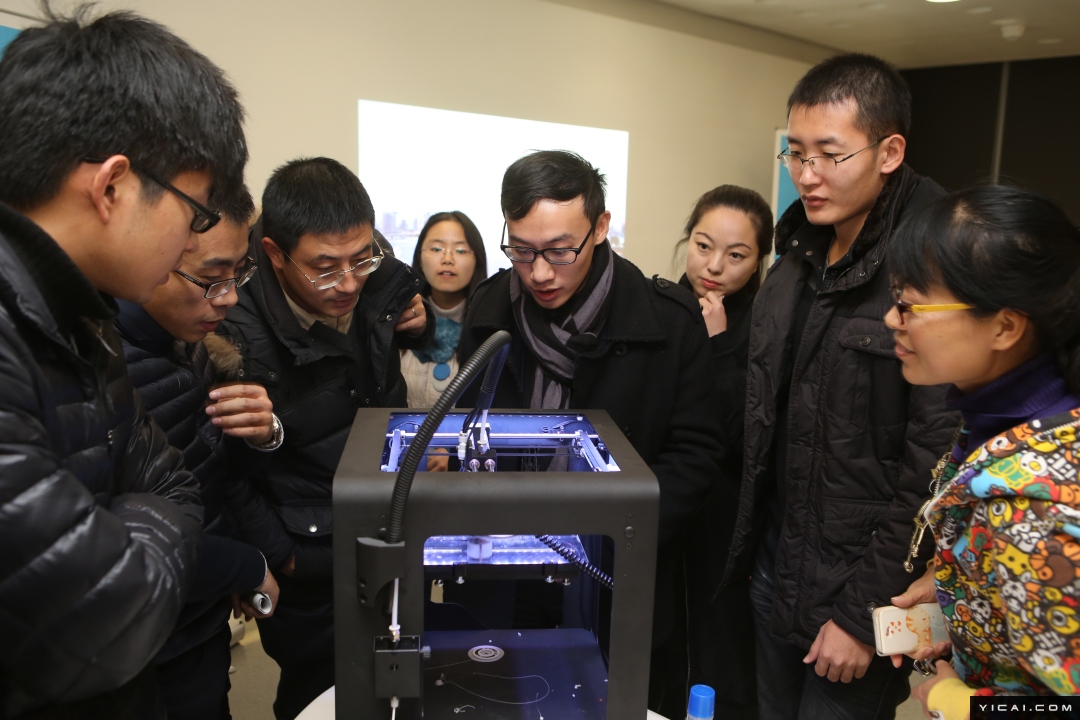
Core Insights - The annual technology innovation sharing conference "Luo Yonghao's Crossroads" returned after seven years, showcasing various products and innovations from ByteDance and other companies [1][2] - Despite high expectations, the event faced multiple errors, including a delayed start and technical issues, leading to audience disappointment [1][2] Product Highlights - **DJI NEO2 Drone**: A user-friendly drone designed for easy operation, featuring gesture control and safety measures to protect users [6] - **Hypershell Exoskeleton**: A lightweight exoskeleton that assists users in climbing and carrying heavy objects, suitable for various extreme environments [8] - **TuoZhu 3D Printer**: Aimed at making 3D printing accessible to the general public, it offers a community for sharing designs and resources [9] - **LiberNovo Ergonomic Chair**: An advanced ergonomic chair that automatically adjusts to the user's posture, enhancing comfort [12] - **LICURV Dishwasher**: A compact dishwasher that cleans dishes in five seconds without detergent, utilizing innovative technology for effective cleaning [15] - **Antigravity Drone**: A panoramic drone that simplifies aerial photography, allowing users to control it intuitively [17] - **New Beanbag AI**: An AI application that enhances communication and translation capabilities, demonstrating quick response times [19] - **Qie Ting AI Reading App**: An application that provides audio summaries of books, highlighting key points and allowing for voice cloning [22] - **LAVA Studio**: An AI music workstation that enables users to create diverse musical sounds with a single instrument [25] Audience Engagement - The event saw significant interest, with tickets selling out quickly and a peak online viewership of around 5 million [1] - Despite the initial excitement, audience reactions were mixed, with many expressing dissatisfaction over the event's execution [5][6]

刷新迟到记录的老罗,状况百出的「科技春晚」
36氪· 2026-01-01 04:12
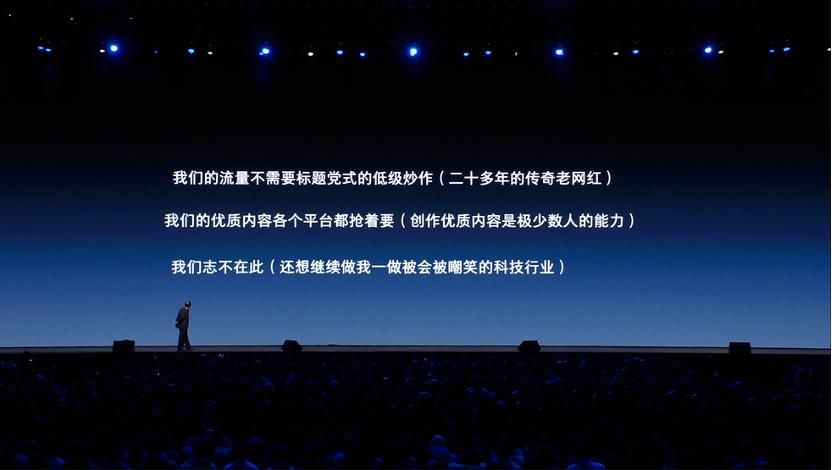
Core Viewpoint - The article discusses the return of Luo Yonghao's annual technology innovation sharing conference, highlighting the mixed reception of the event, which featured various innovative products but faced significant criticism for its execution and organization [5][6][8]. Event Overview - Luo Yonghao's annual technology innovation sharing conference took place on December 30, 2025, in Shanghai, featuring a four-hour presentation that included product showcases from ByteDance and several Shenzhen hardware companies [6][7]. - The event generated high anticipation, with tickets selling out quickly and viewership reaching around 5 million on Douyin [7]. Execution Issues - The event was marred by multiple errors, including incorrect PowerPoint content and a delayed start time of 50 minutes, which included 20 minutes of advertisements and 30 minutes of music [8][12]. - Audience dissatisfaction was evident, with calls for refunds and complaints about the event feeling more like a sales pitch than a genuine product showcase [15][16]. Product Highlights DJI NEO2 Drone - The DJI NEO2 is marketed as an easy-to-use drone for capturing everyday moments, featuring gesture control and a lightweight design of 151 grams [18][19]. Exoskeleton Device - An exoskeleton product designed to assist with physical tasks, utilizing lightweight materials and AI to adapt to different environments, was showcased [22][24]. 3D Printer by Tuozhu - The Tuozhu 3D printer aims to make 3D printing accessible for everyday users, supported by a community for sharing 3D models [26][28]. LiberNovo Ergonomic Chair - This chair adapts to the user's posture automatically, providing support without manual adjustments, representing a new generation of ergonomic furniture [30][32]. LICURV Dishwasher - A compact dishwasher that cleans dishes in five seconds without detergent, utilizing high-pressure water and heat for effective cleaning [34][36]. Antigravity Drone - The Antigravity drone allows users to control it easily and experience aerial views through a VR headset, simplifying the process of capturing panoramic footage [38][40]. AI Product "Doubao" - The Doubao AI application demonstrated advanced voice recognition and translation capabilities, showcasing its potential in real-time communication [46][48]. "Qie Ting" AI Reading App - This app offers AI-generated summaries of books, allowing users to listen to key points and insights, enhancing the reading experience [50][52]. LAVA Studio - LAVA Studio is an AI-powered music workstation that enables users to create complex musical compositions with minimal equipment, showcasing the potential of smart musical instruments [54][58].