
强生

Search documents
礼来股价登顶万亿美元:因替尔泊肽大获成功
GLP1减重宝典· 2025-12-17 13:43
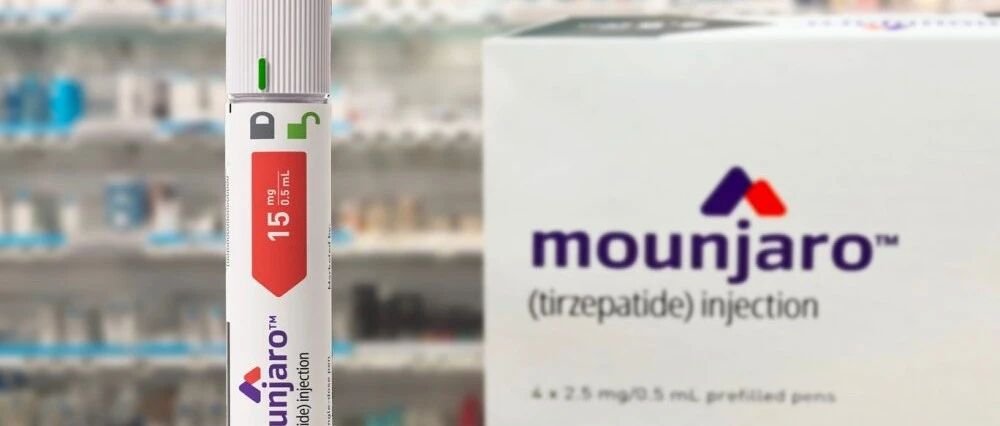
Core Insights - Eli Lilly's market capitalization briefly surpassed $1 trillion, making it the first pharmaceutical company to achieve this milestone, reflecting its significant growth and market leadership [6][10]. Market Position - As of November 21, Eli Lilly's market cap reached approximately $1 trillion, compared to other pharmaceutical giants like Novo Nordisk ($211.4 billion), Merck ($242.6 billion), Novartis ($244.2 billion), Johnson & Johnson ($491.2 billion), and Pfizer ($142.3 billion) [6]. - Eli Lilly's market cap is 4.18 times the total market cap of all A-share pharmaceutical companies valued over $100 billion, indicating its dominant position in the industry [10]. Financial Performance - In Q3 2025, Eli Lilly reported revenues of approximately $17.6 billion, a 54% year-over-year increase, marking a record high for the company [11]. - The adjusted EPS for Q3 was approximately $7.02, significantly higher than the previous year [11]. - The strong performance was driven by the sales of Tirzepatide, with Mounjaro (diabetes) generating about $6.5 billion and Zepbound (chronic weight management) generating about $3.6 billion in Q3, together exceeding $10 billion in a single quarter [11]. Growth Drivers - The ongoing success of Tirzepatide in various indications, including MASH and obstructive sleep apnea, enhances market expectations for Eli Lilly's long-term growth [13]. - In pivotal Phase III trials, Tirzepatide demonstrated an average weight loss of approximately 20% over 72 weeks, solidifying its leading position in the weight loss sector [14]. - The SURMOUNT-4 study confirmed the sustainability of weight loss effects, with participants maintaining weight loss and improvements in metabolic indicators such as blood pressure and blood sugar levels [14].

微电生理(688351):投资价值分析报告:国产心脏电生理龙头,全矩阵布局筑牢技术壁垒
EBSCN· 2025-12-16 12:59
Investment Rating - The report gives the company an "Accumulate" rating for the first time [6][14]. Core Viewpoints - The company is a leading domestic player in cardiac electrophysiology, providing a comprehensive three-dimensional cardiac electrophysiology solution, with strong technical barriers and a complete product matrix [4][14]. - The domestic electrophysiology market is experiencing rapid growth, driven by favorable policies and increasing demand for innovative technologies, with the company positioned to capture significant market share [2][3]. Company Overview - The company, established in 2010, focuses on innovative medical devices for electrophysiology intervention and ablation therapy, becoming the first domestic manufacturer to offer a complete solution in this field [21]. - The company has a stable shareholding structure, with no single shareholder holding more than 10%, ensuring balanced governance [24][27]. Financial Performance - The company is projected to achieve revenue of 413 million yuan in 2024, representing a year-on-year growth of 25.51%, and a net profit of 52 million yuan, with a staggering growth of 815.36% [5][14]. - Earnings per share (EPS) are forecasted to be 0.13, 0.18, and 0.26 yuan for 2025, 2026, and 2027 respectively, with corresponding price-to-earnings (P/E) ratios of 187, 131, and 88 [4][5]. Market Dynamics - The domestic electrophysiology market is expected to grow significantly, with the market share of foreign brands decreasing from 93% in 2020 to 72% in 2024, indicating a strong trend towards domestic substitution [2][3]. - The company has successfully participated in multiple provincial procurement programs, demonstrating its clinical recognition and market competitiveness [2][3]. Product Development - The company has a comprehensive product line covering two-dimensional and three-dimensional systems, with several products filling domestic gaps and matching foreign competitors in performance [3][4]. - The company is actively developing new products in emerging fields such as pulse ablation and renal artery treatment, enhancing its growth potential [3][12]. Profitability Forecast - The company’s revenue from catheter products is expected to grow at rates of 16.00%, 28.00%, and 27.00% from 2025 to 2027, driven by increased market penetration and procurement benefits [10]. - The gross margin is anticipated to stabilize above 60% starting in 2025, following the launch of high-margin new products [11].

国信证券:FXI抑制剂有望成为下一代抗凝药物 建议关注恒瑞医药(600276.SH)
智通财经网· 2025-12-15 02:59
Group 1 - The global anticoagulant market exceeds $20 billion, with existing anticoagulants posing additional bleeding risks while preventing thrombosis. There is room for improvement in both efficacy and safety of these drugs [1] - FXI/FXIa inhibitors are expected to become safer alternatives to current anticoagulants, as they specifically target the intrinsic coagulation pathway, potentially reducing bleeding risks while maintaining anticoagulant efficacy [1] - No FXI/FXIa inhibitors have been approved yet, but several candidates, including Novartis' abelacimab, Bayer's asundexian, and BMS/Johnson & Johnson's milvexian, are in registration clinical trials [1] Group 2 - Bayer's asundexian has shown superior efficacy in phase 3 clinical trials for secondary stroke prevention, marking it as the first FXI/FXIa inhibitor to meet key clinical endpoints [1] - FXI/FXIa inhibitors demonstrate significant safety advantages over DOACs, particularly in patients at high risk of bleeding, and are expected to challenge standard treatments in various indications [1] - FXI small nucleic acid drugs, still in early development, show promising early pharmacokinetic and pharmacodynamic data, with potential for improved patient compliance due to less frequent dosing [2]

国信证券:FXI抑制剂有望成为下一代抗凝药物 建议关注恒瑞医药
Zhi Tong Cai Jing· 2025-12-15 02:59
Group 1 - The global anticoagulant market exceeds $20 billion, with existing anticoagulants posing additional bleeding risks while preventing thrombosis. There is room for improvement in both efficacy and safety of these drugs [1] - FXI/FXIa inhibitors are expected to become safer alternatives to current anticoagulants, as they specifically target the intrinsic coagulation pathway, potentially reducing bleeding risks while maintaining anticoagulation efficacy [1] - No FXI/FXIa inhibitors have been approved yet, but various drug forms, including monoclonal antibodies and small molecules, are in clinical stages, with several candidates like Novartis' abelacimab and Bayer's asundexian undergoing registration trials [1] Group 2 - Bayer's asundexian has achieved superior efficacy in phase 3 clinical trials for secondary stroke prevention, marking it as the first FXI/FXIa inhibitor to meet key clinical endpoints [2] - FXI/FXIa inhibitors demonstrate significant safety advantages over DOACs, particularly in patients with high bleeding risks, suggesting a competitive edge in these populations [2] - FXI small nucleic acid drugs, still in early development, show promising early pharmacokinetic and pharmacodynamic data, indicating effective FXI activity suppression and potential for improved patient compliance with a quarterly injection schedule [3]
9亿出售医疗资产,一家制造业上市公司选择战略退出
思宇MedTech· 2025-12-12 03:58
Core Viewpoint - Kosen Technology (603626.SH) announced the sale of its wholly-owned subsidiary, Kosen Medical, to Jiangsu Yaolingke Medical Technology Co., Ltd. for 915 million RMB, marking a significant strategic shift as the company exits the medical device sector [2] Group 1: Transaction Details - The transaction is based on an income approach, with the total equity value assessed at 913 million RMB as of September 30, 2025, reflecting an increase of 615 million RMB and a growth rate of 206.45% [2] - Kosen Technology expects to recognize approximately 600 million RMB in investment income from this divestiture, which will be recorded as non-recurring gains [2] - The deal is seen as a strategic acquisition for Yaolingke, enhancing its position in the precision medical device manufacturing sector [2] Group 2: Kosen Medical's Background - Kosen Medical has established itself as a competitive player in the medical device manufacturing industry, contributing to the high premium in the sale [7] - The company has collaborated with major clients like Medtronic, Zimmer, and Johnson & Johnson, providing critical components for various medical devices [9][10] - Despite its capabilities, Kosen Medical's revenue contribution has been low, accounting for about 10% of Kosen Technology's overall revenue, indicating its role as a supplementary business [6] Group 3: Reasons for Divestiture - Kosen Technology faced significant financial pressure, reporting cumulative losses of 873 million RMB from 2023 to the first three quarters of 2025, alongside high accounts receivable of 1.17 billion RMB [13] - The differing operational models between the consumer electronics and medical device sectors led to insufficient synergy, negatively impacting the efficiency of the core business [14] - The company aims to refocus on its core business in consumer electronics and energy storage, necessitating capital for overseas expansion projects [17] Group 4: Strategic Implications - The sale reflects broader challenges faced by manufacturing companies attempting to diversify into different sectors, particularly when operational demands and resource allocation become strained [26] - The entry of LYFE Capital into the medical manufacturing space signifies a shift towards asset acquisition in the global medical device sector, moving beyond previous focuses on R&D investments [27]


2025年中国母婴产品行业市场研究报告
硕远咨询· 2025-12-09 14:06
Investment Rating - The report does not explicitly state an investment rating for the industry Core Insights - The Chinese maternal and infant products market has surpassed 1 trillion RMB, making it one of the largest maternal and infant consumption markets globally, driven by the two-child policy and changing consumer attitudes [12][15] - The industry is experiencing a compound annual growth rate (CAGR) of 8% to 12% over the past five years, significantly outpacing the overall consumer goods market [16] - The market is evolving towards diversification, segmentation, and high quality, with increasing competition among brands focusing on innovation, product upgrades, and service optimization [15][16] Industry Overview - The maternal and infant products industry encompasses a wide range of products, including maternity supplies, infant food and nutrition, maternal and infant care products, children's clothing, and toys, emphasizing safety, comfort, and functionality [3][4] - The industry chain includes upstream raw material supply, midstream production and R&D, and downstream distribution and sales channels, with a focus on quality standards and technological innovation [6][9] Market Size and Growth Trends - As of 2024, the market size of maternal and infant products in China has exceeded 1 trillion RMB, with core products like infant formula and diapers showing stable growth [12][13] - The rise of smart maternal and infant devices and personalized services is becoming a new market trend, driven by technological advancements and consumer demand for customized solutions [12][15] - The online sales channel is rapidly expanding, with e-commerce platforms and social commerce playing a significant role in market growth [12][18] Macro Environment Analysis - Government policies supporting maternal and infant health have significantly improved the market environment, with initiatives like the two-child policy boosting birth rates and market demand [10][20] - The economic environment is favorable, with rising household incomes and a narrowing urban-rural income gap enhancing consumer purchasing power [23][24] Consumer Behavior Research - Consumers prioritize product quality, safety, and brand reputation when purchasing maternal and infant products, reflecting a shift towards high-end, functional, and experiential products [30][33] - Online shopping habits are prevalent among young parents, with e-commerce platforms providing convenience and competitive pricing [36][37] Competitive Landscape Analysis - Leading domestic companies in the maternal and infant market include Beiyinmei, Junlebao, and Haobaozi, which are expanding their product lines and embracing digital transformation [43][44] - International brands like Nestlé and Mead Johnson are also significant players, focusing on high-end market segments and localizing their products to meet consumer needs [44][45] Future Development Trends - The industry is expected to see growth in functional and green products, with a focus on health management and environmental sustainability [62][63] - Personalized services are emerging as a key trend, driven by advancements in data analysis and smart manufacturing [64][65] - The two-child policy and demographic changes present both opportunities and challenges for the industry, with a focus on meeting the diverse needs of modern families [66][67]
趋势研判!2025年中国脑血管介入器械行业特征、发展历程、产业链、市场现状、竞争格局及发展趋势分析:需求逐渐增加,本土企业仍存在较大替代空间[图]
Chan Ye Xin Xi Wang· 2025-12-09 01:53
Core Viewpoint - The demand for neurointerventional medical devices in China is increasing due to the rising incidence of cerebrovascular diseases, with stroke being the leading cause of death among Chinese residents. The market for neurointerventional consumables is projected to grow significantly in the coming years [1][5]. Industry Definition and Classification - Neurointerventional devices are medical consumables required for neurointerventional surgeries, primarily used to diagnose and treat cerebrovascular diseases through minimally invasive techniques [2][3]. Industry Development Status - The global market for neurointerventional consumables is expected to reach $3.292 billion in 2024, with North America holding a 43.04% market share. The Chinese market for these consumables is projected to grow from 3.504 billion yuan in 2024 to 4.879 billion yuan in 2025 [5][6]. Industry Chain - The upstream of the neurointerventional device industry consists of raw material suppliers, while the midstream includes manufacturers like Medtronic and Johnson & Johnson. The downstream consists of medical institutions that utilize these devices [7]. Industry Development History - The neurointerventional device industry in China has evolved through three stages: the embryonic stage (1980-1999), the initiation stage (2000-2010), and the rapid development stage (2011-present) [8]. Competitive Landscape - The market is primarily dominated by multinational companies such as Medtronic and Johnson & Johnson, while domestic companies like Guichuang Tongqiao and Micron Brain Science are gaining ground through competitive pricing and localized channels [9][10]. Key Enterprises - The leading companies in the Chinese neurointerventional market include Medtronic, Stryker, and Johnson & Johnson, with a significant presence of domestic players like Guichuang Tongqiao and Micron Brain Science [10][11]. Technological Breakthroughs - Domestic companies are achieving technological advancements in core products, allowing them to compete more effectively with international standards while benefiting from cost advantages [12]. Application Scenario Expansion - The application of new technologies such as AI-assisted navigation systems and biodegradable materials is expected to enhance the efficiency and scope of neurointerventional procedures, supported by favorable government policies [13].


港股概念追踪 | 医保商保“双目录”出炉!多款创新药获纳入 行业望延续强劲发展势头(附概念股)
智通财经网· 2025-12-07 23:24
Core Insights - The National Healthcare Security Administration (NHSA) has officially announced the latest version of the National Basic Medical Insurance, Maternity Insurance, and Work Injury Insurance Drug Catalog, which includes 114 new drugs and 19 drugs in the first version of the Commercial Health Insurance Innovative Drug Catalog, effective from January 1, 2026 [1][2][3] Industry Summary - The NHSA has adjusted the drug catalog for the eighth time since its establishment, with a total of 949 new drugs added over the years, and the medical insurance fund has spent over 4.6 trillion RMB on negotiated drugs, driving sales exceeding 6 trillion RMB [1][2] - The new catalog includes 50 first-class innovative drugs, with an overall success rate of 88%, significantly higher than the 76% in 2024 [3] - The inclusion of drugs for major diseases such as triple-negative breast cancer, pancreatic cancer, and lung cancer, as well as rare diseases and chronic conditions, addresses gaps in basic medical insurance coverage [2][3] Company-Specific Updates - Green Leaf Pharmaceutical has successfully included five new products in the NHSA's drug catalog, including MiMeiXin® and ZhanBiJia® [4] - Fuhong Hanlin announced that its product Fuzhuoning® has been included in the NHSA's drug catalog for specific indications [5] - Junshi Biosciences reported that its products Tuoyi® and Junshida® have been successfully included in the NHSA's drug catalog [6] - Innovent Biologics has successfully added seven innovative products to the new NHSA drug catalog, including Daboru® and Xindimian® [6]
重大利好,5款百万级抗癌针被纳入商保
21世纪经济报道· 2025-12-07 13:50
Core Viewpoint - The upcoming adjustment to China's medical insurance catalog, effective January 1, 2026, will be the largest expansion of innovative drugs in history, adding 114 new drugs, including 50 class 1 innovative drugs, reflecting a significant commitment to support innovation in the pharmaceutical sector [2][11]. Summary by Sections Medical Insurance Directory Adjustment - The total number of drugs in the medical insurance directory will increase to 3,253, with a notable enhancement in coverage for key areas such as oncology, chronic diseases, mental health, rare diseases, and pediatric medications [2]. - The proportion of innovative drugs in the directory is rising, with 50 out of 114 new additions being class 1 innovative drugs, accounting for nearly 44% [2][11]. Innovative Drug Market Dynamics - The inclusion of innovative drugs in the medical insurance directory is a critical factor for market expansion, as these drugs typically experience rapid sales growth within a year of being added [5]. - Companies like Heng Rui Medicine and Innovent Biologics have successfully included multiple innovative products in the new directory, indicating a trend towards greater access to innovative treatments [6][7]. Clinical Demand and Treatment Options - The new directory focuses on drugs with significant clinical value and urgent patient needs, particularly in oncology, where new treatments for blood cancers and breast cancer have been added [12][14]. - The inclusion of targeted therapies for severe asthma and diabetes reflects a commitment to addressing pressing health issues in the population [10][8]. Pricing and Insurance Collaboration - A new commercial insurance directory for innovative drugs has been established, which includes 19 innovative drugs from 18 companies, aiming to create a balanced payment mechanism between basic medical insurance and commercial insurance [19][23]. - The commercial insurance directory is expected to alleviate the financial burden on patients, particularly for high-cost treatments like CAR-T therapy [21][22]. Policy Coordination and Future Outlook - The development of innovative drugs requires coordinated policies across drug approval, medical insurance, and clinical application, which have seen significant reforms in recent years [25][26]. - The future of innovative drug development in China hinges on the collaboration between industry policies and capital markets, with expectations for more original innovations and a focus on global competitiveness [27][28]. Conclusion - The adjustment of the medical insurance directory marks a transformative step for innovative drugs in China, shifting from being luxury items to accessible treatment options for a broader population, ultimately enhancing patient outcomes and supporting the goal of universal health coverage [29].

出海新变量|千亿美元规模交易热潮背后,中国创新药企出海还有多大空间
Di Yi Cai Jing· 2025-12-05 12:11
Core Insights - China's early-stage drug research and development (R&D) has become globally competitive, but there remains significant room for growth in later-stage R&D, including overseas clinical trials, regulatory submissions, and commercialization [1][3]. Group 1: Industry Growth and Achievements - On December 4, 2023, Chinese innovative pharmaceutical company Kelun-Biotech (6990.HK) entered into a licensing agreement with U.S. biopharmaceutical company Crescent Biopharma, which includes an upfront payment of $80 million and potential milestone payments of up to $1.25 billion [1]. - This agreement is part of a broader trend, with Chinese pharmaceutical companies completing 103 outbound licensing deals worth a total of $92.03 billion in the first three quarters of 2025, and the total for the year expected to exceed $100 billion, setting a new historical record [1]. - According to McKinsey, the share of innovative drugs licensed from China to the U.S. and Europe has increased from 2% in 2018 to 20% in 2023, and the share of new drugs approved by the FDA has risen from 1% in 2018 to 6% in 2025 [2]. Group 2: R&D Efficiency and Competitive Edge - Chinese pharmaceutical companies are estimated to convert molecular targets into candidate drugs and enter early clinical trials at a speed two to three times faster than the global average [2]. - The recruitment speed for clinical trial participants in China is approximately half of the global average, with costs per patient being about 50% lower than in the U.S. and Europe [3]. - The gap in early R&D capabilities between China and the U.S. has significantly narrowed, particularly in the field of innovative drugs, with Chinese companies holding 54% of assets in phase I and II clinical trials for antibody-drug conjugates (ADCs) and 48% for multi-specific antibodies [3]. Group 3: Future Prospects and Challenges - Despite the rapid growth in licensing agreements, no Chinese company has yet entered the top 20 global pharmaceutical companies by market capitalization, indicating that it will take many years for Chinese firms to reach the scale of giants like Johnson & Johnson or AstraZeneca [5]. - Industry executives believe that over time, Chinese companies will establish their global capabilities, enhancing their influence in the global pharmaceutical industry [4]. - The need for collaboration with multinational pharmaceutical companies is emphasized, as Chinese biotech firms require partnerships to accelerate their development and navigate international regulatory landscapes [5].