海尔

Search documents
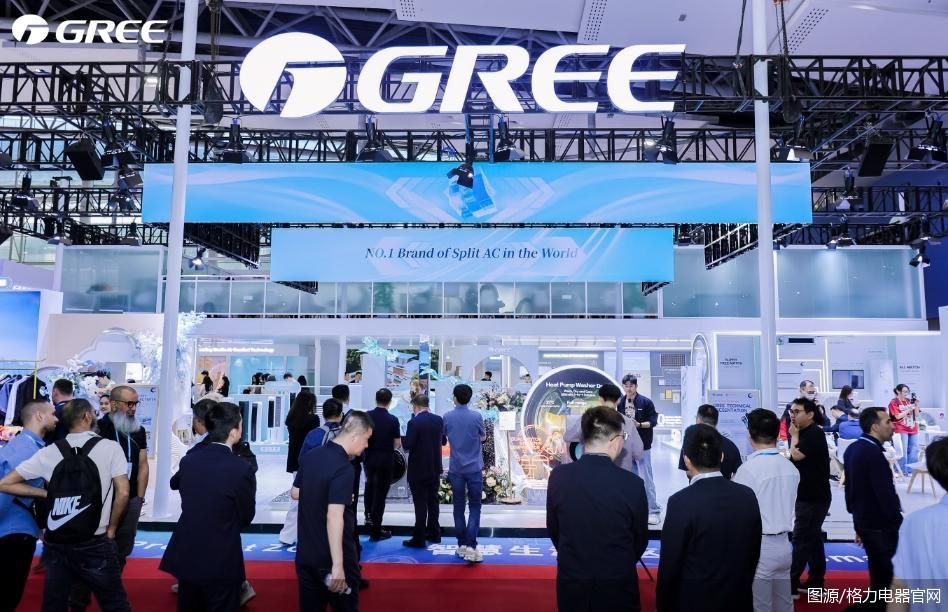
营收净利双降,格力提前“入冬”
Bei Jing Shang Bao· 2025-11-02 13:25
Core Viewpoint - Gree Electric Appliances has reported significant declines in revenue and net profit for the third quarter of 2025, highlighting the company's struggles amid a challenging industry environment [3][4]. Financial Performance - For the first three quarters of 2025, Gree achieved revenue of 137.18 billion yuan, a year-on-year decrease of 6.5%, and a net profit attributable to shareholders of 21.461 billion yuan, down 2.27% [3]. - In the third quarter alone, Gree's revenue was 39.855 billion yuan, reflecting a more severe decline of 15.09% year-on-year, while net profit dropped by 9.92% to 7.049 billion yuan [3]. Industry Context - The air conditioning industry is currently in a downturn, with retail sales in September 2025 down 21.2% year-on-year, and production for domestic sales and exports also experiencing significant declines [4]. - The industry faces challenges such as product homogenization and intense competition, which complicate consumer decision-making [4]. Competitive Landscape - Gree's heavy reliance on air conditioning, which accounted for 78.38% of its revenue in the first half of 2025, makes it particularly vulnerable to fluctuations in this segment [3]. - Xiaomi's new smart appliance factory in Wuhan poses a direct threat to Gree, as it shifts from an OEM model to in-house production, enhancing supply chain efficiency and product quality [5][6]. Future Outlook - Despite current challenges, analysts suggest that Gree still has growth potential through continued focus on air conditioning and heating, as well as expansion into new energy sectors [5]. - To overcome internal and external pressures, Gree needs to innovate in channels and ecosystem development to regain growth momentum [7].


美的小米,正面开战
虎嗅APP· 2025-11-01 09:35
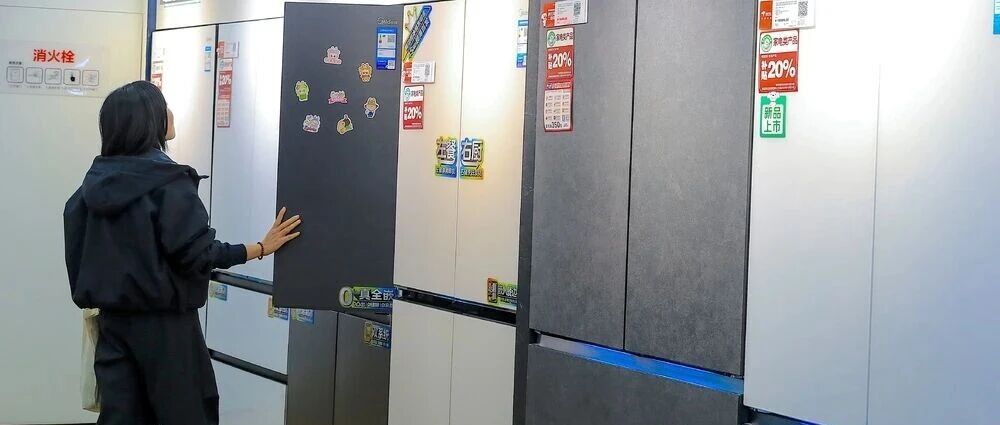
Core Viewpoint - The competition between Midea and Xiaomi has intensified, shifting from collaboration to direct rivalry, particularly in the home appliance sector, with both companies adopting distinct strategies to capture market share [7][10][11]. Financial Performance - Midea Group reported Q3 revenue of 111.93 billion yuan, a year-on-year increase of 10%, and a net profit of 11.87 billion yuan, up 9% year-on-year [6]. - Xiaomi's market capitalization is significantly higher at 1.17 trillion HKD, with a price-to-earnings (P/E) ratio double that of Midea, indicating a market expectation of higher growth [7][8]. Competitive Landscape - Midea's strategy focuses on maintaining profitability and expanding its B2B business, which has seen revenue growth rates exceeding 20% in recent quarters [8][9]. - Xiaomi emphasizes user control and ecosystem integration, with a P/E ratio of 29, reflecting investor confidence in its growth potential [8][30]. Historical Context - The partnership between Midea and Xiaomi began in 2014, aimed at leveraging Midea's manufacturing capabilities and Xiaomi's internet expertise, but has since evolved into competition, particularly after Xiaomi entered the air conditioning market in 2018 [11][12]. - Midea has divested all its Xiaomi shares, realizing a profit of approximately 5.65 billion yuan from an initial investment of 1.273 billion yuan [12][13]. Market Strategies - Xiaomi employs aggressive pricing strategies and ecosystem integration to attract consumers, while Midea focuses on service quality and rapid installation to leverage its strengths in customer service [9][18]. - Midea's sub-brand, Hualing, targets price-sensitive consumers, while its main brand has also engaged in price reductions to counter Xiaomi's market share gains [19][20]. Future Outlook - The competition is expected to escalate, particularly in the air conditioning market, with both companies preparing for a significant battle in 2025 [14][20]. - Xiaomi aims to expand its presence in other major appliance categories, such as washing machines and refrigerators, while Midea seeks to defend its market position through cost efficiency and product innovation [23][25]. Industry Implications - The rivalry between Midea and Xiaomi is indicative of a broader transformation in the home appliance industry, pushing companies to innovate and improve operational efficiency [32].
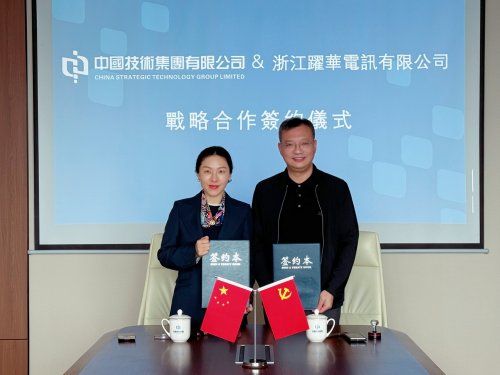
中国技术集团大动作:总部落穗后并购跃华电讯,“生态共建”深耕中东
Sou Hu Wang· 2025-10-31 03:04
Core Insights - The strategic acquisition memorandum signed between China Technology Group and Zhejiang Yuehua Electric Co., Ltd. marks a significant step in the globalization strategy of the Intercontinental Aerospace Technology Group, emphasizing the integration of technology and manufacturing to enhance China's influence in the Middle East market [2][5][9] Group 1: Strategic Importance - The relocation of the headquarters from Hong Kong to Guangzhou is not merely a geographical shift but a strategic move to leverage the Greater Bay Area as a hub for industrial integration and technology export [5][9] - The partnership with Yuehua Electric, a leader in the cable and connector industry, is aimed at enhancing the "technology + manufacturing" model, facilitating the entry into high-growth sectors in the Middle East [9][10] Group 2: Operational Synergies - China Technology Group plans to utilize Guangzhou as an operational hub to integrate high-quality domestic technology resources and promote systematic technology export [5][7] - The collaboration will enable rapid access to the Middle Eastern market, particularly in renewable energy and digital infrastructure, aligning with Dubai's 2050 renewable energy strategy [9][10] Group 3: Manufacturing Capabilities - Zhejiang Yuehua Electric has established a comprehensive competitive advantage with over 90 international certifications and a modern production base, catering to major global clients [7] - The acquisition will enhance the supply chain for renewable energy projects and digital centers in the Middle East, ensuring that Yuehua's products meet local demands for reliability and environmental sustainability [7][10] Group 4: Market Expansion - The partnership aims to create a win-win situation by moving beyond traditional single-product exports to a more integrated approach that includes technology solutions and localized services [9][10] - The collaboration is expected to elevate Yuehua Electric from a domestic supplier to a global industry participant, enhancing its market presence and brand influence in the Middle East [10]
立德教育:黑龙江工商学院与海尔订立售后回租合同(海尔)及咨询服务合同(海尔)
Zhi Tong Cai Jing· 2025-10-27 10:21
Core Viewpoint - The company, Lide Education (01449), has entered into a sale and leaseback agreement with Haier for assets worth RMB 30 million, along with a consulting service contract valued at RMB 900,000, aimed at enhancing financial resources for campus construction and operational needs [1][2] Group 1: Sale and Leaseback Agreement - The sale price for the leased assets, which include servers, switches, air conditioners, desks, chairs, and LED displays, is RMB 30 million [1] - The total lease payments under the agreement amount to RMB 32.92 million [1] - The leaseback arrangement ensures that the company retains operational control over the assets, as they will be immediately leased back after the sale [2] Group 2: Consulting Services - Haier will provide consulting services to the company, which includes macroeconomic analysis and financing lease arrangements [1] - The service fee for the consulting contract is RMB 900,000, payable within three business days after signing [1] Group 3: Financial Implications - The financing lease arrangement allows the company to secure financial resources for campus development and general operational funding without affecting its operations [2] - The transaction does not constitute an asset sale under international financial reporting standards, meaning no gains or losses will be recorded in the company's income statement [2] - At the end of the lease term, the company will pay a nominal purchase option to reacquire the leased assets, similar to a secured loan arrangement [2]
立德教育(01449):黑龙江工商学院与海尔订立售后回租合同(海尔)及咨询服务合同(海尔)
智通财经网· 2025-10-27 10:18
Core Viewpoint - The company, Lide Education (01449), has entered into a sale and leaseback agreement with Haier for assets worth RMB 30 million, along with a consulting service contract for RMB 900,000, aimed at enhancing financial resources for campus construction and operational needs [1][2] Group 1: Financial Arrangements - The sale and leaseback agreement involves leasing assets such as servers, switches, air conditioners, desks, chairs, and LED displays, with total lease payments amounting to RMB 32.92 million [1] - The financing lease arrangement allows the company to secure financial resources for campus development and operational funding without affecting its operations, as the assets will be immediately leased back [2] - The arrangement does not constitute an asset sale under international financial reporting standards, meaning no gains or losses will be recorded in the company's income statement [2] Group 2: Consulting Services - Haier will provide consulting services to Lide Education, which includes macroeconomic analysis and financing lease arrangements, with a service fee of RMB 900,000 payable within three business days after the contract signing [1]
立德教育(01449.HK)综合联属实体黑龙江工商学院订立售后回租合同(海尔)及谘询服务合同(海尔)
Ge Long Hui· 2025-10-27 10:12
Core Viewpoint - The company, Lide Education (01449.HK), has entered into a sale and leaseback agreement with Haier for assets valued at RMB 30 million, with total lease payments amounting to RMB 32.92 million, aimed at securing financial resources for campus construction and operational needs [1] Group 1 - The sale and leaseback contract involves a financial leasing arrangement that allows the company to maintain operational control over the leased assets, as they will be immediately leased back to the company [1] - The transaction does not constitute an asset sale under International Financial Reporting Standards, meaning no gains or losses will be recorded in the company's income statement [1] - At the end of the lease term, the company will pay a nominal purchase option to reacquire the leased assets, effectively treating the arrangement similarly to a secured loan [1]
中国国际广告节:科技与文化交汇,“双主场”链接亚洲机遇
Xin Jing Bao· 2025-10-27 10:08
Core Insights - The 32nd China International Advertising Festival and the 34th Asian Advertising Congress successfully concluded in Beijing, focusing on the theme "Intelligent Advertising New Chapter: China as the Main Stage, Asia in Sync" [1][6] - The dual-event format marked a significant step in the integration of China's advertising industry with the international stage, attracting over 10,000 representatives from more than 30 countries and regions [2][7] Group 1: Event Highlights - The event was held in a "dual main stage" format, featuring over 220 international representatives, creating a comprehensive ecosystem for "display, communication, release, and cooperation" [2] - The event's content reached over 1 billion people through "all-media + outdoor advertising" strategies, significantly enhancing the international influence of China's advertising industry [2] - Key industry leaders from companies like WPP, Tencent, and Haier discussed topics such as AI-driven brand transformation, showcasing the cutting-edge achievements of China's advertising sector [3] Group 2: Technological and Cultural Integration - Experts from international organizations like Accenture and Dentsu shared insights on AI's role in advertising innovation, discussing topics such as AI payment reconstruction and intelligent applications [4] - The event included award ceremonies for the China Advertising Industry Awards and over 20 specialized forums covering various hot topics, including AI advertising development and brand innovation [4] - Three major exhibitions showcased the diverse ecosystem and innovative vitality of the advertising industry, featuring prominent media and companies [4] Group 3: Regional Impact - Haidian District, as the event's host, provided a rich cultural and technological foundation, aligning with the event's theme of "innovation-driven, technology-enabled" [5] - The advertising industry is seen as a pioneer in sensing AI transformations, with Haidian's research capabilities fueling advertising innovation [5] - The collaboration between the advertising industry and Haidian's tech firms is expected to enhance regional influence and market reputation [5] Group 4: Future Outlook - The successful hosting of the dual events solidifies Beijing's position as a hub for international exhibitions and technology integration, with expectations for deepened collaboration in the next five years [7] - The theme "China as the Main Stage, Asia in Sync" reflects the growing global presence of Chinese products and services, indicating a trend towards greater synergy in the advertising market [7] - The event fostered inspiration and resource expansion among participants, paving the way for future collaborations in AI, branding, and cross-industry integration [7]
立德教育综合联属实体黑龙江工商学院订立售后回租合同(海尔)及谘询服务合同(海尔)
Ge Long Hui· 2025-10-27 10:07
Core Viewpoint - The company, Lide Education (01449.HK), has entered into a sale and leaseback agreement with Haier for assets valued at RMB 30 million, with total lease payments amounting to RMB 32.92 million, aimed at securing financial resources for campus construction and operational needs [1] Group 1 - The sale and leaseback contract involves a financial leasing arrangement that allows the company to maintain operational control over the leased assets, as they will be immediately leased back to the company [1] - The transaction does not constitute an asset sale under International Financial Reporting Standards, meaning it will not result in any gains or losses recorded in the company's income statement [1] - At the end of the lease term, the company will pay a nominal purchase option to reacquire the leased assets, effectively treating the arrangement similarly to a secured loan [1]
海康威视(002415):“物联感知十AI”赋能灯塔工厂,点亮中国智造未来
Haitong Securities International· 2025-10-24 15:11
Investment Rating - The report maintains an "Outperform" rating for the company, with a target price of RMB 40.98 per share based on a 2025 PE of 28x [4][22]. Core Insights - The company is positioned to benefit from innovation and overseas market expansion, with AI expected to enhance future growth prospects. EPS estimates for 2025-2027 are RMB 1.47, 1.68, and 1.97 respectively [4][22]. - The concept of "Lighthouse Factory," introduced by WEF and McKinsey, emphasizes the integration of advanced technologies like IoT, AI, and big data to achieve significant improvements in production efficiency and sustainability. China leads globally with 85 such factories, accounting for 42.29% of the total [4][23][24]. Financial Summary - Total revenue is projected to grow from RMB 89.34 billion in 2023 to RMB 117.62 billion by 2027, reflecting a CAGR of approximately 10.3% [3]. - Net profit attributable to the parent company is expected to recover from RMB 11.98 billion in 2024 to RMB 18.03 billion in 2027, with a notable increase of 17.0% in 2027 [3]. - The company’s net asset return is forecasted to improve from 14.8% in 2024 to 17.6% in 2027 [3]. Business Strategy - The company focuses on "IoT sensing, AI, and big data" to enhance its product offerings, creating a comprehensive IoT data entry system that supports AI algorithm improvements [4][24]. - Recent collaborations, such as with Haier, aim to accelerate digital transformation across various sectors, including smart manufacturing and supply chain management [15][16]. Market Position - The company has established itself as a leader in the security industry, leveraging its technological capabilities to provide customized digital solutions across multiple industrial sectors [4][25]. - The report highlights successful implementations of its technology in various industries, such as steel and cement, showcasing significant improvements in operational efficiency and safety [11][25].

制造强市”,期待更多“一流大学
2 1 Shi Ji Jing Ji Bao Dao· 2025-10-21 04:03
Core Insights - The emergence of new research-oriented universities is reshaping higher education in China, with institutions like Shenzhen University of Technology and Fuyou University achieving high admission scores, surpassing traditional universities in some cases [1][2] - New universities are seen as a part of educational reform rather than direct competitors to traditional institutions, aiming to provide innovative experiences that can be scaled nationally [1][3] Group 1: New University Developments - Fuyou University, established with social funding, is expected to adopt a flexible management model, allowing it to respond quickly to societal needs [2][4] - The university's first four undergraduate programs are closely aligned with national strategic needs and advanced manufacturing talent requirements [2][5] - Ningbo Oriental University of Technology also had a successful first year, with its admission scores closely competing with Zhejiang University, indicating strong demand for its programs [3][6] Group 2: Educational Innovation and Industry Collaboration - Fuyou University has established partnerships with leading companies to create joint laboratories, enhancing its practical education approach [4][5] - The integration of industry needs into academic programs is a common theme among new universities, with a focus on fields like integrated circuits and intelligent manufacturing [4][6] - Shenzhen University of Technology emphasizes a model of "integration of science and education" and "integration of industry and education," linking closely with local industries [6][7] Group 3: Regional Economic Context - Shenzhen and Ningbo are both manufacturing powerhouses with aspirations for high-quality higher education, reflecting a trend of cities investing in educational infrastructure to support economic growth [5][6] - The GDP of Shenzhen is projected to reach 3.68 trillion yuan, with a growth rate of 5.8%, while Ningbo's GDP is expected to be 1.81 trillion yuan, growing at 5.4% [5][6] - The establishment of new universities is seen as a critical step in addressing the educational needs of these rapidly growing urban economies [6][7]