速卖通

Search documents
跨境电商黑五“大分流”
3 6 Ke· 2025-12-02 09:05
Core Insights - The performance of the Black Friday sales event has shown signs of fatigue, with merchants experiencing growth but not meeting expectations due to various industry challenges [1][4] - Consumer shopping enthusiasm remains high, with approximately 186.9 million people participating in shopping events, but price sensitivity has increased significantly [2][4] - The promotional landscape has shifted, with longer sales periods and a more fragmented approach to marketing and sales channels [8][9] Group 1: Market Trends - The Black Friday shopping period has extended significantly, with Amazon's event lasting 12 days and Temu offering a 51-day promotion [9][10] - Consumers are increasingly viewing promotional events as opportunities for comparison shopping rather than immediate purchasing, leading to a more prolonged engagement with sales [11][20] - The competition among platforms has intensified, with Temu and TikTok Shop emerging as significant challengers to Amazon, capturing market share through aggressive pricing and marketing strategies [12][14] Group 2: Merchant Challenges - Merchants are facing rising operational costs, including a 30% increase in advertising costs, which is not translating into proportional sales conversions [4][5] - There is a notable divide between large and small sellers, with larger sellers benefiting from better resources and marketing capabilities, while smaller sellers struggle to maintain profitability [5][7] - The industry is experiencing a "stronger get stronger" dynamic, where top sellers receive more platform support and visibility, exacerbating the challenges for smaller players [7][21] Group 3: Consumer Behavior - Consumers are increasingly seeking value and are more cautious about spending, with 70% actively looking for ways to save money [2][4] - The trend of consumers checking price histories to ensure they receive genuine discounts reflects a shift towards more informed purchasing decisions [4][20] - The younger demographic in emerging markets, such as Mexico, is driving significant sales growth during promotional events, contrasting with the more saturated U.S. market [15][16] Group 4: Strategic Shifts - Merchants are diversifying their sales channels, moving away from reliance on a single platform to leverage multiple marketplaces for better reach and sales [12][15] - The focus is shifting from price competition to value creation, with brands emphasizing quality, customer experience, and long-term relationships over short-term sales spikes [20][22] - The overall trend indicates a move towards a more sustainable business model, where healthy profit margins and brand equity are prioritized over sheer sales volume [21][22]



老牌电商,突然宣布关停
Sou Hu Cai Jing· 2025-12-01 07:57
在全球电商格局深度调整的浪潮中,曾经风光无限的老牌折扣电商正遭遇生存危机。近日,横跨五国、运营16年的跨境电商巨头旗下两大核心平台 NZSale与Ozsale相继宣告关停,这一消息不仅让澳新地区消费者倍感意外,更折射出区域中小电商在巨头挤压与消费需求变迁下的生存困境,全球电商行 业的优胜劣汰正进入加速阶段。 NZSale与Ozsale相继关停 16年运营史落幕 与此同时,其姊妹平台、澳大利亚知名电商Ozsale也宣布将于2026年1月27日关闭全站点及所有业务,12个区域网站将同步终止服务。 据悉,NZSale于2009年上线,核心业务覆盖澳大利亚、新西兰、新加坡等五个国家和地区,孵化出包括Ozsale、SingSale在内的12个区域折扣电商网站, 凭借会员制闪购模式和高端品牌折扣商品,在16年运营期间积累了大量忠实用户。 中小电商平台生存承压 NZSale与Ozsale的退场并非个例,而是全球电商市场剧烈洗牌的缩影。近期,韩国电商平台WeMakePrice因巨额负债和未处理退款问题宣告破产,总负债 达4462亿韩元,波及10.8万名卖家;新西兰另一折扣平台GrabOne也因资金短缺进入清算程序,停止所有经 ...

运营16年关停!跨境折扣电商巨头接连退场 行业洗牌加速
Nan Fang Du Shi Bao· 2025-11-30 16:07
Core Insights - The closure of NZSale and Ozsale highlights the survival crisis faced by traditional discount e-commerce platforms amid a rapidly changing global e-commerce landscape [1][2][4] - The global e-commerce market is undergoing significant consolidation, with major players dominating the market and smaller platforms struggling to compete [4] Company Summary - NZSale, a well-known flash sale platform in New Zealand, has officially ceased operations after 16 years, with its website no longer offering any products for sale [2] - Ozsale, NZSale's sister platform in Australia, is set to shut down all operations by January 27, 2026, affecting 12 regional websites [2] - Both platforms were part of a larger network that included 12 regional discount e-commerce sites, leveraging a membership-based flash sale model [2][3] Industry Summary - The operational model of NZSale and Ozsale, which included time-limited promotions and centralized procurement, has faced challenges due to long logistics cycles and declining product value [3] - The recent closures reflect a broader trend in the e-commerce sector, where platforms like WeMakePrice in South Korea have declared bankruptcy due to massive debts, and GrabOne in New Zealand has entered liquidation due to funding shortages [4] - The competitive landscape has shifted, with major players like Amazon capturing 65% of global e-commerce traffic, leading to increased pressure on regional platforms [4] - Consumer preferences have evolved from merely seeking low prices to demanding low prices, fast delivery, and high-quality experiences, which traditional discount models struggle to meet [4]
全球消费者始终青睐的背后……大促季见证中国商品出海历程
Bei Jing Wan Bao· 2025-11-29 01:13
Core Insights - The traditional year-end shopping season in Europe and the US, marked by "Black Friday," is witnessing a significant participation of Chinese products, which are reshaping the global consumption landscape through technological empowerment and supply chain advantages [1][2] - Despite the growth in orders during this period, Chinese merchants face new challenges due to tariff adjustments and policies targeting Chinese goods and e-commerce platforms [2][4] - The shift from "cost-driven" to "technology and culture integration" in Chinese exports is accelerating, necessitating a multi-faceted approach to overcome challenges [1][13] Group 1: Market Dynamics - Amazon launched its "Black Friday" promotions on November 20, with other platforms like TikTok Shop and Temu also engaging in extensive sales activities [2] - Chinese exports, particularly in sectors like lithium batteries and AI toys, have seen significant growth, with sales to the US market increasing over 60% year-on-year [2][3] - The overall shipping volume from September to October increased by approximately 20% to 30% compared to the previous year, indicating a robust pre-holiday demand [2] Group 2: Pricing and Consumer Behavior - Chinese brands are prominently featured in European retail, with significant discounts on products such as Xiaomi phones and Haier refrigerators, showcasing competitive pricing strategies [3] - The new tariff policies in the EU and the UK are expected to impact pricing, with consumers expressing concerns over potential price increases in the future [4][5] - A survey indicated that 61% of consumers plan to increase their spending during "Black Friday," with an average budget of 312 euros, highlighting a strong consumer interest despite rising costs [6] Group 3: Regulatory Challenges - The EU's decision to eliminate the tax exemption for packages under 150 euros is seen as a direct challenge to Chinese e-commerce platforms, which have rapidly gained market share [4][7] - Similar tariff policies are being implemented in the UK and the US, with the aim of increasing tax revenue but potentially leading to higher prices for consumers [4][8] - Retailers are adjusting their promotional strategies in response to these tariffs, with some reducing the variety of discounted items and others eliminating uniform discounts altogether [4][9] Group 4: Future Trends - The transformation of Chinese exports is characterized by a shift towards high-tech and design-oriented products, moving away from basic consumer goods [12][13] - The future of Chinese exports is expected to focus on digitalization, sustainability, and service-oriented solutions, with emerging sectors like green energy and smart hardware showing high growth potential [13]

大促季见证中国商品出海历程
Huan Qiu Wang· 2025-11-28 22:27
Core Insights - The traditional year-end shopping season in the West, marked by "Black Friday," is witnessing a significant participation of Chinese goods, which are reshaping the global consumption landscape through technological empowerment and supply chain advantages [1][3] - The transition of Chinese exports from a "cost-driven" model to a "technology and culture integration" model is accelerating, necessitating a multi-faceted approach to meet challenges in the global market [1][13] Group 1: Market Dynamics - Amazon launched its "Black Friday" promotions on November 20, with other platforms like TikTok Shop and Temu also engaging in extensive promotional activities [3] - Chinese companies are experiencing a surge in orders, with a reported 60% year-on-year increase in lithium battery sales to the U.S. market [3] - The period from September to October saw a 20% to 30% increase in shipping volumes compared to the previous year, as businesses prepared for the holiday season [3] Group 2: Pricing and Discounts - Chinese brands are prominently featured in European retail, with significant discounts on products such as Xiaomi smartphones and Haier refrigerators, showcasing aggressive pricing strategies [4] - Discounts during "Black Friday" include Xiaomi's Redmi Note 14 Pro dropping from €399 to €219 and Haier's smart refrigerator from €999 to €679.99 [4] Group 3: Regulatory Challenges - New tariff policies in the EU, which eliminate the €150 threshold for tax exemptions on small packages, are seen as a direct challenge to Chinese e-commerce platforms [5] - The EU's decision is expected to impact the pricing and availability of Chinese goods, with similar policies being adopted in the UK and the U.S. [5][8] - The increase in tariffs is forcing many retailers to reduce the variety of products on promotion and lower discount levels, impacting overall sales strategies [5][9] Group 4: Consumer Behavior - A survey indicated that 61% of German consumers plan to increase their spending during "Black Friday," with an average budget of €312, and a significant preference for online shopping [7] - Consumers are expressing concerns that rising tariffs may lead to increased prices for Chinese goods, potentially reducing overall spending [6][8] Group 5: Future Trends - The export of Chinese goods is expected to evolve towards digitalization, greening, and service-oriented solutions, with a focus on high-growth potential sectors like green energy and smart hardware [13] - The shift in consumer preferences towards Chinese products is driven not only by price but also by innovation and variety, indicating a deeper market integration [10][13]
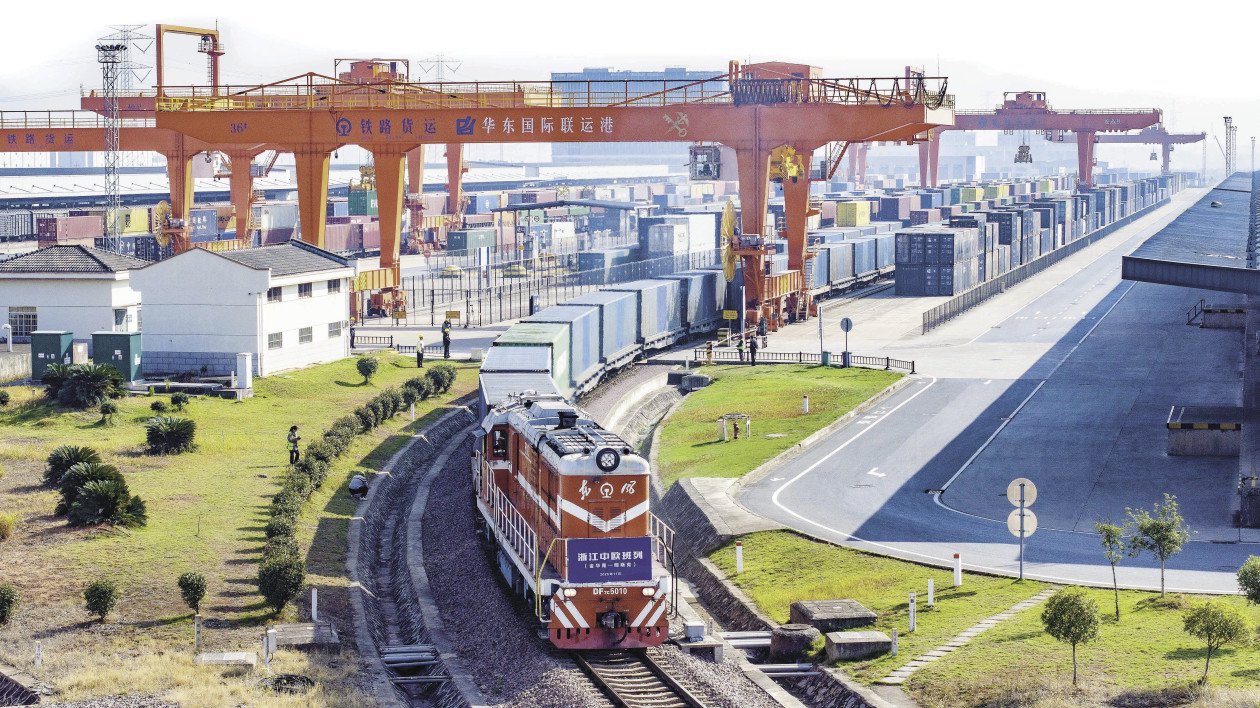
涉及9610/9810模式!多地跨境电商试跑“无票免征”
Sou Hu Cai Jing· 2025-11-28 04:22
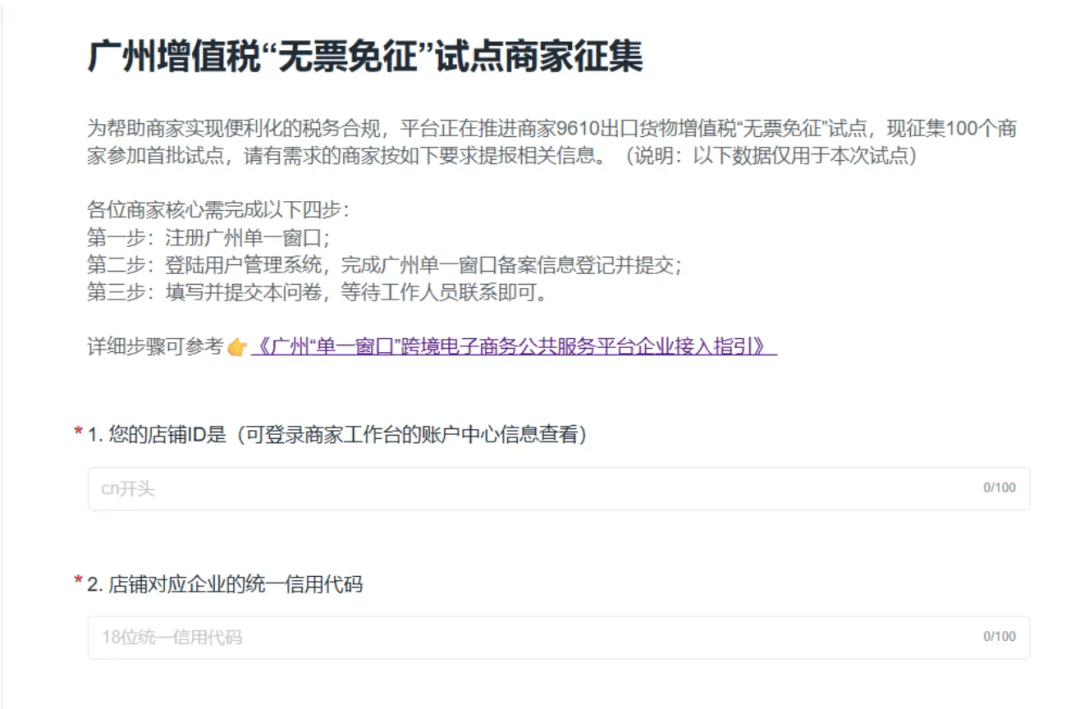
Core Viewpoint - The introduction of the "no-invoice exemption" policy for cross-border sellers is a significant development, allowing sellers to benefit from VAT exemptions without the need for invoices, thus reducing operational costs and compliance burdens [1][5][10]. Group 1: Policy Overview - The "9610 export goods VAT no-invoice exemption" pilot program is being promoted by AliExpress in collaboration with tax authorities in Guangzhou and Hangzhou, allowing sellers using the 9610 customs declaration model to enjoy VAT exemptions without providing invoices [1][5]. - Shenzhen has also joined the pilot program, focusing on the 9810 customs declaration model, which allows for a different approach to cross-border e-commerce [6][10]. - The policies in Guangzhou, Hangzhou, and Shenzhen differ in their applicable customs declaration models, with Guangzhou and Hangzhou specifically targeting the 9610 model [1][6]. Group 2: Customs Declaration Models - The 9610 model, known as "cross-border trade e-commerce," facilitates small retail exports through e-commerce platforms, allowing sellers to apply for export tax refunds after providing necessary documentation [4]. - The 9810 model, which involves exporting goods to overseas warehouses, enhances logistics efficiency and allows for immediate tax refund applications upon customs clearance [9][10]. Group 3: Compliance and Taxation - The recent announcement from the State Administration of Taxation aims to regulate the "buy-out export" model, requiring sellers to report actual ownership information to prevent tax evasion and ensure compliance [7]. - The "no-invoice exemption" pilot in Shenzhen addresses the compliance challenges faced by sellers reliant on gray market operations, aiming to alleviate their tax burdens [6][10]. Group 4: Industry Implications - If the pilot programs are successful, the "no-invoice exemption" policy could be expanded to 165 comprehensive pilot zones nationwide by 2026, potentially benefiting over 100,000 cross-border e-commerce enterprises [10]. - The evolving tax policies reflect a shift towards more adaptable regulations that align with the operational realities of the cross-border e-commerce industry, indicating a supportive environment for sellers [9][25].
今年“黑五”海外消费者开始看直播带货,中国直播业忙出海
Di Yi Cai Jing· 2025-11-27 11:33
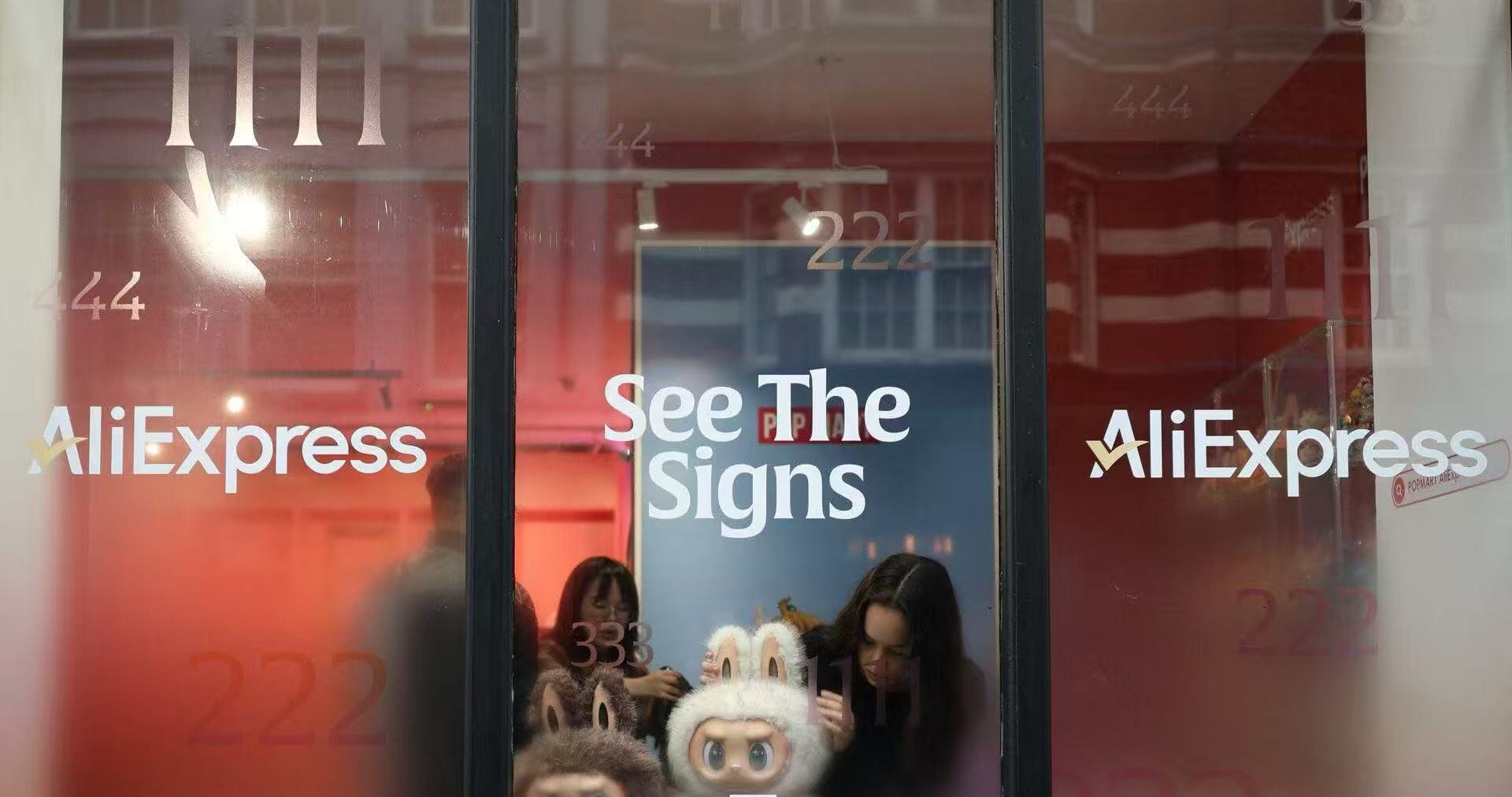
Core Insights - The effectiveness of live streaming in driving sales during overseas promotional events has been preliminarily validated, particularly during Black Friday [4][6][10] Group 1: Live Streaming Impact - Live streaming has significantly boosted sales during this year's overseas promotional season, with notable success for brands like Pop Mart in the UK, where sales surged by 1500% year-on-year in October [4][6] - The collaboration between AliExpress and UK influencers for Pop Mart's live streaming event resulted in rapid sell-outs of products within just two hours [3][4] - The live streaming event by Youmeng Technology in North America exceeded expectations, achieving a GMV of $630,000 in 12 hours, surpassing the initial target of $500,000 [4][8] Group 2: Market Trends and Brand Opportunities - Chinese brands are leveraging content platforms like TikTok to expand overseas, with significant potential in the US and European markets [5][10] - The UK retail brand Marks & Spencer has entered TikTok Shop, indicating a growing trend among foreign brands to engage in live streaming and content-driven e-commerce [6][10] - The overseas live streaming market is still in its early stages, but the integration of content and e-commerce is gaining traction, especially during major promotional events [6][9] Group 3: Market Maturity and Growth - Compared to last year's Black Friday, this year's live streaming efforts have shown marked improvement in terms of the number of live sessions and partnerships with influencers [7][8] - The number of influencers collaborating with Youmeng Technology has nearly doubled, indicating a growing influencer network in the North American market [8] - The increasing acceptance of live streaming as a commercial model among brands is attributed to market education and platform policies [8][9] Group 4: Consumer Behavior and Engagement - A significant portion of Gen Z and Millennials utilize platforms like TikTok for gift inspiration, with 43% of US Gen Z consumers shopping directly through TikTok Shop [9][10] - The third quarter GMV for TikTok Shop reached $19 billion, with US consumers contributing $4 to $4.5 billion, highlighting the platform's growing market presence [10] - The competitive landscape in the US live streaming market favors Chinese players, who possess advantages in supply chain and content marketing strategies [10]


今年“黑五”海外消费者开始看直播带货 中国直播业忙出海
Di Yi Cai Jing· 2025-11-27 11:33
Core Insights - The article highlights the rapid growth of Chinese brands, particularly Pop Mart, in overseas markets through live streaming, especially during major sales events like Black Friday [1][2][4] Group 1: Live Streaming Impact - Live streaming has significantly boosted sales, with Pop Mart's official store on AliExpress seeing a 1500% increase in sales in October compared to the previous year [2] - During Black Friday, live streaming events for various brands, including Beisi and Tebu, were organized to enhance sales [2] - A specific live stream by the influencer Simplymandys achieved a GMV of $630,000 in 12 hours, surpassing the initial target of $500,000 [2] Group 2: Opportunities for Chinese Brands - Content platforms like TikTok present new opportunities for Chinese brands to integrate content and shopping, with significant growth potential in the European and American markets [3] - Brands are accumulating valuable content on TikTok, which is becoming an asset for marketing and sales [3] - UK retailer Marks & Spencer has entered TikTok Shop, indicating a trend of international brands exploring live streaming and content collaboration [3] Group 3: Market Maturity and Growth - The overseas live streaming market is still in its early stages but shows great potential, with platforms like AliExpress and TikTok actively promoting the "content + e-commerce" model [4][5] - Compared to last year, there has been noticeable progress in live streaming for overseas sales, with increased participation from influencers and brands [6] - The number of collaborations with influencers has grown significantly, with nearly 1,000 brands cooperating with the agency in the U.S. market this year [6] Group 4: Consumer Behavior and Trends - A Nielsen survey indicates that 46% of Gen Z and 38% of millennials use platforms like TikTok for gift inspiration, highlighting the importance of content in driving consumer behavior [7] - TikTok Shop's GMV reached $19 billion in Q3, with U.S. consumers contributing $4 to $4.5 billion, making it the largest market [7] Group 5: Competitive Landscape - Chinese live streaming agencies have a competitive advantage in the U.S. market, as local players lack the same level of expertise [8] - The majority of live streaming strategies from China can be effectively adapted to overseas markets, providing a competitive edge [8] - Successful brand expansion requires a focus on content development and localization to connect with local consumers [8]
首日爆场!2025中国(浙江)跨境电商进出口交易会盛大开幕!
Sou Hu Cai Jing· 2025-11-27 07:08
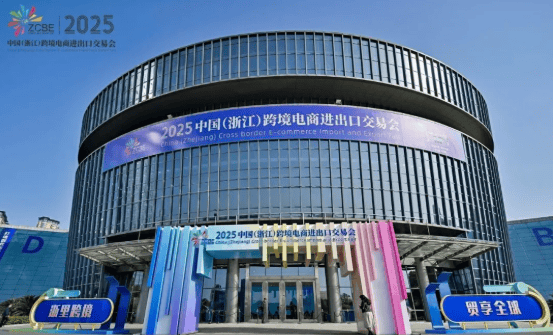
Core Insights - The 2025 China (Zhejiang) Cross-Border E-commerce Import and Export Trade Fair has officially commenced, attracting global cross-border sellers, buyers, industry experts, and service providers to explore new opportunities in cross-border e-commerce [1][2] Group 1: Event Overview - The trade fair covers an exhibition area of 50,000 square meters, featuring over a thousand well-known domestic and international e-commerce platforms, service providers, and source factories [2] - The event includes five distinctive exhibition areas: Overseas Factory Area, Quality Industrial Belt and Supply Chain Area, Future Business Technology Ecosystem Area, Full-Chain Service Ecosystem Area, and Boutique Imported Goods Area, creating a comprehensive platform for cross-border e-commerce [2] Group 2: Exhibition Highlights - The A1 Hall showcases major international cross-border platforms like Shopee, Ozon, Walmart, and Trendyol, serving as a vital resource hub for merchants seeking to expand into overseas markets [4][6] - The B1 Hall integrates flagship platforms such as Alibaba International Station and AliExpress, providing a full-service ecosystem that includes financial payment, e-commerce training, and operational support for cross-border sellers [7][9] - The C1 Hall features cutting-edge technology applications, including generative AI and digital marketing, with innovative companies like Yushutech demonstrating significant advancements in automation [10][12] - The D1 Hall focuses on full-chain services for cross-border e-commerce, showcasing platforms like Amazon and logistics service providers, while also highlighting local industrial strengths [14][16] - The E1 Hall serves as a key display area for imported goods, featuring products like pet supplies and new energy vehicles, emphasizing the quality and appeal of imported items [16] Group 3: Conference and Discussions - The Global Cross-Border E-commerce Ecosystem Conference, held concurrently, featured discussions on the future of digital trade and cross-border e-commerce, with participation from industry leaders and experts [17][19] - The conference included thematic discussions on emerging markets and strategies for leveraging platforms like TikTok Shop to enhance sales during major promotional events [21]
访华前夕,德国副总理口出狂言:不要中国垃圾,谁给他的底气
Sou Hu Cai Jing· 2025-11-26 04:39
Group 1 - The German Vice Chancellor's statement about not wanting "Chinese garbage" reflects a significant shift in Germany's policy towards China, indicating a move towards protectionism and a focus on reducing dependency on Chinese goods [1][9][14] - The EU's decision to impose taxes on small packages, particularly those valued under 150 euros, is aimed at curbing the competitive advantage of Chinese e-commerce platforms like Temu, Shein, and AliExpress, which have benefited from previous tax exemptions [3][5][6] - The timing of the policy change, pushed forward to early 2025, suggests a coordinated effort by Germany and France to address domestic economic pressures by targeting Chinese imports [6][14] Group 2 - The new tax policy is expected to disrupt the existing trade chain, with estimates indicating billions of small packages shipped from China to Europe annually, potentially leading to increased prices for European consumers [6][11] - While local European businesses may initially benefit from reduced competition, the long-term effects could hinder innovation and quality improvements, as reliance on protectionist measures may lead to complacency [11][14] - Chinese e-commerce companies are adapting by expanding into new markets beyond Europe, enhancing their global presence and product quality, which may mitigate the impact of the EU's protectionist measures [13][14] Group 3 - The EU's approach contradicts its self-proclaimed stance as a proponent of free trade, raising questions about its credibility in international trade discussions [13][14] - The political rhetoric surrounding the new policies serves as a distraction from Germany's internal economic challenges, including inflation and manufacturing struggles, as politicians seek scapegoats for domestic issues [8][14] - The overall shift in Germany's approach to China represents a broader trend of viewing China as a competitor rather than a partner, which could have lasting implications for bilateral relations and global trade dynamics [9][14]