
ZARA

Search documents
经营承压:西贝害怕再次卷入“预制菜”风波丨消费参考
2 1 Shi Ji Jing Ji Bao Dao· 2025-10-14 01:30
Core Viewpoint - Xibei has denied rumors about launching a new pre-packaged food business, clarifying that the newly registered company is primarily for restaurant operations and does not indicate a shift towards pre-made dishes [1][4][5]. Group 1: Company Operations - Xibei registered a new company named Shenzhen Yuhua Meihao on September 30, with a registered capital of 1 million yuan, focusing on restaurant services and pre-packaged food sales [1]. - The founder, Jia Guolong, reported significant declines in daily sales, estimating a drop of 1 million yuan on September 10 and 11, and a potential drop of 200,000 to 300,000 yuan on September 12 [1][3]. Group 2: Recovery Efforts - In response to the operational challenges, Xibei implemented several changes starting from mid-September, including switching to non-GMO soybean oil and introducing fresh ingredients in various dishes [2]. - Promotional efforts included issuing 100 yuan vouchers and reducing prices on certain menu items, which led to increased customer traffic during the National Day holiday [2]. Group 3: Industry Context - The overall restaurant industry is facing difficulties, with many national brands experiencing declines in revenue and profit, as noted by multiple industry leaders [3].
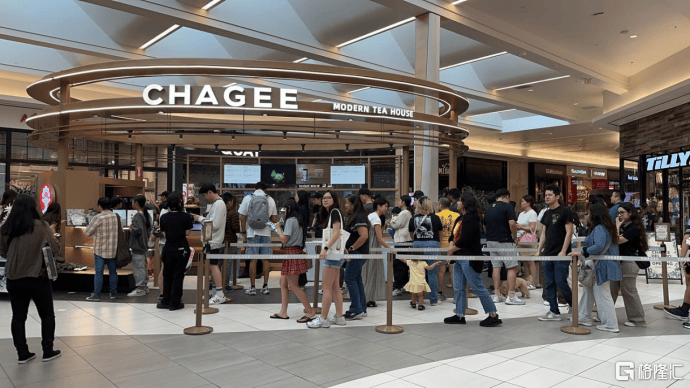
霸王茶姬(CHA.US)在美国再开新店,选址全美前十大购物中心
Sou Hu Cai Jing· 2025-09-18 03:59
Core Insights - Bawang Chaji opened its second store in North America on September 12, 2025, in Del Amo Fashion Center, Los Angeles, which was well-received by local residents with over 100 people queuing by 8:30 AM on opening day [1] - The store is strategically located in one of the top ten shopping centers in the U.S., near popular brands like Apple, H&M, ZARA, and Starbucks [1] Company Developments - In 2025, Bawang Chaji has been active in the U.S. market, having gone public on NASDAQ in April and opening its first U.S. store in Los Angeles in May, selling over 5,000 cups of tea on the first day [3] - The company announced the hiring of Emily Chang as Chief Business Officer for North America and Aaron Harris as Chief Development Officer for North America, both of whom have extensive experience in major companies [3] - Emily Chang previously held significant positions at WPP, McCann Worldgroup, Starbucks China, and InterContinental Hotels Group, while Aaron Harris has a strong background in the restaurant industry, having worked at Dutch Bros Coffee and Popeye's Louisiana Kitchen [3]

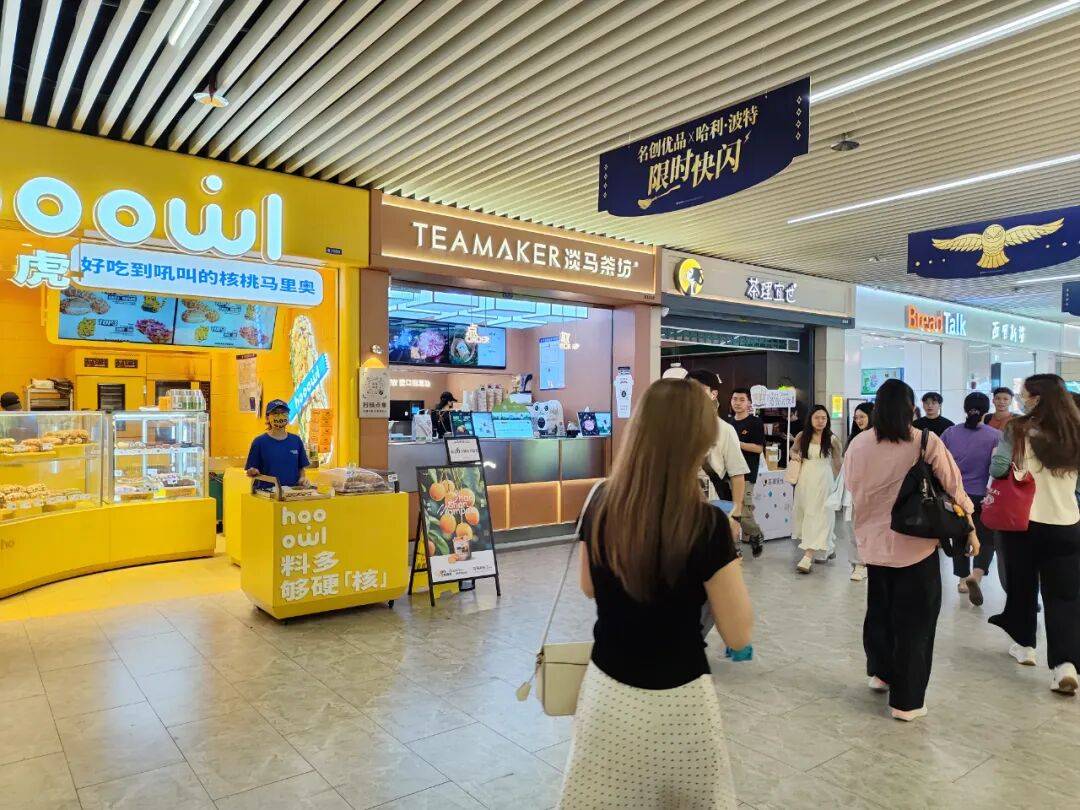
茶咖烘焙小火锅面馆成商场新宠:餐饮“四大金刚”如何成调改热门?
Sou Hu Cai Jing· 2025-09-10 05:51
Core Insights - The shift in retail landscape is evident as fast fashion brands like H&M are being replaced by dining establishments such as SHAKESHACK, indicating a broader trend of dining brands taking over retail spaces previously occupied by apparel and beauty brands [1][3]. Retail Landscape Changes - High-end malls, such as Shenzhen's iN City Plaza, have seen a significant transformation, with 50% of their space now occupied by dining brands like Mixue Ice City and Luckin Coffee, reflecting a nationwide trend of retail contraction [3][4]. - In Q2 of this year, dining establishments accounted for 30% of new openings in malls, with high-end malls seeing a ratio of 1.51 for dining openings to closures, highlighting an accelerated shift in retail dynamics [3][4]. Dining Brand Competition - Four main categories—tea and coffee, baking, hot pot, and noodle shops—are intensifying competition within mall dining spaces, with numerous brands clustering in prime locations [3][6]. - New tea brands are frequently appearing in key positions within malls, while baking brands are also expanding their presence, indicating a strategic focus on high-traffic areas [3][6]. Market Pressures and Opportunities - Shopping centers are increasingly reliant on dining brands due to rising vacancy rates, with projections indicating a 27% increase in empty spaces by mid-2025, particularly in tier-three cities [4][6]. - The apparel sector is facing significant challenges, with brands like ZARA reducing their store count from 183 to under 80, and others like GAP and H&M frequently closing stores [4][6]. New Market Entries - Over 120 new commercial projects were launched in the first half of this year, totaling approximately 9 million square meters, indicating a trend of continuous market entry despite existing vacancies [6]. - The restaurant sector is favored for its ability to attract customers, high turnover rates, and stable rental income, making it a preferred choice for mall operators [6][7]. Strategic Value of Malls for Dining Brands - Dining brands are increasingly recognizing the strategic value of mall locations, with 30% of Bawang Tea's stores situated in malls, primarily on the first floor, enhancing brand visibility [6][7]. - The standardized nature of the four main dining categories allows for quick adaptation and brand turnover, reshaping the commercial real estate landscape in China [7].

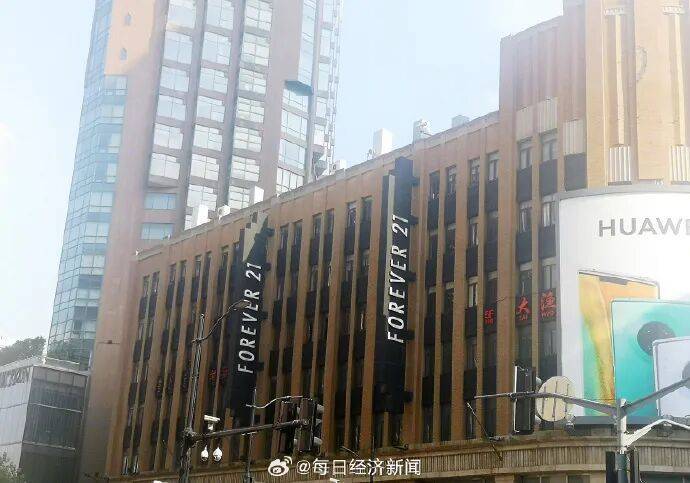
外资快时尚Forever 21四度入华,这次能否站稳脚跟?
Sou Hu Cai Jing· 2025-09-01 13:58
Group 1 - Forever 21 is making its fourth attempt to enter the Chinese market, indicating a strong desire to tap into this vast consumer base despite previous failures [1][2] - Other foreign fast fashion brands like H&M and ZARA are also actively engaging in the Chinese market, with H&M upgrading flagship stores and ZARA hosting promotional events to attract young consumers [1] - The Chinese market is considered a strategic high ground for fast fashion brands, with significant value as highlighted by industry experts [1] Group 2 - The repeated attempts by Forever 21 reflect the extreme importance foreign brands place on the Chinese consumer market, which has undergone significant changes compared to a decade ago, particularly in supply chain responsiveness and procurement flexibility [2] - Since 2016, Forever 21 has exited multiple markets and officially left China in May 2019, subsequently filing for Chapter 11 bankruptcy protection in September of the same year [2] - In 2021, Forever 21 returned to China focusing on e-commerce and social media, but faced challenges with limited online sales and slow offline expansion, leading to a second bankruptcy protection filing in March 2023 [4]
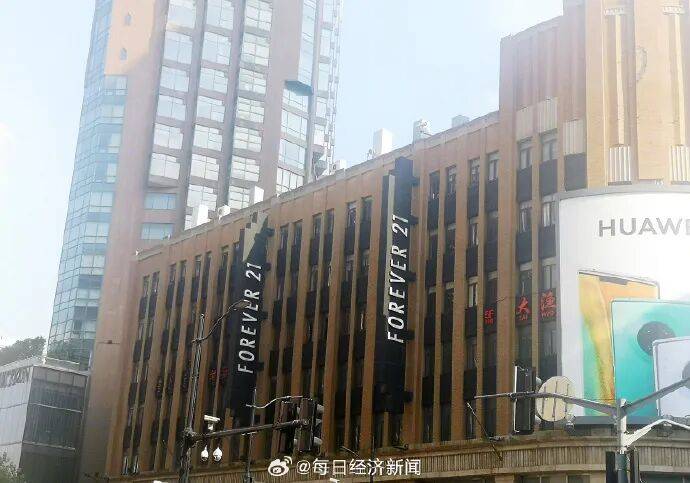
知名品牌重返中国
Sou Hu Cai Jing· 2025-09-01 01:04
Core Insights - Forever 21 has made its fourth attempt to enter the Chinese market after a year of absence, indicating a persistent interest in the market despite previous failures [1][4] - Other foreign fast fashion brands, such as H&M and ZARA, are also actively enhancing their presence in China, showcasing the country's significance as a strategic market for global brands [3] - The Chinese market has undergone significant changes, particularly in supply chain efficiency and rapid response to consumer demands, which poses challenges for international fast fashion brands [3][4] Company Overview - Forever 21 has exited several international markets since 2016, including Belgium, the Netherlands, the UK, Germany, France, and Australia, and officially left the Chinese market in May 2019 [4] - The brand attempted a comeback in 2021, focusing on e-commerce and social media, but faced challenges in product design, pricing strategy, and marketing, leading to limited online sales and slow offline expansion [4] - In March 2023, Forever 21 filed for bankruptcy protection for the second time in six years, indicating ongoing struggles in its business operations [5]
SHEIN回国谋上市?行业竞争困局仍难解
Sou Hu Cai Jing· 2025-08-31 10:23
Core Viewpoint - SHEIN, a leading player in the cross-border fast fashion sector, has faced significant challenges in its IPO journey since 2020, including regulatory hurdles and competitive pressures, prompting a potential return to China to facilitate its listing process [1][15][17] Group 1: Company Structure and Regulatory Challenges - SHEIN's complex ownership structure, initially designed for overseas listing, has become a barrier due to tightened regulations, with a significant portion of its operations and assets being based in China [3][4] - The implementation of the "Management Measures for the Issuance of Securities and Listing by Domestic Enterprises Overseas" in March 2023 emphasizes the importance of substance over form, which may hinder SHEIN's ability to meet compliance requirements for overseas listings [3][4] - Regulatory scrutiny has intensified, with the SEC and EU raising concerns about SHEIN's corporate structure and potential tax evasion, complicating its plans for a Singapore listing [4][12] Group 2: Tax Compliance and Financial Performance - SHEIN's initial move to Singapore was motivated by favorable tax rates, but the shift has now become a liability in terms of compliance and potential delays in its IPO process [6][7] - The company has seen a significant slowdown in revenue growth, with a 23% increase in H1 2024 and net profits dropping over 70%, leading to a decrease in valuation from over $100 billion to approximately $50 billion [10][12] - Tax issues have been highlighted as a major concern, with 37% of Hong Kong-listed Chinese companies facing inquiries related to tax compliance, which could further delay SHEIN's IPO [7][13] Group 3: Competitive Landscape - SHEIN faces fierce competition from both traditional fast fashion brands like ZARA and H&M, which are enhancing their digital capabilities, and emerging brands focusing on sustainable fashion [8][14] - The rise of competitors such as TEMU, which is aggressively targeting the same supplier base, has strained SHEIN's supply chain and reduced its competitive edge [10][14] - Global trade protectionism and regulatory changes have increased operational costs, with the U.S. canceling tax exemptions on cross-border packages and the EU imposing new taxes, further complicating SHEIN's market position [9][13] Group 4: Future Outlook and Strategic Challenges - The potential return to China is seen as a way to address compliance issues, but it does not resolve the underlying competitive challenges SHEIN faces in the fast fashion industry [8][15] - The company must improve supplier relationships, product quality, and brand image to regain market share and investor confidence amid a rapidly changing retail landscape [10][15] - SHEIN's future trajectory will depend on its ability to navigate regulatory complexities and adapt to evolving consumer preferences, particularly in the context of increasing demand for sustainable products [12][17]
知名时尚品牌重返中国市场,曾两度申请破产、全球开店超800家
21世纪经济报道· 2025-08-31 00:34
Core Viewpoint - Forever 21 is making its fourth attempt to enter the Chinese market, reflecting the persistence of foreign fast fashion brands in a crucial consumer market despite previous failures [1][6][12]. Group 1: Market Entry and Strategy - Forever 21 has partnered with Shanghai Chengdi, a subsidiary of Vipshop, to enhance its digital presence and marketing capabilities in China [3][5]. - The brand aims to leverage its global supply chain and product development strengths while utilizing Vipshop's platform advantages to innovate its channels [5][12]. - The company plans to offer trendy apparel at affordable prices and has initiated various marketing activities to re-establish its presence [5][6]. Group 2: Challenges and Market Dynamics - The Chinese fast fashion market has undergone significant changes, making it more competitive and complex than before, which poses challenges for Forever 21 [6][12]. - Analysts express skepticism about Forever 21's ability to differentiate itself and adapt to local consumer trends, emphasizing the need for a localized strategy [6][12]. - The fast fashion industry is experiencing a transformation, with many international brands struggling to maintain relevance, while local brands are rapidly gaining market share [12][13]. Group 3: Historical Context - Forever 21 has previously entered and exited the Chinese market three times, with its first attempt in 2008 failing due to poor location choices and a lack of market understanding [7][9]. - The brand enjoyed a peak sales period from 2000 to 2015, reaching over $4 billion in annual sales and operating more than 800 stores globally [8][9]. - However, the rise of e-commerce and failure to adapt to digital trends led to its decline, resulting in multiple market exits and bankruptcy filings [9][10].

Forever 21重返中国市场 但快时尚江湖已变
Sou Hu Cai Jing· 2025-08-30 02:37
Core Insights - Forever 21 is making its fourth attempt to enter the Chinese market, highlighting the brand's persistent interest in this significant consumer market despite previous failures [1][5] - The collaboration with Shanghai Chengdi, backed by Vipshop, aims to leverage both brands' strengths to enhance Forever 21's market presence in China [3][4] - The fast fashion landscape in China has drastically changed, with local brands rising and consumer preferences evolving, posing challenges for foreign brands like Forever 21 [10][11] Company Strategy - Forever 21's partnership with Vipshop is intended to overcome digital challenges and enhance its online and offline marketing strategies [4] - The brand plans to offer trendy apparel at affordable prices while revitalizing its online presence and expanding its physical retail footprint [4][9] - The previous failures of Forever 21 in China were attributed to poor market positioning and a lack of adaptation to local consumer trends [7][10] Market Dynamics - The fast fashion market in China is now characterized by intense competition and a shift towards local brands, which are better aligned with consumer preferences [11] - International brands, including H&M and ZARA, are also facing challenges, with some closing stores or exiting the market entirely [10][11] - The rise of domestic brands like UR and Taiping Bird indicates a significant shift in consumer loyalty and market dynamics [11] Consumer Trends - The changing landscape of Chinese consumer behavior necessitates that foreign brands like Forever 21 adapt their product designs and marketing strategies to resonate with local tastes [6][10] - The emergence of "Guochao" (national trend) reflects a growing preference for local culture and aesthetics, which poses a challenge for foreign fast fashion brands [11]
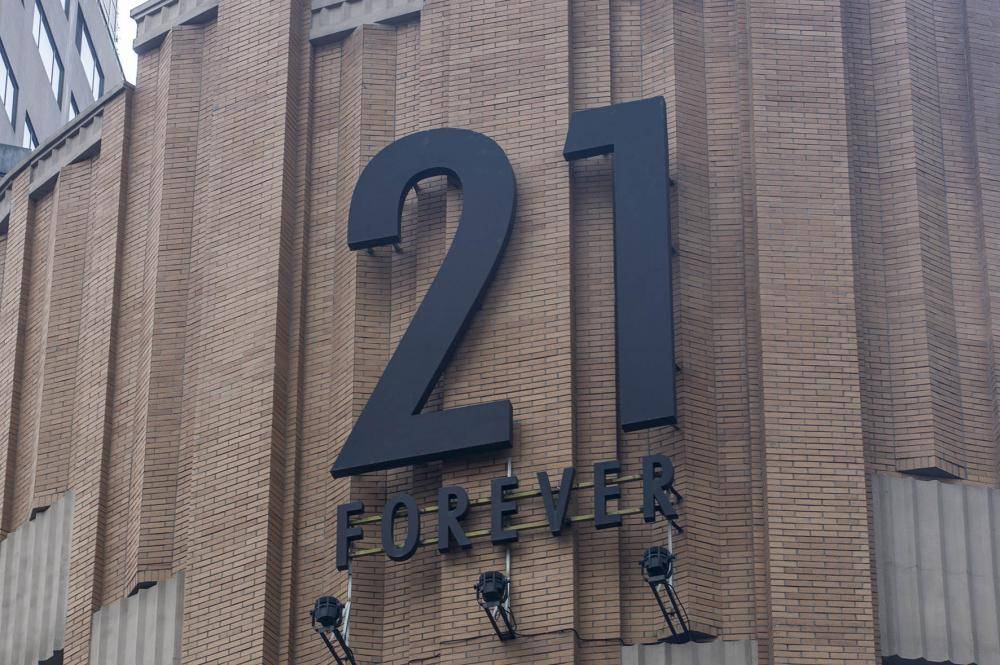
Forever 21第四次入华 但快时尚江湖已变
2 1 Shi Ji Jing Ji Bao Dao· 2025-08-29 10:29
Core Insights - Forever 21 is making its fourth attempt to enter the Chinese market, highlighting the brand's persistent interest in this significant consumer market despite previous failures [1][4] - The collaboration with Shanghai Chengdi, backed by Vipshop, aims to leverage digital capabilities and enhance market presence through a combination of brand and platform advantages [2][3] - The fast fashion landscape in China has evolved significantly, with local brands gaining traction and international brands facing challenges in adapting to consumer trends and preferences [9][10] Group 1: Company Strategy - Forever 21's new strategy includes a focus on digital marketing and e-commerce, with plans to revamp its online store and expand offline retail channels [3][2] - The brand's previous attempts in China were hindered by a lack of effective localization and failure to adapt to the rapid changes in the market [8][7] - The partnership with Vipshop is seen as a way to overcome past digital shortcomings and enhance overall channel capabilities [2][3] Group 2: Market Dynamics - The Chinese fast fashion market has shifted, with local brands like UR and Taiping Bird rapidly filling market gaps, while international brands struggle to maintain relevance [9][10] - The competitive landscape is characterized by a growing divide among consumer segments, making it difficult for any single fast fashion brand to dominate [9][10] - International brands, including H&M and Zara, are increasingly focusing on localization and optimizing their supply chains to better compete in the Chinese market [10]
Forever 21第四次入华,但快时尚江湖已变
2 1 Shi Ji Jing Ji Bao Dao· 2025-08-29 10:04
Core Insights - Forever 21 is making its fourth attempt to enter the Chinese market, highlighting the brand's persistent interest in this significant consumer market despite previous failures [1][4][8] - The collaboration with Shanghai Chengdi, a subsidiary of Vipshop, aims to leverage digital capabilities and enhance market presence through both online and offline channels [2][3] - The fast fashion landscape in China has evolved significantly, with local brands gaining traction and international brands facing challenges in adapting to consumer preferences and market dynamics [7][8] Group 1: Company Strategy - Forever 21's new strategy includes a focus on digital marketing and partnerships, particularly with platforms like Xiaohongshu and Vipshop, to overcome previous digital shortcomings [2][3] - The brand plans to revamp its online store and expand its offline retail presence, aiming to attract consumers with affordable fashion [3] - The collaboration with Vipshop is seen as a way to combine Forever 21's brand strength with Vipshop's platform advantages, potentially leading to innovative channel strategies [2][3] Group 2: Market Challenges - The fast fashion market in China has become increasingly competitive, with local brands like UR and Taiping Bird rapidly filling market gaps [8] - Forever 21's previous attempts in China were hindered by a lack of clear brand positioning and failure to adapt to local consumer trends, leading to its exit from the market in 2019 [5][6][7] - Analysts express skepticism about Forever 21's ability to succeed this time, citing the need for a more localized approach in product design and marketing strategies [3][7] Group 3: Industry Trends - The fast fashion industry is undergoing a transformation, with many international brands struggling to maintain relevance amid changing consumer behaviors and preferences [7][8] - The rise of digital commerce and the shift towards local cultural integration are critical factors that foreign brands must address to thrive in the Chinese market [7][8] - The competitive landscape is characterized by a growing divide among consumer segments, making it challenging for any single brand to dominate the market [8]