
比亚迪

Search documents
比亚迪2025年全球销量460万辆 首次超越福特
Xin Lang Cai Jing· 2026-02-12 12:20
Core Viewpoint - BYD is projected to achieve global sales of 4.6 million vehicles by 2025, surpassing traditional automotive giant Ford for the first time [1] Group 1: Sales Performance - Ford's global wholesale sales for 2025 are expected to be slightly below 4.4 million vehicles, reflecting a year-on-year decline of nearly 2% [1] - BYD has become the first Chinese automotive brand to enter the top five global automotive groups in terms of sales volume [1] Group 2: Market Leadership - BYD has maintained its position as the global sales champion for new energy vehicles for four consecutive years [1]


日产-奔驰墨西哥工厂获多家中国车企青睐,消息称比亚迪、吉利等有意竞标
Xin Lang Cai Jing· 2026-02-12 12:17
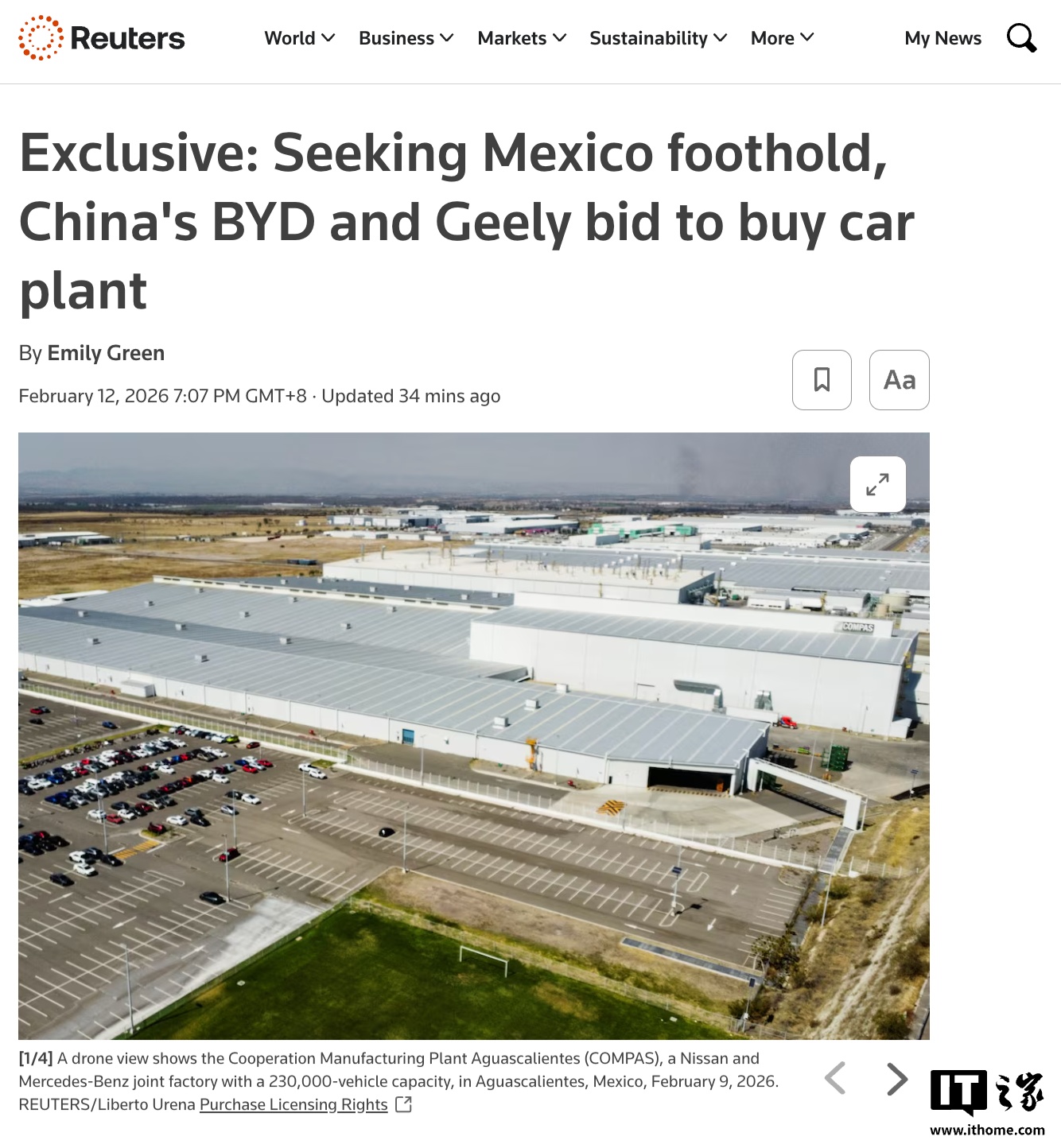
Core Viewpoint - Chinese automakers, including BYD and Geely, are in the final competition to acquire the Nissan-Benz factory in Aguascalientes, Mexico, as they seek to establish a manufacturing foothold in the region amid increasing factory closures and layoffs due to U.S. tariffs [1][7]. Group 1: Market Dynamics - Mexico has become a significant export market for Chinese automakers, with market share rising from zero in 2020 to approximately 10% last year, according to AutoForecast Solutions [4][10]. - The annual vehicle sales in Mexico are around 1.5 million units [4][10]. Group 2: Industry Challenges - The Mexican automotive industry is heavily reliant on the U.S. market, with projections indicating that out of 4 million vehicles produced in 2024, 2.8 million will be exported to the U.S. [6][11]. - The imposition of a 25% tariff by the U.S. on Mexican-made vehicles since March of last year has put continuous pressure on the industry [6][11]. Group 3: Factory Closure and Acquisition - The Nissan-Benz factory, which began operations in 2017, is set to close due to multiple factors, with U.S. tariffs being a significant contributor [6][11]. - The factory has an annual production capacity of 230,000 vehicles and is equipped with skilled labor and robust transportation infrastructure [7][11]. - Nine companies, including Chinese firms Chery and Great Wall, as well as Vietnam's VinFast, have expressed interest in acquiring the factory, which primarily produces hybrid and electric vehicles for the Mexican and Latin American markets [10][11].

比亚迪全球销量首超福特
Ge Long Hui A P P· 2026-02-12 12:12
Group 1 - Ford's wholesale sales for 2025 are projected to be less than 4.4 million units, which is lower than BYD's previously announced target of 4.6 million units for the same year [1] - This marks the first time BYD has surpassed the century-old automaker Ford in terms of projected sales, positioning BYD among the top six global automakers by 2025 [1]
传比亚迪、吉利等多家国产车企竞购日产奔驰墨西哥汽车工厂,官方暂无回应
Xin Lang Ke Ji· 2026-02-12 12:07
Group 1 - BYD and Geely are reportedly bidding for the Nissan-Benz automotive plant in Mexico, with Chery and Great Wall Motors also expressing interest in the acquisition [1] - The plant is scheduled to close in May 2026, and BYD has been identified as a leading potential buyer since late last year [1] - The acquisition could leverage the benefits of the USMCA agreement, allowing localized production to avoid high tariffs in the US [1]



电厂 | 汽车深陷“黑公关”泥潭:谁在制造有利可图的温床
Xin Lang Cai Jing· 2026-02-12 11:16
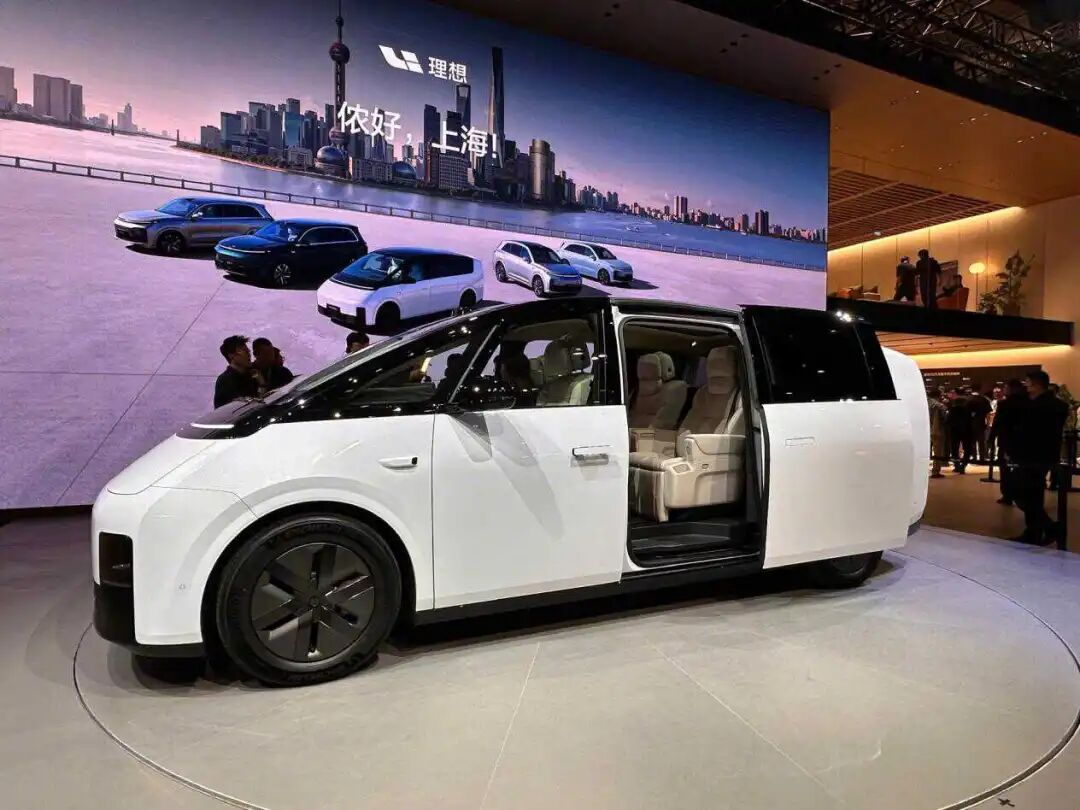
Core Viewpoint - The article discusses the impact of malicious public relations and online water army attacks on the automotive industry, particularly focusing on Li Auto's MEGA model and the broader implications for the industry as a whole [1][2][18]. Group 1: Li Auto's MEGA Launch and Negative Publicity - Li Auto's first pure electric model, MEGA, launched in March 2024, did not meet initial sales expectations of 8,000 units per month due to negative publicity and malicious interpretations circulating on social media [1][2]. - The negative sentiment was exacerbated by a coordinated attack involving altered promotional content and derogatory associations with the vehicle, leading to a loss of at least 10 confirmed orders from customers who had previously made deposits [1][2][18]. - The severity of the situation prompted Li Auto to conduct internal research to assess the impact of these negative narratives on consumer perception and order changes [1][2]. Group 2: Investigation and Industry Context - In April 2024, police in Hebei launched an investigation into the "black public relations" incident related to Li Auto MEGA, uncovering involvement from at least four other automotive companies and their agencies [2][4]. - Li Auto's CEO, Li Xiang, described the incident as one of the largest smear campaigns in automotive history, reflecting a troubling trend within the Chinese automotive industry over the past few years [2][4]. Group 3: Organized Attacks and Industry Response - A police operation in December 2025 dismantled a network responsible for spreading negative information about electric vehicles, involving multiple companies, including Xiaomi and Li Auto [4]. - Li Auto identified a pattern of coordinated attacks characterized by the use of multiple accounts to disseminate false information, particularly during new product launches, which is a common tactic in the industry [6][11]. - The company reported that negative comments about the Li i8 model reached 30% of total comments during its pre-launch period, significantly higher than the typical rate for new automotive products [6][7]. Group 4: Financial Impact and Strategic Adjustments - The negative publicity surrounding the MEGA model led to a market value loss of over 180 billion yuan within just ten days of its launch, with ongoing discussions about its design continuing to affect the brand's long-term value perception [18]. - As a result of the backlash, Li Auto had to invest approximately 2 billion yuan to redesign its product line, indicating the substantial financial implications of the negative publicity [18]. Group 5: Broader Industry Implications - The phenomenon of black public relations and online water army attacks has become a widespread issue in the automotive sector, affecting various companies, including NIO and Leado, which have also faced similar challenges [11][12]. - The rise of social media and the competitive landscape has intensified the focus on "traffic" as a critical element for automotive companies, inadvertently providing fertile ground for malicious activities [24][25][26]. - The interconnectedness of traffic, sales, and corporate image has created a challenging environment where the growth of online engagement can lead to increased vulnerability to smear campaigns, complicating the relationship between brand reputation and market performance [26].

全国性储能容量电价机制出台,储能再迎涨价!储能电池ETF易方达(159566)标的指数今日涨近3%
Ge Long Hui A P P· 2026-02-12 10:04
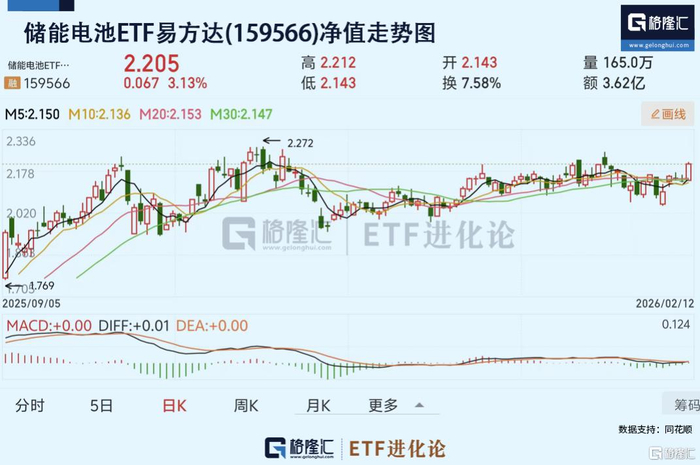
今日,储能电池ETF易方达(159566)标的指数大涨近3%,成份股申菱环境大涨17%,英维克、科士达涨 停,该标的指数年初至今上涨5.51%。 消息面上: ①国家级收益兜底政策发布后,储能再迎涨价,反映出需求高度景气。近日华电12GWh储能系统开 标,平均报价达到0.55元/Wh,较此前明显上涨,反映出当前供需偏紧的高景气状态! ②美股液冷服务器龙头Vertiv(维谛技术)在2025财年第四季度财报超预期以及强劲的业绩指引驱动 下,隔夜股价大涨超24%,续创历史新高。 ③2月11日,科士达在投资者互动平台表示,公司与字节跳动、阿里巴巴、京东、快手、万国数据、世 纪互联等头部企业有着深度合作。 2026年刚开篇,储能行业就迎来了一场政策春风——国家发展改革委、国家能源局联合印发《关于完善 发电侧容量电价机制的通知》(以下简称"114号文"),于2月正式对外公布实施。 这是储能行业发展史上里程碑式的政策,文件首次在国家层面将新型储能纳入容量电价体系,为调节性 电源构建了清晰、稳定、可持续的收益框架,标志着储能从 "政策依赖型" 向 "价值驱动型" 转型,打破 了储能行业长期"看天吃饭"的困境。而其中按放电时长折 ...
包揽中国、全球双料冠军,比亚迪2025年销量超460万辆获机构看好
Jin Rong Jie· 2026-02-12 09:41
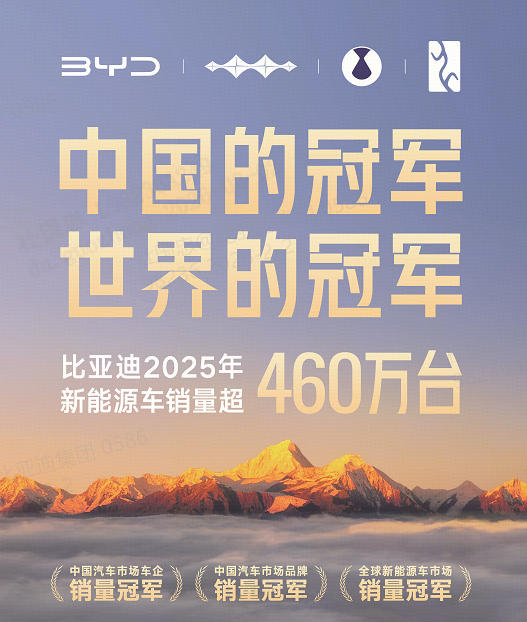
Core Insights - In 2025, China's automotive industry continues to lead globally, achieving record production and sales figures, with a total of 34.53 million vehicles produced and 34.40 million sold, marking year-on-year increases of 10.4% and 9.4% respectively, maintaining its position as the world's largest market for 17 consecutive years [1] - BYD has emerged as a standout performer, achieving significant growth in both domestic sales and overseas exports, and becoming a benchmark for the rise of the Chinese automotive industry [1][3] Group 1: BYD's Performance - BYD's global sales reached 4.602 million units in 2025, a year-on-year increase of 7.7%, with pure electric vehicle sales surpassing 2.25 million units, a remarkable growth of 28%, significantly outpacing Tesla's sales of 1.64 million units [3][5] - BYD has entered the global top five automotive manufacturers for the first time, ranking behind Toyota, Volkswagen, Stellantis, and Hyundai-Kia, marking a historic breakthrough for Chinese automotive brands [5] - The company's strong performance is attributed to its focus on new energy technology and its ability to meet global consumer demands with high-quality products [9] Group 2: Market Dynamics - BYD's growth is driven by both domestic and international markets, with key models like Qin, Yuan, and Sea Lion leading their segments, and high-end sub-brands like Fangchengbao and Tengshi showing impressive sales increases [7] - In the domestic market, Fangchengbao's sales surged by 316.1% to 235,000 units, while overseas sales exceeded 1.0496 million units, reflecting a 145% year-on-year increase [7] Group 3: Technological Advancements - BYD's sustained growth is fundamentally driven by technological innovation, with R&D expenses reaching 43.75 billion yuan in the first three quarters of 2025, a 31% increase year-on-year [12] - The company has a robust R&D team of over 120,000 personnel, with daily patent applications and a comprehensive technology portfolio covering batteries, electric drives, and intelligent driving [12] - BYD's technological breakthroughs include advancements in hybrid technology and autonomous driving systems, showcasing its commitment to innovation and industry leadership [12][14] Group 4: Future Outlook - Looking ahead to 2026, BYD has set an overseas sales target of 1.3 million units, representing a 24% year-on-year growth, indicating its determination to expand its global market presence [16] - The company aims to maintain its domestic sales leadership while further improving its global ranking, contributing to the overall competitiveness of the Chinese automotive industry [18]
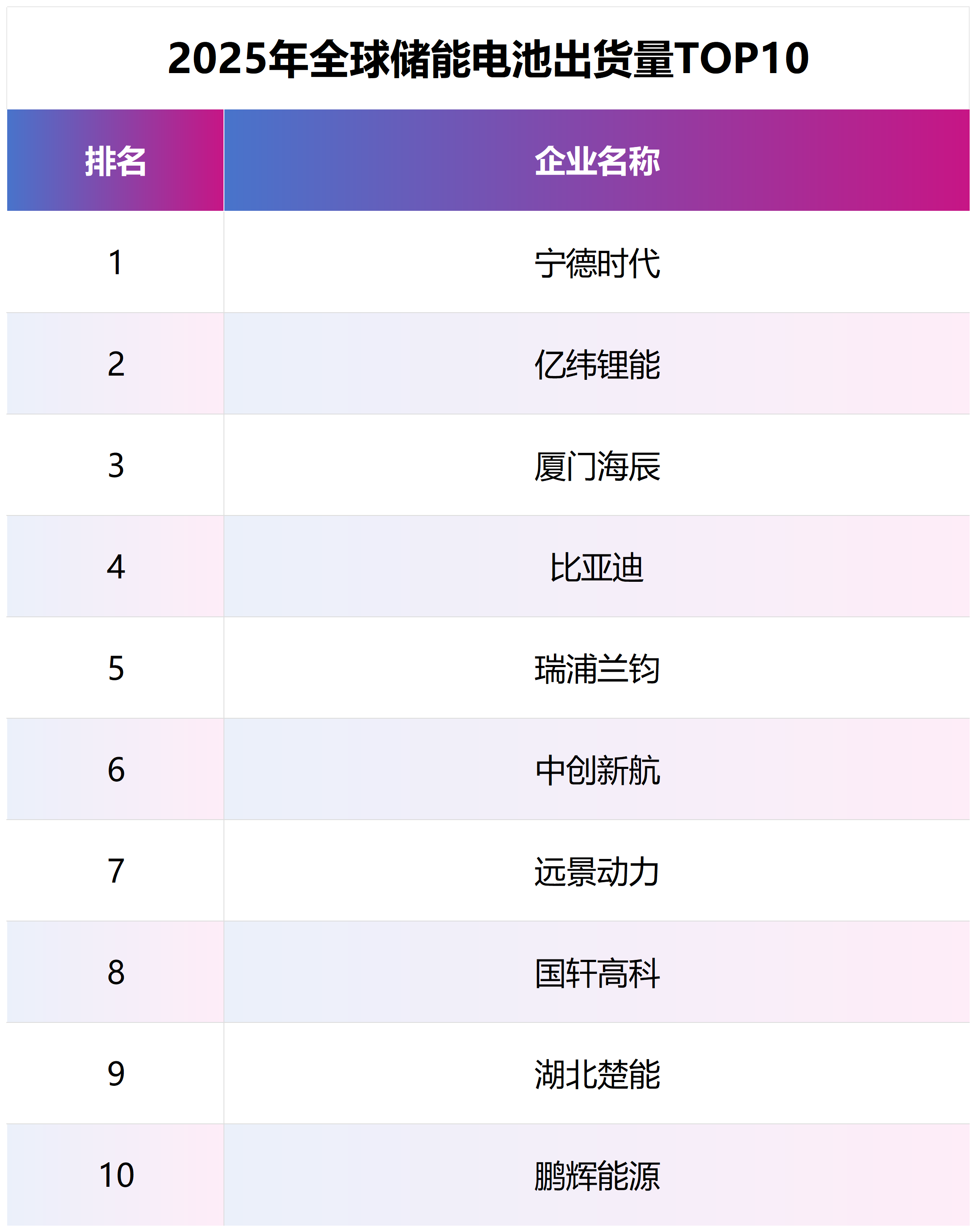
湖北储能新晋、鹏辉能源重返 2025年全球储能电池出货量TOP10出炉
Jing Ji Guan Cha Wang· 2026-02-12 07:55
Core Insights - The global energy storage battery market is experiencing explosive growth, with Chinese companies maintaining a dominant position and significant reshuffling occurring within the industry [1][8] - In 2025, global energy storage battery shipments are projected to reach 651.5 GWh, representing a year-on-year increase of 76.2%, with Chinese companies accounting for 614.7 GWh, or 94.4% of the total [1][9] Market Dynamics - The 2025 top 10 global energy storage battery companies include CATL, EVE Energy, Xiamen Hicharge, BYD, Ruipu Lanjun, Zhongxin Innovation, Envision AESC, Guoxuan High-Tech, Hubei Chuangneng, and Penghui Energy [7][9] - The top four companies (CATL, EVE Energy, Xiamen Hicharge, BYD) have maintained their positions, while there is increased competition among mid-tier companies, leading to notable ranking changes [7][9] New Entrants and Exits - Hubei Chuangneng has entered the top 10 rankings, marking a significant rise in its market presence, while established players Samsung SDI and LGES have exited the top 10 [8][9] - This shift indicates a transition in the competitive landscape from "China vs. foreign" to "internal competition" among Chinese firms [9] Industry Trends - The overall trend for 2025 shows a stable top tier and a more dynamic mid-tier, with the market share of the top ten Chinese energy storage battery companies slightly decreasing from 95% in 2024 to 90% in 2025, reflecting increased competition [9][10] - Technological advancements are accelerating the industrialization of large-capacity storage batteries, contributing to reduced costs and laying the groundwork for scalable development [10] Future Outlook - The global energy storage battery market is expected to enter a phase of high-quality development in 2026, with a shift in competitive logic towards technological innovation, capacity layout, and market expansion capabilities [10] - The reshuffling of the 2025 top 10 list is seen as a natural outcome of the industry's evolution and a reflection of the enhanced competitiveness of Chinese energy storage battery companies [10]



福特汽车去年净亏82亿美元,福特全球销量首被比亚迪超越
Xin Lang Cai Jing· 2026-02-12 07:27
Core Insights - Ford Motor Company reported its largest annual loss since 2008, with a net loss of approximately $8.18 billion for the fiscal year 2025, a significant decline from a net profit of $5.88 billion in 2024 [1][1][1] - Despite achieving record annual revenue of about $187.3 billion in 2025, marking five consecutive years of revenue growth, the company's adjusted EBIT fell to $6.8 billion, down from $10.2 billion in 2024, indicating ongoing pressure on profit margins [1][1][1] - In a notable shift in the global automotive landscape, Ford's global sales were surpassed by Chinese automaker BYD for the first time, with BYD achieving approximately 4.6 million units sold compared to Ford's less than 4.4 million units [1][1][1] Financial Performance - Ford's total revenue for fiscal year 2025 reached approximately $187.3 billion, showing a slight increase from the previous year [1] - The company experienced a net loss of about $8.18 billion, contrasting sharply with the previous year's net profit of $5.88 billion [1] - Adjusted EBIT for 2025 was reported at $6.8 billion, a decrease from $10.2 billion in 2024, highlighting ongoing challenges in maintaining profitability [1] Market Position - Ford's global sales were overtaken by BYD, marking a significant milestone in the competitive landscape of the automotive industry [1] - BYD's global sales reached approximately 4.6 million units, while Ford's sales were reported at less than 4.4 million units [1] - This shift reflects the competitive advantages of Chinese automakers in terms of electrification and cost-effectiveness [1]
汽车和汽车零部件行业周报20260208:地补出台+需求见底,建议关注汽车板块-20260212
Guolian Minsheng Securities· 2026-02-12 07:06
Investment Rating - The report maintains a "Buy" rating for the automotive sector [3] Core Insights - The automotive sector is expected to stabilize and recover due to the introduction of local subsidies for vehicle replacement and the upcoming launch of new models after the Spring Festival [2][12] - The report highlights potential investment opportunities in various segments, including passenger vehicles, automotive parts, and motorcycles, with specific company recommendations [2][19][34] Summary by Sections 1. Passenger Vehicles - The introduction of the 2026 vehicle replacement subsidy is anticipated to stimulate domestic demand, with subsidies based on vehicle price [14][15] - January sales data shows mixed results, with BYD's sales down 30% year-on-year, while Geely's sales increased by 1% [13][18] - Recommended companies include Geely, Xpeng, and BYD, with a focus on the left side of the demand bottom [2][19] 2. Automotive Parts - The report emphasizes the growth potential in the automotive parts sector, particularly in smart driving and new energy vehicles [19][23] - Recommended companies include Bertel, Horizon Robotics, and Top Group, focusing on the H and T chains [2][19] 3. Motorcycles - The motorcycle market is experiencing growth, particularly in the mid-to-large displacement segment, with recommendations for Chuanfeng Power and Longxin General [31][34] - Sales data indicates a strong performance in the 500cc+ category, with a significant year-on-year increase [32] 4. Commercial Vehicles - The heavy truck market is expected to recover due to the continuation of the vehicle replacement subsidy policy, with recommendations for Weichai Power and China National Heavy Duty Truck [35][36] - The report notes a 26% year-on-year increase in heavy truck sales for 2025 [35] 5. Tires - The tire industry is projected to benefit from ongoing globalization and demand, with recommendations for Sailun Tire and Senqilin [37][39] - The report highlights a high operating rate for PCR tires and a gradual recovery in TBR demand [39]