
LG

Search documents
特朗普致函李在明,宣布加征25%关税,强调韩国不许报复
Sou Hu Cai Jing· 2025-07-09 04:25
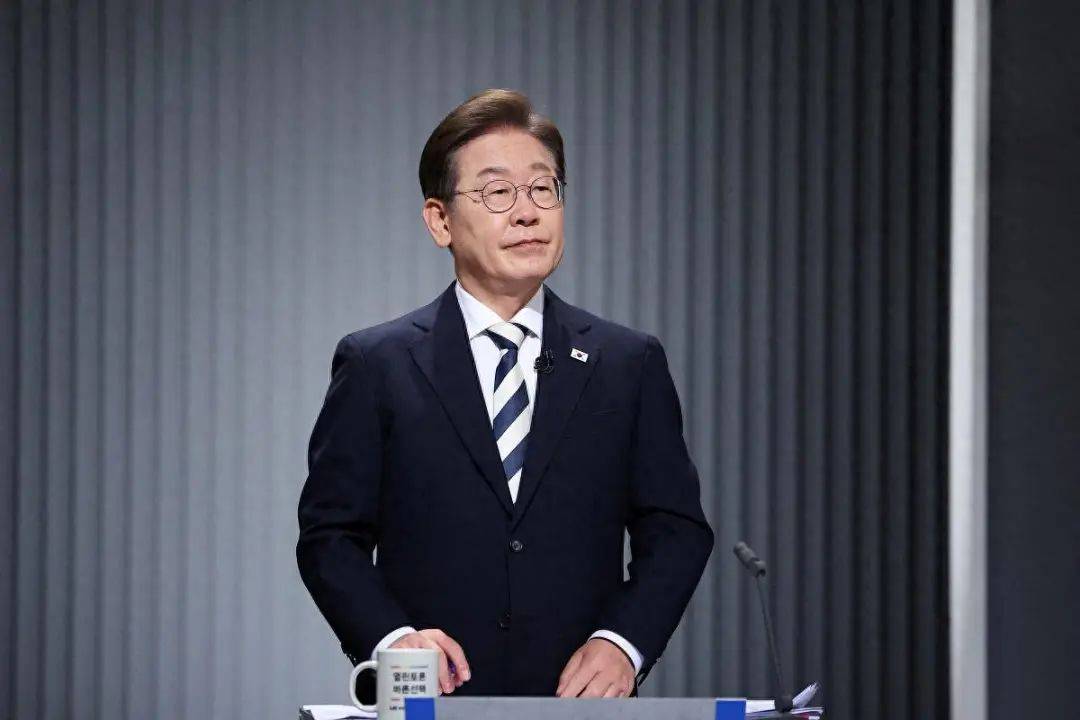
李在明是在尹锡悦被罢免后才得以成为韩国新总统,他的胜选并非意外,事实上,他的得票率仅略高于尹锡悦,表明他获得了相当的民众 支持。在今年的大选中,李在明获得了压倒性的胜利,成为了韩国的新领导人。值得注意的是,美方在韩国大选之前就宣布了对全球贸易 伙伴实施关税战,由于当时韩国并没有正式的领导人,韩国政府未能及时与美国展开谈判。 令韩国政府感到意外的是,美方决定对韩国商品增加25%的税收。韩国一直是美国的铁杆盟友,特别是在尹锡悦担任总统期间,韩国坚定地 支持美国的亚太战略。尹锡悦不仅公开与美方站队,还通过推动与日本的"历史和解",积极配合美方的外交战略,帮助美国联合日韩应对中 国的崛起。然而,李在明的上任并未改变这一亲美态度,韩国依旧希望与美国保持紧密合作。 日本和韩国,作为美国的重要盟友,一直以来在多种领域和立场上紧跟美国的步伐。每当美国对其他国家采取措施时,日韩往往也会紧随 其后,站在美国这一边。作为美国的"亲美派"国家,像石破茂、尹锡悦等西方领导人都是美国战略的坚定支持者。 然而,现如今,韩国的领导人已经不再是尹锡悦,而是李在明。自李在明上任以来,韩国就迅速面临了一个前所未有的大危机。那么,究 竟是什么原因让 ...

对话产业链大佬 - 固态电池设备行业专家电话会
2025-07-09 02:40
Summary of Solid-State Battery Industry Conference Call Industry Overview - The solid-state battery industry is transitioning from research and development to production line construction, focusing on automotive-grade cell production lines. Multiple companies expect to complete pilot production lines by the end of the year and initiate gigawatt-hour level production lines. Some companies are opting to retrofit existing lines to retain original equipment [1][2][10]. Key Points and Arguments - **Cost as a Core Bottleneck**: The primary bottleneck for large-scale deployment of solid-state batteries is cost. Although there have been technological breakthroughs, economic feasibility must be improved, alongside enhancements in energy density, range, and cycle life to surpass liquid batteries [1][5][11]. - **International Competitive Landscape**: Overseas companies like Samsung and Toyota have a first-mover advantage in solid-state battery technology and supply chain layout, particularly in raw materials and patent strategies. However, domestic companies have made rapid advancements in equipment manufacturing, especially in dry preparation and isostatic pressing [1][8][10]. - **Domestic Leadership**: Domestic manufacturers have become significant leaders in the global solid-state battery equipment sector, particularly in dry preparation processes and isostatic press manufacturing, boasting a complete lithium-ion battery production equipment supply chain [1][10]. - **Future Development Factors**: Key factors for the future development of solid-state batteries include improving energy density, range, and cycle life, reducing production costs, and enhancing international collaboration and patent strategies to accelerate the development of new materials and processes [1][11]. Additional Important Insights - **Production Line Investment**: The investment for small pilot lines is approximately 20 million yuan, while pilot lines require 60 to 70 million yuan, and gigawatt-hour level lines need about 200 to 300 million yuan. The investment distribution is approximately 40% for front-end equipment, 20-30% for mid-process, and lower for back-end [2][11]. - **Production Capacity Bottlenecks**: The current bottleneck in pilot production lines is primarily in the isostatic pressing stage, where domestic equipment operates at a slower speed, significantly limiting overall capacity [2][13]. - **Technology Transition**: The industry is leaning towards wet processes for mass production due to their efficiency and cost-effectiveness, despite dry processes having potential advantages in performance and stability [15][16]. - **Equipment Suppliers**: Major domestic suppliers include Manster, Singapore, and Sile, which have made adjustments to meet new safety requirements. Foreign suppliers like Germany's Bühler also provide relevant equipment, but domestic manufacturers are favored due to geographical advantages and cost control [18][30]. Conclusion The solid-state battery industry is at a pivotal point, with significant advancements in technology and production capabilities. However, challenges remain, particularly in cost reduction and performance enhancement, which are critical for achieving large-scale commercialization. The competitive landscape is evolving, with domestic manufacturers rapidly catching up to their international counterparts, particularly in equipment manufacturing.

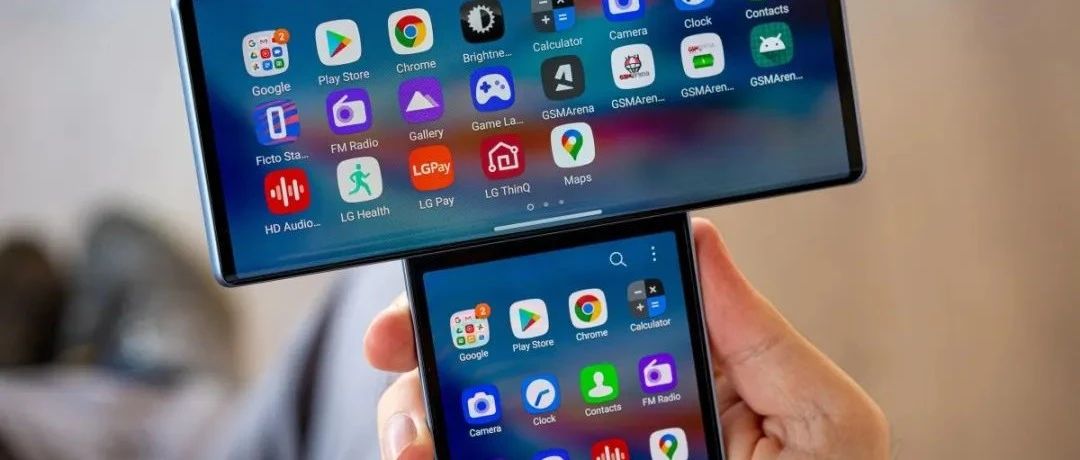
LG手机,卒
36氪· 2025-07-08 00:04
Core Viewpoint - LG Electronics has officially exited the mobile phone industry, marking the end of its presence in a market where it once ranked third globally in smartphone sales [4][13]. Group 1: Historical Context - LG's rise began with the launch of the Chocolate phone in 2005, which became a significant success in the market [6]. - The company made critical missteps in the smartphone era by initially choosing to develop its own operating systems, OMS and Windows Phone, instead of adopting Android sooner [6][15]. - By 2013, LG reached its peak, ranking third in global smartphone sales, but soon faced competition from brands like Lenovo and Huawei [8]. Group 2: Financial Performance - Starting from Q2 2015, LG's mobile division reported losses every quarter, accumulating a total loss of approximately 5 trillion KRW (around 26.45 billion RMB) by Q4 2020 [9]. - Despite attempts to innovate with unique products like the LG Wing, the company struggled to regain market share and profitability [12][19]. Group 3: Market Strategy and Competition - LG's decision to exit the Chinese market in 2018 did not help its position in North America and Europe, where it continued to lose ground to competitors like Apple and Samsung [11][20]. - The company's marketing strategies were ineffective compared to rivals, failing to resonate with consumers and lacking visibility [19]. Group 4: Lessons Learned - LG's decline illustrates the consequences of failing to adapt to market changes and consumer demands, as well as the importance of cohesive internal strategy [21][24]. - The case of LG serves as a cautionary tale for other companies in the tech industry, emphasizing the need for humility and responsiveness to market trends [24][26].
固态电池狂拉碳酸锂需求
鑫椤锂电· 2025-07-07 08:11
Core Viewpoint - The global solid-state battery industry is accelerating its development, with sulfide solid electrolytes emerging as the primary focus due to their superior mechanical processing capabilities and ionic conductivity [2]. Group 1: Industry Development - Since 2025, numerous automotive and battery companies, including CATL, BYD, Toyota, Panasonic, Samsung SDI, LG, and SK On, are advancing the sulfide technology route for all-solid-state batteries, with most companies planning to install them in vehicles between 2027 and 2028, and mass production expected after 2030 [3]. Group 2: Demand and Consumption - By 2030, the global demand for solid-state batteries is projected to reach 195.6 GWh, representing an increase of nearly 16 times compared to 2025. The consumption of lithium carbonate due to solid-state batteries is expected to be significantly higher than that of traditional liquid electrolyte batteries, with a projected demand of approximately 322-353 tons of lithium carbonate per GWh of lithium phosphorous sulfide chloride solid-state battery [4]. - The consumption of lithium carbonate is expected to increase by over 50% compared to traditional liquid lithium batteries, even without considering the impact of metallic lithium anodes [4]. Group 3: Technological Challenges and Innovations - Currently, the technology for metallic lithium anodes has not fully resolved dendrite issues, and existing technologies primarily exhibit lithium in alloy forms rather than pure lithium. Innovations such as lithium-carbon alloys and lithium composite technologies are being developed to address these challenges [6]. - The actual demand for lithium carbonate driven by metallic lithium anodes is estimated to be in the range of 100-150 tons, and when combined with the benefits of sulfide solid electrolytes, the single consumption of lithium carbonate in sulfide solid-state batteries is expected to increase by 70%-80% compared to traditional liquid lithium batteries [6].
日韩家电深耕泰国,海尔创最高增速,能改变格局
Jin Tou Wang· 2025-07-07 03:20
Group 1: Market Overview - Southeast Asia, particularly Thailand, is experiencing robust growth in the white goods market due to a large population and increasing consumer spending power, making it a competitive landscape for global appliance companies [1] - Samsung and LG have historically dominated the Thai market, holding over 60% market share in washing machines, but this is changing with the entry of Chinese brands [1] Group 2: Chinese Brands' Investment - In 2024, approximately 2,700 companies are expected to invest in Thailand, with major Chinese appliance manufacturers like Haier, Midea, and TCL announcing new investment plans for 2025 [1] - Midea established a new regional headquarters in Thailand, while TCL plans to invest 680 million yuan to build a refrigerator production line [1] - Haier's market share in Thailand's white goods sector reached the top position by early 2025, with a 72% year-on-year increase in washing machine retail sales by May [1] Group 3: Product Innovation and Localization - Haier launched three high-end washing machine series in Thailand, focusing on local user needs and incorporating innovative technologies to address specific challenges [2] - The L+ series features AI heat pump technology for large item care, while the X series offers rapid drying capabilities to combat humidity [2] - Local designers showcased how Haier's products solve everyday problems, enhancing market acceptance and demonstrating the company's commitment to localized innovation [2] Group 4: Future Growth Potential - The core strategy for sustained growth is to create user demand rather than merely follow existing trends, which is crucial for Haier's continued success in the Thai washing machine market [3] - The ongoing expansion of Haier's product lines raises expectations for a potential shift in market share dynamics, challenging the long-standing dominance of Japanese and Korean brands [3]

天奈科技20250706
2025-07-07 00:51
Summary of TianNai Technology Conference Call Industry Overview - Solid-state battery technology primarily includes three routes: sulfide, oxide, and polymer. Sulfide systems have high ionic conductivity but are costly and pose safety risks. Oxide and polymer systems offer advantages in cost and mechanical performance, with domestic commercialization favoring oxide systems. [2][3][4] Key Points - **Market Forecast**: It is expected that all-solid-state batteries will achieve large-scale commercial application by 2030, with oxide and polymer processes likely becoming mainstream due to safety and cost factors in the next five years. Sulfide systems may face challenges. [2][4] - **Technological Advancements**: TianNai Technology enhances the electronic conductivity of liquid lithium-ion batteries using carbon nanotubes and is developing dry processing techniques and composite current collectors. These innovations are significant for the development of solid or semi-solid lithium-ion power systems. [2][3][5] - **Composite Current Collectors**: The introduction of carbon nanotubes as fiber reinforcements in polymer membranes significantly improves strength and conductivity, achieving electronic conduction levels comparable to pure metal current collectors. [6] - **Demand for Single-Walled Carbon Nanotubes**: The demand for single-walled carbon nanotubes is expected to increase significantly in 2026 due to the poor intrinsic electronic conductivity of high-nickel cathode materials and the need for more conductive additives in dry processing. [8] Financial and Operational Insights - **Production Facilities**: TianNai Technology's U.S. factory is expected to commence operations by the end of 2025, while the German factory will start in three months. The U.S. investment tax policy is anticipated to accelerate equipment production. [3][18] - **Collaborations**: The company collaborates with major battery firms like Panasonic and LG, with plans for significant orders from LG in the future, particularly for lithium iron phosphate batteries. [20] Challenges and Risks - **Safety and Cost Issues**: Solid-state battery technology faces challenges related to safety and cost, particularly with sulfide systems. The commercial viability of solid-state systems requires breakthroughs in key materials and processes. [10][16] - **Market Dynamics**: The introduction of porous copper foil and composite current collectors is limited by cost factors, which may hinder widespread adoption until prices become acceptable. [9] Future Outlook - **Growth Projections**: Significant growth in shipment volumes is expected in 2025 and 2026, particularly for high-end products driven by fast-charging technology. Current monthly production capacity is about four tons, with projections of 30,000 tons for single-walled and multi-walled carbon nanotubes by 2026. [22] - **New Cathode Materials**: Progress in new cathode materials is promising, with fast-charging certifications underway. These materials outperform existing products in low-temperature conditions. [23] Competitive Landscape - **Technological Edge**: TianNai Technology possesses a strong technological advantage in fast-charging technology and focuses on continuous R&D to maintain its competitive edge. [25][26] - **Talent Importance**: The company emphasizes the significance of talent in driving technological advancements and achieving a leading position in the industry. [27]

锂电“反内卷”破局点初现
高工锂电· 2025-07-06 11:25
Core Viewpoint - The article emphasizes the systemic transformation in the new energy materials industry, focusing on "innovative paths" and "zero-carbon manufacturing" that span the entire lifecycle from high-performance material development to resource recycling [1] Group 1: Material Innovation - Tianmu Xian Dao is leveraging its advantages in CVD silicon-carbon anode technology to achieve large-scale production, with products supporting energy densities exceeding 300 Wh/kg [2] - The company is constructing the largest new silicon-carbon production center in Xuchang, Henan, with a planned total capacity of 60,000 tons, and the first phase is expected to contribute 600 to 1,000 tons of capacity by 2025 [2] - Jinhui Energy has made significant advancements in silicon materials, addressing the industry's challenges related to volume changes during cycling, achieving both high capacity and long cycle life [4] Group 2: Manufacturing Process Innovation - Shangshui Intelligent is innovating in dry electrode equipment, providing core tools for "zero-carbon manufacturing," which eliminates solvent use and reduces production costs by over 15% [5] - The company has introduced compact desktop intelligent equipment for efficient small-scale trials, and its IPO application aims to raise 587 million yuan for building a high-precision intelligent equipment base [5] Group 3: Recycling and Sustainability - Huayou Recycling is building a global recycling network to address the anticipated 820,000 tons of retired batteries in China by 2025, promoting standardized and large-scale recycling [5] - Hefei Hengli provides robust equipment support for this network, with technology enabling safe and low-energy separation of retired batteries, already applied in partner production lines [5] - The collective efforts of these companies illustrate a complete value chain from material innovation to recycling, highlighting the dual focus on performance and sustainability in the new energy industry [6]
沉默5天后,中方发起反制,对韩国继续征税,李在明作出明智选择
Sou Hu Cai Jing· 2025-07-04 11:20
Group 1 - The South Korean government announced a 21.62% anti-dumping tax on Chinese stainless steel plates for five years, escalating trade tensions despite previous commitments to ease relations with China [1][3] - In response, China extended anti-dumping duties on stainless steel billets and hot-rolled coils from South Korea, the EU, the UK, and Indonesia, with rates as high as 103.1% [3][4] - The steel industry is crucial for China's manufacturing sector, and the anti-dumping measures reflect a strategic response to protect domestic industries from external low-price dumping [4][14] Group 2 - South Korea's actions are part of a broader strategy that includes investigations into various steel and chemical products, indicating a comprehensive approach to trade protection [3][4] - The anti-dumping measures from China are based on a systematic logic, with a history of investigations dating back to 2019, and are designed to prevent Korean companies from benefiting from the expiration of previous tariffs [4][14] - The trade conflict is influenced by U.S. pressure, as South Korea faces potential automotive tariffs from the U.S. if it does not impose higher tariffs on Chinese steel products [6][7] Group 3 - The South Korean steel and chemical industries are under significant pressure, with capacity utilization rates projected to drop from 82% in 2023 to 68% by 2025, leading to potential closures of over 30 small and medium-sized steel firms [7][11] - China's anti-dumping measures include exemptions for certain companies, such as POSCO, if they maintain export prices above a specified threshold, indicating a more nuanced approach compared to South Korea's blanket measures [4][5] - The ongoing trade tensions highlight the delicate balance South Korea must maintain in its foreign relations, particularly in the context of its economic dependencies on both the U.S. and China [14][15]
60 亿砸出“电池王国”:印尼联手中国,打出红土矿翻身仗
Sou Hu Cai Jing· 2025-07-04 00:15
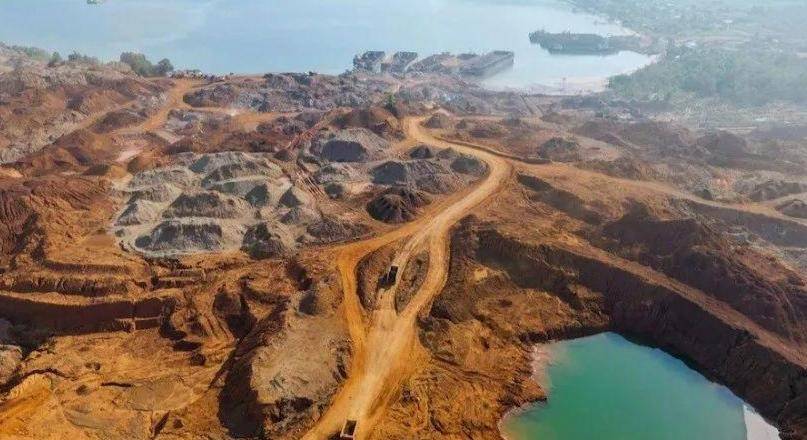
Group 1 - The core idea of the article highlights the strategic investment by CATL in Indonesia's nickel mining sector, aiming to transform raw materials into valuable battery components for electric vehicles [1][3]. - Indonesia possesses significant nickel reserves, accounting for 22% of global supply, and has implemented policies to encourage domestic processing of nickel rather than exporting raw materials [3][5]. - The partnership between CATL and the recycling company Greeenmei aims to establish a complete battery production chain in Indonesia, leveraging local resources and technology to enhance profitability [3][5]. Group 2 - The project is expected to contribute approximately $42 billion annually to Indonesia's GDP and create 35,000 jobs, significantly increasing local wages [5][7]. - The shift in nickel trade to RMB settlement and a reduction in tariffs from 25% to 5% has made Indonesia an attractive location for electric vehicle production, leading to a doubling of EV sales in the country [7]. - The competitive landscape is intensifying as Japanese companies like LG and Hyundai respond to CATL's investment by ramping up their production capabilities in Indonesia [7].
李在明上台后,韩企发力“投资韩国”
Huan Qiu Shi Bao· 2025-07-02 22:48
【环球时报驻韩国特约记者 黎枳银】"会是经济复苏的征兆吗?"随着韩国新任总统李在明上任,LG率 先打响制造业复兴"第一枪",SK、现代、三星、Kakao等大型集团也陆续公布或酝酿数万亿韩元级别的 投资计划,积极响应李在明政府的"尖端战略产业"振兴的政策导向。韩联社、《韩国经济》《京乡新 闻》等韩媒近日纷纷报道,认为这些投资计划或许能成为重塑韩国制造业在全球产业供应链核心地位的 信号。同时,关于韩国企业这波大规模投资能否抢占关键产业市场先机,帮助本国克服发展危机也在韩 国国内引发热烈讨论。 现代汽车集团在今年3月宣布对美投资计划时,也同步公布总额达24.3万亿韩元的韩国本土投资方案, 涵盖研发、运营与战略性项目,年增幅达19%,创下集团历年新高。何时实施,备受关注。 三星电子虽然尚未正式公布具体计划,但会长李在镕在五大企业集团与李在明的座谈会上承诺,三星将 持续扩大在AI、半导体、生物医药领域的投资,推动传统产业与AI融合,提升生产效率并创造高质量 就业岗位。三星去年创下年度设备投资和研发投入新高,今年可能延续这一基调,推出新的本土投资项 目。 世宗大学经营学系教授金大锺指出,激活以尖端制造业为核心的区域投资, ...