康师傅控股

Search documents
恒指止跌回升,后市可重拾升轨
Guodu Securities Hongkong· 2025-08-21 02:03
Group 1: Market Overview - The Hang Seng Index experienced a rebound after four consecutive days of decline, closing up 43 points or 0.17% at 25,165, with a total trading volume of 285.29 billion HKD [3] - The index opened lower at 24,968, dropping as much as 234 points before recovering, driven by strong performance in A-shares [3] Group 2: Fund Manager Sentiment - HSBC's survey indicates a reduction in bearish sentiment among fund managers towards Chinese stocks, with technology and consumer stocks being added to investment portfolios [6] - The allocation of Chinese stocks in nearly 300 actively managed emerging market funds has increased to approximately 28%, up from 22.5% a year ago, although still underweight by 340 basis points [6] Group 3: AI Development Market - The market size for large model development platforms in China is projected to reach 1.69 billion RMB in 2024, with expectations for sustained high growth over the next three years [7] - Key players in this market include Baidu Smart Cloud, Alibaba Cloud, SenseTime, and others, with a focus on enhancing productivity applications through AI [7] Group 4: Company News - Pop Mart - Pop Mart's founder expressed confidence in achieving 30 billion RMB in revenue this year, significantly higher than the previously stated target of 20 billion RMB [9][10] - The company reported a surge in adjusted net profit to 4.709 billion RMB in the first half of the year, a year-on-year increase of nearly 362% [10] Group 5: Company News - Xiaomi - Xiaomi's automotive business is expected to become profitable in the second half of the year, with significant reductions in losses reported [11] - The cumulative investment in the automotive sector has exceeded 30 billion RMB, indicating a strong commitment to this growth area despite previous losses [11]


两大法宝铸就韧性增长:康师傅多元化创新与ESG战略引领高质量发展
证券时报· 2025-08-21 00:48
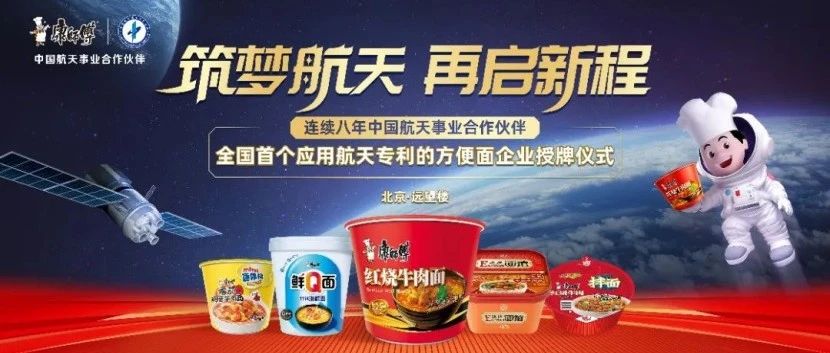
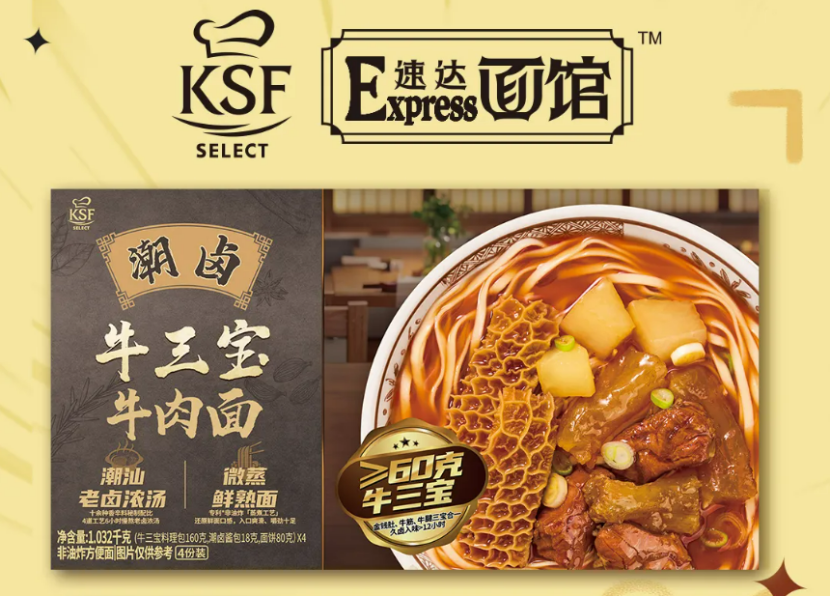
Core Viewpoint - The article highlights the strong performance of Master Kong in the first half of 2025, showcasing significant revenue growth and profit increase, while emphasizing the company's strategic focus on innovation and sustainability in the food and beverage industry [1][16]. Group 1: Financial Performance - Master Kong reported approximately 40.09 billion yuan in revenue for the first half of 2025, with a net profit attributable to shareholders increasing by 20.5% to 2.27 billion yuan, and a gross margin improvement of 1.9 percentage points to 34.5% [1]. - The instant noodle segment generated 13.47 billion yuan in revenue, with a gross margin of 27.8%, reflecting a 0.7 percentage point increase year-on-year, and a net profit increase of 11.9% to 951 million yuan [4]. - The beverage segment achieved 26.36 billion yuan in revenue, with a gross margin of 37.7%, up by 2.5 percentage points, leading to a net profit increase of 19.7% to 1.335 billion yuan [6]. Group 2: Industry Trends - The food and beverage industry is undergoing a transformation, necessitating a shift from homogeneous competition to innovation-driven, quality-enhancing, and value-creating development paths [2]. - Master Kong is actively pursuing a diversified innovation strategy to tap into various market potentials, adapting to changing consumer trends and channel transformations [4][6]. Group 3: Product Innovation - Master Kong is enhancing its instant noodle offerings through a "multi-price + multi-scenario + high quality" innovation strategy, introducing products like "Xian Q Noodles" and "Chao Lu Beef Noodles" to cater to diverse consumer preferences [4]. - In the beverage sector, Master Kong is focusing on product structure adjustment and consumer-centric innovation, launching new products like "Long Island Iced Tea Flavor" and "Double Mint" to strengthen its market position [6][8]. Group 4: Sustainability and ESG - Master Kong has demonstrated a commitment to long-term sustainability, achieving a 19.04% reduction in energy consumption per million yuan of revenue and a 27.44% decrease in greenhouse gas emissions by 2024 compared to 2017 [12]. - The company has introduced eco-friendly products like the "No-Label Lightweight Bottle," which reduces carbon emissions and simplifies recycling processes [13]. - Master Kong's collaboration with Haier on green manufacturing aims to promote sustainable practices across the industry, showcasing its commitment to creating a low-carbon lifestyle [15]. Group 5: Market Outlook and Analyst Ratings - Despite challenges in the fast-moving consumer goods sector, Master Kong's resilient profit margins have garnered positive recognition from multiple investment institutions, with several firms maintaining "buy" or "overweight" ratings [16]. - Analysts highlight the company's ability to adapt to health-conscious consumer trends and optimize its sales channels, which positions it well for future growth [17][18].


两大法宝铸就韧性增长:康师傅多元化创新与ESG战略引领高质量发展
Zheng Quan Shi Bao· 2025-08-21 00:12
Core Viewpoint - The company reported a strong performance for the first half of 2025, with revenue reaching approximately 40.092 billion yuan and a net profit attributable to shareholders increasing by 20.5% to 2.27 billion yuan, indicating a positive trend in the food and beverage industry amidst ongoing transformation and upgrading [1]. Group 1: Financial Performance - The company achieved a revenue of approximately 40.092 billion yuan in the first half of 2025, with a net profit of 2.27 billion yuan, reflecting a year-on-year growth of 20.5% [1]. - The gross profit margin improved by 1.9 percentage points to 34.5% compared to the same period last year [1]. - The instant noodle segment generated revenue of 13.465 billion yuan, with a gross margin increase of 0.7 percentage points to 27.8%, leading to a net profit of 0.951 billion yuan, up 11.9% year-on-year [2]. Group 2: Product Innovation and Market Strategy - The company is actively pursuing a diversified innovation strategy to tap into various market potentials, focusing on product upgrades and optimizing profit structures [2]. - The classic "Braised Beef Noodle" remains a market leader, while new products like "Fresh Q Noodles" and "Chao Lu Beef Three Treasures Noodles" have been introduced to cater to diverse consumer needs [2]. - In the beverage segment, revenue reached 26.359 billion yuan, with a gross margin increase of 2.5 percentage points to 37.7%, resulting in a net profit of 1.335 billion yuan, up 19.7% year-on-year [4]. Group 3: Sustainability and ESG Initiatives - The company has reduced energy consumption per million yuan of revenue by 19.04% and greenhouse gas emissions by 27.44% since 2017, demonstrating a commitment to sustainable development [9]. - The introduction of the "No Label Lightweight Bottle" aims to reduce carbon emissions and improve recycling efficiency [9]. - A strategic partnership with Haier focuses on green living and low-carbon manufacturing, aiming to create replicable green models for the industry [11]. Group 4: Market Outlook and Analyst Ratings - Investment institutions have expressed confidence in the company's resilience, with several firms including Haitong International and Goldman Sachs issuing "buy" or "hold" ratings [12]. - Haitong International noted the company's effective high-quality development strategy and operational resilience, projecting a target price of 15.6 HKD based on a 19x PE ratio for 2025 [12]. - Analysts from various firms highlighted the company's continuous product and channel enhancements, aligning with health-conscious consumer trends [13].
蔡崇信家族办公室看上了Z世代的体育流量
经济观察报· 2025-08-20 11:41
Core Viewpoint - AUBL is the first regional university basketball league in Asia, targeting the significant commercial potential brought by 1 billion basketball fans in Asia [3]. Group 1: Event Overview - The inaugural AUBL took place from August 18 to 24, featuring 12 university basketball teams from Asia [5]. - The participating teams include prestigious universities such as Tsinghua University, Peking University, and Yonsei University [5]. - The league format consists of a group stage followed by knockout rounds, with the top two teams from each group advancing [5]. Group 2: Significance and Development - AUBL provides a platform for top Asian university teams to compete, which has not been available in previous domestic leagues [6]. - The CEO of AUBL, Li Jintian, emphasizes the importance of early exposure to diverse playing styles for players [6]. - AUBL is backed by a professional team and significant investment, including seed funding from Blue Pool Capital, the family office of Alibaba's chairman [6]. Group 3: Commercial Potential and Challenges - AUBL is still in its early stages compared to established leagues like the NCAA, which has a high level of commercialization and audience engagement [7]. - The CEO acknowledges that commercialization is a long-term goal and that the current focus is on the social significance and value of player exchanges [9]. - AUBL aims to create a unique brand and cultural phenomenon, moving beyond traditional sports marketing [9]. Group 4: Sponsorship and Audience Engagement - AUBL has attracted sponsorship from various brands, recognizing the value of the university student demographic [10]. - The audience at the events includes a significant number of families, indicating a broad appeal beyond just student spectators [10]. - The league aims to enhance its reputation and influence, drawing inspiration from successful local leagues that have expanded their reach [10].

3年少卖40亿包,方便面行业遇冷!康师傅增利不增收,经销商半年关店3409家!
Jin Rong Jie· 2025-08-20 10:21
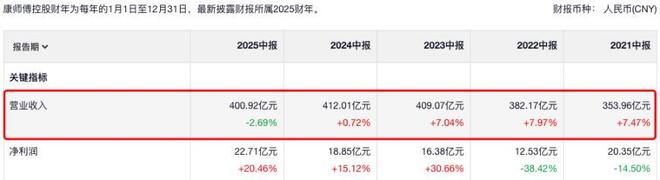
Core Viewpoint - Master Kong's revenue declined by 2.7% in the first half of 2025, indicating a situation of "profit growth without revenue growth," with both instant noodle and beverage businesses experiencing a downturn, prompting the company and competitors to seek innovation, with health-oriented products becoming a new direction [1][2]. Financial Performance - In the first half of 2025, Master Kong reported revenue of 40.092 billion yuan, a decrease of 1.109 billion yuan compared to the same period last year, marking a 2.7% decline, the first revenue drop in five years [2][3]. - Instant noodle revenue was 13.465 billion yuan, down 2.5% year-on-year, selling 349 million yuan less than in 2024 [2][4]. - Beverage revenue was 26.359 billion yuan, a decrease of 2.6%, accounting for 65.7% of total revenue [4]. - Net profit for the first half of 2025 was 2.271 billion yuan, an increase of 20.46% year-on-year, but this was partly due to non-recurring income, which, if excluded, would reduce the net profit growth rate to around 17% [3][4]. Market Trends - The instant noodle market is experiencing its coldest winter in 20 years, with consumption dropping by 4 billion packs from 2020 to 2023, and expected to fall to 43.8 billion packs in 2024 [2]. - The rise of new consumer preferences for healthier and more convenient food options is impacting traditional instant noodle sales, with a significant increase in pre-prepared meals and self-heating hot pot products [5][6]. Competitive Landscape - Master Kong's performance is lagging behind its competitor, Uni-President, which achieved double-digit growth in both revenue and profit in the same period [4]. - The company has adjusted its pricing strategy, increasing the suggested retail price of its instant noodles, which has led to a rise in gross margin by 0.7 percentage points to 27.8% [7][8]. Distribution Network - Master Kong's distribution network has contracted, with a reduction of 12.6% in the number of distributors by the end of 2024, and a further decrease in the first half of 2025 [7][8]. - The company is focusing on optimizing its distribution strategy to enhance profitability, targeting higher-quality distributors [8]. Innovation and Future Direction - To adapt to changing consumer preferences, Master Kong is introducing healthier product lines, including non-fried noodles and premium offerings [9]. - The rise of health-conscious consumers presents an opportunity for innovation in the instant noodle sector, with a growing market for health-oriented instant noodle products [9][10].
无糖茶再火,还是打不过这国民饮料
3 6 Ke· 2025-08-20 09:17
Core Insights - The article discusses the enduring popularity of iced black tea in China, highlighting its affordability and mass appeal despite the rise of healthier beverage options [1][3][8] - The market for sweetened iced tea remains robust, with sales expected to reach 350 billion yuan by 2025, significantly outpacing unsweetened varieties [6][14] Market Dynamics - The sweetened iced tea market maintains a 60:40 share over unsweetened tea, with brands like 康师傅 (Kang Shifu) and 统一 (Uni-President) leading the segment [1][6] - New entrants like 元气森林 (Yuanqi Forest) and 农夫山泉 (Nongfu Spring) are innovating within the iced tea space, with Yuanqi Forest reporting a 150% year-on-year growth in market share [1][6] Consumer Behavior - Iced black tea is perceived as a "common man's drink," appealing to budget-conscious consumers who prioritize value over brand prestige [3][15] - The recent price increase from 康师傅 has sparked consumer backlash, indicating a strong sensitivity to price changes among its core demographic [11][13] Competitive Landscape - 康师傅's price hikes have led to a decline in sales, with a reported 6.3% drop in tea beverage sales, while competitors like 统一 have seen growth [13][14] - The article notes that the iced tea market is shifting towards larger packaging sizes, reflecting consumer preferences for cost-effective options [13][14] Brand Positioning - Iced black tea brands have not attempted to position themselves as status symbols, instead focusing on the refreshing and enjoyable aspects of their products [17][18] - Despite health trends favoring low-sugar options, traditional iced black tea remains favored for its taste and affordability, with consumers expressing a preference for the original sweetened versions [17][18]
快消品经销商订货平台解决方案:数商云引领行业数字化变革
Sou Hu Cai Jing· 2025-08-20 08:33
Core Insights - The fast-moving consumer goods (FMCG) industry in China is undergoing significant transformation due to fragmented consumer behavior, diversified channels, and intense competition, with B2B channel transaction volume reaching 38% and a compound annual growth rate of 14.6% [2] - Traditional distributors face three major pain points: low order processing efficiency, high channel costs, and wasted data value, with over 90% of companies lacking consumer behavior analysis capabilities [2][3] - Shushangyun provides a comprehensive digital ordering platform that enhances efficiency and fosters innovative business models, positioning itself as a key driver of digital transformation in the industry [4] Industry Pain Points - Order processing inefficiencies are prevalent, with traditional methods taking an average of 42 minutes per order and error rates between 5% and 8%, leading to significant financial losses [2] - High channel costs are compressing profit margins, with logistics costs exceeding 8% of sales and inventory turnover rates significantly lower than industry benchmarks [2] - Data silos hinder decision-making, with over 90% of distributors lacking consumer behavior analysis capabilities, resulting in a 65% failure rate for new product launches [3] Shushangyun's Solutions - The company employs a three-pronged approach: a technology platform, supply chain collaboration, and data intelligence to optimize the entire supply chain from brand owners to distributors and retailers [4] - The intelligent order engine reduces order processing time from 42 minutes to 6 minutes and lowers error rates to below 0.3%, significantly increasing daily order processing capacity [5] - A dynamic pricing system enhances customer retention by 30% and increases market share by 5 percentage points through tailored pricing strategies [5] Industry Practices and Case Studies - A major dairy company's digital upgrade involved blockchain technology for traceability, achieving over 100 million consumer scans [7] - A regional FMCG distributor improved member repurchase rates to 65% through private traffic operations, adding 500,000 members in 8 months and increasing annual GMV by 120 million yuan [10] - An imported food brand reduced new product launch cycles from 6 months to 48 hours by connecting overseas suppliers directly with domestic distributors [14] Future Trends - The introduction of a 3D virtual mall in 2024 aims to enhance online conversion rates by 50% and increase average transaction values by 35% [15] - By 2025, the deployment of AI-driven smart ordering assistants is expected to reduce stockouts to below 5% and improve inventory turnover rates by 50% [16] - Blockchain traceability will deepen by 2026, enhancing customer trust and increasing premium pricing opportunities by 10% [17] Conclusion - The digital transformation in the FMCG sector is essential for survival and sustainable growth, with companies leveraging technology and ecosystem integration to reshape industry value distribution [20] - Firms adopting digital platforms report average profit margins 10-15 percentage points higher than traditional companies, with inventory turnover rates improving by over 50% [20]
小份量撬动大市场,康师傅mini桶实现逆势增长的秘密
Zhong Guo Shi Pin Wang· 2025-08-20 08:26
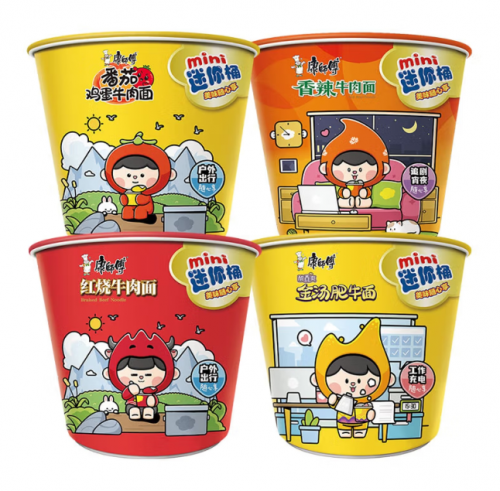
当行业陷入集体增长焦虑,一份精致的mini桶方便面,却正在露营地、写字楼、青年公寓里悄然盛行。 方便面行业正遭遇"中年危机"。今年第二季度,国内方便面销售额同比下降8.9%(马上赢数据),延续 了2021年以来连续负增长的疲软态势。 年轻人加班、追剧、露营的新选择 据艾媒咨询统计,2024年国内高端方便面市场规模增速高达20%。同一年,以mini桶为代表的新品,为 康师傅贡献了约8亿元销售额,为其方便面业务带来3%的增量。 康师傅mini桶,是如何开辟出这条"小而精"的逆势增长路径? 一、细分赛道突围,精准狙击"小胃口"人群 在同行纷纷追求"加量不加价"时,康师傅mini桶反其道而行,面饼净含量只有47.5克,较传统桶装面减 少47%。这一看似十分"冒险"的举动,实际是对"小胃口"人群的精准狙击。 小分量大需求 健身、减肥人士的饮食搭子 "mini桶像零食一样,饿了馋了吃一桶刚刚好,没啥负担!"在社交媒体上,一位网友道出了消费者的心 声。 二、魔鬼细节创新,将用户"痛点"变"爽点" 康师傅mini桶在产品细节上进行了诸多创新。 方便面调料包难撕、易撕歪,甚至酱料溅洒,曾被消费者广为诟病。康师傅不仅解决了这个困 ...
北森用户英雄大会 | 混沌余珺:AI时代组织创造力激活的混沌实践
混沌学园· 2025-08-19 12:04
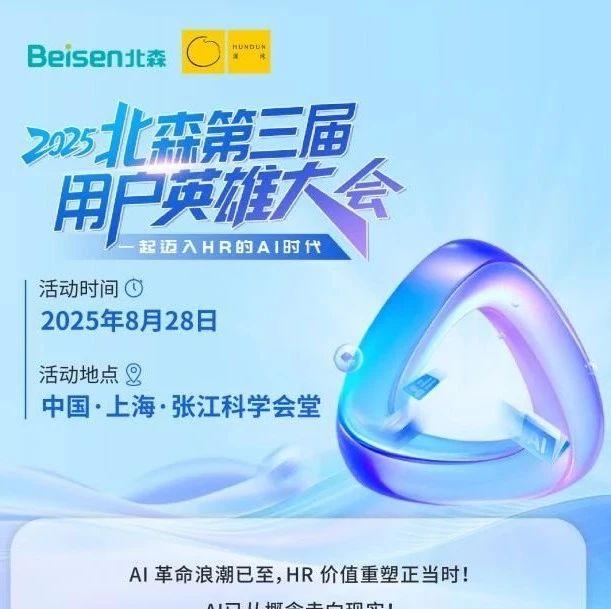
Core Viewpoint - The article emphasizes the significance of the upcoming third User Hero Conference hosted by Beisen, focusing on the transformation of HR roles in the age of AI, urging HR professionals to evolve from mere executors of processes to value creators [3][5][8]. Event Overview - The third User Hero Conference will take place on August 28 at the Zhangjiang Science Hall in Shanghai, featuring discussions on how AI is reshaping the HR value chain [3][8]. - The event will include a keynote by Chaos Partner Yu Jun, addressing the activation of organizational creativity in the AI era [4][5]. AI in HR - The article highlights that the door to AI evolution in HR is wide open, suggesting that missing this event could lead to significant strategic misjudgments in the coming year [5][6]. - It stresses the importance of cognitive upgrades in the competitive business landscape, indicating that understanding AI's impact on HR is essential [6]. Practical Applications - The conference will showcase practical AI tools that can transform core HR functions such as recruitment, learning, performance, and employee services, moving beyond superficial "black technology" [7]. - Attendees will have the opportunity to engage with 40 practitioners who will share insights on avoiding pitfalls and leveraging AI for asymmetric advantages [7]. Case Studies and Learning - The event will present 100 case studies from various enterprises, providing real-world examples of AI implementation in HR, which are deemed more valuable than theoretical knowledge [7]. - The agenda includes multiple forums and discussions led by industry leaders, focusing on AI's new paradigms and practical applications in HR [9][33]. Keynote Speakers and Topics - The conference will feature over 40 industry experts discussing various topics related to AI in HR, including recruitment, performance management, and digital transformation [9][33]. - Specific sessions will cover AI-driven recruitment practices, digital performance management, and the integration of AI in learning and development [35][38][39].
2025年中国果汁行业细分市场现状及发展趋势,苹果汁产量稳步增长(组图)
Qian Zhan Wang· 2025-08-19 08:57
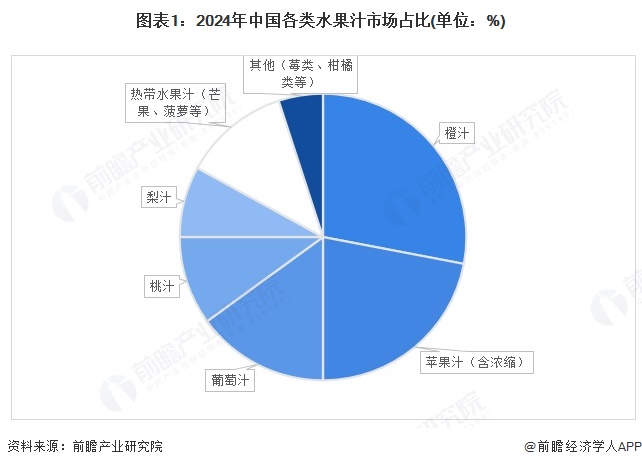
Core Insights - The Chinese apple juice market is experiencing steady growth, with production increasing from 180,000 tons in 2019 to a projected 504,000 tons by 2024, driven by stable demand and improved processing technology [5][2]. - The market size for apple juice is expected to rise from 8.5 billion yuan in 2019 to 12.8 billion yuan by 2024, reflecting a recovery in consumer demand and external market conditions [8]. - Major players like Andeli and Nongfu Spring are leading the market, focusing on high-quality and diversified products, while also expanding their global presence [8][9]. Industry Overview - The juice industry in China is characterized by a multi-category coexistence, with orange juice holding a 28% market share and apple juice (including concentrate) at 22%, together dominating the market [1]. - Tropical fruit juices, such as mango and pineapple, account for 12% of the market, indicating potential for growth [1]. Supply Chain Dynamics - The supply of apple juice is heavily influenced by upstream raw material availability, with apple production expected to grow from 42.4 million tons in 2019 to 50.4 million tons in 2024, maintaining a growth rate of 3% to 4.3% [2]. - Key production regions include the Bohai Bay and the Northwest Loess Plateau, with Shaanxi being a significant area for high-quality apple production [2]. Production Trends - Apple juice production in China is projected to recover from a dip in 2020 due to the pandemic, with a steady increase anticipated from 2021 to 2024 as supply and demand balance out [5]. Market Dynamics - The apple juice market is witnessing a trend towards consolidation, with leading companies like Andeli and Guotou Zhonglu expanding their market share through mergers and acquisitions [9]. - There is a growing preference for high-quality organic products in mature markets, while emerging markets show higher growth rates in demand [9].