
艾力斯

Search documents
多款“明星药”亮相!医保“双目录”初审名单公布,“天价抗癌药”等双赛道冲关
Bei Jing Shang Bao· 2025-08-13 11:53
Core Insights - The adjustment of the medical insurance drug catalog for 2025 has seen a significant increase in the number of drugs passing the formal review, with a new commercial insurance innovative drug catalog introduced, attracting high industry attention [1][3][5] Summary by Sections Medical Insurance Drug Catalog - The National Healthcare Security Administration (NHSA) received 718 applications for the basic medical insurance catalog, with 534 passing the initial review, including 472 applications from outside the catalog, marking a notable increase from 249 in 2024 [3] - The approved drugs cover various fields such as oncology, chronic diseases, and rare diseases, with a significant number of monoclonal antibody injections passing the review [3][4] Commercial Insurance Innovative Drug Catalog - The newly established commercial insurance innovative drug catalog received 141 applications, with 121 passing the initial review, resulting in a pass rate of approximately 85.82% [5] - This catalog also includes drugs for oncology, chronic diseases, and rare diseases, primarily focusing on Western medicine, with some traditional Chinese medicine included [5][6] Dual Track Submission - Several drugs have simultaneously passed the reviews for both the basic medical insurance catalog and the commercial insurance innovative drug catalog, indicating a strategy to cater to different patient payment capabilities [7][8] - The dual submission approach allows for broader market coverage and addresses the needs of high-value innovative drugs that may not be included in the basic insurance catalog [8] Industry Implications - The increase in the number of drugs passing the reviews reflects the growing investment in innovative drug research and development in China, with a focus on enhancing patient access to essential medications [4][6] - The establishment of the commercial insurance innovative drug catalog signifies the government's commitment to building a multi-tiered medical security system, providing supplementary coverage for high-value drugs not included in the basic insurance [6][8]

时报图说丨MSCI重要调整来袭,可能带来何种影响?
Zheng Quan Shi Bao Wang· 2025-08-13 11:52
Group 1 - MSCI announced significant adjustments to its flagship index system, with 42 new stocks added and 56 existing stocks removed from the MSCI ACWI index, effective after the market close on August 26 [2][14] - The adjustments include a notable increase in Hong Kong stocks being added to the MSCI China Index, with 14 new stocks included [3][15] - The newly added A-shares include companies such as Zhinanzhen, CITIC Bank, and Giant Network, with notable year-to-date performance increases [4][7] Group 2 - The newly added Hong Kong stocks include companies like 3SBio, CITIC Financial Assets, and Meitu, with significant year-to-date gains [5][9] - Historical data suggests that stocks added to the MSCI index tend to experience increased trading volume and price volatility around the adjustment date, with potential for excess returns in the following days [10][12] - Recent reports from international agencies indicate a growing interest in Chinese assets, with several foreign institutions raising their ratings for the Chinese stock market [15]

艾力斯今日大宗交易折价成交2.74万股,成交额200.19万元
Xin Lang Cai Jing· 2025-08-13 09:38
Group 1 - On August 13, a block trade of 27,400 shares of Ailis was executed, with a transaction amount of 2.0019 million yuan, accounting for 0.44% of the total transaction volume for the day [1] - The transaction price was 73 yuan, which represents an 18.56% discount compared to the market closing price of 89.64 yuan [1]


MSCI中国指数成分股8月新增!有何共同之处?
贝塔投资智库· 2025-08-13 04:00
Core Viewpoint - The article discusses the latest adjustments to the MSCI China Index, which will include 14 new stocks and exclude 17 stocks, effective August 26, 2025. The new additions reflect a strong focus on technology innovation and biopharmaceuticals, aligning with international capital's interest in China's growth sectors [1][5]. Group 1: New Additions and Exclusions - 14 new stocks (5 A-shares and 9 Hong Kong stocks) have been added, with a significant presence in technology and biopharmaceutical sectors, indicating a trend towards innovation [1][2]. - Notable new additions include CITIC Bank (total market value of $66.594 billion), Horizon Robotics (market value of $11.919 billion), and others, while stocks like Huaneng Water Power and Supor have been removed [1][3]. Group 2: Market Capitalization and Liquidity - The newly added stocks generally exhibit high market capitalization, with all having a market value above $6 billion, and four exceeding $10 billion, indicating robust growth potential [3][4]. - High-growth stocks such as Giant Network (137% year-to-date increase) and Jingwang Electronics (nearly 120% increase) demonstrate strong market performance and trading activity [3][4]. Group 3: Foreign Investment Preferences and Policy Alignment - Over 70% of the new constituents are from technology and pharmaceutical sectors, aligning with foreign institutional investors' recent recommendations to overweight sectors like AI and biotechnology [3][4]. - The adjustments reflect MSCI's quantitative screening standards, ensuring that included companies meet the long-term investment needs of international capital [4]. Group 4: Increase in Hong Kong Stock Representation - The inclusion of 9 Hong Kong stocks (64% of new additions) highlights a recovery in the Hong Kong market, particularly in technology and innovative pharmaceutical sectors since 2025 [4]. Group 5: Long-term Strategic Implications - The inclusion in the MSCI global index is expected to attract approximately $12.5 trillion in international capital for passive allocation, enhancing liquidity and global visibility for these companies [5]. - The common characteristics of the newly added stocks can be summarized as "driven by technological innovation, biopharmaceutical research, high market capitalization, high growth potential, high liquidity, and foreign investor favor," aligning with China's industrial upgrade trends and global capital allocation demands [5].




8月12日工银医疗保健股票净值下跌0.62%,近1个月累计上涨6.78%
Sou Hu Cai Jing· 2025-08-12 12:19
Group 1 - The core viewpoint of the news is the performance and holdings of the Industrial and Commercial Bank of China Medical Healthcare Stock Fund, which has shown significant returns over various time frames [1] - The fund's latest net value is 2.8960 yuan, with a recent decline of 0.62%. Over the past month, the fund has achieved a return of 6.78%, ranking 325 out of 656 in its category. In the last six months, the return was 25.80%, ranking 82 out of 637, and since the beginning of the year, it has returned 27.07%, ranking 113 out of 635 [1] - The top ten holdings of the fund account for a total of 44.59%, with significant positions in companies such as Heng Rui Pharmaceutical (7.52%), Kelun Pharmaceutical (6.50%), and BeiGene (5.08%) [1] Group 2 - The fund was established on November 18, 2014, and as of June 30, 2025, it has a total scale of 2.797 billion yuan. The fund managers are Zhao Bei and Ding Yang [1] - Zhao Bei holds a master's degree and has extensive experience in the healthcare sector, having been the fund manager since the fund's inception. Ding Yang, a PhD holder, joined the company in December 2017 and has been involved in various fund management roles [2]
科创成长ETF(588110)盘中上涨3.37%,跟踪标的半导体行业占比超50%,第一大权重股寒武纪20cm涨停
Xin Lang Cai Jing· 2025-08-12 06:30
Group 1 - The Shanghai Stock Exchange Sci-Tech Innovation Board Growth Index (000690) has seen a strong increase of 3.06%, with key stocks like Cambricon (688256) hitting the daily limit up, and others such as SourceJect (688498) and Tailin Microelectronics (688591) rising by 14.19% and 7.09% respectively [1] - The Sci-Tech Growth ETF (588110) has also increased by 3.37%, with a trading volume of 20.89 million yuan and a turnover rate of 8.92% [1] - Over the past week, the Sci-Tech Growth ETF has seen a scale increase of 1.35 million yuan, ranking among the top two in comparable funds, and its share count has grown by 3 million shares in the last two weeks [1] Group 2 - As of August 11, the Sci-Tech Growth ETF has achieved a net value increase of 17.86% over the past six months, ranking first among comparable funds [2] - The top ten weighted stocks in the Sci-Tech Growth Index account for 59.98% of the index, with Cambricon (688256) and Haiguang Information (688041) being the top two [2] - The index primarily reflects high-growth companies in the semiconductor (51.2%), chemical pharmaceuticals (12.5%), and small appliances (5.7%) sectors [2] Group 3 - Goldman Sachs has revised its sales forecast for 800G optical modules, expecting sales to reach 19.9 million and 33.5 million units in 2025 and 2026, respectively, marking increases of 10% and 58% [3] - The market is expected to focus on high-growth sectors, with recommendations to invest in areas such as anti-involution, technological independence, and innovative pharmaceuticals [3] - The semiconductor cycle is anticipated to rise, particularly in sectors that have been previously undervalued due to tariff pressures [3]

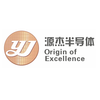

创新药板块景气度可持续,科创医药ETF嘉实(588700)近5日“吸金”超2000万元,规模创近1月新高
Sou Hu Cai Jing· 2025-08-12 03:15
Group 1: ETF Performance - The liquidity of the Kexin Pharmaceutical ETF managed by Jiashi has a turnover rate of 24.54%, with a trading volume of 59.44 million yuan, indicating active market trading [2] - As of August 11, the Kexin Pharmaceutical ETF managed by Jiashi has reached a recent high in scale of 243 million yuan, ranking first among comparable funds [2] - The latest share count for the Kexin Pharmaceutical ETF managed by Jiashi is 205 million shares, also a recent high, and ranks first among comparable funds [2] Group 2: Fund Inflows and Returns - The Kexin Pharmaceutical ETF managed by Jiashi has seen a net inflow of 2.94 million yuan recently, with 4 out of the last 5 trading days showing net inflows totaling 20.52 million yuan [2] - As of August 11, the Kexin Pharmaceutical ETF managed by Jiashi has achieved a net value increase of 52.43% over the past year, ranking 584 out of 2954 in the index stock fund category, placing it in the top 19.77% [2] - Since its inception, the Kexin Pharmaceutical ETF managed by Jiashi has recorded a highest monthly return of 23.29%, with the longest consecutive monthly gains being 6 months and a maximum cumulative increase of 41.76% [2] Group 3: Top Holdings and Market Trends - As of July 31, the top ten weighted stocks in the Shanghai Stock Exchange Science and Technology Innovation Board Biopharmaceutical Index account for a total of 49.14%, with leading companies including United Imaging Healthcare and BeiGene [2] - The innovative drug sector has maintained rapid growth in product revenue and external licensing over the past three years, with significant BD transactions this year driving the overall market trend [4] - The innovative drug sector is expected to sustain its growth due to ongoing policy support and increasing global competitiveness, while the medical device industry is anticipated to improve by 2025 [5]
MSCI加减了哪些AH股?名单来了!
Sou Hu Cai Jing· 2025-08-11 13:16
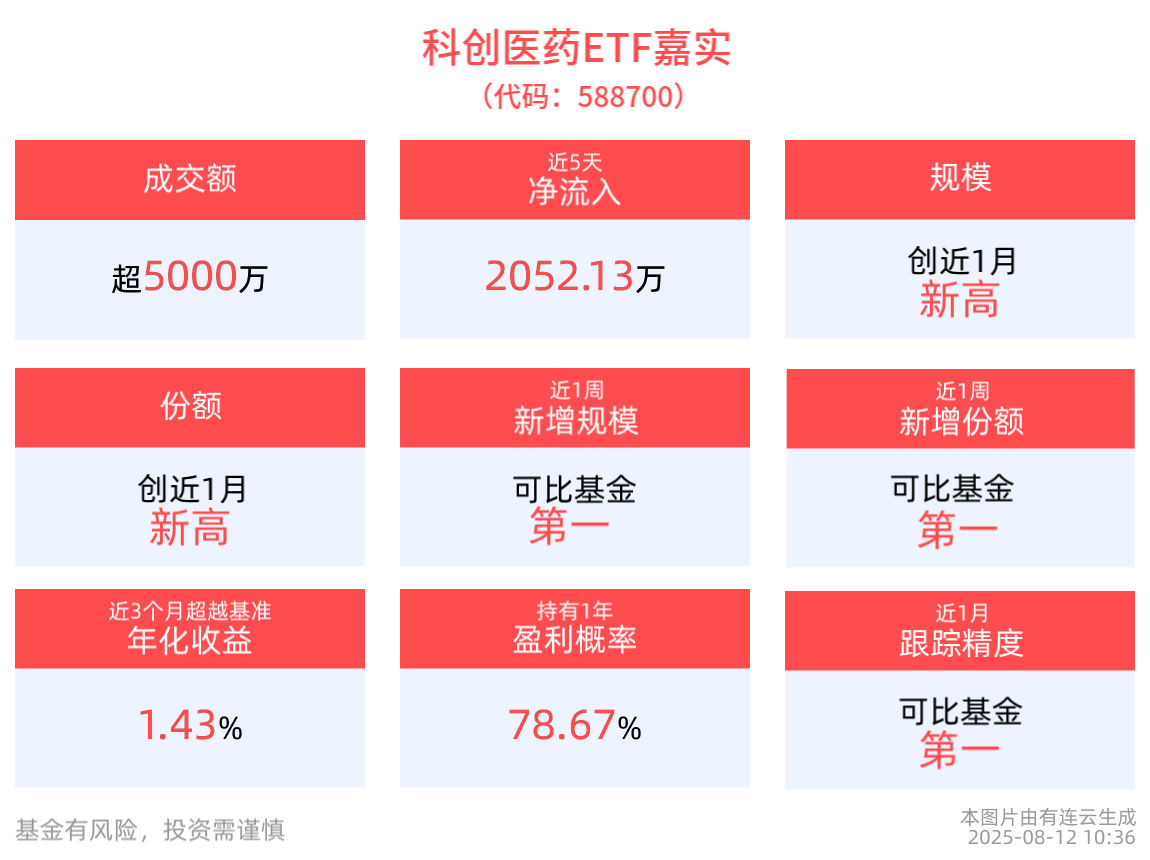
Group 1: MSCI Index Adjustment Overview - MSCI announced its index adjustment results for August 2025, with significant changes in the Greater China region, adding 14 stocks and removing 17 stocks [1][13] - The adjustment is expected to influence the flow of trillions of dollars in global "smart money," as many funds and index products track MSCI indices [1][3] Group 2: Importance of MSCI Index - MSCI, established in 1968, is one of the three major global index providers, with its flagship MSCI ACWI index covering 2,524 stocks from 23 developed and 24 emerging markets, representing about 85% of the global investable stock market [2] - As of July 31, 2025, the MSCI ACWI index had a market capitalization of $85.16 trillion, with a significant amount of funds tracking it, indicating that even a small percentage of fund movement can result in substantial financial implications [3] Group 3: Performance of Emerging Markets - Emerging markets have shown a resurgence, with an annualized return of 9.80% since December 31, 1987, outperforming the average return of 8.55% for the MSCI ACWI index [4] - Year-to-date returns for emerging markets reached 17.90%, compared to 11.19% for developed markets, indicating a strong performance in the first half of the year [5] Group 4: Composition of MSCI ACWI Index - The top ten constituents of the MSCI ACWI index are predominantly U.S. companies, with a combined weight of 23.94% and a total adjusted market capitalization of $20.39 trillion [7] - The largest sector in the index is Information Technology, accounting for 26.63% of the total weight, followed by Financials at 17.68% [7] Group 5: New Additions and Removals - A total of 42 stocks were added to the index, while 56 stocks were removed, with significant changes in Chinese mainland and Hong Kong stocks [11][13] - Notable new additions include major companies like CITIC Bank and various high-performing stocks from different sectors, indicating a shift in market focus [12][14] Group 6: Implications for Companies - The inclusion in the MSCI index presents a significant opportunity for newly added companies to attract international capital and resources, while removed companies may need to reassess their market competitiveness [17] - The adjustments reflect the dynamic nature of global capital markets and provide investors with a chance to reevaluate their investment strategies [17]
科创综指年内上涨22%!资本市场“科特估”逻辑逐步深化
Zhong Guo Jing Ying Bao· 2025-08-11 12:51
Group 1 - The A-share market has seen a significant performance in technology stocks since 2025, with the Sci-Tech Innovation Board (STAR Market) becoming the core driver of this trend due to policy support and technological breakthroughs [1][2] - As of August 11, the STAR Market Composite Index has risen by 22% year-to-date, outperforming major indices like the CSI 300 and the Shanghai Composite Index [1] - The STAR Market has successfully crossed a total market capitalization of 7 trillion yuan, with over 589 listed companies, predominantly in emerging industries such as new-generation information technology and biomedicine [2] Group 2 - The STAR Market's focus on "hard technology" and high-growth potential has provided crucial support for the recent rise in technology stocks [2] - The AI sector has experienced significant capital expenditure growth, with the STAR AI and STAR Chip indices seeing cumulative gains of over 109% and 95% respectively since September 24 [2][5] - Companies like Cambricon and Haiguang Information have reported strong earnings, with Cambricon achieving profitability for two consecutive quarters and Haiguang's net profit exceeding 1 billion yuan for the first half of 2025 [3] Group 3 - The performance of innovative pharmaceutical companies on the STAR Market has also been a highlight, with significant milestones achieved in drug development and commercialization [4] - Notable achievements include a record $12.5 billion upfront payment for a PD-1/VEGF dual antibody candidate and multiple new drug approvals in May [4][5] - The STAR Innovative Drug Index has risen over 75% year-to-date, significantly outperforming the Shanghai Biomedicine Index [5] Group 4 - The STAR Market has implemented a series of reforms to enhance the adaptability of quality technology companies, including the establishment of a growth tier for unprofitable tech firms [7] - This initiative has improved liquidity for companies in the growth tier, with a 54% increase in average daily turnover compared to the previous year [7] Group 5 - The number and scale of STAR Market index products have seen significant growth, with over 32 indices established, attracting around 2 million investors [8][9] - The introduction of various indices, such as the STAR Private Enterprise Index, reflects the market's focus on the role of private and specialized enterprises in driving growth [9] - By mid-2025, the total allocation to STAR Market ETFs by long-term investors exceeded 40 billion yuan, indicating a strong interest in tracking the STAR 50 Index [10]
科创板投资吸引力跃升 与投资者共享科技资产发展红利
Zheng Quan Ri Bao Wang· 2025-08-11 12:49
Group 1 - The core driving force of economic growth and industrial transformation is technological innovation, which has been recognized by the capital market as a significant trend [1] - Since 2025, the A-share market has seen a remarkable performance in technology stocks, with the Sci-Tech Innovation Board (STAR Market) becoming the main platform for this surge due to policy support and technological breakthroughs [1] - As of August 11, 2025, the STAR Market Composite Index has increased by 22% year-to-date, significantly outperforming broader indices such as the CSI 300 and the SSE 50 [1] Group 2 - The STAR Market has established itself as a pillar of the current technology stock rally, with the number of listed companies reaching 589 and total market capitalization exceeding 7 trillion yuan [2] - Over 80% of companies on the STAR Market are in emerging industries such as new-generation information technology, biomedicine, and high-end equipment manufacturing, contributing to a robust industrial ecosystem [2] - The AI sector has seen significant capital expenditure growth, with the STAR AI and STAR Chip indices recording cumulative increases of over 109% and 95% respectively since September 24 of the previous year [2] Group 3 - The "KOT" valuation logic is gaining traction in the capital market, supported by the development advantages of "reform, innovation, going global, and mergers and acquisitions" [3] - The recent upward trend in STAR Market indices reflects the market's positive response to the "KOT" valuation logic, bolstered by a series of reforms aimed at enhancing the adaptability of quality technology enterprises [4] - The introduction of the "1+6" policy measures in June 2025 has created a growth layer for technology companies that have significant breakthroughs but are currently unprofitable, providing more investment opportunities [4]