长安汽车

Search documents
央企资产总额突破95万亿,2025年利润总额达2.5万亿
2 1 Shi Ji Jing Ji Bao Dao· 2026-01-28 03:16
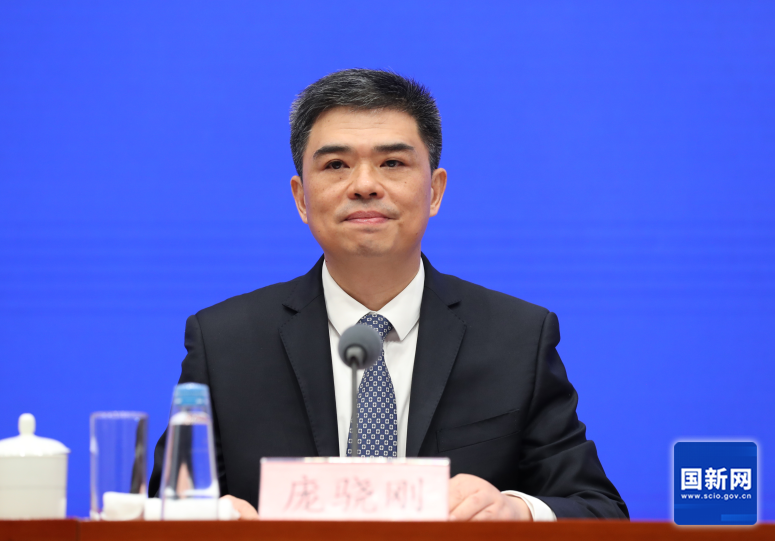
"2025年是国资央企发展进程中很不平凡、意义重大的一年。"1月28日,国务院国资委副主任庞骁刚在 国新办新闻发布会上介绍道,截至2025年底,中央企业资产总额突破95万亿元,2025年实现利润总额 2.5万亿元,完成固定资产投资5.1万亿元,上交税费2.5万亿元,有效带动产业链上下游企业融通发展, 为我国顺利完成经济社会发展主要目标任务提供了有力支撑。 庞骁刚表示,过去一年国企改革不断深化,在破除深层次体制机制障碍中激发了新活力。国有企业改革 深化提升行动主体任务基本完成,中国特色现代企业制度加快完善,三项制度改革不断深化,管理水平 进一步提高,世界一流企业梯度培育体系加快构建,国资监管效能不断提升,数智化穿透式监管系统建 设取得重要阶段性成效。 庞骁刚还介绍,过去一年中央企业科技创新持续强化,在推进高水平科技自立自强中实现了新突破。 2025年,中央企业研发投入1.1万亿元、连续四年超过万亿元,新增22位两院院士、创历史最好水平, 23个创新联合体新吸纳超过100家创新主体参与攻关,在前沿领域实现一系列突破,国家战略科技力量 作用更加凸显。 而在产业焕新提档升级方面,2025年,中央企业完成战略性新兴产业 ...
截至2025年底,央企资产总额突破95万亿元
Guan Cha Zhe Wang· 2026-01-28 02:53
会上,国务院国资委副主任庞骁刚介绍,截至2025年底,中央企业资产总额突破95万亿元,2025年实现利润 总额2.5万亿元,完成固定资产投资5.1万亿元,上交税费2.5万亿元,有效带动产业链上下游企业融通发展,为 我国顺利完成经济社会发展主要目标任务提供了有力支撑。 此外,2025年,中央企业研发投入1.1万亿元、连续四年超过万亿元,新增22位两院院士、创历史最好水平, 23个创新联合体新吸纳超过100家创新主体参与攻关,在前沿领域实现一系列突破,国家战略科技力量作用更 加凸显。 据国新网消息,1月28日,国新办举行新闻发布会介绍2025年国资央企高质量发展情况。 图片转自国新网 2025年,中央企业完成战略性新兴产业投资2.5万亿元、占总投资的41.8%,新组建成立中国雅江集团、中国长 安汽车等企业,中国一汽、中国旅游集团完成动力电池、邮轮运营资源整合,卫星通信、新材料、人工智 能、生物技术等领域专业化整合持续推进,有力推动关键产业爬坡过坎、转型升级。 ...

重庆时隔九年重回王座,汽车产业却已变天
3 6 Ke· 2026-01-28 02:14
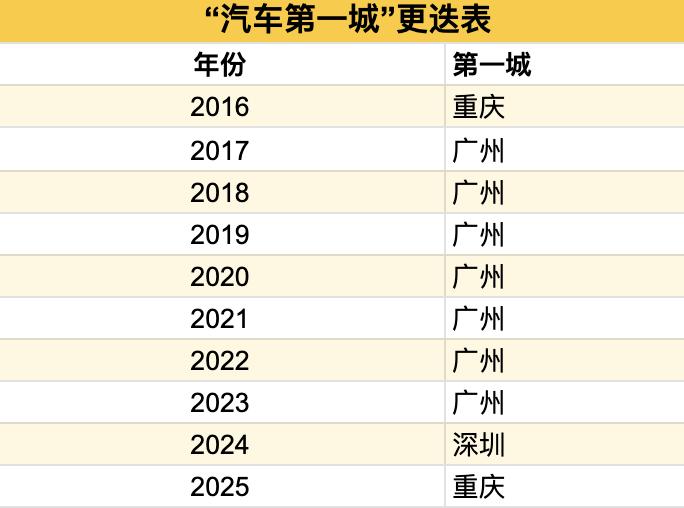
Core Insights - Chongqing's automotive production is projected to reach 2.788 million units by 2025, marking a 9.7% increase and positioning it as the top city in automotive production, reclaiming its title after nine years [1][4] - The competition for the title of "China's Automotive Capital" has intensified, with cities like Guangzhou, Shenzhen, and others vying for dominance, reflecting a significant shift in the automotive industry landscape over the past decade [1][5] Group 1: Title Competition Dynamics - The title of "China's Automotive Capital" has seen unprecedented turnover in the last five years, with cities frequently changing positions due to industry restructuring [1][5] - The competition is not just about production numbers but also reflects broader economic shifts and the evolution of the automotive industry in China [1][5] - The change in statistical criteria for production reporting from "enterprise location" to "production location" has significantly impacted city rankings, allowing Chongqing to reclaim its title [4][5] Group 2: New Energy Vehicle (NEV) Impact - The penetration rate of new energy vehicles in China has dramatically increased from 5.4% in 2020 to 54% by 2025, with total NEV production rising from 1.37 million to over 16 million units [6][9] - Chongqing's automotive industry is now driven by a NEV penetration rate exceeding 46%, showcasing a shift from traditional vehicles to electric and intelligent models [5][6] - The rapid growth of NEV production has led to a reshuffling of city rankings, with cities that lag in NEV adoption facing declines in their automotive standings [10][11] Group 3: Industry Shifts and Brand Dynamics - The transition to new energy has catalyzed a significant reshuffling among the top automotive groups in China, with domestic brands gaining market share at the expense of joint ventures [14][15] - By 2025, domestic brands are expected to account for over 65% of the market, with BYD emerging as the leading player, surpassing traditional joint venture brands [15][17] - The competitive landscape has shifted, with companies like Geely and Chery rising in rankings due to their focus on new energy vehicles, while traditional giants like SAIC and FAW have seen declines [16][17] Group 4: Export Growth and Globalization - The export of Chinese automobiles has surged, with 2025 projections indicating that exports will exceed 1.22 million units, making Anhui the first province to achieve this milestone [21][22] - The average export price of Chinese vehicles has increased significantly, driven by a higher proportion of high-end electric and hybrid models, indicating a shift in market strategy [22][23] - The profitability of overseas markets is becoming increasingly important for Chinese automakers, with companies like BYD reporting higher margins from international sales compared to domestic markets [22][23]

央企2025年完成战略性新兴产业投资2.5万亿元
Yang Shi Xin Wen· 2026-01-28 02:07
发布会上介绍,2025年,中央企业完成战略性新兴产业投资2.5万亿元、占总投资的41.8%,新组建成立 中国雅江集团、中国长安汽车等企业,中国一汽、中国旅游集团完成动力电池、邮轮运营资源整合,卫 星通信、新材料、人工智能、生物技术等领域专业化整合持续推进,有力推动关键产业爬坡过坎、转型 升级。 国务院新闻办今天(1月28日)上午举行新闻发布会,介绍2025年国资央企高质量发展情况并答记者 问。 (文章来源:央视新闻) ...
财联社汽车早报1月28日
Xin Lang Cai Jing· 2026-01-28 01:09
转自:智通财经 2025年汽车行业利润4610亿元 1月27日,乘联分会秘书长崔东树发文称,2025年1-12月汽车行业收入111,796亿元,同比增长7.1%;成 本98,498亿元,同比增长8.1%;利润4,610亿元,同比增长0.6%。汽车行业利润率4.1%,相对于下游工 业企业利润率5.9%的平均水平,汽车行业仍偏低。2025年末,规模以上工业企业应收账款27.43万亿 元,比上年末增长4.7%;产成品存货6.73万亿元,增长3.9%。 崔东树:汽车行业的去库存和改善账期应该是好于工业企业总体水平的。 东莞:将安排8000万元发放汽车购新补贴最高补贴5000元/辆 1月27日,东莞近日正式推出9条针对性措施,在促消费方面,东莞将统筹安排1.5亿元,深入开展"广东 优品购""乐购东莞潮起来"系列活动。其中,安排8000万元发放汽车购新补贴,最高补贴5000元/辆。安 排5000万元用于开展家电、电子产品购新、地市优品补贴活动。安排1000万元用于发放"春节消费红 包",主要用于商场、超市、工厂店等消费场景。安排800万元发放"食在东莞"餐饮消费券。 智通财经汽车:有关新一轮汽车补贴的地方政策密集发布。 ...
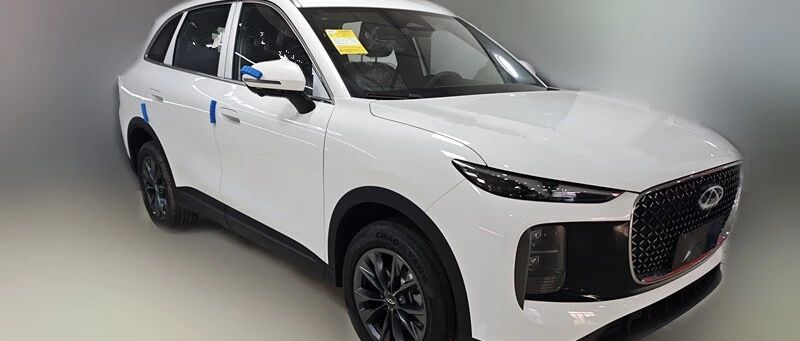
奇瑞瑞虎8:置换比例超过80%,对比最多的是博越L
车fans· 2026-01-28 00:30
Sales Performance - The new Chery Tiggo 8 has seen significant interest, with 2-3 out of 10 customer groups visiting local dealerships specifically to check out this model [2] - In the last month, over 40 vehicles were sold at the dealership, with more than 10 units being the new Tiggo 8 [3] - The most popular configurations in stock are the 1.6T automatic luxury model priced at 109,900 yuan and the premium model at 119,900 yuan, which together account for over half of the inventory [3] Customer Demographics - The primary customers for the new Tiggo 8 are young males aged 20 to 30, with an 80% trade-in rate for older vehicles [5] - Many customers are working-class individuals with decent family financial support, often involved in small businesses [5] - A specific case highlighted a 27-year-old customer who chose the Tiggo 8 for its appealing design and features, influenced by family opinions [7] Competitive Landscape - The most common competitors compared to the Tiggo 8 are the Geely Boyue L and Haval H6, with 40% and 30% of customers respectively considering these models [9] - Some customers expressed concerns that the Tiggo 8 lacks significant innovation compared to its predecessor, the Tiggo 8 PLUS, which may affect its appeal [12] Customer Preferences - Customers appreciate the Tiggo 8 for its design, which aligns with young people's aesthetics, and the perceived advanced technology of its 1.6T engine [14] - The best-selling configuration is the 1.6T automatic premium model, with 70% of sales coming from this variant [20] Pricing and Financing - Current cash discounts for the Tiggo 8 are around 10,000 yuan, with financing options including a 2-year, 70,000 yuan interest-free loan [16][18] - The dealership has noted that lower-end and top-end models are not selling well, with the top model priced at 129,000 yuan being particularly challenging to move [20] Customer Feedback - Initial customer feedback has been limited, with some complaints about the design of the electronic handbrake and tire grip during test drives [22][24] - Regular maintenance costs are approximately 450 yuan, with service intervals set at every six months or 5,000 kilometers [25] Market Considerations - The new Tiggo 8 has been segmented into two variants, the Leopard and Tiger versions, which has created some confusion among customers due to minimal differences [26] - The manufacturer offers various trade-in subsidies, with up to 12,000 yuan for certain configurations, which may incentivize purchases [28]
自动驾驶专题:写在技术落地加速与商业化元年之际-自动驾驶加速发展
Jinyuan Securities· 2026-01-28 00:20
Investment Rating - The report maintains an "Overweight" rating for the autonomous driving industry [3]. Core Insights - The autonomous driving industry is experiencing significant advancements, with the official launch of L3 level autonomous driving pilot programs in China, accelerated commercialization of Robotaxi services, and decreasing core hardware costs. This transition marks a critical phase from technology validation to large-scale implementation, driven by policy encouragement, technological breakthroughs, and commercial trials [3]. Summary by Relevant Sections Industry Developments - The first batch of L3 level autonomous driving vehicle permits was announced by the Ministry of Industry and Information Technology by the end of 2025. In January 2026, models such as the BAIC Arcfox Alpha S (L3 version) and Deep Blue L3 vehicles began pilot testing in designated areas of Beijing and Chongqing, with the Deep Blue L3 vehicle accumulating over 70,000 kilometers of autonomous driving in 19 days, covering complex urban scenarios [6]. - The Robotaxi operations are expanding, with Pony.ai's fleet exceeding 1,159 vehicles, aiming to grow to 3,000 by 2026, transitioning from trial to regular commercial operations [6]. - The AI industry's growth is enhancing autonomous driving capabilities through improved computing power and algorithms, with end-to-end architecture becoming mainstream. For instance, Huawei's ADS 4.0 system reduces latency by 50% and increases traffic efficiency by 20% [6]. Cost Reduction and Accessibility - BYD announced that all its models will feature advanced intelligent driving systems priced below 100,000 yuan, marking the beginning of an era of "universal intelligent driving." This is supported by technological upgrades and supply chain enhancements, leading to a decrease in the overall cost of high-level intelligent driving systems [7]. Policy and Market Dynamics - China is establishing a policy framework that prioritizes pilot programs followed by standardization. Local regulations have been introduced in cities like Beijing and Chongqing, with expectations for expansion to major cities like Shanghai and Shenzhen [7]. - The implementation of L3/L4 technologies is expected to drive demand for high-performance chips, domain controllers, and LiDAR systems, with the value share of decision-making components rising to 25-30% [7]. Key Focus Areas for Industry Monitoring - The report suggests monitoring six dimensions: core technology barriers, mass production progress, market competition positioning, growth and certainty of performance, domestic substitution potential, and key event catalysts [7].
十王争霸,谁是“中国汽车第一城”
汽车商业评论· 2026-01-27 23:08
Core Viewpoint - The title of "China's Automobile Capital" has shifted back to Chongqing in 2025, reflecting the city's strong automotive production capabilities and the rise of local manufacturers [8][19]. Group 1: Automotive Production Overview - In 2025, Chongqing's total automobile production reached 2.788 million units, a 9.7% increase year-on-year, with 1.296 million units being new energy vehicles (NEVs), marking a 36% growth [8]. - Other cities with significant production include Hefei with approximately 2.5 million units (NEVs: 1.38 million, 55.2% share), Guangzhou estimated at 2.1-2.15 million units (NEVs: 700-750 thousand, 33%-35% share), and Changchun at around 2.1 million units (NEVs: 588 thousand, 28% share) [10][11][12]. Group 2: Key Players and Developments - Chongqing's automotive landscape is dominated by Changan and Seres, both achieving significant milestones in 2025, including Changan's establishment of its first overseas NEV manufacturing base [20][21]. - The local automotive supply chain has expanded to include 19 vehicle manufacturers and 1,200 parts suppliers, with a local supply rate exceeding 45% [28]. Group 3: Government Policies and Strategic Plans - The Chongqing government has prioritized the automotive industry, implementing policies such as the "2022-2030 Intelligent Connected New Energy Vehicle Cluster Plan" to guide development [30]. - The "33618" plan aims to establish Chongqing as a national advanced manufacturing center, with a focus on NEVs as a key growth area [31]. Group 4: Competitive Landscape and Future Outlook - The competition among cities for automotive production is intensifying, with cities like Hefei emerging as a leader in NEVs, while traditional automotive hubs like Changchun face challenges in transitioning to new energy [36][55]. - The automotive industry is undergoing a dynamic restructuring, with ongoing developments indicating that the title of "China's Automobile Capital" may continue to evolve [58].



2025中国经济关键词丨动能强劲,创新活力持续迸发
Xin Hua Wang· 2026-01-27 13:04
Group 1 - In 2025, China's economy effectively responded to various risks and challenges, achieving significant results through a focus on innovation and development [1] - China's R&D expenditure intensity reached 2.8%, surpassing the OECD average for the first time, indicating a strong commitment to innovation [1] - The World Intellectual Property Organization reported that China's innovation index entered the global top ten for the first time [1] Group 2 - The emphasis on technological and industrial innovation in China has led to strategic positioning, large investment scales, strong support systems, and high conversion efficiency in key sectors such as AI, robotics, and quantum communication [2] - In 2025, the value added of China's digital product manufacturing industry grew by 9.3%, with significant increases in the production of servers and industrial robots [5] - The integration of technological and industrial innovation has resulted in smarter, greener manufacturing, accelerated upgrades of traditional industries, and rapid growth of emerging industries [5] Group 3 - A virtuous cycle of "technology-industry-finance" is forming in China, providing stronger financial support for industrial transformation and upgrading [7] - The current ecosystem for technology transfer and transformation is being improved, promoting collaboration among government, industry, academia, and research [7] - The rapid development of industry-education integration and innovation is characterized by strong policy guidance and fast conversion of results [7] Group 4 - China's systematic layout and high-intensity investment in frontier fields have enabled a leap from following to keeping pace and leading in various industries [9] - The focus during the 14th Five-Year Plan period is on nurturing emerging and future industries while consolidating existing advantages and strategically planning new sectors [9]
集邦咨询:欧盟放宽燃油车禁令 预估2030年全球增程式电动车年销量将可达300万台
智通财经网· 2026-01-27 10:40
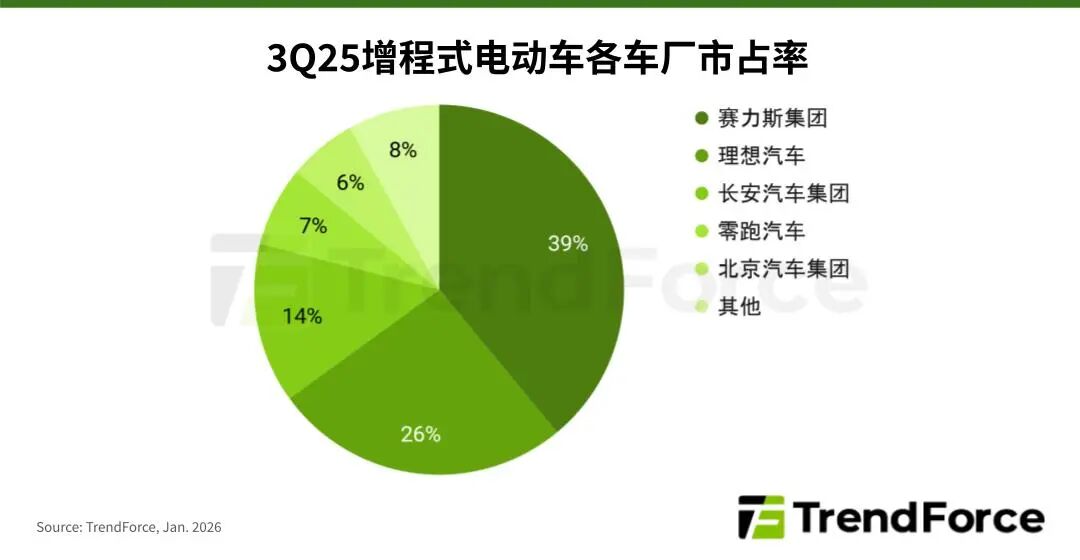
智通财经APP获悉,根据TrendForce集邦咨询最新电动车产业研究,增程式电动车(Range-Extended Electric Vehicle, REEV)近年逐渐成为车厂转向纯电化的 过渡选项,日前欧盟宣布调整2035年禁售燃油车政策,更为REEV提供了重要法规弹性和发展空间。TrendForce集邦咨询预估,在政策弹性、技术成熟 度、市场接受度的支撑下,2030年全球REEV年销量将可达300万台,较2025年实现翻倍成长。 欧盟于2025年末宣布,计划将原本"新车100%零排放"的规定,放宽为"整体新车平均减排90%",其余可通过使用低碳钢、合成燃料等方式抵销,此提案尚 待欧盟成员国和欧洲议会审议通过。 TrendForce集邦咨询表示,REEV的架构与插电式混合动力车(PHEV)相似,但其内燃机仅负责发电,不直接驱动车轮,所以更能提供近似纯电车(BEV)的 体验,实际碳排量也较PHEV低。更重要的是,REEV可通过内燃机及电池包双重供电,能大幅降低驾驶者里程焦虑。 REEV在全球新车市场的渗透率已从原本不到3%,至2025年第三季稳定维持在4%左右。中国车厂凭借相对较低车价、电池成本优势主导市场 ...