抖音

Search documents
抖音电商发布全新营销产品「千川・乘方」
Xin Lang Ke Ji· 2025-12-11 08:10
Core Insights - Douyin E-commerce launched a new marketing product "Qianchuan·Chengfang" that leverages AI technology to create a comprehensive intelligent marketing system [1] - The product focuses on three main capabilities: strategy management, dynamic intelligent services, and precise recommendations, aiming to enhance business growth for merchants [1] - Douyin E-commerce introduced two initiatives to support merchants: a reduction in technical service fees to 0.6% for all orders using "Qianchuan·Chengfang" and a 10 billion yuan coupon subsidy plan to improve conversion efficiency [1] Group 1 - The new marketing product "Qianchuan·Chengfang" is designed to streamline the entire business operation process for merchants [1] - The product aims to provide a more certain path for business growth through cost control and intelligent operations [1] - The technical service fee reduction and coupon subsidy plan are intended to create more stable operating income for merchants [1]
抖音电商发布全新营销产品“千川・乘方”
Xin Lang Cai Jing· 2025-12-11 07:24
Core Insights - Douyin E-commerce launched a new marketing product called "Qianchuan·Chengfang" which leverages AI technology to create a comprehensive smart marketing system [1][2] - The new product focuses on three main capabilities: strategy management, dynamic intelligent services, and precise recommendations, aiming to streamline the entire business operation process for merchants [1] Group 1 - Douyin E-commerce introduced a reduction in technical service fees to 0.6% for all orders using the "Qianchuan·Chengfang" product [2] - A subsidy plan worth 10 billion yuan in coupons was announced, designed to reach target users through smart coupons, enhancing conversion efficiency and providing more stable revenue for merchants [2]
消费长期“深蹲” 明年能否“起跳”?丨每日研选
Shang Hai Zheng Quan Bao· 2025-12-11 05:50
Group 1 - The retail sector is experiencing significant activity, with multiple concept stocks hitting the limit up, coinciding with the National Retail Innovation Development Conference, signaling potential recovery for the long-pressured sector as it approaches the 2026 Spring Festival [1] - The Ministry of Commerce emphasized the importance of the retail industry in building a complete domestic demand system and promoting high-quality development during the "14th Five-Year Plan" period, focusing on quality and service-driven growth [1] - Various institutions are optimistic about the consumer sector in 2026, driven by policies aimed at boosting consumption, such as subsidies for appliances, automobiles, and local dining [1] Group 2 - The current macro environment is favorable for offline retail, with declining rental costs providing marginal benefits, while the unique value of offline retail is being redefined, emphasizing social interaction and immersive experiences [2] - The shift towards consumer-centric models, as seen in the practices of companies like Yonghui and the praised model of Pang Donglai, highlights a return to valuing human connections and quality service [2] - The retail landscape is evolving with the rise of various online channels, including Douyin and community group buying, indicating that the channel structure is still in flux and presents opportunities for transformation [2] Group 3 - From an investment perspective, the strategy of valuation switching is seen as a reliable approach, with performance growth being a key driver for this transition [3] - Continuous growth and the reversal of difficulties are critical dimensions for valuation switching and recovery, with a focus on the liquor sector as a significant area of interest [3] Group 4 - The profound transformation in the retail industry is expected to create multiple investment opportunities across various channels, particularly in the health and functional food sectors, driven by channel shifts and the expansion of consumer demographics [4] - Leading snack companies with strong supply chains and product-channel resonance are likely to benefit from increased market concentration in the new landscape [4] - High-quality chain retail formats with excellent operational models are positioned to explore new store types and expand growth potential as the main business recovers [4]
PLM系统推荐十大国产电商平台对接功能
Sou Hu Cai Jing· 2025-12-11 04:12
Core Insights - The integration between PLM (Product Lifecycle Management) systems and e-commerce platforms is crucial for modern enterprises, enabling seamless data flow from product design to market launch, thereby enhancing operational efficiency and market responsiveness [2][3]. Importance of Integration - In a fast-paced e-commerce environment, the traditional manual processes for transferring product information are inefficient and error-prone, leading to potential customer complaints and returns [3]. - Deep integration between PLM systems and e-commerce platforms addresses these pain points by automating data transfer, significantly reducing time to market and ensuring consistency across channels [3][6]. Evaluation of Integration Capabilities - Assessing the quality of integration requires a multi-dimensional approach, focusing on the depth and breadth of data synchronization [4][5]. - Effective integration should cover not only basic product attributes but also complex data such as BOM (Bill of Materials) and technical documents, enhancing customer trust [5]. Automation and Efficiency - The ultimate goal of integration is to achieve automation, allowing for real-time updates of product data across platforms without manual intervention, thus minimizing errors [6]. - For instance, a case study showed that a well-integrated PLM solution reduced the time to launch new products from an average of 2 days to just 2 hours, achieving a data accuracy rate of over 99.9% [6]. System Compatibility and Scalability - PLM systems must be compatible with existing IT ecosystems, including ERP, SCM, and CRM systems, and should offer standard API interfaces for easy integration [7]. - As businesses grow, the ability to handle cross-border e-commerce with multi-language and multi-currency support becomes essential for the sustainability of digital strategies [9]. Ranking of E-commerce Platforms - A ranking of domestic e-commerce platforms based on their integration capabilities highlights the strengths of various platforms, such as CAXA, Alibaba, and JD, in terms of maturity, depth, and versatility of integration [10][12]. Implementation Success Factors - Successful integration requires accurate, complete, and structured data within the PLM system, as well as a clear understanding of business processes and reliable service providers [14]. - Future trends indicate a shift towards intelligent integration, leveraging AI to enhance the synergy between PLM and e-commerce [13]. Conclusion - The integration of PLM systems with e-commerce platforms is essential for maintaining competitiveness in the digital age, serving as a core component for data-driven business operations [15].


知名电商平台停止运营
3 6 Ke· 2025-12-11 01:51
Core Viewpoint - The competitive landscape of global e-commerce platforms is intensifying, leading to an increasing number of exits from the market, exemplified by the closure of Ozsale, an Australian e-commerce platform, set for January 27, 2026 [1][8]. Group 1: Company Overview - Ozsale, known as the "overseas version of Vipshop," will cease operations, with unused points expiring after the shutdown date [1]. - The closure follows the earlier shutdown of its sister platform, NZSale, indicating a significant shift in the regional discount e-commerce model [2]. - Ozsale was founded in 2007 by Jamie and Carl Jackson, who capitalized on the demand for high-quality, affordable products through a membership-based flash sale model [3][4]. Group 2: Historical Performance - By 2012, Ozsale had over 2 million members and reported annual sales of £102 million (approximately 1 billion RMB), marking a 40% year-on-year growth [5]. - The peak of MySale's operations included 12 websites across five countries, with significant user growth and plans for expansion into the UK and US markets [5][6]. - However, the company faced a 43% decline in sales and a 50% drop in gross profit by late 2019, indicating a downturn in performance [6]. Group 3: Market Dynamics - The closure of Ozsale reflects broader trends in the global e-commerce sector, with over ten platforms facing bankruptcy or forced acquisition between 2024 and November 2025 [8]. - Competitors like Amazon, Temu, and Shein have significantly impacted regional platforms, leading to a decline in market share for local e-commerce sites [9]. - Ozsale's delivery complaints increased by 180% over three years, with over 30% of users reporting order delays, highlighting operational inefficiencies [9][10]. Group 4: Future Implications - The decline of platforms like Ozsale and Catch illustrates the challenges faced by e-commerce businesses that fail to adapt to evolving market conditions and consumer preferences [10]. - In contrast, domestic beauty brands in China are thriving through established platforms like Tmall and JD, as well as emerging channels like Douyin, indicating a shift in competitive strategies [11]. - The e-commerce landscape is transitioning towards a focus on user engagement, operational efficiency, and differentiated experiences, necessitating a reevaluation of traditional business models [11].
消费长期“深蹲”,明年能否“起跳”?丨每日研选
Shang Hai Zheng Quan Bao· 2025-12-11 00:59
Core Insights - The retail sector is experiencing significant activity, with multiple concept stocks hitting the limit up, coinciding with the National Retail Innovation Development Conference, signaling potential recovery for the long-pressured sector as it approaches the 2026 Spring Festival [1] - The Ministry of Commerce emphasizes the importance of retail in fostering a complete domestic demand system and driving high-quality development during the 14th Five-Year Plan period [1] - Institutions express a relatively optimistic outlook for the consumer sector in 2026, driven by policies aimed at boosting consumption and improving competitive dynamics within the industry [1] Group 1: Retail Sector Dynamics - The retail industry is urged to enhance its network layout, supply-demand matching, and online-offline balance, with a focus on learning from successful companies like Pang Donglai [1] - The current macro environment presents marginal benefits with declining rental costs for some offline formats, while the unique value of offline retail is being redefined, emphasizing social interaction and immersive experiences [2] - The shift towards consumer-centric models is evident in the adaptations of supermarkets like Yonghui and the rising popularity of the Pang Donglai model, focusing on quality products and deep service [2] Group 2: Investment Opportunities - The retail sector's transformation is expected to create multiple investment opportunities across various channels, particularly in the health and functional food sectors, driven by channel shifts and the expansion of consumer demographics [4] - Leading snack companies with strong supply chains and product-channel resonance are likely to benefit from increased market concentration in the new landscape [4] - High-quality chain retail formats with excellent operational models and effective scenarios are positioned to restart expansion and explore new store types, such as community life stores and hard discount supermarkets, once the main business recovers [4]
双12是“盲盒”还是“真香”?消费观察:线上吐槽声不绝,线下家电“以旧换新”火爆
Sou Hu Cai Jing· 2025-12-10 08:19
Core Viewpoint - The "Double Twelve" shopping festival has sparked mixed reactions among consumers, with complaints about price manipulation and complex rules contrasting with a booming offline appliance market driven by trade-in programs and consumer enthusiasm for upgraded products [1][10][11]. Group 1: Consumer Sentiment - Many consumers express frustration over perceived price hikes during the promotional period, with some stating they refuse to buy due to inflated prices [5][11]. - The complexity of promotional rules has led to consumer fatigue, with individuals feeling overwhelmed by the need to navigate various discounts and offers [7][11]. - A minority of consumers report successful purchases at lower prices, highlighting the disparity in experiences based on membership status and promotional strategies [5][11]. Group 2: E-commerce Platforms' Strategies - Major platforms like JD.com and Taobao have shifted their promotional strategies, concentrating discounts within a shorter time frame and offering layered incentives to stimulate consumer spending [8][11]. - JD.com focuses on large appliances and electronics with significant government subsidies, while Taobao emphasizes flexibility in everyday consumer goods [8][11]. - The platforms are adapting to a changing market by prioritizing live-streaming sales and daily retail operations over traditional promotional events [11][12]. Group 3: Offline Market Trends - The offline appliance market has seen a significant resurgence, with a reported 112% increase in trade-in orders and over 80% growth in foot traffic in certain stores during the "Double Twelve" period [10][11]. - Consumers are gravitating towards tangible shopping experiences, favoring the reliability of physical stores over the complexities of online promotions [10][12]. Group 4: Industry Observations - The decline in enthusiasm for the "Double Twelve" event reflects a broader shift in consumer behavior, moving from a festival-driven shopping culture to a more rational, everyday purchasing mindset [11][12]. - The changing landscape indicates a transition from platform-led promotional events to consumer-driven shopping habits, suggesting a need for businesses to adapt to these evolving preferences [12].

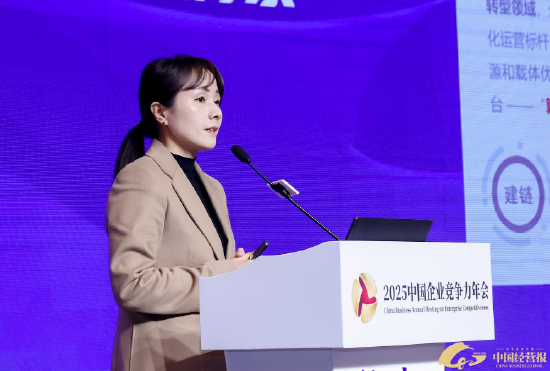
芜湖市大数据公司胡蓉:推动东中西部算力一体化协同
Xin Lang Cai Jing· 2025-12-10 07:53
Core Insights - The "2025 China Enterprise Competitiveness Annual Conference" was held in Beijing on December 9-10, highlighting the achievements of Wuhu Big Data Company, which was established to support the "East Data West Computing" project [3] Group 1: Company Development - Wuhu Big Data Company was approved in February 2022 and has developed three core products: the Anhui Provincial Computing Power Scheduling Platform, a data sharing platform, and the Wuhu Data Operation Platform, creating a business matrix covering computing power scheduling, data circulation, and multi-type data operations [1][5] - The computing power base in Wuhu has attracted 15 large and super-large data centers, including Huawei, Douyin, Tencent, and three major telecom operators, achieving a saturated layout of computing resources [5] - The company has invested 44 million to build the Anhui Provincial Computing Power Scheduling Platform, which initially served the Wuhu cluster and has now upgraded to the only provincial-level computing power scheduling platform, connecting all 203 data centers in the province [5] Group 2: Data Resource Development - Wuhu Big Data Company has obtained a five-year authorized operation qualification for public data in Wuhu City, establishing the Wuhu Data Operation Platform [2][5] - The company has collaborated with the municipal data bureau and health commission to create a joint laboratory, integrating data from 19 medical institutions and the disease control center to develop a trusted medical space, and has launched commercial insurance underwriting products [2][5] - In the public resource trading sector, the company has cleaned and governed bidding data, partnering with Huishang Bank and China Construction Bank to launch financial products like "Data e-Finance" and "Bidding Quick Loan," achieving a commercial closed loop of data value [2][5] Group 3: Industry Ecosystem - To foster an industrial ecosystem, Wuhu Big Data Company has created an artificial intelligence incubation acceleration platform called "Calculation Square," providing free computing power, public data resources, and office space to support the growth of AI startups [6] - The company engages in weekly exchanges with nine other major clusters across the country to promote integrated collaboration of computing power between the eastern, central, and western regions, building a national computing resource sharing network [6]
长三角电商交易会助苏品苏货走全国
Jiang Nan Shi Bao· 2025-12-09 14:14
Group 1 - The third Yangtze River Delta E-commerce Trade Fair took place from December 5 to 7, 2023, in Suzhou, focusing on themes of collaboration, breaking barriers, and growth, with nearly 1,000 merchants participating and over 100,000 SKUs showcased [1] - The Yangtze River Delta region accounts for over 30% of China's e-commerce annual transaction volume, highlighting its significance in the national e-commerce landscape [1] - The event featured a diverse range of participants, including factories, brand enterprises, and service providers from the Yangtze River Delta and other provinces, creating a multi-faceted industry chain display [1] Group 2 - The event included a special session on "Silk Road Cloud Products" focusing on Southeast Asian e-commerce platforms, with live streaming as a key feature, enhancing engagement and product visibility [2] - Over 100 influencers participated in live streaming during the event, showcasing products and analyzing trends, which resulted in a significant increase in viewer engagement [2] - Eight high-quality thematic activities were held, covering topics such as platform policies, international expansion, and AI trends in e-commerce, providing valuable insights for businesses [2] Group 3 - Various cities from Jiangsu province showcased their industries, including women's clothing, home textiles, food products, and agricultural goods, demonstrating a systematic display of regional advantages [3] - Major e-commerce platforms like 1688, Douyin, and Kuaishou participated, offering the latest support information and facilitating efficient resource connections for businesses [3] - The event served as a high-level communication and cooperation platform for e-commerce enterprises, platform institutions, and live streaming entities, showcasing the latest achievements and development potential of digital commerce in the region [3]
最高200万元!上海杨浦对优质“博主”给予购房补贴
Di Yi Cai Jing· 2025-12-09 14:01
Core Viewpoint - The Yangpu District of Shanghai has announced a new policy to support high-quality internet content creators, offering substantial housing subsidies and other incentives to attract talent and businesses to the area [1][5]. Group 1: Policy Details - The newly released policy includes measures such as rent and property fee reductions, rewards for quality content, the establishment of an investment fund, and housing subsidies up to 2 million yuan for eligible content creators [1][5]. - Eligible creators can receive a one-time housing subsidy of up to 2 million yuan for purchasing their first self-occupied property, along with a monthly rental subsidy of up to 8,000 yuan for three years [1][4]. Group 2: Previous Initiatives - In July of the previous year, Yangpu District launched the "Preferred Plan for Global Internet Quality Content Creators," which also offered housing subsidies based on the creator's talent level, with amounts reaching up to 2 million yuan for strategic creators [2][4]. - The "Preferred Plan" was part of a broader initiative to establish a high-level talent hub and was considered a pioneering effort nationwide [2]. Group 3: Economic Context - The Yangpu District has seen significant growth in its digital economy, becoming the largest tax-contributing industry, with over 8,000 digital economy enterprises and a software and information service industry scale exceeding 300 billion yuan [5]. - The district's focus on attracting internet content creators aligns with the "Nine Measures" policy aimed at supporting the development of high-quality internet content as a key soft power for economic growth [5][6].