碧桂园

Search documents
碧桂园:已完成“22碧桂园MTN002”的本息兑付
Xin Lang Cai Jing· 2025-12-29 08:11
近日,碧桂园公告,公司于2022年12月25日发行了"碧桂园地产集团有限公司2022年度第二期中期票 据"(债券简称:"22碧桂园MTN002"),发行总额为人民币10亿元,票面利率4.30%,债券期限3年。 公司通过盘活反担保抵押资产筹集兑付资金,已于2025年12月26日完成"22碧桂园MTN002"的本息兑 付。 ...
观察 | 算力地产疯狂崛起,地产还会凉凉吗?
未可知人工智能研究院· 2025-12-29 04:01
Core Viewpoint - The article highlights the significant shift in investment from traditional real estate to data centers, driven by the increasing demand for computing power and AI applications. This transition represents a fundamental change in infrastructure needs, akin to historical shifts in transportation and communication [6][18][30]. Group 1: Data Center Investment Trends - In the U.S., monthly spending on data center construction has exceeded $3 billion, while office building expenditures have declined from $6 billion in 2020 to around $4 billion [4][5]. - The construction spending on data centers has skyrocketed from less than $100 million in 2018 to over $3 billion monthly, with projections indicating a potential $1 trillion investment in North America from 2025 to 2030 [5][9]. - Major tech companies like Oracle, Meta, Amazon, and Microsoft are increasingly opting to lease data centers rather than build them, with Oracle alone signing leasing contracts worth $248 billion [10][12]. Group 2: Global and Domestic Market Dynamics - China's data center market is projected to reach approximately 150 billion RMB in 2024, growing at an annual rate of around 30% [21]. - The "East Data West Computing" initiative launched by the Chinese government aims to establish eight computing hubs across the country, leveraging cheaper electricity and land in western regions [22][21]. - Companies like Qinhuai Data and GDS Holdings, which have roots in traditional real estate, are pivoting towards data center development, recognizing the changing landscape of real estate demand [23][25]. Group 3: Historical Context and Future Predictions - Historical patterns show that major infrastructure shifts, such as the transition from railroads to highways, often lead to new investment opportunities while marginalizing older sectors [30][31]. - The article predicts a short-term structural oversupply in data centers, similar to the fiber optic bubble of the 1990s, but this could create opportunities for acquiring quality assets post-bubble [37]. - Energy supply is identified as a critical bottleneck for data centers, with future site selection prioritizing access to stable, clean energy sources [37]. Group 4: Opportunities for Individuals and Businesses - Individuals are encouraged to consider investing in data center REITs as a way to gain exposure to this emerging sector without the risks associated with direct equity investments [40]. - Professionals in real estate, construction, and energy sectors are advised to transition towards data center-related roles, as demand for skilled workers in this area is expected to grow significantly [40]. - Business owners are urged to explore how their operations can align with the data center industry, whether through specialized materials, logistics, or training services [40].


债市早报:全国财政工作会议:扩大财政支出盘子,优化政府债券工具组合;资金面稳中偏宽,债市有所回暖
Jin Rong Jie· 2025-12-29 03:02
Group 1: Domestic Financial Policies - The National Financial Work Conference emphasized the continuation of a more proactive fiscal policy in 2026, expanding fiscal spending and optimizing government bond tools to enhance their effectiveness [2] - The National Venture Capital Guidance Fund has officially launched, with a total investment of 100 billion yuan from the central government, expected to leverage over a trillion yuan in social capital for strategic emerging industries [2] - The People's Bank of China highlighted the need to prevent and resolve financial risks in key areas, particularly in real estate, while implementing a more proactive macro policy [3] Group 2: Economic Performance - From January to November, the total profit of industrial enterprises above designated size reached 66,268.6 billion yuan, showing a slight year-on-year increase of 0.1% [3] - The final verified GDP for 2024 was announced as 1,348,066 billion yuan, a decrease of 1,018 billion yuan from the preliminary estimate, with a year-on-year growth of 5.0% [6] Group 3: Market Dynamics - The bond market showed signs of warming, with the yield on the 10-year government bond decreasing by 0.35 basis points to 1.8355% [12] - The convertible bond market experienced mixed performance, with the market index showing slight declines, while individual bonds like Jia Mei Convertible Bond rose over 17% [16] - The U.S. Treasury yields generally declined, with the 10-year yield falling by 1 basis point to 4.14% [19]
碧桂园(02007) - 海外监管公告
2025-12-28 10:52
香港交易及結算所有限公司及香港聯合交易所有限公司對本公告的內容概不負責,對其準確性或完整性亦不 發表任何聲明,並明確表示,概不對因本公告全部或任何部份內容而產生或因倚賴該等內容而引致的任何損 失承擔任何責任。 COUNTRY GARDEN HOLDINGS COMPANY LIMITED 碧桂園控股有限公司 (於開曼群島註冊成立之有限公司) (股份代號:2007) 海外監管公告 本海外監管公告乃由碧桂園控股有限公司(「本公司」)根據香港聯合交易所有限公司 (「聯交所」)證券上市規則(「上市規則」)第13.10B條刊發。 謹請參閱隨附本公司在中華人民共和國上海證券交易所(「上交所」)網頁登載之《碧 桂園控股有限公司關於公司重大事項的公告》(債券代碼:135797)。 另外,亦請參閱隨附本公司之附屬公司碧桂園地產集團有限公司及騰越建築科技集 團有限公司在上交所網站和╱或中華人民共和國深圳證券交易所網站登載之文件: 中國廣東省佛山市,2025年12月28日 於本公告日期,本公司執行董事為楊惠妍女士(主席)、莫斌先生(聯席主席)、程光煜博士(總裁)、楊子莹女 士及伍碧君女士。本公司非執行董事為陳翀先生。本公司獨立非執 ...
2025年即将结束,你真的是“纹丝不动”啊,天菩萨
Sou Hu Cai Jing· 2025-12-26 15:29
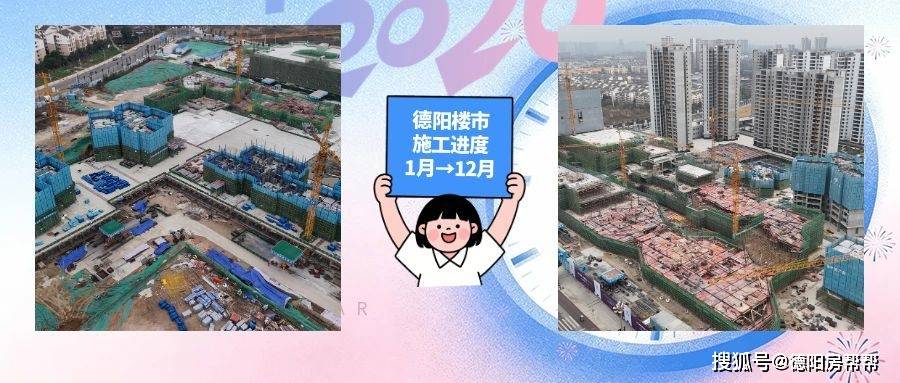
Group 1 - The article reflects on the construction progress of new residential buildings in 2026, highlighting significant advancements compared to January of the same year [2][30] - Various projects are mentioned, with some showing rapid progress, such as 中建旌城之星, which is set to deliver homes next year, and 恒大翡翠华庭三期, which has moved from completion to landscaping [9][19] - The article emphasizes the overall improvement in construction speed and quality of new developments, indicating a shift from previous issues in the industry [30] Group 2 - Infrastructure projects are also noted, with significant developments like 德阳博物馆 and 四川工程职业技术大学 showing rapid progress within a few months [33][44] - The article mentions ongoing projects such as 洪湖路大桥 and 德阳北站, which face complexities but are progressing steadily [40][42] - The overall sentiment is optimistic, suggesting that with time, substantial changes can occur in construction and urban development [30][46]
喜娜AI速递:今日财经热点要闻回顾|2025年12月26日
Xin Lang Cai Jing· 2025-12-26 12:10
Market Overview - The Shanghai Composite Index recorded an 8-day consecutive rise, with a trading volume of 2.16 trillion yuan, an increase of 235.7 billion yuan from the previous trading day, despite over 3,400 stocks declining [2][7] - The market showed significant sector divergence, with active performances in sectors like Hainan, non-ferrous metals, and commercial aerospace, while sectors like CPO and banking faced declines [2][7] Investment Fund Initiatives - The National Venture Capital Guidance Fund has officially launched, with three regional funds established in the Beijing-Tianjin-Hebei, Yangtze River Delta, and Guangdong-Hong Kong-Macao Greater Bay Area, expected to form a fund scale of 1 trillion yuan [3][8] - The fund aims to support strategic emerging industries and future industries, focusing on early-stage investments in sectors like integrated circuits and artificial intelligence, with at least 70% of investments directed towards seed and startup companies [3][8] Commodity Market Insights - A new La Niña phenomenon is forming, which could disrupt global agricultural supply chains, affecting crops like Brazilian soybeans and Chinese wheat, and potentially increasing energy demand in the Northern Hemisphere due to colder winters [2][7] - Recent predictions suggest that gold prices could reach $10,000 per ounce by 2026, driven by traditional factors like central bank demand and supply stagnation, alongside new institutional investor demand [3][8] Corporate Developments - Several A-share listed companies, including Baoshen Co. and Wanders, have recently secured large contracts, indicating a shift from "commodity output" to "technology and standard output," enhancing industry competitiveness [4][9] - The commercial aerospace sector is experiencing a surge in activity, with related stocks seeing significant gains following government support for emerging industries [4][9] Real Estate Sector Challenges - Major players in the real estate sector, known as the "South China Five Tigers," are facing severe challenges, with companies like Evergrande and Country Garden undergoing debt restructuring and operational difficulties [5][9] - This reflects a broader industry transition from "high leverage, high turnover" to "low debt, high quality," indicating a significant transformation within the real estate market [5][9] Cryptocurrency Market Volatility - Bitcoin experienced a dramatic flash crash, plummeting from $87,600 to $24,100 before quickly rebounding, highlighting issues related to liquidity and excessive leverage in the market [10]
地产数据监测:中国内地新房销售同比下降 45%;香港房价年初至今上涨 5%-Property Data Monitor_ Mainland China_ Primary sales down 45% Y_Y; HK_ Home prices up 5% YTD
2025-12-26 02:17
Summary of J.P. Morgan Property Data Monitor Industry Overview - **Industry**: Real Estate in Mainland China and Hong Kong SAR - **Key Focus**: Primary and secondary property sales, home prices, and market indicators Mainland China Insights - **Primary Sales**: - 60-city primary sales registrations decreased by **45% year-over-year (Y/Y)**, improving from a previous decline of **49%** [4] - **Secondary Sales**: - 12-city secondary sales registrations fell by **22% Y/Y**, an improvement from **26%** [4] - **Market Indicators**: - Centaline tier-1 cities secondary asking price index increased slightly from **17.3 to 17.7**, remaining low since May 2024 [4] - Centaline manager confidence index rose from **46 to 48** [4] - **Share Price Performance**: - The sector dropped by **2%** last week, underperforming the Hang Seng Index (HSI) which rose by **1%** [4] - Notable performers included Greentown Service (+2%), Vanke, and Jinmao (+1%), while Country Garden fell by **8%** [4] - **Top Picks**: - J.P. Morgan's top picks include CR Land, CR Mixc, and Jinmao, with a focus on higher beta in a policy-induced rally [4] Hong Kong SAR Insights - **Home Prices**: - The home price index increased by **1.1% week-over-week (W/W)**, reaching the highest level since May 2024, with a **5% increase year-to-date** [4] - Expected further growth of **5-7%** in 2026 [4] - **Centa Valuation Index (CVI)**: - The CVI remained elevated at **74.3**, indicating banks are revising property valuations upwards [4] - **New Launches**: - Grand Mayfair III launched a batch of **125 units** with an average selling price (ASP) of **HK$15.6K**, selling **28%** of the units [4] - One Park Place released a price list for **118 units** at **HK$15.9K psf**, with **73%** of the previous batch sold [4] - **Secondary Transactions**: - Secondary transactions in the top 35 estates dropped by **1% W/W**, totaling **73 units** [4] - **Share Price Performance**: - The sector was flat last week, underperforming the HSI (+1%), with outperformers including Champion REIT and NWD (both +5%) [5] Additional Insights - **Tourist Arrivals**: - Total tourist arrivals showed a **4% increase** week-over-week, with a **6% increase** year-over-year [52] - **Market Sentiment**: - The overall market sentiment remains cautious, with significant declines in primary sales indicating potential risks in the real estate sector [4][5] This summary encapsulates the key points from the J.P. Morgan Property Data Monitor, highlighting the current state of the real estate market in Mainland China and Hong Kong SAR, along with critical indicators and performance metrics.
2026年房地产行业年度策略 - 市场逐步探底向稳,龙头房企率先修复
2025-12-26 02:12
Summary of Real Estate Industry Conference Call Industry Overview - The real estate industry is experiencing a gradual stabilization after a significant downturn, with leading companies beginning to recover [1][2] - In 2025, the cumulative sales area of commercial housing decreased by nearly 50% compared to the peak in 2021, with a sales revenue decline of approximately 11% [1][4] - The new housing market continues to decline, while the second-hand housing market shows a slight increase in transaction volume [1][5] Key Market Indicators - For 2025, the overall core indicators of the real estate market are on a downward trend, with a projected 8% decrease in sales area and a 10% increase in land transaction prices [2] - The expected decline in new construction area for 2026 is about 14%, with sales area projected to decrease by 6% and development investment down by 8% [3][15] Inventory and Supply Dynamics - The narrow inventory (completed but unsold area) has a de-stocking cycle of approximately 20 months, while the broad inventory (including unsold properties under construction) has a cycle of 26 months [7] - New housing supply has significantly decreased, leading to a gradual reduction in inventory, although pressure remains [7] Land Market and Developer Investment - The average transaction price of residential land has slightly increased due to the availability of quality land in core cities, although overall land supply has decreased significantly in many cities [8][12] - Leading companies like China Overseas, Greentown, and Poly are leading in land acquisition, while larger firms are adopting a more cautious investment approach [12] Company Performance and Market Segmentation - Sales pressure is increasing, with top companies like China Resources Land, China Merchants Shekou, and Country Garden showing relatively stable performance compared to the overall market [9][11] - The property management sector is shifting focus from scale to efficiency, while the brokerage industry is expected to grow due to the increasing proportion of existing homes [10] Financial Challenges and Risks - Real estate companies face significant financial pressure, with a peak in debt maturities expected in 2025-2026, amounting to approximately 600 billion yuan in 2026 [13] - Companies with high overseas debt exposure, such as Sunac and Country Garden, are under greater stress due to higher costs compared to domestic financing [13] Policy Impact - Government policies are aimed at stabilizing the real estate market, including relaxing purchase restrictions and optimizing financial mechanisms [14] - Measures to stimulate demand and improve housing quality are being implemented, including increased issuance of special bonds and revitalizing existing land [14] Investment Recommendations - Recommended companies for investment include China Resources Land, China Merchants Shekou, New City Holdings, and Poly Development, as well as property management firms like China Resources Vientiane Life and Greentown Service [10][16] - In the brokerage sector, companies like Beike and I Love My Home are highlighted as potential beneficiaries of the recovery in the existing home market [10][16]
“突然无家可归”,魔方公寓多地“爆雷”:租客被清退,赔偿方案全无 | BUG
Xin Lang Cai Jing· 2025-12-26 00:56
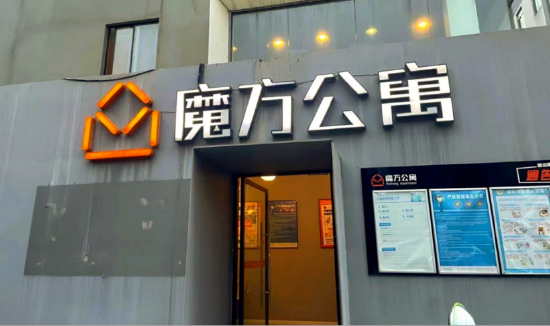
Core Viewpoint - Mofang Apartment is facing a crisis due to overdue rent payments to landlords and forced evictions of tenants across multiple cities, including Shanghai, Guangzhou, Wuhan, and Xi'an, leading to significant disruptions in tenants' lives [2][4][19]. Company Overview - Mofang Apartment, a pioneer in the concentrated long-term rental apartment sector in China, operates on a "lease-and-sublease" model, renting entire buildings from landlords, renovating them, and then subletting individual rooms to tenants [11][26]. - The company has experienced financial difficulties, with a debt ratio reaching 85% in 2022 and a history of failed IPO attempts [3][18][28]. Financial Performance - Mofang's revenue increased from 950 million yuan to 1.71 billion yuan between 2020 and 2022, with a notable growth rate of 55% from 2020 to 2021, which slowed to 16.5% from 2021 to 2022 [28][29]. - Despite revenue growth, the company has faced significant net losses, recording losses of 230 million yuan in 2020 and 247 million yuan in 2022, with a peak net profit of 302 million yuan in 2021 [28][29]. Operational Challenges - The company has been criticized for its "high collection, low rent" model, which has become unsustainable due to tightening cash flow and high operational costs [3][18][26]. - Many of the properties currently facing tenant evictions were contracted during a period of high rental prices in 2016-2017, leading to long-term contracts that are now unprofitable [11][26]. Tenant Issues - Tenants have reported abrupt notifications of contract terminations and have faced utility disconnections due to Mofang's failure to pay rent, with some tenants claiming they are owed significant amounts in deposits and prepaid rent [4][21][23]. - In some cases, new operators have taken over contracts, but the transition has been poorly managed, with Mofang's personnel reportedly absent during the handover process [22][23]. Industry Context - The long-term rental apartment industry is grappling with challenges related to high operational costs, low rental returns, and the need for efficient management to maintain cash flow [11][26]. - Mofang's situation reflects broader issues within the industry, including the balance between rapid expansion and financial sustainability, raising questions about tenant and landlord rights [28][29].
从摘地到开盘,2025西安楼市谁最快?
Sou Hu Cai Jing· 2025-12-25 23:22
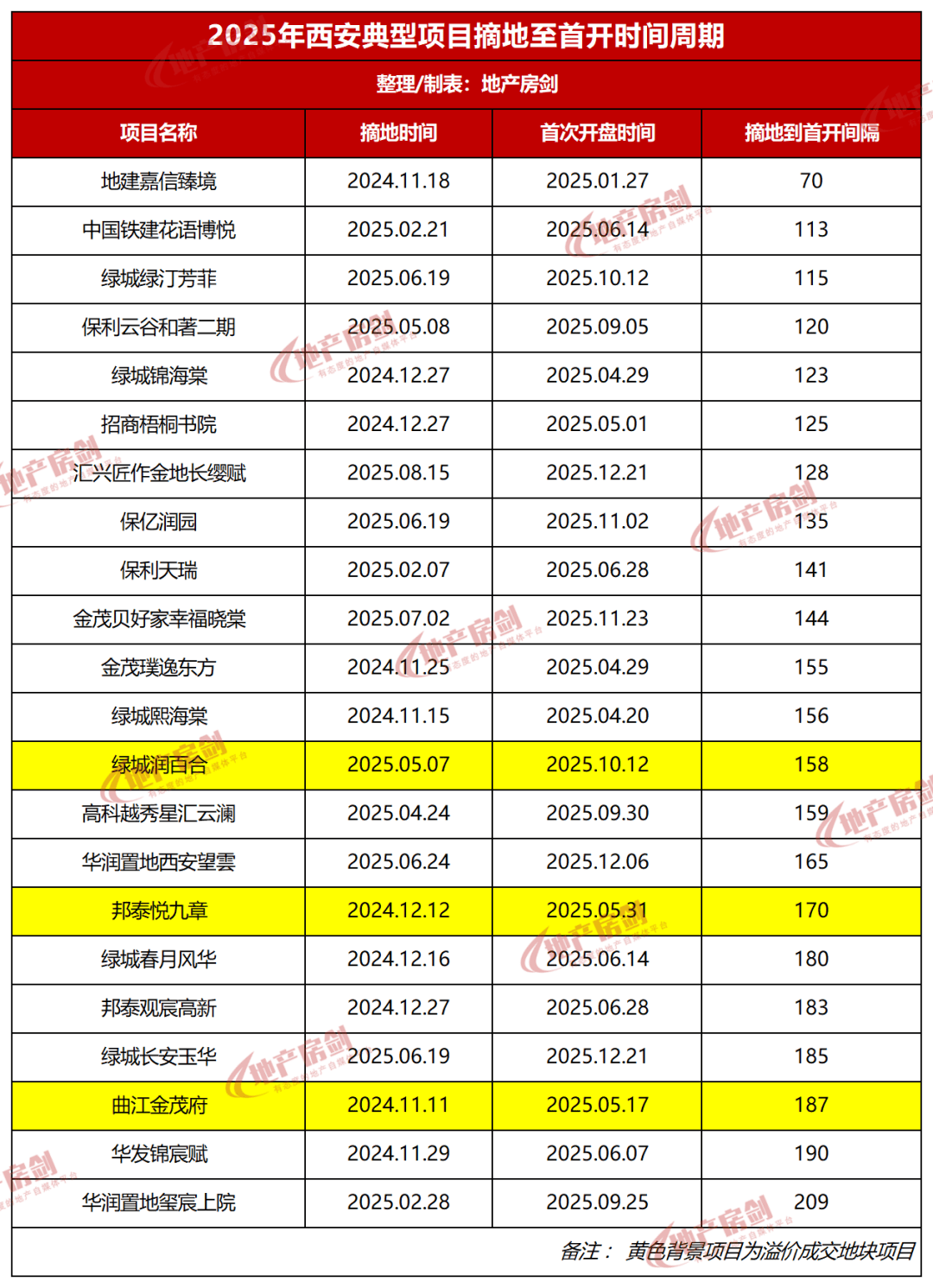
Core Viewpoint - The speed of project development has become a key competitive factor among developers in Xi'an's real estate market, with a noticeable trend of shortening the time from land acquisition to project launch, which is crucial for cash flow and market positioning [1][8]. Group 1: Project Development Speed - In 2025, the standard for new projects in Xi'an is to have a time frame of 4 to 5 months from land acquisition to opening [1][2]. - Among 22 typical projects analyzed, the fastest three from land acquisition to first opening are: - Di Jian Jia Xin Zhen Jing: 70 days - China Railway Construction Hua Yu Bo Yue: 113 days - Green City Green Ting Fang Fei: 115 days [3][4]. - The previous record was held by Poly Yun Gu and Zhuo Phase 1, which took only 55 days from land acquisition to opening [5]. Group 2: Factors Influencing Speed - The ability to achieve such rapid development is largely due to the pre-completion of planning and construction before land acquisition, particularly for projects acquired through directed bidding [8]. - Adjustments in pre-sale policies have also contributed to reducing the time developers need to recoup funds [9]. - Publicly auctioned land also shows rapid project speeds, with some projects achieving openings within 170 to 187 days [11]. Group 3: Financial Efficiency and Market Positioning - Developers prioritize speed to enhance financial efficiency, as quicker fund recovery reduces costs and allows for reinvestment into new projects, leading to higher profit margins [13]. - Early market entry is crucial, especially in emerging hotspots, as projects that launch first can capture market share more effectively than those that follow [14]. - The local business environment, developer financial strength, and collaboration with partners are essential for maintaining high-speed development [14]. Group 4: High Turnover and Quality Perception - High turnover in real estate is not inherently negative; it reflects efficient resource utilization rather than just financial leverage [16]. - The perception that high turnover correlates with lower quality is misleading, as developers often slow down post-opening to ensure quality while maintaining speed in the pre-sale phase [19].