华为技术有限公司

Search documents
佛山市纺织服装产业协同创新发展大会在禅城举行 “织梦行动”重塑佛山纺织产业
Guang Zhou Ri Bao· 2025-09-26 01:13
Core Insights - The textile and apparel industry in Foshan is undergoing significant self-reform in response to global supply chain restructuring and consumption upgrades, with a focus on collaborative innovation and high-quality development [1] Group 1: Industry Transformation - The "Weaving Dream Action" collaborative mechanism is being led by the government to enhance synergy among over 8,000 textile and apparel enterprises in the region [1] - The textile industry in Zhanjiang District is concentrated in Zhangcha and Zhumiao streets, with Zhangcha recognized as a "Chinese Knitting Town" housing over 5,800 knitting enterprises and an industrial output value of approximately 16.7 billion [1] - Zhumiao street, known for children's clothing, has over 2,000 related enterprises and an industrial output value of about 0.94 billion, forming a relatively complete industrial chain [1] Group 2: Action Plan - The "Weaving Dream Action Plan" aims to establish a full-chain collaborative innovation mechanism, focusing on 14 key tasks including innovation research and development, artificial intelligence, and brand marketing [2] - By 2027, the plan targets an industrial output value exceeding 20 billion and retail revenue surpassing 25 billion, with the establishment of over 5 high-tech enterprises in the textile sector [2] - By 2030, the goals include an industrial output value exceeding 25 billion and retail revenue surpassing 30 billion, with over 10 new high-tech enterprises recognized [2] Group 3: Soft Power and Ecosystem - The "Zhancheng Quality Products" and "Dream Partners" initiatives emphasize the importance of soft power in industry competition, with 19 enterprises receiving the "Zhancheng Quality Products" certification [3] - The certified enterprises demonstrate strong R&D capabilities and brand influence across the entire industrial chain, aiming to drive high-quality, brand-oriented, and innovative development [3] - The first batch of 23 "Dream Partners" includes various entities such as universities and industry associations, focusing on design, AI applications, and brand building [4] Group 4: Collaborative Development - The establishment of the "China (Zhangcha) School Uniform Industry Innovation Base" and the "Foshan Textile and Apparel Supply Chain Service Center" marks a shift towards full-chain collaborative development [6] - These platforms will integrate resources for design, material supply, and brand operation, providing systematic support for local enterprises [6] - Strategic cooperation agreements with associations from other regions aim to promote Foshan's manufacturing on international fashion stages [6] Group 5: Future Outlook - The "Weaving Dream Action" is seen as a key measure for promoting high-quality development in the textile industry, with a focus on resource integration and collaborative effects [7] - The initiative aims to enhance the competitiveness of Foshan's textile and apparel industry both nationally and globally through collaboration among the five districts [7] - The future of the industry relies on shared innovation resources and market expansion, fostering a diverse and vibrant development landscape [7]
对话雷军:小米汽车是全网被黑最惨的品牌之一
Xin Lang Ke Ji· 2025-09-26 00:22
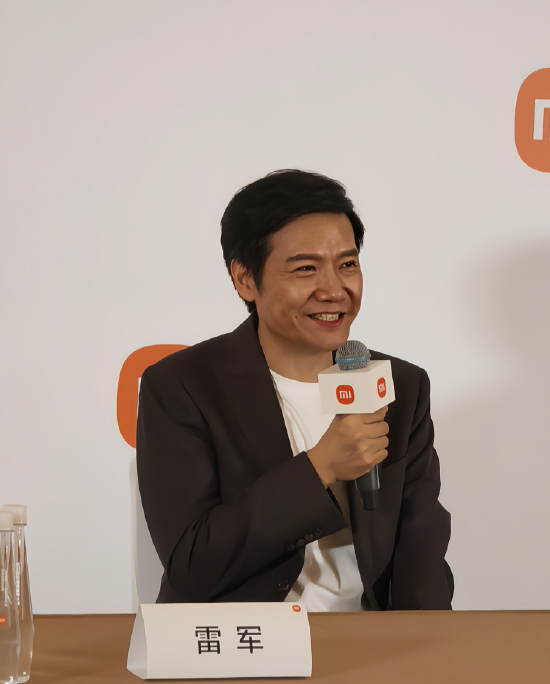
文 | 新浪科技 张俊、周文猛、张奥 "iPhone 17系列的牙膏挤爆了,但小米17系列在很多技术上都要领先。" 9月25日晚间的年度演讲后,小米集团董事长、CEO雷军与媒体展开长达1小时的对话。 雷军直言,小米要敢于对标苹果,甚至超越苹果。"今天大家需要重新认识一下小米手机了,因为小米 17这一代的产品力是跨代升级的,非常炸裂。" 提到小米汽车,他表示,小米汽车成为全网被黑的最惨的品牌之一,对于打击黑水军黑公关,小米举双 手支持。他认为,汽车市场很大,国产汽车都在进步和成长的阶段,没必要搞得很难看。 谈iPhone 17:牙膏挤爆了,但我们很多都领先 在小米17系列正式发布前,小米16直接改名小米17引发广泛关注。 雷军在对话中分享了改名背后的原因,他指出,"我们通过改名这个行动,是希望让大家重新认识一下 小米手机,重新表达我们敢于挑战世界第一的决心。" "改名引起的舆情令我挺惊讶的,我觉得主要原因我们小米做手机15年了,有很多人对小米有一些刻板 的印象,甚至看法很固执""今天大家需要重新认识一下小米手机了,因为小米17这一代的产品力是跨代 升级的,非常炸裂,跟iPhone17全系列相比,有很多地方都超越 ...


全光运力成为数字经济高质量发展新引擎
Zheng Quan Ri Bao· 2025-09-25 17:26
Core Insights - The development of all-optical capacity networks is crucial for the digital economy, enabling efficient access to computing power and driving digital transformation [1][2] - The China Academy of Information and Communications Technology (CAICT) emphasizes the importance of all-optical capacity as a key component for high-quality development in computing infrastructure [1][2] Industry Developments - The forum held by CAICT discussed the construction of all-optical capacity networks to support millisecond-level computing access across various industries [1][2] - Recommendations were made to enhance capacity planning, strengthen network technology, and accelerate the integration of computing and networking services [2] Technological Advancements - Telecom companies are leading the construction of all-optical capacity networks, with China Unicom and China Mobile outlining their strategies to enhance computing capabilities and expand application scenarios [4] - Internet companies are also actively developing solutions, such as edge GPU computing pools, to leverage all-optical networks for cloud computing services [4] Market Opportunities - The demand for all-optical capacity is driving companies in the optical module sector, such as Zhongji Xuchuang and NewEase, to accelerate the development of high-speed optical modules [5] - Companies like Longfei Fiber and Hengtong Optics are focusing on new fiber technologies to support long-distance, high-capacity transmission [5] Business Model Transformation - The evolution of all-optical capacity is not just a technological upgrade but also a transformation in business models, making computing power as accessible as utilities like water and electricity [6]
雷军开讲 “机圈”风起
Bei Jing Shang Bao· 2025-09-25 16:53
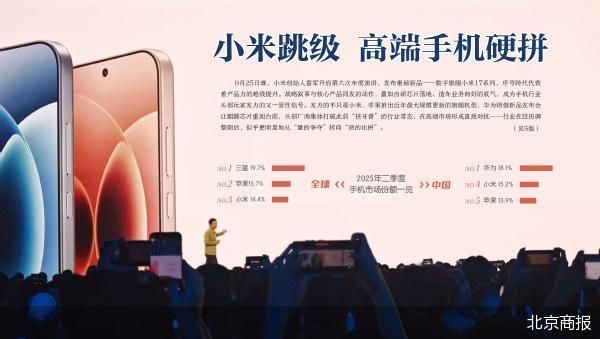
Core Insights - Xiaomi has undergone significant transformation over the past five years, including self-developed chips and automotive production, marking a pivotal change in its trajectory [1][3] - The launch of the Xiaomi 17 series, skipping the "16" designation, symbolizes a leap in product capability [1] - The competitive landscape is intensifying with major players like Apple and Huawei also making significant advancements in their product offerings [1][5] Xiaomi's Strategic Shift - The year 2025 is identified as a transformative year for Xiaomi, with stock prices surpassing 40 HKD and a market capitalization exceeding 1 trillion HKD [3] - Xiaomi's self-developed Xuanjie series chips represent a key technological breakthrough, supporting its strategic shift towards becoming a hard-tech company [3][4] - CEO Lei Jun's personal involvement in promoting the Xiaomi 17 series signifies a substantial enhancement in product strength [3] Industry Competition - In Q2 2025, Samsung leads the global smartphone market with a 19.7% share, followed by Apple at 15.7%, and Xiaomi at 14.4% [5] - In the Chinese market, Huawei has reclaimed the top position with an 18.1% share, while Xiaomi ranks fourth at 15.2% [5] - Apple and Huawei have recently showcased their advancements, with Apple launching the iPhone 17 series and Huawei reintroducing its Kirin chip [5][6] Differentiation Strategies - OPPO has adopted a strategy focusing on system ecosystem improvements, launching ColorOS 16 to enhance user experience, which includes a 40% increase in app responsiveness [7][8] - This approach allows OPPO to avoid direct competition with Xiaomi and Huawei in hardware while solidifying its position in the mid-range market [7][9] - The smartphone industry is facing diminishing returns on traditional hardware innovations, prompting a shift towards software experience as a key differentiator [8][9] Market Dynamics - The smartphone market has transitioned into a phase of competition for existing customers, with companies needing to either offer groundbreaking products or engage in price wars [8][9] - The current competitive environment is seen as the beginning of a new cycle, with the potential for significant industry restructuring as companies adapt to market pressures [9]
雷军,刷屏!造芯片、解密YU7大卖、发布小米17新机,信息量大
券商中国· 2025-09-25 15:20
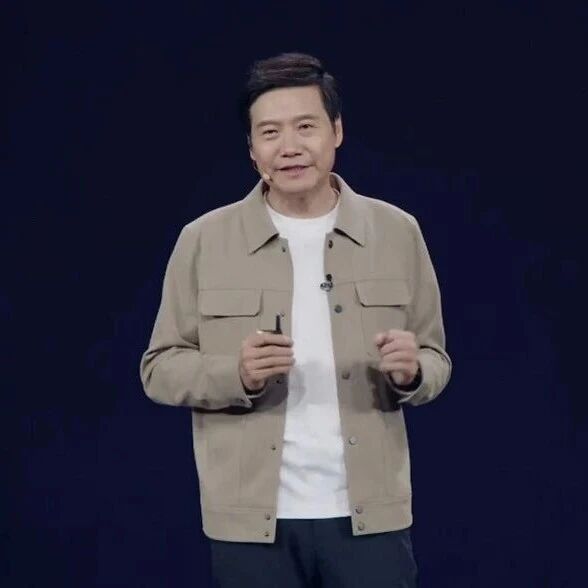
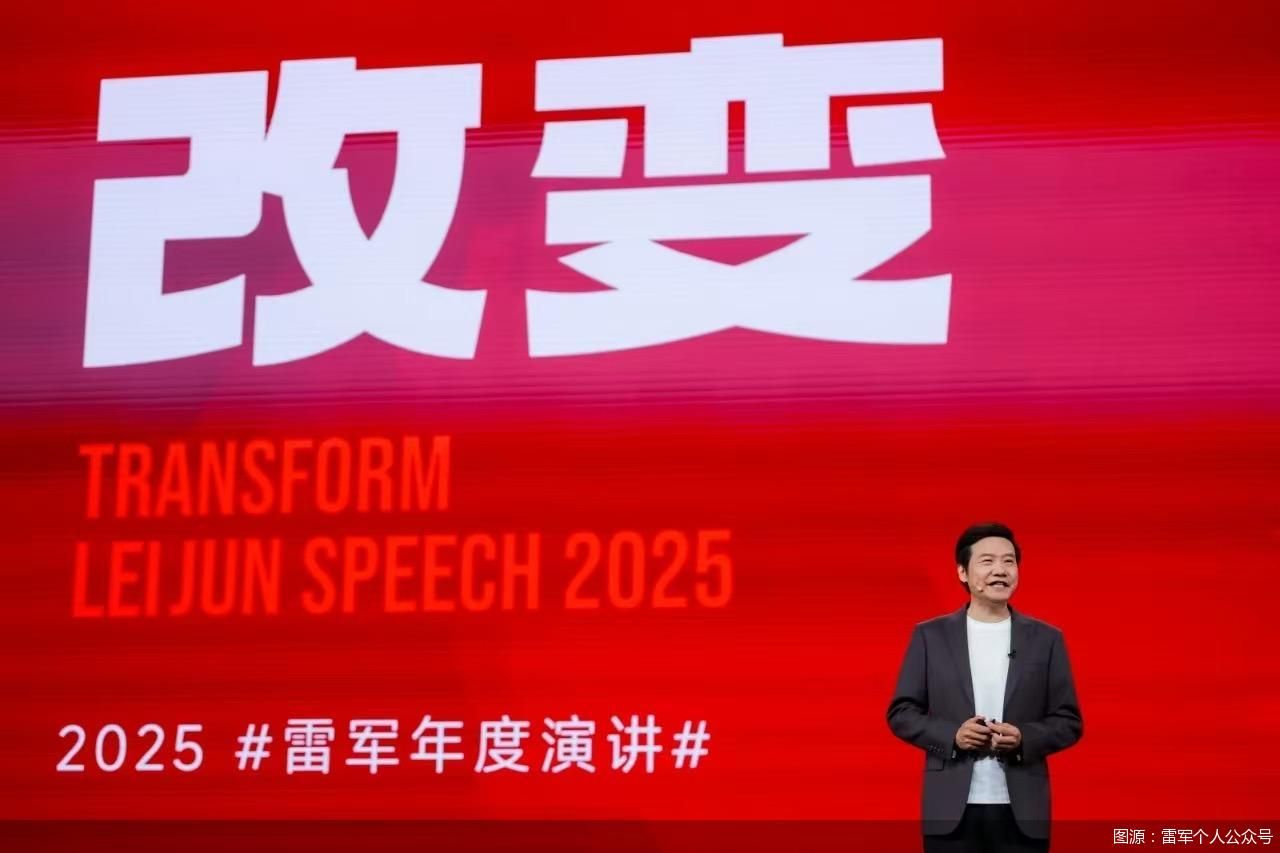
Core Viewpoint - The annual speech by Lei Jun, founder and CEO of Xiaomi Group, emphasized the theme of "Change," highlighting the importance of self-developed chips and the company's venture into the automotive industry as essential for future success [2][4]. Group 1: Chip Development - Xiaomi's journey in chip development began in 2014 with the establishment of Pinecone Electronics, but after the release of the "Surge S1," the company halted SoC chip development due to challenges faced [4][5]. - Lei Jun stated that self-developed chips are crucial for Xiaomi's success, asserting that top global tech giants have become chip leaders, and Xiaomi must follow this path despite the complexities involved [5][6]. - In a pivotal meeting in 2022, Lei Jun emphasized the long-term value of investing in chip development, stating that even if the company does not succeed, it will cultivate a strong chip R&D team and transform the company's quality [6][7]. Group 2: Automotive Ventures - Xiaomi's automotive project, the SU7 Ultra, was initiated in December 2021, aiming to compete with luxury brands like Porsche and Tesla. However, the project faced challenges, leading to the temporary suspension of the Ultra variant [7]. - The YU7 model achieved remarkable sales, with over 200,000 units reserved within three minutes of its launch, showcasing the potential impact of Xiaomi's automotive ambitions on the industry [7][8]. Group 3: New Product Launch - The Xiaomi 17 series was launched during the autumn product release event, with the standard version starting at 4,499 yuan. The series features advanced technology, including the fifth-generation Snapdragon 8 processor and a 7,000mAh battery, which significantly outperforms competitors like the iPhone 17 [8][9]. - The Xiaomi 17 series is marketed as the "king of small-size endurance," with a battery capacity nearly double that of the iPhone 17, and it incorporates innovative materials to enhance energy storage [8][9].
雷军开讲,机圈枪响
Bei Jing Shang Bao· 2025-09-25 15:10
Core Insights - Xiaomi's founder Lei Jun emphasized the company's transformation over the past five years, highlighting advancements in self-developed chips and automotive production, marking a significant shift in its trajectory [1][6] - The launch of the Xiaomi 17 series, featuring the Snapdragon 8 Gen 2 and large battery capacities, is positioned as the strongest smartphone in the company's history, with competitive pricing [1][5] - The smartphone industry is entering a new competitive cycle, with major players like Apple and Huawei also making significant updates to their product lines [2][10] Group 1: Xiaomi's Transformation - Xiaomi's stock price surpassed HKD 40 for the first time on February 4, 2025, reaching a market capitalization of HKD 1.004 trillion, entering the trillion-dollar market cap club [5] - The launch of the self-developed "玄戒" series chips marks a critical technological breakthrough for Xiaomi, supporting its transformation into a hard-tech company [5][6] - Lei Jun's personal involvement in promoting the Xiaomi 17 series represents a significant enhancement in product strength, as he had not previously promoted the flagship series [5][6] Group 2: Competitive Landscape - In Q2 2025, Samsung leads the global smartphone market with a 19.7% share, followed by Apple at 15.7% and Xiaomi at 14.4% [8] - Huawei has regained the top position in the Chinese market with an 18.1% share, while Xiaomi ranks fourth at 15.2% [8] - Apple's market share in the high-end segment (priced above $600) has declined from 75% in 2022 to 54% in 2024, while Huawei's share has increased from 12% to 29% in the same period [8][9] Group 3: Industry Trends - The smartphone industry is experiencing a "golden September and silver October," indicating a renewed competitive atmosphere among major players [3][10] - OPPO is focusing on software ecosystem improvements with its ColorOS 16, aiming to enhance user experience and differentiate itself from competitors [12][13] - The industry is facing challenges in innovation, with companies needing to either produce cross-generation products or engage in price wars to attract users [14][15]
雷军:押上家底,造车造芯
21世纪经济报道· 2025-09-25 14:46
Core Viewpoint - The core theme of the annual speech by Lei Jun is "Change," emphasizing the dual evolution of corporate and personal cognition, which has led to strategic upgrades in Xiaomi's business model, particularly in the automotive and semiconductor sectors [3][8]. Group 1: Investment in Core Technologies - Xiaomi's significant breakthroughs in the automotive and semiconductor fields stem from a deep reflection five years ago, leading to a commitment to invest in core technologies [3][5]. - Over the past five years, Xiaomi has invested over 100 billion yuan in R&D, with 48.6% of its workforce dedicated to these sectors [6]. Group 2: Strategic Decisions and Challenges - The simultaneous decision to enter the automotive and semiconductor markets is likened to the pressure of sending two children to college, highlighting the long-term investment required [5]. - The complexity of these ventures involves managing extensive supply chains and significant R&D investments, which are critical for overcoming the barriers of capital, technology, and talent [6]. Group 3: High-End Market Strategy - Xiaomi's high-end strategy is exemplified by the SU7 Ultra model, priced at 500,000 to 600,000 yuan, which has exceeded market expectations [10]. - The transition to high-end products is supported by technological advancements and collaborations, such as with Leica, moving from a "cost-performance" label to a focus on user experience [11]. Group 4: Talent Acquisition and Financial Strategy - The company emphasizes the importance of talent acquisition and financial resources as key survival strategies during its transformation [13]. - Xiaomi faces challenges in attracting high-end talent necessary for its automotive and semiconductor initiatives, necessitating a dual approach of internal promotions and external recruitment [13]. Group 5: Ecosystem Development - The launch of the Xiaomi 17 series and other products reflects a clear ecological blueprint aimed at enhancing the overall value of its ecosystem [14]. - The integration of the new operating system with various product lines aims to create a seamless user experience, reinforcing Xiaomi's competitive position in the market [14].
启境汽车任命刘嘉铭为CEO,广汽华为深度融合释放“高含华量”信号
21世纪经济报道· 2025-09-25 11:08
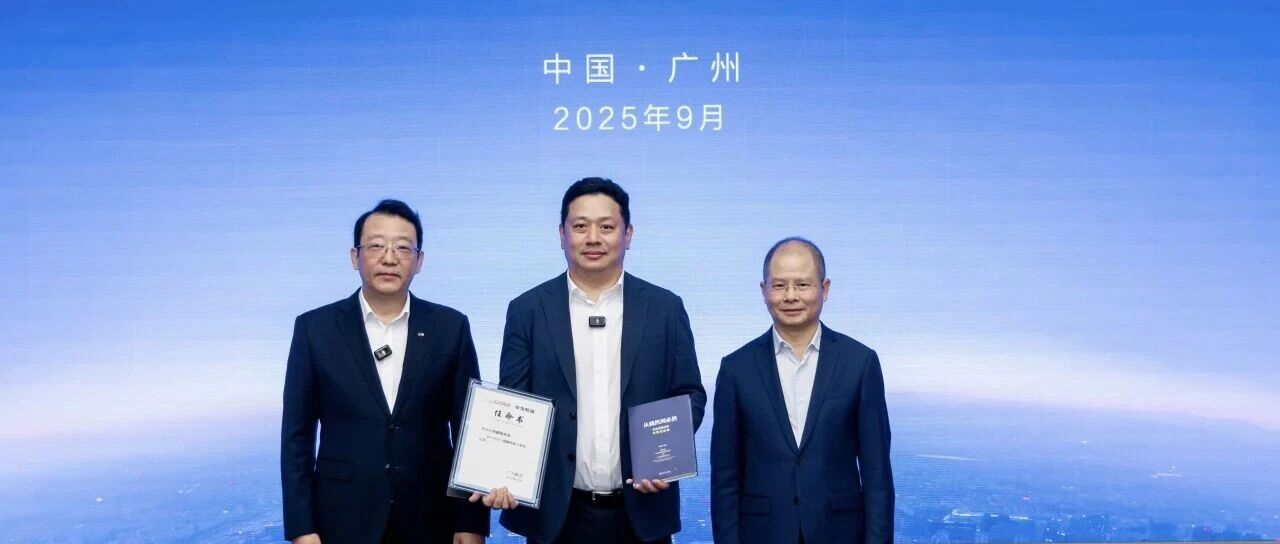
Core Viewpoint - The appointment of Liu Jiaming as CEO of Qijing Automotive marks a significant step in the operational phase of the high-end smart electric vehicle brand jointly created by GAC Group and Huawei, indicating a shift from capital and technical collaboration to integrated systems and joint governance [1][3]. Group 1: Leadership and Strategic Direction - Liu Jiaming brings over 25 years of experience in the automotive industry, having worked within the Toyota system and GAC Group, and is known for leading successful product planning and sales reforms [3]. - The joint appointment of the CEO by both GAC and Huawei signifies the highest strategic priority for the Qijing brand within both organizations [3]. Group 2: Collaborative Framework - Starting January 2025, Huawei and Qijing teams will operate in a co-located office, allowing for deep involvement in the entire product lifecycle from definition to marketing, breaking traditional segmented cooperation models [5]. - Huawei's introduction of its core Integrated Product Development (IPD) and Integrated Product Marketing System (IPMS) processes into Qijing ensures a seamless collaboration that enhances decision-making and operational efficiency [5]. Group 3: Market Positioning and Technological Integration - Qijing aims to redefine the high-end electric vehicle market by leveraging GAC's 28 years of manufacturing experience and Huawei's comprehensive capabilities in smart driving technology [11]. - The collaboration is positioned as a model for the automotive industry, transitioning Huawei from a supplier to a deep partner in smart vehicle solutions, while GAC evolves into a technology-driven mobility company [12]. Group 4: Future Outlook - The leadership change signifies the completion of Qijing's system capability construction and the beginning of an accelerated phase, aiming to transform resource advantages into competitive product strengths [13]. - Qijing represents a pivotal move for the Chinese automotive industry towards high-end and global markets, emphasizing the integration of technology and manufacturing [13].

华为、比亚迪押注,上海跑出一家工业软件IPO,微软前员工任董事长
3 6 Ke· 2025-09-25 10:59
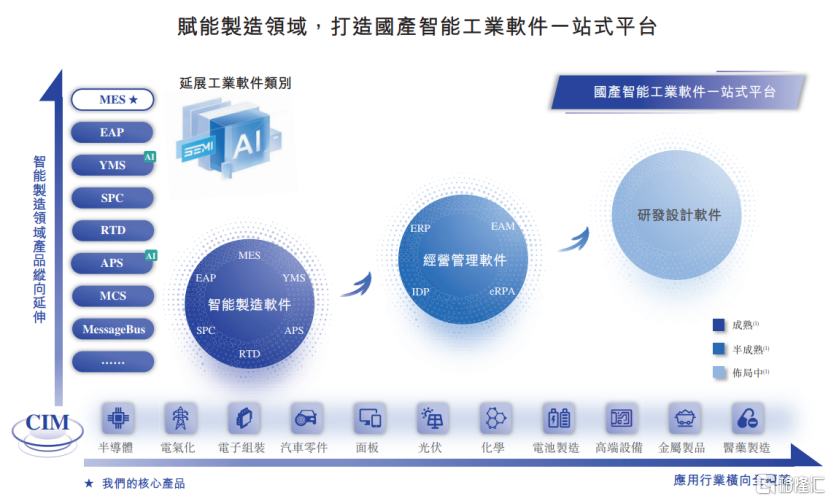
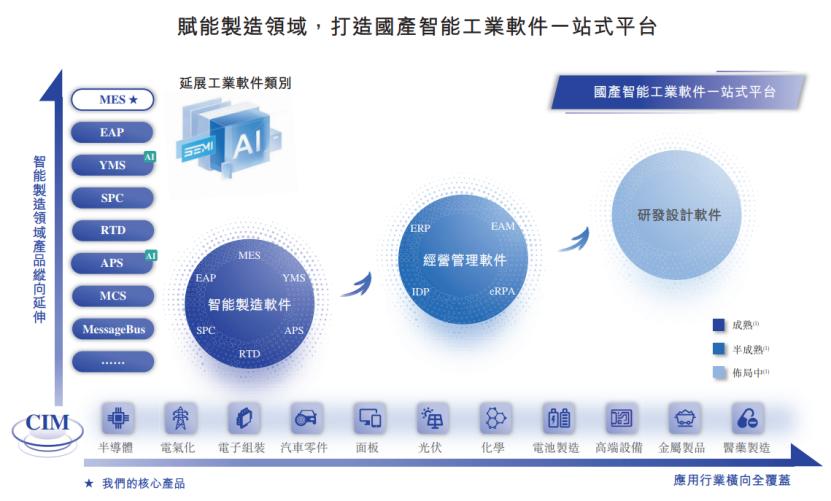
Core Viewpoint - China's manufacturing industry remains the largest globally for 14 consecutive years, providing a robust foundation for the industrial software market, which is projected to reach CNY 2,940 billion in 2024 and CNY 4,670 billion by 2029, with a CAGR of 9.7% [1] Company Overview - Semitron Information Group Co., Ltd. (referred to as "Semitron") is a leading provider of intelligent industrial software solutions in China, headquartered in Shanghai, and has recently submitted an IPO application to the Hong Kong Stock Exchange [1][2] - The company was established in 2017 and has since expanded its product offerings, including automation software for various industries [2] - Semitron has received multiple rounds of financing, with a post-investment valuation of approximately CNY 6.383 billion as of December 2023 [2] Financial Performance - Semitron's revenue from intelligent manufacturing software solutions has decreased slightly but remains above 70%, while revenue from management software solutions has increased from 0.5% to 28.6% during the reporting period [7] - The company recorded revenues of approximately CNY 1.81 billion in 2022, CNY 2.87 billion in 2023, and projected CNY 5 billion in 2024, with a net profit of CNY 2.4565 million in 2023 [9][11] - Operating cash flow has been negative, with net outflows of approximately CNY 71 million in 2022 and CNY 88.3 million in 2023, which may limit the company's operational funding [8] Market Position - The advanced industrial intelligent manufacturing software market in China is projected to grow from CNY 171 billion in 2020 to CNY 310 billion in 2024, with a CAGR of 16.1% [13] - Semitron holds a 1.5% market share in the advanced industrial intelligent manufacturing software sector, ranking first among domestic companies, but faces competition from major players like Siemens and GE [16] Product Offerings - Semitron provides a wide range of intelligent manufacturing software solutions, including MES, EAP, YMS, SPC, and more, primarily targeting large state-owned enterprises [4][7] - The company plans to develop its own ERP software to enhance market share and meet domestic innovation trends [4] Leadership - The chairman and CEO, Li Gangjiang, has over 20 years of experience in the software industry, having previously worked for major tech companies like Microsoft and Google [3][2]

赛美特港股IPO,华为、比亚迪入股,经营活动现金流承压
Ge Long Hui· 2025-09-25 10:33
Core Viewpoint - The Chinese industrial software market is projected to grow significantly, reaching CNY 2,940 billion in 2024 and CNY 4,670 billion by 2029, with a compound annual growth rate (CAGR) of 9.7% [1] Company Overview - Semitron Information Group Co., Ltd. (referred to as "Semitron") is a leading provider of intelligent industrial software solutions in China, headquartered in Shanghai [2] - The company was established in 2017 and became the first domestic vendor to sign a contract with a 12-inch wafer fab in 2019 [2] - Semitron has received multiple rounds of financing, with a post-investment valuation of approximately CNY 6.383 billion as of December 2023 [2] - The chairman and CEO, Li Gangjiang, has over 20 years of experience in the software industry, having previously worked for major tech companies like Microsoft and Google [3] Revenue and Financial Performance - Over 70% of Semitron's revenue comes from intelligent manufacturing software solutions, while the revenue from management software solutions has increased from 0.5% to 28.6% during the reporting period [4][7] - The company recorded revenues of approximately CNY 1.81 billion in 2022, CNY 2.87 billion in 2023, and is projected to reach CNY 5 billion in 2024 [9] - Semitron turned a profit in 2023, with a net profit of CNY 24.57 million, after previously reporting a loss of CNY 80.91 million in 2022 [9] - The gross margin has fluctuated, with rates of 42.4% in 2022, 44% in 2023, and 39.6% in 2024, reflecting competitive pricing pressures and increased operational costs [9][10] Market Position and Competition - The advanced industrial intelligent manufacturing software market in China is expected to grow from CNY 171 billion in 2020 to CNY 310 billion by 2024, with a CAGR of 16.1% [13] - Semitron holds a 1.5% market share in the advanced industrial intelligent manufacturing software sector, ranking first among domestic companies [16] - The market is currently dominated by foreign giants, but domestic companies are rapidly emerging due to increasing demand for localized and controllable software solutions [16] - Semitron faces competition from established players such as Siemens, GE, and Hikvision, as well as risks related to accounts receivable [16]