万代

Search documents
对创业公司来说,做强比做大更重要
创业家· 2025-08-11 10:09
Core Viewpoint - The core values of entrepreneurial companies should be pragmatic, emphasizing strength over size, quality over quantity, content over form, and facts over feelings, with a focus on data-driven decision-making [1] Group 1: Japanese Brand Insights - Japanese consumer market changes provide a "future laboratory" for Chinese consumer brands, offering predictive insights into the evolution of consumption over the next decade [7] - The three core philosophies of enduring Japanese brands include supply chain-driven private brand (PB) products, continuous iteration of big niche products, and defining lifestyles that resonate emotionally with consumers [8][10][11] Group 2: Supply Chain and Product Development - Kobe Bussan utilizes a vertically integrated supply chain to achieve extreme cost-effectiveness, operating over 1,000 stores with a scale of 20 billion RMB [10][18] - 7-11 employs data from its extensive chain to guide the development of PB products that meet latent consumer needs, enhancing store performance by 120% through single product development [10][17] - Nitori, Japan's furniture giant, applies automotive supply chain standards to achieve continuous revenue growth for 36 years [10] Group 3: Product Iteration and Market Response - Kikkoman has evolved from producing soy sauce to creating a soy sauce culture, continuously meeting consumer demands through technological development [10] - Shiseido employs a layered brand and product strategy to cater to both high-end markets and cost-sensitive consumers [10][19] Group 4: Lifestyle Definition and Emotional Connection - Bandai focuses on developing products that tap into fundamental human desires, creating items that are both entertaining and addictive [12] - Muji redefines user experience with its no-logo, affordable products, reflecting lifestyle changes post-economic bubble [12][22] Group 5: Learning and Networking Opportunities - The "Black Horse Global Study Tour" in Japan aims to explore innovative opportunities in the Chinese consumer market, featuring insights from industry leaders and successful entrepreneurs [3][4][14] - Participants will engage in discussions and visits to key companies, gaining practical knowledge on supply chain management, product development, and consumer engagement strategies [14][15][16][19]


朱啸虎:未来5到10年,中国还有三个巨大的时代红利
创业家· 2025-08-09 10:45
Group 1 - The article identifies three major market opportunities in China over the next 5-10 years: the elderly population, pet ownership, and the chain retail industry [3][5][7] - The elderly population is growing by 20 million each year, representing a significant consumer base with disposable income and time to spend [3][4] - Pet ownership is on the rise, with households treating pets as family members, leading to substantial monthly expenditures [5][6] Group 2 - The chain retail sector in China has a much lower penetration rate compared to the US, Japan, and Hong Kong, indicating a substantial growth opportunity [7][8] - The article emphasizes that earning from these emerging market trends is easier and more lucrative than traditional methods [8] - A learning trip to Japan is planned to explore how the aging economy has fostered successful business models, featuring well-known companies like Muji and 7-Eleven [9][10] Group 3 - The article discusses the importance of understanding Japanese consumer market changes as a predictive model for China's future consumption evolution [14] - It highlights three core philosophies of successful Japanese brands: supply chain-driven private brand products, continuous iteration of key products, and defining lifestyles that resonate emotionally with consumers [15][16][17] - The insights gained from Japan's experience can help Chinese brands navigate the challenges of a low-growth environment and connect with consumers effectively [14][18]

2025年东南亚潮玩市场考察报告-广东省玩具协会
Sou Hu Cai Jing· 2025-08-09 07:02
Core Insights - The Southeast Asian trendy toy market is rapidly developing, with a projected market size of approximately $2.5 billion in 2024 and an expected annual growth rate of 20%, making it a core market for Chinese trendy toy brands to expand into [1][11][15]. Market Overview - The region has significant advantages, including a young population of 688 million, with a median age of 30.5 years, indicating substantial consumer potential [1][46]. - Cultural proximity to China and the presence of a large Chinese community serve as natural bridges for market entry [1][50]. - Trade agreements like RCEP enhance trade facilitation and supply chain collaboration [1][52]. Market Structure - The market is characterized by a structure where Chinese brands dominate the mass market, while brands from Europe, the US, and Japan lead in niche segments, and local brands are still emerging [1][15]. - Chinese brands hold an 80% share of the mass market, leveraging supply chain and marketing advantages [1][59]. - Local brands, such as Singapore's Mighty Jaxx, are still in the nascent stage [1][59]. Sales Channels - Physical retail channels dominate, including global chains (e.g., Toys "R" Us), Chinese brand stores (e.g., Pop Mart, KKV), local channels (e.g., Thailand's Mega Plaza), and vending machines [1][59]. - Online platforms like Shopee, Lazada, and TikTok Shop are primary sales channels [1][59]. Consumer Demographics - The primary consumer demographic is aged 15-35, with over 60% being female, emphasizing the importance of instant gratification and social attributes in purchasing behavior [1][46]. - Preferences vary by country, with Vietnam favoring Chinese mech models and Thailand leaning towards functional trendy toys [1][46]. Challenges for Companies - Companies face challenges such as cultural and religious differences, varying policies and regulations, homogenization of products, and talent shortages [2][12]. - It is recommended that companies adopt differentiated strategies, integrate local culture into products, innovate membership models, and enhance digital capabilities [2][12]. Future Outlook - The Southeast Asian trendy toy market is expected to continue its rapid growth, with significant opportunities for Chinese brands to expand their presence [1][15]. - The market's competitive landscape is likely to evolve, necessitating a deeper understanding of consumer demand and supply chain optimization for future success [15][15].



第十五届中国国际动漫博览会开幕,潮玩服务站落户东莞石排
Nan Fang Du Shi Bao· 2025-08-08 15:37
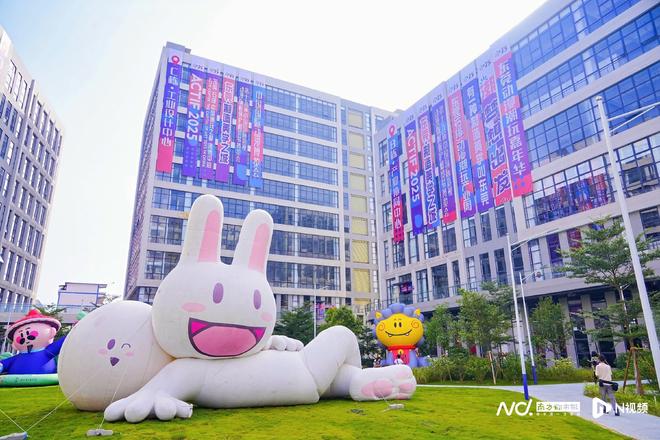
Group 1 - The 15th China International Animation and Comic Copyright Protection and Trade Expo opened in Dongguan, featuring over 600 enterprises from more than 40 countries and regions, showcasing over 2000 IPs, marking a record high [1][3] - The theme of the expo is "Tide Dreams Start Here," with the establishment of multiple centers and platforms aimed at integrating the animation industry and enhancing the operational model from a single exhibition to a full industry chain park [3] - The expo highlights "AI + Animation," featuring a dedicated area for showcasing cutting-edge technologies in animation creation, including VR experiences and AI-driven interactive systems [3] Group 2 - The "National Technology and Trade Evaluation Workstation Toy Service Station" was officially established in Dongguan, providing a "green channel" for Chinese toy exports by integrating various institutional resources [5] - Dongguan is the largest toy export base in China, with 940 toy enterprises reporting import and export performance in the first half of the year, and a toy export value of 9.97 billion yuan, a year-on-year increase of 6.3% [6] - The Toy Service Station will offer tailored solutions for enterprises to navigate trade barriers and compliance with regulations such as EU CE certification and US CPSC regulations, helping them mitigate export risks [6]
2000多个国内外知名动漫潮玩IP亮相第十五届漫博会
Zhong Guo Xin Wen Wang· 2025-08-08 14:49
Core Insights - The 15th China International Animation and Comic Copyright Protection and Trade Expo (referred to as "Comic Expo") opened on August 8 in Dongguan, Guangdong Province, featuring over 600 enterprises from more than 40 countries and regions, showcasing over 2,000 well-known domestic and international animation and toy IPs [1][2] - The expo covers a total exhibition area of 26,400 square meters and includes five major display and trading units, such as a global film and animation screening hall and an IP licensing exchange [1] - Thailand is the guest country for this year's expo, showcasing representative works in original animation and trendy toys, including "CHAO CHOK" and "MY DAY" [1] Industry Overview - Dongguan is a hub for the toy industry, housing over 4,000 toy manufacturing companies and nearly 1,500 upstream and downstream supporting enterprises, making it China's largest toy export base [1] - The expo's location in Shipaizhen, a key area for the toy industry, signifies a new upgrade from a single exhibition scene to a comprehensive industrial park, promoting deep collaboration between the industry and the expo [2] - Phil Nibbelink, a renowned American animator, highlighted Shipaizhen as a significant manufacturing base for animation derivatives, emphasizing the integration of creativity and manufacturing in showcasing a complete animation ecosystem [2]
创业者证明自己的机会,只有半年到九个月
创业家· 2025-08-08 10:11
Core Insights - The article emphasizes that the most popular business models often face intense competition and high elimination rates, suggesting entrepreneurs should explore less competitive verticals that can gain high attention quickly [1] Group 1: Japanese Market Insights - The Japanese consumer market serves as a "future laboratory" for Chinese brands, providing insights into consumer evolution over the next decade [6] - Understanding Japan's product survival wisdom, developed during its "lost thirty years," is crucial for Chinese brands to win over consumers [6][9] - Key strategies from successful Japanese brands include supply chain-driven private label (PB) products, continuous iteration of big single products, and defining lifestyles that resonate emotionally with consumers [7][8] Group 2: Successful Japanese Brands - Kobe Bussan utilizes a supply chain-driven model to achieve extreme cost-effectiveness, operating over 1,000 stores with a sales scale of 20 billion RMB [13] - 7-11 employs data from its extensive network to develop PB products that meet latent consumer needs, significantly boosting store performance [11] - Nitori, Japan's furniture giant, applies automotive supply chain standards to achieve consistent revenue growth for 36 years [7] Group 3: Consumer Behavior and Emotional Engagement - Bandai focuses on developing products that tap into fundamental human desires, creating items that are both fun and addictive [9] - Muji redefines user experience with its no-logo, affordable products, reflecting insights gained from economic downturns [9] - Shiseido employs a layered brand strategy to cater to both high-end markets and cost-sensitive consumers [7][14]

9999元,人形机器人玩偶面世,具身智能版Labubu更香?
3 6 Ke· 2025-08-08 07:33
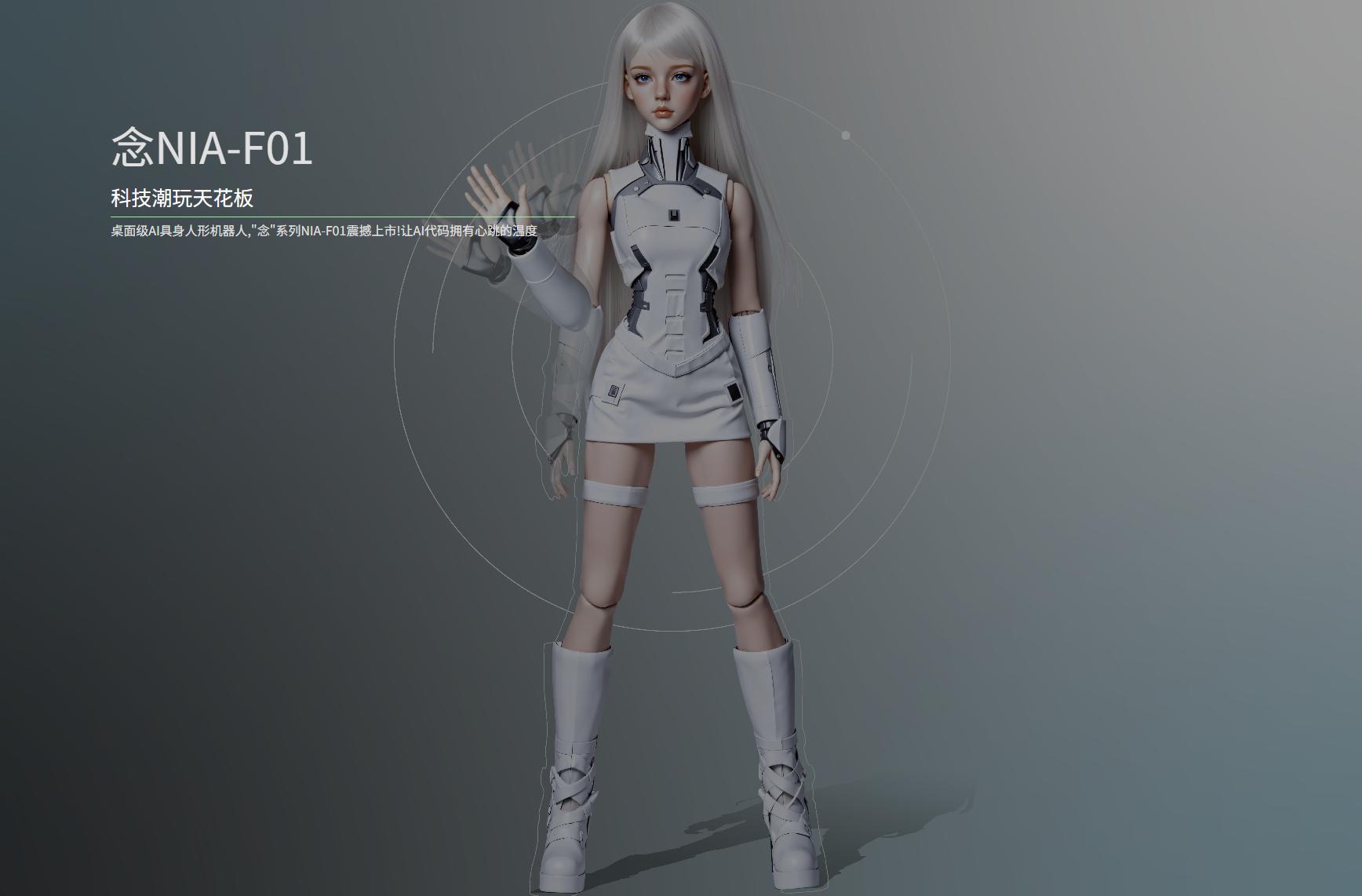
Core Insights - The article discusses the launch of a humanoid robot named NIA-F01 by a team called "Ling Tong," which is designed to meet emotional needs and has a unique "anime" aesthetic [1][3][4] - The integration of AI technology into humanoid robots is expected to transform everyday life, moving beyond industrial applications to personal companionship [3][11] - The potential market for AI companion robots is significant, particularly among urban professionals seeking emotional support [13][14] Product Overview - NIA-F01 is a 56CM tall desktop humanoid robot priced at 9999 yuan, designed for customization with replaceable parts [1][5][9] - The robot features an Emotion Resonance Engine (ECE) that allows it to express various emotions and interact with users based on their behavior and voice [7][9] - Users can create and upload custom behavior logic for NIA-F01, allowing it to mimic specific characters or personalities [7][9] Market Potential - The demand for emotional support products is high, especially among busy professionals in major cities [13][14] - The success of NIA-F01 could attract significant investment and lead to a surge in similar products in the market [13][14] - The article suggests that AI companion robots could become a popular segment in the AI hardware market, appealing to both adults and children [14][16] Future Considerations - The article raises questions about the evolving relationship between humans and AI, particularly regarding emotional dependency on robots [17][18] - It emphasizes the need for healthy interactions between users and AI, as emotional fulfillment through robots may become more common [17][18] - The potential advancements in AI and humanoid robots over the next 5 to 10 years could lead to more complex interactions and decision-making capabilities [18]

宁波大佬称霸非洲,干出700亿手机王国
创业家· 2025-08-07 10:23
Core Viewpoint - The article highlights the success story of Transsion Holdings, a Chinese mobile phone brand that has captured a significant share of the African market through localized innovation and strategic marketing, led by its founder, Zhur Zhaojiang [4][8][12]. Group 1: Company Background and Growth - Zhur Zhaojiang, born in 1973 in Ningbo, Zhejiang, transitioned from a sales role at a domestic company to founding Transsion in 2006, focusing on the African market [9][13]. - Transsion launched its first product in Africa in 2007, a dual-SIM phone, which became a key to entering the market [13][14]. - By 2020, Transsion sold 174 million phones in Africa, achieving a market share of 52%, and by 2024, it reached over 200 million units sold globally, ranking third in the smartphone market [22][23]. Group 2: Localization Strategy - Transsion's success is attributed to its deep understanding of local consumer needs, leading to innovations such as dual-SIM and specialized camera technology for darker skin tones [15][16]. - The company developed phones with features tailored to the African environment, including sweat and drop resistance, large battery capacity, and high-volume speakers [18][19]. - Marketing efforts included extensive advertising across various platforms in Africa, establishing a strong brand presence [19][20]. Group 3: Challenges and Market Dynamics - Despite its success, Transsion faced challenges as competition intensified, with a reported revenue decline of 25.45% and a profit drop of 69.87% in early 2025 [23][24]. - The company's market share in Africa decreased from a peak of 52% to 47%, as competitors like Samsung and Xiaomi increased their presence [23][24]. - Industry experts noted that while Transsion has strong channel and pricing advantages, it lacks in technology and ecosystem development [23][24]. Group 4: Future Plans and Expansion - Transsion is seeking to diversify its product offerings and enhance its high-end product lineup, including the launch of innovative devices like the TECNO PHANTOM Ultimate G Fold [26][27]. - The company plans to raise funds through a secondary listing in Hong Kong to support its expansion into new business areas, including electric motorcycles and high-end smartphones [29][30]. - The upcoming listing is seen as a critical step for Transsion to reassess its business model and growth strategy in a competitive global market [29][30].

朱啸虎:我当年为什么那么早就投了小红书?
创业家· 2025-08-06 10:09
Core Viewpoint - The article emphasizes the importance of understanding consumer behavior and market dynamics in the context of Japan's evolving consumer landscape, which serves as a model for Chinese brands to adapt and innovate in a low-growth environment [19][20]. Group 1: Investment Insights - The early investment in Xiaohongshu occurred when the founder had not yet solidified a business model, showcasing the potential of visionary entrepreneurs [3][4]. - The initial products launched by Xiaohongshu were basic PDF guides, which received positive feedback despite their simplicity, indicating a strong market interest [8][10]. - The article reflects on the skepticism faced by early-stage companies like Xiaohongshu, Didi, and Ele.me, highlighting the common challenges in gaining investor confidence [10][11]. Group 2: Japanese Market Analysis - Japan's consumer market is characterized by a unique blend of low growth, aging population, and innovative business models, providing valuable lessons for Chinese entrepreneurs [19][20]. - The article outlines three core philosophies of enduring Japanese brands: supply chain-driven private brand (PB) products, continuous iteration of key products, and the ability to define lifestyles that resonate emotionally with consumers [21][23]. - Companies like Kobe Bussan and 7-11 exemplify successful supply chain strategies that meet latent consumer needs through data-driven product development [21][22]. Group 3: Learning Opportunities - The article promotes a learning trip to Japan, aimed at exploring the innovative practices of leading Japanese companies, which can inspire new business opportunities in China [15][16]. - The program includes insights from industry leaders and visits to successful brands, focusing on how they navigate market challenges and consumer expectations [24][30]. - Participants will gain firsthand experience in understanding the emotional and functional needs of consumers, which is crucial for developing competitive products in the current market landscape [30][31].

创业之路,要完成三个认知
创业家· 2025-08-06 10:09
Core Insights - The article emphasizes the importance of three key recognitions for entrepreneurs: understanding oneself, recognizing the core business of managing a company, and acknowledging that success stems from the main product rather than diversifying into multiple products [1]. Group 1: Japanese Market Insights - The Japanese consumer market serves as a "future laboratory" for Chinese brands, providing insights into consumer evolution over the next decade [7]. - The article highlights that Japan's experience during its "lost thirty years" offers valuable lessons for Chinese brands to win over consumers [7]. - Key strategies from successful Japanese brands include supply chain-driven private label (PB) products, continuous iteration of major products, and defining lifestyles that resonate emotionally with consumers [8][9]. Group 2: Successful Japanese Brands - Kobe Bussan utilizes a supply chain-driven model with over 350 factories globally, achieving a sales scale of 200 billion RMB and operating over 1,000 stores [16]. - 7-11 employs a TEAM MD mechanism to guide supply chain development based on consumer data, enhancing the creation of PB products [8]. - Nitori, known as the "king of Japanese furniture," applies automotive supply chain standards to achieve continuous revenue growth for 36 years [8]. Group 3: Emotional Resonance and Lifestyle Definition - Bandai focuses on developing products that tap into human instincts and desires, creating items that are both entertaining and addictive [10]. - Muji redefines user experience with its no-logo, affordable products, reflecting insights gained from economic bubbles [10]. - The article suggests that understanding the emotional and functional needs of consumers is crucial for brands to thrive in a changing market landscape [17].