明略科技

Search documents
2025年,30+美妆企业冲击上市,仅6家成功
3 6 Ke· 2025-12-22 00:06
Core Insights - The beauty industry is experiencing a significant IPO wave, with over 30 companies attempting to enter capital markets, but only about 20% have successfully listed [3][4][7] - The focus of beauty companies has shifted from A-shares to Hong Kong stocks, driven by stricter regulations in the A-share market and more favorable conditions in Hong Kong [11][14][16] Group 1: IPO Landscape - Only six beauty companies have successfully gone public this year, including brands like Ying Tong Holdings and Pitanium Limited, with three listed on the Hong Kong Stock Exchange, two on NASDAQ, and one on the A-share market [4][6] - The majority of companies are still in the IPO process, with many facing delays due to regulatory scrutiny and the need for robust financial performance [7][21] - The current IPO environment is characterized by a high level of competition, with the capital market becoming increasingly selective about which companies to approve for listing [3][22] Group 2: Market Trends - The shift towards Hong Kong listings is evident, as the A-share market has seen a significant decline in successful IPOs since 2022, with a 69.69% drop in the number of listings [14] - Hong Kong has become a preferred destination for beauty companies due to its favorable market conditions and supportive regulatory environment, which includes recent reforms to the IPO process [16][20] - The trend of dual listings (A+H) is emerging, with several companies that are already listed in A-shares now seeking to enter the Hong Kong market [17][20] Group 3: Challenges and Opportunities - Companies face three main challenges in the IPO process: sustainable profitability, brand diversification, and research and development capabilities [24][25] - The ability to demonstrate consistent profitability is crucial, as evidenced by leading companies like Proya, which reported over 5 billion RMB in revenue, while others struggle to reach the 1 billion RMB mark [25][28] - R&D investment is critical for long-term success, with only a few companies meeting the industry benchmark for R&D spending, highlighting a gap in innovation among many players [39][42]

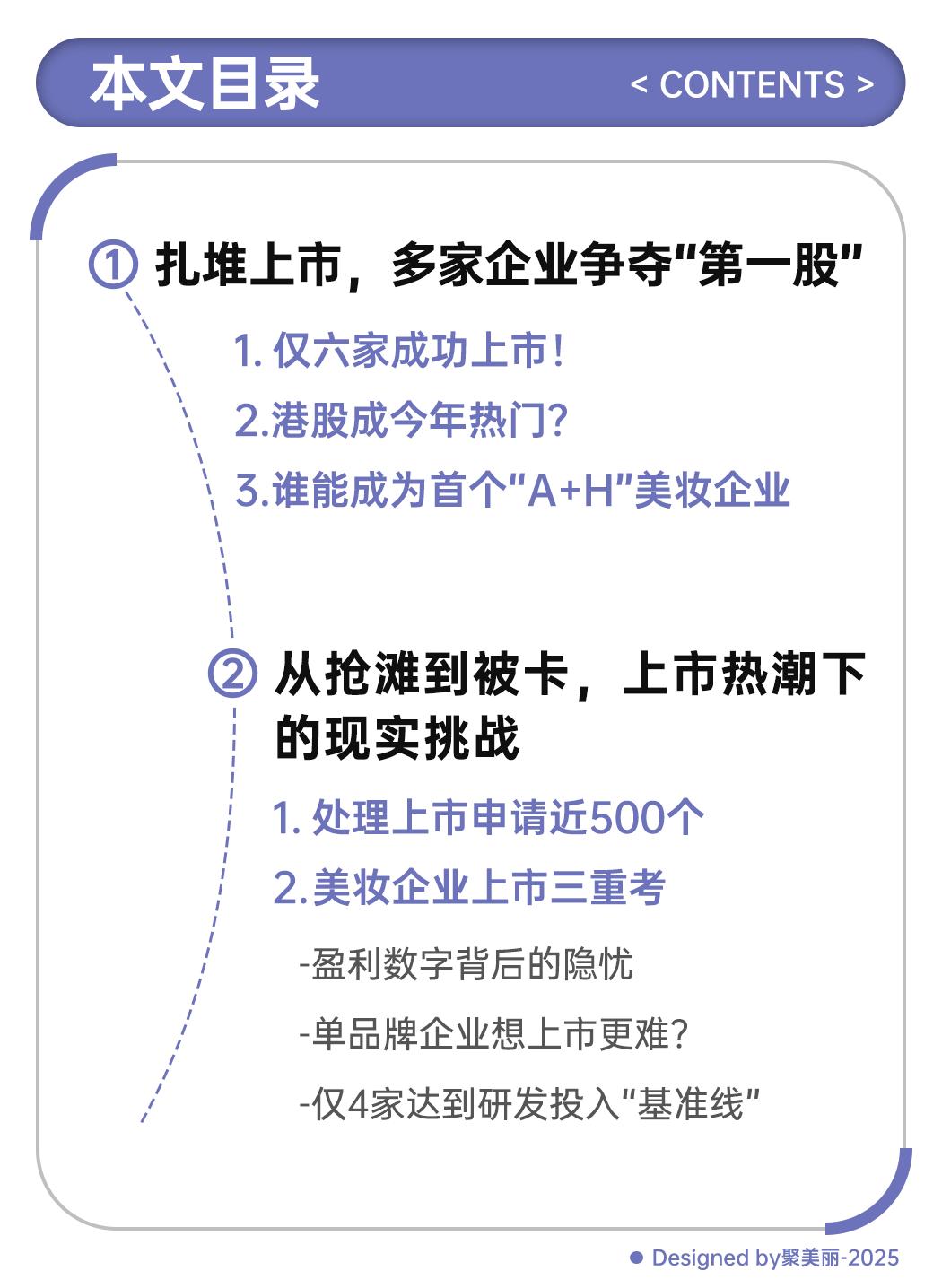
2025年,30+美妆企业冲击上市,仅6家成功!
Sou Hu Cai Jing· 2025-12-21 16:37
Core Viewpoint - The beauty industry is experiencing a surge in IPO activity, with over 30 companies attempting to go public, but only about 20% have succeeded, indicating a stringent selection process by capital markets [3][6][13]. Group 1: IPO Landscape - More than 30 beauty companies, including raw material suppliers and brand owners, are in the process of seeking IPOs in various markets, including A-shares, Hong Kong, and the US [1][3]. - Successful IPOs this year include six companies, with three listed on the Hong Kong Stock Exchange, two on NASDAQ, and one on the A-share market [4][5]. - The majority of companies are still in the preparatory stages, with some notable names like Naturals and Vicky Technology having revenue close to 2.5 billion [6][20]. Group 2: Market Trends - The focus of beauty companies' IPOs has shifted from A-shares to Hong Kong, especially after the tightening of IPO regulations in A-shares post-2022 [10][13]. - The Hong Kong market has become a preferred destination for beauty companies due to favorable policies and a more accommodating IPO environment [15][19]. - Recent regulatory changes in Hong Kong have made it easier for companies to list, enhancing the attractiveness of the market for beauty brands [15][19]. Group 3: Challenges and Opportunities - Companies face significant challenges in achieving sustainable profitability, building a diverse brand matrix, and enhancing research and development capabilities [22][23]. - The capital market is increasingly favoring companies with strong financial performance and a robust brand portfolio, as seen with leading firms like Proya and Up Beauty [23][27]. - Many companies still rely heavily on single brands, which poses risks and may hinder their ability to attract investment [32][34]. Group 4: Financial Performance - Leading beauty companies like Proya reported revenues exceeding 5 billion, while others like Plant Doctor and Lin Qingxuan are struggling with revenues around 1 billion [23][26]. - Profitability metrics show that only a few companies have net profits exceeding 500 million, highlighting the financial disparities within the industry [23][26]. - Research and development investment is critical, with only a few companies meeting the industry benchmark for R&D spending, which is essential for long-term competitiveness [36][39].
很多老板逐渐明白:内卷能赢下某次战役,却摧毁了整个战场
创业家· 2025-12-19 10:52
Core Viewpoint - The article discusses the concept of "involution" in business, emphasizing that competing through destructive price wars ultimately harms the market and brand reputation, particularly in the context of Chinese manufacturing and its international expansion [2][10]. Group 1: Historical Context - In the 1990s, Chinese motorcycle brands entered Southeast Asia, using aggressive price competition to reduce the average price of motorcycles from $700 to $200, significantly impacting Japanese brands [3]. - Despite winning the price war against Japanese brands, Chinese manufacturers ultimately failed to establish a sustainable market presence due to lack of profits, after-sales service, and quality, leading to a tarnished reputation for "Made in China" [4][6][7]. Group 2: Long-term Strategy - Wuling, a Chinese motorcycle brand, decided to adopt a long-term approach in Indonesia, marking its commitment to the market by celebrating anniversaries and emphasizing its presence over the years [8][9]. - The article argues that businesses should focus on product quality and long-term strategies rather than short-term price competition to earn respect for "Made in China" [10]. Group 3: Recommendations for Future Success - The article suggests that companies should avoid burning down the entire market in pursuit of winning battles and instead focus on building a strong brand through quality and customer service [10].

政企研联手发力!N 个实战案例!企业数智化转型的石景山企业专属方案重磅登场 | Q推荐
AI前线· 2025-12-17 01:39
Core Viewpoint - The focus of enterprises is shifting from "whether to use AI" to "how to effectively implement AI" and "how to continuously create value within organizations" as AI moves from concept to practice [1] Group 1: Event Overview - The Global AI Development and Application Conference and Shijingshan Digital Transformation Summit (AICon Beijing Station) will be held on December 19-20, 2025, in Beijing [1] - The conference aims to promote the integration of AI technology with enterprise digital transformation, featuring a project launch meeting, a national AI digital forum, and an AI industry summit [1][2] Group 2: Project Launch Meeting - The project launch meeting will focus on the practical challenges faced by enterprises during their digital transformation and will officially kick off the regional AI service implementation [2] - The meeting emphasizes a "project-based, service-oriented, and executable" approach, aiming to clarify transformation paths for enterprises [2] Group 3: National AI Digital Forum - The national AI digital forum will take place on the afternoon of December 19, focusing on "Elevating Enterprise Strategy and Industrial Innovation Waves in the AI Era" [3][9] - It targets C-level decision-makers and aims to help enterprises navigate uncertainties by discussing AI technology evolution, industry trends, and organizational changes [3][10] Group 4: AI Industry Summit - The AI industry summit on December 20 will focus on practical applications of AI in business scenarios, emphasizing "making good use of AI" and "executing AI effectively" [4][13] - The summit will feature case studies from frontline enterprises, helping managers understand how to integrate AI into organizational operations for efficiency and capability enhancement [4][13] Group 5: Agenda Highlights - The agenda includes keynote speeches and discussions on various topics, such as AI's impact on industry, enterprise AI practices, and the evolution of enterprise operating systems [7][8][11][12] - Specific sessions will cover themes like policy support for digital development, AI-driven industry trends, and practical AI applications in business processes [11][13]

四位院士领衔,2025长三角人工智能产业融合共生发展大会在杭举行
3 6 Ke· 2025-12-16 14:07
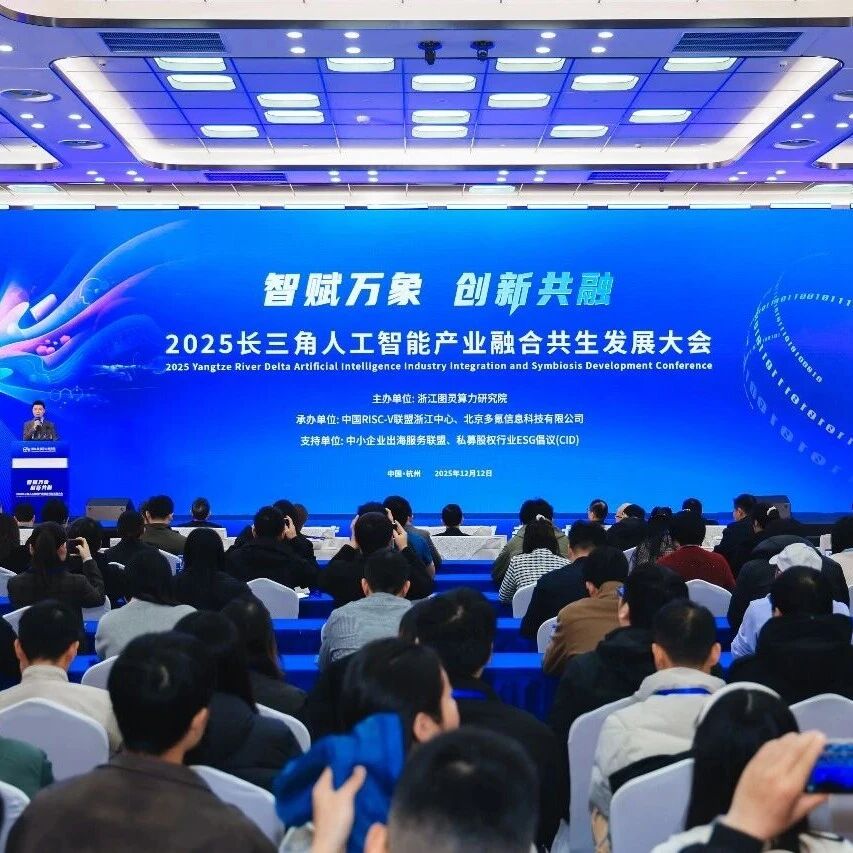
聚焦AI从"大模型"到"大应用", 共探产业生态融合共生新路径。 当"炼大模型"的热潮退去 产业开始严肃讨论落地 12月12日,2025长三角人工智能产业融合共生发展大会在杭州算力小镇隆重举行。大会以"智赋万象,创新共融"为主题,汇聚了中国科学院院士何积丰, 中国工程院院士刘大响、柴天佑、戴琼海等顶尖学界权威与技术领军者。临平区委书记周徐胤、政府相关负责人、企业代表、投资机构代表等300余位嘉 宾齐聚一堂共话产业未来、共商合作机遇。 一个判断:从技术可行到商业可行 过去两年,中国AI行业最不缺的就是大模型发布会,最缺的是能算清账的商业案例。今年8月,国务院印发《关于深入实施"人工智能+"行动的意见》, 明确提出推动人工智能与经济社会各行业各领域融合。这份文件的潜台词是:技术已经够好了,现在要看谁能把它用起来。 2025年,业内普遍的共识是:中国AI产业正在经历从"炼大模型"到"炼大应用"的范式转移。技术可行性不再是瓶颈,商业可行性和应用落地才是企业竞争 的真正赛道。这场在临平举办的大会,某种程度上是这个判断的一次集体确认。 临平区前瞻布局算力产业,打造了全国首个以"算力"命名的特色小镇。本次大会的召开,既是对 ...
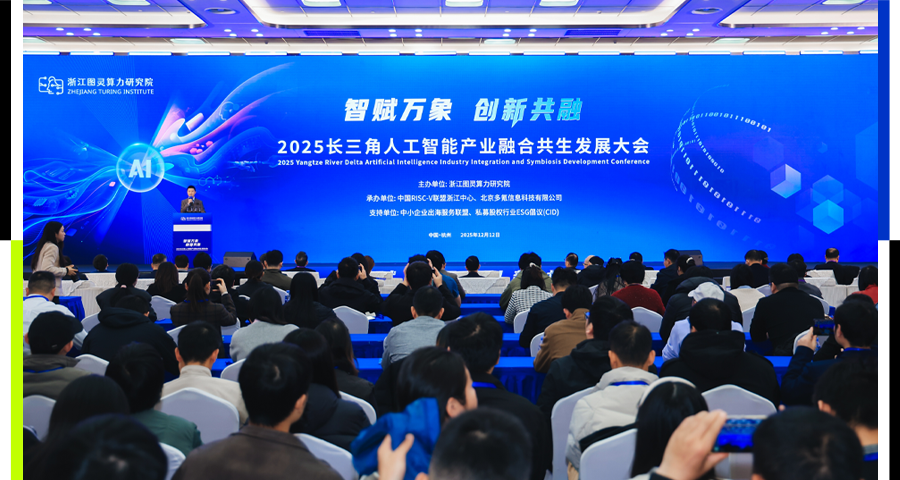
四位院士领衔,2025长三角人工智能产业融合共生发展大会在杭举行
36氪· 2025-12-16 13:35
Core Insights - The article emphasizes the transition of China's AI industry from "large models" to "large applications," highlighting the need for practical commercial use of AI technology rather than just theoretical advancements [7][50] - The 2025 Yangtze River Delta AI Industry Integration and Coexistence Development Conference showcased the collaboration between academia, government, and industry to explore future opportunities and challenges in AI [4][50] Group 1: Conference Overview - The conference gathered over 300 participants, including top scholars, government officials, and industry representatives, to discuss the future of AI and collaboration opportunities [4][8] - The Zhejiang Turing Computing Research Institute, the conference's organizer, aims to address real challenges faced by AI companies in commercialization, such as finding application scenarios and reducing computing costs [8][48] Group 2: Keynote Speeches - Academicians presented critical insights on the future of AI, with a focus on practical challenges and the need for innovative algorithms in industrial applications [12][22] - Liu Daxiang discussed the importance of AI in developing a low-altitude economy and emergency rescue systems, emphasizing the need for a unified safety information network [14] - Chai Tianyou highlighted the necessity for new algorithms to address the dynamic nature of industrial systems, distinguishing industrial AI from general AI [16] - Dai Qionghai raised concerns about the lack of original contributions to AI research in China, stressing the importance of breakthroughs in sensors, computing power, and brain intelligence for future leadership in AI [20] Group 3: Industry Perspectives - The conference featured discussions on the practical challenges of AI commercialization, with a significant failure rate of AI solutions in enterprises due to organizational and technical gaps [26][27] - The shift from a "training cycle" to a "reasoning cycle" in AI is seen as a strategic opportunity for China to leverage its advantages in engineering and cost [29] - Real-world applications of AI in urban governance and other sectors were showcased, demonstrating the potential for AI to create significant efficiencies and innovations [30][37] Group 4: Strategic Collaborations - Six companies signed agreements to establish operations in the Computing Town, focusing on key areas of the AI industry, including chip design and smart hardware [45] - The collaborative nature of these agreements reflects the conference's theme of "integration and coexistence," emphasizing the need for a cohesive industry ecosystem to support AI deployment [45][50] Group 5: Future Directions - The Computing Town aims to serve as a model for AI industry development, with a focus on reducing computing costs and fostering innovation through a supportive ecosystem [48][50] - The conference acknowledged the ongoing challenges in transitioning AI from theoretical models to practical applications, emphasizing the need for continued dialogue and collaboration among stakeholders [50]
2025科技与资本报告|人工智能赶考
Bei Jing Shang Bao· 2025-12-14 07:47
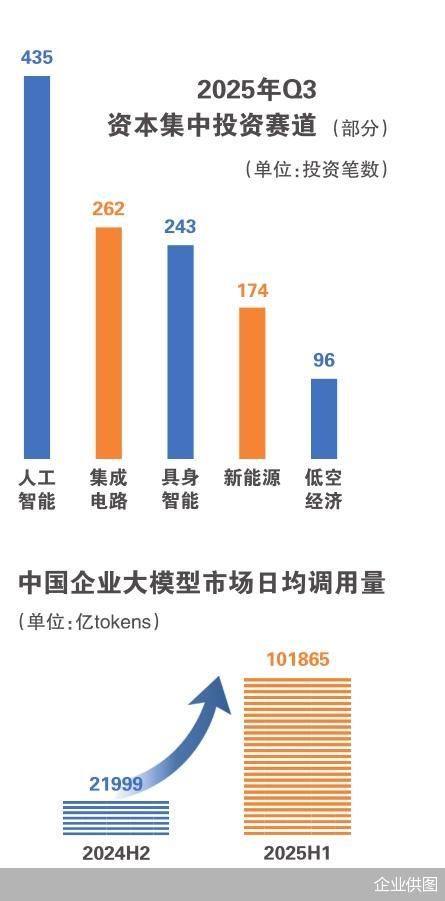
Core Insights - By 2025, China's AI industry is at a historical turning point, with generative AI user base reaching 515 million, an increase of 266 million from December 2024 [1] - The Chinese government has outlined a clear direction for AI development through the "AI+" action plan, emphasizing six key actions and eight foundational capabilities [1] - The capital market has responded positively, with 709 investment events in the AI sector in 2025, amounting to approximately 59.145 billion yuan, which is 94.5% of the total investment in 2024 [1] Group 1: Industry Trends - The AI industry is witnessing a shift from a focus on technology narratives to practical applications, with a brutal elimination process for startups lacking financial viability [2] - Major companies are leveraging their technological advantages to attract capital and accelerate their market presence, while startups face existential challenges [2] - The AI sector is experiencing deep penetration into various industries, indicating a transition from speculative investments to more grounded business models [2] Group 2: Market Developments - New companies like Xiaoma Zhixing and Wenyan Zhixing have recently listed on the Hong Kong Stock Exchange, marking significant milestones in the autonomous driving sector [6] - Xiaoma Zhixing operates a fleet of over 720 Robotaxi vehicles, providing 24/7 service in major cities, while Wenyan Zhixing has over 1,500 autonomous vehicles licensed across eight countries [6] - The AI sector saw 435 new financing events in Q3 2025, a 99% year-on-year increase, with total financing around 37 billion yuan [7] Group 3: Competitive Landscape - The competition in the AI industry is intensifying, with both tech giants and startups vying for market share, leading to a complex competitive environment [8] - The launch of DeepSeek's app has significantly increased user engagement, with active users surpassing 240 million within a month of its release [8] - The AI app user base reached 287 million by September 2025, indicating a growing trend towards multi-model integration in applications [9] Group 4: Investment Dynamics - The investment landscape is evolving, with a focus on AI hardware and applications, as evidenced by significant funding rounds for companies like Ling Yuzhou [13] - The return cycle for AI hardware investments is shorter compared to traditional internet investments, necessitating careful selection of investment targets [14] - The relationship between technology breakthroughs, industry application, and capital investment is forming a virtuous cycle, enhancing the potential for future advancements [14] Group 5: Future Outlook - The AI industry is expected to continue its growth trajectory, with a focus on achieving a balance between technological, industrial, and commercial value [16] - Major companies like Alibaba and Tencent are significantly increasing their investments in AI infrastructure, indicating a long-term commitment to the sector [15] - The Chinese AI patent application volume reached 1.576 million, accounting for 38.58% of the global total, positioning China as a leader in AI innovation [16]
人工智能赶考
Bei Jing Shang Bao· 2025-12-10 12:13
Core Insights - By 2025, China's AI industry is at a historical turning point, with generative AI users reaching 515 million by June 2025, an increase of 266 million from December 2024 [1] - The Chinese government has outlined a clear direction for AI development through the "AI+" action plan, which includes six key actions and eight foundational capabilities [1] - The capital market has responded positively, with 709 investment events in the AI sector in 2025, amounting to approximately 59.145 billion yuan, which is 94.5% of the total investment in 2024 [1] Investment Trends - The AI sector has seen a significant increase in investment events, with 435 new financing events in Q3 2025, a year-on-year growth of 99% and a total financing scale of about 37 billion yuan [8] - Major AI companies have collectively raised over 10 billion yuan, with MiniMax, Xizhi Technology, and Qianli Zhijia leading the way [8] - The investment logic in AI has shifted from a focus on "dreams of winners" to a more grounded approach, emphasizing the commercial viability of certain AI sectors [2] Market Dynamics - The competition landscape in the AI industry has become increasingly complex, with both tech giants and startups competing on the same level [11] - The user base for AI-native apps reached 287 million by September 2025, indicating a growing acceptance and integration of AI technologies in daily applications [12] - The demand for AI hardware is also on the rise, with IDC predicting that China's smart terminal market will exceed 900 million units by 2026, reflecting a shift towards AI-driven productivity [16] Technological Advancements - The average daily usage of large models in China exceeded 10 trillion tokens in the first half of 2025, marking a 363% increase from the second half of 2024 [14] - Large models are becoming the core engine for digital and intelligent upgrades in enterprises, with applications in various scenarios such as enhanced Q&A and document processing [14] - The integration of AI technologies into hardware is creating new commercial opportunities, as seen with the successful sales of AI-powered consumer robots [16] Future Outlook - The "technology-industry-capital" cycle is expected to deepen, with the potential for broader development in the AI sector as technology matures and application scenarios expand [19] - Companies are increasingly focusing on achieving a unified value proposition that encompasses technological, industrial, and commercial value to thrive in the evolving AI landscape [19]
深演智能三冲港股IPO:“单腿走路”九成收入来自智能广告投放业务 2025年上半年客户集中度飙至70.2%
Xin Lang Cai Jing· 2025-12-10 03:41
Core Viewpoint - Shenyan Intelligent Technology Co., Ltd. is making its third attempt to go public on the Hong Kong Stock Exchange after previous failures, highlighting its leading position in China's marketing and sales decision AI application market with a market share of 2.6%. However, the company faces significant risks including imbalanced business structure, increasing customer dependency, and declining profitability [1][7]. Business Structure Imbalance - The revenue structure of Shenyan Intelligent reveals a fragile growth model, with the share of intelligent advertising revenue rising from 82.1% in 2022 to 93.3% in the first half of 2025, while intelligent data management revenue shrank from 17.9% to 6.7% during the same period [2][8]. - The company's revenue is highly susceptible to fluctuations in advertising budgets, as evidenced by a 12% year-on-year revenue decline in 2024 due to reduced marketing spending from fast-moving consumer goods and automotive clients [2][8]. - The number of end customers for intelligent advertising dropped from 119 to 113 in the first half of 2025, with the revenue share from the top five clients soaring to 70.2%, indicating a growing reliance on major clients [2][8]. Deteriorating Profit Quality - Despite a 134.3% year-on-year increase in net profit in the first half of 2025, this improvement was largely due to adjustments in listing-related expenses, raising concerns about the core profitability of the company [3][9]. - The gross margin fell to 27.3% in 2024, down 3.6 percentage points from 2022, significantly lower than the 50%+ gross margins of comparable companies [3][9]. - The cash flow situation is alarming, with operating cash flow turning negative in the first half of 2024, although it rebounded to 33.05 million in the first half of 2025, heavily reliant on improved receivables management [3][9]. Controversy Over Technical Barriers - Shenyan Intelligent claims technological leadership with its "AI Decision Engine," but its R&D spending was only 10.5% of revenue in 2024, far below the average of 49.3% for comparable companies [4][10]. - The company faces an ecological dilemma, relying on major platforms like Tencent and Alibaba for media resource procurement while competing against them in the decision AI market [4][10]. - The newly launched Deep Agent system has signed 17 contracts but has yet to generate significant revenue, raising questions about its potential to become a new growth driver [4][11]. IPO Prospects - The IPO fundraising is intended for technology R&D, customer expansion, and strategic acquisitions, but the company must overcome the stigma of being labeled as an "advertising agency" [5][12]. - Investors will focus on three key capabilities: the ability to diversify business, optimize customer structure to reduce dependency on major clients, and commercialize technology despite limited R&D investment [5][12]. - Industry insiders note that the core issue lies in "track selection and resource mismatch," as the marketing AI market is promising but vulnerable to economic cycles [5][12]. Conclusion - Shenyan Intelligent's journey on the Hong Kong Stock Exchange represents a stress test for Chinese AI companies transitioning from technological exploration to commercial implementation, with its extensive industry data and client resources forming a competitive moat, yet facing challenges from a singular business structure and profitability issues [6][13].
为什么你的 Agent 总是出故障?从算力基建到可信熔断的架构生死线 | 直播预告
AI前线· 2025-12-09 06:26
直播时间 12 月 10 日 20:00-21:30 直播主题 从 Chatbot 到 Action Agent,企业级落地最怕什么?是长程推理的显存天价成本,还是业务逻辑的"死循环"风险?如何利用 MCP 协议解决接口调用 的"信任危机"?本次直播集结值得买、商汤、明略三位技术专家拆解可信 Agent 的构建之道。 直播介绍 鲁琲 商汤科技大装置事业群 高级技术总监 王云峰 值得买科技 CTO 吴昊宇 明略科技 高级技术总监 企业 Agent 如何"可信"? 直播嘉宾 主持人: 马可薇 RBC senior application support analyst 嘉宾: 直播亮点 大模型基础设施: 攻克 KV Cache 显存危机,异构集群如何承载 Agent 长程推理? 可信 Agent 架构: 知识图谱 vs Long Context 记忆之争,设计防止死循环的业务"熔断按钮"。 MCP 协议实战: 解决接口调用"幻觉"与"误解",实现 Agent 从对话到行动的精准对齐 如何看直播? 扫描下图海报 【二维码】 或点击下方直播预约按钮,预约 AI 前线视频号直播。 可信 Agent 架构:知识图谱 vs ...