星宸科技

Search documents
星宸科技:截至1月20日股东总户数为29186户
Zheng Quan Ri Bao Wang· 2026-01-26 12:40
证券日报网讯1月26日,星宸科技(301536)在互动平台回答投资者提问时表示,截至1月20日公司的股 东总户数为29186户。 ...
中国,造出全球80% AI眼镜
创业邦· 2026-01-26 04:09
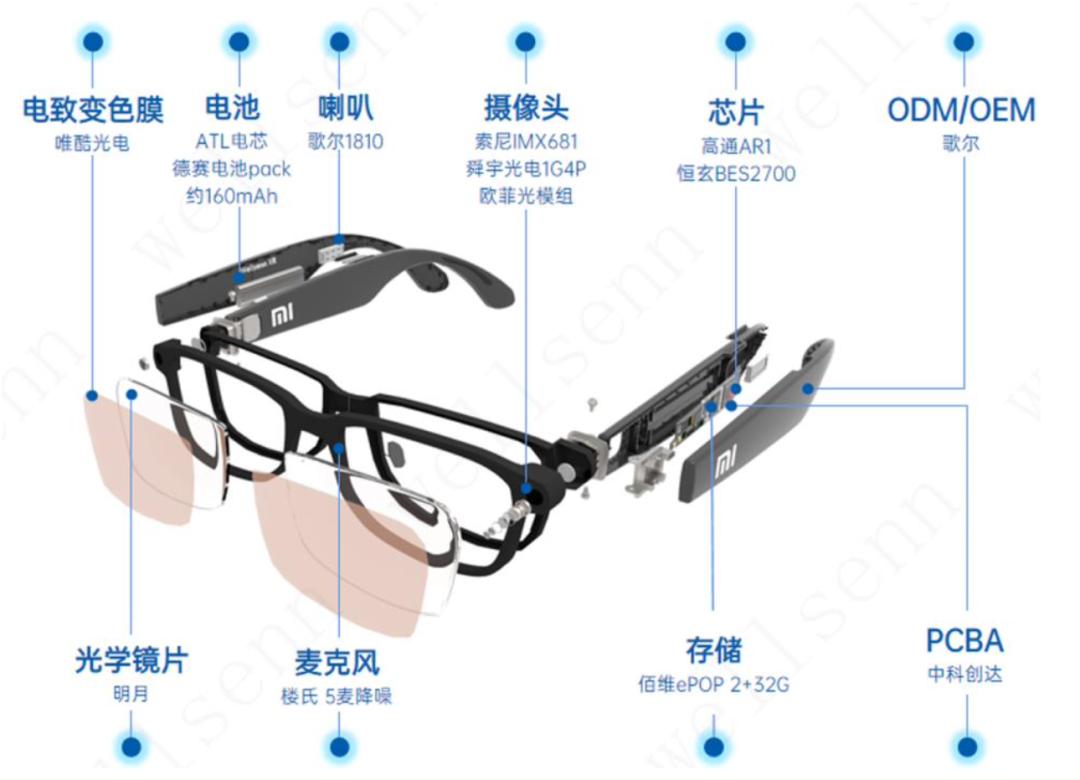
Core Insights - The article emphasizes that China has become a dominant player in the AI glasses industry, controlling over 80% of the global supply chain [5][6][26] - The rapid innovation and manufacturing capabilities in China have allowed for significant advancements in AI glasses technology, making them a key player in the global market [16][30] Industry Overview - AI glasses are viewed as the next generation of computing devices, with China leading in the supply chain and production [6][8] - Key components such as chips and optical modules are primarily produced in China, with optical modules accounting for over 40% of the cost and chips over 30% [10][13] Technological Advancements - Chinese companies have made significant breakthroughs in optical waveguide technology, which is crucial for AI glasses [11] - Companies like JBD and Zhizhi Technology have developed advanced Micro LED and optical components that are lightweight and energy-efficient [11][13] Market Dynamics - The integration of the supply chain in China has led to reduced costs for AI glasses, with prices dropping from over 10,000 yuan to around 1,999 yuan [26] - The market for AI glasses is expected to grow significantly, with predictions of a compound annual growth rate of 55.6% over the next five years [30] Competitive Landscape - Major Chinese brands are emerging in the AI glasses market, with companies like TCL, XREAL, and Rokid showcasing innovative products at international tech exhibitions [27][29] - The article highlights that Chinese manufacturers are not only producing but also innovating, moving from a role of OEM to becoming leaders in the industry [17][24]


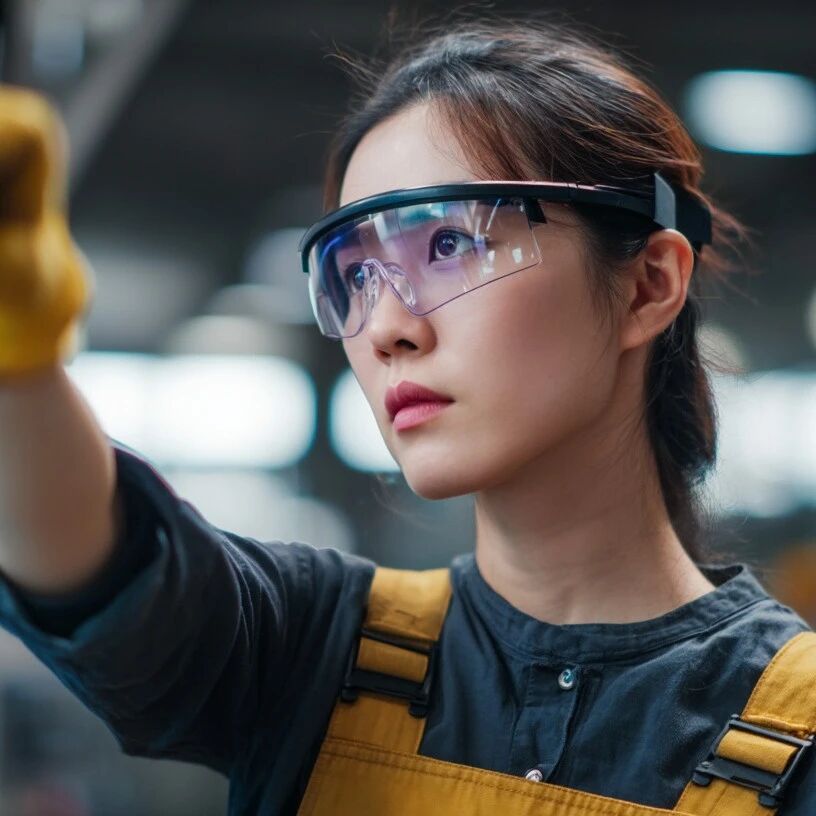
产品迭代出货激增 智能眼镜“热”撬动产业链升级
Xin Hua Wang· 2026-01-26 02:35
Core Insights - The smart glasses market is experiencing explosive growth, with China's shipment volume expected to reach 4.5 million units by 2026, representing a year-on-year increase of 77% [2][5]. Technology and Application Breakthroughs - The launch of the first eSIM smart glasses, "Thunderbird X3 Pro Project eSIM," showcases independent functionalities such as calls, AI conversations, and real-time translation without needing a smartphone [3]. - The integration of AI smart glasses with automotive technology allows users to control vehicle functions remotely and receive real-time navigation and speed information while driving [3]. - Recent advancements in optical technology, lightweight design, and independent communication capabilities have addressed previous limitations of smart glasses, enabling a transition from accessories to standalone devices [3][4]. Market Growth and Demand - The smart glasses market is projected to see significant growth, with shipments expected to reach 2.54 million units in 2025 and 4.51 million units in 2026, reflecting year-on-year growth rates of 92.9% and 77.7%, respectively [5][6]. - The core growth areas for smart glasses in 2026 will focus on consumer scenarios such as home use, travel, health management, content creation, and information services [6]. Industry Chain Upgrades - The demand for smart glasses is driving deep collaboration across the supply chain, enhancing product integration and production efficiency [7]. - Companies are innovating to meet the evolving demands for lightweight, low-power, and high-performance imaging systems, with new products being developed to align with market needs [8]. Challenges and Collaborative Solutions - The smart glasses industry faces challenges including balancing product weight, battery life, performance, and cost, as well as improving user education and market awareness [10]. - The first half of 2026 is expected to see advancements in optical displays and AI chips, but challenges related to production yield, cost control, and supply chain coordination remain [10][11].
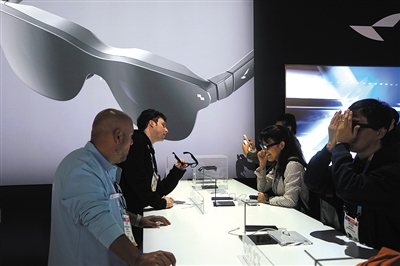
中国,造出全球80% AI眼镜
3 6 Ke· 2026-01-26 00:33
Core Insights - The article highlights China's dominance in the AI glasses supply chain, with over 80% of companies involved located in China, making it a key player in the global market [2][18] - The rapid innovation and manufacturing capabilities in China have allowed for significant cost reductions in AI glasses, with prices dropping from over 10,000 yuan to around 1,999 yuan [18] - Chinese companies have made substantial advancements in core technologies such as optical modules and chips, positioning themselves as leaders in the AI glasses industry [5][7] Industry Overview - In the Pearl River Delta, AI glasses can be prototyped in three days and launched in seven days, showcasing the efficiency of Chinese manufacturing [2] - Key components of AI glasses include chips and optical modules, which account for over 70% of the total cost, with optical modules alone comprising over 40% [5] - Companies like Zhuhai Hengxuan Technology and Fuzhou Rockchip Microelectronics are becoming core suppliers for major brands like Meta and Xiaomi, indicating a shift in the supply chain dynamics [7] Technological Advancements - Chinese firms have achieved breakthroughs in optical waveguide technology, overcoming challenges such as the "rainbow effect" in AI glasses [5] - JBD's Micro LED light engine is noted for its compact size and low power consumption, highlighting advancements in display technology [6] - The integration of precision manufacturing techniques from the smartphone industry into AI glasses production has improved quality and reduced weight [8] Market Dynamics - The global market for smart glasses is projected to see significant growth, with a forecasted shipment of 4.065 million units in the first half of 2025, a 64.2% increase year-on-year [23] - Chinese manufacturers are expected to dominate this market, with a compound annual growth rate of 55.6% over the next five years [23] - Major Chinese brands are increasingly recognized on the international stage, with companies like TCL and XREAL showcasing innovative products at global tech events [20][21] Strategic Developments - The article notes a shift from mere manufacturing to innovation, with Chinese companies now participating in product design and optimization [13][15] - The establishment of companies like JBD and Zhizhi Technology reflects a strategic focus on developing proprietary technologies to break free from foreign technology dependencies [15] - The collaboration between Chinese firms and global tech giants, such as Google's partnership with XREAL, underscores the importance of Chinese manufacturing capabilities in the tech ecosystem [8][12]
【建议收藏】重磅!2025年厦门市新能源汽车产业链全景图谱(附产业政策、产业链现状图谱、产业资源空间布局、产业链发展规划)
Qian Zhan Wang· 2026-01-21 03:48
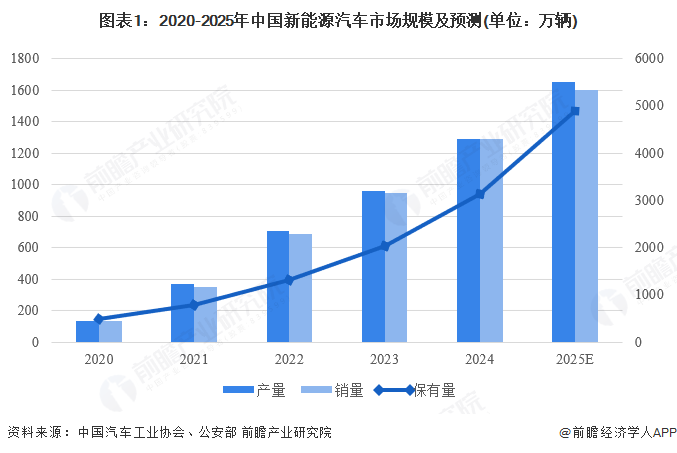
Core Insights - The article highlights the rapid growth and strategic importance of the new energy vehicle (NEV) industry in Xiamen, emphasizing its role in China's transition from a major automotive nation to a strong one, as well as its contribution to climate change mitigation and green development [1][6]. Industry Overview - The NEV industry in China has experienced explosive growth over the past five years, with production and sales increasing from approximately 1.36 million units in 2020 to over 12.8 million units in 2024, representing nearly a tenfold increase [1]. - By the end of 2025, it is projected that NEV production will exceed 16.5 million units, with sales reaching 16 million units and a total ownership of nearly 49 million vehicles [1]. Value Chain Distribution - The NEV value chain consists of upstream raw materials and components, midstream vehicle manufacturing, and downstream services including charging operations and battery recycling [2]. - Profit margins vary across the value chain, with automotive chips yielding the highest gross margins of 31%-38%, while electric drive components have the lowest margins of approximately 4%-15% [2]. Policy Environment - Xiamen's government has established a strategic framework for the NEV industry, aiming to create a "New Energy Commercial Vehicle Capital" and foster a trillion-yuan industry cluster [6]. - Key policies include the "Electric Xiamen" development plan (2023-2025), which outlines goals for vehicle electrification and infrastructure development [6][9]. Market Dynamics - Xiamen's NEV production increased from 0.83 million units in 2020 to 1.87 million units in 2022, with a projected recovery to 1.71 million units in 2024 [17]. - Sales surged from 0.1 million units in 2020 to 80,400 units in 2024, reflecting a twelvefold increase in consumer demand from 2021 to 2022 [17]. Industry Growth and Infrastructure - The number of registered NEV-related enterprises in Xiamen has steadily increased, reaching over 16,000 by November 2025, with a peak of 2,177 new registrations in 2024 [19]. - The charging infrastructure is critical for NEV adoption, with Xiamen planning to establish 16,000 charging stations by the end of 2025 [23]. Future Outlook - Xiamen's NEV industry is positioned for significant growth, supported by favorable policies, a comprehensive ecosystem, and expanding infrastructure [23]. - The city aims to enhance its NEV market by focusing on vehicle electrification, network construction, and ecological innovation, targeting a leading position in the national NEV commercial vehicle sector [23].
决胜“十四五” 擘画“十五五”·地方资本市场高质量发展之厦门篇: 金融活水润泽鹭岛产业 两岸协作深化资本融合
Zheng Quan Shi Bao· 2026-01-19 18:50
Core Viewpoint - Xiamen's capital market has experienced significant growth over the past five years, becoming a driving force for local economic transformation and upgrading, with notable increases in the number of listed companies, total market value, and private equity fund scale [1] Group 1: Market Expansion - During the "14th Five-Year Plan" period, Xiamen's capital market has accelerated development, with 14 new A-share listed companies, bringing the total to 70 by the end of 2025, accounting for nearly 40% of the province [2] - The total market value surpassed 903 billion yuan, a 43% increase from the end of 2020 [2] - The number of securities and futures institutions has optimized, with 2 securities companies, 2 futures companies, and 2 fund companies, along with 184 branches, placing Xiamen among the top in the nation for financial intermediaries [2] - By 2025, the number of securities accounts reached 2.9383 million, and futures accounts reached 141,800, with trading volumes of 15.05 trillion yuan for securities and 16.17 trillion yuan for futures, representing increases of 113.29% and 145.68% respectively since 2020 [2] Group 2: Economic Contribution - The capital market has raised a total of 403.2 billion yuan during the "14th Five-Year Plan," contributing to economic transformation and the construction of a modern international city [5] - Private equity and venture capital funds have invested in over 1,570 local projects, with total investments exceeding 76 billion yuan [3] - In the first three quarters of 2025, listed companies in Xiamen reported total revenue of 1.33 trillion yuan and net profit of 22.096 billion yuan, with year-on-year growth rates of 8.43% and 19.2% respectively [3] Group 3: Innovation and Industry Development - Xiamen's capital market has supported the development of strategic emerging industries, particularly in semiconductors and integrated circuits, with several companies successfully listing on the stock market [7] - The quality of listed companies has improved, with 26 companies recognized as national "specialized and innovative" small giants and 16 as manufacturing champions [7] - R&D expenditures among listed companies reached 11.25 billion yuan in 2024, with 52 companies achieving an average R&D intensity of 5.02% [6] Group 4: Cross-Strait Financial Integration - Xiamen has established the first cross-strait capital market service base, with 7 Taiwanese-funded listed companies, accounting for 10.61% of the total Taiwanese companies listed in mainland China [8] - The Xiamen Cross-Strait Equity Trading Center has showcased 1,124 enterprises, supporting the development of Taiwanese investment funds in the region [8] - The establishment of a financial talent ecosystem has attracted Taiwanese financial professionals to Xiamen, enhancing cross-strait financial collaboration [8]
决胜“十四五” 擘画“十五五”·地方资本市场高质量发展之厦门篇:金融活水润泽鹭岛产业 两岸协作深化资本融合
Zheng Quan Shi Bao· 2026-01-19 18:16
Core Viewpoint - Xiamen's capital market has experienced significant growth over the past five years, becoming a driving force for local economic transformation and upgrading, with notable increases in the number of listed companies, total market value, and private equity fund scale [1][2]. Group 1: Market Expansion - During the "14th Five-Year Plan" period, Xiamen's capital market has accelerated development, with 14 new A-share listed companies, bringing the total to 70 by the end of 2025, accounting for nearly 40% of the province [2]. - The total market value has surpassed 903 billion yuan, a 43% increase from the end of 2020 [2]. - The number of securities and futures institutions has optimized, with 184 branches, placing Xiamen among the top in the nation for financial intermediary density [2]. Group 2: Economic Contribution - The capital market has raised a total of 403.2 billion yuan during the "14th Five-Year Plan," contributing to economic transformation and urban modernization [4]. - In the first three quarters of 2025, listed companies in Xiamen reported total revenue of 1.33 trillion yuan and a net profit of 220.96 billion yuan, reflecting a year-on-year growth of 8.43% [3]. - The average dividend payout ratio of listed companies in Xiamen ranks fourth among planned separate cities in the country, with 650.01 billion yuan in cash dividends [3]. Group 3: Innovation and Industry Development - Xiamen has established a multi-layered capital service system, with 317 registered private equity fund managers and a scale of 214.4 billion yuan, 2.37 times that of the end of 2020 [2]. - The city has focused on nurturing technology innovation enterprises, expanding the reserve of potential listed companies to 597 [4]. - Xiamen's capital market has catalyzed the development of strategic emerging industries, particularly in semiconductors and integrated circuits, with several companies successfully listing on the stock market [5]. Group 4: Cross-Strait Financial Integration - Xiamen has made significant strides in cross-strait financial openness, with 7 Taiwan-funded listed companies, representing 10.61% of the total Taiwan-funded enterprises listed in mainland China [7]. - The establishment of the first cross-strait capital market service base has facilitated the growth of Taiwan-funded private equity funds, with a total scale of 6.778 billion yuan [7]. Group 5: Risk Management - Xiamen has strengthened its risk prevention mechanisms, conducting 499 inspections and imposing administrative penalties totaling 293 million yuan during the "14th Five-Year Plan" [8]. - The city has maintained a stable market environment, achieving zero defaults in corporate bonds and significantly reducing risks in private equity funds [8]. Group 6: Future Outlook - The Xiamen Securities Regulatory Bureau aims to continue stabilizing and activating the capital market, focusing on implementing policies to boost market growth and supporting listed companies in enhancing their market value management [9].
研报掘金丨财通证券:首予星宸科技“增持”评级,新产品逐步进入放量新阶段
Ge Long Hui· 2026-01-19 09:34
Core Viewpoint - Xingchen Technology is a leading SOC supplier in the AI vision chip field in China, with strong market recognition in traditional security and rapid expansion in smart IoT, smart automotive, and 3D perception sectors [1] Group 1: Market Position and Product Development - The company has a high market recognition in the traditional security sector and is accelerating its expansion into emerging product forms such as AI robots and AI glasses in the AIoT field [1] - The demand for intelligent edge devices is increasing, leading to a greater emphasis on visual perception and computing capabilities in the AI SoC market [1] Group 2: Product Matrix and Future Growth - The company has established a comprehensive product matrix covering external perception, in-cabin vision, and 3D perception in the automotive intelligent vision and ADAS fields [1] - New products are gradually entering a stage of volume production, which is expected to open a new round of performance growth [1] - The company is maintaining its technological advantages in the general security field while continuing to invest in R&D for niche markets [1]

贵州茅台等191股获推荐 百利天恒目标价涨幅超300%丨券商评级观察
2 1 Shi Ji Jing Ji Bao Dao· 2026-01-19 02:37
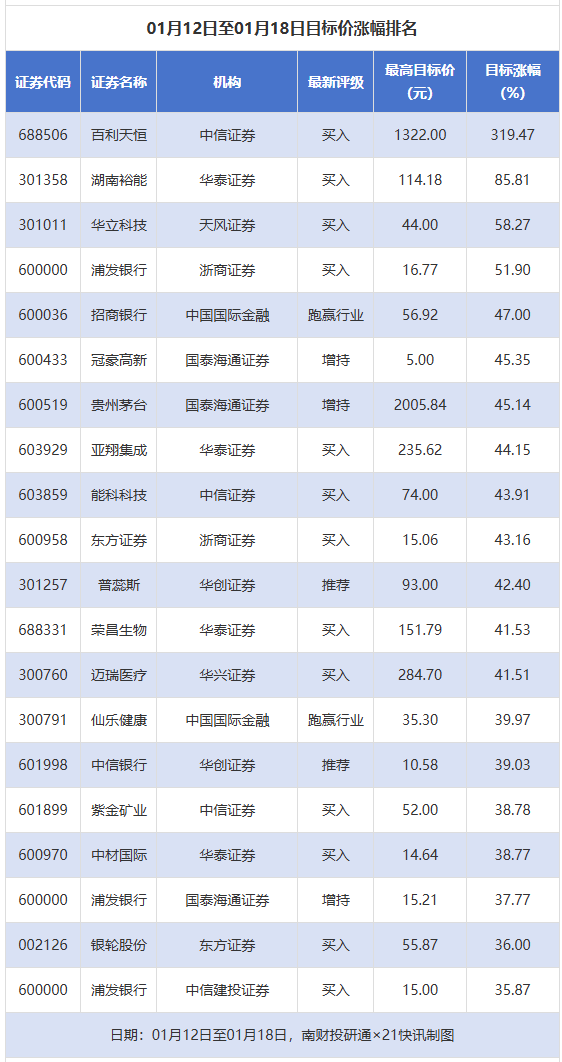
Group 1: Target Price Increases - The companies with the highest target price increases from January 12 to January 18 are Baili Tianheng, Hunan YN, and Huali Technology, with target price increases of 319.47%, 85.81%, and 58.27% respectively, belonging to the chemical pharmaceuticals, battery, and entertainment products industries [1][2]. Group 2: Broker Recommendations - A total of 191 listed companies received broker recommendations during the same period, with Dongpeng Beverage receiving 9 recommendations, and Pudong Development Bank receiving 8 recommendations [3][4]. - The top recommended companies include Dongpeng Beverage, Pudong Development Bank, and Guizhou Moutai, with respective recommendations from 9, 8, and 7 brokers [3][4]. Group 3: Rating Adjustments - Four companies had their ratings upgraded, including Jiayuan Technology from "Hold" to "Buy" by Tianfeng Securities, and Dike Co. from "Hold" to "Strong Buy" by CMB [5]. - One company, Shaanxi Energy, had its rating downgraded from "Buy" to "Hold" by Guotou Securities [6]. Group 4: First Coverage - During the same period, 60 instances of first coverage were reported, with companies like Chuanjin Nuo and Dongyangguang receiving "Hold" ratings from Guotai Junan Securities [7]. - Other companies receiving first coverage include Qiaoyin Co. with a "Buy" rating from Guosheng Securities, and Yubang Power with a "Buy" rating from Zheshang Securities [7].





趋势研判!2026年中国视觉AI SOC行业产业链、出货量及细分结构、竞争格局及发展趋势分析:应用场景愈加多元化,国产化程度提高[图]
Chan Ye Xin Xi Wang· 2026-01-17 23:24
Core Insights - The visual AI SoC market is experiencing significant growth, with global shipments expected to reach 365 million units by 2025 and 491 million units by 2026, driven primarily by security applications [1][5][10] - The industry is evolving from a focus on security to a broader range of intelligent applications across various sectors, including automotive and robotics [1][5] - The competitive landscape features both international giants and domestic players, with a high market concentration expected, indicating a few companies will dominate the market [8][9] Group 1: Industry Definition and Applications - Visual AI SoC is a specialized type of AI SoC optimized for visual tasks, integrating NPU for efficient image and video processing [2][4] - Applications include smart security, robotics, mobile imaging devices, and automotive sectors, supporting real-time image processing and object recognition [2][4] Group 2: Industry Development Status - The global AI SoC shipment is projected to grow from 949 million units in 2020 to 1.926 billion units by 2025, with further growth expected to 2.369 billion units by 2026 [4][5] - The visual AI SoC segment is a key driver of this growth, particularly in the security sector, which is expected to account for over half of the shipments [5][10] Group 3: Industry Supply Chain - The supply chain includes upstream components like IP core supply, EDA tools, and semiconductor manufacturing, while midstream focuses on chip production and system integration [6][8] - Downstream applications span various industries, including smart security, service robots, mobile imaging, and automotive sectors [6][8] Group 4: Competitive Landscape - The market is characterized by high concentration, with the top five companies expected to hold 70.3% of the market share by 2024 [8] - Key players in the domestic market include StarChip Technology, Amlogic, and several others, indicating a competitive environment [8][9] Group 5: Industry Development Trends - The industry is transitioning towards "scene intelligence" driven by advancements in 5G, AI, and big data technologies, supported by national policies promoting domestic R&D [10][11] - The increasing maturity of these technologies is expected to enhance the application of visual AI SoC across various sectors [10][11]