隆基绿能

Search documents
2025光伏大盘点:有人破产离场,有人国资“托底”
3 6 Ke· 2026-02-21 01:47
Core Viewpoint - The photovoltaic industry is undergoing a severe reshuffle, with bankruptcies and delistings of companies, while state-owned enterprises are acquiring quality assets, leading to a restructured landscape [2][4]. Group 1: Company Bankruptcies and Delistings - ST Jiayu and ST Xulan announced their delisting in April 2025, marking them as the first photovoltaic companies to be delisted in A-shares that year [2]. - Gansu King Kong Photovoltaic faced forced execution due to overdue loans exceeding 80 million yuan, leading to the restructuring of four subsidiaries [2]. - The overall situation reflects a harsh reality where companies lacking financing and self-sustaining capabilities are unable to survive in the competitive landscape [4]. Group 2: State-Owned Enterprises' Role - State-owned enterprises are strategically acquiring stakes in companies like Yida New Energy, which was previously struggling with its IPO application [5]. - The acquisition by state-owned enterprises is not random; it focuses on companies that can synergize with local industries, indicating a selective approach to investment [5][6]. - The "bottoming" effect of state-owned enterprises is evident as they target companies that still have potential and can align with their supply chain or local industrial plans [6]. Group 3: Global Industry Challenges - International photovoltaic giants like Meyer Burger and Sunnova are facing severe challenges, including delistings and bankruptcy filings due to strategic misjudgments and financial overreach [7]. - The global photovoltaic industry is experiencing a "layoff storm," with many companies unable to survive without government subsidies or strong capital support [7]. - The difficulties faced by overseas companies are creating opportunities for leading Chinese firms, which are beginning to collaborate rather than compete destructively [7]. Group 4: Future Industry Outlook - The photovoltaic industry continues to experience significant losses, with major companies reporting a total loss of 62.983 billion yuan in 2024 and the first three quarters of 2025 [8]. - The fourth round of industry reshuffling is expected to begin in 2026, with many companies likely to exhaust their previously accumulated profits [8]. - The future landscape will not be characterized by a complete collapse but rather a concentration of resources among a few surviving companies, with state-owned enterprises and leading firms dominating the market [8].





俄罗斯石油神话正在漏气,清仓对华出售是唯一选择?
Sou Hu Cai Jing· 2026-02-19 06:06
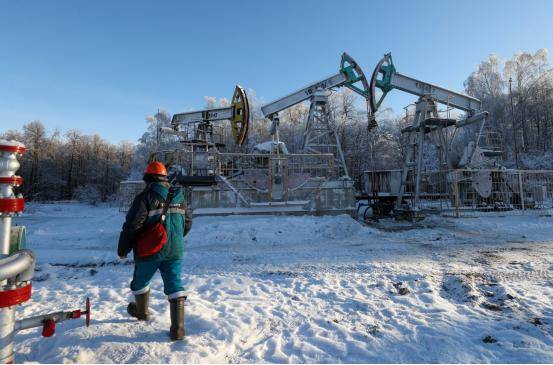
第四,俄罗斯被迫削减石油产量。在出口遭遇严重阻碍的情况下,俄罗斯只能优先消化国内滞留的原 油,导致生产能力也受到压缩。数据显示,俄罗斯目前每天大约有450万桶原油用于出口,但吕斯塔德 能源公司预测,在未来几个月内,俄罗斯的原油日产量可能会减少30万桶。由于石油收入的大幅下降, 克里姆林宫不得不提高增值税等税收手段以填补财政缺口,同时还需依赖国内银行贷款来缓解预算压 力。若这种状况持续下去,俄罗斯不仅面临着经济崩盘的风险,其在乌克兰的军事行动也将受到影响。 军事专家指出,若财政压力持续半年至一年,普京政府可能不得不降低军事行动强度,甚至影响俄乌和 谈进程。 俄罗斯的石油神话正面临严峻考验,其石油出口正遭遇前所未有的危机。多年来,俄罗斯经济的支柱之 一便是石油和武器的出口,但自俄乌冲突爆发以来,俄罗斯的武器出口不仅遭遇产能限制,国际局势的 变化也加剧了下滑趋势。如今,俄罗斯的石油神话也开始漏气,深陷多重困境。 首先,最大买家印度减少采购。俄乌冲突爆发后,印度迅速成为俄罗斯石油的最大买家,然而近期,印 度为了与美国达成贸易协议,开始大幅削减从俄罗斯的石油进口。根据数据显示,印度的俄罗斯原油进 口量已经从去年的170 ...
2025年中国太阳能电池(光伏电池)产量为83274.3万千瓦 累计增长7.6%
Chan Ye Xin Xi Wang· 2026-02-19 01:39
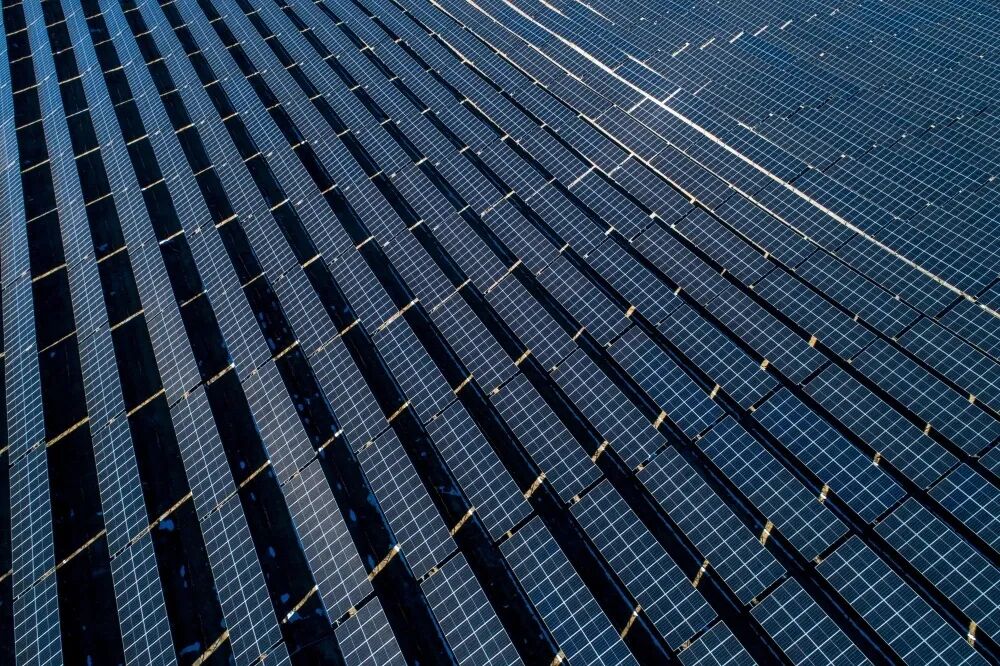
相关报告:智研咨询发布的《2026-2032年中国太阳能电池行业竞争现状及投资决策建议报告》 根据国家统计局数据显示:2025年12月中国太阳能电池(光伏电池)产量为7444万千瓦,同比下降9.7%; 2025年1-12月中国太阳能电池(光伏电池)累计产量为83274.3万千瓦,累计增长7.6%。 上市企业:隆基绿能(601012),通威股份(600438),阳光电源(300274),晶澳科技(002459),天合光 能(688599),特变电工(600089),正泰电器(601877),TCL中环(002129) 2020-2025年中国太阳能电池(光伏电池)产量统计图 知前沿,问智研。智研咨询是中国一流产业咨询机构,十数年持续深耕产业研究领域,提供深度产业研 究报告、商业计划书、可行性研究报告及定制服务等一站式产业咨询服务。专业的角度、品质化的服 务、敏锐的市场洞察力,专注于提供完善的产业解决方案,为您的投资决策赋能。 数据来源:国家统计局,智研咨询整理 ...


段永平1200亿元持仓曝光,投资是认知的变现
Sou Hu Cai Jing· 2026-02-18 17:43
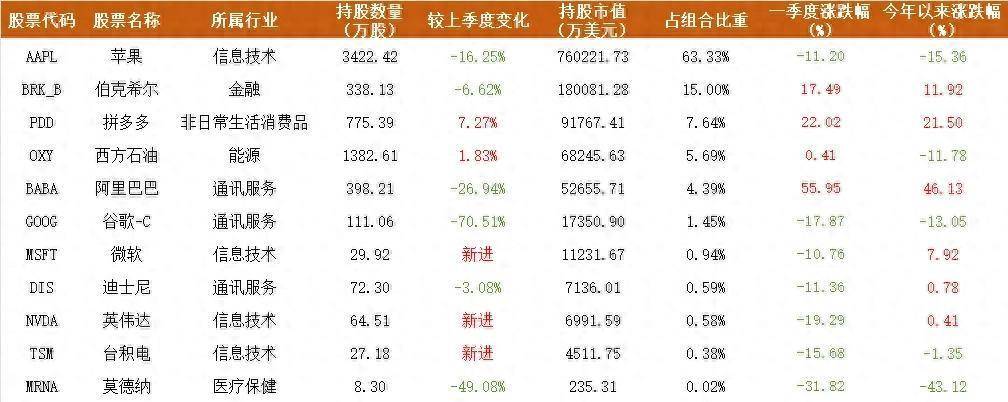
Core Insights - The article highlights the significant investment by Duan Yongping in Nvidia, with a reported holding of 120 billion RMB and an 11-fold increase in position, sparking excitement among retail investors [1][4] - The discussion contrasts the investment strategies of seasoned investors like Duan Yongping with those of retail investors, emphasizing the importance of understanding the underlying business rather than following trends [4][10] Investment Analysis - Duan Yongping's portfolio includes major companies such as Apple, Berkshire Hathaway, and Nvidia, with Apple representing 63.33% of his holdings, which he has reduced by 16.25% [2] - Nvidia is a new addition to his portfolio, valued at approximately 6.99 billion RMB, indicating a strategic bet on AI infrastructure [2][4] - The article notes that Duan's investment in AI-related companies is minimal, suggesting a cautious approach to new ventures [4] Investment Philosophy - Duan Yongping emphasizes the concept of "circle of competence," advocating for investments within one's understanding and acknowledging the limits of one's knowledge [6][12] - The article stresses that true value investing involves thorough research and understanding of a company's future cash flows, rather than impulsive buying based on market trends [15] - It warns against the tendency of retail investors to mimic institutional investors without understanding the rationale behind their decisions, which can lead to significant losses [7][12]

“大地原点”上的历史、产业、生活|故乡里的中国
Jing Ji Guan Cha Wang· 2026-02-17 05:56
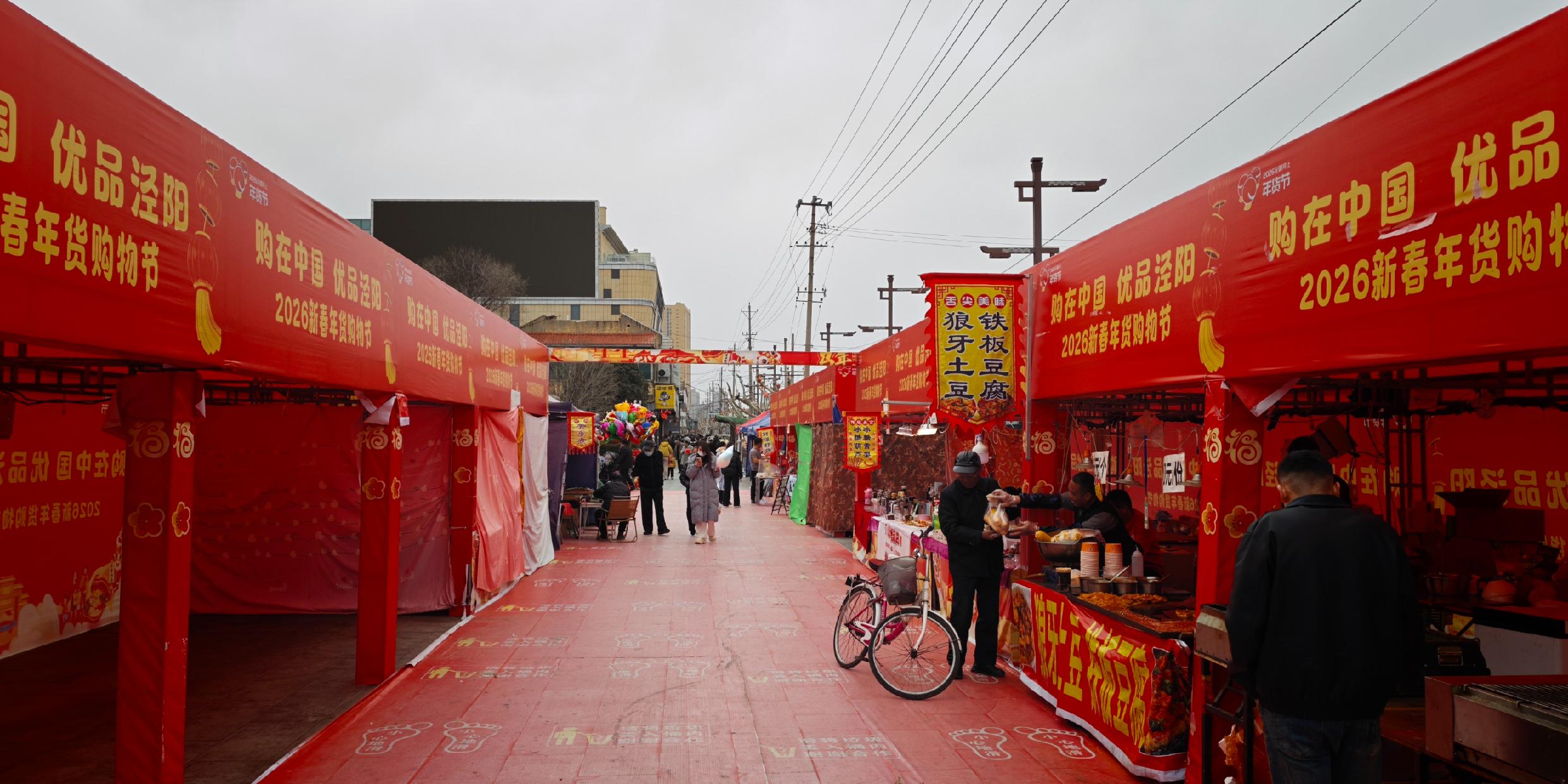
经济观察报记者 郑晨烨 2026年2月15日,农历除夕前一天。 在西咸新区泾河新城的高泾大道上,网约车司机林师傅在等红绿灯的间隙,摇下车窗,给并排停靠的一辆公交车按了两下喇叭。 对面的公交司机转过头,朝他挥了挥手。 林师傅关上窗,对坐在后排的记者解释,那辆公交车上的司机是他的同事,他也是那家公交公司的在职司机,而现在这辆正在跑单的网约车,是公交车公司 配给他的。 然后,林师傅又给同事发了一条语音,劝对方赶紧出来跑单,因为"春节期间滴滴有奖励"。 记者问他为什么春节也不休息,林师傅说,这几天订单多,"很多像你这样从外地回来的小孩"。为了能多挣几笔,他甚至计划在除夕当天去一趟西安咸阳国 际机场,碰碰运气,看能不能拉到几个长途单。 记者问林师傅,为什么公交司机要出来跑网约车?林师傅解释说,其所在的公交公司面临资金困难,发不出工资,为了"自救",公司专门成立了一家新的网 约车公司,并给在职司机配了车,让他们去市场上跑单维持生计。 当记者问是否存在欠薪情况时,林师傅特意纠正了记者的说法:"没有欠,就是发不出工资。" 林师傅觉得,虽然跑网约车挣得也不算多,但"总比没有收入强"。 从崇文镇到泾河新城 对于陕西省咸阳市泾阳县 ...
阿里、抖音、百度、腾讯、京东、美团、淘宝闪购等被约谈
21世纪经济报道· 2026-02-14 09:13
来源丨央视新闻 编辑丨黎雨桐 字节将卖掉沐瞳,金额或超414亿元 光伏大佬李兆廷被拘留,身家曾超200亿元 蛇年A股第一牛股,狂飙1836% SFC 21君荐读 2月13日,市场监管总局约谈阿里巴巴、抖音、百度、腾讯、京东、美团、淘宝闪购等平台企 业,要求有关平台企业严格遵守《中华人民共和国反不正当竞争法》《中华人民共和国价格 法》《中华人民共和国消费者权益保护法》《中华人民共和国电子商务法》等法律法规规定, 主动落实主体责任,进一步规范平台促销推广行为。提醒相关平台企业要杜绝各种形式的"内 卷式"竞争,共同维护公平竞争市场环境,促进平台经济创新和健康发展。 ...




氢能与核聚变能将伴随资本市场共同成长
Zhong Guo Fa Zhan Wang· 2026-02-13 07:33
Core Insights - Hydrogen and nuclear fusion energy are identified as key economic growth points in China's 14th Five-Year Plan, emphasizing the importance of a mature capital market for supporting breakthroughs in these industries [1][2][3] - The global energy landscape is undergoing significant transformation towards decarbonization and smart restructuring, with hydrogen and nuclear fusion positioned as disruptive future energy solutions [2][3] Global Industry Landscape - The hydrogen industry is entering a phase of commercialization and rapid expansion, driven by strategic planning and policy incentives in developed economies, leading to high valuations for hydrogen technology companies [3] - Nuclear fusion is transitioning from government-led research to a public-private partnership model, attracting significant investment from venture capital and tech giants, reflecting strong market expectations for its long-term potential [3] China's Role in Global Capital Landscape - China is becoming an increasingly important player in the global renewable energy capital landscape, with its vast market potential and rapid development in hydrogen and nuclear fusion attracting international capital [3][4] - To enhance its competitive position, China must focus on original technology leadership, self-sufficiency in core supply chains, and building a more internationalized and market-oriented innovation capital ecosystem [3][4] Capital Market Empowerment - The development of hydrogen and nuclear fusion industries in China is characterized by a "national leadership, market participation, and capital promotion" model, with the capital market playing a crucial role in driving innovation [4][5] - In the hydrogen sector, China has established a complete industrial chain, with capital market support focusing on upstream hydrogen production, midstream storage and transportation, and downstream applications [4][5] Technological Challenges and Investment Dynamics - Both hydrogen and nuclear fusion face significant technological and economic challenges, requiring substantial long-term capital investment and a shift in investment logic towards patience and long-termism [6][7] - The hydrogen sector's challenges include reducing production costs and improving storage and transportation efficiency, while nuclear fusion faces fundamental scientific hurdles that require decades of research [7][8] Policy and Financial Collaboration - Policy and finance are essential drivers for the development of hydrogen and nuclear fusion industries, with the capital market's role evolving from a passive financing channel to an active enabler and value integrator [8][9] - For hydrogen, policies should create stable expectations and clear pathways, while for nuclear fusion, establishing specialized funds and supportive regulatory frameworks is crucial for attracting investment [9][10] Opportunities for Securities Firms - The success of hydrogen and nuclear fusion will reshape global capital dynamics and investment paradigms, creating new asset classes and investment opportunities [10][11] - Securities firms are tasked with broadening financing channels, innovating financial products, and enhancing research capabilities to support the growth of these industries [10][11] Future Implications - The capital influx into hydrogen and nuclear fusion signifies a broader investment in future energy solutions, which will fundamentally alter the logic of capital markets and global financial landscapes [12][13] - This shift will lead to the emergence of new asset valuation models and accelerate the transition of global capital towards sustainable technologies [12][13]
电力设备及新能源行业双周报(2026、1、30-2026、2、12):国务院办公厅发布《关于完善全国统一电力市场体系的实施意见-20260213
Dongguan Securities· 2026-02-13 07:33
Investment Rating - The report maintains an "Overweight" rating for the power equipment and new energy industry [2] Core Insights - The State Council issued the "Implementation Opinions on Improving the National Unified Electricity Market System," aiming to establish a unified electricity market by 2030, with market transactions accounting for about 70% of total electricity consumption [4][40] - The report highlights the performance of the power equipment sector, which has seen a year-to-date increase of 9.76%, outperforming the CSI 300 index by 7.82 percentage points [11][14] - The report emphasizes the importance of new operational entities like virtual power plants and smart microgrids in participating flexibly in the electricity market [45] Summary by Sections Market Review - As of February 12, 2026, the power equipment sector rose by 4.97% over the past two weeks, ranking third among 31 sectors [11] - The wind power equipment sector decreased by 3.07%, while the photovoltaic equipment sector increased by 3.93% [18][20] Valuation and Industry Data - As of February 12, 2026, the price-to-earnings (PE) ratio for the power equipment sector is 36.66 times, with sub-sectors like the battery sector at 33.19 times and the photovoltaic sector at 34.99 times [25] - The report provides detailed valuation metrics for various sub-sectors, indicating significant variations in PE ratios compared to their historical averages [25] Industry News - The report discusses the significant growth in renewable energy installations, with a total installed capacity of 2.34 billion kilowatts by the end of 2025, accounting for 60% of the national power generation capacity [40] - It also notes the government's focus on upgrading traditional industries and promoting new energy sectors, including hydrogen energy [40] Company Announcements - The report includes recent announcements from companies in the sector, such as government subsidies received by various firms, indicating ongoing support for the industry [43]


研判2026!中国太阳能扩散炉行业概述、产业链、市场规模、竞争格局、发展趋势分析:光伏产业推动,太阳能扩散炉市场规模持续增长[图]
Chan Ye Xin Xi Wang· 2026-02-13 03:30
Core Viewpoint - The solar diffusion furnace industry in China is experiencing significant growth, with the market size expected to reach 6.05 billion yuan by 2025, reflecting an 11% year-on-year increase, driven by the expansion of the photovoltaic industry and supportive government policies [1][6]. Industry Overview - Solar diffusion furnaces are essential for producing crystalline silicon solar cells, specifically for forming PN junctions, which are critical for enhancing cell efficiency [2]. - The main types of solar diffusion furnaces are vertical and horizontal, each offering distinct advantages in terms of production efficiency and space utilization [2]. Industry Chain - The upstream of the solar diffusion furnace industry includes quartz components, heating systems, temperature control systems, and gas control systems, with quartz components being crucial for stability and efficiency [3]. - The midstream involves the manufacturing of solar diffusion furnaces, while the downstream primarily serves the photovoltaic industry, specifically in solar cell and module production [3]. Current Development - The solar diffusion furnace market is benefiting from China's commitment to renewable energy, with solar power generation capacity increasing significantly from 204.2 GW in 2019 to an expected 1,161.2 GW by the end of 2025, marking a 41.90% year-on-year increase [4][5]. - The production of solar cells is projected to reach 83,274.3 MW by 2025, a 7.60% increase from the previous year, driven by government subsidies and technological advancements [5]. Competitive Landscape - The solar diffusion furnace industry has high entry barriers, making it difficult for new entrants to compete. Leading companies leverage technology, supply chains, and customer resources to maintain competitive advantages [7]. - Key players in the industry include North Huachuang, Jiejia Weichuang, and Jing Sheng Machinery, among others, with North Huachuang reporting a revenue increase of 32.97% year-on-year for the first nine months of 2025 [7][8]. Industry Trends - The rapid development of the solar diffusion furnace industry is leading to accelerated industry consolidation, with smaller companies lacking core technologies being phased out, while stronger companies invest in R&D and improve production processes [9]. - Domestic companies are increasingly focusing on international markets, expanding their presence through partnerships and participation in global trade shows, capitalizing on their competitive pricing and responsive service [10].



陕西省人民政府新闻办公室举办新闻发布会介绍陕西省市场监管系统推进质量强省建设情况
Shan Xi Ri Bao· 2026-02-13 02:06
Core Viewpoint - The Shaanxi Provincial Government is advancing the "Quality Strong Province" initiative, focusing on enhancing quality across enterprises, industries, and regions, with significant achievements reported in 2025 [8][15]. Group 1: Quality Enhancement Initiatives - The initiative emphasizes "Three Strengths and One Foundation" (Quality Strong Enterprises, Quality Strong Chains, Quality Strong Counties, and Quality Infrastructure) to create a comprehensive quality improvement framework [8][9]. - In 2025, 122 enterprises were guided to adopt quality management standards, with 73 upgrading to digital quality management [9]. - The province organized over 20 "Excellent Quality Activities," reaching more than 2,000 enterprises, and provided assistance to over 11,000 enterprises through quality support actions [9]. Group 2: Industry Upgrades - A total of 25 quality improvement projects were implemented, involving 91 chain-leading enterprises and 1,337 chain-member enterprises [10]. - The province is focusing on key industries such as selenium-rich products, commercial aerospace, and low-altitude economy, participating in national quality enhancement actions [10]. - The establishment of quality technical innovation alliances has led to the resolution of 162 quality bottlenecks in the industrial chain [10]. Group 3: Regional Development - The province is promoting quality strong county initiatives, with 26 counties included in the national quality strong county cultivation database [11][12]. - Each county is encouraged to pursue differentiated quality development paths based on local characteristics, such as smart manufacturing and green ecological industries [12]. - The quality competitiveness of these counties has improved, with notable achievements in agricultural and industrial sectors [23][24]. Group 4: Quality Infrastructure - The province is enhancing quality infrastructure through technical support, technology empowerment, integrated services, talent cultivation, and external cooperation [13]. - A total of 1,224 local standards were reviewed, and 149 new standards were implemented, establishing a robust standard verification network [13]. - The "Qin Quality Enjoy" platform has been launched to streamline quality service access for enterprises, attracting 1,337 quality service institutions and serving over 11,000 enterprises [27][28]. Group 5: Regulatory Innovations - The market supervision system is innovating regulatory mechanisms to ensure product quality safety, conducting comprehensive inspections on 6,780 enterprises and 9,769 batches of products [14]. - A total of 1.68 million cases were investigated for counterfeit and inferior products, with fines totaling 140 million yuan [14]. - The implementation of a "source coding" system for key industrial products has enhanced traceability and accountability in product quality [14].