
腾讯控股

Search documents
资金积极布局港股科技板块回调窗口,港股通互联网ETF基金(520910)连续2个交易日获资金净流入
Sou Hu Cai Jing· 2026-02-25 06:32
Group 1 - The Hang Seng Index rose by 0.75%, the Hang Seng Tech Index increased by 0.34%, and the State-Owned Enterprises Index gained 0.90% as of February 25 [1] - The Hong Kong Stock Connect Internet ETF (520910) has seen a net inflow of 26.47 million yuan over the past two trading days, indicating strong investor interest [1] - The technology sector in Hong Kong is experiencing volatility influenced by concerns over potential hawkish policies from the new Federal Reserve leadership, which may impact global risk appetite [1] Group 2 - Local government meetings have signaled support for "Artificial Intelligence +", platform economy, and new productivity in their work reports, indicating a favorable policy environment for tech companies [2] - The Hong Kong Stock Exchange plans to launch a "Tech Company Special Line" in 2025, allowing specialized tech companies to submit listing applications confidentially, which is expected to attract more quality tech firms to list in Hong Kong [2] - The Hong Kong Stock Connect Internet ETF (520910) tracks the CSI Hong Kong Stock Connect Internet Index, covering key internet sectors such as e-commerce, content ecosystems, social media, and software services, with a significant focus on AI applications [2]
港股冰与火:智谱、MiniMax抢眼,互联网巨头为何“沉默”?
Xin Lang Cai Jing· 2026-02-25 05:18
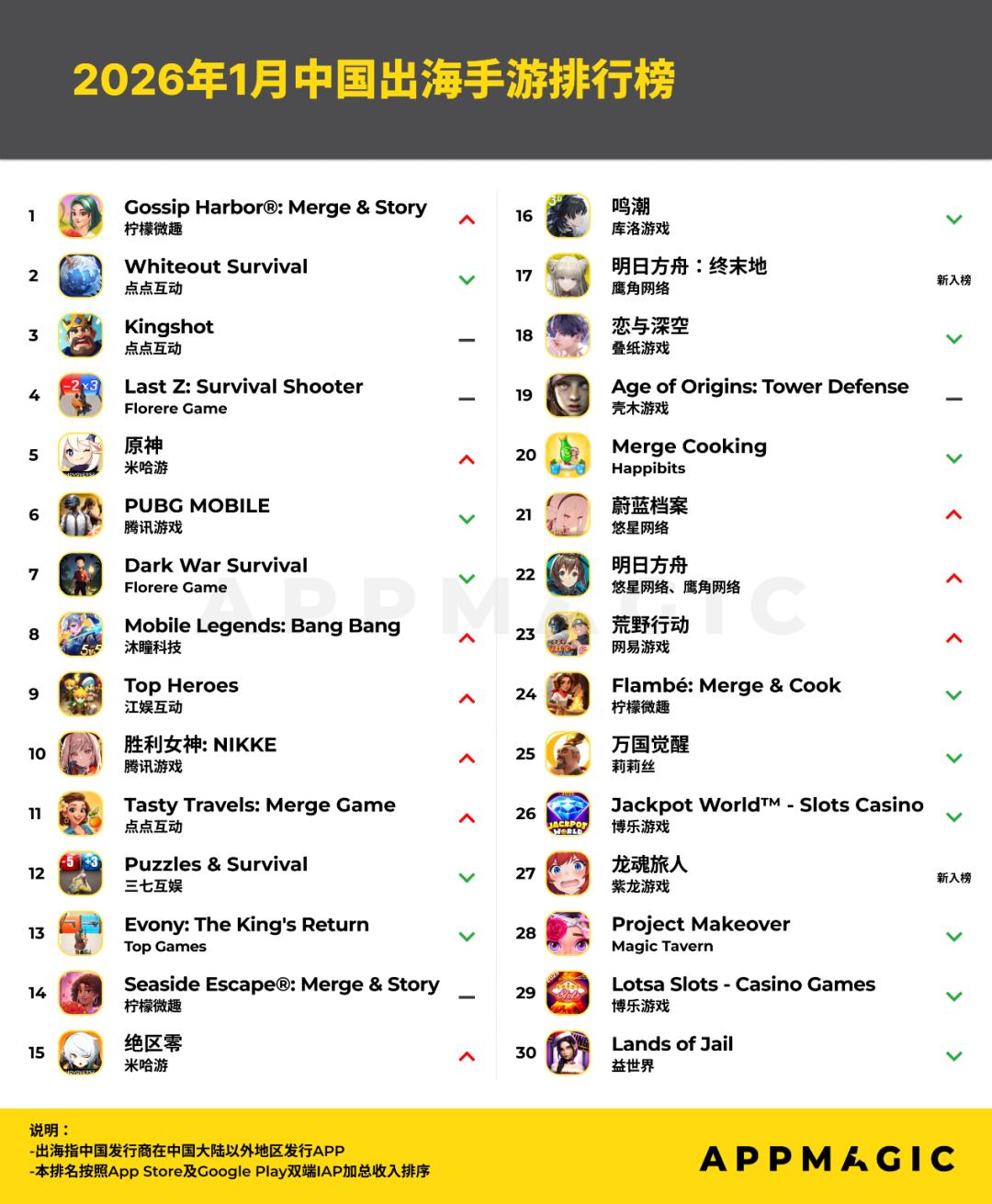
Core Viewpoint - The Hong Kong stock market is experiencing a significant divergence, with the Hang Seng Technology Index declining while AI companies like Zhiyu and MiniMax show strong performance, indicating a potential fundamental restructuring of investment logic in the market [1][3]. Group 1: Market Performance - The Hang Seng Technology Index has seen a cumulative decline of over 20% from its peak in October last year (6715.46 points) to February 24, 2023, with a drop of over 7% since February [1]. - Major tech stocks have underperformed, with Tencent down over 14%, Alibaba down over 12%, Baidu down over 15%, and Meituan down over 16% from early February to February 24 [1]. - The top ten weighted stocks in the Hang Seng Technology Index account for nearly 70% of the index, indicating high concentration and sensitivity to price movements of major players like Alibaba and Tencent [1][2]. Group 2: AI Companies Performance - AI companies such as Zhiyu and MiniMax have seen significant market capitalization increases, with Zhiyu rising from an issue price of 116.2 HKD to 628 HKD (over 440% increase) and MiniMax from 165 HKD to 880 HKD (over 430% increase) as of February 24 [2]. - Both companies have reached market capitalizations exceeding 300 billion HKD, positioning them as representatives of "new technology" in the Hong Kong market [2]. Group 3: Underlying Logic - The divergence in performance is attributed to three overlapping logics: macroeconomic factors, industry dynamics, and funding behavior [3][4]. - Macroeconomic concerns, particularly regarding global liquidity tightening due to the nomination of a new Federal Reserve chair, have negatively impacted tech stocks sensitive to liquidity [4]. - The industry logic reflects a shift in asset pricing as the market begins to reassess corporate value based on "technological generational differences," favoring AI companies over traditional internet giants [4][5]. Group 4: Investment Strategy - The current market sentiment indicates a preference for "new narratives," with funds gravitating towards AI companies that represent future potential rather than current performance [5][6]. - The investment logic is transitioning from "traffic economy" to "intelligent economy," suggesting a fundamental re-evaluation of technology asset valuations [6][7]. - Investors are advised to combine passive index investments to capture market beta with active management strategies to identify excess alpha opportunities in the evolving landscape [8][9].

合成年度榜单:9款出海产品流水过亿
3 6 Ke· 2026-02-25 05:13
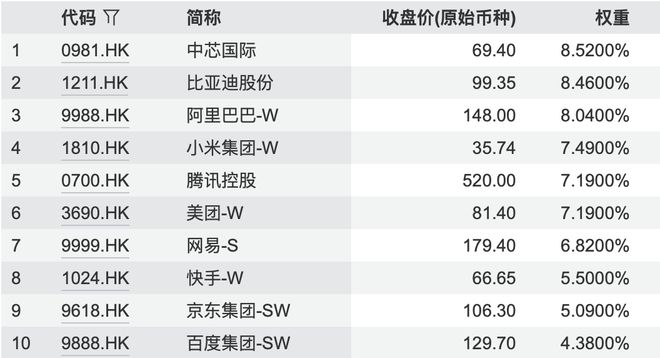
Core Insights - The game "Gossip Harbor" by Lemon Microfun has topped the overseas mobile game revenue chart for January 2026, generating over $79 million in revenue, surpassing many SLG products [1][3] - The synthesis game category has shown significant growth, with "Gossip Harbor" leading the way with a revenue increase of over $370 million in 2025, marking a 220% growth compared to 2024 [5][15] Revenue and Market Performance - In 2025, "Gossip Harbor" achieved a total revenue of approximately $541 million, making it the highest-grossing synthesis product, while "Travel Town" and "Seaside Escape" followed with revenues of about $210 million and $174 million respectively [14][12] - A total of 12 out of the top 20 synthesis products in 2025 were from Chinese or Hong Kong developers, indicating a strong dominance in the market [10][12] Game Category Trends - The number of Merge-2 games on the revenue chart has surpassed Merge-3 games, with 12 Merge-2 titles compared to only 8 Merge-3 titles [8][6] - The top 8 products in the revenue growth chart for 2025 were all from overseas developers, highlighting the success of these products in the international market [15] New Entrants and Market Dynamics - Five new products entered the revenue chart in 2025, all from overseas developers, showcasing the potential for new entrants to succeed in the synthesis game market [18][16] - The majority of successful synthesis products have been on the market for over two years, indicating that new products may require significant time for optimization to achieve high revenue [16][18] Monetization Strategies - Most synthesis products primarily focus on in-app purchases (IAP), with only one new entrant, "Happy Merge Home," showing a preference for in-app advertising (IAA) [19][20] - The revenue per download (RPD) for successful products tends to be significantly higher than for newer entrants, suggesting that established products benefit from a loyal user base [31][33] Competitive Landscape - The dominance of Chinese developers in the synthesis game market has increased, with nine products generating over $14 million in revenue, setting a new record [12][10] - The competitive landscape is evolving, with established companies leveraging AI and extensive marketing strategies to maintain their market positions [30][31] Future Outlook - The synthesis game market is expected to continue growing, but the increasing content barriers established by top products like "Gossip Harbor" may make it challenging for new entrants to compete [40][41] - The potential for differentiation in gameplay and monetization strategies remains a key factor for new developers looking to succeed in this competitive environment [39][35]
港股冰与火:智谱、MiniMax抢眼 互联网巨头为何“沉默”?
Zhong Guo Zheng Quan Bao· 2026-02-25 04:59
Group 1 - The Hong Kong stock market is experiencing significant divergence, with the Hang Seng Technology Index declining while AI companies like Zhizhu and MiniMax show strong performance and increased capital concentration [1][2] - The Hang Seng Technology Index has dropped over 20% since its peak in October 2022, with major companies like Tencent, Alibaba, Baidu, and Meituan seeing declines of over 12% to 16% [2][3] - The top ten weighted stocks in the Hang Seng Technology Index account for nearly 70% of the index, indicating that movements in a few major stocks can significantly impact the overall index [2][3] Group 2 - The divergence in performance between AI companies and traditional internet giants is attributed to macroeconomic, industry, and funding logic [5][6] - Concerns over tightening global liquidity due to the nomination of a new Federal Reserve chair have negatively impacted technology stocks sensitive to liquidity [5] - The market is shifting its valuation logic from "growth stocks" to "value stocks" for traditional internet companies, while AI companies are being valued based on their potential and technological advancements [6][8] Group 3 - AI companies like Zhizhu and MiniMax have seen substantial increases in market value, with Zhizhu rising over 440% and MiniMax over 430% since their respective IPOs [3][4] - The investment logic in the Hong Kong market is undergoing a fundamental restructuring, moving from "traffic economy" to "intelligent economy," reflecting a shift in how technology assets are valued [8][9] - The capital market is increasingly favoring companies that demonstrate core technological breakthroughs and rapid commercialization, leading to a re-evaluation of traditional business models [8][10]
无惧“AI逆风”?瑞银唱多中国科技股
Feng Huang Wang· 2026-02-25 04:53
2月25日,尽管近期受美国人工智能(AI)震荡拖累,中国科技股有所下跌,但瑞银(UBS)分析师仍 坚持看涨,并将增加对中国科技股的配置,因为他们认为,强劲的盈利、有吸引力的估值和人工智能的 进步有望在2026年带来回报。 不过,瑞银反驳了这种观点,称强大的用户洞察力、运营能力和知识产权储备仍然是小型开发商难以复 制的关键优势。该行表示,顶级游戏公司更有可能从人工智能趋势中受益,而不是受到其损害。 但另一方面,近几个月来,一批规模较小的中国人工智能初创公司——如智谱(02513.HK)、MiniMax (00100.HK)和 Deepseek——发布了一系列尖端人工智能模型,提振了人们对中国人工智能长期前景 的乐观情绪。 瑞银分析师表示:"我们预计到2026年,中国的人工智能将取得更加蓬勃的发展,包括更强大的基础模 型和创新应用。" 瑞银将其投资组合中腾讯控股(00700.HK)的权重提高了3个百分点,并分别将哔哩哔哩 (09626.HK)、看准科技有限公司、美团(03690.HK)、网易(09999.HK)和好未来教育集团 (TAL)的权重提高了1个百分点。同时,瑞银将其投资组合中唯品会(VIPS)的权重降低 ...
新功能!微信可以面对面收照片、文件啦~
Xin Lang Cai Jing· 2026-02-25 04:36
转自:长春发布 没有中间存储不需要流量! 来 源:智通财经 编 辑:贾 薇 网友表示 很好用 大视频基本上也是秒传 ...

微信更新“面对面收照片和文件”功能,无需流量支持跨系统传输
Sou Hu Cai Jing· 2026-02-25 04:16
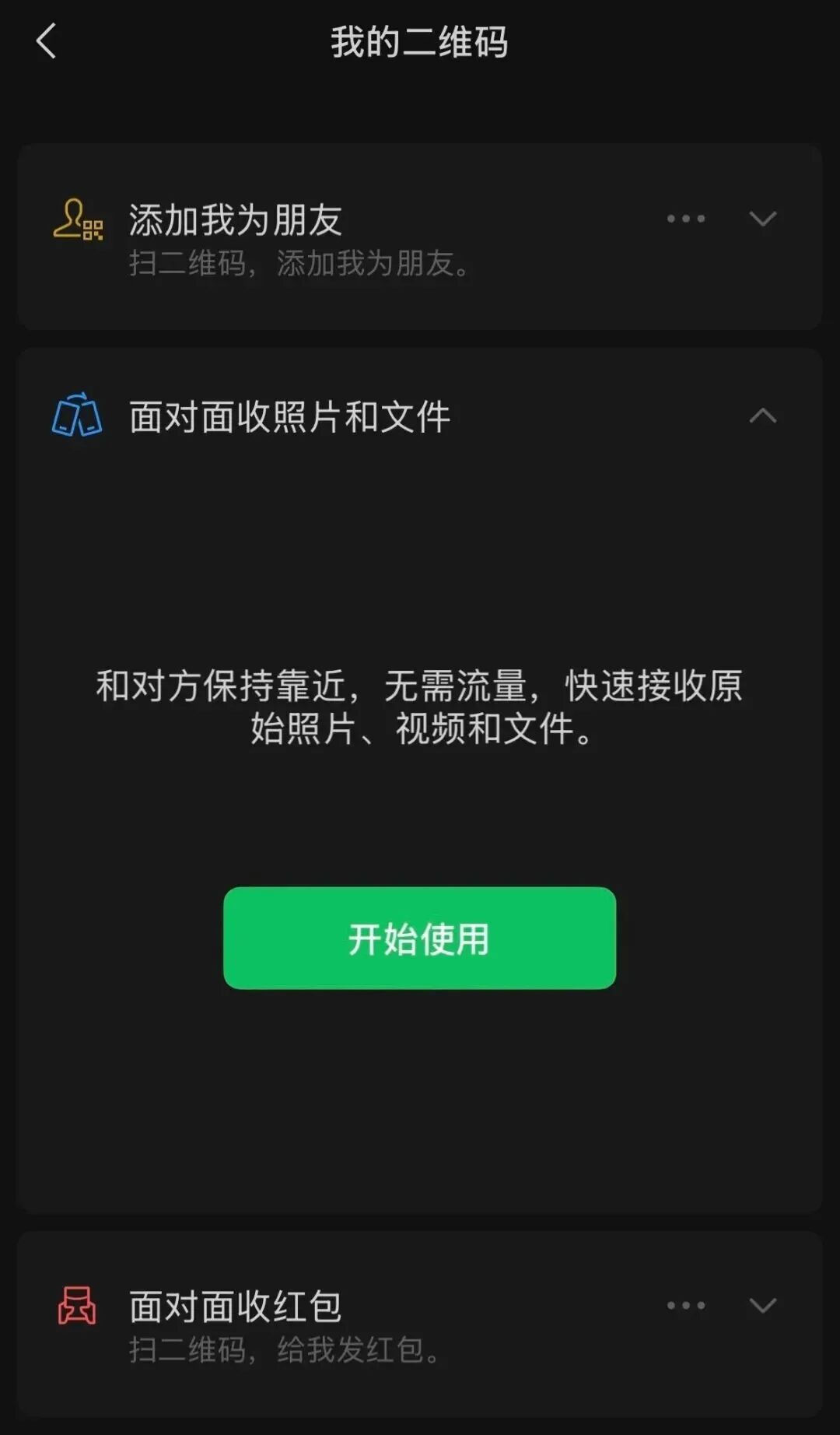
Group 1 - The core feature of WeChat's recent update is the "face-to-face transfer" function, allowing users to receive original photos, videos, and files without using data or adding friends, simply by keeping devices close together [1] - This feature is accessible through the "My QR Code" page in the "Scan" section, enabling easy file sharing after scanning the QR code [1] - The function is designed for various scenarios, such as avoiding group chats during gatherings and addressing cross-system transfer issues between iOS and Android, thus facilitating convenient sharing [1]

微信上线新功能,网友:太需要了
Zhong Guo Ji Jin Bao· 2026-02-25 04:14
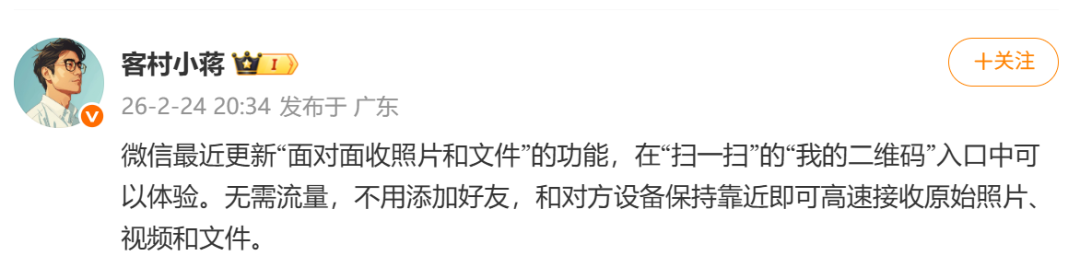
微信又有新功能上线! 近日,微信员工"客村小蒋"发布微博称,微信最近更新了"面对面收照片和文件"的功能,在"扫一扫"的"我的二维码"入口中可以体验。无需流量,不用添 加好友,和对方设备保持靠近即可高速接收原始照片、视频和文件。 具体操作路径如下: 微信首页点击右上角"+"再点击"扫一扫"; 点击左下角"我的二维码"; 点击"面对面收照片和文件"; 对方扫码后即可向你发送照片、视频及文件。 对于应用场景,官方给出两个案例:一是春节、婚礼、同学聚会等场合,不用建临时群,手机拍摄的照片、视频可"秒传"给其他亲友、同学,不担心压缩 画质和流量消耗。二是跨系统的"快捷传输":iOS有"隔空投送",安卓有互传联盟,新功能可以解决跨系统近距离传输的需要。 腾讯公司公关总监张军也发布微博宣传微信的"面对面收照片和文件"功能。此外,他提到QQ也有面对面快传功能,欢迎大家体验。 近期,多名博主分享对该功能的测试心得,均对传输速度表示肯定,认为适合面对面分享大文件。该功能解决了苹果端和安卓端的视频传输需要,对自媒 体运营、授课收集作业、摄影圈分享等场景非常友好。 对于此次微信推出的新功能,网友纷纷表示:"确实非常好用、非常方便"" ...
春节,关税与AI
2026-02-25 04:14
Summary of Conference Call Notes Company/Industry Involved - The discussion revolves around the macroeconomic environment, particularly focusing on the Chinese market and its interactions with global markets, including the U.S. and Japan. Key Points and Arguments Macroeconomic Changes - The U.S. Supreme Court's decision to overturn Trump's tariffs based on the EPA has created a notable impact, although the overall market reaction has been muted due to prior expectations of such a ruling [1][7][11]. - The performance of major asset classes during the Spring Festival period showed that commodities, particularly oil and gold, performed relatively well, while the Hong Kong stock market, especially the Hang Seng Tech Index, lagged significantly [1][2][3]. Market Performance - The U.S. stock market, particularly small-cap stocks, has shown resilience, while tech stocks have struggled to regain their footing after recent adjustments [2][3]. - The Hong Kong market has been characterized by a significant underperformance of tech stocks, attributed to concerns over the differentiation between new and old technology companies [2][3]. Capital Flows - There has been a notable inflow of foreign capital into the Chinese market, particularly from the Asia-Pacific region, although this has not been reflected in the performance of the Hong Kong market [4][5]. - The inflow of foreign capital has been sustained for six consecutive weeks, indicating a growing preference for Chinese assets, despite a slowdown in the pace of inflows recently [4][5]. U.S. Tariff Policies - The recent changes in U.S. tariff policies, particularly the Supreme Court's ruling, have led to a slight decrease in the overall tariff rate, which is now approximately 13.4% [11][12]. - The implications of these tariff changes are complex, as they may lead to further negotiations and adjustments in trade policies, creating uncertainty in the market [9][12]. Economic Indicators - U.S. GDP growth for the fourth quarter was reported at an annualized rate of 1.4%, significantly lower than the previous quarter's 4.4%, influenced by government shutdowns and trade dynamics [17][18]. - The PCE data released showed slight inflationary pressures, but overall, inflation is not expected to pose a significant threat to the Federal Reserve's monetary policy [19][20]. Chinese Economic Outlook - The Chinese financial data indicates a mixed picture, with M1 growth reflecting a recovery in the capital market, but overall credit demand remains weak [24][25]. - Consumer spending during the Spring Festival showed moderate growth, with expectations for continued recovery, but structural issues in consumer spending power remain [26][27]. Future Considerations - The upcoming Two Sessions and the visit from Trump are anticipated to be critical events that could influence market dynamics and policy directions [28]. - The overall outlook for the Hong Kong market remains cautious, with expectations of a potential slowdown in the credit cycle in the second quarter of the year [25][29]. Other Important but Possibly Overlooked Content - The differentiation in performance between various sectors, particularly in technology, highlights the need for investors to focus on specific companies and their competitive positioning within the market [30][31]. - The discussion emphasizes the importance of understanding the underlying economic fundamentals rather than solely relying on capital flow data, which can be lagging indicators [6][19]. This summary encapsulates the key insights and data points from the conference call, providing a comprehensive overview of the current market landscape and future expectations.
光互联开门红,坚定看好三大方向
2026-02-25 04:13
Summary of Conference Call on Optical Interconnection Sector Industry Overview - The conference focused on the optical interconnection sector, highlighting its growth potential and recent market dynamics, particularly in the context of technological advancements and stock performance in related companies like AMD and NVIDIA [1][2]. Key Points and Arguments Market Dynamics - The optical interconnection industry is experiencing a positive momentum driven by technological advancements and market catalysts, with significant stock price increases observed in major players [1]. - The sector is categorized into three segments: large optical, small optical, and new optical, each with distinct growth trajectories and market logic [1]. New Optical Segment - The new optical segment includes next-generation solutions such as CPU, NPU, and OCS, which are gaining traction due to rapid technological iterations and deployment [2]. - Lumentum reported substantial progress in the CPO field, securing multi-million dollar orders for high-power laser systems, with deliveries expected by 2027 [2][3]. Large Optical Segment - The large optical segment, primarily focused on optical modules, is expected to maintain a high growth trajectory, supported by increasing capital expenditures from major cloud service providers (CSPs) like Amazon and Google, which are projected to reach nearly $600 billion in 2026, a 60% year-over-year increase [7]. - The demand for optical modules is underpinned by the need for enhanced AI computing capabilities, with significant growth anticipated in 800G, 1.5T, and 3.2T optical products [9]. Small Optical Segment - The small optical segment, which includes second-tier optical module manufacturers, is poised for substantial growth as demand from CSPs expands beyond major players to include companies like Meta and AWS [13][14]. - The potential for second-tier companies to secure contracts with leading CSPs is increasing, which could lead to rapid revenue growth due to their smaller base and high elasticity in performance [14]. Additional Important Insights - The competition between CPU and traditional optical modules is stabilizing, with both technologies expected to coexist and grow, reflecting a positive outlook for the industry [11]. - The NPU segment is gaining attention, with major players like Tencent and Alibaba making significant advancements, indicating a shift in market focus towards this technology [10]. - The overall market logic for optical modules remains strong, with various catalysts expected to enhance growth prospects, including increased production capacity and technological advancements [12]. Recommendations - Continued monitoring of the optical interconnection sector is advised, with specific attention to key players such as Tianfu Communication and Juguang Technology for potential investment opportunities [6][12]. - The small optical segment should be closely watched for emerging opportunities, particularly in companies like Liantech and Green Li Eco, which may benefit from increased demand and supply chain integration [14].



