
大秦铁路

Search documents
1.2万亿的“世界水电站之王”,普通人如何稳稳吃上50年红利?
Sou Hu Cai Jing· 2025-07-22 03:13
Core Viewpoint - The article discusses the long-term investment potential in hydropower, particularly through companies like China Yangtze Power, which can benefit from stable cash flows over 50 years from hydropower assets [1][2]. Group 1: Investment Opportunities - Hydropower operators can hold assets indefinitely, enjoying stable revenues, unlike construction companies that exit after project completion [1]. - For example, if China Yangtze Power increases its total installed capacity by 40% from 71.7 million kW to 100 million kW, it could generate an annual revenue of 90 billion yuan, leading to a net profit increase of 18 billion yuan per year [1]. - The additional cash flow could support a long-term dividend yield of over 4%, ensuring that even with stock price fluctuations, the absolute dividend amount continues to grow [1]. Group 2: Index and Sector Analysis - The China Securities Dividend Index includes sectors such as public utilities, transportation, steel, and coal, which together account for nearly 40% of the index, providing diversified exposure to the hydropower project benefits [2]. - The index serves as a more stable long-term investment vehicle compared to construction companies, as it mitigates performance volatility risks associated with construction projects [3][4]. - The China Securities Dividend ETF (515080) is designed for long-term holding, focusing on companies with stable demand and strong cash flows, outperforming traditional bank savings [4]. Group 3: Dividend Strategy - The China Securities Dividend Index undergoes semi-annual reviews to remove companies with reduced dividends and introduce new cash-generating firms, ensuring a focus on the most profitable and generous companies [5].

25H1预计稳健增长,重视回调后投资价值
Huachuang Securities· 2025-07-21 09:13
Investment Rating - The report maintains a "Recommendation" rating for the transportation industry [3] Core Viewpoints - The transportation industry is expected to experience steady growth in H1 2025, with an emphasis on the investment value after market corrections [2] - The report highlights the underperformance of dividend assets in July 2025, which lagged behind the CSI 300 index and the transportation index [6][11] - The report suggests a focus on long-term investment value in transportation dividend assets, driven by industry logic and valuation elasticity [6] Industry Basic Data - Total number of stocks: 122 - Total market capitalization: 33,240.61 billion - Circulating market capitalization: 28,359.48 billion [3] Monthly Market Performance - From July 1 to July 18, 2025, the transportation industry rose by 0.52%, underperforming the CSI 300 index by 2.59 percentage points [10] - Year-to-date, the transportation industry has decreased by 1.31%, lagging behind the CSI 300 index by 4.46 percentage points [10] - Specific performance of dividend assets from July 1 to July 18: - Expressways: -0.02% - Railway transportation: -2.23% - Ports: 0.36% [11] Market Environment - The report notes a low interest rate environment, with the 10-year government bond yield at 1.67% as of July 18, 2025 [22] - Daily average transaction volume for highways increased by 18.9% year-on-year, while ports saw a significant increase of 65.5% [25] Industry Data Highways - Passenger volume in May 2025: 985 million, down 2.6% year-on-year - Freight volume in May 2025: 3.681 billion tons, up 1.7% year-on-year [31] Railways - Passenger volume in June 2025: 373 million, up 3.7% year-on-year - Freight volume in June 2025: 43.8 million tons, up 2.2% year-on-year [50] Ports - Port cargo throughput in the last four weeks (June 16 - July 13, 2025): 1.058 billion tons, up 5.1% year-on-year [59] Investment Recommendations - The report recommends focusing on highway assets with high dividend yields, such as Sichuan Chengyu Expressway, and emphasizes the potential for growth in the highway sector [6] - For ports, it suggests investing in companies like China Merchants Port and Qingdao Port, which are expected to see stable growth [6] - In the railway sector, it highlights the potential of key assets like Beijing-Shanghai High-Speed Railway and Daqin Railway [6]
易方达瑞锦混合A:2025年第二季度利润980.66万元 净值增长率1.81%
Sou Hu Cai Jing· 2025-07-21 01:45
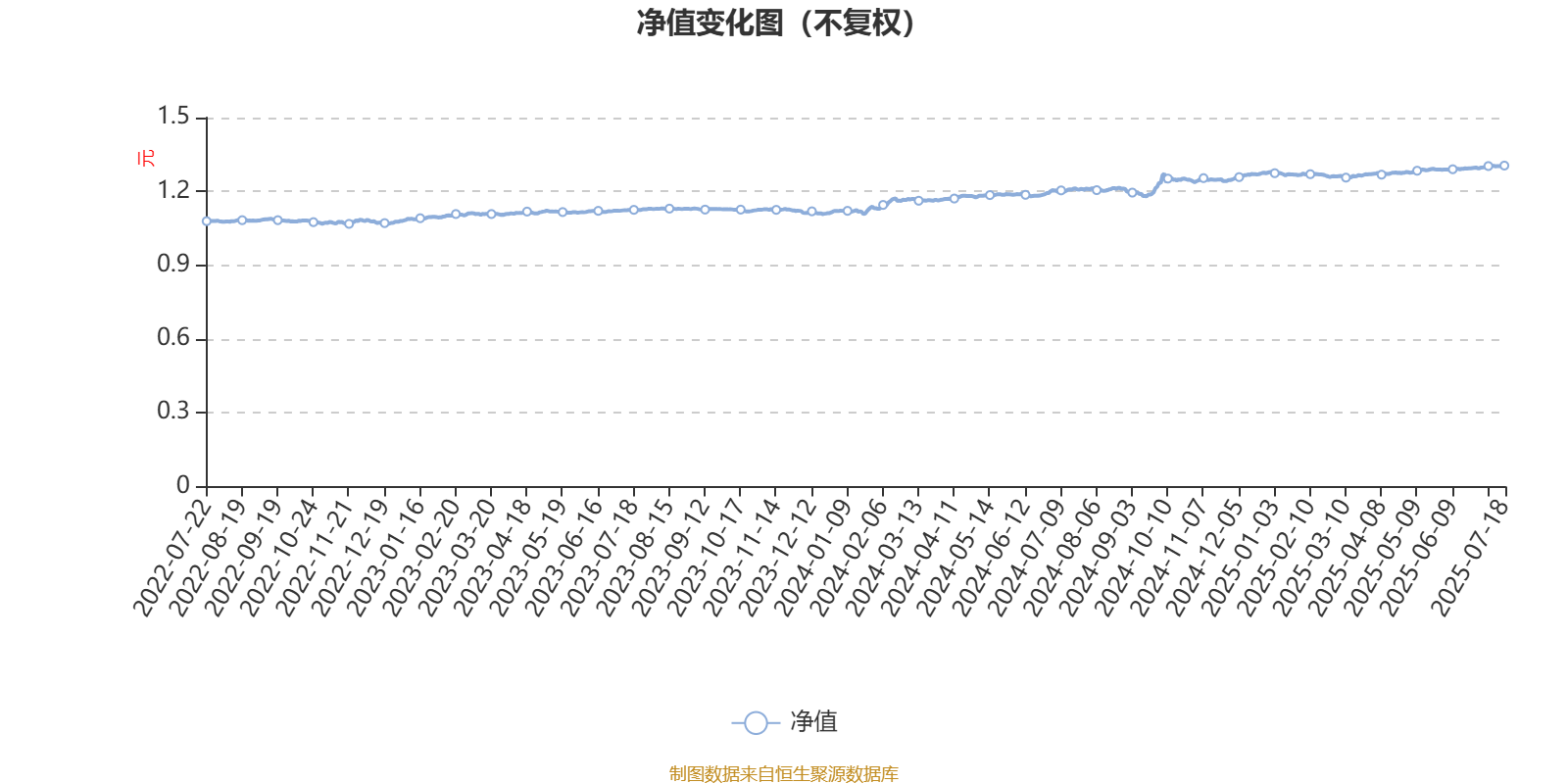
Core Viewpoint - The report highlights the performance and management strategies of the E Fund Rui Jin Mixed A Fund, indicating a resilient economic backdrop supported by proactive macro policies despite internal and external challenges [4][5]. Fund Performance - In Q2 2025, the fund reported a profit of 9.8066 million yuan, with a weighted average profit per fund share of 0.0221 yuan [4]. - The fund's net asset value (NAV) growth rate for the quarter was 1.81%, with a total fund size of 679 million yuan as of the end of Q2 [4][15]. - As of July 18, the fund's unit NAV was 1.305 yuan [4]. Comparative Performance - Over the past three months, the fund's NAV growth rate was 2.23%, ranking 57 out of 142 comparable funds [5]. - The fund's six-month NAV growth rate was 2.85%, ranking 43 out of 142 [5]. - The one-year NAV growth rate was 7.75%, ranking 35 out of 142 [5]. - The three-year NAV growth rate was 20.90%, ranking 3 out of 142 [5]. Risk Metrics - The fund's Sharpe ratio over the past three years was 1.0558, ranking 2 out of 142 comparable funds [10]. - The maximum drawdown over the past three years was 2.81%, with a ranking of 126 out of 142 [11]. Investment Strategy - The average stock position over the past three years was 19.42%, compared to the industry average of 18.43% [14]. - The fund reached a peak stock position of 33.73% at the end of H1 2024, with a minimum of 8.73% at the end of Q3 2023 [14]. Top Holdings - As of the end of Q2 2025, the fund's top ten holdings included Changjiang Electric Power, Focus Media, Jiangsu Bank, Guangdong Highway A, China Automotive Research, Daqin Railway, Transsion Holdings, Postal Savings Bank, Sichuan Investment Energy, and Ninghu High-Speed [18].
农银国企改革混合:2025年第二季度利润395.92万元 净值增长率5.01%
Sou Hu Cai Jing· 2025-07-18 11:00
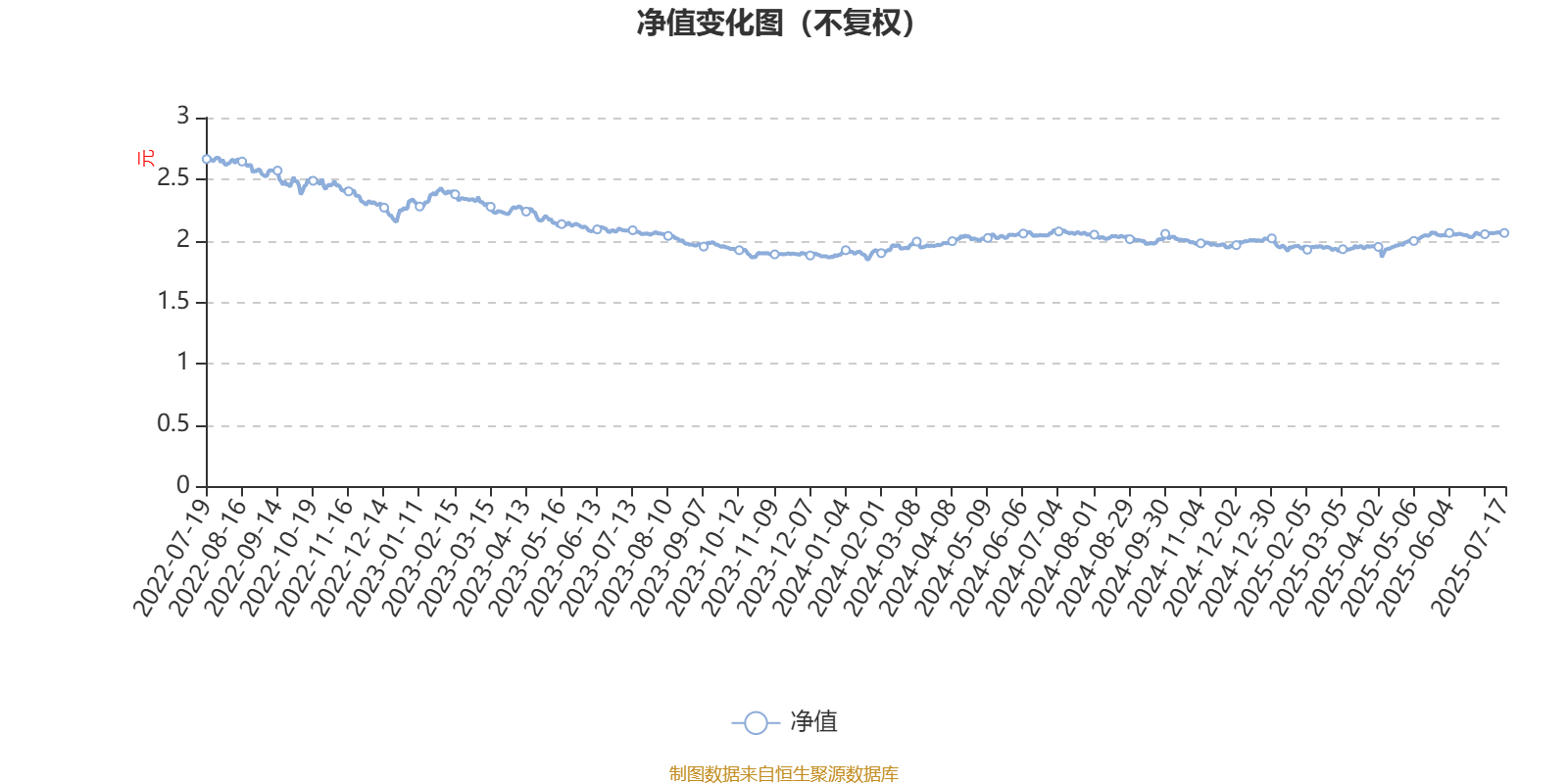
Core Viewpoint - The AI Fund Agricultural Bank State-Owned Enterprise Reform Mixed Fund (002189) reported a profit of 3.9592 million yuan for Q2 2025, with a weighted average profit per fund share of 0.098 yuan, and a net value growth rate of 5.01% during the period [2]. Fund Performance - As of July 17, the fund's unit net value was 2.062 yuan, with a fund size of 82.584 million yuan as of the end of Q2 2025 [2][15]. - The fund's performance over different time frames includes a 5.18% growth rate over the last three months, 5.48% over the last six months, 0.60% over the last year, and a -21.43% decline over the last three years [3]. Fund Management Strategy - The fund manager, Zhang Feng, maintained a neutral to low position in Q2, increasing the position to a neutral level by the end of the quarter. The overall portfolio was conservatively defensive, but new core asset selections performed well, contributing significantly to the portfolio's outperformance against the market [2]. - The fund will continue to focus on low-volatility dividend-related sectors and seek new core asset opportunities, with significant allocations in public utilities, telecommunications, banking, non-banking financials, transportation, and new consumption sectors [2]. Risk Metrics - The fund's Sharpe ratio over the last three years was -0.8684, ranking 867 out of 874 comparable funds [8]. - The maximum drawdown over the last three years was 31.2%, with the largest single-quarter drawdown occurring in Q1 2022 at 22.33% [10]. Portfolio Composition - As of June 30, the fund's average stock position over the last three years was 69.58%, compared to a peer average of 80.33%. The fund reached a peak stock position of 92.11% in Q3 2021 and a low of 42.92% in Q3 2024 [13]. - The top ten holdings of the fund as of Q2 2025 included Changjiang Electric Power, China Mobile, Chuan Investment Energy, Guotou Electric Power, SF Express, Gree Electric Appliances, Huace Navigation, GF Securities, Daqin Railway, and Bank of China [18].
招商基金旗下招商安和债券C二季度末规模46.83亿元,环比减少35.45%
Sou Hu Cai Jing· 2025-07-18 09:36
Group 1 - As of June 30, 2025, the net asset of the招商安和债券C fund is 4.683 billion yuan, representing a decrease of 35.45% compared to the previous period [1] - The fund manager, 邓童, has extensive experience in risk management and quantitative investment strategies, having joined 招商基金 in 2011 [2] - The fund has experienced significant changes in its share scale, with a total share of 0.02 billion at the end of June 2025, and a net asset change rate of -24.80% [3] Group 2 - The fund's recent performance shows a 3-month return of 1.4%, a 1-year return of 3.68%, and a cumulative return since inception of 7.75% [3] - The top ten stock holdings of the fund include 大秦铁路, 雅戈尔, 南京银行, and others, with a total holding percentage of 1.61% [3] - 招商基金管理有限公司 was established in December 2002, located in Shenzhen, with a registered capital of 1.31 billion yuan [3]
中信保诚红利精选A:2025年第二季度利润32.91万元 净值增长率1.57%
Sou Hu Cai Jing· 2025-07-18 08:38
Core Viewpoint - The AI Fund, CITIC Prudential Dividend Select A (008091), reported a profit of 329,100 yuan for Q2 2025, with a weighted average profit per fund share of 0.0235 yuan. The fund's net value growth rate was 1.57%, and its total scale reached 22.47 million yuan by the end of Q2 2025 [3][16]. Fund Performance - As of July 17, the fund's unit net value was 1.633 yuan. Over the past year, the fund achieved a cumulative net value growth rate of 10.38%, ranking it highest among its peers, while CITIC Prudential New Blue Chip had the lowest at -0.2% [3]. - The fund's net value growth rates over different periods are as follows: 4.51% over the last three months (ranked 543/615), 4.91% over the last six months (ranked 480/615), and 14.74% over the last three years (ranked 29/324) [4]. Investment Strategy - In Q2 2025, the fund adjusted its holdings towards high-dividend stocks, slightly increasing the concentration of its portfolio. The external environment has become more complex, with increasing trade barriers, but the overall economic operation in China remains stable and improving [3]. Risk and Return Metrics - The fund's Sharpe ratio over the past three years is 0.4308, ranking 17/319 among comparable funds. The maximum drawdown over the same period was 14.64%, with the largest single-quarter drawdown occurring in Q1 2022 at 14.53% [10][12]. Portfolio Composition - The average stock position of the fund over the past three years was 88.66%, compared to the industry average of 83.13%. The fund reached a peak stock position of 92.3% in mid-2021 and a low of 70.57% in Q1 2020 [15]. - As of Q2 2025, the top ten holdings of the fund included Midea Group, Yangtze Power, Bank of Communications, Hangzhou Bank, Industrial and Commercial Bank of China, Jiangsu Bank, China Merchants Bank, Gree Electric Appliances, Daqin Railway, and Industrial Bank [19].



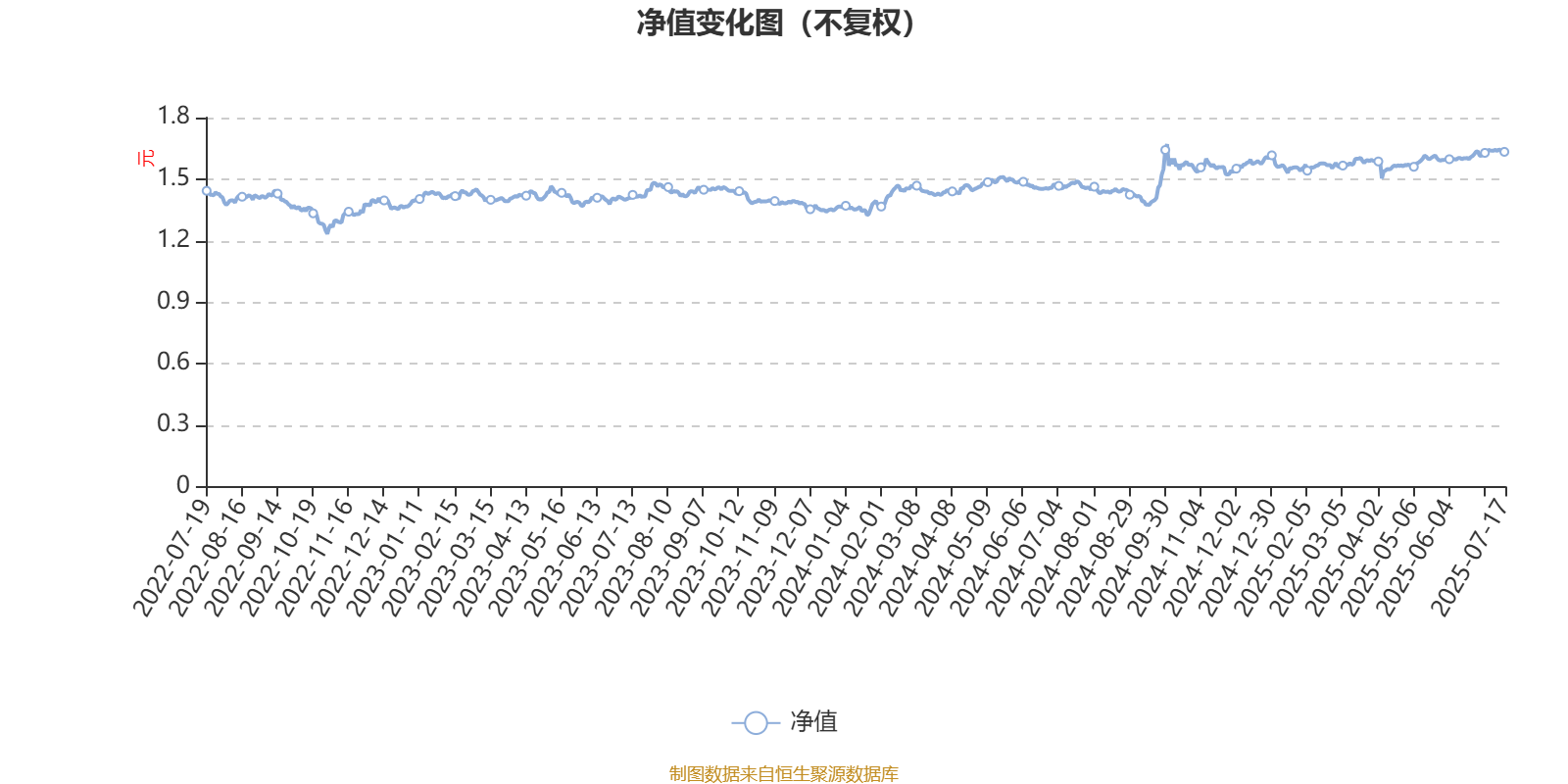
中证全指运输业指数报2513.69点,前十大权重包含建发股份等
Jin Rong Jie· 2025-07-18 08:33
Core Viewpoint - The China Securities Index Transportation Industry Index has shown a slight decline over the past month but has increased over the last three months and year-to-date, indicating a mixed performance in the transportation sector [2]. Group 1: Index Performance - The China Securities Index Transportation Industry Index reported a decrease of 0.91% over the past month, an increase of 3.46% over the last three months, and a year-to-date increase of 0.05% [2]. - The index is designed to reflect the overall performance of different industry companies within the China Securities Index sample, categorized into various industry levels [2]. Group 2: Index Composition - The top ten weighted companies in the China Securities Index Transportation Industry Index are: SF Express (9.92%), Beijing-Shanghai High-Speed Railway (9.56%), COSCO Shipping Holdings (9.55%), Datong Railway (9.49%), Spring Airlines (4.07%), YTO Express (3.58%), China Merchants Energy Shipping (3.05%), Jianfa Holdings (2.8%), Wuzhou International (2.71%), and Blue Lithium (2.49%) [2]. - The index's holdings are primarily listed on the Shanghai Stock Exchange (73.43%) and the Shenzhen Stock Exchange (26.57%) [2]. Group 3: Industry Breakdown - The industry composition of the index includes: logistics (23.54%), shipping (23.29%), railway transportation (22.73%), express delivery (16.98%), air transportation (10.96%), road transportation (2.16%), and public transport (0.33%) [3]. - The index samples are adjusted biannually, with adjustments occurring on the next trading day after the second Friday of June and December [3].






建信红利精选股票发起A:2025年第二季度利润47.61万元 净值增长率2.68%
Sou Hu Cai Jing· 2025-07-18 04:19
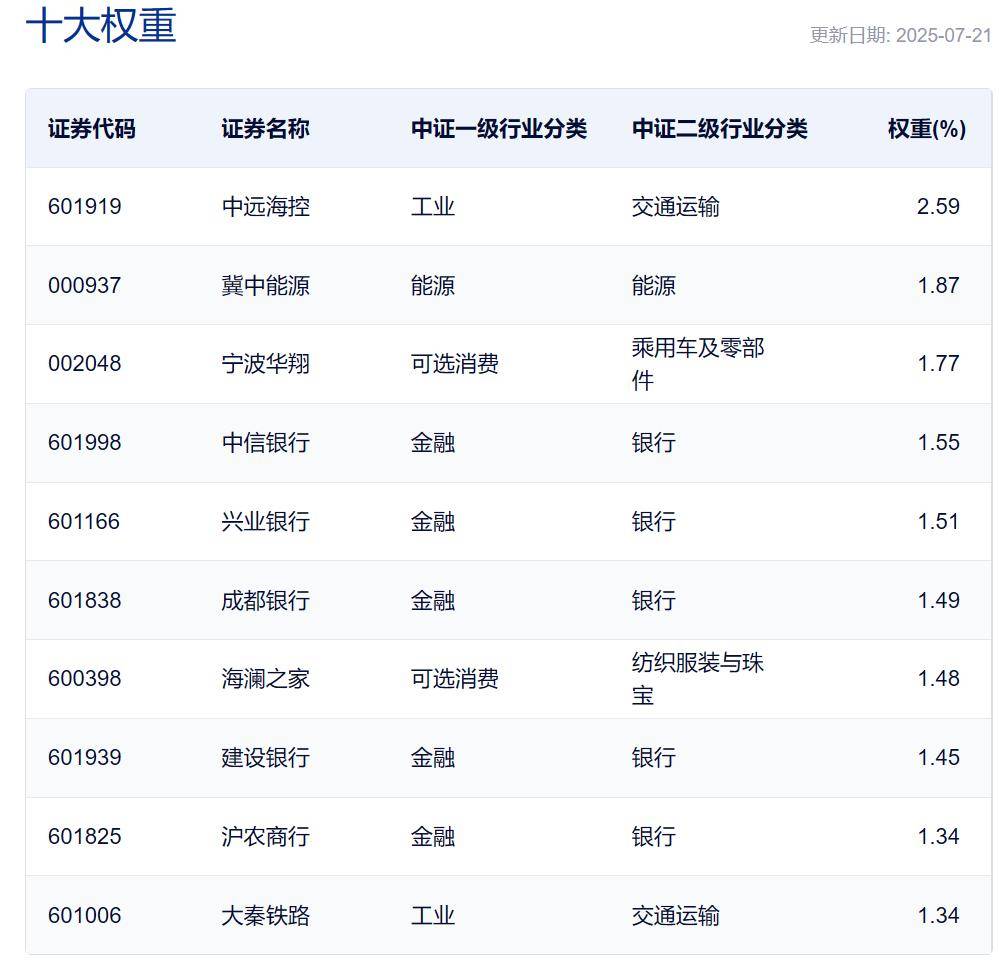
Core Insights - The AI Fund Jianxin Dividend Select Stock A (020759) reported a profit of 47.61 thousand yuan for Q2 2025, with a weighted average profit per fund share of 0.0272 yuan [3] - The fund's net asset value (NAV) growth rate for the reporting period was 2.68%, and as of the end of Q2, the fund size was 18.248 million yuan [3] - The fund is categorized as a standard equity fund, focusing on cyclical stocks, and as of July 17, the unit NAV was 1.068 yuan [3] Performance Metrics - As of July 17, the fund's NAV growth rate over the past three months was 5.82%, ranking 12 out of 18 in its category; over the past six months, it was 5.36%, ranking 15 out of 18; and over the past year, it was 8.15%, ranking 10 out of 14 [4] - The fund's Sharpe ratio since inception is 0.1012 [9] - The maximum drawdown since inception is 11.02%, with the highest quarterly drawdown occurring in Q2 2025 at 6.39% [12] Investment Strategy - The fund's management emphasizes a quantitative analysis-based approach for stock selection, considering macroeconomic trends and market style judgments, rather than solely focusing on static high dividend yields [3] - The average stock position since inception is 86.34%, compared to the category average of 88.79%, with the highest position reaching 93.75% at the end of 2024 and the lowest at 75.59% in Q3 2024 [15] Holdings - As of the end of Q2 2025, the fund's top holdings include China Shenhua, COSCO Shipping Holdings, Jiangsu Bank, Industrial Bank, Gree Electric Appliances, Agricultural Bank of China, Daqin Railway, Industrial and Commercial Bank of China, Sinopec, and China Petroleum & Chemical Corporation [19]
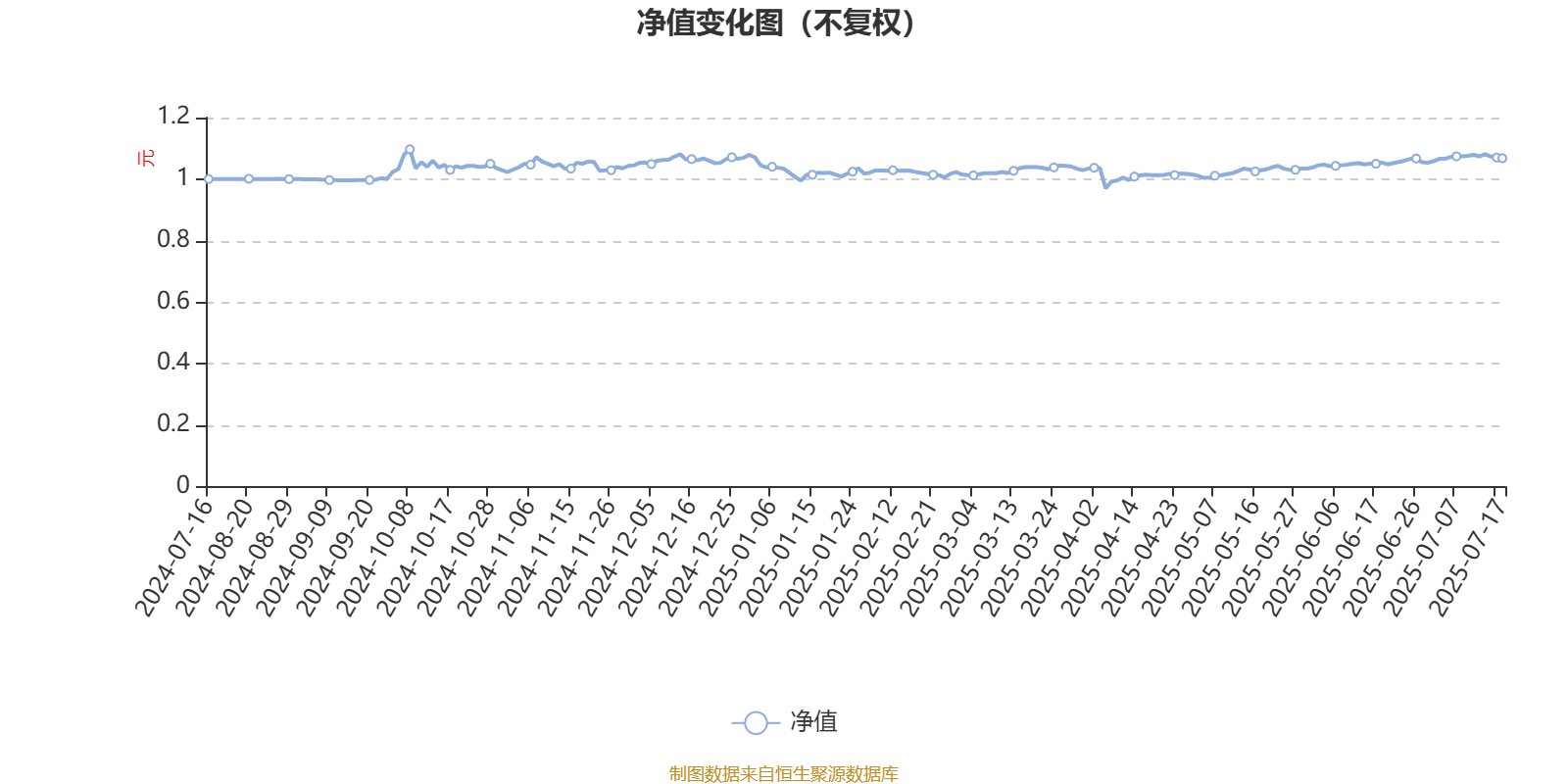
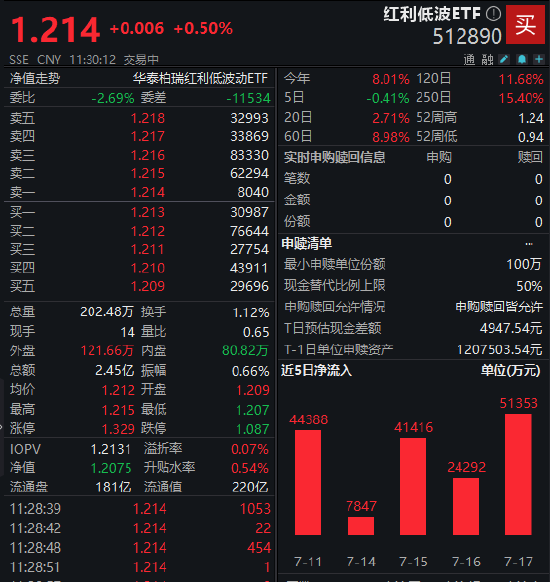
红利低波ETF(512890)半日吸金2.45亿 险资长钱或引爆高股息行情
Xin Lang Ji Jin· 2025-07-18 03:50
Core Viewpoint - The Reducing Volatility ETF (512890) has shown a positive performance with a 0.50% increase, reflecting strong investor interest and inflows, particularly from insurance funds seeking stable returns [1][2][3]. Fund Performance - As of July 18, the Reducing Volatility ETF (512890) closed at 1.214 CNY, with a half-day trading volume of 245 million CNY and a turnover rate of 1.12% [1][2]. - The ETF has experienced a net inflow of 1.693 billion CNY over the last five trading days and a cumulative net inflow of 2.147 billion CNY over the past ten trading days [1][2]. - The latest fund size for the Reducing Volatility ETF (512890) is 21.872 billion CNY as of July 17 [1]. Market Context - The Ministry of Finance issued a notice on July 11 aimed at guiding insurance funds towards long-term stable investments, which is expected to provide ongoing support for high-dividend sectors [1][3]. - Financial analysts believe that the new regulations will encourage insurance capital to increase equity allocations, particularly in bank stocks, which are characterized by high dividends and low volatility [1][3]. Top Holdings - The top holdings of the Reducing Volatility ETF (512890) include Chengdu Bank, Yageo, Industrial Bank, and Shanghai Bank, with respective price changes of +0.60%, +0.27%, +0.41%, and +0.92% [3][4]. - The fund's performance is benchmarked against the CSI Reducing Volatility Index, and it is managed by Liu Jun [3][5]. Investment Options - Investors seeking stable returns and low-risk alternatives can consider the Reducing Volatility ETF (512890) through its linked funds, which include various classes such as A, C, I, and Y [5].
上证公用指数下跌0.25%,前十大权重包含三峡能源等
Jin Rong Jie· 2025-07-17 07:33
Core Viewpoint - The Shanghai Public Utility Index has shown a slight decline of 0.25% recently, reflecting the overall performance of the public utility sector in the Shanghai Stock Exchange [1] Group 1: Index Performance - The Shanghai Public Utility Index closed at 4604.42 points with a trading volume of 31.554 billion yuan [1] - Over the past month, the index has increased by 0.35%, while it has risen by 0.89% over the last three months, but has decreased by 3.08% year-to-date [1] Group 2: Index Composition - The index is composed of stocks and depositary receipts from five major industry categories: industrial, commercial, real estate, public utilities, and comprehensive [1] - The top ten weighted stocks in the index include: - Beijing-Shanghai High-Speed Railway (7.69%) - China Nuclear Power (5.42%) - China Unicom (4.79%) - Huaneng Water Power (4.79%) - Shanghai Port Group (3.78%) - Daqin Railway (3.66%) - Three Gorges Energy (3.48%) - China Communications Construction (2.99%) - China Railway Construction (2.68%) - Air China (2.64%) [1] Group 3: Industry Breakdown - The industry composition of the index shows that industrials account for 51.38%, public utilities for 33.99%, communication services for 8.94%, consumer discretionary for 1.76%, energy for 1.69%, materials for 1.00%, financials for 0.84%, and real estate for 0.39% [2] Group 4: Index Sample Management - Stocks are included in the index based on their market capitalization ranking in the Shanghai market, with specific rules for inclusion and exclusion based on risk warnings and corporate actions [2]


