大疆

Search documents
3D打印开始线下拼刺刀
Shen Zhen Shang Bao· 2025-12-06 17:47
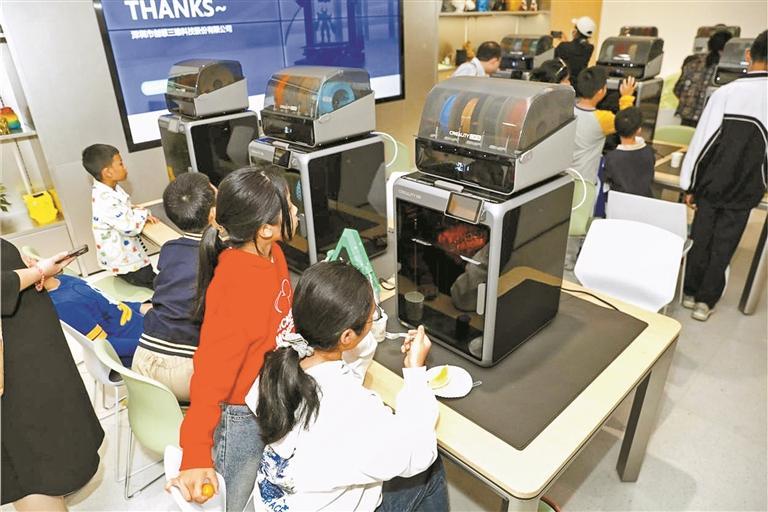
市民在创想三维3D打印店体验3D打印技术。(受访企业供图) 深圳商报首席记者 袁静娴 线下开店潮 从小众精品到大众玩具 12月6日,深圳宝安地标"湾区之眼"迎来科技新"住客"——创想三维3D打印全球超级旗舰店正式开业。 600平方米的开放空间里,熔融沉积、光固化、激光雕刻等不同工艺的设备同时运转,模型陈列区里从鞋帽到 玩具再到复杂结构件都有展示,三维3D打印这一仍算"小众"的技术第一次被以日常化的方式呈现。 这是今年下半年深圳开出的第二家3D打印线下门店。9月30日,拓竹科技在深圳湾万象城开设了全球首家直 营旗舰店。从拓竹到创想三维,这两家业内消费级3D打印机出货量最多的企业纷纷从线上拓展至线下,其意 义并不仅限于零售,也透露出趋势:消费级3D打印正在实现从技术爱好者走向大众消费者的跨越。 跨越临界点 从专业工具变普通家电 走进创想三维3D打印全球超级旗舰店,最直观的感受是,3D打印开始变得更好"理解"了。装饰品、玩具、 鞋、帽等由3D打印作品分区陈列,消费者能亲眼见证FFF(熔融沉积)技术如何将耗材层层堆叠成形,可以 观察光固化如何让液态树脂在光照下定型,也可以直观了解激光如何在不同材质上精密切割与雕刻的全 ...

欠中国代工厂超25亿元 扫地机器人鼻祖iRobot爆雷
Sou Hu Cai Jing· 2025-12-06 11:41
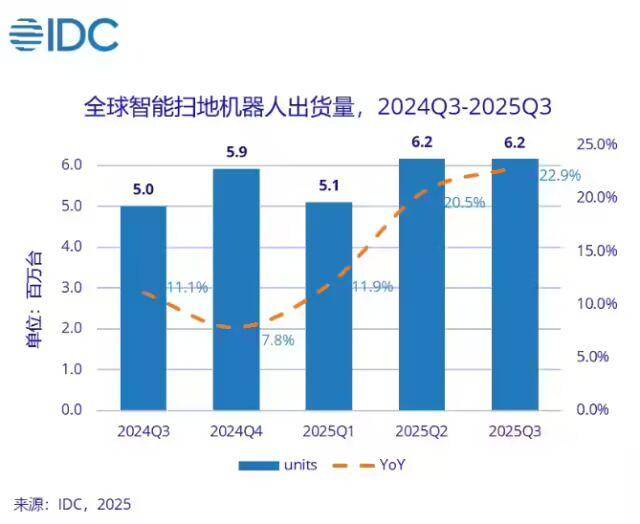
Core Viewpoint - iRobot, once a leader in the robotic vacuum industry, is facing a severe financial crisis, with debts exceeding $350 million and cash reserves dwindling to $24.8 million, putting the company on the brink of technical bankruptcy [1] Financial Situation - As of November 24, iRobot owes over $350 million (approximately 2.5 billion RMB) to its Chinese manufacturing partner, Shanjun Robotics, while its cash reserves are only $24.8 million [1] - The company reported a 24% year-over-year revenue decline in 2022, totaling $1.183 billion, with a net loss of $286.3 million [1] - By September of this year, iRobot's total assets were $481 million, total liabilities were $508 million, and shareholders' equity was negative $26.8 million, officially marking the company as insolvent [4] Market Position - iRobot's global market share has plummeted to 7.9% this year due to increased competition and a rigid pricing strategy [4] - The company was once a dominant player, holding over 80% of the U.S. robotic vacuum market but has since lost significant ground [1] Corporate Actions - Following the failed acquisition by Amazon, which was initially valued at $1.7 billion and later reduced to $1.4 billion, iRobot laid off 350 employees (31% of its workforce) and saw its CEO resign, further deteriorating its financial condition [2][3] - iRobot is currently in negotiations with Shanjun for a debt resolution, which is seen as the company's only potential survival strategy, albeit at the cost of losing control to a Chinese entity [4] Industry Trends - The global robotic vacuum market saw a shipment of 17.424 million units in the first three quarters of 2025, reflecting an 18.7% year-over-year growth, with the third quarter alone showing a 22.9% increase [5] - Chinese manufacturers dominate the global shipment rankings, with companies like Roborock and Ecovacs leading the market [8] - In the domestic market, China experienced a shipment of 4.63 million robotic vacuums in the first three quarters of 2025, marking a significant 27.2% year-over-year increase [10]

汪滔的掌控感正在松动
3 6 Ke· 2025-12-06 04:32
Core Viewpoint - The launch of the Yingshi A1 panoramic drone represents a significant challenge to DJI, which has a revenue ten times greater than Yingshi, indicating a competitive shift in the drone market [1][3][18] Group 1: Product Launch and Market Position - Yingshi officially launched the Yingshi A1 panoramic drone on December 4, 2023, in a unique marketing event using a hot air balloon [1] - The Yingshi A1 is seen as a provocative product aimed at DJI, marking a notable attempt to redefine product categories within DJI's stronghold [3][18] - The competitive landscape is evolving, with Yingshi's new product potentially threatening DJI's market dominance, although the actual impact remains uncertain [3][18] Group 2: Competitive Dynamics - DJI's recent release of the Osmo 360 panoramic camera in July 2023 has intensified competition, as it directly targets Yingshi's market [3][18] - The technology industry often determines success based on product definition rather than just specifications or marketing, highlighting the importance of innovation in shaping consumer perceptions [3][18] - The emergence of new competitors, including smartphone manufacturers, poses additional challenges to DJI, as they seek to leverage high profit margins in the imaging market [18][20] Group 3: Leadership and Control - DJI's founder, Wang Tao, exhibits a strong desire for control, which influences company culture and employee dynamics [6][8][11] - Recent departures of key personnel from DJI to competitors like Yingshi indicate a potential erosion of Wang Tao's control and influence within the industry [13][14] - The competitive landscape is becoming increasingly complex, with both internal and external factors challenging DJI's previously unassailable position [22][23]
大疆市场策略转舵 多线出击打响价格阻击战
Zhong Guo Jing Ying Bao· 2025-12-05 20:20
Core Insights - DJI Agriculture has launched three new agricultural drones with improved performance and reduced prices, interpreted as a competitive move against XAG Technology's upcoming IPO [3][4][5] - DJI's aggressive pricing strategy across various sectors, including smart imaging and consumer drones, has raised concerns about a price war in the industry [3][8] - The shift in DJI's strategy reflects a dynamic evolution in its business approach, moving from a focus on technological superiority to a combination of technology innovation and aggressive pricing to expand market share [3][12] Agricultural Drone Pricing Strategy - The new agricultural drones T100S, T70S, and T55 are priced at 48,999 yuan, 43,999 yuan, and 36,999 yuan respectively, with discounts of up to 8,000 yuan for early orders [4][5] - The flagship T100S has a maximum takeoff weight of 149.9 kg and a payload capacity of 95 kg, featuring significant technological upgrades [4] - The market share for agricultural drones is dominated by DJI and XAG, with DJI holding 59% and XAG 17.1% as of 2024 [5] Market Dynamics and Competition - DJI's pricing strategy is seen as a move to solidify its market position ahead of XAG's IPO, indicating a clear intent to maintain dominance in the agricultural sector [5][6] - The trend of decreasing prices has shifted the user demographic from professional agricultural teams to individual farmers, with the ratio of professional users to individual users changing from 9:1 to 5:5 [7] - XAG has also responded with competitive pricing, indicating a mutual recognition of the need to adapt to market pressures [6][7] Broader Price War Context - DJI's price competition extends beyond agricultural drones, impacting the smart imaging market where it faces competition from companies like YI Technology [8][9] - The aggressive pricing tactics have led to significant price reductions across various DJI products, including handheld imaging devices and consumer drones [9][10] - Industry experts suggest that while price competition can expand the market, it may also dilute brand value and innovation potential in the long term [12][14] Strategic Shift and Future Considerations - DJI's historical strategy focused on high margins through technological innovation, but recent actions indicate a shift towards aggressive pricing to capture market share [12][13] - The company aims to balance its pricing strategies with ongoing technological advancements to avoid potential risks associated with over-reliance on price competition [14] - Industry analysts emphasize the importance of maintaining innovation and brand integrity while navigating competitive pricing pressures [14]
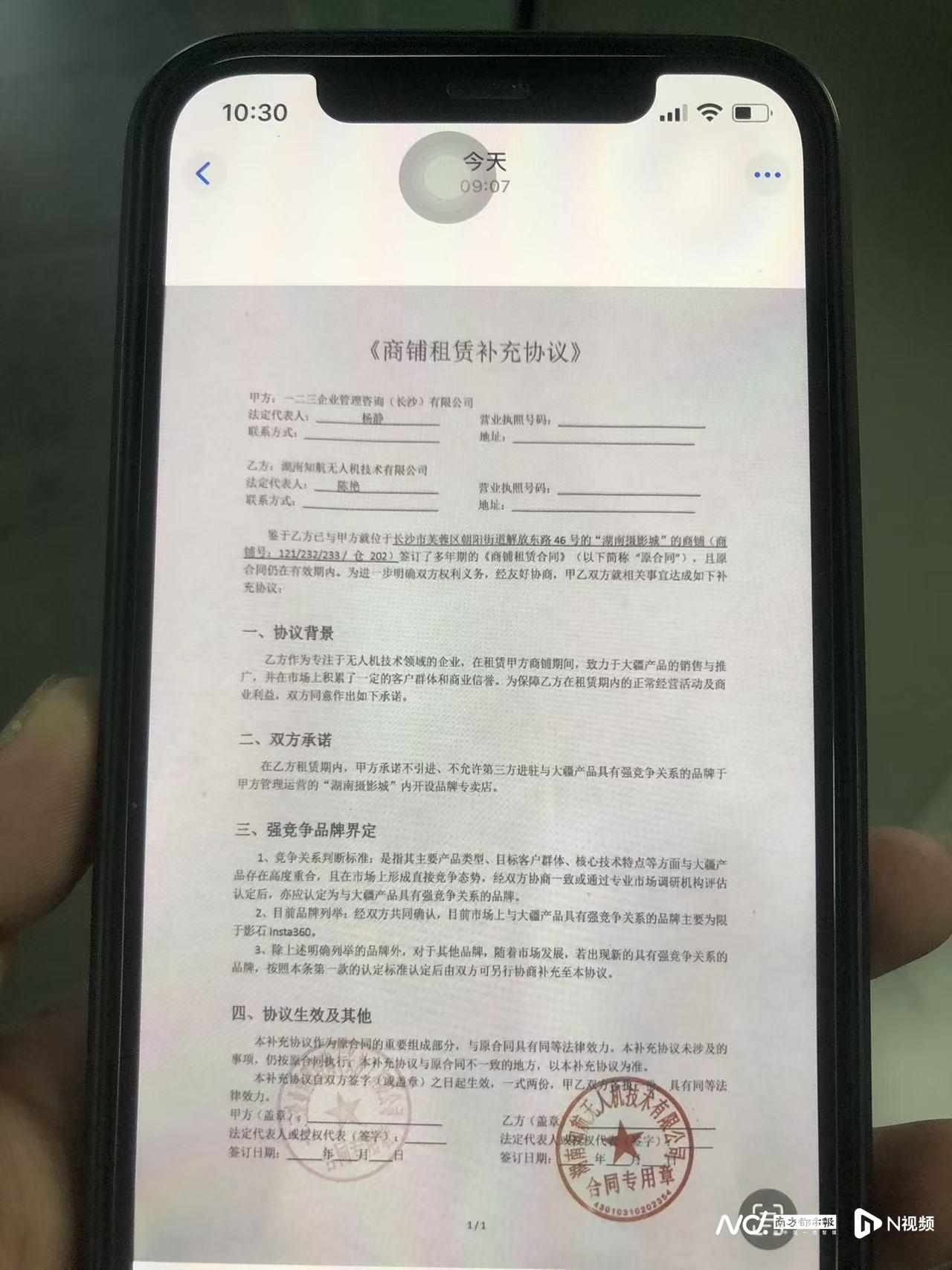
大疆经销商被指与商场签排他协议封杀影石 律师:或构成垄断
Nan Fang Du Shi Bao· 2025-12-05 16:03
Core Viewpoint - The article discusses a dispute involving a "exclusive agreement" that led to the demolition of a store sign for an Insta360 experience store in Hunan Photography City, highlighting potential anti-competitive practices and legal implications [1][12]. Group 1: Background of the Dispute - Zhang, a businessman with over 20 years in the photography equipment industry, was forced to remove the sign of his newly renovated Insta360 store due to an exclusive agreement between the management of Hunan Photography City and a DJI distributor [2][5]. - The exclusive agreement prohibits the entry of competing brands, specifically naming Insta360 as a strong competitor to DJI products [5][12]. Group 2: Legal Implications - Legal experts suggest that the exclusive agreement may violate anti-monopoly laws, as it restricts competition by preventing third-party brands from entering the market [12]. - The agreement's lack of public disclosure and its specific targeting of certain brands could be seen as undermining fair market competition and consumer choice [12]. Group 3: Market Context - The competitive landscape between DJI and Insta360 has intensified, with Insta360 holding a significant market share in the panoramic camera sector, while DJI has recently entered this market with aggressive pricing strategies [13]. - According to a report, Insta360 has maintained a global market share of over 85% in the panoramic camera segment for eight consecutive years, while DJI has captured approximately 17.1% of the global market share in Q3 [13].
无人机变身“山间搬运工”,苏州低空经济破解东山果农“爬坡难”
Yang Zi Wan Bao Wang· 2025-12-05 14:40
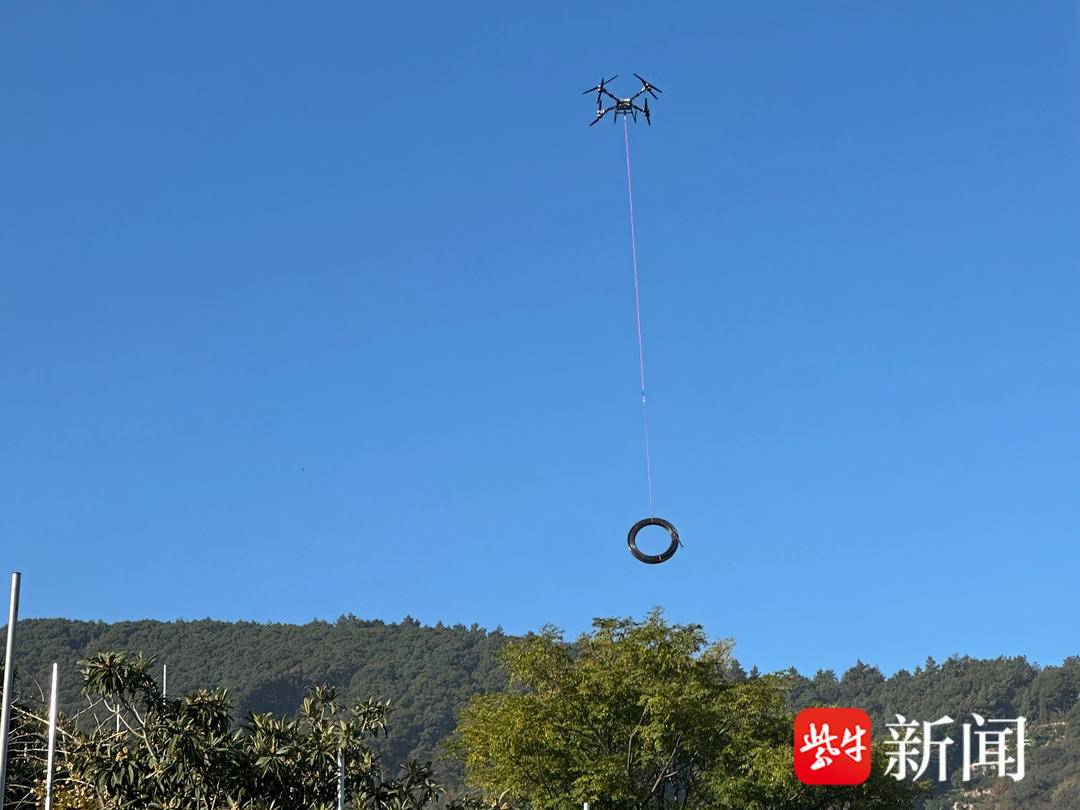
12月3日,在东山镇江湾村内,记者看到,连片的枇杷园顺着山势铺展开,不少地块坡度接近40度。"空手爬山都要歇好几回,更别说扛建材、运肥料 了。"年近70岁的果农宋奶奶告诉记者,往年搭枇杷架,是她最头疼的事,6个工人干一整天,最多搬20捆材料,每人日薪350元还得管饭。"有时根本请不 到人,农忙时更是'一工难求'。" "嗡嗡!"早晨8点,苏州东山脚下,一架银灰色无人机腾空而起,机身下方吊挂着一圈圈软管。随后它沿着预设航线灵巧飞行,不到两分钟,枇杷架建材 就精准送达山上。 操控这台"空中搬运工"的,是34岁的包一峰。这位曾深耕教培行业十年的年轻人,如今成了东山果农口中的"飞手小包"。他手中的遥控器,正改写这座千 年果乡的劳作方式:过去靠人扛、靠人情帮衬的重活,如今一台无人机轻松搞定。 无人机将建材运向东山上 40度陡坡运货难,无人机一天干完6人四天的活 更让她无奈的是"人情债":今天你帮我运肥料,明天我就得帮你摘果子。"邻里之间互相帮衬虽是传统,但年岁渐长,体力不支,'还人情'成了负担。"宋奶 奶说。 如今,这一切被无人机打破。"按0.5元/斤收费,不管是化肥还是建材,只要重量在机身承载范围内,我一个人就能搞定。 ...
影石创新(688775):稀缺的智能影像龙头品牌,从手持设备向无人机进军
CMS· 2025-12-05 12:05
Investment Rating - The report gives a "Buy" rating for the company for the first time, considering the scarcity of smart imaging brands and the growth potential of its business [1][7]. Core Insights - The report highlights the company's position as a leading brand in smart imaging, expanding from handheld devices to the drone market, and emphasizes its innovative products and technological leadership [1][6][7]. - The company is expected to grow its revenue significantly, with projections of 9.6 billion, 14.65 billion, and 19.6 billion for 2025, 2026, and 2027 respectively, alongside net profits of 1.03 billion, 1.81 billion, and 2.72 billion [7][8]. Summary by Sections Company Overview - The company, established in 2015, has become a leader in the panoramic camera market and is expanding its product lines to include action cameras, wearable cameras, gimbals, and drones, while also starting to develop software services [6][12]. - The revenue distribution in 2024 is expected to be 85.9% from consumer devices, 0.4% from professional devices, and 12.9% from accessories, with significant contributions from regions like China, the US, Europe, and Japan [12][13]. Handheld Imaging Devices - The company is recognized as the leader in the panoramic camera segment, continuously enriching its product line and driving market expansion alongside competitors like DJI [16][33]. - The report indicates that the market for handheld imaging devices could reach hundreds of billions, driven by increasing outdoor activities and social media sharing [18][39]. Drone Market - The drone market is projected to grow significantly, with the company entering this space by leveraging its expertise in panoramic imaging to differentiate itself from competitors like DJI [7][33]. - The report notes that the company has developed proprietary technologies in flight control, obstacle avoidance, and image transmission, which are critical for drone functionality [7][33]. Financial Projections - The company is expected to see substantial revenue growth, with a compound annual growth rate (CAGR) of 66.2% from 2017 to 2024, driven by the success of its panoramic cameras and the introduction of new product lines [13][39]. - The financial outlook includes projected revenues of 9.6 billion in 2025, with a net profit of 1.03 billion, reflecting a strong growth trajectory [8][39]. Software Services - The introduction of cloud services in 2025 is expected to enhance user engagement and provide significant profit potential in the long term [56]. - The software business is anticipated to grow rapidly, benefiting from the integration with existing hardware products and the company's advancements in AI technology [56].
影石的上空“赌局”:一台全景无人机能不能改写行业坐标?
Zhong Guo Neng Yuan Wang· 2025-12-05 09:34
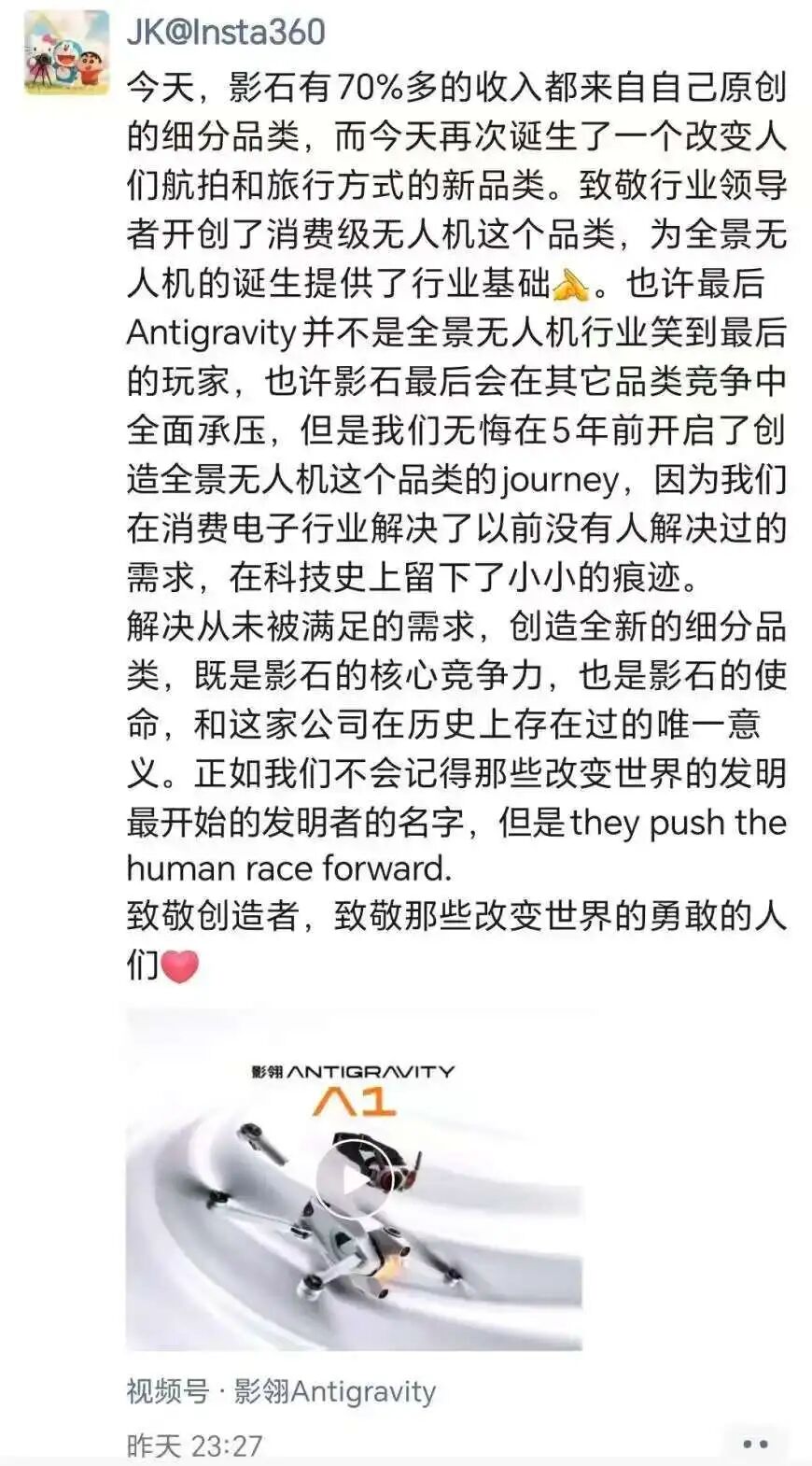
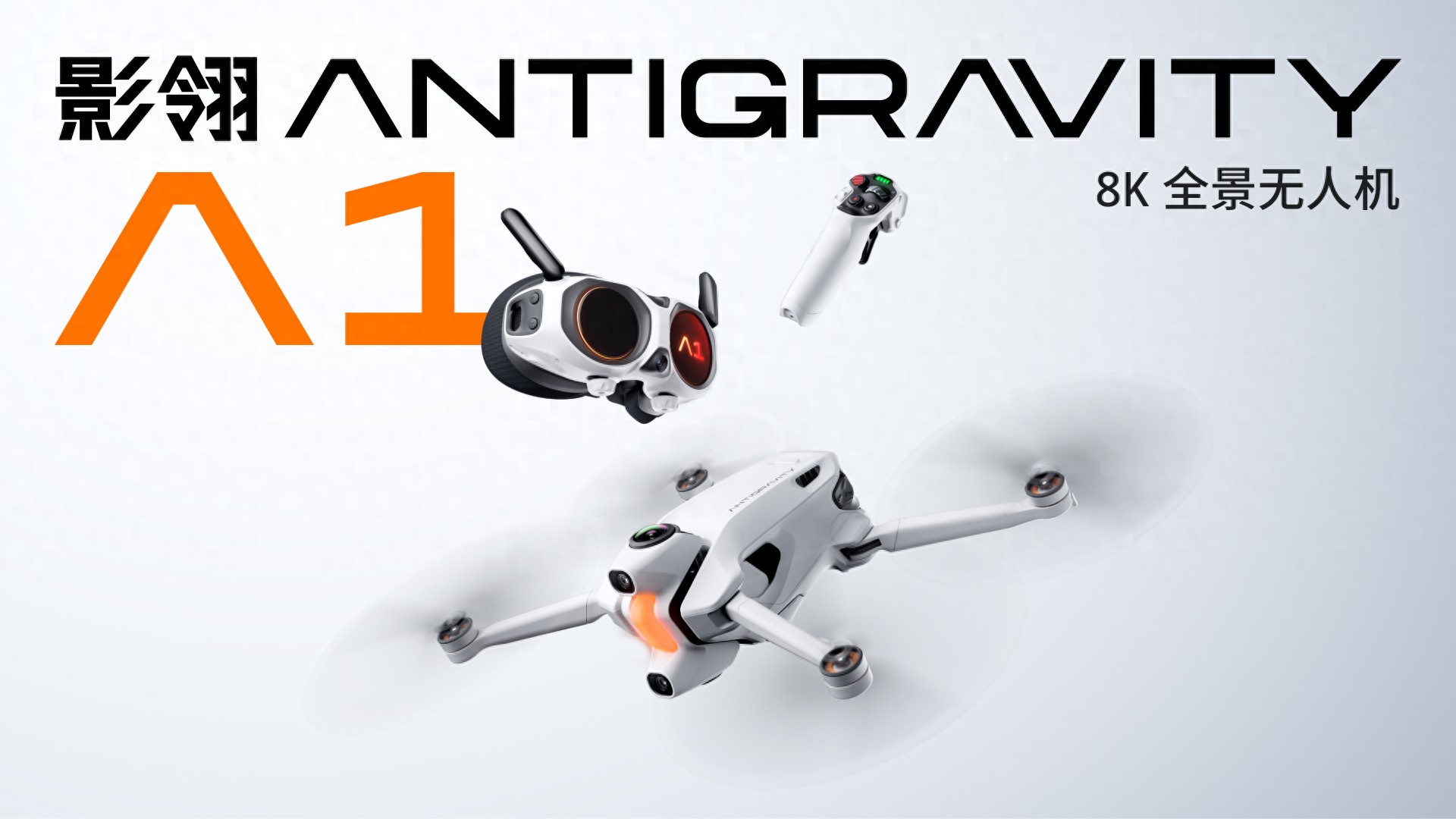
Core Insights - The launch of the Antigravity A1 drone marks a significant innovation in the consumer electronics industry, addressing previously unmet needs and establishing a new technological path in a competitive market [2][9] - The A1 integrates 360° panoramic imaging, immersive flight perspectives, and intuitive controls, fundamentally changing the flying experience and content creation logic [5][10] Product Features - The Antigravity A1 is the first drone to combine 360° panoramic imaging with immersive flight control, allowing users to experience flying in a more intuitive manner [5] - It features a dual-lens 360° imaging system with two 1/1.28-inch sensors capable of recording high-resolution videos at 8K30fps, 5.2K60fps, or 4K100fps [5] - The accompanying Vision flight glasses provide a real-time immersive experience, allowing users to view the flying environment as if it were a real space rather than a screen [5] Market Competition - The competition in the panoramic camera market is intensifying, with DJI's Osmo 360 camera entering the market at a lower price point, prompting Insta 360 to launch its own panoramic drone [7][9] - Reports indicate a significant drop in Insta 360's market share from 85%-92% to 49%, while DJI's share has risen to 43%, highlighting the competitive landscape [8] Financial Comparison - In 2024, DJI's revenue is projected to exceed 80 billion yuan with a net profit of 12 billion yuan, while Insta 360's revenue is only 5.6 billion yuan with a net profit of approximately 1 billion yuan, indicating a substantial disparity in scale [9] - Despite the financial gap, Insta 360 claims that over 70% of its revenue comes from original niche categories, emphasizing its unique market position [9] Strategic Positioning - The Antigravity A1 is seen as a potential breakthrough for Insta 360, aiming to carve out a niche in areas not deeply explored by DJI, focusing on immersive first-person flying experiences [9][10] - The product addresses structural pain points in the drone market, such as the difficulty of capturing high-quality footage while flying, and aims to provide a differentiated experience [10]

OPPO刘作虎亲征手持影像市场,跨界能否破解手机增长之困?
Xi Niu Cai Jing· 2025-12-05 09:13
Group 1 - OPPO's Chief Product Officer, Liu Zuohua, will lead the Pocket handheld smart imaging device project, marking a strategic move into the mobile imaging market, which has seen annual sales exceed 10 million units [2] - The decision to enter the handheld smart imaging device sector is influenced by the stagnation in the smartphone market, where OPPO's market share has dropped to fifth in China and failed to make the global top five in Q2 [2] - The global handheld smart imaging device market is projected to reach 42.8 billion yuan in 2024, with an expected CAGR of 15.9% from 2020 to 2030, indicating a period of rapid growth compared to the low profit margins in the smartphone industry [2] Group 2 - OPPO faces significant challenges in entering a market dominated by DJI, Innosilicon, and GoPro, which collectively hold nearly 80% market share, with DJI's "Pocket" series being a well-established brand [3] - Industry analysts highlight that DJI's strong supply chain integration and cost control capabilities could lead to aggressive pricing strategies, making it difficult for new entrants to compete without significant differentiation [3] - OPPO's previous attempts to diversify into XR, IoT, and chip sectors have not achieved scalable market success, indicating potential risks in this new venture [3]

Pocket 大绞杀
雷峰网· 2025-12-05 06:43
Core Viewpoint - The article discusses the competitive landscape in the pocket camera market, highlighting the aggressive strategies of DJI and the emerging threats from competitors like OPPO, Vivo, and Insta360, as well as the potential for innovation in video editing and sharing capabilities. Group 1: Market Dynamics - The Pocket camera market is expected to see significant competition in the coming year, with various companies targeting DJI's dominance [4][6]. - DJI's Pocket 3 has achieved a remarkable market share, reportedly reaching a 100% market share and high gross margins within two years [5]. - Competitors are forming teams to challenge DJI's Pocket project, indicating a collective effort to disrupt DJI's market position [6]. Group 2: Technological Advantages - The success of Pocket 3 is attributed to its unique physical stabilization technology, which is difficult for competitors to replicate [8][9]. - DJI's supply chain management is highlighted as a key strength, allowing for cost reduction and quality assurance through the reuse of core components [10]. - The article emphasizes that the true challenge for competitors lies not just in technology but in achieving stable mass production [13]. Group 3: Competitive Strategies - DJI has initiated a significant price reduction for Pocket 3 to capture potential customers and counteract competition [41]. - The upcoming Pocket 4 is expected to introduce features like zoom capabilities and improved low-light performance, positioning it as a flagship product [47][49]. - DJI is also restructuring its sales channels to better reach a broader consumer base, moving from a quota-based system to a more market-driven approach [51][53]. Group 4: Future Trends - The article suggests that the future of the imaging market will involve a shift towards integrating video editing and sharing capabilities, which are currently seen as gaps in the market [32]. - The competition is not just about hardware but also about creating a seamless ecosystem for users, with companies like Insta360 aiming to develop platforms for easy video editing and sharing [33][36]. - The emergence of AI-driven features in video editing is seen as a potential game-changer, with companies looking to enhance user experience through automated processes [38][39].