
德邦股份

Search documents
刘强东,“买买买”
创业家· 2025-09-11 10:18
Core Viewpoint - Liu Qiangdong is actively pursuing international expansion through significant acquisitions, including logistics assets in Singapore and consumer electronics retailers in Europe and Hong Kong, totaling approximately 200 billion yuan [5][12][13]. Group 1: Recent Acquisitions - Liu Qiangdong's recent acquisition of logistics assets in Singapore involves a transaction price of 306 million SGD, approximately 1.7 billion yuan [5]. - The logistics assets include properties located in key industrial areas of Singapore, with a total building area of about 186,346 square meters and an average remaining land lease of 27 years [22]. - The largest asset in the acquisition is a logistics hub on Pandan Avenue, valued at 14 million SGD, accounting for half of the total transaction price [19]. Group 2: Strategic Partnerships - The acquisition is a collaborative effort with Swiss investment firm UBS and Eza Hill, which is backed by Hillhouse Capital [24][25]. - Eza Hill has been actively acquiring logistics assets in Southeast Asia, including a recent purchase of logistics properties in Jakarta valued at 148 million USD [29]. - The partnership aims to establish a REIT with a target scale exceeding 1 billion USD, marking a significant move in the Singapore REIT market [33]. Group 3: International Expansion Strategy - Liu Qiangdong emphasizes internationalization as a key direction for JD's future, with over 2,000 employees and logistics networks covering 19 countries [16]. - Successful acquisitions in Europe and Hong Kong will serve as strategic footholds for JD's internationalization efforts [17]. - The logistics sector is identified as a critical area for JD's future growth, with plans to enhance supply chain capabilities globally [18][39]. Group 4: Supply Chain Development - Liu Qiangdong's logistics investments are seen as foundational to his business empire, with four out of six listed companies under his control related to logistics [41]. - Recent investments include a 50 billion yuan logistics infrastructure fund targeting key urban areas in China [36]. - The goal is to achieve over 100% growth in global self-operated overseas warehouse space by the end of 2025 [39].



青年早新闻 | 许昌今晨发布红色预警,郑州提醒市民非必要不外出
Zhong Guo Qing Nian Bao· 2025-09-11 00:58
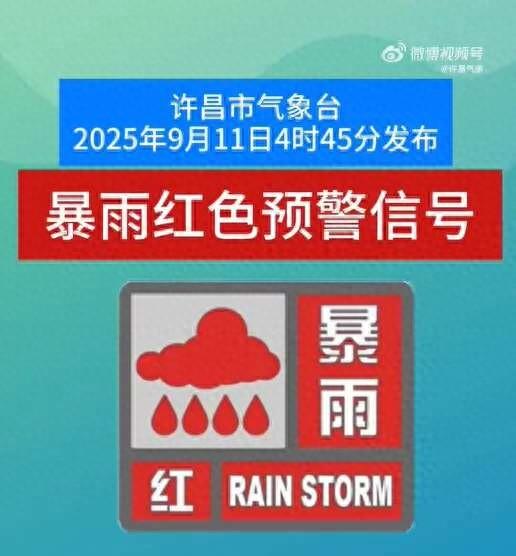
Group 1: Weather Alerts and Emergency Responses - The meteorological authorities in Xuchang issued a red alert for heavy rain, while Zhengzhou issued a yellow alert, advising citizens to avoid unnecessary outings [1][3] - The Henan Provincial Flood Control and Drought Relief Headquarters initiated a Level 4 emergency response on September 10, and Zhengzhou's Flood Control Headquarters followed suit [3] - Schools in Zhengzhou, including non-boarding primary and secondary schools, were closed for one day due to the heavy rain forecast [3] Group 2: Digital Nomad Community Development - The establishment of the first digital nomad community branch in Anhui Province marks a significant step in the development of youth organizations in emerging fields [9] - The NCC Heidu Island digital nomad community in Huangshan has attracted over 70 young residents and workers monthly, with about 20% being members of the youth league [9] Group 3: Student Perspectives on University - A survey of 1,500 first-year university students revealed that 90.8% view university as a critical period for personal development and skill enhancement [10] - The top goals set by students include improving social skills (51.0%), determining life direction (47.0%), and overcoming personal weaknesses (46.0%) [10]
刘强东,“买买买”
投中网· 2025-09-07 07:02
Core Viewpoint - Liu Qiangdong is actively pursuing international expansion through significant acquisitions, including logistics assets in Singapore and consumer electronics retailers in Europe and Hong Kong, indicating a strategic focus on enhancing JD's global supply chain capabilities [6][11]. Group 1: Recent Acquisitions - JD's infrastructure investment platform, JD Chanfang, is set to acquire logistics assets in Singapore for approximately 306 million SGD (about 1.7 billion CNY), marking another significant investment by Liu Qiangdong [3][5]. - The logistics assets include properties located in key industrial areas of Singapore, such as Ubi Avenue and Changi South, which are strategically advantageous for JD's operations [7][10]. - The largest asset in this acquisition is a logistics hub on Pandan Avenue, valued at 14 million SGD, which constitutes about half of the total transaction price [7]. Group 2: Strategic Partnerships - The acquisition is a collaborative effort with Swiss investment firm Partners Group and Eza Hill, a platform backed by Hillhouse Capital, highlighting a trend of partnerships in large-scale investments [9][10]. - Eza Hill has been actively acquiring logistics assets in Southeast Asia, indicating a broader strategy to build a robust logistics network in the region [10]. Group 3: International Expansion Strategy - Liu Qiangdong's recent acquisitions, including a 18 billion CNY purchase of European electronics retailer CECONOMY and a potential 4 billion HKD acquisition of Hong Kong's Jia Bao Foods, reflect a commitment to internationalization [6][11]. - JD has established a logistics network covering 19 countries and regions, with over 2,000 employees overseas, positioning itself for further growth in international markets [6][11]. - The company plans to integrate the newly acquired logistics assets into a Real Estate Investment Trust (REIT) with a target size exceeding 1 billion USD (approximately 7.2 billion CNY), which would be the largest new fund in Singapore's REIT market in over a year [10].

极兔市值赶超京东物流,满帮挺进前三,闪送缩水超60%,物流科技重构资本叙事 | 2025物流市值排位赛倒计时
Mei Ri Jing Ji Xin Wen· 2025-09-05 10:57
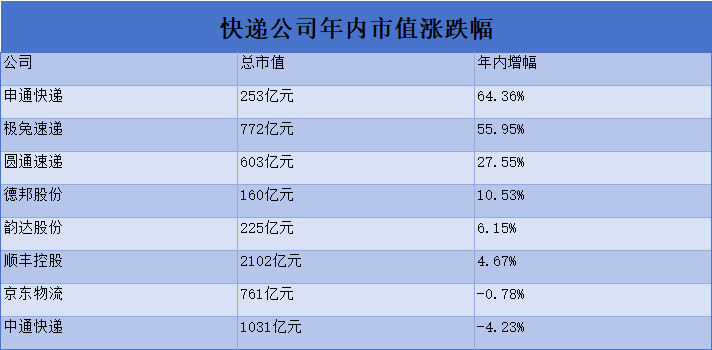
Core Insights - The logistics capital market has seen significant recovery after a prolonged period of decline, with nearly 80% of the 25 logistics companies analyzed experiencing substantial market value restoration [1][3] - Notably, logistics technology companies have shown remarkable growth, with the total market value of logistics technology stocks increasing by over 64% year-to-date [9][12] - Despite the overall market recovery, some companies, particularly in the "Tongda" system, have faced declines in market value, highlighting the competitive pressures within the industry [3][6] Market Performance - Shentong Express has the highest market value increase among express companies at 64.3%, reaching a total market value of 25.3 billion yuan [3][5] - Jitu Express follows with a 55.95% increase, achieving a market value of 77.2 billion yuan, surpassing JD Logistics, which saw a slight decline of 0.78% to 76.1 billion yuan [3][5] - YTO Express and Debon Logistics also reported market value increases of 27.55% and 10.53%, respectively, while Zhongtong Express experienced a decline of 4.23% [4][5][6] Financial Performance - Jitu Express reported a total revenue of $5.5 billion for the first half of 2025, a 13.1% year-on-year increase, with a net profit of $160 million, up 147.1% [3][6] - Shentong Express achieved a revenue of 25.02 billion yuan, a 16.02% increase, with a net profit of 453 million yuan, up 3.73% [3][4] - SF Express maintained its position as the market leader with a market value of 210.2 billion yuan, reporting a revenue of 146.86 billion yuan, a 9.26% increase, and a net profit of 5.738 billion yuan, up 19.37% [6][8] Industry Trends - The logistics industry is experiencing a "反内卷" (anti-involution) trend, with companies adjusting pricing strategies to combat the long-standing issue of "volume-price inversion" [7][8] - The average revenue per package has declined across major express companies, contributing to lower profit margins [7][8] - The logistics technology sector is gaining attention, with companies like Dongjie Intelligent and Zhongyou Technology leading in market value growth, indicating a shift towards technological innovation in logistics [9][10][12]


德勤:2025年中国香水香氛行业白皮书
Sou Hu Cai Jing· 2025-09-05 07:10
Core Insights - The report highlights the resilience and growth potential of China's perfume and fragrance industry, driven by policy stimulation and internal growth, with significant opportunities emerging in lower-tier cities [10][12][13]. Group 1: Market Overview - The Chinese fragrance market is experiencing a transformation from transactional purchasing to value resonance consumption, emphasizing emotional value and cultural identity [10][23]. - Lower-tier cities are becoming new growth engines, showing higher consumption expenditure growth compared to first-tier cities, indicating a shift in consumer behavior and expectations [10][29]. - The market is characterized by a dual trend of international brands localizing and Chinese brands globalizing, with both adapting to local tastes and cultural narratives [10][31]. Group 2: Consumer Behavior - There is an expansion of interest groups, with over 170 million users on platforms like Xiaohongshu showing interest in fragrances, and more than 40% of consumers selecting scents based on specific scenarios [2][3]. - Male consumers and young consumers in lower-tier cities represent a significant growth opportunity, with male consumption rising to 40.1% [2][3]. - Consumers are increasingly aware of the emotional and cultural significance of fragrances, moving from brand origin recognition to psychological needs [2][3]. Group 3: Product and Channel Dynamics - The product landscape is shifting from single sensory consumption to multi-scenario and emotional expression, with the rise of "addictive scent notes" and the integration of AI in product development [2][3]. - Online and offline channels are coexisting dynamically, with online platforms focusing on content dissemination and conversion, while offline channels serve as core high-end consumption spaces [2][3]. - Different cities require differentiated channel strategies, with international brands focusing on first-tier offline markets and Chinese brands penetrating lower-tier markets through beauty collection stores [2][3]. Group 4: Marketing Trends - Oriental aesthetic marketing is evolving from symbolic representation to value co-creation, with both international and domestic brands deeply exploring Eastern culture [2][3]. - Scenario marketing is focusing on emotional contexts, creating "parallel life scenarios" to enhance consumer engagement [2][3]. - Brands are leveraging IP collaborations to break through traffic challenges and create cultural antibodies, while offline spaces are being upgraded to serve as emotional interaction and cultural dissemination mediums [2][3]. Group 5: Future Outlook - The industry needs to evolve collaboratively in human value, cultural connotation, technological empowerment, and scenario penetration to achieve sustainable growth [2][3]. - The Chinese fragrance market is projected to exceed 33.9 billion yuan by 2028, with a compound annual growth rate of 8% [2][48].

泉果消费机遇混合发起式A:2025年上半年利润220.84万元 净值增长率8.19%
Sou Hu Cai Jing· 2025-09-05 03:24
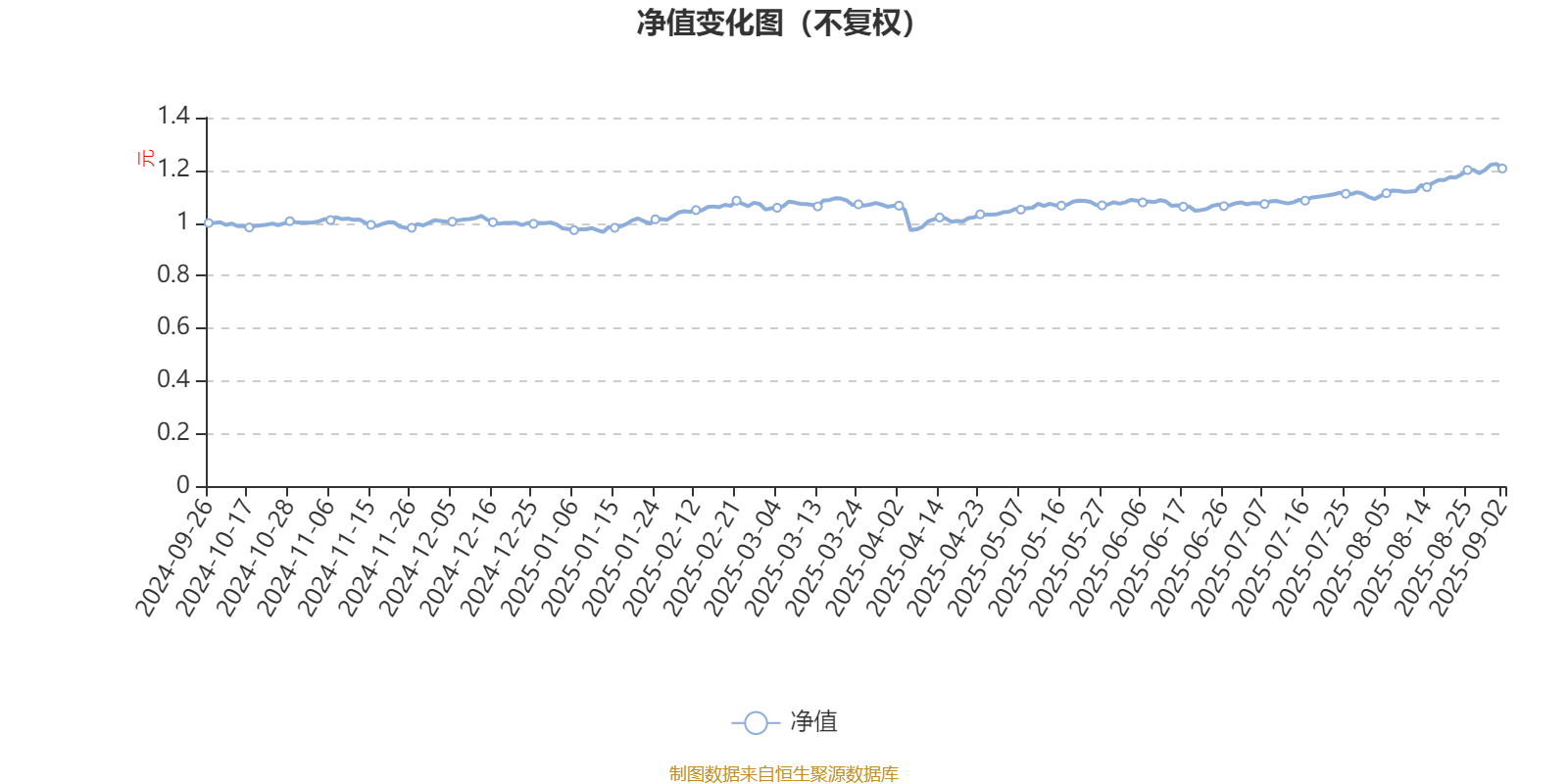
Core Viewpoint - The AI Fund Quan Guo Consumer Opportunity Mixed Initiation A (022223) reported a profit of 2.2084 million yuan for the first half of 2025, with a net value growth rate of 8.19% and a fund size of 61.9298 million yuan as of the end of June 2025 [3]. Fund Performance - As of September 2, the fund's net value growth rate over the past three months was 12.53%, ranking 479 out of 615 comparable funds; over the past six months, it was 14.83%, ranking 384 out of 615 [6]. - The fund's weighted average price-to-earnings ratio (TTM) was approximately 20.85 times, compared to the industry average of 25.34 times; the weighted average price-to-book ratio (LF) was about 3.53 times, against an industry average of 2.34 times; and the weighted average price-to-sales ratio (TTM) was around 2.2 times, slightly above the industry average of 2.09 times [11]. Growth Metrics - For the first half of 2025, the weighted revenue growth rate (TTM) of the stocks held by the fund was 0.2%, while the weighted net profit growth rate (TTM) was 0.36%, and the weighted annualized return on equity was 0.17% [19]. Fund Holdings and Strategy - As of June 30, 2025, the fund's top ten holdings included Tencent Holdings, CATL, Luxshare Precision, Ninebot, Yanjing Beer, Li Auto, Dongpeng Beverage, Maogeping, ST Huaton, and Heng Rui Pharmaceutical [43]. - The fund manager indicated a focus on the consumer sector, with adjustments in strategy due to slow recovery in traditional consumption areas, while also increasing allocations in non-consumer sectors such as non-ferrous metals and high-end manufacturing, maintaining a non-consumer holding ratio of under 20% [3]. Fund Structure - As of June 30, 2025, the fund had 5,802 holders, with a total of 57.5869 million shares held; management employees held 9.209 million shares, accounting for 15.99%, while individual investors made up 95.04% of the holdings [38]. - The fund's average stock position since inception was 69.74%, lower than the industry average of 83.27%, with a maximum position of 71.95% at the end of Q1 2025 [34].
三天三夜近八百公里 记者跟随一车快递从拉萨配送到墨脱 快递进墨脱 跟访看巨变
Ren Min Ri Bao· 2025-09-05 02:28
Core Viewpoint - The logistics and e-commerce landscape in Tibet, particularly in the previously isolated county of Metok, has undergone significant transformation due to improved infrastructure, policy support, and technological advancements, enabling faster delivery times and greater access to online shopping for local residents [5][19][24]. Logistics Transformation - The opening of the Zamo Highway in 2013 eliminated Metok's status as the only county in China without road access, drastically reducing delivery times from weeks to as little as three days [5][19]. - As of the end of 2024, Tibet will have established 4,646 village-level comprehensive delivery service stations, processing an average of 21,000 packages daily, achieving a coverage rate of 98% [5][19]. - In 2023, the Lhasa City Investment Logistics Park was recognized as a national-level demonstration logistics park, generating revenue of 730 million yuan in 2024 [10]. E-commerce Growth - In the first half of 2023, Tibet's online retail sales reached 18.07 billion yuan, marking a year-on-year increase of 38.6%, with physical goods accounting for 86.1% of this figure [6][19]. - The introduction of local warehouses by major e-commerce platforms like JD.com has enabled same-day and next-day delivery services in Lhasa, significantly enhancing customer experience [6][19]. Technological Advancements - The use of autonomous logistics robots in local warehouses has increased sorting efficiency by nearly three times compared to manual processes [7]. - Data-driven inventory management allows for precise adjustments based on seasonal demand, optimizing stock levels and improving delivery times [9]. Delivery System Evolution - The logistics network has shifted from a single-operator model to a collaborative approach, with multiple courier companies working together to reduce costs and improve service efficiency [17][20]. - The "post-express cooperation" model has emerged, where local postal services handle deliveries for various courier companies, enhancing service reach in rural areas [19][20]. Infrastructure Development - By the end of 2024, Tibet's total road mileage is expected to reach 124,900 kilometers, with nearly all towns and villages connected by roads, significantly improving logistics capabilities [16]. - The construction and maintenance of roads like the Zamo Highway have been crucial in enhancing transportation conditions, allowing for more reliable and faster deliveries [16][24]. Economic Impact - The logistics and e-commerce developments in Tibet are not only improving local living standards but also integrating the region into the national market, fostering economic growth and community cohesion [24]. - In 2024, Tibet's express delivery volume is projected to reach 30.465 million packages, a year-on-year increase of 23.27%, with revenue expected to grow by 20.4% [24].

国信证券晨会纪要-20250905
Guoxin Securities· 2025-09-05 01:51
Macro and Strategy - The high-tech manufacturing macro report indicates that the National Securities Weekly High-Tech Manufacturing Diffusion Index A recorded 0.2, while Index B reached 52.2, continuing to rise from the previous week [8] - The government bond weekly report shows that special new bonds issued amounted to 1.1 trillion yuan, with cumulative net financing reaching 10.3 trillion yuan, exceeding the same period last year by 4.5 trillion yuan [9][11] Industry and Company - The semiconductor industry is experiencing a positive trend, with the semiconductor index rising 36.66% from the beginning of 2025 to August 31, outperforming the CSI 300 index by 22.38 percentage points [20] - BlueDai Technology reported a 79% year-on-year increase in net profit for Q2 2025, driven by the release of orders in the automotive parts business [25][26] - Fuda Co., Ltd. achieved a 93% year-on-year increase in net profit for Q2 2025, supported by the gradual release of crankshaft production capacity [28][29] - Top Group's revenue for H1 2025 reached 12.94 billion yuan, a year-on-year increase of 5.8%, with a net profit of 1.295 billion yuan, reflecting a 10% decline year-on-year [31][32] - Leap Motor reported a significant revenue increase of 174% year-on-year for H1 2025, achieving a net profit of 33 million yuan, marking its first half-year profit [34][35] Investment Strategy - The report emphasizes the importance of new quality productivity as a core driver for high-quality economic development in China, highlighting investment opportunities in digital economy, high-end equipment, biotechnology, and energy transition sectors [12][13][14] - The semiconductor sector is expected to benefit from AI and domestic substitution opportunities, with recommendations to focus on companies involved in computing power and edge chips [23][24]
快递进墨脱 跟访看巨变(人民眼·西藏自治区成立60周年)
Ren Min Ri Bao· 2025-09-04 22:57
Core Viewpoint - The logistics and e-commerce landscape in Tibet, particularly in the previously isolated county of Metok, has undergone significant transformation since the opening of the Zamo Highway in 2013, enabling faster delivery times and improved access to online shopping for local residents [5][6][19]. Logistics Transformation - The establishment of local warehouses has allowed for same-day and next-day delivery services in Lhasa, with a local warehouse inventory of over 80,000 products, significantly enhancing logistics efficiency [7][8]. - The logistics industry in Tibet has seen a 38.6% year-on-year increase in online retail sales, reaching 18.07 billion yuan in the first half of the year, with physical goods accounting for 86.1% of this figure [7][8]. - The Lhasa City Investment Logistics Park has become a hub for logistics companies, reducing transportation and handling costs through centralized operations [10][11]. Transportation Improvements - The opening of high-grade roads has reduced travel time from Lhasa to Metok to approximately five to six hours, compared to previous longer durations [13][14]. - The Zamo Highway, despite its challenging terrain, has improved access and reduced delivery times, with ongoing maintenance efforts enhancing road safety and reliability [16][17]. Delivery System Evolution - The collaboration between postal services and private courier companies has optimized delivery routes, with a significant increase in the volume of packages delivered [20][21]. - The establishment of village postal stations and improved rural delivery routes has enabled a "village-to-village" delivery system, enhancing access to logistics services for rural residents [21][25]. Economic Impact - The logistics sector in Tibet is projected to handle 30.465 million packages in 2024, marking a 23.27% increase from the previous year, with revenue expected to reach 812 million yuan, a 20.4% growth [25]. - The integration of local agricultural products into the logistics network is crucial for sustainable development, with efforts to fill return trips with local goods to reduce costs [22][24].

三天三夜近八百公里 记者跟随一车快递从拉萨配送到墨脱 快递进墨脱 跟访看巨变(人民眼·西藏自治区成立60周年)
Ren Min Ri Bao· 2025-09-04 22:40
Core Viewpoint - The logistics and e-commerce landscape in Tibet, particularly in the previously isolated county of Metok, has undergone significant transformation due to improved infrastructure, technological advancements, and policy support, enabling faster delivery and greater access to goods for local residents [2][21]. Logistics Development - The opening of the Zamo Highway in 2013 eliminated Metok's status as the only county in China without road access, allowing e-commerce to flourish [2][3]. - By the end of 2024, Tibet is expected to have 4,646 village-level delivery service stations, processing an average of 21,000 packages daily, achieving a coverage rate of 98% [2]. - In 2023, the Lhasa City Investment Logistics Park was recognized as a national-level demonstration logistics park, generating revenue of 730 million yuan in 2024 [7]. E-commerce Growth - In the first half of 2023, Tibet's online retail sales reached 18.07 billion yuan, marking a year-on-year increase of 38.6%, with physical goods accounting for 86.1% of sales [3][21]. - The establishment of local warehouses by major e-commerce platforms like JD.com has significantly reduced delivery times, with many products now available for same-day or next-day delivery [3][4]. Technological Innovation - The use of autonomous robots and data analytics in local warehouses has improved operational efficiency, with sorting efficiency increasing nearly threefold compared to manual processes [4][5]. - Advanced inventory management techniques, driven by big data, allow for better stock predictions and timely adjustments based on consumer behavior [5]. Transportation Improvements - The completion of high-grade roads has reduced travel time between Lhasa and Metok to approximately five to six hours for a distance of about 400 kilometers [9][10]. - The Zamo Highway, despite its challenging terrain, has been crucial in connecting Metok to the broader logistics network, with ongoing maintenance improving travel conditions [12][20]. Collaborative Logistics Models - A cooperative model between postal services and private courier companies has emerged, enhancing delivery efficiency and reducing costs for rural areas [16][19]. - The establishment of village postal stations and improved rural delivery routes have facilitated the "last mile" logistics, achieving "village-to-village" delivery in Tibet [17]. Economic Impact - The logistics and e-commerce developments are expected to contribute to the local economy, with projections indicating that Tibet's express delivery volume will reach 30.465 million packages in 2024, a year-on-year increase of 23.27% [21]. - The integration of local products into the national market is seen as a vital step in enhancing economic vitality and community cohesion in previously isolated regions [21].