海信视像

Search documents
家电2026年年度策略报告:品牌出海与新品类发展-20251211
CAITONG SECURITIES· 2025-12-11 12:01
Core Insights - The report maintains a positive outlook on the home appliance sector, emphasizing the potential for growth in both domestic and international markets, particularly in emerging markets and through the development of new product categories [3][5]. Group 1: Market Performance Overview - The home appliance sector has shown varied performance in 2025, with white goods yielding a total return of +1% but underperforming against the CSI 300 by -19% due to high base effects and market competition [11]. - Small appliances have performed well with a +12% return, indicating a shift from scale expansion to value creation, supported by new subsidy policies [11]. - The components sector has excelled with a +70% return, benefiting from investments in emerging technologies such as AI and robotics [11]. Group 2: Domestic and International Sales - Domestic sales have faced pressure due to tightening national subsidies, with expected growth rates for major appliances showing mixed results, while small appliances have fared better [5][38]. - Internationally, emerging markets have outperformed, with a notable recovery in export orders as tariff impacts begin to stabilize [41][42]. Group 3: Product Development and Innovation - The report highlights a continuous upgrade in product structure, with an increasing share of high-end products contributing to profit margins [5][44]. - New product categories such as smart glasses, drones, and UV printers are expected to create new growth opportunities, driven by consumer demand for innovative and personalized experiences [5][10]. Group 4: Investment Recommendations - The report suggests focusing on leading white goods companies as they represent assets with significant growth potential, particularly in the context of favorable U.S. market conditions and anticipated interest rate cuts [5][44]. - Specific companies recommended for investment include Haier Smart Home, Hisense, TCL Electronics, and Ecovacs, among others [5][44].




铜价涨至万元关口,中国家电业掀起空调“铝代铜”变革
Jin Rong Jie· 2025-12-11 11:24
Core Viewpoint - Driven by the historic high copper price exceeding $10,000 per ton, China, the largest air conditioning producer and consumer, is accelerating a significant "aluminum replacing copper" supply chain revolution under top-level design guidance. This move addresses raw material cost pressures and is crucial for the safety and future competitiveness of a trillion-yuan industry [1]. Group 1: Market and Policy - The surge in copper prices is the most direct trigger for this transformation, severely impacting the profit margins of downstream manufacturing. "Aluminum replacing copper," with material costs around one-fourth of copper, has emerged as an attractive cost-reduction solution [2]. - National policies provide clear guidance for this technological path, with the "Implementation Plan for High-Quality Development of the Aluminum Industry (2025-2027)" identifying "aluminum tubes for heat exchangers in refrigerators and air conditioners" as a key focus area for "using aluminum to save copper" [2]. Group 2: Industry Actions - The industry is responding quickly and collaboratively, with key standards being developed to establish unified and reliable technical specifications for "aluminum replacing copper." A standard for aluminum tube fin-type heat exchangers has already been published, while two additional standards are in preparation [3]. - The revision of the national standard for heat exchangers in air conditioners is underway, which will provide national-level endorsement for product performance and safety. Major companies and research institutions are collaborating on this standard revision, with a new round of discussions expected in January 2026 [3]. Group 3: Technical Challenges and Corporate Strategy Differentiation - "Aluminum replacing copper" is not merely a material substitution; it presents significant technical challenges due to aluminum's inferior thermal conductivity and higher linear expansion coefficient, which impose new requirements on heat exchanger design, manufacturing processes, and long-term reliability [4]. - Domestic air conditioning leaders exhibit differentiated strategies: companies like Midea have actively promoted research since 2012, while others like Gree and Changhong have opted for a more cautious approach, focusing on enhancing copper technology instead of fully launching replacement plans [5]. Group 4: Industry Outlook - The profound significance of "aluminum replacing copper" lies in helping the Chinese air conditioning industry escape the dilemma of "increased production without increased revenue." The industry faces a growing contradiction between expanding capacity and slowing domestic demand, necessitating a shift from price competition to value competition driven by technological innovation [6]. - Whether embracing aluminum or optimizing copper technology, the ultimate goal is to address user pain points through substantial innovation, enhancing product efficiency, intelligence, and health attributes, thereby building differentiated high-end competitiveness [6].
智能电视狂卷2025:RGB成新变量,AI和大屏跑出来了
3 6 Ke· 2025-12-11 09:55
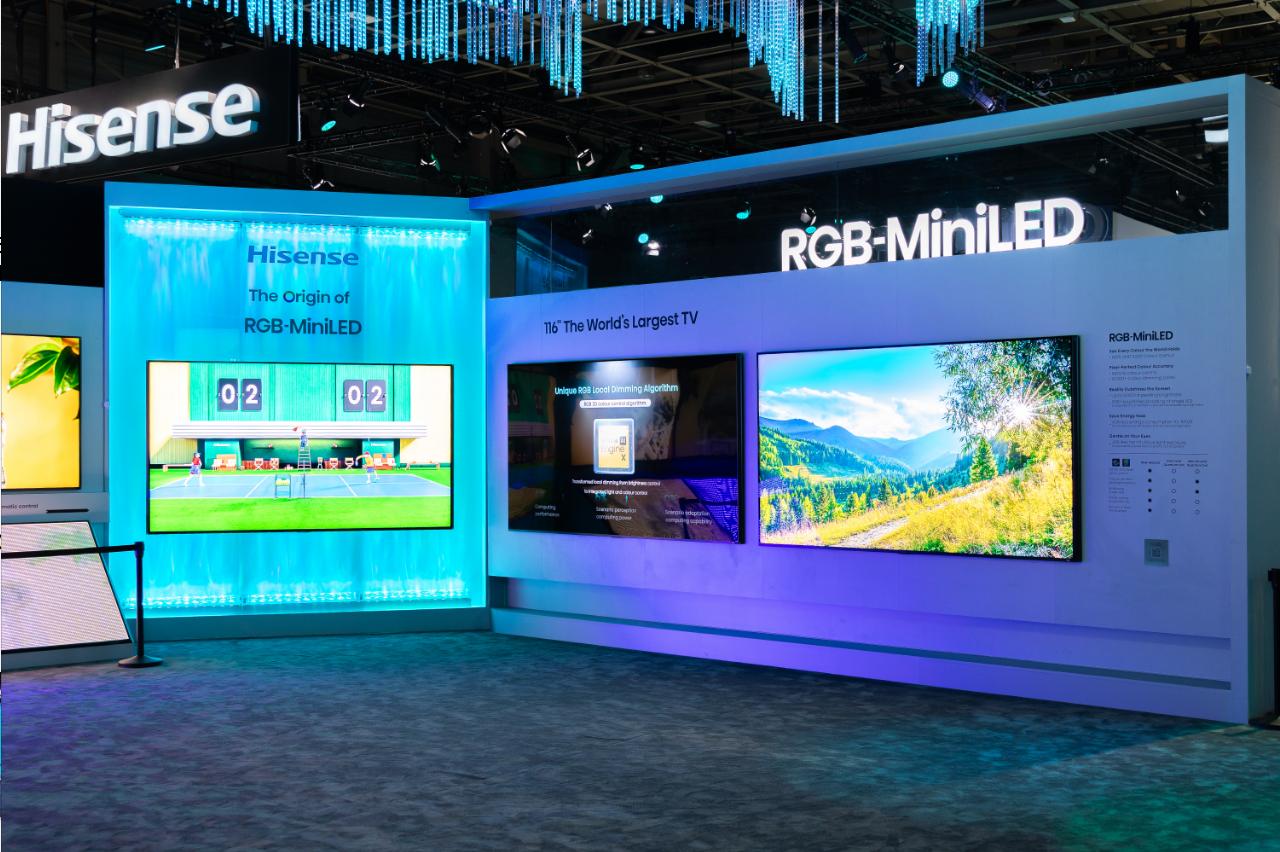
从数据来看,2025 年很难被称作一个电视行业的「好年份」。 TrendForce 发布的报告显示,今年第三季度全球电视出货量仅约 4973 万台,同比下降 4.9%,也是历年同期首度跌破 5000 万台,相比上半年同比增长 2%肯 定难看了一点。而具体到全年,多家调研机构的判断趋于一致:全球电视市场整体承压。 以 Omdia 为例,早期报告预计 2025 年全球电视出货量约 2.08 亿台,同比几乎持平(约 -0.1%)。TrendForce 的最新调查(11 月)则预计全年出货量约 1.95 亿台,同比下滑 1.2%。在消费者换机周期延长、提前透支需求以及国内市场补贴红利的逐步消退,电视市场进入了一个明显的缓冲期。 唯二的市场亮点在太平洋两岸。但今年北美市场相对稳定,但增长有限,国内市场在补贴效应退坡后回归理性,换机节奏明显放缓。 从结果来看,2025 年确实很难说是一个电视大年。但也正是在这样的背景下,今年的电视市场并非无话可说。 按照海信给出的数据,RGB-Mini LED 可以达到 100% 的 BT.2020 超高色域,比 QD-OLED 提升 6%以上,比 QD-Mini LED 提升 16%以 ...

美的、海尔、小米等联手推动→
第一财经· 2025-12-11 08:24
Core Viewpoint - The article discusses China's initiative to promote the use of aluminum instead of copper in air conditioning systems, driven by rising copper prices and the need for a secure supply chain in the multi-billion dollar industry [3][4]. Group 1: Industry Standards and Developments - China has released the group standard for "Aluminum Tube Fin Heat Exchanger Production Line for Room Air Conditioners" and is in the process of drafting additional standards related to aluminum heat exchangers [3][4]. - Major companies such as Gree, Midea, Haier, Xiaomi, and others are participating in the revision of national standards for air conditioning heat exchangers, with discussions scheduled for January 2026 [3][4]. - The China Household Electrical Appliances Research Institute has expanded its research group on aluminum applications in air conditioning to 19 members, including leading air conditioning manufacturers and related material companies [3][4]. Group 2: Technical Challenges and Solutions - The transition to aluminum heat exchangers faces three main challenges: high corrosion resistance technology, lack of standardized testing methods, and consumer biases against aluminum [4][5]. - The Ministry of Industry and Information Technology has outlined a plan to support the development of aluminum heat exchangers for air conditioning and refrigeration, emphasizing the need for high corrosion resistance technology [5]. - Companies are focusing on three technical directions for aluminum replacement: corrosion-resistant material design, surface treatment, and coating design, which require enhanced manufacturing and welding capabilities [5]. Group 3: Market and Consumer Perception - The demand for copper in household air conditioning is significant, with 10.7% of China's copper consumption (approximately 1.723 million tons) attributed to this sector, heavily reliant on imports [4]. - There is a need for government guidance and market cultivation to overcome consumer skepticism regarding aluminum's effectiveness compared to copper [4][5]. - A self-regulation agreement has been established among major air conditioning companies to promote the benefits of aluminum heat exchangers and enhance consumer trust in the technology [5].
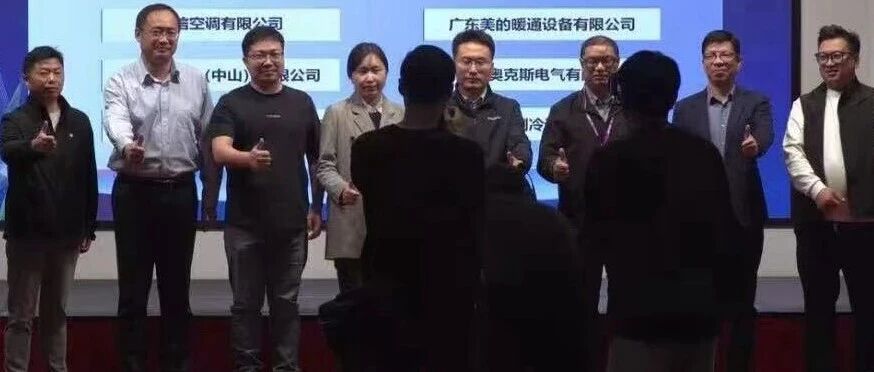
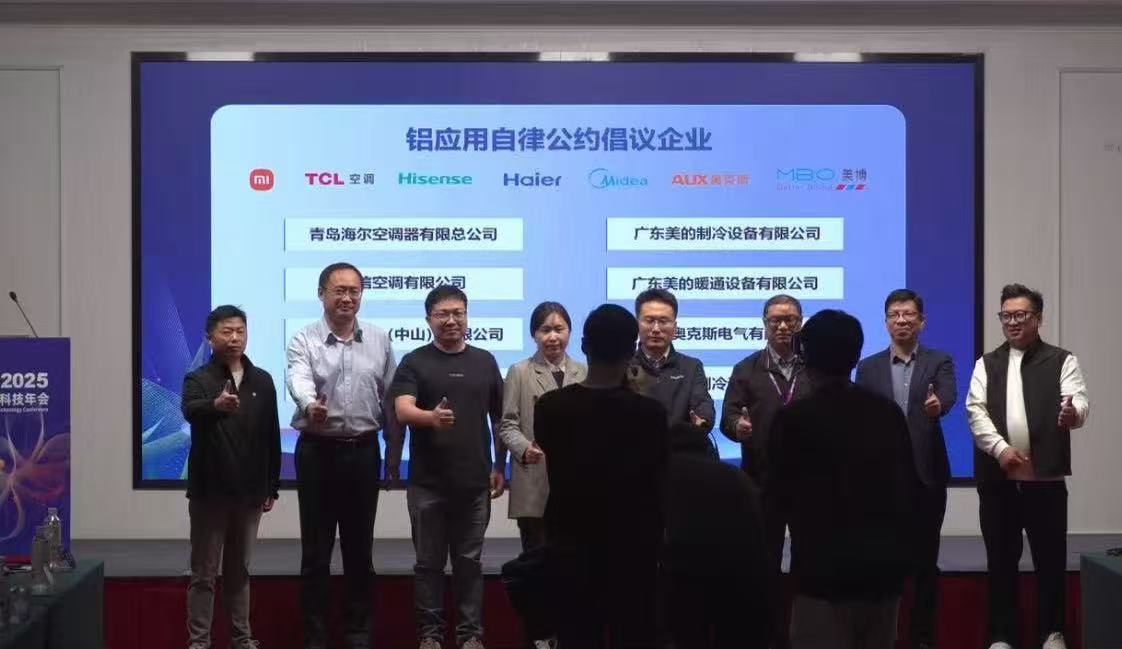
美的、海尔、小米等联手:推动“铝代铜”标准落地、禁止互相恶意攻击
Di Yi Cai Jing· 2025-12-11 07:35
Core Insights - China's air conditioning industry is accelerating the adoption of aluminum instead of copper due to rising copper prices, with a focus on establishing relevant standards to ensure the safety of this billion-dollar industry [2][3] Group 1: Industry Developments - The China Refrigeration Society has released a group standard for the construction of aluminum tube fin heat exchanger production lines for room air conditioners, with additional standards for aluminum heat exchanger raw material requirements and production line construction currently being developed [2] - A national standard related to "aluminum instead of copper" for room air conditioners is under revision, with major companies like Gree, Midea, Haier, and Xiaomi participating in the discussions [2][3] - The China Household Electrical Appliances Research Institute has expanded its research group on aluminum applications in air conditioning to 19 members, including leading air conditioning manufacturers and related material companies [2] Group 2: Technical Challenges and Proposals - The demand for copper in household air conditioning is significant, with 10.7% of China's copper consumption in 2023 attributed to this sector, amounting to approximately 1.723 million tons, with 80% of this copper being imported [3] - There are three main challenges in adopting aluminum heat exchangers: high corrosion resistance technology issues, lack of standardized testing methods, and consumer biases against aluminum [3][4] - The Ministry of Industry and Information Technology has outlined a plan to support the development of aluminum applications in air conditioning and refrigeration, emphasizing the need for high corrosion resistance technology [4] Group 3: Industry Collaboration and Standards - Major air conditioning companies have signed a self-regulation agreement to promote aluminum heat exchangers, ensuring scientific communication about their benefits and preventing misleading claims [4] - The establishment of a standard system for aluminum heat exchangers is a priority, with a focus on addressing corrosion resistance and manufacturing capabilities [4]

青岛机器人崛起之路
Qi Lu Wan Bao· 2025-12-11 06:55
齐鲁晚报·齐鲁壹点 尚青龙 高雅洁 除了精密"大脑",人形机器人推广的另一重要制约因素是协调流畅的行动能力。青岛钢铁侠科技有限公 司十年磨一剑,为机器人锻造最强"小脑"。以ARTROBOT系列大型双足仿人机器人为例,从初代仅能 双足行走,到如今第五代可完成端茶倒水、拧螺丝等复杂精细动作,每一步都凝聚着研发团队的心血。 "第一代ARTROBOT只有两条腿,我们的目标很简单,就是先实现稳定的双足行走。虽然面临诸多技术 难题,但团队坚持攻克。"青岛钢铁侠科技有限公司副总裁陈天祥介绍道,第五代ARTROBOT搭载的自 研"运动脑",集成精密硬件与智能软件系统,在提升算力的同时降低功耗,为机器人的精准动作输出提 供核心支撑。"'运动脑'如同人类的小脑,体积不大却功能强大。它让机器人的每一个动作都更加精 准、流畅,极大便利了多自由度机器人的开发。" 康养领域的领跑布局 乐聚智家和钢铁侠作为引入的"生力军",为青岛具身智能产业注入了活力。而青岛本土企业在智能机器 人领域,尤其在康养医疗领域已抢占先机。 山东卓业医疗研发的全球首台AI经皮穿刺手术导航机器人,集成3D结构光与动态感知技术,可实现亚 毫米级穿刺精度。"这台机器人 ...

青岛市“中国康湾”建设全面起势
Qi Lu Wan Bao· 2025-12-11 06:55
Core Viewpoint - Qingdao is advancing the "China Health Bay" construction strategy by leveraging its geographical advantages, resource endowments, and national strategic needs, focusing on innovative policies and multi-industry integration to promote health-related initiatives [1] Group 1: Policy and Organizational Structure - A leadership group led by the main leaders of Qingdao's government has been established to promote the "China Health Bay" construction, with six specialized working groups and 31 departments collaborating on key tasks [2] - A three-year action plan (2025-2027) has been issued to accelerate the "China Health Bay" construction, emphasizing project-based, checklist, and responsibility-driven approaches [2] - A comprehensive innovation policy system is being developed, including nine supporting policies related to urban community service facilities, health industry development, and elderly financial services [2] Group 2: Financial and Talent Support - Financial institutions, including the People's Bank of China and the National Development Bank, are providing support for various projects, including the first pension industry loan in the province [3] - A talent cultivation model has been established through partnerships with universities and enterprises, creating a "China Health Bay" industry-education alliance to integrate education, talent, innovation, and industry [3] - 22 vocational schools in the city are offering programs related to health care and management, with government subsidies for various health-related occupations [3] Group 3: Project Development and Industry Growth - Qingdao is focusing on 111 key projects in health real estate, health industry, and medical services, with several projects already under construction or completed [4] - The vitality of the life and health industry is being enhanced, with significant projects like the gait robot and new drug development entering clinical trials [4] - The Shandong Rehabilitation (Silver Economy) Industrial Park is being developed to create a comprehensive rehabilitation industry platform [4] Group 4: Service Integration and Community Development - The integration of community embedded service facilities with the "China Health Bay" initiative is being promoted through 15 demonstration projects [5] - Various community service centers are being established to provide health care and elderly services, creating convenient access for residents [5] - The integration of health and tourism is being explored, with new wellness routes being designed that incorporate traditional Chinese medicine and rehabilitation [5] Group 5: Brand Promotion and Recognition - The "China Health Bay" brand is being actively promoted through various events and media outreach, including a construction promotion meeting attended by over 200 representatives [7] - Qingdao's efforts in the silver economy have been recognized as a national model, with its comprehensive capabilities ranked at a leading level in a national index report [7] - Innovative projects, such as smart home care robots, are being highlighted as part of the city's push to establish itself as a leader in intelligent elderly care services [7]
三星/索尼/惠科备战CES 2026,RGB LED技术成新看点?
WitsView睿智显示· 2025-12-11 04:48
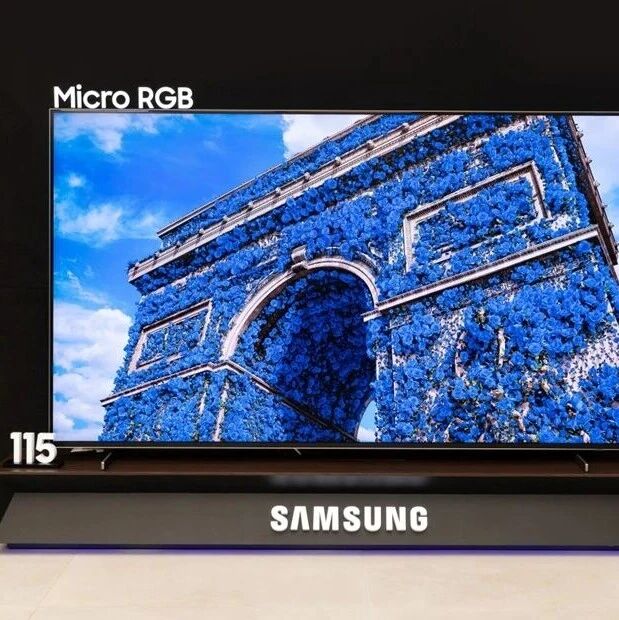
Core Viewpoint - The article highlights the upcoming CES 2026 as a pivotal moment for RGB LED backlight technology, with major companies like Samsung, Sony, and Huike launching new products aimed at mainstream markets, thereby expanding the application of this technology beyond traditional high-end models [4][15]. Group 1: Product Launches and Specifications - Samsung plans to showcase its Micro RGB TV series at CES 2026, targeting mainstream price points with sizes including 65, 75, 85, and 98 inches, while maintaining a price control strategy similar to its Neo QLED series [5][13]. - Huike will debut the world's first RGB Mini LED display at CES 2026, emphasizing color performance as a key selling point, although specific specifications have not yet been disclosed [5][9]. - Sony is set to release the new Bravia 7 II and Bravia 9 II Mini LED TV series in early 2026, with the Bravia 9 II series featuring True RGB technology and sizes ranging from 75 to 98 inches [8][9]. Group 2: Competitive Landscape - The competition in the RGB LED TV market is intensifying, with companies like TCL and Hisense also launching their products, including the Q10M Ultra and various models in the U series, which will cover sizes from 55 to 100 inches [9][10]. - The article notes that the RGB Mini LED TV sizes have been reduced to 65 and 75 inches, which is expected to enhance sales in the consumer market [10][13]. Group 3: Pricing Trends - During promotional events, the prices of 65-inch RGB Mini LED TVs were observed to be lower than those of 65-inch OLED TVs, indicating a competitive pricing advantage for RGB Mini LED technology [13][15]. - The pricing strategy aims to make RGB Mini LED TVs more accessible, with 75-inch models priced lower than 77-inch OLEDs, and 85-inch models priced lower than 83-inch OLEDs [13][15]. Group 4: Future Outlook - CES 2026 is anticipated to be a turning point for RGB LED backlight technology, with major brands pushing for technological advancements and broader market penetration through mainstream product offerings [15]. - The introduction of Huike's RGB Mini LED display is expected to expand the technology's application from living rooms to desktop environments, enriching the ecosystem [15].

海信视像科技股份有限公司关于对海信集团财务有限公司风险评估报告的公告
Shang Hai Zheng Quan Bao· 2025-12-10 17:40
Group 1 - The core viewpoint of the announcement is that Hisense Visual Technology Co., Ltd. has conducted a risk assessment of Hisense Group Financial Co., Ltd., confirming its operational qualifications and risk management capabilities [1][21] - Hisense Financial Co., Ltd. was established in 2008 with a registered capital of 1.3 billion RMB and is a subsidiary of Hisense Group [1][2] - The company has a comprehensive risk management framework that includes credit risk, market risk, liquidity risk, operational risk, compliance risk, information technology risk, and reputation risk [4][5][6][7][8][9][10][15][16] Group 2 - As of September 30, 2025, Hisense Visual has a deposit balance of 445 million RMB and no outstanding loans with Hisense Financial [19] - The company plans to conduct semi-annual reviews of Hisense Financial's financial reports to ensure ongoing risk assessment [20] - The risk assessment concluded that Hisense Financial has a valid financial license and has established a sound internal control system, with no significant deficiencies in its risk control framework for the first three quarters of 2025 [21]
县域“长出”的大学,把“根”扎进地方产业里
Qi Lu Wan Bao· 2025-12-10 16:23
Core Viewpoint - The article highlights the significant role of Weifang Business Vocational College in nurturing skilled talent that supports local industries in Zhucheng, contributing to the region's industrial growth over the past 20 years [2][3]. Group 1: Contribution to Local Industries - Graduates from Weifang Business Vocational College are integral to various local enterprises, particularly in the automotive and food industries, showcasing their skills in production and technology [2][3]. - The college has cultivated over 200,000 graduates since its establishment, with many contributing to the industrial development of Zhucheng and surrounding areas [3]. - Alumni are found in key positions across local companies, such as Shandong Meichen Technology Co., where numerous graduates work in critical roles [3]. Group 2: Industry-Education Integration - Weifang Business Vocational College actively integrates industry knowledge into its curriculum by involving industry professionals as instructors, enhancing the practical relevance of education [5][6]. - The college has established multiple industry-specific academies in collaboration with leading companies, creating a robust framework for practical training and skill development [7][8]. - The institution has developed a comprehensive approach to talent cultivation, ensuring that educational programs align closely with the needs of local industries [6][8]. Group 3: Curriculum and Professional Development - Approximately two-thirds of the college's 51 programs are engineering-related, reflecting a strong alignment with local industrial demands [8]. - The college engages in order-based training and apprenticeship programs with local companies, aiming to produce nearly 6,000 skilled graduates in 2024 alone [8]. - The establishment of a national pre-prepared food industry education integration community demonstrates the college's commitment to collaborative skill development and industry standards [8]. Group 4: Future Vision - The college aims to deepen its roots in local industries while expanding its influence, emphasizing the importance of integrating education with regional industrial growth [9].