徐福记

Search documents
雀巢集团发布上半年财报:有机增长率达2.9%
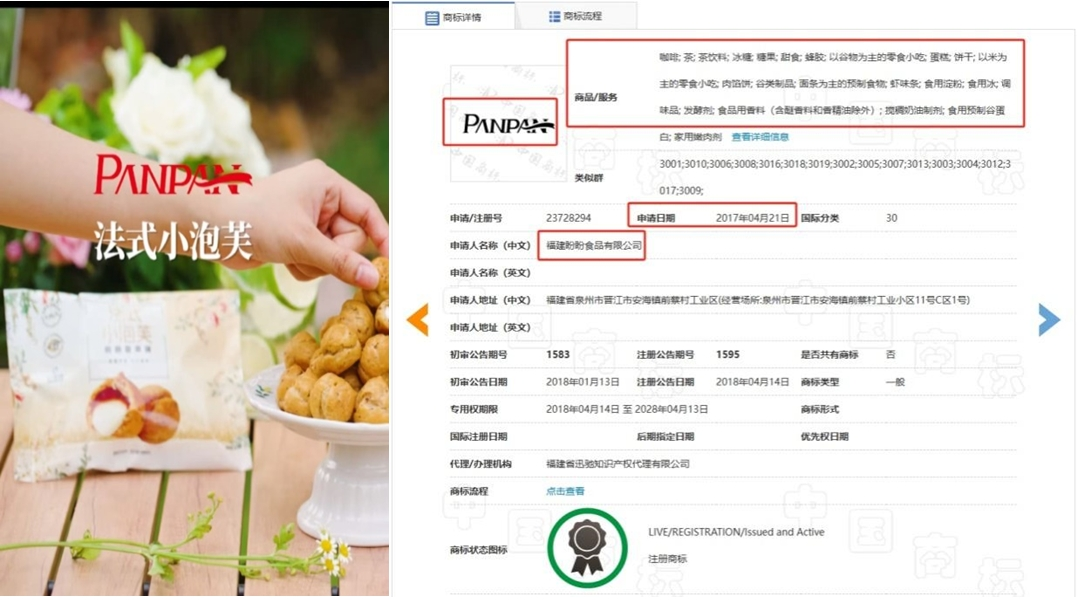
Zhong Guo Jing Ji Wang· 2025-07-25 05:05
Core Insights - Nestlé Group reported a stable profit performance while increasing investments in the first half of 2025, despite facing challenges from high sales costs, increased growth investments, and unfavorable exchange rates [1][2] - The company's sales decreased by 1.8% to CHF 44.2 billion, with a net profit of CHF 5.1 billion and basic earnings per share down by 9.0% to CHF 1.97 [1] - The organic growth rate for the first half of the year was 2.9%, driven primarily by pricing in the candy and coffee segments, which saw increases of 10.6% and 6.0% respectively [1] Financial Performance - The underlying trading operating profit margin was 16.5% [1] - Free cash flow amounted to CHF 2.3 billion [1] - Organic growth rates varied by region, with developed markets at 1.8% and emerging markets at 4.5% [1] Segment Analysis - Retail channel organic growth was 2.6%, while the out-of-home channel grew by 5.8% [1] - E-commerce sales saw a significant organic growth rate of 12.3%, accounting for 20.2% of total sales [1] Strategic Initiatives - The company is focusing on accelerating category growth in areas such as ready-to-drink coffee and pet health products, which are growing at four times the rate of the overall company growth [1] - Six major global innovation projects were launched, generating over CHF 200 million in sales during the first half of the year [1][2] Management and Future Outlook - CEO Laurent Freixe emphasized the company's commitment to enhancing performance and market share through strategic execution and increased investments [2] - Nestlé has taken substantial measures in the Greater China region to improve performance, including management adjustments [2] - The current focus is on strengthening value propositions to drive consumer demand for sustainable growth [2]

雀巢集团:上半年有机增长率达2.9% 将强化价值主张以拉动消费者需求
Zheng Quan Ri Bao Wang· 2025-07-24 11:40
Core Insights - Nestlé Group reported an organic growth rate of 2.9% for the first half of 2025, with a net profit of 5.1 billion Swiss francs and free cash flow of 2.3 billion Swiss francs [1] - The company emphasized flexible pricing strategies in its candy and coffee segments to address rising input costs while maintaining consumer penetration [1][2] - Significant marketing investments were made, with advertising and marketing expenses accounting for 8.6% of sales, leading to a fourfold growth rate in targeted categories compared to the overall organic growth rate [2] Financial Performance - The actual internal growth rate for the first half was 0.2%, with a pricing contribution rate of 2.7% [1] - In Q2, the organic growth rate reached 3.0%, with a pricing contribution of 3.3% [1] - The company expects organic sales growth to outperform 2024, with a projected operating profit margin of 16.0% or higher [4] Business Segments - The candy and coffee businesses were the main contributors to organic growth, driven by pricing factors of 10.6% and 6.0%, respectively [1] - E-commerce sales showed strong performance with an organic growth rate of 12.3% [1] - The company is focusing on high-end brands in the vitamins, minerals, and supplements sector, potentially divesting underperforming brands [3] Strategic Initiatives - In the Greater China region, the company is implementing substantial measures to enhance performance, including management adjustments and a focus on strengthening value propositions [2] - Nestlé has increased its stakes in two companies, including the full acquisition of the candy company Xu Fu Ji in China and a majority stake in Orgain in the plant-based nutrition sector [2] - The company aims to accelerate category growth and market share through strategic execution and increased investment [4]
山姆”上架好丽友为何“惹众怒
Mei Ri Shang Bao· 2025-07-23 10:49
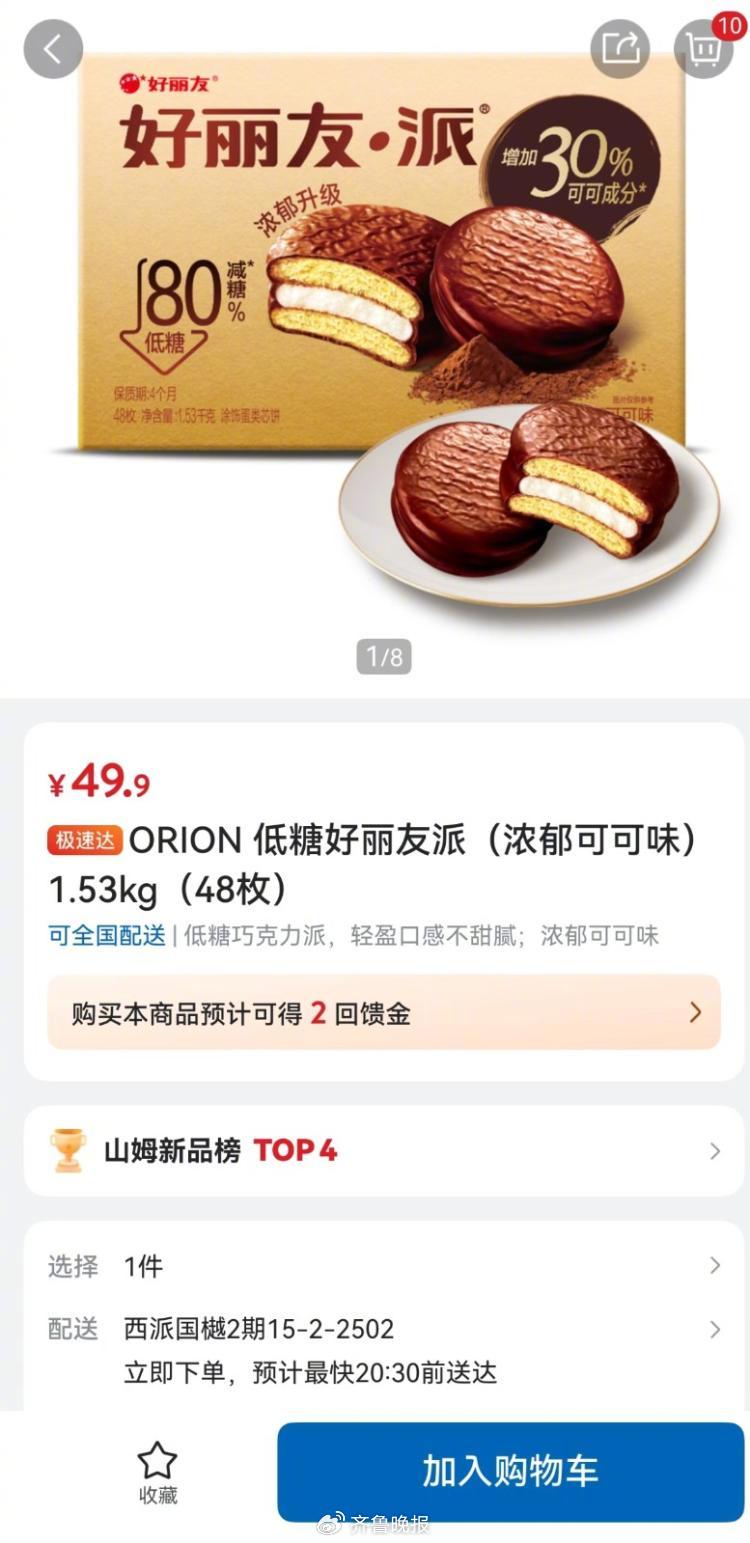
Group 1 - Sam's Club recently launched a new product, a 49.9 yuan snack containing 48 pieces, which claims to have "80% less sugar" and "30% more cocoa" compared to regular versions, but has faced backlash from members due to perceived lack of ingredient optimization and inclusion of potentially harmful additives [1] - As of June 2025, Sam's Club in China has over 9 million paid members, generating membership fee revenue exceeding 2.34 billion yuan, with a year-on-year increase of over 40% in Q1 2025 [1][2] - The average annual spending of Sam's Club members is over 8,000 yuan, significantly higher than typical supermarket spending, indicating a strong appeal to the middle-class demographic [2] Group 2 - The introduction of common brands like Holley Friend and others has led to a perception shift, as these products are widely available elsewhere, challenging the exclusivity that members expect from Sam's Club [3] - The rapid expansion of Sam's Club in China may have strained its supply chain management, resulting in a decline in product quality control [3] - Consumer dissatisfaction reflects broader concerns about food safety and quality standards in China, pushing for higher food safety regulations and standards [4]
2025年中国预制菜企业百强榜发布,东莞一企业入围
Nan Fang Du Shi Bao· 2025-07-22 09:01
Group 1 - The third China International (Foshan) Pre-made Food Industry Conference was held, releasing the "Top 100 Pre-made Food Enterprises in China by 2025" list, with 100 companies from 17 provinces (cities, districts) included [1][2] - Guangdong leads the nation with 21 companies on the list, including Dongguan's Hongjun Catering [1][2] - The ranking is based on data from mainstream e-commerce platforms, corporate financial reports, consumer reputation, media evaluations, product innovation, and other metrics, using the iiMeval big data evaluation model [2] Group 2 - The top-ranked company is Shuanghui Group, followed by well-known brands such as Haidilao, Wens Foodstuff, and others in the top ten [2] - Hongjun Catering, established in 1998, specializes in providing group meal services, catering consulting, kitchen design, and agricultural product distribution, and is noted for introducing robotic operations and standardized management [5] - Dongguan's food industry is rapidly transforming, with over 226 large-scale food enterprises, and the total output value of the food industry expected to exceed 100 billion in 2024 [6]







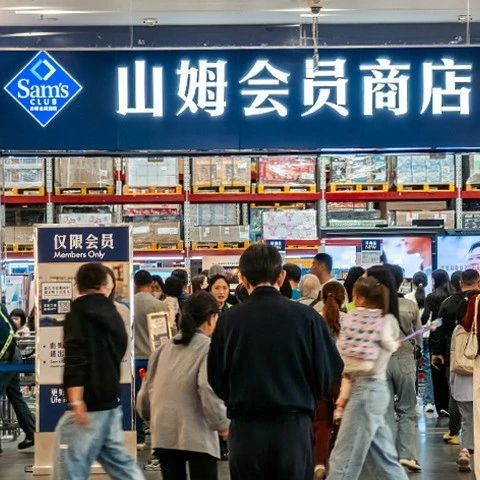
山姆会员店背叛了中产?
36氪· 2025-07-21 13:20
Core Viewpoint - The article discusses the recent backlash against Sam's Club in China due to its product selection changes, highlighting a clash between consumer expectations and the brand's strategy, reflecting broader issues of national identity and consumer trust in domestic brands [4][10][12]. Group 1: Sam's Club's Product Strategy - In July, Sam's Club removed several popular domestic products, replacing them with more common brands, leading to dissatisfaction among its members who felt disrespected [6][10]. - The membership fees for Sam's Club, which amount to at least 1.3 billion RMB annually from over 5 million members, are seen as a ticket to a premium shopping experience that is now perceived as compromised [6][12]. - The backlash is not just about product quality but also about the perceived betrayal of consumer trust and the value proposition of being a member [20][23]. Group 2: Consumer Sentiment and National Identity - The article highlights a growing anxiety among Chinese middle-class consumers regarding their national identity and the quality of domestic products, as they grapple with the perception that local brands are inferior [31][38]. - Despite advancements in product quality and safety in the domestic market, historical trust issues still linger, particularly among older consumers who experienced past quality failures [38][39]. - Younger consumers, however, show increasing trust in domestic brands, indicating a shift in sentiment that could reshape the market landscape [39][40]. Group 3: Industry Dynamics and Competitive Landscape - The success of competitors like Pang Donglai, which emphasizes transparency and high-quality service, has raised consumer expectations and challenged Sam's Club's traditional value proposition [24][25]. - The article suggests that the retail landscape in China is evolving, with a push towards quality and trust that transcends membership models, potentially diminishing the exclusivity of Sam's Club [25][42]. - The need for brands to resonate with consumer values and perceptions is emphasized, suggesting that the future of retail will depend on quality and accessibility rather than exclusivity [42][43].
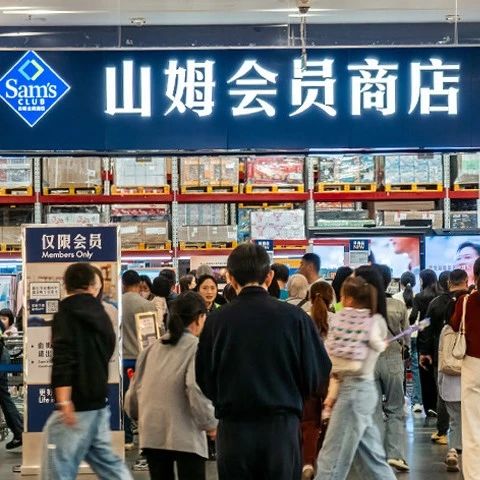
是山姆背叛了阶级,还是中产背叛了国籍?
虎嗅APP· 2025-07-19 13:48
Core Viewpoint - The article discusses the backlash against Sam's Club in China due to its recent product changes, highlighting a clash between consumer expectations and the brand's strategy, reflecting broader trends in the Chinese consumer market and the evolving perception of domestic brands [3][8][10]. Group 1: Sam's Club's Product Strategy - In July, Sam's Club removed several popular domestic products, replacing them with more common brands like Holley and Liuliumei, leading to dissatisfaction among its members [5][6]. - The membership fees for Sam's Club are significant, with over 5 million members contributing at least 1.3 billion RMB annually, raising expectations for product quality and exclusivity [6][11]. - The backlash is not just about product quality but also about the perceived betrayal of consumer trust and the value proposition of being a member [10][18]. Group 2: Consumer Sentiment and Brand Perception - The article emphasizes a growing sentiment among Chinese consumers that domestic brands like Liuliumei and Weilong are proving their worth on the international stage, challenging the notion that imported goods are inherently superior [6][7]. - There is a notable shift in consumer psychology, where the identity and quality of domestic products are increasingly recognized, despite historical biases against them [27][28]. - The crisis at Sam's Club reflects a broader trend of disillusionment with foreign brands and a push for recognition of domestic quality, as seen in the rise of brands like Luckin Coffee and others [29][32]. Group 3: Industry Trends and Future Implications - The article suggests that the retail landscape in China is undergoing a transformation, with traditional distinctions between high-end and mass-market brands blurring as quality standards rise across the board [19][23]. - The success of companies like Pang Donglai, which emphasize transparency and customer service, is reshaping consumer expectations and challenging the traditional membership model of stores like Sam's Club [19][23]. - The future of membership-based retail may depend on adapting to these changes and focusing on quality and consumer trust rather than exclusivity [32][33].

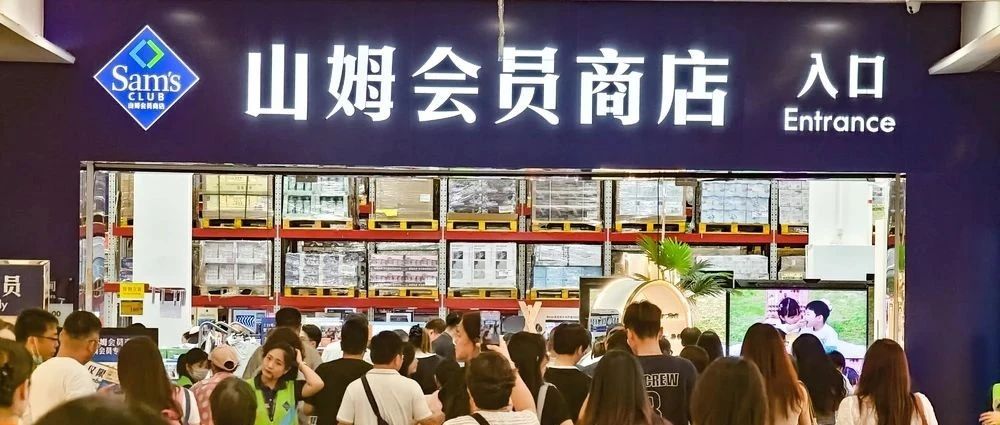
山姆突然“暴雷”,3亿中产彻底怒了
Xin Lang Cai Jing· 2025-07-19 02:24
Core Viewpoint - The recent controversy surrounding Sam's Club and the introduction of the "low-sugar Holi-Ryu pie" has sparked discussions about the brand's commitment to providing a differentiated shopping experience for its middle-class members, which has been compromised by the influx of common products and the removal of high-quality items [1][5][7] Group 1: Product Strategy and Consumer Reaction - Sam's Club has traditionally focused on high-end, unique products to attract middle-class consumers willing to pay membership fees for a premium shopping experience [1][14] - The introduction of the "low-sugar Holi-Ryu pie" has received over 300 negative reviews from consumers, primarily due to concerns about its actual sweetness and the presence of trans fats [5][8] - The removal of popular, high-repurchase items like sun cakes and low-sugar egg yolk pastries in favor of more common brands has led to consumer dissatisfaction, questioning the value of the membership [7][9] Group 2: Quality Control Issues - Sam's Club has faced multiple quality control issues in 2025, including reports of foreign objects in food products, which have contributed to a growing distrust among consumers [8][9] - Complaints regarding food safety have surged, with over 8,000 complaints reported in 2024, 40% of which were related to food safety concerns [8][9] Group 3: Business Expansion and Challenges - Rapid expansion has led to challenges in maintaining quality control, with plans to open 10 new stores in 2025, bringing the total to nearly 60 [10][12] - The company's local sourcing rate exceeds 70%, which has complicated quality management as the scale of operations grows [10][12] - Financially, while Sam's Club reported a sales figure of 100 billion yuan and 2 billion yuan in membership fees in 2024, there are concerns about slowing sales growth, which has dropped from 15% to single digits [12][10] Group 4: Competitive Landscape - Competitors like Hema and Costco are intensifying pressure on Sam's Club by innovating their product offerings and enhancing customer engagement [12][10] - The retail industry is evolving, and consumers are increasingly prioritizing product quality and uniqueness over mere brand prestige [16][14]

从好丽友•派下架到“洋名”争议:山姆的国产供应链为何常在“躲猫猫”?
Mei Ri Jing Ji Xin Wen· 2025-07-18 10:29
Core Viewpoint - The recent controversy surrounding Sam's Club's product selection adjustments highlights the shift from exclusive brands to more commonly found brands, raising questions about the perceived value of membership privileges [1][2]. Group 1: Product Selection and Branding - Sam's Club has faced criticism for introducing products with unfamiliar English names, such as "PANPAN" French puff, which are actually from well-known domestic brands [2][5]. - The "PANPAN" trademark was registered in 2017, indicating that it was not created specifically for Sam's Club [3][5]. - The "Sweet Hour" brand, associated with the product "益生元岩烧海苔," was registered by Guangdong Xizhilang Group in 2000, long before Sam's Club entered the Chinese market [5][6]. Group 2: Supplier Relationships and Product Quality - Sam's Club maintains high standards for its suppliers, requiring certifications for products, which limits the number of eligible suppliers [10]. - The self-branded products, such as Member's Mark, are primarily produced by well-known Chinese manufacturers, ensuring quality and local sourcing [10][11]. - The company relies heavily on local suppliers for popular items, such as frozen baked goods, which are produced by companies like Lihigh Foods [11]. Group 3: Market Positioning and Consumer Perception - The introduction of products with foreign-sounding names has led to consumer confusion regarding the origin of these products, prompting discussions about transparency in branding [15]. - Industry experts suggest that the quality of products should not be judged solely based on their branding, advocating for a better understanding of the value of domestic manufacturing [15].

山姆下架“口碑尖货”上架“大众品牌”,会员价值缩水引质疑
Qi Lu Wan Bao· 2025-07-17 13:44
Core Viewpoint - Sam's Club has initiated a silent product replacement campaign, removing several exclusive items and replacing them with more common brands, leading to significant backlash from its membership base [1][4][10] Group 1: Product Changes - Sam's Club has quietly removed popular exclusive products such as Taiwanese-style sun cakes and low-sugar egg yolk pastries, replacing them with widely available brands like Orion and Wei Long [1][4] - The new products, including a low-sugar Orion cake, were marketed as improvements, claiming an 80% reduction in sugar and a 30% increase in cocoa content [6][7] Group 2: Member Reactions - Members expressed dissatisfaction, feeling that the quality of products has declined and that the unique selection that differentiated Sam's Club from regular supermarkets is disappearing [4][10] - Many members have voiced their concerns on social media, leading to a trending topic regarding the perceived decline in product quality and selection [4][10] Group 3: Financial Implications - Sam's Club charges an annual membership fee of 260 yuan for regular members and 680 yuan for premium members, with over 500,000 active members in China contributing to significant annual revenue [9] - The average annual spending required to break even on the membership is now estimated at 13,000 yuan, equating to an additional 5.2% "membership tax" on each purchase [9][10] Group 4: Business Model Concerns - The shift in product selection raises questions about the core value proposition of the membership model, as members expect unique products that cannot be found elsewhere [10] - Industry analysts suggest that maintaining a diverse and high-quality product range is essential for sustaining member loyalty and competitive advantage against e-commerce platforms [10]
山姆背刺中产,一天就认怂了
36氪· 2025-07-17 10:04
Core Viewpoint - The article discusses the trust crisis faced by Sam's Club due to recent product selection changes, leading to member dissatisfaction and concerns about the quality of offerings [1][8][18]. Group 1: Product Selection Changes - Sam's Club has recently removed popular products like Sun Cakes and Rice Puddings, replacing them with more common brands such as Low Sugar Holi You Pie and Wei Long Spicy Strips [1][5]. - The introduction of Low Sugar Holi You Pie, which claims to have reduced sugar by 80% and increased cocoa content by 30%, has received negative feedback from consumers who found it too sweet [6][8]. - The controversy is not just about the new products but also about the brand's past issues, particularly Holi You's "dual standard" ingredient controversy in 2022, which has damaged its reputation [8][16]. Group 2: Member Reactions - Members expressed anger on social media, feeling that they are being treated as "chives" (a term for being taken advantage of) by receiving products available at regular stores instead of exclusive offerings [3][10]. - Some members are reconsidering their membership renewals due to the perceived decline in product quality and exclusivity [8][10]. - Complaints about the selection strategy have gained traction, with members feeling that the value of their membership is diminishing as the uniqueness of products decreases [10][18]. Group 3: Management and Strategy Changes - The timing of the product selection controversy coincides with a leadership change at Sam's Club, with Andrew Miles retiring and Jane Ewing taking over as president [13][16]. - Despite rumors suggesting that the management change led to a decline in quality control, it has been clarified that the new president is still an international executive [15][16]. - Sam's Club is undergoing aggressive expansion, with plans to open eight new stores in 2025, which may pose challenges for maintaining product quality [16][24]. Group 4: Competitive Landscape - The competitive landscape is intensifying, with Costco and local brands like Hema and Pang Dong Lai posing significant challenges to Sam's Club's market position [22][24]. - The uniqueness of Sam's Club's offerings has been diluted, impacting the profitability of resellers who rely on exclusive products [22][24]. - The essence of the membership model is being questioned as the perceived value of exclusive product access diminishes, leading to concerns about the sustainability of the business model [18][24].