明略科技

Search documents
破壁·共生:寻找AI产业的新风向
36氪· 2025-12-03 00:51
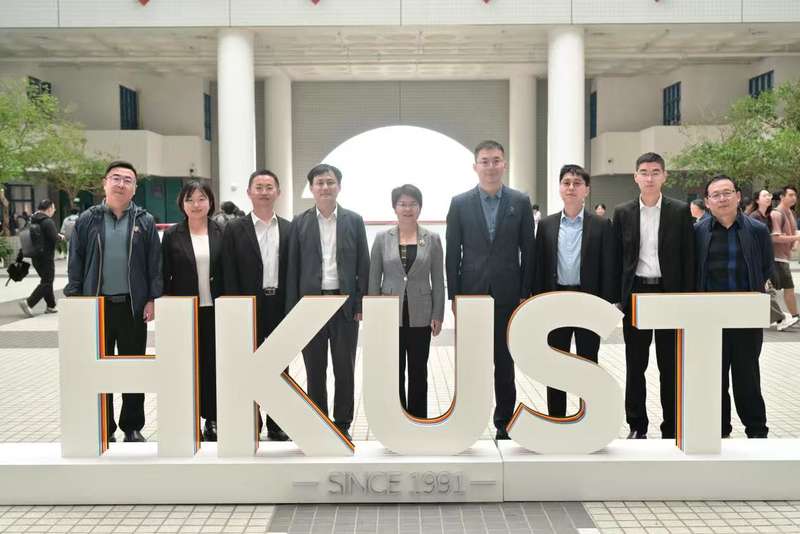
Core Insights - The article discusses the upcoming "2025 Yangtze River Delta Artificial Intelligence Industry Integration and Coexistence Development Conference" set to take place in Hangzhou, China, emphasizing the shift from large model development to practical applications in AI [2][10]. Group 1: Industry Trends - The AI industry is transitioning from a focus on developing large models to implementing practical applications, with a clear need for businesses to create commercial viability [3][5]. - Companies are moving away from a blind faith in large parameters and are now focusing on vertical fields to find unique solutions for "Chinese-style AI" [6]. - The demand for AI applications is growing in various sectors, including low-altitude economy, industrial manufacturing, and embodied intelligence, indicating a shift towards practical, real-world applications [6]. Group 2: Challenges in Implementation - There exists a significant mismatch in the AI industry, characterized by "time differences" in computing power and "temperature differences" in application, which hinders innovation [7]. - Many small and medium enterprises face high costs and logistical challenges in accessing advanced computing power, which is often concentrated in a few centers [8]. - Traditional enterprises possess vast amounts of data but are hesitant to adopt AI technologies due to concerns over data security and unclear ROI, creating a barrier to effective collaboration [8]. Group 3: Conference Objectives - The conference aims to break down information silos and facilitate real discussions on AI applications and industry collaboration [10][12]. - It will gather experts from various fields, including government, industry, academia, and research, to discuss the latest trends and practical experiences in AI [11][12]. - The goal is to make AI a practical tool for various industries, moving beyond theoretical concepts to real-world applications that enhance efficiency and reduce costs [12].


AAAI 2026 Oral:明略科技开创稀疏数据「信息瓶颈动态压缩」,精度+速度双SOTA
机器之心· 2025-12-02 06:47
Core Insights - The article discusses the challenges of "Efficient AI," particularly in the context of transformer models becoming larger and more general, while also becoming computationally heavy for edge devices like robots [1][2] - A paper titled "CompTrack," accepted for oral presentation at AAAI 2026, addresses the issue of whether models need to process all input data, showcasing how compression techniques can significantly reduce computational costs while maintaining or even improving model performance [2][14] Redundancy Challenges - Current AI models face "Dual-Redundancy" challenges, which include: 1. Spatial Redundancy: Unrelated background points and blank areas are processed, wasting computational resources and degrading accuracy [3][5] 2. Informational Redundancy: Even in relevant foreground targets, there is a prevalence of redundant and low-value information, which can lead to inefficiencies [5][7] CompTrack Framework - CompTrack proposes an end-to-end framework that addresses both types of redundancy simultaneously [7] - The framework includes: 1. A Spatial Foreground Predictor (SFP) that filters out low-information background noise using information entropy theory [8] 2. An Information Bottleneck-guided Dynamic Token Compression (IB-DTC) module designed to dynamically compress information redundancy in the foreground [10][11] Efficiency and Performance - The IB-DTC module is significant for Efficient AI as it: 1. Is based on the Information Bottleneck principle, retaining only valuable information for predictions [11] 2. Utilizes online Singular Value Decomposition (SVD) for dynamic compression rates based on the intrinsic rank of input data [12] 3. Allows for end-to-end training by using SVD as a guide for optimal compression rates [12] Application and Results - CompTrack has been applied to challenging 3D point cloud tracking tasks, demonstrating that systematic compression of information redundancy is highly effective [14] - The framework not only enhances efficiency but also sets a precedent for addressing information redundancy in various fields, including sensor fusion in robotics and multimodal processing in visual-language models [14][15] - Performance metrics show that CompTrack achieves real-time performance at 80 FPS on RTX 3090, surpassing state-of-the-art methods, with a significant reduction in computational load to 0.94G FLOPs [15]

一部影游,四日涨停:欢瑞世纪找到自救“新药方”?
3 6 Ke· 2025-12-01 23:47
Core Viewpoint - The successful launch of the interactive game "江山北望" (Looking North) by Huayi Century's subsidiary has revitalized interest in the interactive film and game sector, demonstrating a viable growth avenue for traditional film companies amid a challenging market environment [1][3][20]. Company Performance - "江山北望" achieved significant success on Steam, reaching the top ten in the sales chart within three hours and peaking at sixth place, with a stable approval rating of around 94% [1][3]. - Following the game's launch, Huayi Century's stock price experienced a four-day limit-up streak, reaching a nearly eight-year high of 9.75 yuan [3]. Industry Insights - The game was developed without extensive marketing or celebrity endorsements, relying instead on organic word-of-mouth from players, which highlights a shift in how interactive films and games can succeed [4]. - "江山北望" is notable for being a solid success case for traditional film companies venturing into the interactive game space, marking a significant milestone in the industry [4][14]. Market Trends - The interactive film and game sector has shown a pattern of successful releases, with other titles like "完蛋!我被美女包围了!" and "女王的游戏:盛世天下" also achieving impressive sales figures [5][6]. - The commercial viability of interactive films and games is underscored by their lower production costs and shorter development cycles compared to traditional long-form dramas, making them more appealing for film companies [14][16]. Financial Performance - Huayi Century reported a revenue of 342 million yuan for the first three quarters of 2023, a year-on-year increase of 123.3%, with a narrowed net loss of 35.06% [16]. - The company's shift towards short dramas and interactive games has been a key factor in its financial recovery, aligning with industry trends towards lighter content production [16][19]. Future Outlook - The success of "江山北望" is seen as a starting point for Huayi Century, indicating potential for further growth in the interactive film and game sector [20].


AI要向电商“抽佣”了
Di Yi Cai Jing Zi Xun· 2025-11-26 16:14
Core Insights - The rise of AI is fundamentally transforming the e-commerce landscape, shifting traffic from traditional search engines to AI-driven platforms like ChatGPT and Doubao [2][3][4] - Major e-commerce players are adapting to this trend, with companies like OpenAI and Shopify collaborating to integrate shopping experiences directly into conversational interfaces [3][4] - In China, Doubao, supported by ByteDance, is creating a closed-loop e-commerce ecosystem with Douyin, indicating a significant shift in consumer shopping behavior [5][6] E-commerce Traffic Shift - AI is changing the way consumers shop, moving from traditional search methods to conversational interactions, as highlighted by Shopify's partnership with OpenAI [3][4] - ChatGPT has surpassed 700 million monthly active users, becoming a new entry point for e-commerce, competing with established platforms like Google and Amazon [3][4] - Traditional search engines are experiencing a decline in usage, while AI models are gaining traction, which could disrupt the advertising revenue model of companies like Google and Baidu [4][9] AI Integration in E-commerce - Doubao allows users to ask for product recommendations directly within the app, linking to Douyin's shopping platform, thus streamlining the shopping process [5][6] - Alibaba's recent launch of the Qianwen app aims to compete in the AI-driven e-commerce space, although it has yet to achieve significant user engagement compared to Doubao [6][10] - The integration of AI in e-commerce is expected to enhance user experience by providing personalized recommendations based on historical behavior [9][12] Future of Search Engines - Experts predict that traditional search engines may gradually decline as AI-driven conversational interfaces become the norm for information retrieval and shopping [7][9] - Companies like Baidu are developing AI products to adapt to this shift, with their Wenxin assistant showing significant user growth [10][11] Data Quality and Trust Issues - The effectiveness of AI in e-commerce is heavily dependent on the quality of data used, with concerns about the reliability of information generated by AI models [13][16] - The challenge of misinformation and the need for accurate data integration are critical for the successful implementation of AI in commercial settings [14][17]




AI要向电商“抽佣”了
第一财经· 2025-11-26 16:02
Core Viewpoint - The article discusses the transformative impact of AI on the e-commerce industry, highlighting how AI models like ChatGPT and Doubao are becoming new entry points for online shopping, potentially displacing traditional search engines and e-commerce platforms [3][4][10]. Group 1: AI's Impact on E-commerce - AI is shifting the shopping experience from traditional search engines to conversational interfaces, fundamentally changing how consumers shop [4][10]. - OpenAI's collaboration with Shopify allows consumers to shop directly within the ChatGPT interface, indicating a new trend in e-commerce [5][10]. - In China, Doubao, powered by ByteDance's Volcano Engine, is creating a closed-loop e-commerce system by directing users to Douyin Mall, showcasing a similar trend [7][8]. Group 2: User Engagement and Experience - Doubao has reached 160 million monthly active users, while Douyin has surpassed 1 billion, indicating strong user engagement in AI-driven shopping [8]. - The AI-driven shopping experience is perceived to be more user-friendly and efficient compared to traditional search engines, which rely on keyword-based results [14][10]. - The integration of AI in e-commerce platforms is expected to enhance user experience by providing personalized recommendations based on historical behavior [14][10]. Group 3: Traditional Platforms' Response - Traditional search engines like Google and Baidu are facing declining usage as AI models gain popularity, prompting them to develop their own AI solutions [6][15]. - Baidu's AI products, such as Wenxin Assistant, are showing rapid user growth, indicating a shift towards AI-enhanced search capabilities [15]. - The competition among traditional e-commerce platforms and AI-driven models is intensifying, with companies like Alibaba launching new AI products to remain relevant [9][10]. Group 4: Future of AI in E-commerce - The article suggests that AI models may evolve into purchasing agents for consumers, potentially taking over many purchasing decisions [16][17]. - As AI systems integrate with e-commerce, they may start to charge commissions, creating new revenue streams for AI companies [17]. - The quality of data used by AI models will be crucial in determining their effectiveness in the e-commerce sector, as inaccurate data can lead to poor decision-making [22][23].

落地为王:谁在用AI引领百亿价值跃迁?
虎嗅APP· 2025-11-26 13:44
Core Insights - By 2025, generative AI is expected to mature significantly, transitioning from a novelty to a productivity platform that supports digital transformation across various industries [2] - Despite the advancements, 70% of AI proof-of-concept projects are stalled at the budget approval stage due to strategic focus issues, organizational capability gaps, and difficulties in ROI assessment [3] - The "2025 Big Whale List: GenAI Strongest Landing Companies" aims to identify companies that effectively translate generative AI capabilities into scalable and quantifiable business value [4] Group 1: Themes and Evaluation - The 2025 Big Whale List is structured around four core themes: "Enterprise Operations," "Intelligent Manufacturing," "Smart Marketing," and "AI Value Leap," based on nearly 300 case studies [7] - The evaluation criteria focus on real-world applications that demonstrate ROI greater than 1, emphasizing the importance of ecological scalability, process intelligence, and value closure [10] Group 2: Enterprise Operations - The Enterprise Operations theme highlights AI's role in restructuring management processes, including office, finance, and risk control, to enhance efficiency and digital transformation [9] - Notable companies include DingTalk, which integrates AI into high-frequency scenarios like meeting summaries, and Kuaishou, which enhances user efficiency through tailored solutions [12] Group 3: Intelligent Manufacturing - The Intelligent Manufacturing theme focuses on AI-driven solutions that reshape the entire value chain of industrial manufacturing [14] - Companies like Beidian Zhizhi and CRRC Research Institute are leading in developing industrial models that enhance credibility and reduce production cycles by 45% [17] Group 4: Smart Marketing - The Smart Marketing theme emphasizes AI's transformative impact on marketing processes, enhancing content creation, sales, and data management [20] - Companies such as Baidu and Kuaizi Technology are revolutionizing content production and sales processes through advanced AI applications [22][23] Group 5: AI Value Leap - The AI Value Leap theme showcases companies that significantly enhance user experiences and operational efficiency through large-scale user ecosystems and one-stop service loops [25] - Baidu and HarmonyOS are highlighted for their rapid user growth and innovative AI capabilities that redefine user interactions [27] Conclusion - The "2025 Big Whale List" serves as a collective insight into the future of digital transformation, showcasing companies that are effectively leveraging generative AI to drive industry change and operational efficiency [28]

流量大迁徙时代,AI要向电商“抽佣”了
Di Yi Cai Jing· 2025-11-26 13:18
Core Insights - The rise of AI is fundamentally transforming the e-commerce landscape, with platforms like OpenAI's ChatGPT and ByteDance's Doubao becoming new shopping interfaces, attracting significant user engagement [1][2][4]. Group 1: AI Integration in E-commerce - OpenAI has partnered with Shopify to enable shopping directly within the ChatGPT interface, marking a shift from traditional e-commerce browsing [2][3]. - Doubao, powered by ByteDance's Volcano Engine, has integrated shopping links to Douyin's marketplace, creating a closed-loop e-commerce ecosystem [4][5]. - Both ChatGPT and Doubao have substantial monthly active users, with ChatGPT exceeding 700 million and Doubao reaching 160 million [1][6]. Group 2: Impact on Traditional Search Engines - Traditional search engines like Google are experiencing a decline in usage as AI-driven platforms provide more direct and conversational shopping experiences [2][3]. - The shift from search-based results to AI-generated responses reduces the number of available ad placements, impacting revenue models for companies like Google and Baidu [3][8]. - Baidu is adapting by integrating AI capabilities into its search functions, with significant user growth for its Wenxin assistant [9][10]. Group 3: Future of Consumer Interaction - The future of consumer purchasing decisions may increasingly rely on AI models acting as personal shopping agents, capable of understanding user preferences and making recommendations [11]. - The integration of AI into e-commerce is expected to enhance user experience, making shopping more intuitive and personalized compared to traditional methods [8][11]. Group 4: Data Quality and Trust Issues - Concerns about data quality and the reliability of AI-generated information persist, as consumers may not fully trust AI recommendations [12][15]. - The effectiveness of AI in e-commerce will depend on the integration of high-quality private and public data to ensure accurate recommendations [15][16].


流量大迁徙时代,AI要向电商“抽佣”了 | 海斌访谈
Di Yi Cai Jing· 2025-11-26 12:48
Core Insights - Data quality will significantly determine whether artificial intelligence can revolutionize the e-commerce sector [20] - The shift from traditional search engines to AI-driven conversational interfaces is fundamentally changing shopping behaviors [7] Group 1: AI Impact on E-commerce - AI is transforming e-commerce by shifting the flow of traffic from traditional search engines to conversational platforms like ChatGPT and Doubao, which have monthly active users exceeding 700 million and 160 million respectively [3][5] - OpenAI's collaboration with Shopify to enable shopping directly within ChatGPT signifies a new trend where consumers can purchase products without navigating to e-commerce sites [3] - The integration of AI in e-commerce is expected to enhance user experience by providing personalized recommendations based on historical behavior rather than just search queries [9] Group 2: Traditional Search Engines vs. AI - Traditional search engines like Google are experiencing a decline in usage as AI models like ChatGPT attract more users with their conversational and direct response capabilities [4][10] - The revenue model of traditional search engines, which relies heavily on advertising, is threatened as AI reduces the number of displayed results, thereby limiting ad space [4] - Companies like Baidu are adapting by integrating AI features into their platforms, such as the Wenxin assistant, which has seen a fivefold increase in interaction rounds [10] Group 3: E-commerce Platforms and AI Integration - Doubao, supported by ByteDance's Volcano Engine, is creating a closed-loop e-commerce ecosystem by directing users to Douyin's shopping links, even when queries suggest other platforms [5][6] - Alibaba's recent launch of the Qianwen app aims to compete in the AI-driven e-commerce space, although it has yet to achieve significant breakthroughs in user engagement [6] - The trend indicates that e-commerce platforms will increasingly rely on AI to enhance user interaction and streamline the shopping process [9][12] Group 4: Data Quality and Trust Issues - The effectiveness of AI in e-commerce is contingent upon the quality of data it utilizes, as poor data can lead to misleading recommendations and consumer distrust [19] - Concerns about the accuracy of AI-generated content are prevalent, as many models rely on publicly available data that may not reflect current consumer preferences [18][19] - Companies must focus on integrating private, industry-specific, and public data to create reliable AI systems that can genuinely enhance consumer experiences [19]
25家IPO+830亿融资!2025AI资本盛宴,敲钟者凭何脱颖而出?
Sou Hu Cai Jing· 2025-11-21 11:42
Core Insights - The AI sector is experiencing a significant influx of capital, with 25 AI-related companies listed on the Hong Kong Stock Exchange in less than two years, and 5 successful IPOs in the first half of this year [1] - The primary focus of investment has shifted from AIGC to practical AI applications in sectors like healthcare, logistics, and autonomous driving, which are seen as more viable for monetization [3][5] - Companies with established industry experience that integrate AI into their existing operations are more likely to attract investment, as opposed to pure AI startups lacking industry context [7][9] Investment Trends - The total amount of venture capital for AI companies has reached 83 billion yuan, marking a five-year high, indicating a robust interest in the sector [1] - The trend shows that investors are now prioritizing projects that demonstrate clear monetization potential rather than just innovative concepts [5][19] - Companies like Geek+ and Yunzhisheng have successfully generated significant revenue by focusing on practical applications of AI, such as warehouse robotics and medical AI [5] Market Dynamics - The current landscape features a mix of traditional companies that have adopted AI technologies, rather than solely AI-native firms, which enhances their market credibility [7][9] - The AI market is evolving from a focus on concepts to a focus on practical implementation, with IDC predicting the AI solutions market in China could reach a trillion yuan [17] - Successful AI companies are those that can identify specific use cases and develop their core platforms, allowing them to create technical barriers and reduce delivery costs [17][19] Implementation Challenges - The integration of AI into business processes is complex, requiring significant data management and a shift from manual to algorithmic decision-making [13][15] - Companies are advised to start with specific scenarios to build expertise and gradually expand their applications, as seen with firms like Yunzhisheng and Haizhi Technology [15][19] - The highest level of AI application, which involves redefining industry rules, remains challenging and is currently achievable by only a few companies due to the required resources and validation processes [15]

怀柔硬科技对接香港国际派,京港合作开辟创新协同新范式
Xin Jing Bao· 2025-11-14 04:05
Core Insights - The 28th Beijing-Hong Kong Cooperation Conference serves as a platform for the Huairou District delegation to showcase its "hard technology" capabilities and explore collaboration opportunities with Hong Kong's international advantages [1] Group 1: Collaboration Opportunities - The Huairou District delegation visited Hong Kong Cyberport, which hosts over 400 tech companies, including 10 newly listed firms this year, highlighting the potential for collaboration in the tech sector [3] - A significant opportunity was identified between Hong Kong Cyberport's AI supercomputing center and Huairou Science City’s large scientific facilities, indicating a natural complementarity in their capabilities [3] - Discussions included specific areas for collaboration such as joint research in key technologies and talent exchange programs [3] Group 2: Academic Partnerships - The delegation's visit to the Hong Kong University of Science and Technology (HKUST) revealed potential for collaboration in semiconductor and sensor research, leveraging Huairou's major national research facilities [4] - Initial cooperation discussions focused on research talent exchange and the use of large scientific instruments, aiming to establish a regular communication mechanism for future joint research [4] Group 3: Financial Support for Innovation - The delegation engaged with Far East Horizon, a comprehensive group spanning finance and industry, to explore solutions for financing challenges faced by tech startups in Huairou [4] - Far East Horizon's vice president indicated plans to discuss the establishment of a tech investment fund to support Huairou's industrial development in high-end instruments [4] - The essence of the exchange was captured in the statement that cooperation between Huairou and Hong Kong is not a "multiple-choice question," but rather an "addition question," emphasizing the mutual benefits of collaboration [4]