地平线

Search documents
赛道Hyper | 英特尔出售Mobileye股份:肌腠影响几何?
Hua Er Jie Jian Wen· 2025-07-11 03:00
Core Viewpoint - Intel is selling its stake in Mobileye for $900 million, which includes a direct buyback of $100 million, potentially leading to total proceeds of $1 billion. This move reflects Intel's strategic shift amidst challenges in the semiconductor and autonomous driving industries [1][2][3]. Group 1: Intel's Strategic Shift - Intel has faced significant challenges in recent years, particularly against competitors like AMD, Apple, and Nvidia, leading to a need for strategic adjustments under new CEO Chen Lifang [2]. - The sale of Mobileye shares is part of a broader strategy to optimize assets and focus on core business areas, particularly data center and AI chips, which are seen as future growth points [3][5]. Group 2: Mobileye's Market Position - Mobileye, acquired by Intel for $15.3 billion in 2017, has seen a decline in competitiveness as the market shifts towards fully autonomous driving solutions. The company has lowered its revenue expectations for 2024 to between $1.6 billion and $1.68 billion, down from previous estimates [3][5]. - Despite its challenges, Mobileye still has a cash flow, making it a target for asset optimization by Intel [3]. Group 3: Industry Dynamics - The sale of Mobileye shares highlights a shift in the automotive industry, where car manufacturers are increasingly seeking to regain control over technology and software, moving away from reliance on suppliers like Mobileye [8][10]. - The changing landscape indicates a move from a hardware-dominated model to one that emphasizes software and service revenues, with projections suggesting that by 2030, over 50% of automotive revenue will come from services and software [8][9]. Group 4: Future Implications - The transaction may signal the beginning of a broader industry reshuffle, as companies adapt to new market realities and seek to establish more flexible partnerships [11][12]. - The evolving dynamics suggest that smaller players may struggle to survive unless they can secure ongoing orders from car manufacturers or develop software monetization capabilities [12][13].


“汽车+AI+机器人”三箭齐发,知行科技单日飙涨23%
Zheng Quan Shi Bao Wang· 2025-07-10 15:14
Group 1 - The stock price of Zhixing Technology (01274.HK) surged by 23.31% on July 10, reaching a market capitalization of HKD 4.22 billion after two months of consolidation, driven by multiple positive factors [1] - Zhixing Technology announced on July 10 that it received a designated development notice from a leading domestic brand for five models, including mainstream passenger and commercial vehicles, to provide iDC assisted driving domain controllers and iFC front-view integrated machines [1] - Within 30 days, Zhixing Technology secured a total of 14 model designations, building on the nine commercial vehicle platform designations from early June, showcasing its technical strength and mass production capabilities [1] Group 2 - The new designated projects include ADAS solutions based on the Horizon J6M chip, which will enable advanced driving and parking capabilities, including urban lightweight functions [2] - Zhixing Technology has established a comprehensive service system that supports low, medium, and high-level driving and parking functions, facilitating flexible and cost-effective assisted driving solutions for automakers [1][2] - The company is also focusing on the development of its robotics business, with its subsidiary Aimosing Robotics acquiring a majority stake in Suzhou Xiaogongjian Robotics, enhancing its technological accumulation in key robotic components [2] Group 3 - Aimosing Robotics has completed the full-chain functional verification of its first embodied intelligent product, the "charging robot," which automates the entire charging process [3] - The company is accelerating the development of other core components for the charging robot, aiming to create a highly intelligent and cost-effective product that integrates deeply with Zhixing Technology's high-performance assisted driving product system [3] - Zhixing Technology plans to collaborate with Aimosing in areas such as investment, software and hardware design, supply chain, and manufacturing to expedite the industrialization of Xiaogongjian Robotics [3]

技术之外,谈一下自驾领域的HR面试和谈薪技巧!
自动驾驶之心· 2025-07-10 03:03
最近有社招的同学面到了HR环节,最终因为变现不是很出色被筛下来了,很可惜!今天,我们不谈技术, 就分享下在自驾面试中,HR这个环节应该怎么面? 3)性格上:乐观积极,团队意识,情绪稳定(合作舒服点) 自驾领域,HR最想考察的是什么? 4)抗压能力:抗压,失败了敢于重头再来 5)沟通合作能力:大局为重,积极沟通,敢于表达自己的观点 hr 最想要的人就是:稳定,忠诚,容易合作,善于沟通! 态度良好,负责。 HR面试常问的问题有哪些? 1)沟通,综合能力判断: 我们沟通下来,HR最看重的无外乎以下几点: 1)稳定性:工作稳定,工作负责(不要1年一次跳槽,你就是能力再强,也不敢要) 2)思维上:逻辑和推演能力,临场反应能力(聪明,情商高) 请做一个简单的自我介绍。关键点:谦逊,自信,建议总分结构,逻辑清晰,优势突出。 介绍一下你的优点和缺点。 关键点: 真诚,谦虚,不要过多,褒义中带贬义,沟通上还需加强,技术上爱 钻牛角尖等。 2)稳定性类问题: 你为什么离开上家公司。关键点: 不说不稳定,不要仇视上家公司,从客观的原因分析,最好是被动的。 找工作看中的点。关键点: 往应聘公司特点上靠,成长,机会。 为什么要来我们公 ...

佑驾创新完成1.55亿港元配售:刚完成上市半年 吴泳铭是股东
Sou Hu Cai Jing· 2025-07-10 00:18
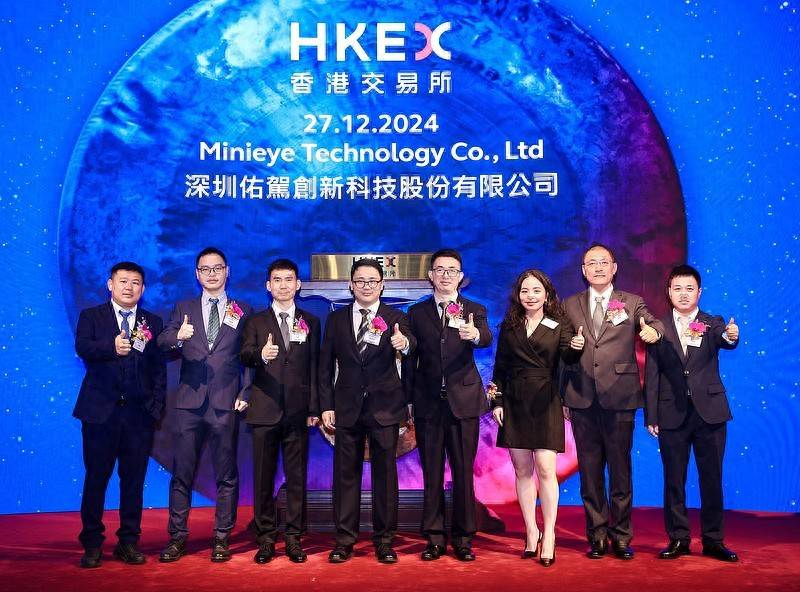
Core Viewpoint - Shenzhen Youjia Innovation Technology Co., Ltd. has completed a placement of new H shares, raising approximately HKD 158 million, with a net price of about HKD 22.81 per share [2][3]. Fundraising Details - The company issued a total of 6,800,000 new H shares, resulting in a gross fundraising amount of HKD 158 million and a net amount of HKD 155 million after deducting listing expenses [2]. - Approximately 40% of the net proceeds (around HKD 62.05 million) will be used to enhance the performance of the company's intelligent driving solutions and meet the growing demand for mid-to-high-level assisted driving projects [3]. - About 30% of the net proceeds (around HKD 46.53 million) will be allocated for technological upgrades of L4 autonomous driving solutions to support the commercialization of passenger and cargo autonomous driving scenarios [3]. - Approximately 20% of the net proceeds (around HKD 31.02 million) will be used to explore potential strategic partnerships, alliances, and acquisition opportunities [3]. - The remaining 10% of the net proceeds (around HKD 15.51 million) will be allocated for working capital and general corporate purposes [3]. Shareholder Structure - The largest shareholder group holds approximately 13.60% of the total issued shares, while the concert party group holds about 10.96% [3]. - The total number of issued shares after the placement is 399,946,400, with H shares accounting for 77.60% of the total [3]. Initial Public Offering (IPO) Background - Youjia Innovation was listed on the Hong Kong Stock Exchange in December 2024, with an IPO price of HKD 17 and a net fundraising amount of HKD 606 million [4]. - Key cornerstone investors in the IPO included Kang Cheng Heng International Investment Co., Ltd. and Horizon Together Holding Ltd., which collectively subscribed for HKD 540 million [4][5].
聊过十多位大佬后的暴论:自动驾驶还有很多事情没做,转行具身大可不必!
自动驾驶之心· 2025-07-09 12:56
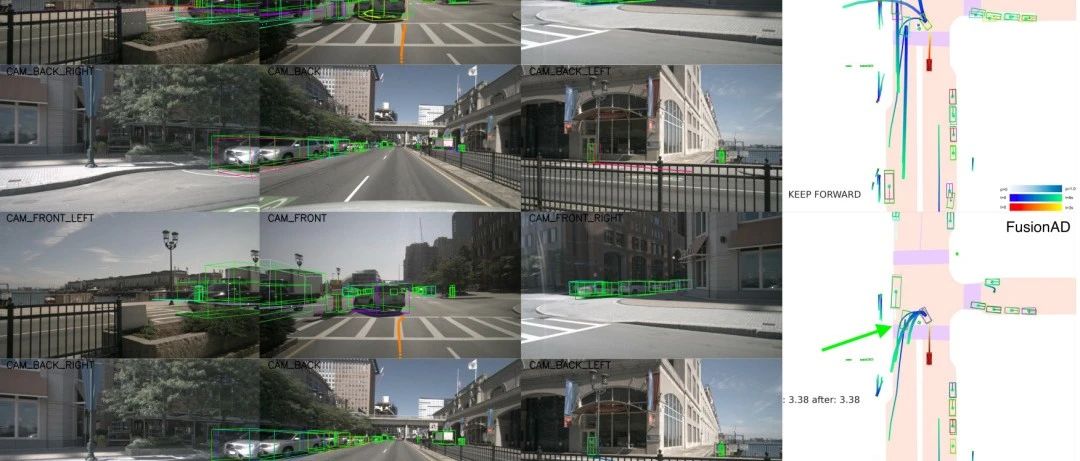
Core Viewpoint - The article discusses the current state and future directions of autonomous driving technology, emphasizing the maturity of certain technologies like BEV and the emerging focus on VLA/VLM, while highlighting the challenges in corner case handling and the need for robust models [2][11][37]. Group 1: Current Technology Maturity - The BEV (Bird's Eye View) perception model is considered fully mature and widely adopted in the industry, effectively handling dynamic and static perception tasks [11][45]. - The introduction of VLA (Vision-Language Alignment) is seen as a promising approach to address corner cases, although its practical effectiveness remains under scrutiny [4][28]. - There is a consensus that while end-to-end models are usable, they cannot be solely relied upon for production due to their limitations in handling complex scenarios [37][45]. Group 2: Emerging Technologies - New technological directions such as VLA/VLM (Vision-Language Model) and diffusion models are being explored to enhance the capabilities of autonomous driving systems, particularly in complex environments [16][18][42]. - The integration of world models is recognized as essential for improving data generation and model training, addressing the high costs associated with real data collection [42][49]. - The industry is also focusing on closed-loop simulations to validate models before deployment, which is crucial for ensuring safety and reliability [44][48]. Group 3: Challenges and Gaps - A significant challenge remains in effectively addressing corner cases, with many companies still struggling to demonstrate robust performance in these scenarios [11][33]. - There is a noted gap between academic research and industrial application, particularly in data sharing and validation of new models like VLA [4][28]. - The efficiency of models is a critical concern, as larger models may not meet latency requirements while smaller models may lack necessary capabilities [5][37]. Group 4: Future Directions - The future of autonomous driving technology is expected to focus on enhancing safety, user experience, and comprehensive scene coverage, with a shift towards data-driven approaches [26][30]. - The industry is likely to see a transition from algorithm-centric development to data-driven efficiency, emphasizing the importance of robust data operations [26][30]. - There is an ongoing debate about whether to deepen expertise in autonomous driving or pivot towards embodied intelligence, with both fields offering unique opportunities [21][41].
中国自动驾驶十年沉浮
3 6 Ke· 2025-07-09 02:45
Core Viewpoint - The development of autonomous driving in China over the past decade has been marked by both significant advancements and notable setbacks, leading to a cautious and regulated environment for the industry [9][10][19]. Group 1: Historical Context and Initial Developments - In 2015, the Chinese government issued "Made in China 2025," highlighting autonomous driving as a key direction for the automotive industry's transformation [2]. - The first domestic autonomous bus test occurred in August 2015, marking a significant milestone in the industry [3][4]. - Baidu's autonomous vehicle showcased its capabilities in mixed traffic conditions in October 2015, further establishing the potential for autonomous driving in urban environments [5][6]. Group 2: Regulatory Changes and Industry Response - A fatal accident involving a vehicle in NOA mode led to stricter regulations, prohibiting misleading terms like "autonomous driving" in marketing [11][12]. - Companies such as Xiaomi, Li Auto, and others adjusted their marketing language to comply with new regulations, shifting from "smart driving" to "assisted driving" [14]. - The regulatory environment has led to a more cautious approach to testing and deploying autonomous vehicles in China [14]. Group 3: International Developments and Market Expansion - In contrast to China's regulatory tightening, international markets, particularly in the U.S. and the Middle East, are embracing autonomous driving technologies [15][16]. - Companies like Waymo and Tesla are making significant strides in commercializing autonomous taxi services and expanding operational areas [15][16]. - Chinese companies are increasingly looking to international markets for growth, with Baidu and Pony.ai establishing partnerships in the UAE for deploying autonomous fleets [17][18]. Group 4: Industry Challenges and Market Dynamics - The autonomous driving sector has experienced a rollercoaster of growth and decline, with many startups facing challenges due to regulatory pressures and market saturation [20][21]. - The number of new autonomous driving companies surged until 2018, but the industry faced a downturn following high-profile accidents and regulatory scrutiny [21][24]. - By 2021, the industry saw a resurgence driven by the pandemic, with a focus on contactless delivery and logistics applications [25][26]. Group 5: Financial Performance and Market Sentiment - Despite initial optimism, many newly listed autonomous driving companies have seen their market valuations decline significantly post-IPO [30][31][32]. - Companies like Horizon Robotics have bucked the trend, experiencing growth due to their strategic positioning as a key supplier for major automotive manufacturers [33]. - The market is witnessing a consolidation phase, with only a few companies expected to survive and thrive in the competitive landscape [37]. Group 6: Legislative and Regulatory Needs - The lack of comprehensive national legislation on autonomous driving in China is seen as a major barrier to the industry's growth and commercialization [42][45]. - In contrast, countries like the UK and the US have made significant legislative progress, establishing clear frameworks for the operation of autonomous vehicles [43][44]. - Industry experts advocate for the urgent need to develop a robust legal framework in China to facilitate the safe and effective deployment of autonomous driving technologies [45]. Group 7: Future Outlook - The next decade is expected to bring further maturation of the autonomous driving industry, with a focus on safety, regulatory compliance, and sustainable business models [48][49]. - The industry is moving towards a more pragmatic approach, emphasizing the integration of technology into everyday life rather than mere technological showcase [48].


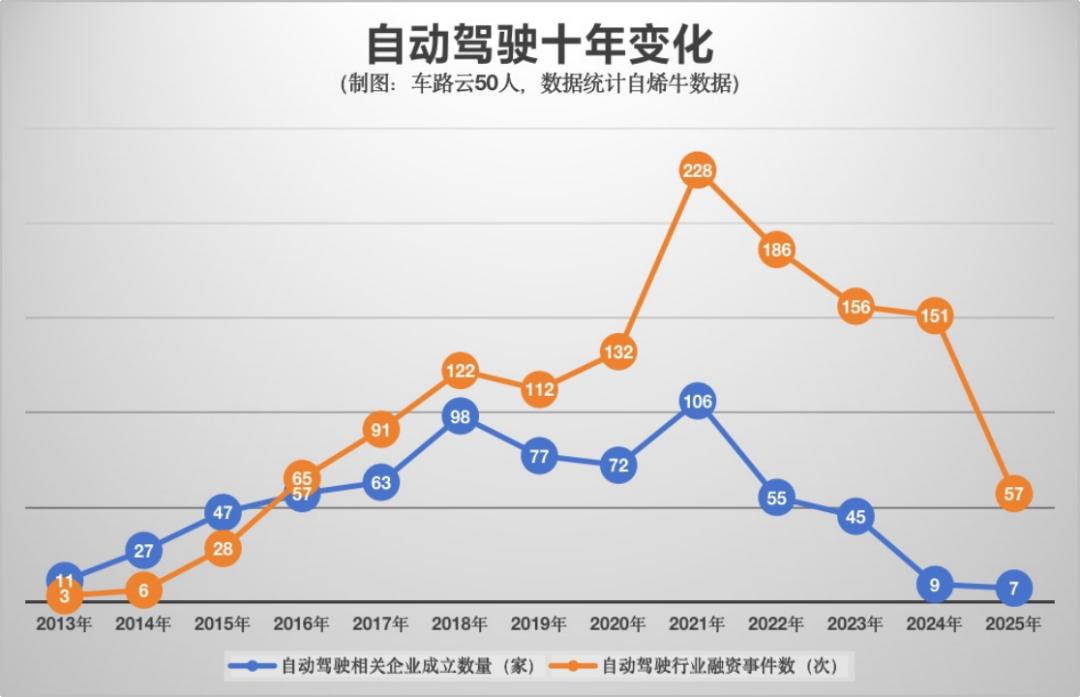
从“技术验证”转向“场景落地”自动驾驶赛道万亿级市场开启
Shang Hai Zheng Quan Bao· 2025-07-08 17:46
Group 1: Industry Overview - The autonomous driving market is projected to reach a total scale of $1.2 trillion by 2040, with a significant shift from "technology verification" to "scene implementation" expected by mid-2025 [1][2] - The penetration rate of L2 autonomous driving is increasing, while L3 products are gradually being introduced [1][3] - The release of international standards for autonomous driving testing reflects the global consensus on testing verification technology and highlights the growth of China's autonomous driving industry [1] Group 2: Company Developments - Major automakers such as BYD, Changan, Geely, and others are intensifying their smart driving strategies, with BYD's intelligent driving model sales reaching 231,000 units in May [2] - Huawei and SAIC Group are collaborating on the "Shangjie Automobile," aiming for a 2025 launch, while Momenta has partnered with multiple brands to produce over 130 models [2][3] - The rapid development of the autonomous driving industry is driving capacity increases among upstream and downstream enterprises, with Hesai Technology planning an annual production capacity exceeding 2 million units by 2025 [2] Group 3: Market Trends - The autonomous driving sector is experiencing a "listing boom," with over 10 companies seeking to enter the capital market, including Yikong Zhijia and Yushi Technology [4] - The domestic autonomous driving sector has seen nearly 80 significant financing events in the first half of 2025, with disclosed financing exceeding 13.5 billion yuan [4] Group 4: Specific Applications - L4 autonomous driving companies focusing on mining, ports, and logistics are receiving both policy and financial support, with companies like New Stone and White Rhino making significant progress in logistics applications [5] - The commercial deployment of mining autonomous driving solutions is accelerating, with Yikong Zhijia reporting a 264% revenue increase in 2024 compared to 2023 [5] Group 5: Robotaxi Expansion - 2025 is viewed as the "expansion year" for Robotaxi, with companies like Baidu and Xiaoma Zhixing significantly increasing their fleet sizes and operational areas [6][7] - Xiaoma Zhixing has obtained Robotaxi licenses in multiple countries and plans to expand its services to 15 international cities over the next five years [7] - The commercial viability of Robotaxi hinges on overcoming challenges related to technology, regulations, production capacity, and operational capabilities [8]


全球亚军屹唐上市,黄浦江资本赋能龙头回归祖国
母基金研究中心· 2025-07-08 08:50
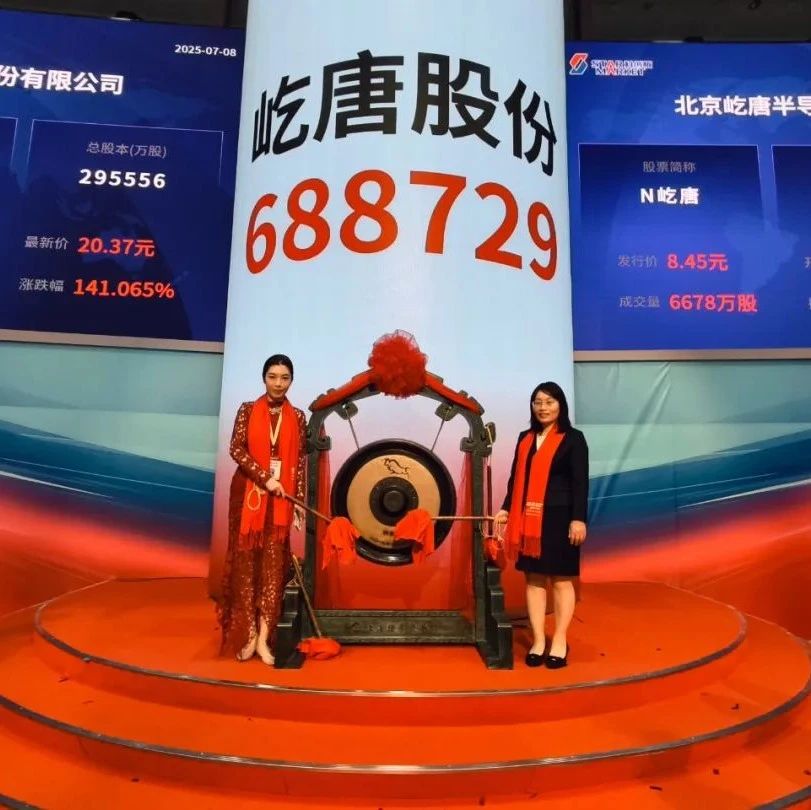
Core Viewpoint - Yitang Semiconductor Technology Co., Ltd. successfully listed on the A-share Sci-Tech Innovation Board, achieving a market capitalization of 77.4 billion yuan with a first-day opening price of 26.2 yuan, reflecting a 210% increase, marking a significant milestone in China's semiconductor equipment sector [1] Group 1: Strategic Positioning - Huangpujiang Capital made a strategic investment in Yitang shares during the initial wave of semiconductor equipment localization in 2020, recognizing the company's 34.6% global market share in dry stripping equipment and its 13.05% share in rapid thermal processing equipment [4] - The domestic semiconductor equipment localization rate increased from less than 10% in 2018 to 28% in 2024, with market size growing nearly threefold over five years due to policy incentives [4] - Yitang's net profit is projected to grow by 60%-86% in 2024, with a remarkable 113% growth rate in the first quarter of 2025 [4] Group 2: Industry Chain Restructuring - Huangpujiang Capital implemented two strategic transformations, including the full production of core components for dry stripping equipment localized in Beijing Economic-Technological Development Area by 2023 [6] - The introduction of seven strategic investors, including China Insurance Investment Fund, secured 681 million yuan in IPO allocation, increasing the company's order amount from 675 million yuan in 2021 to 1.546 billion yuan in 2024, a 129% increase [7] Group 3: Investment Ecosystem Development - The listing of Yitang marks the completion of Huangpujiang Capital's semiconductor investment strategy, with upstream investments in leading memory interface chip company Lanke Technology and downstream support for automotive-grade AI chip company Horizon, which plans to raise 5.1 billion HKD in its 2024 Hong Kong listing [9] - Huangpujiang Capital's strategy emphasizes a three-dimensional linkage between equipment, chips, and materials, effectively bridging technological gaps [9] Group 4: Future Outlook - Huangpujiang Capital views domestic substitution as a core battlefield and future journey, having shifted focus from consumer internet to the underappreciated semiconductor equipment localization sector [10] - The capital's foresight in recognizing the necessity of domestic substitution amid technological blockades positioned Yitang as a key player capable of breaking international monopolies [11] - The listing of Yitang is seen as a starting point for deeper capital empowerment in hard technology, transforming financial capital into a catalyst for industrial innovation [12]
市值774亿!全球亚军屹唐上市
FOFWEEKLY· 2025-07-08 04:21
Core Viewpoint - Yitang Semiconductor Technology Co., Ltd. has achieved a significant milestone by listing on the A-share Sci-Tech Innovation Board, with a market capitalization of 77.4 billion yuan and a first-day opening price of 26.2 yuan, reflecting a 210% increase [1] Group 1: Market Position and Growth - Yitang holds a 34.6% global market share in dry etching equipment, ranking second worldwide, and has a 13.05% share in rapid thermal processing equipment, serving major clients like TSMC and Samsung for over a decade [4] - The domestic semiconductor equipment localization rate has increased from less than 10% in 2018 to 28% in 2024, with market size growing nearly threefold over five years due to policy incentives [4] - Yitang's net profit is projected to grow by 60%-86% in 2024, with a staggering 113% growth rate in Q1 2025 [4] Group 2: Strategic Transformations - Huangpujiang Capital has implemented two strategic transformations: localizing 100% of core components for dry etching equipment through the Beijing Economic-Technological Development Area and securing 681 million yuan in IPO allocations from seven strategic investors [7] - The company's order value has increased from 675 million yuan in 2021 to 1.546 billion yuan in 2024, marking a 129% growth [7] Group 3: Investment Ecosystem - The listing of Yitang marks the completion of Huangpujiang Capital's semiconductor investment strategy, which includes upstream investments in leading memory interface chip company Lanke Technology and downstream support for AI chip company Horizon's IPO [8] - Huangpujiang Capital's strategy emphasizes a three-dimensional linkage between equipment, chips, and materials, aiming to bridge technological gaps through capital [8] Group 4: Future Outlook - Huangpujiang Capital views domestic substitution as a core battlefield and future journey, having recognized the necessity for localization in the semiconductor equipment sector amidst technological blockades [9] - The company anticipates exponential growth in the semiconductor equipment field as national policies align with market demands, a prediction validated over the past five years [9] - The listing is seen as a starting point for Yitang and Huangpujiang, symbolizing a commitment to empowering hard technology through financial capital [9]

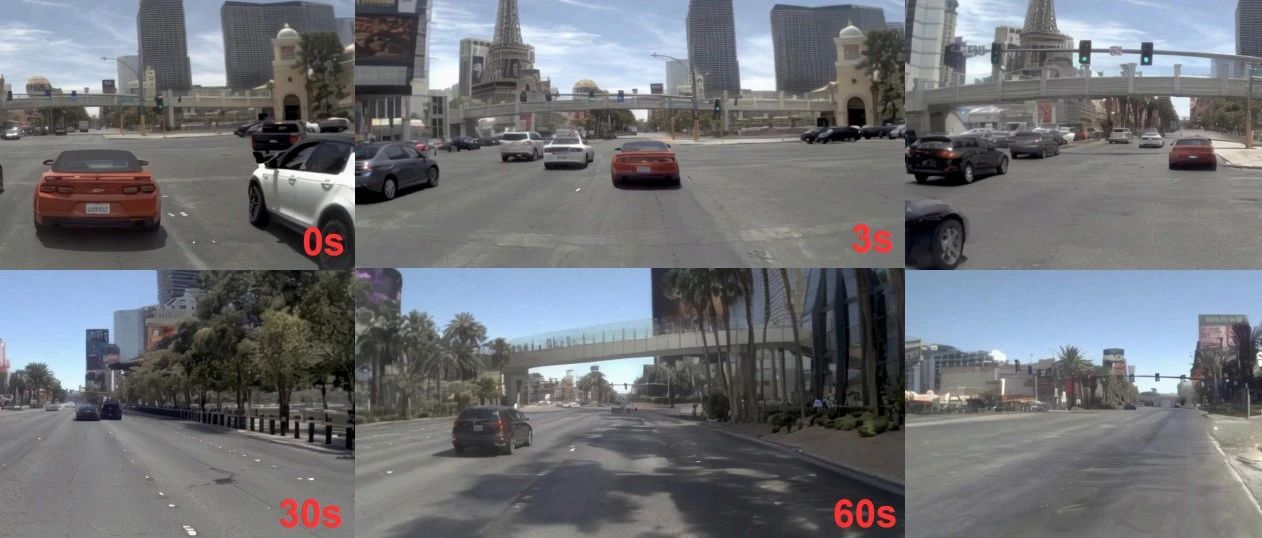
分钟级长视频生成!地平线Epona:自回归扩散式的端到端自动驾驶世界模型(ICCV'25)
自动驾驶之心· 2025-07-07 12:17
Core Insights - The article discusses the development of Epona, a novel autoregressive diffusion world model for autonomous driving, which integrates the advantages of diffusion models and autoregressive models to support long video generation, trajectory control, and real-time motion planning within a single framework [2][33]. Group 1: Research Motivation - The research highlights the growing interest in world models as a key technology for simulating physical environments and assisting agents in planning and decision-making, particularly in high-dynamic and complex tasks like autonomous driving [6]. - Current world model architectures face significant limitations, particularly in their ability to provide high-quality long-term predictions and real-time motion planning [7]. Group 2: Innovations of Epona - Epona introduces two key innovations: decoupled spatiotemporal modeling, which separates temporal dynamics from fine-grained future world generation, and modular trajectory and video prediction, allowing seamless integration of motion planning and visual modeling [2][19]. - The model employs a new "chain-of-forward training strategy" to address error accumulation in autoregressive cycles while achieving high-resolution, long-duration generation [2][23]. Group 3: Performance Metrics - Epona demonstrates a 7.4% improvement in FVD metrics compared to existing methods, with the capability to predict durations of several minutes [2][26]. - In experiments, Epona can generate high-quality driving videos exceeding 2 minutes (600 frames) in length, significantly outperforming other state-of-the-art models [26]. Group 4: Comparison with Existing Models - Epona's design contrasts with existing models that either lack critical planning modules or are limited by low resolution and short-term generation capabilities [9][31]. - The article compares Epona's performance metrics with other models, showing significant advantages in both video length and quality [29][30]. Group 5: Future Implications - The advancements presented by Epona could pave the way for the next generation of end-to-end autonomous driving systems, reducing reliance on complex perception modules and expensive labeled data [6][33].