雀巢

Search documents
卡夫亨氏拆分在即:一场高加工食品帝国的“退烧时刻”
Jing Ji Guan Cha Bao· 2025-07-14 14:15
Core Viewpoint - Kraft Heinz is planning to split part of its core grocery business and seeks to sell multiple brand assets with an estimated valuation of around $20 billion, indicating a significant shift in strategy after years of declining performance since its merger in 2015 [1][2]. Group 1: Company Performance and Strategy - Since the merger in 2015, Kraft Heinz has faced a decline in revenue, market value, and brand relevance, with its valuation dropping from $280 billion to $150 billion over four years, and its stock price down over 60% from its peak [2]. - The company's management, led by 3G Capital, implemented strict cost-cutting measures, including layoffs and reduced marketing budgets, which failed to foster sustainable growth and led to a lack of innovation [3]. Group 2: Market Trends and Consumer Behavior - There is a growing consumer preference for healthier, sustainable food options, with new brands emphasizing plant-based, low-sugar, and high-protein products gaining traction, while Kraft Heinz's offerings remain high in sodium and sugar [3][4]. - The rise of GLP-1 weight loss drugs has altered consumer eating habits, leading to a decline in the consumption of high-processed foods, impacting the demand for Kraft Heinz's products [6]. - Retailers are increasingly promoting private label brands, which are often cheaper than traditional brands, further squeezing the market share and profit margins of established companies like Kraft Heinz [7]. Group 3: Future Outlook and Industry Trends - The proposed split may signal a potential restart of growth for Kraft Heinz, with the possibility of using cash flow from the divestiture to reduce debt or pursue acquisitions in new markets [8]. - The trend of "micro-sizing" among consumer packaged goods (CPG) giants is evident, as companies like Coca-Cola and Unilever are also focusing on core, high-margin brands while divesting low-growth segments [9][10]. - The restructuring of Kraft Heinz reflects a broader industry shift towards more agile and focused business models, emphasizing the need for brands to adapt to the new consumer landscape characterized by health, segmentation, and value [10].

成本不足5块,三得利、雀巢抢食的 “自制” 生意,凭什么撬动百亿市场?
3 6 Ke· 2025-07-14 11:45
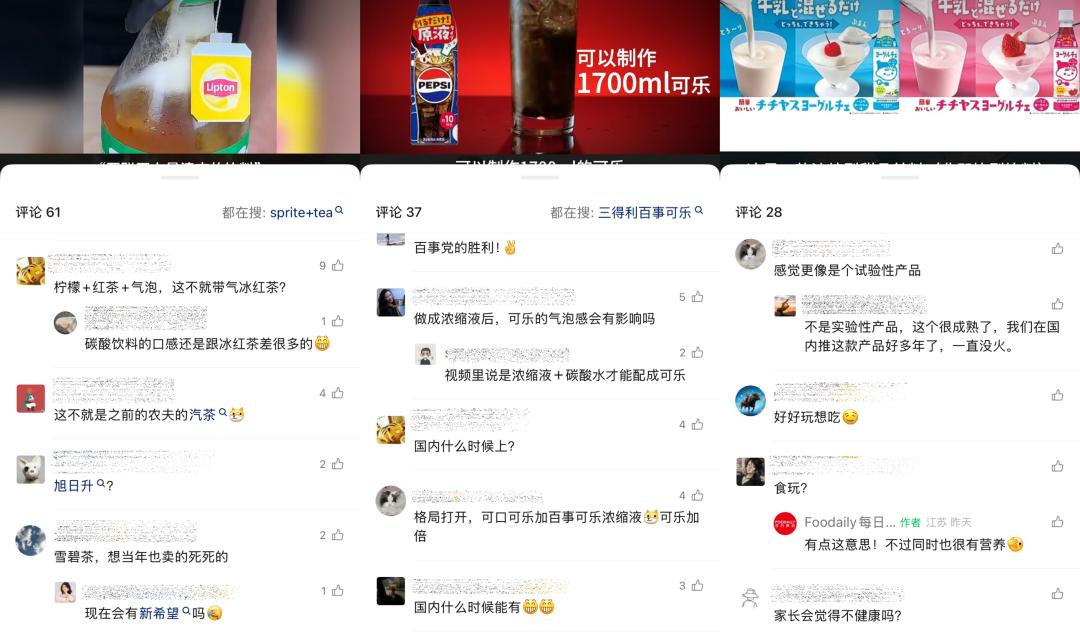
Group 1 - The rise of "DIY" beverages reflects a growing consumer demand for creativity and personalization in drink choices, with major brands like Coca-Cola and Suntory responding by launching products that allow consumers to create their own drinks [1][3][12] - The ice cup market has seen significant growth, with a 236.3% increase in related content and a 462.6% rise in interactions in the first half of 2024, driven by younger consumers seeking affordable and social drinking experiences [3][4][12] - Major brands are entering the ice cup market, with companies like Nongfu Spring and Mixue Ice City launching competitive pricing strategies, including ice cups priced as low as 1 yuan [3][4][12] Group 2 - The "self-made" trend has led to innovative products like Suntory's "Pepsi Concentrate," which allows consumers to mix their own drinks at home, catering to the growing demand for interactive and experiential consumption [19][20] - Ito En has introduced a product called "Yogurt Buddy," which transforms milk into jelly-like desserts, tapping into the trend of turning traditional beverages into snack-like options [22][24] - The success of these products indicates a shift in consumer behavior, with a focus on creating social currency and emotional value through the sharing of unique drink experiences on social media [25][26] Group 3 - Japanese beverage giants are adopting differentiated strategies in the "DIY" beverage market, with Suntory, Ito En, and Mizkan each targeting unique consumer experiences and market segments [13][18] - Mizkan's success with the "Yuzu Vinegar Sour" drink showcases the potential of co-creation with consumers, as it originated from a mix created by a restaurant owner and gained popularity through social media [14][16] - The emphasis on consumer engagement and experience in product development is a key takeaway for companies looking to capitalize on the "DIY" beverage trend [25][26]




Gensmo获融资;老乡鸡更新招股书;Wolford任命副CEO
Sou Hu Cai Jing· 2025-07-14 07:45
Group 1: Gensmo Financing - Gensmo, an AI-driven fashion styling company, has completed a $60 million seed round financing [1] - The company, founded in December 2024, developed an innovative "try-on" feature that integrates with e-commerce platforms, allowing users to see digital outfit effects in real-time [1] - This financing positions Gensmo to lead the next phase of smart styling trends and enhance personalization in the fashion e-commerce ecosystem [1] Group 2: Meta's Investment in EssilorLuxottica - Meta has acquired nearly 3% of EssilorLuxottica, the world's largest eyewear manufacturer, for approximately $3.5 billion [4] - The deal is part of Meta's strategy to increase its investment in AI smart glasses, with plans to potentially raise its stake to 5% [4] - This investment deepens the collaboration between Meta and EssilorLuxottica in smart eyewear development, providing the latter with additional funding for growth [4] Group 3: On's Market Valuation - On, a Swiss sports brand, has recently gone public, achieving a valuation close to $17 billion [6] - Angel investor Roger Federer holds shares worth $500 million, marking a significant portion of his personal assets [6] - Federer's involvement has enhanced On's product innovation and global brand influence [6] Group 4: Lao Xiang Ji's IPO Progress - Lao Xiang Ji has updated its prospectus to advance its listing process on the Hong Kong Stock Exchange [8] - The company plans to increase its store count to 1,624 by June 30, 2025, and holds a 0.9% market share in China's Chinese fast food industry [8] - Revenue figures for Lao Xiang Ji from 2022 to the first four months of 2024 show growth from 4.528 billion to 6.288 billion yuan [8] Group 5: Warburg Pincus Acquires UVEX - Warburg Pincus is set to acquire a majority stake in UVEX WINTER HOLDING GmbH & Co. KG, a German sports protective equipment manufacturer [10] - The specific transaction amount and share percentage have not been disclosed [10] - The current owners will retain significant minority stakes and continue to participate in the company's operations [10] Group 6: LVMH Hotel Sale - LVMH is selling the El Encanto hotel in Santa Barbara, California, for $82.2 million [12] - The hotel, which has 90 rooms, will be managed by the new owners, moving it out of LVMH's Belmond hotel chain [12] - This sale is part of LVMH's strategy to optimize assets and focus on its core luxury business [12] Group 7: New World Development's Property Sale - New World Development is selling its K11 property building in Shanghai for 2.85 billion yuan [13] - The project, originally a flagship for New World in Shanghai, has a total area of approximately 116,000 square meters [13] - This transaction signals New World Development's ongoing strategy of asset-light operations and a shift away from the K11 brand [13] Group 8: Bawang Tea's Expansion - Bawang Tea is set to enter the Philippine market in August, opening three stores in the Manila metropolitan area [16] - Prior to the launch, the company will host a week-long "7-day Power Up Challenge" to engage local consumers [16] - This expansion aims to enhance Bawang Tea's market presence in Southeast Asia [16] Group 9: Wolford's New Executive Appointment - Wolford has appointed Marco Pozzo as the new Deputy CEO, effective July 7 [19] - His addition brings extensive experience in the fashion and consumer goods sectors to the executive committee [19] - This appointment is expected to strengthen Wolford's governance structure and support its business revival strategy [19] Group 10: Nestlé Chairman Rumors - There are rumors that Nestlé's current chairman, Paul Bulcke, will step down at next year's shareholder meeting [22] - Vice Chairman Pablo Isla is speculated to succeed him, with the company ensuring a smooth leadership transition [22] - Investor concerns regarding Nestlé's future direction have intensified, raising questions about the new leadership's ability to navigate challenges [22]

RFI: An Attractive, Unleveraged Real Estate Fund With 8% Plus Yield
Seeking Alpha· 2025-07-13 12:00
High Income DIY Portfolios: The primary goal of "High Income DIY Portfolios" Marketplace service is high income with low risk and preservation of capital. It provides DIY investors with vital information and portfolio/asset allocation strategies to help create stable, long-term passive income with sustainable yields. The portfolios are designed for Income-Investors (including retirees or near-retirees). We provide seven portfolios: 3 buy-and-hold, 3 Rotational portfolios, and 3-Bucket NPP Model Portfolio. T ...

2025年燕麦片品牌推荐:加工工艺革新引领燕麦片产品格局重构
Tou Bao Yan Jiu Yuan· 2025-07-11 12:03
Report Industry Investment Rating - Not provided in the content Core Viewpoints of the Report - The oat industry is in a high - growth stage, with China's oat market growing significantly from 2018 - 2023 and expected to continue growing from 2024 - 2028. Policy support, technological innovation, and increasing consumer health awareness are driving factors for market expansion. The adoption of probiotic fermentation technology may change the market competition landscape [9][31][34] Summary by Directory Market Background - Oatmeal can be divided into traditional, instant, quick - cooking, and steamed glutinous types according to processing methods and convenience of consumption. The oatmeal market has gone through a germination, startup, and high - growth stage, with continuous innovation in processing technology [4][6][7] - Oatmeal is a processed grain food rich in nutrients, and its production and sales are regulated by relevant national standards [5] Market Status - **Market Size**: From 2018 to 2023, the market size of the oatmeal industry in China increased from 4885 million yuan to 11398 million yuan, with a CAGR of 18.46%. It is expected to grow from 12898 million yuan to 15719 million yuan from 2024 to 2028, with a CAGR of 5.07% [9] - **Market Supply**: Driven by policy, technology, and demand, China's oat planting area and production are increasing. In 2024, the oat harvest area is expected to reach 405.0 thousand hectares, and China ranks among the top five globally [10] - **Market Demand**: The per - capita consumption of oats in China is approaching 1kg, with oatmeal accounting for 37.5% of oat product consumption. 94.6% of consumers are aged 18 - 55, and 61.7% of consumers prefer to eat oatmeal for breakfast [10][11] Market Competition - **Market Evaluation Dimensions**: The selection of top ten representative brands follows a multi - dimensional quantitative evaluation model, including product strength and innovation, supply chain control and cost efficiency, and brand influence and channel penetration [12] - **Market Competition Pattern**: The bone health probiotic industry has three echelons, but this seems not directly related to the oatmeal market competition described in other parts [17] - **Top Ten Brand Recommendations**: Brands such as Quaker, Westland, and others are recommended, each with unique product features, such as Quaker's functional oatmeal and Westland's organic full - industry chain products [19][20] Development Trends - **Policy - Driven Market Expansion**: China's grain production can meet the demand for dietary fiber, but residents' intake is insufficient. Oatmeal, as a popular healthy food, is expected to expand the market under policy support [31][33] - **New Competition Dimension**: Probiotic fermentation technology can improve the nutritional value and protein absorption rate of oats. If it is widely adopted in domestic production lines, whether oatmeal is "friendly to people intolerant to cereal protein" will become a new market competition dimension [34]
英媒:一线明星如何搅动消费品行业
Huan Qiu Shi Bao· 2025-07-10 22:38
Core Insights - Celebrities are increasingly transitioning from traditional advertising to becoming entrepreneurs in the consumer goods sector, with notable examples including Hailey Bieber's nearly $1 billion cosmetics brand sale and Kim Kardashian's lingerie brand reaching $1 billion in annual sales [1][2] - The new generation of celebrity brands allows stars to become capitalists, actively participating in business operations and holding equity stakes, which contrasts with traditional endorsement models [1] - Consumer goods giants are acquiring successful celebrity brands, leveraging the stars' existing fan bases to drive initial sales, as seen in recent acquisitions by Diageo for tequila and gin brands associated with George Clooney and Ryan Reynolds [1] Industry Trends - The direct-to-consumer (DTC) model has made it easier for celebrities to launch products, allowing them to connect directly with fans through social media [1] - While celebrity endorsements can drive initial interest, the long-term success of products depends on quality and innovation, as poor consumer experiences can lead to negative reviews and lack of repeat purchases [2] - The landscape of consumer goods is evolving, with celebrities now seen as potential brand creators rather than just endorsers, leading to a shift in how brands are built and marketed [1][2]
据法国媒体:雀巢法国总部因瓶装水调查被搜查。
news flash· 2025-07-10 11:37
Group 1 - The core point of the article is that Nestlé's French headquarters was searched as part of an investigation into bottled water [1] Group 2 - The investigation indicates potential regulatory scrutiny on the bottled water industry in France [1] - This incident may impact Nestlé's operations and reputation in the beverage sector [1]
两日蒸发90亿,资本市场给飞鹤上了一课
3 6 Ke· 2025-07-10 04:27
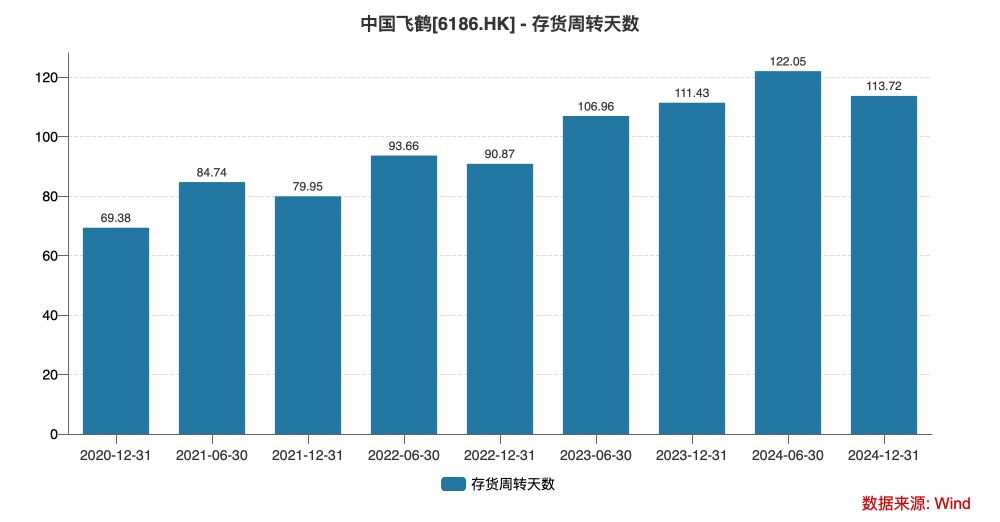
Core Viewpoint - The announcement from Feihe has led to a significant decline in its market value, with a projected revenue drop and net profit decrease for the first half of 2025 compared to the previous year [1][4]. Group 1: Financial Performance - Feihe expects revenue for the first half of 2025 to be approximately 9.1 billion to 9.3 billion yuan, down from 10.1 billion yuan in the same period of 2024, representing a decline of about 8% to 10% [1]. - The projected net profit for the first half of 2025 is estimated to be between 1 billion to 1.2 billion yuan, reflecting a year-on-year decrease of approximately 37% to 47% [1]. - Following the announcement, Feihe's stock price plummeted by 17.02% on the next trading day and an additional 3.17% the following day, resulting in a total market value loss of 10.15 billion HKD, equivalent to approximately 9.28 billion yuan [1]. Group 2: Market Dynamics - The decline in birth rates poses a long-term challenge for the infant formula industry, with Feihe's revenue and profit having previously increased in 2024, but now facing a downturn again in 2025 [1][16]. - Feihe has initiated a substantial fertility subsidy program valued at 1.2 billion yuan to attract potential customers, but this strategy may lead to a price war and does not guarantee revenue growth [2][3]. - Competitors such as Yili and Junlebao have also launched similar subsidy programs, which may dilute the effectiveness of Feihe's efforts to capture market share [3]. Group 3: Inventory and Growth Challenges - Feihe's inventory levels have increased significantly, with stock surpassing 2 billion yuan, and inventory turnover days rising from 80 days in 2021 to 113.7 days in 2024 [6][10]. - The management anticipates completing inventory adjustments by the third quarter of 2025, but the impact of the subsidy program on revenue may be more pronounced in the second half of the year [9][10]. - Analysts from various financial institutions have revised their growth expectations for Feihe, with projections indicating a potential revenue growth of only 0.5% for 2025, down from earlier estimates of 9% [5]. Group 4: Product Strategy and Market Trends - Feihe plans to launch higher-end products in the second half of 2025, aligning with market trends that show growth in the ultra-premium segment of the infant formula market [12][11]. - Data indicates that the ultra-high-end market has seen a year-on-year growth of 13.3% in early 2025, while other segments have experienced declines [12]. - Despite these efforts, the performance of new products remains uncertain, and the overall demand for infant formula is declining due to lower birth rates [13][16]. Group 5: Shareholder Returns - Feihe has announced a minimum share buyback plan of 1 billion yuan and a dividend distribution of no less than 2 billion yuan, aiming to enhance shareholder value [14]. - However, despite these positive initiatives, the negative impact of the company's financial performance has overshadowed these efforts, leading to a significant drop in market capitalization [15].
为“减肥针”用户打造的健身课,成了一门新生意
3 6 Ke· 2025-07-09 23:48
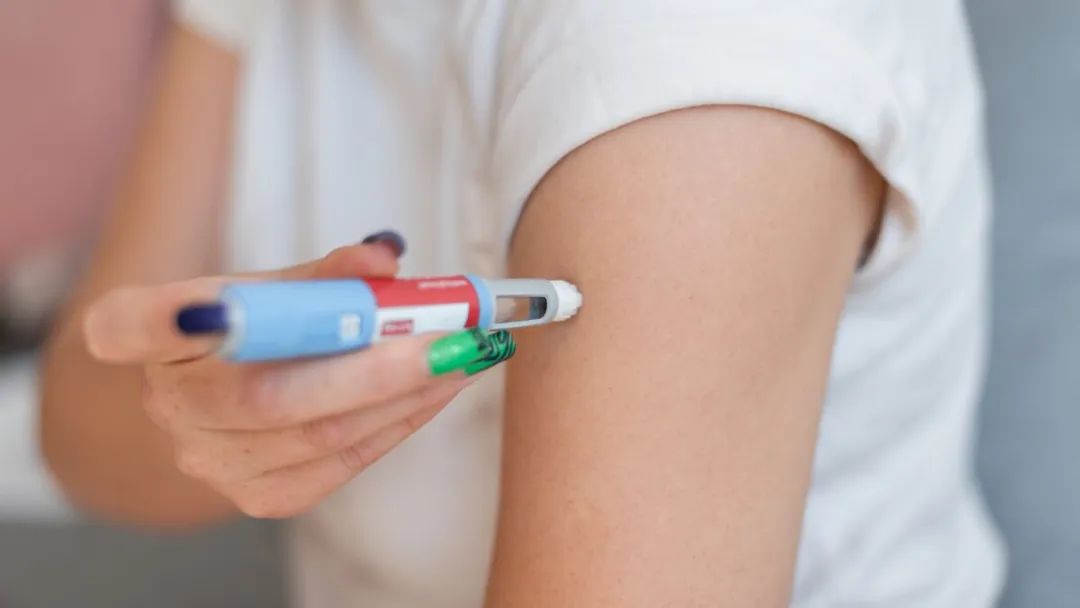
Core Insights - The rise of GLP-1 weight loss drugs, exemplified by Ozempic, is transforming weight loss into a more direct and rapid process, but it also necessitates a greater focus on fitness due to muscle loss during weight reduction [1][3][5] - The fitness industry is innovating to cater to the growing demographic of GLP-1 users, with gyms developing specialized programs to attract this new customer base [1][10] Group 1: Impact on Health and Fitness - GLP-1 drugs reduce appetite, leading to significant weight loss, but approximately 25% to 33% of this weight loss comes from muscle mass, which poses health risks, especially for older adults and postmenopausal women [3][5] - Users of GLP-1 medications often experience side effects such as nausea and reduced appetite, which can lead to nutritional deficiencies and decreased energy levels, making it challenging to maintain a regular fitness routine [8][9] - Customized fitness programs for GLP-1 users are emerging, focusing on resistance training and nutritional education to help users establish healthier habits [10][12] Group 2: Industry Response and Opportunities - Fitness chains like Equinox are launching GLP-1 protocols to train coaches on the drug's mechanisms and how to tailor fitness plans for users, expanding this training globally [12][14] - Companies are developing products specifically for GLP-1 users, such as Nestlé's Vital Pursuit line, which emphasizes high protein and small portions to meet the new dietary needs of this demographic [18][20] - The market for weight loss drugs is projected to grow significantly, with Morgan Stanley increasing its estimate for the global weight loss drug market to $150 billion by 2035, indicating a substantial opportunity for related industries [26]
Is National Vision (EYE) Stock Outpacing Its Consumer Staples Peers This Year?
ZACKS· 2025-07-09 14:42
Company Performance - National Vision (EYE) has returned 137.3% year-to-date, significantly outperforming the Consumer Staples sector, which has returned an average of 5.6% [4] - The Zacks Consensus Estimate for National Vision's full-year earnings has increased by 8.2% over the past three months, indicating improving analyst sentiment [3] Industry Context - National Vision is part of the Consumer Products - Staples industry, which consists of 35 companies and currently ranks 90 in the Zacks Industry Rank. The average performance of stocks in this industry has been a loss of 3% this year [6] - Another notable performer in the Consumer Staples sector is Nestle SA (NSRGY), which has seen a year-to-date increase of 20.1% and also holds a Zacks Rank of 2 (Buy) [4][5] Sector Ranking - National Vision is ranked 13 in the Zacks Sector Rank among 178 companies in the Consumer Staples group, which measures the strength of individual sector groups [2] - The Zacks Rank system, which National Vision currently holds at 2 (Buy), emphasizes earnings estimates and revisions, suggesting potential for outperformance in the near term [3]