西部证券

Search documents
A股底层逻辑转变,卖方唱多,看好券商板块战略配置机会
Xin Lang Cai Jing· 2025-10-13 13:04
Core Viewpoint - The upcoming quarterly reports from listed securities firms are expected to show significant profit growth, driven by increased market trading volume and improved performance in brokerage and proprietary trading businesses [1][3][4]. Group 1: Performance Expectations - Seven sell-side research institutions, including Guotai Junan and Haitong Securities, predict that the net profit of listed securities firms for the first three quarters will exceed expectations, with some forecasts suggesting a year-on-year increase of over 50% [1][2]. - A specific forecast indicates that the net profit for Q3 could see a year-on-year increase of up to 87% [1]. - Analysts expect that the net profit for Q3 will reach approximately 672 billion yuan, representing a year-on-year increase of 87% and a quarter-on-quarter increase of 20% [4][7]. Group 2: Market Conditions - The trading volume in the equity market has significantly increased, with the average daily trading volume in the Shanghai and Shenzhen markets reaching 1.86 trillion yuan, a year-on-year increase of 86.61% [6]. - The margin financing scale remains high, with a financing scale of 2.38 trillion yuan at the end of Q3, reflecting a year-on-year increase of 66% [7]. - The number of new investor accounts opened in Q3 reached 7.55 million, a year-on-year increase of 357.31% [6]. Group 3: Business Segment Contributions - Brokerage, credit, investment banking, and asset management revenues are expected to show strong growth, with brokerage revenue projected to increase by 87% year-on-year [4]. - The asset management business is also improving, with new non-monetary and equity funds issued increasing by 5% and 183% year-on-year, respectively [8]. - The proprietary trading business is expected to see a year-on-year revenue increase of 23% [4]. Group 4: Valuation and Investment Opportunities - The securities sector is currently viewed as undervalued, with a public fund holding of only 0.90%, significantly below the benchmark of 4.26% [10]. - Analysts emphasize the potential for valuation recovery in the securities sector, with a price-to-book ratio of 1.58, which is at the 45.7 percentile of the past decade [10][11]. - The strategic positioning of the securities sector is highlighted, with a focus on capturing high-value investment opportunities amid changing market dynamics [11].
非银金融行业周报:沪指一度突破3900点,关注证券板块配置价值-20251013
East Money Securities· 2025-10-13 12:04
Investment Rating - The report maintains an "Outperform" rating for the non-bank financial sector, indicating a positive outlook for investment opportunities in this industry [2]. Core Insights - The report highlights the recovery of the securities sector, with the Shanghai Composite Index recently surpassing 3900 points, marking a significant milestone since August 2015. This indicates a potential for valuation recovery in the securities sector [5][12]. - The report emphasizes the strong performance of the securities sector during market uptrends, showcasing substantial excess returns compared to major indices [12]. - The report notes that the market's trading activity has increased significantly, with average daily trading volumes reaching 2.11 trillion yuan, a year-on-year increase of 211% [13]. - The report suggests that the insurance sector is entering a new phase focused on quality over quantity, driven by recent regulatory changes aimed at enhancing health insurance and non-auto insurance [34][35]. Summary by Sections 1. Securities Business Overview and Weekly Review - The securities sector has shown resilience, with the East Wealth Securities Index outperforming the Shanghai Composite Index by 2.02 percentage points this week [21]. - The report indicates that the average daily trading volume in the A-share market has increased by 19.47% compared to the previous week, reflecting heightened investor activity [18]. - The report projects that the third quarter will see continued strong performance in brokerage firms, supported by increased trading volumes and new account openings [13]. 2. Insurance Business Overview and Weekly Review - The report discusses the implementation of new regulations aimed at improving the quality of health insurance, marking a shift towards prioritizing quality in the insurance sector [34]. - The report highlights the introduction of a new regulatory framework for non-auto insurance, which aims to curb irrational competition and enhance compliance standards [35]. - The report notes that major insurance companies are expected to leverage their advantages in the evolving regulatory landscape to capture market share [34]. 3. Market Liquidity Tracking - The report details the central bank's recent operations, including a net withdrawal of 4.263 billion yuan from the market, indicating a tightening of liquidity conditions [44]. - The report provides insights into the issuance and maturity of various financial instruments, including interbank certificates of deposit and local government bonds, reflecting the current state of market liquidity [46].
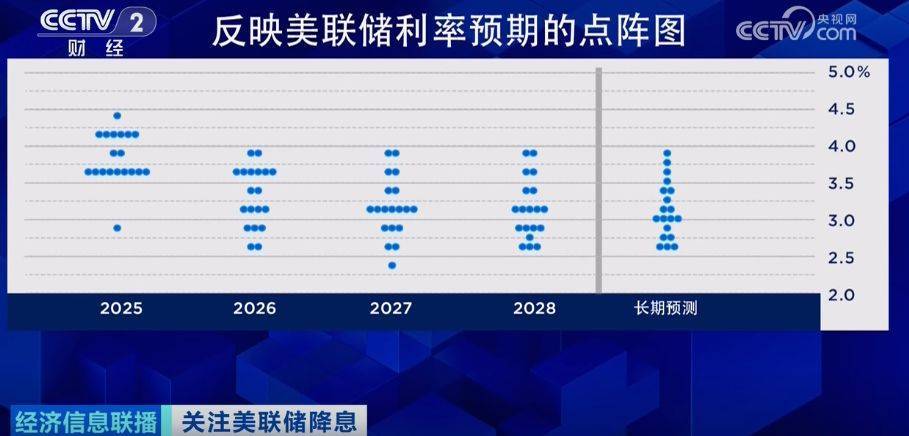
000712,3000万股“花落”四家
Shang Hai Zheng Quan Bao· 2025-10-13 11:46
Core Viewpoint - The recent judicial auction of shares in Jinlong Co., Ltd. marks the fifth instance of such events this year, indicating ongoing dilution of the controlling shareholder's stake and potential shifts in the company's ownership structure [2][7]. Group 1: Auction Details - On October 12, 30 million shares held by the controlling shareholder, Dongguan New Century Science and Education Development Co., Ltd., were auctioned on JD's judicial auction platform [2]. - The auction concluded with all 10 lots sold after over 720 bids, with the winning bidder, Chengdu Jinyao No. 1 Enterprise Management Partnership, acquiring 21 million shares for 262 million yuan [4]. - The auction prices ranged from 36.83 million yuan to 39.33 million yuan per lot, reflecting an increase from the starting price of 31.38 million yuan [4]. Group 2: Shareholding Changes - Following the auction, Chengdu Jinyao No. 1 is expected to become the fifth-largest shareholder of Jinlong Co., Ltd., holding over 2% of the shares [5]. - If all 30 million shares are sold, the controlling shareholder's stake will decrease to 16.29%, although the actual control of the company will remain unchanged [7]. Group 3: Market Context - The phenomenon of frequent share auctions is not isolated to Jinlong Co., Ltd., as it reflects a broader trend within the brokerage sector, where judicial auctions have become more common [9]. - The mixed results of share auctions indicate varying market appetite, with some auctions experiencing high interest while others, like Huachuang Yuxin's auction of over 41 million shares, failed to attract any bids [9][10]. - Analysts suggest that the fluctuating outcomes of these auctions are influenced by factors such as starting prices, market volatility, and the unique conditions attached to the shares being auctioned [10]. Group 4: Industry Outlook - Despite the cautious sentiment surrounding share auctions, institutional investors maintain an optimistic outlook on the brokerage sector, citing potential for recovery in valuations and performance growth [11]. - Reports indicate that the securities industry is expected to see improved performance in the third quarter, driven by increased trading activity and a favorable comparison to last year's low base [11].



A股、黄金,双双上热搜!
Zhong Guo Zheng Quan Bao· 2025-10-13 08:28
Market Overview - A-shares opened significantly lower but rebounded throughout the day, with the Shanghai Composite Index nearing flat by the end of trading [1] - The market saw a total trading volume exceeding 2.37 trillion yuan [4] Gold Sector - The gold concept stocks surged in the afternoon, with leading stocks such as Yuguang Jinlan (豫光金铅) hitting the daily limit and reaching a historical high [5] - The price of gold in the London spot market broke through $4,070 per ounce, while silver approached $51.70 per ounce, both marking historical highs [7] - Major domestic gold jewelry brands reported rising prices, with Chow Tai Fook's gold jewelry priced at 1,190 yuan per gram [7] - The number of gold-related financial products has increased, with 48 products currently in existence and 14 newly established this year [7] - CITIC Securities reported that global central banks are increasing gold purchases, with China's gold reserves rising for 11 consecutive months, reaching 74.06 million ounces [7] Controlled Nuclear Fusion Sector - The controlled nuclear fusion concept stocks remained active, with companies like Hezhan Intelligent (合锻智能) achieving significant gains [9] - Recent breakthroughs in nuclear fusion technology have been reported, including the successful delivery of key components for the BEST project in Anhui [12] - The Chinese Academy of Sciences announced significant progress in the CRAFT project, which is crucial for commercializing fusion energy [12] - The upcoming International Atomic Energy Agency Fusion Energy Conference (FEC2025) in Chengdu is expected to further highlight advancements in this field [12] - Analysts suggest that the domestic controlled nuclear fusion sector may see a second wave of market activity due to favorable industry factors [13]



千亿公募基金总经理到龄退休 谁是西部利得继任者?
Shen Zhen Shang Bao· 2025-10-13 05:09
据公开信息,西部利得基金管理层中,于2015年11月加入的孙威曾在光大证券任职,目前任总经理助 理、财富管理部(筹)总经理,曾任公司副总经理,长期主管专户业务与产品设计部门。公司副总经 理、投资决策委员会主席、公募投资部总经理王宇曾任光大证券金融市场总部债券投资部执行董事,于 2016年9月加入西部利得基金。王汗青曾任光大证券股份销售交易部北京市场部总经理、北京分公司总 经理、研究所所长、上海分公司总经理等职务;他于2024年8月加入西部利得基金,今年被任命为公司 副总经理。 【深圳商报讯】(记者 詹钰叶)西部利得基金总经理贺燕萍因到龄正式退休,由董事长代为履职。市 场高度关注继任者是否会影响管理层与投研团队的稳定性。 西部利得基金10月10日宣布,其总经理贺燕萍因到龄退休,已于10月4日离任。公开信息显示,贺燕萍 具有25年以上证券从业经历,曾任光大证券销售交易部总经理、光大证券(上海)资产管理有限公司总 经理、国泰基金副总经理等。她于2015年11月起担任西部利得基金总经理,在其领导下,公司规模从不 到百亿元突破至如今的千亿元,用时不到10年。 贺燕萍离任同日,董事长何方代任总经理一职。他具有大股东西部证 ...
美国经济:短期“滞”和“胀”的切换
Jin Rong Shi Bao· 2025-10-13 02:04
Economic Outlook - The Federal Open Market Committee (FOMC) is increasingly focused on economic downside risks, acknowledging a slowdown in economic growth during the first half of the year and indicating a tilt towards employment goals in monetary policy [1][20] - The current U.S. economy is characterized by a "stagflation-like" environment, with short-term labor market pressures outweighing inflationary pressures [1][20] - Inflation remains on a slow upward trajectory, primarily driven by service prices, while consumer spending shows resilience but indicates a trend of utilizing savings [1][9] Inflation Dynamics - High tariffs have not yet significantly impacted consumer prices, but there is a growing demand for price increases as companies seek to protect profit margins [2][3] - The ISM manufacturing import index fell to its lowest level since 2016, reflecting reduced procurement due to rising tariffs [2] - The Producer Price Index (PPI) showed a significant increase, with a year-on-year rise from 2.3% to 3.3%, indicating cost pressures accumulating at the production level [7] Labor Market Trends - The labor market continues to exhibit a "low layoff, slow hiring" trend, with initial jobless claims remaining stable, suggesting companies are trying to retain employees despite economic slowdown [10] - Consumer sentiment regarding job security has declined, with expectations of unemployment rising, which may suppress future consumer spending [11] - The ISM manufacturing index indicates ongoing contraction in the manufacturing sector, with employment indices remaining below expectations [12][13] Consumer Behavior - Retail sales data for July showed a 0.5% month-on-month increase, driven by strong automobile sales and online retail, but consumer confidence has sharply declined due to inflation concerns [8][9] - A significant portion of consumers plans to cut spending in response to inflation, particularly in discretionary areas such as dining and home goods [8][9] Investment Climate - Durable goods orders fell by 2.8% in July, marking the third decline in four months, primarily driven by a drop in transportation equipment orders [15] - The housing market shows mixed signals, with new home construction rising but building permits declining, indicating potential future slowdowns in construction activity [14] Federal Reserve Actions - The FOMC has lowered the federal funds rate target range by 25 basis points, reflecting a consensus on the need to address economic risks and support employment [16][20] - Economic forecasts for GDP growth have been adjusted upward for 2025, while unemployment and inflation rates are expected to remain stable [17][18]
三季报在即,把握板块配置机遇
Changjiang Securities· 2025-10-12 23:30
Investment Rating - The report maintains a "Positive" investment rating for the industry [9] Core Insights - The upcoming Q3 reports are expected to show continued high growth in brokerage performance, enhancing the sector's allocation value. The insurance sector reflects a trend of deposit migration, increased equity allocation, and improved new policy costs, leading to a higher certainty of long-term ROE improvement and accelerated valuation recovery. Overall, the cost-effectiveness of allocations is gradually increasing [2][6] - Recommendations include companies with stable profit growth and dividend rates such as Jiangsu Jinzu, China Ping An, and China Pacific Insurance, as well as firms with significant advantages in business models and market positions [6] - The report recommends specific stocks including Xinhua Insurance, China Life, Hong Kong Stock Exchange, CITIC Securities, Dongfang Wealth, Tonghuashun, and Jiufang Zhitu Holdings based on performance elasticity and valuation levels [2][6] Market Performance - The non-bank financial index increased by 0.5% last week, with a relative excess return of +1.0% compared to the CSI 300, ranking in the middle of the industry [7] - Year-to-date, the non-bank financial index has risen by 7.4%, but with a relative excess return of -9.9% compared to the CSI 300, indicating a lower ranking [7] - The average daily trading volume in the market has increased to 26,029.82 billion yuan, up 18.98% week-on-week, with a daily turnover rate of 2.71%, up 42.99 basis points [7] Key Industry News & Company Announcements - The China Banking and Insurance Regulatory Commission issued a notice on strengthening the regulation of non-auto insurance business [8] - China Pacific Insurance's Chief Actuary Zhang Yuanhan has resigned [8]




两融折算率呈现“有升有降”
Shen Zhen Shang Bao· 2025-10-12 22:35
Core Viewpoint - The adjustment of margin trading collateral and conversion rates by Shenwan Hongyuan Securities and Western Securities reflects a dynamic risk control strategy in response to the high valuations and losses of certain companies, particularly focusing on the stocks of SMIC and Bawei Storage [1][2]. Group 1: Margin Trading Adjustments - On October 10, Shenwan Hongyuan Securities and Western Securities announced adjustments to the margin trading collateral and conversion rates, effective from October 13 [1]. - The conversion rates for SMIC and Haiguang Information were raised from zero to 70%, while several other companies saw their rates adjusted to between 30% and 65% [1]. - Conversely, the conversion rates for Tongyu Heavy Industry and Chuangyitong were reduced from 65% to zero, indicating a mixed trend in adjustments [1]. Group 2: Market Reactions and Valuation Changes - Following the adjustments, stocks such as SMIC and Bawei Storage experienced significant declines, with SMIC's static P/E ratio exceeding 300, leading to its conversion rate being set to zero [1][2]. - As of October 10, the static P/E ratios for SMIC, Bawei Storage, and XianDao Intelligent were reported at 276.75, 279.33, and 299.93, respectively, allowing for the re-establishment of their conversion rates to 70% and 65% [2]. - The adjustments in conversion rates are seen as a reflection of brokerage firms' risk management practices, particularly for high-valuation and loss-making companies [2]. Group 3: Implications for Investors - The zero conversion rate indicates that while investors can still finance with sufficient margin, the stock cannot be used as collateral, impacting the available margin for further financing [2]. - For example, a stock with a market value of 1 million yuan that previously had a 70% conversion rate would provide 700,000 yuan in available margin, which would be lost if the conversion rate is set to zero [2].

美联储独立性受质疑 “助攻”黄金飙涨?
Sou Hu Cai Jing· 2025-10-12 11:16
Core Insights - The recent surge in gold prices is driven by expectations of Federal Reserve interest rate cuts, global central bank gold purchases, and ongoing geopolitical risks [1][2] - Concerns about the independence of the Federal Reserve, particularly due to pressure from President Trump, are influencing market perceptions and driving up gold prices [1][2] Federal Reserve Independence - The independence of the Federal Reserve is under scrutiny, with potential implications for gold prices as any perceived intervention could increase risk aversion and weaken the US dollar, making gold more attractive [1][2] - Despite external pressures, the Federal Reserve's independence has not been fundamentally undermined, as evidenced by the recent decision to cut rates with a strong majority vote [2][5] - The latest dot plot indicates a division among Federal Reserve officials regarding future rate cuts, with some expecting additional cuts this year [2][4] Global Economic Context - The shift in international relations, particularly the US's "reciprocal tariffs" policy, is leading to a loss of credibility for the US as a core participant in the international monetary system, which in turn is driving demand for gold as a safe-haven asset [6][10] - The loss of the US's AAA credit rating by major rating agencies has raised questions about the sustainability of the dollar as a reserve currency [6][10] Central Bank Gold Purchases - Since 2016, the pricing of gold has shifted from being driven by "transaction value" to "reserve value," indicating a growing preference for gold among central banks as they seek to diversify away from dollar assets [11][13] - A recent survey indicates that 95% of central banks expect to increase their gold reserves in the next 12 months, the highest percentage since the survey began in 2019 [13][16] - The proportion of gold in central bank reserves has risen to 26.8%, surpassing the share of US Treasury securities for the first time since 1996 [16] Long-term Outlook for Gold - The ongoing issues with the US dollar's creditworthiness and the strategic value of gold are expected to support gold prices in the long term [11][16] - The combination of increasing gold purchases by central banks and the unresolved challenges facing the dollar's credit system suggests a potential long-term bull market for gold [11][16]
美联储独立性受质疑,“助攻”黄金飙涨?
Sou Hu Cai Jing· 2025-10-12 06:07
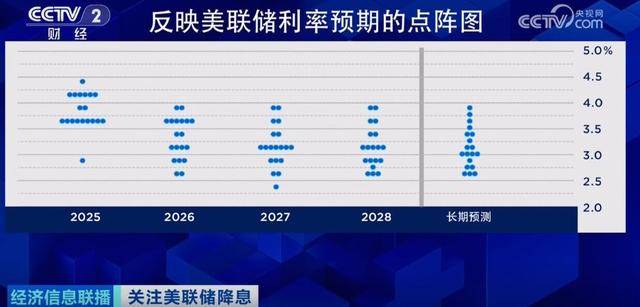
Group 1 - The recent surge in gold prices is driven by expectations of Federal Reserve interest rate cuts, global central bank gold purchases, and ongoing geopolitical risks, leading to increased market risk aversion [1][2] - Concerns about the independence of the Federal Reserve have emerged due to President Trump's public pressure and attempts to reshape its decision-making body, which some believe is a key factor behind the rise in gold prices [1][3] - Analysts suggest that if the Federal Reserve's independence is compromised, it could weaken the US dollar and enhance the attractiveness of gold, thereby driving up its price [2][3] Group 2 - Despite external pressures, the Federal Reserve's independence has not been significantly undermined, as evidenced by its recent decision to cut interest rates with a strong majority vote [3][5] - The divergence within the Federal Reserve regarding future interest rate cuts indicates that its independence remains intact, with a likelihood of further rate cuts in the near term [5] - The erosion of US credibility in the international monetary system, particularly following the removal of its AAA credit rating, raises questions about the sustainability of the dollar as a reserve currency, leading to increased interest in gold as a safe-haven asset [6][7][10] Group 3 - The shift in gold pricing from being driven by "transaction value" to "reserve value" since 2016 suggests a long-term bullish trend for gold prices, especially as the cracks in the dollar's credibility continue to expand [11][13] - Central banks have significantly increased their gold purchases, with 95% of surveyed central banks indicating plans to boost their gold reserves in the next 12 months, reflecting a growing preference for gold over dollar assets [13][15] - The ongoing issues with the US dollar's credit risk and the uncertainty surrounding US fiscal policies under the Trump administration are prompting central banks to enhance their gold reserves as a strategic asset allocation move [13][15]