OPPO

Search documents
国产射频芯片龙头昂瑞微登陆科创板 股价首日高开188.95%
Zhong Zheng Wang· 2025-12-16 07:00
Core Viewpoint - Beijing Angrui Microelectronics Technology Co., Ltd. has successfully listed on the Shanghai Stock Exchange's Sci-Tech Innovation Board, marking a significant advancement in the domestic RF chip sector [1][2] Company Overview - Founded in 2012, Angrui Micro is a national-level "little giant" enterprise focused on the design of RF and analog integrated circuits, specializing in RF front-end chips, RF SoC chips, and other analog chip development, design, and sales [1] - The company has developed high-integration 5G L-PAMiD products that meet international advanced and domestic leading standards, breaking the long-standing monopoly of international manufacturers [1] Market Position and Growth - Angrui Micro's RF front-end chips are now part of the supply chains for major terminal brands such as Honor, Samsung, Vivo, Xiaomi, and OPPO, while its RF SoC chips have entered the supply chains of Alibaba, Pinduoduo, BYD, and others [2] - The company anticipates a revenue of approximately 2.1 billion yuan in 2024, with a compound annual growth rate of over 50% in revenue over the past three years [2] IPO and Fund Utilization - The IPO is expected to raise a total of 2.067 billion yuan, which will primarily be used for the R&D and industrialization of 5G RF front-end chips and modules, RF SoC chips, and the construction of headquarters and R&D centers [2] - Notable investors participating in the strategic placement include Lenovo, BAIC, and several well-known financial institutions [2]
重估东南亚市场:品牌出海的“第一关”,没有简单模式
创业邦· 2025-12-16 03:43
Core Viewpoint - Southeast Asia is viewed as a primary market for Chinese brands seeking international expansion, but the reality is more complex than it appears, with significant challenges that require a deep understanding of local markets and consumer behavior [5][8][9]. Market Characteristics - The Southeast Asian market is characterized by its diversity in religion, ethnicity, and language, leading to fragmented channels and varying consumer purchasing power [8][9]. - There is no unified market or "one-size-fits-all" approach; brands must adapt to local conditions and consumer preferences [8][9]. Consumer Behavior - Traditional shopping habits remain strong, with physical retail still holding significant sway over online shopping, particularly in Malaysia and Singapore [11]. - The convenience of shopping malls, which are prevalent in urban areas, often rivals online shopping experiences due to underdeveloped electronic payment systems [11]. Brand Presence - Successful Chinese brands in Southeast Asia are predominantly found in the food and beverage sector, with notable examples including Haidilao and various tea brands [12][15]. - Non-food brands are also expanding, with significant activity in the toy, apparel, and electronics sectors, showcasing a growing presence in physical retail spaces [15][17]. Challenges Faced by Brands - Despite a strong presence, many Chinese brands struggle with visibility and profitability, often using stores more as brand showcases than for actual sales [19][20]. - The majority of Chinese brands occupy less favorable retail locations, often in higher floors of shopping malls, limiting their exposure to potential customers [20][21]. Market Dynamics - The rapid turnover of brands in Southeast Asia resembles a "fast-growing rainforest," where many brands can quickly rise to prominence but also face swift declines [23][24]. - The high turnover rate is exacerbated by a lack of long-term strategic planning among many brands, leading to unsustainable growth patterns [24][26]. Competitive Landscape - Korean and Japanese brands dominate the market, often employing a more cohesive and strategic approach to brand building compared to their Chinese counterparts [27][28]. - Chinese brands frequently rely on low pricing strategies, which can lead to intense competition and diminished profitability [28]. Brand Recognition - Many Chinese brands struggle with brand identity and recognition in Southeast Asia, often failing to leverage their Chinese heritage effectively [30][31]. - Successful brands, like Skintific, have managed to establish themselves without overtly emphasizing their Chinese origins, focusing instead on local market integration [30][31]. Marketing Strategies - Innovative marketing strategies, such as "store broadcasting" and enhanced offline distribution channels, are emerging as key tactics for brands looking to establish a foothold in the market [33][36]. - The integration of online and offline sales strategies is crucial for maximizing brand exposure and consumer engagement [35][36]. Distribution Challenges - Entering retail channels in Southeast Asia can be challenging due to the closed nature of many distribution networks, particularly in larger retail chains [37][38]. - However, the relatively low complexity of establishing physical retail locations in Southeast Asia presents opportunities for brands willing to invest in local market strategies [38].


狂飙超300%!存储芯片价格罕见暴涨!消费电子产品涨势已定?
Zheng Quan Shi Bao Wang· 2025-12-16 03:13
Core Viewpoint - The global storage chip market has experienced an unprecedented price surge of over 300% since September 2023, driven by the rise of artificial intelligence and the "compute-in-memory" technology, leading to a structural supply shortage that is unlikely to be resolved in the near term [1][3][4]. Group 1: Price Surge and Market Dynamics - The price of DRAM and NAND Flash has increased by over 300% since September 2023, marking a significant shift in the storage chip market [1]. - This price surge is attributed to the transition from traditional storage roles to strategic components in AI applications, particularly with the emergence of "compute-in-memory" technology [3][4]. - The demand for AI servers has drastically increased, with typical AI servers requiring significantly more DRAM and NAND Flash compared to standard servers, leading to a reallocation of production capacity from consumer electronics to AI-related products [4][5]. Group 2: Impact on Consumer Electronics - The price increase in storage components is expected to lead to higher prices for consumer electronics, with predictions that smartphone and laptop prices will rise significantly by 2026 [5][6]. - Major brands are likely to respond to rising costs by either increasing prices, reducing specifications, or a combination of both, particularly in mid-range and entry-level products [7][8]. - Companies are exploring various strategies to manage costs, including supply chain management, internal cost reductions, and adjusting product specifications to maintain competitiveness [7][8]. Group 3: Long-term Industry Implications - The current supply-demand imbalance is expected to persist, with significant capital investments required for new production facilities, which typically take several years to come online [6][9]. - The ongoing price increases and supply chain challenges may accelerate industry consolidation and the push for domestic alternatives in the supply chain [9].

华创证券:3C、消费、高端制造等多轮驱动 3D打印发展空间广阔
智通财经网· 2025-12-16 02:03
Core Insights - 3D printing additive technology addresses pain points in traditional manufacturing processes, with significant growth potential driven by 3C, consumer, and industrial sectors [1] - The domestic supply chain for 3D printing equipment and components is rapidly catching up, with consumer-grade products leading in the domestic market [1] Group 1: Industry Overview - 3D printing offers advantages such as reduced product development cycles, efficient formation of complex structures, and higher material utilization compared to traditional manufacturing [1] - According to data from Zhongshan Industrial Research Institute, the distribution of downstream applications in China's 3D printing market shows aerospace accounting for the largest share at 16.7%, followed by medical (15.5%), automotive (14.5%), consumer electronics (11.9%), and academic research (11.2%) [1] - The global 3D printing market is projected to reach $21.9 billion by 2024 and $115 billion by 2034 according to Wohler Associates [1] Group 2: Consumer Electronics - Apple's entry into the 3D printing space is expected to lead the development in the 3C sector, with the introduction of 3D printing processes in products like the iPhone Air and Apple Watch Ultra [2] - The use of titanium in 3D printing is gaining traction due to its lightweight and high-strength properties, with significant advancements in foldable screen technology [2] Group 3: Consumer Market - The application of 3D printing is expanding from industrial to consumer markets, including entertainment and education, with open-source models and community sharing lowering the learning curve [3] - The global consumer-grade 3D printing market is expected to grow from $4.1 billion in 2024 to $16.9 billion by 2029 according to Zhaosheng Consulting [3] Group 4: High-end Manufacturing - 3D printing is enabling breakthroughs in commercial aerospace and nuclear fusion industries by overcoming traditional manufacturing limitations [4] - Major organizations like NASA and SpaceX are utilizing additive manufacturing for critical components in rocket technology [4] Group 5: Supply Chain - Domestic manufacturers of 3D printing equipment and components are rapidly improving their performance, with companies like Plater and Huazhu High-Tech closing the gap with international leaders [5] - In the consumer market, Chinese suppliers dominate the global consumer-grade 3D printer shipment market, accounting for nearly 95% of the total shipments [5]

豆包手机触碰了大厂APP的“逆鳞”
3 6 Ke· 2025-12-15 23:28
Core Viewpoint - The emergence of Doubao AI phone has sparked significant interest in the potential of AI agents as a new entry point in the internet ecosystem, but it faces immediate backlash from major internet companies due to security and operational concerns [1][2][3]. Group 1: Doubao AI Phone and Its Features - Doubao AI phone allows users to perform complex cross-application operations through an integrated AI agent, enhancing user experience [1]. - Users reported issues with accessing major applications like WeChat and Alipay shortly after the phone's launch, indicating a significant reduction in functionality [2]. - The phone's initial appeal diminished as it could no longer utilize its AI capabilities effectively with popular apps, leading to a decline in user experience [2]. Group 2: Industry Response and Competition - Industry insiders expressed a lack of surprise at the backlash against Doubao, with Tencent attributing the issues to existing security measures [3]. - The competition for the next generation of traffic entry points among internet giants is intensifying, with companies like Alibaba and Tencent scrambling to establish their AI applications [4][5]. - Doubao's rapid rise in daily active users (DAU) highlights its initial success, but subsequent declines in user engagement raise questions about its sustainability [6]. Group 3: The Shift in User Engagement and Advertising - The dominance of major apps like Taobao and WeChat has led to a high concentration of user traffic, creating a "traffic anxiety" among internet companies [4][5]. - The introduction of GUI agents, which can operate apps without user interaction, threatens traditional advertising revenue models by bypassing app usage [13][15]. - The growth of AI assistants among smartphone manufacturers indicates a shift in the value chain from internet companies to hardware manufacturers [16]. Group 4: Future Implications and Developments - The release of Doubao AI phone has prompted other companies to accelerate their development of AI agents, with a focus on creating competitive products [19][20]. - The open-sourcing of AI agent models could democratize access to this technology, potentially leading to a proliferation of personalized agents that challenge established players [21]. - The urgency for internet giants to adapt and innovate in response to the evolving landscape of AI applications is becoming increasingly critical [22].
“以存代算”引爆存储涨价周期 消费电子产品涨势已定?
Zheng Quan Shi Bao· 2025-12-15 18:30
Core Viewpoint - The global memory chip market is experiencing an unprecedented price surge, with DRAM and NAND Flash prices increasing over 300% since September 2023, driven by the rise of AI and the "compute-in-memory" technology [1][2][3] Group 1: Market Dynamics - The current price increase is fundamentally different from previous surges, as it is driven by the shift in the role of memory products in AI applications, rather than just increased demand from mobile devices [2][3] - AI servers require significantly more memory than traditional servers, with DRAM demand being approximately eight times and NAND Flash demand three times higher, leading major manufacturers to prioritize AI-related products over consumer electronics [4] - The supply-demand imbalance has led to panic buying and hoarding behavior among downstream manufacturers, exacerbating the price increase [4] Group 2: Future Projections - The structural imbalance in the memory market is expected to persist, with significant price increases anticipated for consumer electronics like smartphones and laptops by 2026, potentially leading to a 2% reduction in production volumes for both categories [6][7] - Companies are likely to implement a combination of price increases, product adjustments, and cost management strategies to cope with rising costs, rather than fully passing costs onto consumers [7][8] Group 3: Strategic Responses - Companies are expected to reduce specifications or delay upgrades as a necessary measure to balance costs, with mid-range smartphones likely to shift from 12GB to 6GB or 8GB of DRAM [8] - Dynamic inventory management and prioritizing popular models for storage supply are recommended strategies to navigate the current market conditions [8][9] - The ongoing price surge will test the resilience of supply chains and accelerate the need for technological upgrades and domestic alternatives in the industry [9]
AES家用电器及消费电子展2026年聚势智造,领航全球
Xin Lang Cai Jing· 2025-12-15 13:39
Core Insights - The ongoing changes in the international landscape highlight the risks of traditional foreign trade enterprises relying too heavily on a single market. However, these challenges also present new opportunities for growth [1]. Trade Dynamics - In the first three quarters of 2025, China's imports and exports to countries involved in the Belt and Road Initiative reached 17.37 trillion yuan, an increase of 6.2%, accounting for 51.7% of the total trade value [1]. - Exports of electromechanical products from China reached 12.07 trillion yuan, growing by 9.6%, which constitutes 60.5% of total exports, indicating a shift from reliance on the U.S. to a more global approach [1]. Market Opportunities - Emerging markets are showing strong growth, with imports and exports to ASEAN increasing by 9.6%, Africa by 19.5%, and Central Asia by 16.7% [1]. - The AES Home Appliances and Consumer Electronics Expo aims to deepen its presence in nine key overseas markets across five continents in 2026, inviting industry peers to collaborate in the global trade wave [1][21]. Regional Focus: Southeast Asia - Vietnam's GDP growth rate reached 6.42% in the first half of 2024, with expectations to rise to 6.5% in 2025, driven by a young population and strong domestic demand [24]. - Indonesia, as Southeast Asia's largest economy, is experiencing a significant expansion of its middle class, projected to add 8 million new users by 2028, enhancing market vitality [25]. Regional Focus: Middle East - Dubai serves as a strategic hub for trade, with a high GDP per capita exceeding $40,000, and a significant expatriate population driving demand for affordable products [27]. - Saudi Arabia's e-commerce sales grew by 31.3% in the first half of 2025, with consumer electronics accounting for 23.3% of online sales, indicating robust online consumption potential [29]. Regional Focus: Latin America - Mexico's strategic location as a member of the USMCA provides tariff advantages for exports to the U.S., making it a key entry point for Chinese companies into North America [11]. - Brazil's electronic products and appliances saw a 34% increase in sales in the first half of 2024, driven by rising incomes and the expansion of offline retail channels [13]. Regional Focus: Africa - South Africa, as one of Africa's most developed economies, has a significant demand for cost-effective and quality products, with a young population driving consumption [35]. - China's exports to Africa reached approximately $97 billion in the first seven months of 2024, with electromechanical products making up 53% of this total [36]. Regional Focus: Europe - Poland's strategic location allows for efficient transportation to major European markets, with a stable demand for Chinese home appliances and consumer electronics [16]. - The EU's strict energy efficiency regulations are increasing demand for high-efficiency appliances, providing a competitive edge for Chinese manufacturers [38].
OPPO ColorOS小布建议升级:新增新能源汽车充电进度、违章信息等
Feng Huang Wang· 2025-12-15 12:22
Group 1 - The core viewpoint of the article is the announcement of upgrades to ColorOS, including new features for Alipay and enhancements in the AI writing function [1] - ColorOS has introduced real-time synchronization of electric vehicle charging progress and timely notifications for vehicle violation information [1] - The AI writing feature in ColorOS 16 now includes additional writing scenarios and response styles, allowing users to craft messages with high emotional intelligence or humor [1] Group 2 - The upgrade schedule for ColorOS 16 has been released, with the OPPO K13 series set to receive the update on December 16 and the OnePlus Ace2 series on December 30 [1]

手机影像狂卷2025:告别参数焦虑,开始“反向指导”相机了
3 6 Ke· 2025-12-15 10:16
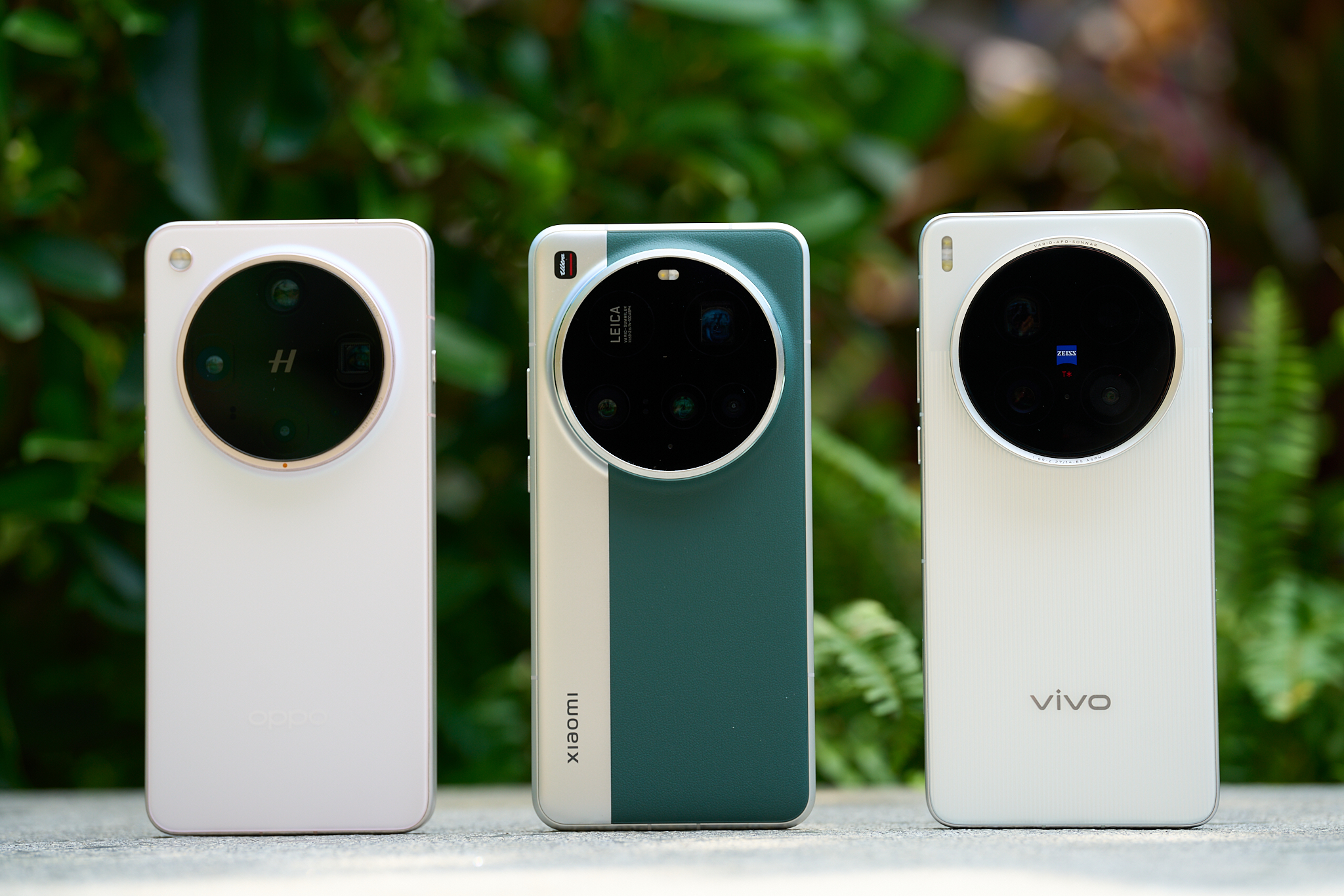
Core Insights - The mobile imaging landscape has shifted dramatically in the past year, moving away from hardware-centric advancements to a focus on algorithms and AI capabilities [1][23][32] - The trend indicates a departure from the obsession with large sensors, with manufacturers prioritizing overall system balance and user experience [2][4][7][32] Hardware Developments - The era of one-inch sensors is declining, with only a few models like Xiaomi 15 Ultra and OPPO Find X8 Ultra remaining on the market, primarily aimed at niche enthusiasts rather than mass consumers [2][4] - New flagship models are adopting smaller sensors, such as the 1/1.28-inch LYT-828, to enhance overall performance and user experience while maintaining a balance between size and functionality [4][5][32] AI and Algorithm Integration - Advancements in AI technology are narrowing the performance gaps in dynamic range, night scenes, and noise reduction, leading manufacturers to allocate resources towards enhancing long-focus capabilities and overall imaging experience [5][23] - Live Photo has evolved into a standard recording format, integrating seamlessly into the AI imaging workflow, allowing for dynamic content creation without the need for manual switching between photo and video modes [8][12][14] Color and Image Quality - The introduction of multi-spectral imaging and original color lenses by brands like Huawei, vivo, and OPPO aims to achieve consistent color reproduction across different lighting conditions, enhancing the overall image quality [18][32] - The focus has shifted from merely achieving high pixel counts to ensuring that images are visually appealing and consistent across various lenses [18][32] User Experience and Accessibility - The mobile imaging experience is increasingly designed for ease of use, allowing users to capture and share images without needing extensive knowledge of photography [27][29][32] - AI functionalities are being integrated into the camera systems to assist users in achieving better results, making advanced photography techniques more accessible to the average consumer [29][32] Future Directions - The industry is expected to continue refining hardware while enhancing software algorithms and AI capabilities, focusing on natural and unified image outputs [31][32] - The competition will shift from hardware specifications to the overall user experience, emphasizing reliability and ease of use in capturing and sharing images [32][33]
为了不让你晕车,苹果小米们有多拼?
创业邦· 2025-12-15 03:09
Core Viewpoint - The article discusses the emergence and functionality of "motion sickness mode" in smartphones, particularly focusing on how it aims to alleviate discomfort for users who experience motion sickness while using their devices in vehicles [6][7]. Group 1: Understanding Motion Sickness Mode - Motion sickness occurs due to conflicting signals between the inner ear and the eyes, leading to symptoms like nausea and cold sweats when users focus on a stationary screen while in a moving vehicle [9]. - Apple was the first to introduce this feature with "Vehicle Motion Notification" in iOS 18, which visually represents vehicle movement on the screen to help mitigate dizziness [9][12]. - Other smartphone manufacturers have followed suit, implementing similar features under various names, such as "Motion Sickness Relief Display" by Honor and "Motion Visual Aid" by Vivo, all aiming to provide dynamic visual feedback during vehicle motion [12][18]. Group 2: Technical Implementation - The implementation of motion sickness mode involves three main steps: sensing the vehicle's movement, processing the data to create a motion model, and displaying visual cues on the screen [13][17]. - Different manufacturers have varying approaches to sensitivity and responsiveness in detecting vehicle motion, with some opting for more aggressive detection algorithms [16][24]. - Xiaomi stands out by integrating this feature into both its smartphones and electric vehicles, adjusting driving dynamics to reduce motion sickness [27]. Group 3: Effectiveness and User Experience - The effectiveness of motion sickness mode varies; it can significantly help those with mild motion sickness but may not fully alleviate symptoms for severe cases [31]. - Users are advised to start with moderate settings for visual cues to avoid overwhelming their senses, finding a balance that minimizes discomfort while still providing necessary feedback [31][32]. - The article suggests that for frequent commuters, automatic activation of this mode can enhance user experience by reducing the need for manual adjustments [28]. Group 4: Industry Trends - The introduction of motion sickness mode reflects a broader trend in the smartphone industry, shifting focus from hardware specifications to enhancing user experience by addressing overlooked pain points [34][37]. - As manufacturers continue to innovate in this area, features like motion sickness mode may become critical factors in consumer decision-making when choosing devices and vehicles [37].