京东方

Search documents
TCL华星第8.6代印刷OLED产线配套项目启动
WitsView睿智显示· 2026-02-11 04:34
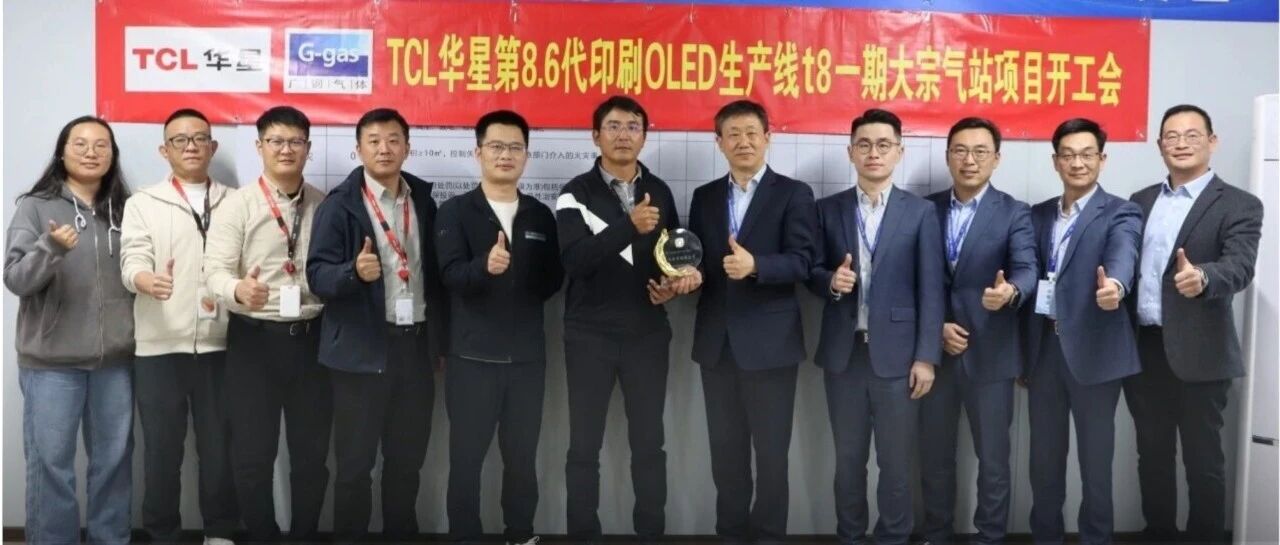
Core Viewpoint - Guangzhou Industrial Control Group's subsidiary, Guanggang Gas, will supply electronic gases for TCL Huaxing's 8.6-generation printed OLED display panel production line project, known as the "t8 project" [1][2]. Group 1: TCL Huaxing t8 Project - The TCL Huaxing t8 project has a total investment of 29.5 billion yuan and will have a processing capacity of approximately 22,500 glass substrates measuring 2290mm × 2620mm per month upon completion [2]. - The production line utilizes TCL Huaxing's self-developed, cutting-edge 8.6-generation substrate specifications and inkjet printing technology, which is significant for advancing China's semiconductor display industry [2]. Group 2: Role of Electronic Gases - Electronic gases are crucial throughout the manufacturing process of semiconductor display panels, impacting thin film deposition, etching, and packaging, with their purity and stability directly affecting product yield and performance [2]. - Guanggang Gas will provide high-quality, high-purity electronic gas solutions for the t8 project, marking a deepening of the collaboration between Guanggang Gas and TCL Huaxing, which has lasted for 15 years [2]. Group 3: Other Projects in the Industry - Besides TCL Huaxing, projects for gas supply to BOE and Visionox's 8.6-generation OLED production lines are also progressing: - In May 2025, Messer's bulk gas station system project will be established in Hefei High-tech Zone, with a total investment of 340 million yuan, expected to start production in the second half of 2026 [4]. - In June 2025, a gas supply project for BOE's Chengdu 8.6-generation AMOLED production line will commence, with an initial investment of approximately 250 million yuan [4].



合肥欣奕华OLED蒸镀设备获某头部面板企业订单
WitsView睿智显示· 2026-02-11 04:34
Core Viewpoint - Hefei Xinyi Hua Intelligent Machinery Co., Ltd. (referred to as "Xinyi Hua Intelligent") has successfully secured a multi-million yuan order for its self-developed G4.5 OLED evaporation equipment from a leading panel customer [1]. Group 1: Company Overview - Xinyi Hua Intelligent specializes in the research, production, sales, and technical services of vacuum coating equipment for the semiconductor industry, clean transfer equipment, and high-speed precision equipment [4]. - The company has completed the domestic development of evaporation equipment series from G1 to high-generation displays, with key core devices such as small-generation complete machines, evaporation sources, and high-precision alignment systems delivered for mass production applications [4]. - Xinyi Hua Intelligent has established partnerships with companies such as Visionox, TCL Huaxing Optoelectronics, and BOE [4]. Group 2: Recent Developments - On January 22 of this year, Xinyi Hua Intelligent's evaporation machine won a bid for the "Suzhou Guoxian Innovation Technology Co., Ltd." project, which aims to develop new display technology with an annual production capacity of 1.5 million XR products [4]. - The recent OLED evaporation equipment order was awarded due to the company's excellent performance in evaporation rate stability, film uniformity, and equipment operational stability, which precisely meets the mass production needs of medium and small-sized OLED panels [4]. - The equipment is widely applicable to cutting-edge popular application scenarios such as smart wearables [4]. Group 3: Future Outlook - The regional general manager of Xinyi Hua Intelligent, Cao Jingbo, stated that the company will continue to increase R&D investment and focus on core technology innovation in OLED and next-generation display equipment, expanding the product matrix coverage [4].
技术硬件与设备行业2025年信用回顾与2026年展望
新世纪评级· 2026-02-11 01:17
Investment Rating - The technology hardware and equipment industry is rated as stable for 2025 and 2026 [1] Core Insights - The technology hardware and equipment industry is experiencing a slow recovery driven by inventory replenishment cycles and AI technology, despite overall pressure from weak global economic growth since 2025. There is significant differentiation among sub-industries, with strong demand for data center equipment driven by computing power, while traditional telecom equipment shows sluggish growth [2][3] - The Chinese government has established a policy framework to support the industry, focusing on short-term growth stabilization, medium-term supply chain strengthening, and long-term innovation promotion, primarily through domestic substitution to overcome high-end equipment and material bottlenecks [2] - The industry is expected to benefit from the deepening of digital China initiatives and the industrialization of cutting-edge technologies like AI, entering a structurally growth-driven cycle. However, geopolitical disturbances and rapid technological iterations may lead to uneven recovery across the industry [5] Summary by Sections Industry Overview - The electronic information manufacturing industry is closely tied to global economic conditions, showing signs of recovery since 2024 due to inventory replenishment and AI-driven demand. It is a core industry in China's economic structure transformation and upgrade [7][8] - In 2024, the added value of China's electronic information manufacturing industry grew by 11.8%, outperforming overall industrial and high-tech manufacturing growth rates [8] Financial Performance - Sample companies in the technology hardware and equipment industry reported positive revenue growth year-on-year in 2025, aligning with industry recovery trends. However, high R&D investments and asset impairment losses have pressured net profits, while EBITDA showed year-on-year growth, indicating profit resilience [3] - The debt scale and liability ratios of sample companies have increased, with a decline in the EBITDA coverage ratio for rigid debt, although interest coverage has improved due to lower financing costs [3] Sub-Industry Insights Communication Equipment - The communication equipment sector is experiencing growth opportunities driven by AI and industrial interconnectivity, with significant demand for data center equipment but slow growth in traditional telecom network equipment. The market is highly competitive and concentrated [24][27] - The deployment of high-speed optical modules and data center switches is expected to grow significantly, while traditional telecom equipment investments are declining as operators shift focus to computing power networks [28] Computers and Peripheral Devices - The global PC and server markets are stable, with Chinese manufacturers gaining market share due to domestic substitution. The AI PC segment is becoming a core growth driver, with AI PC shipments expected to increase significantly [37][38] - The global server market is experiencing robust growth driven by AI computing demand, with significant revenue increases expected in the coming years [42] Electronic Devices, Instruments, and Components - The electronic devices, instruments, and components sector is seeing overall recovery driven by AI innovation and domestic supply chain localization. Key areas of growth include computing power chips and advanced packaging [48][49] - The semiconductor industry is entering an upward trend, with significant sales growth expected in both global and Chinese markets [56]



消息称京东方iPhone OLED面板生产遇挫,三星显示接手数百万片订单
Xin Lang Cai Jing· 2026-02-10 23:53
Core Viewpoint - BOE, Apple's screen supplier, is facing production issues with OLED panels, leading to the transfer of millions of orders to Samsung Display [1] Group 1: Production Issues - BOE has not resolved production interruptions that occurred between November and December of last year, affecting the supply of OLED panels for iPhone models [1] - The production problems are attributed to certain process issues, resulting in the forced halt of some products [1] - The supply issues extend beyond the technically challenging iPhone 17 LTPO OLED panels to include previously stable LTPS OLED panels for iPhone 15 and 16, causing confusion in the industry [1] Group 2: Future Supply Efforts - BOE is working to ensure stable supply of OLED panels for the upcoming iPhone 17e model, which is scheduled for release in the first half of this year [1] - BOE is the supplier with the highest number of orders for iPhone 17e OLED panels among panel manufacturers [1]

温州锌芯钛晶以“硬核”科技 点亮新视界
Xin Lang Cai Jing· 2026-02-10 12:40
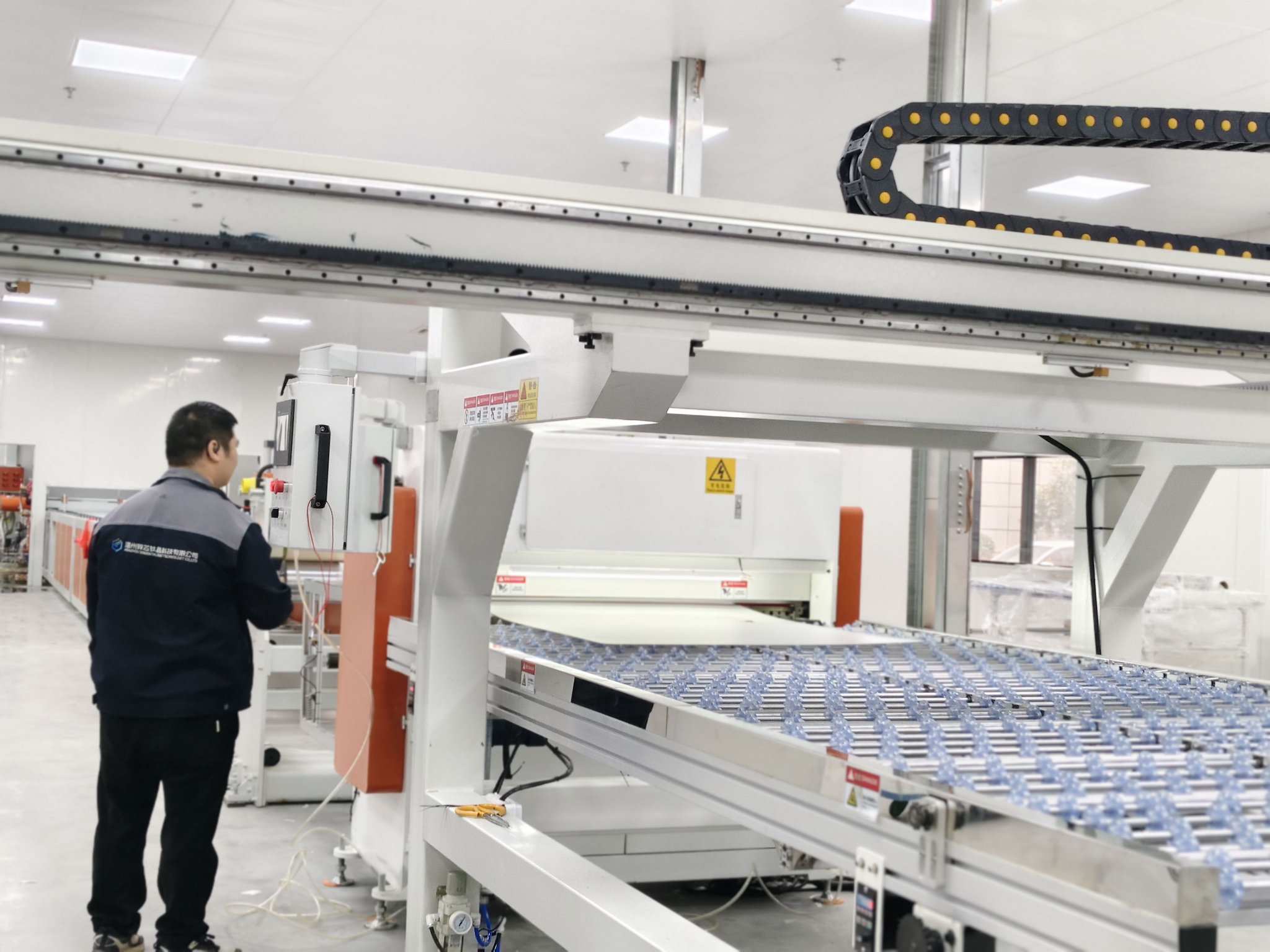
在昨天(2月9日)举行的全省建设一流创新生态打造最具竞争力营商环境大会上,温州锌芯钛晶科技有限公司参与的"低维结构钙钛矿材料设计与高效发光 显示器件构筑"项目荣获2024年度浙江省科学技术自然科学奖一等奖。记者近日走进这家新兴科技企业,感受企业在科研"无人区"破浪前行、在产业"新赛 道"加速领跑的勃勃生机。 这几天,温州锌芯钛晶科技有限公司副总经理刘海鹏正忙着新车间的装修和2条新生产线的安装调试。走进新车间,一条刚投产的量子点扩散板生产线正有 条不紊地运行,刘海鹏说,这条生产线全长45米,是在原有产线基础上完成的迭代升级与优化提升。刘海鹏说,新生产线的投用有效提升了公司产能,目前 公司订单已经排满,各条生产线正满负荷运转。 虽然是年轻企业,但公司的研发团队早在2012年便在浙江大学启动钙钛矿材料发光研究,历经十年潜心攻关,攻克了钙钛矿量子点稳定性的世界难题,做出 的量子点扩散板等产品,能大幅提升电视等显示屏的色域和色彩还原度,让屏幕色彩更饱满真实。 日前,公司创始研发团队研发的"低维结构钙钛矿材料设计与高效发光显示器件构筑"项目,荣获2024年度浙江省科学技术自然科学奖一等奖。何海平说,未 来,锌芯钛晶将不断 ...
沪深北交易所同日“亮剑”:再融资新政对A股影响(附精选股票)
Sou Hu Cai Jing· 2026-02-10 06:14
Core Viewpoint - The simultaneous release of refinancing optimization measures by Shanghai, Shenzhen, and Beijing stock exchanges marks a significant transformation in China's capital market, aimed at enhancing capital allocation efficiency and reshaping the A-share market landscape [1]. Group 1: Policy Framework and Differences - The policy frameworks of the three exchanges are highly similar, focusing on "supporting the strong, limiting the weak, promoting innovation, and enhancing convenience and regulation" [2]. - Shanghai Stock Exchange emphasizes "main board" characteristics, tailoring financing rules for large, mature technology companies [2]. - Shenzhen Stock Exchange adopts a bolder stance on supporting technology innovation, easing fundraising restrictions for growth-oriented enterprises [2]. - Beijing Stock Exchange focuses on "innovative small and medium-sized enterprises," addressing their financing challenges with flexible policies [2]. Group 2: Strategic Insights on Separate Announcements - The decision to release policies on the same day rather than a joint announcement reflects the nuanced wisdom of tiered regulation in China's capital market [3]. - Different market positioning allows each exchange to cater to the unique characteristics and needs of the enterprises they serve, avoiding a one-size-fits-all approach [3]. - The simultaneous release creates a strong policy resonance, reinforcing market perception of deepening capital market reforms while maintaining the distinct identities of each exchange [3]. Group 3: Deep Impacts on Market Perception - The new measures aim to shift the long-standing fear of "blood-sucking" effects of refinancing, which was believed to drain market funds and destabilize the market [4]. - The principle of "supporting the strong, limiting the weak" will act as a catalyst for market differentiation, favoring quality companies, especially in hard technology, while raising barriers for poorly performing firms [4]. - The policy directs resources towards "new productive forces," providing strong support for leading companies in sectors like semiconductors, AI, biomedicine, and high-end manufacturing [5]. - Allowing companies that have experienced stock price declines to raise funds through methods like private placements and convertible bonds offers a lifeline to solid businesses facing temporary challenges [6]. - A complete regulatory loop is established, tightening post-fundraising supervision while relaxing initial approvals, transforming refinancing from a mere "money-raising tool" to an "engine" for corporate development [7]. Group 4: Implications for Investors - The coordinated actions of the three exchanges signify the entry of China's refinancing mechanism into a "precise drip irrigation" era, providing tailored financing support for different types of enterprises [8]. - Investors are advised to focus on genuinely innovative and well-governed companies while avoiding those that merely chase trends without substance [8]. - The transformation of refinancing from a "blood-sucking machine" to a "blood-producing pump" is expected to enhance the value discovery function of the A-share market, leading to a healthier and more vibrant capital market [8].






春节有望迎来新催化,消费电子ETF(561600)红盘向上
Xin Lang Cai Jing· 2026-02-10 05:39
Group 1 - The core viewpoint of the articles highlights the positive performance of the consumer electronics sector, particularly the rise in the Zhongzheng Consumer Electronics Theme Index and its constituent stocks, indicating a potential recovery and growth in the industry [1][2] - The Zhongzheng Consumer Electronics Theme Index (931494) saw an increase of 0.29%, with notable gains from stocks such as Chipone Technology (6.57%), Sanhuan Group (4.41%), and Dongshan Precision (2.94%) [1] - The Consumer Electronics ETF (561600) also experienced a rise of 0.24%, closing at 1.23 yuan, reflecting the overall positive sentiment in the market [1] Group 2 - AI applications are becoming increasingly active, with ByteDance's Seedance 2.0 gaining attention for its ability to create high-quality videos from text or images in just 60 seconds, indicating a growing trend in AI-driven content creation [1] - Huatai Securities suggests that the technology and consumer sectors may see new catalysts around the Spring Festival, as the risks associated with U.S. tech giants' capital expenditures and earnings divergence, domestic AI companies' traffic subsidies, and overseas liquidity expectations are being adjusted [1] - The semiconductor and hardware sectors are expected to improve as the U.S. tech earnings reports are nearly complete, and domestic subsidies are being implemented, making these areas worthy of attention [1]
破局“后摩尔时代”:玻璃基板迈向全球商业化新纪元
Jin Rong Jie· 2026-02-10 03:54
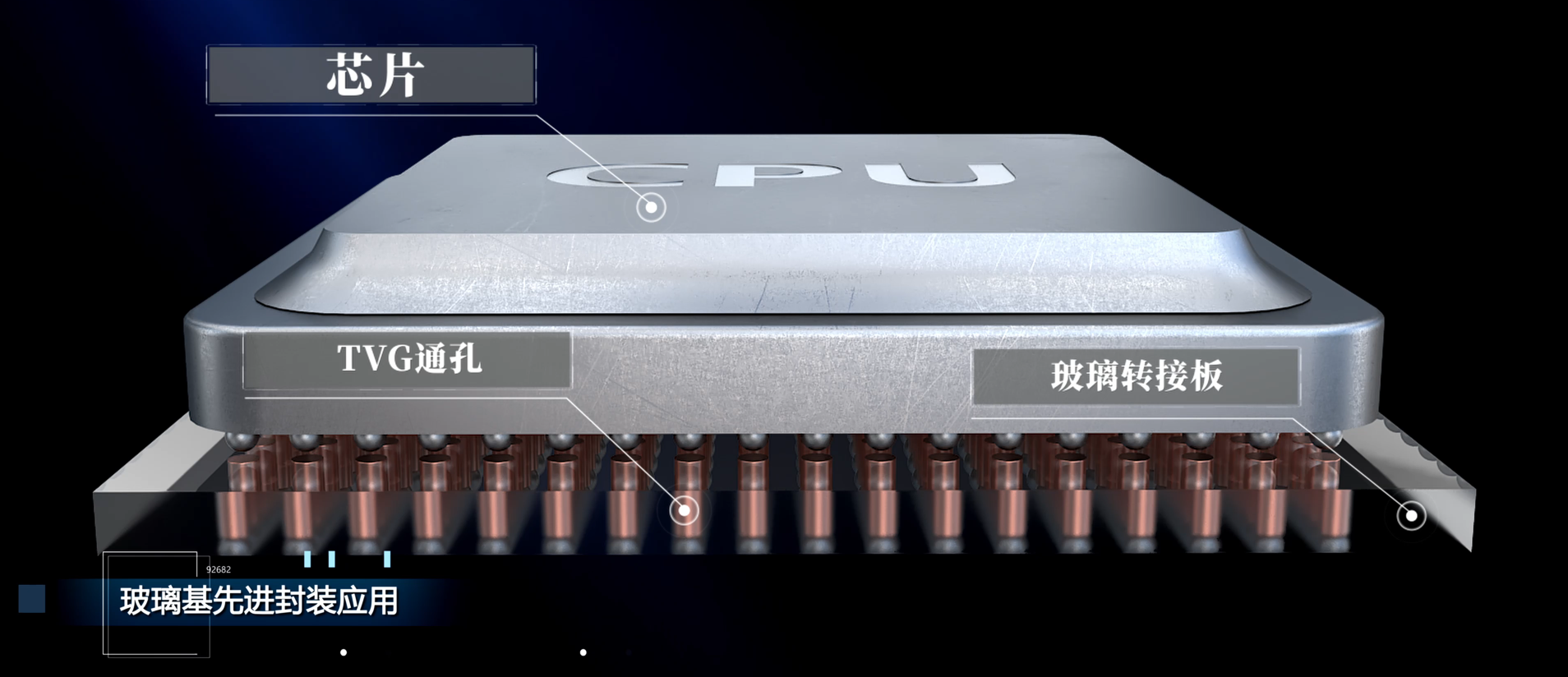
Core Insights - The demand for computing power driven by generative AI is pushing the limits of chip packaging, leading to a shift from traditional organic substrates to glass substrates, which offer superior flatness, thermal stability, and insulation properties [1] - 2026 is identified as a critical year for the transition of glass substrates from small-scale validation to mass production [1] Industry Dynamics - Intel is advancing its glass substrate commercialization plans and showcased a large glass chip substrate prototype at a recent exhibition in Japan, targeting mass production post-2026 [2] - Samsung is actively pursuing glass substrate development, announcing a joint venture and a commercialization roadmap, while also investing in building a glass substrate ecosystem [2] - Companies from Japan and mainland China, such as BOE and Lens Technology, are making significant progress in glass substrate technology, with predictions of over 10% annual growth in semiconductor glass wafer shipments from 2025 to 2030 [2] Technical Challenges - The main hurdle for the commercialization of glass substrates, particularly for advanced semiconductor packaging, lies in the TGV (Through Glass Via) process, which requires creating micro-sized vias in thin glass and perfect metallization [3] - The current process heavily relies on hydrofluoric acid, posing safety and environmental compliance challenges, prompting experts to explore alternatives like high-temperature alkaline solutions [3] Competitive Advantages - Chinese companies, exemplified by Woge Optoelectronics, are leveraging their extensive experience in chemical management to overcome challenges associated with TGV processing, significantly reducing initial investment and operational costs [6][7] - Woge Optoelectronics has developed a comprehensive management system for handling hazardous chemicals, allowing for a smoother transition to TGV production lines [6] Future Prospects - Woge Optoelectronics is leading the development of GCP (Glass Circuit Board) technology, which is becoming a crucial component in the global electronic information supply chain [7] - The commercialization wave of glass substrates is gaining momentum, with Chinese firms poised to leverage their unique advantages in core processes to compete in the high-end semiconductor packaging materials market [8]

亚玛顿20260209
2026-02-10 03:24
Summary of the Conference Call Company Overview - The conference call involved **Yamaton**, a leading company in the **photovoltaic glass** industry, particularly known for its ultra-thin glass products, specifically 1.6 mm glass [1][2]. Key Points Discussed Financial Performance - For the year 2025, Yamaton is expected to report a loss in the range of **100 million to 120 million RMB**, which is an improvement compared to 2024 [2]. - The traditional main business accounts for **90%** of the company's revenue, which has been affected by low photovoltaic glass prices compared to 2020 [2]. - The company has strategically reduced sales volume and revenue to focus on cash flow, avoiding unprofitable customers and those with accounts receivable risks [2][3]. Business Segments 1. **Traditional Photovoltaic Glass**: - The gross profit margin has declined due to low prices, but the product remains profitable [3]. 2. **Collaboration with Tesla**: - Revenue from Tesla's roof tiles and energy storage glass increased to approximately **200 million RMB** last year, contributing positively to Yamaton's performance [3]. - The partnership with Tesla has been ongoing since 2016, focusing on solar roof tiles and energy storage glass, with significant sales growth noted in 2019 [7][8]. - However, the pandemic impacted the installation of solar roofs, leading to unmet sales expectations [9]. 3. **Electronic Glass**: - Revenue from electronic glass has increased due to government subsidies and the growth of the electronic consumer products sector [3]. - One product has achieved profitability, while another is still in the process of reducing losses [3]. Strategic Adjustments - Yamaton has closed its photovoltaic glass production line in Changzhou due to low efficiency and high operational costs, opting to buy raw materials from other regions [5]. - The company is developing a new production line for **perovskite glass**, collaborating with companies like GCL and Jidian [6]. International Expansion - Yamaton is establishing a production base in the **Middle East**, with plans for a **1 million square meter** capacity, aiming for completion by mid-2027 [11][12]. - The decision to set up in the Middle East is driven by lower energy costs and favorable tariffs [11]. Pricing and Market Conditions - Current overseas prices for photovoltaic glass are around **$2.30 to $2.60 per square meter**, significantly higher than domestic prices, which are around **10 RMB** [13][15]. - The company anticipates that the market will continue to face challenges due to excess supply and insufficient demand, leading to potential natural market corrections [50][52]. Future Outlook - Yamaton expects to see an increase in sales in 2026, driven by traditional photovoltaic glass and additional contributions from energy storage glass [46]. - The company is also optimistic about the potential for its perovskite glass products, although large-scale production may take time [28][55]. Industry Dynamics - The photovoltaic glass industry is experiencing significant competition, with many companies facing financial difficulties due to overcapacity and low prices [50][52]. - Yamaton is focused on maintaining a competitive edge through cost management and strategic partnerships, particularly in the international market [24][52]. Additional Insights - The company is exploring advanced glass technologies for aerospace applications, indicating a potential diversification of its product offerings [41][42]. - Yamaton is committed to innovation and has a strong technical foundation in glass processing, which may position it well for future opportunities in emerging markets [41][42].

续写辉煌!人口增量第一城,增速第一
3 6 Ke· 2026-02-10 02:55
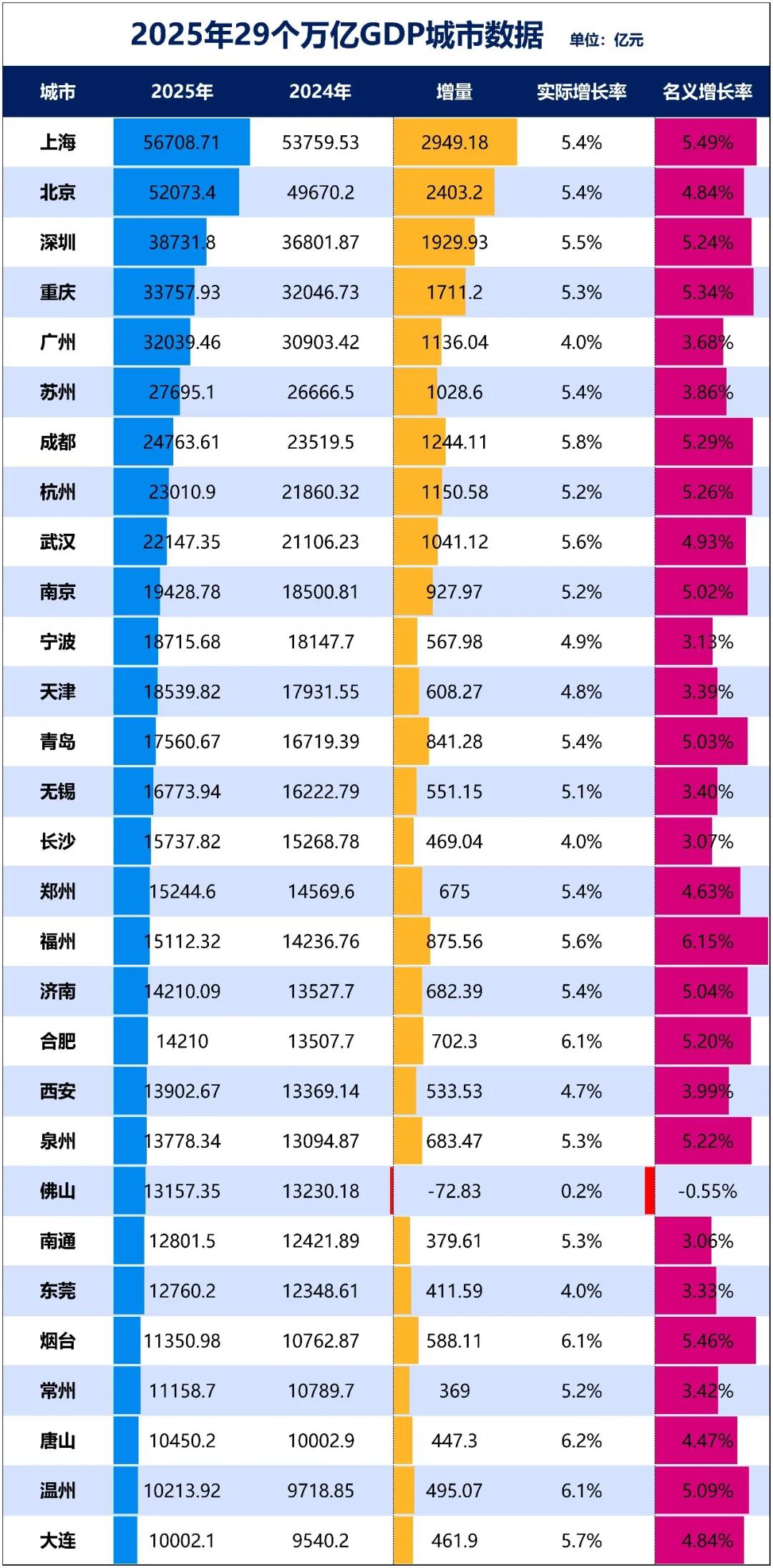
Core Viewpoint - Hefei continues to demonstrate remarkable economic growth, with a GDP of 14,210 billion yuan in 2025, reflecting a year-on-year increase of 6.1%, positioning it as a leading city among those with a GDP exceeding 10 trillion yuan [1][3]. Economic Performance - In 2025, Hefei's GDP reached 14,210 billion yuan, marking a growth of 702.3 billion yuan from the previous year, which is the second-highest growth rate among major cities, only behind Tangshan [1][3]. - The industrial sector is a significant contributor to Hefei's economic performance, with the added value of the secondary industry (broadly defined as industry) increasing by 8.7% to 5,221.9 billion yuan [4]. Industrial Growth - Hefei's industrial output value growth reached 17.6%, the highest among cities with a GDP over 10 trillion yuan [4]. - The computer, communication, and other electronic equipment manufacturing sectors saw a staggering growth of 60.6%, while the automotive manufacturing sector grew by 11.1% [4]. - Strategic emerging industries experienced a production value increase of 16.6%, accounting for 60.4% of the industrial output, an increase of 2.7 percentage points year-on-year [4]. Population Growth - Hefei's population has seen significant growth, with an increase of 219,000 residents in 2023, the highest in the country, and a total increase of 537,000 over the past three years [6][20]. - The city has surpassed Nanjing and Ningbo in population size within the Yangtze River Delta, reaching a population of over 10 million in 2024 [6]. Historical Context and Development Strategy - Over the past 20 years, Hefei has transformed from a relatively small city to a major economic player, with its GDP increasing from 896.67 billion yuan in 2004 to 13,507.7 billion yuan in 2024, a nominal increase of 1,406.43% [5][6]. - The city's development strategy, initiated in 2005, focused on industrialization and attracted significant investments, notably from BOE Technology Group, which catalyzed the growth of the display industry [12][17]. Future Prospects - Hefei aims to become a leading city in the new energy vehicle sector, with plans to achieve a production capacity of 1.5 million vehicles by 2025, accounting for over 25% of the national total [14][15]. - The city is also focusing on semiconductor production, with partnerships established to enhance its capabilities in this critical industry [15][16]. Strategic Positioning - Hefei's economic strategy includes a strong provincial capital approach, with over 26.9% of the province's GDP generated in the city, significantly outpacing other cities in Anhui [20][21]. - The city has effectively integrated into the Yangtze River Delta economic region, enhancing its development through collaboration with neighboring cities [22][23].